

 English
 中文简体
中文简体 русский
 Español


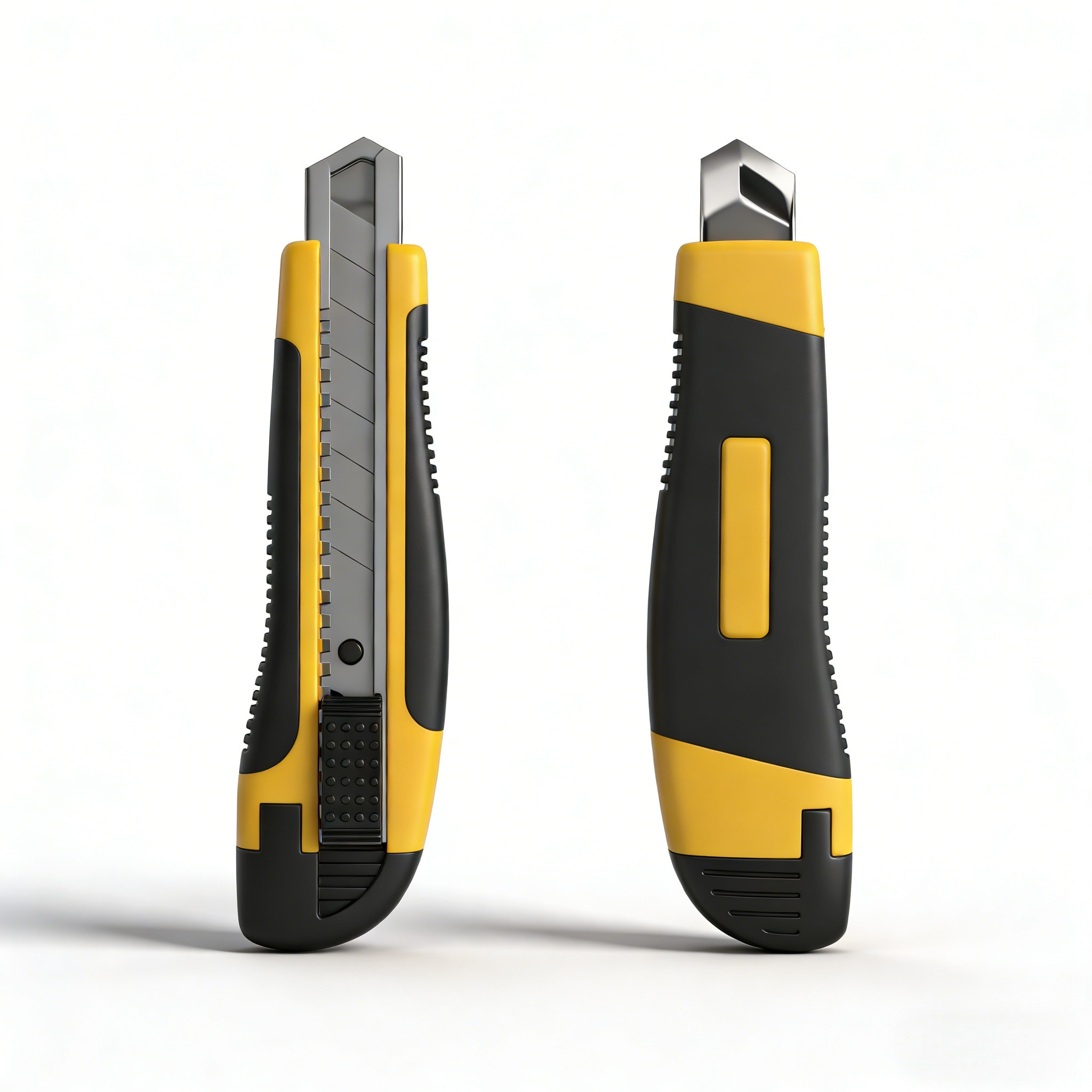
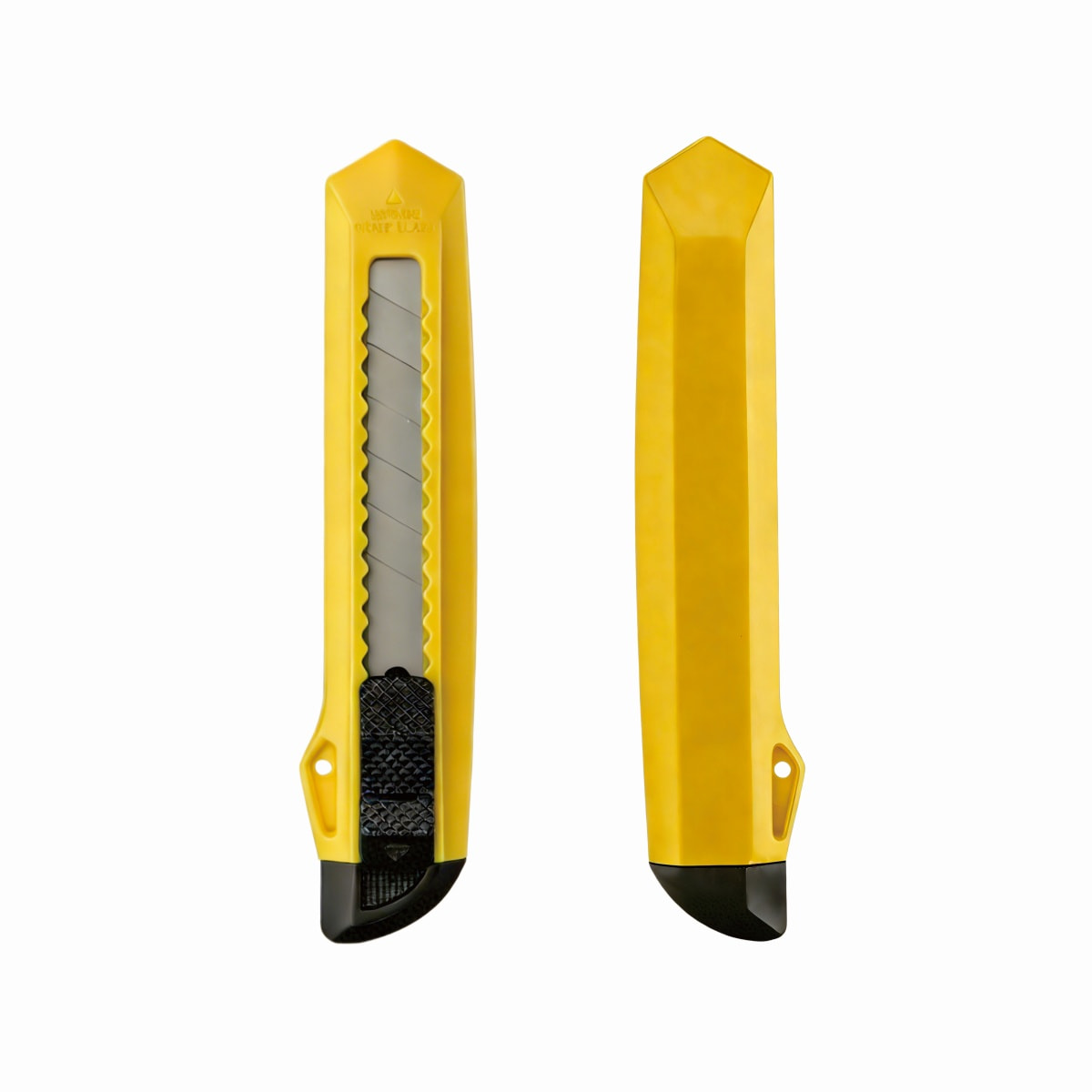
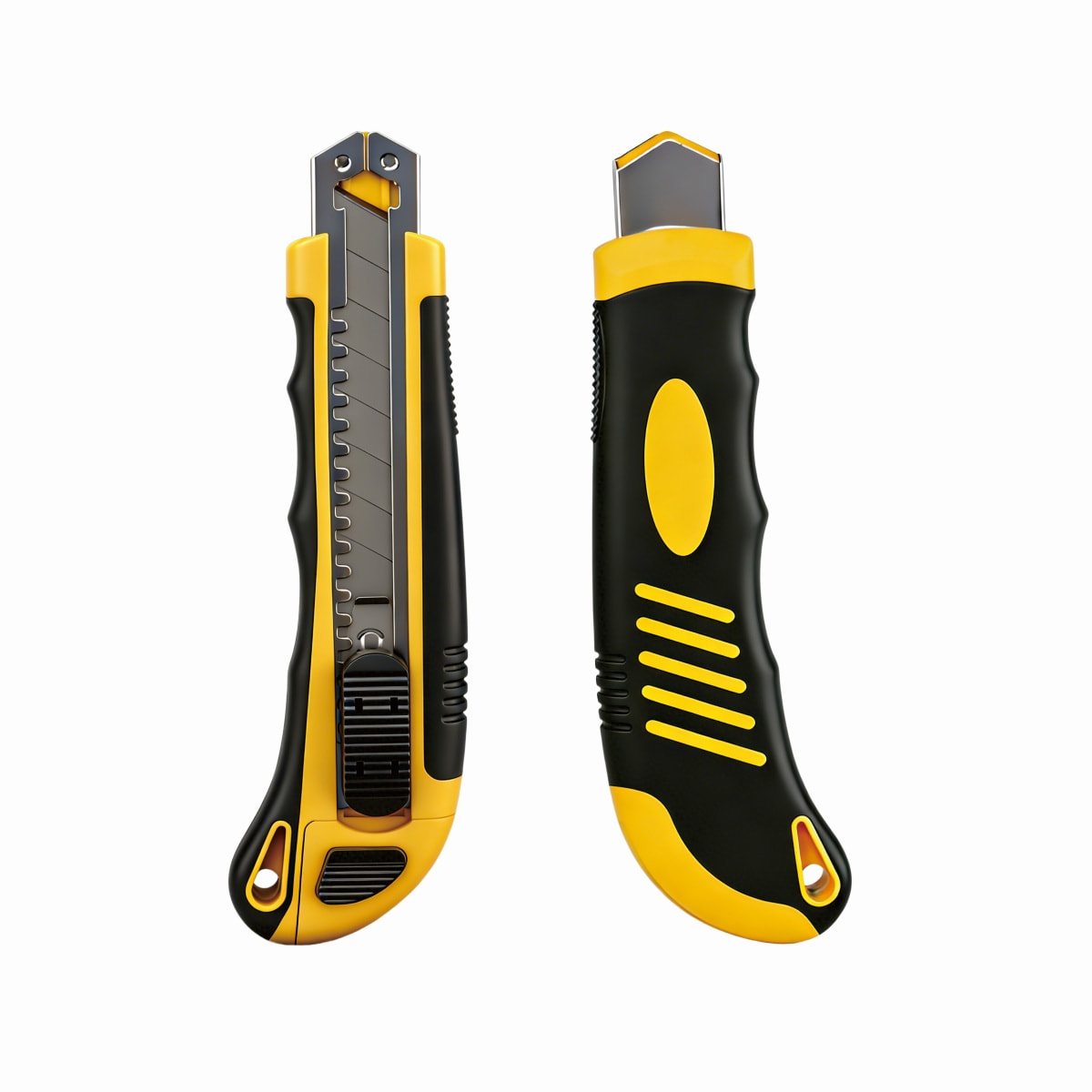
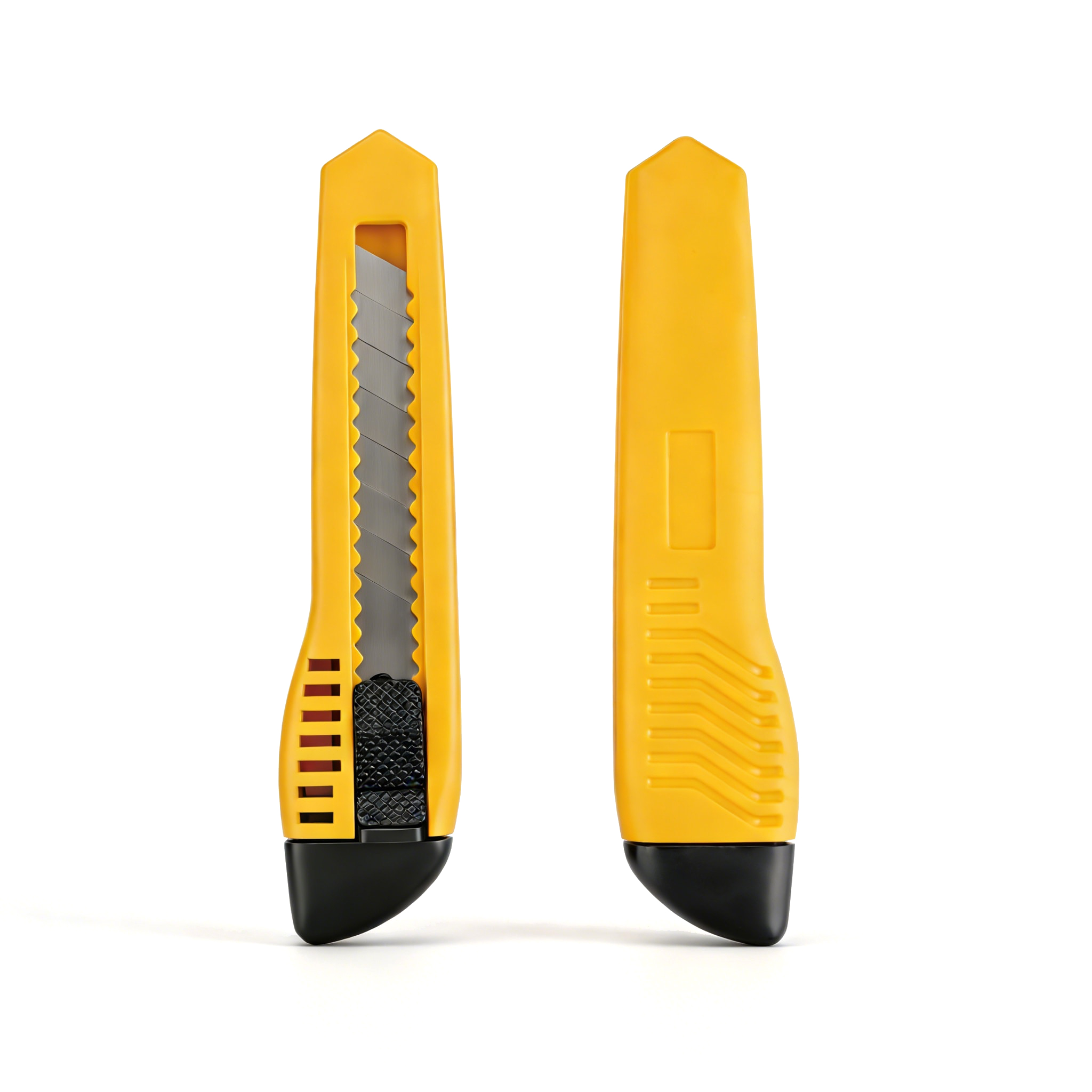
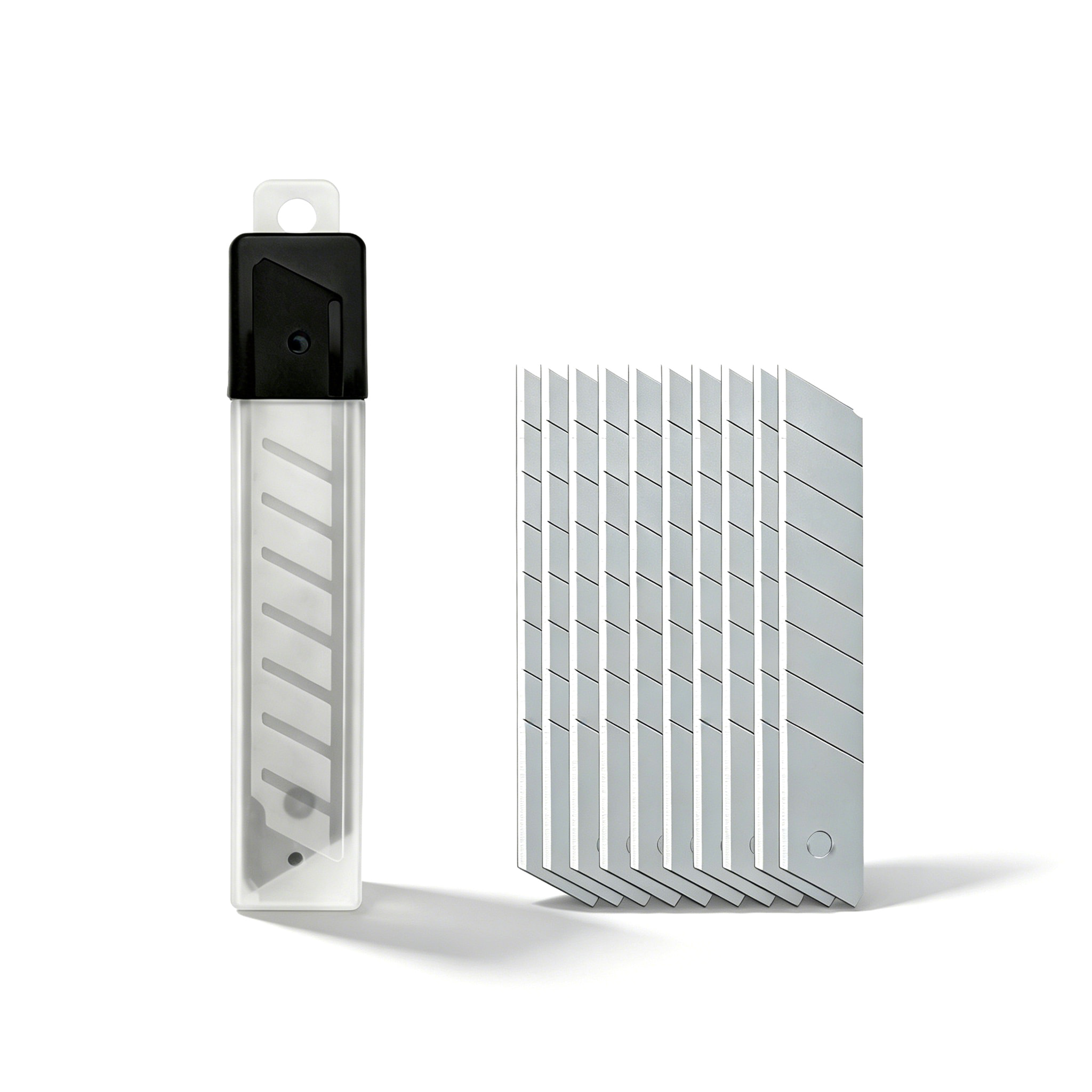
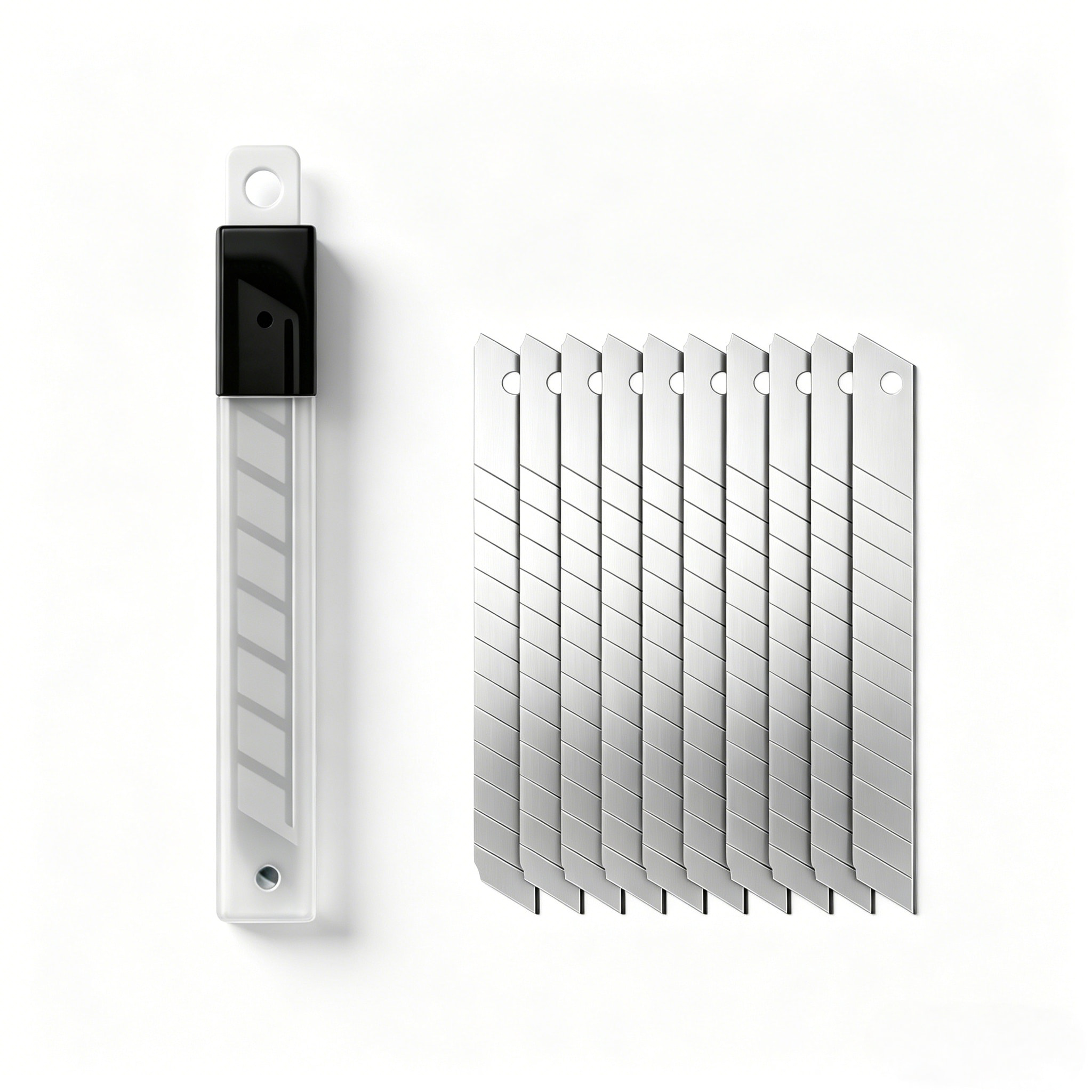
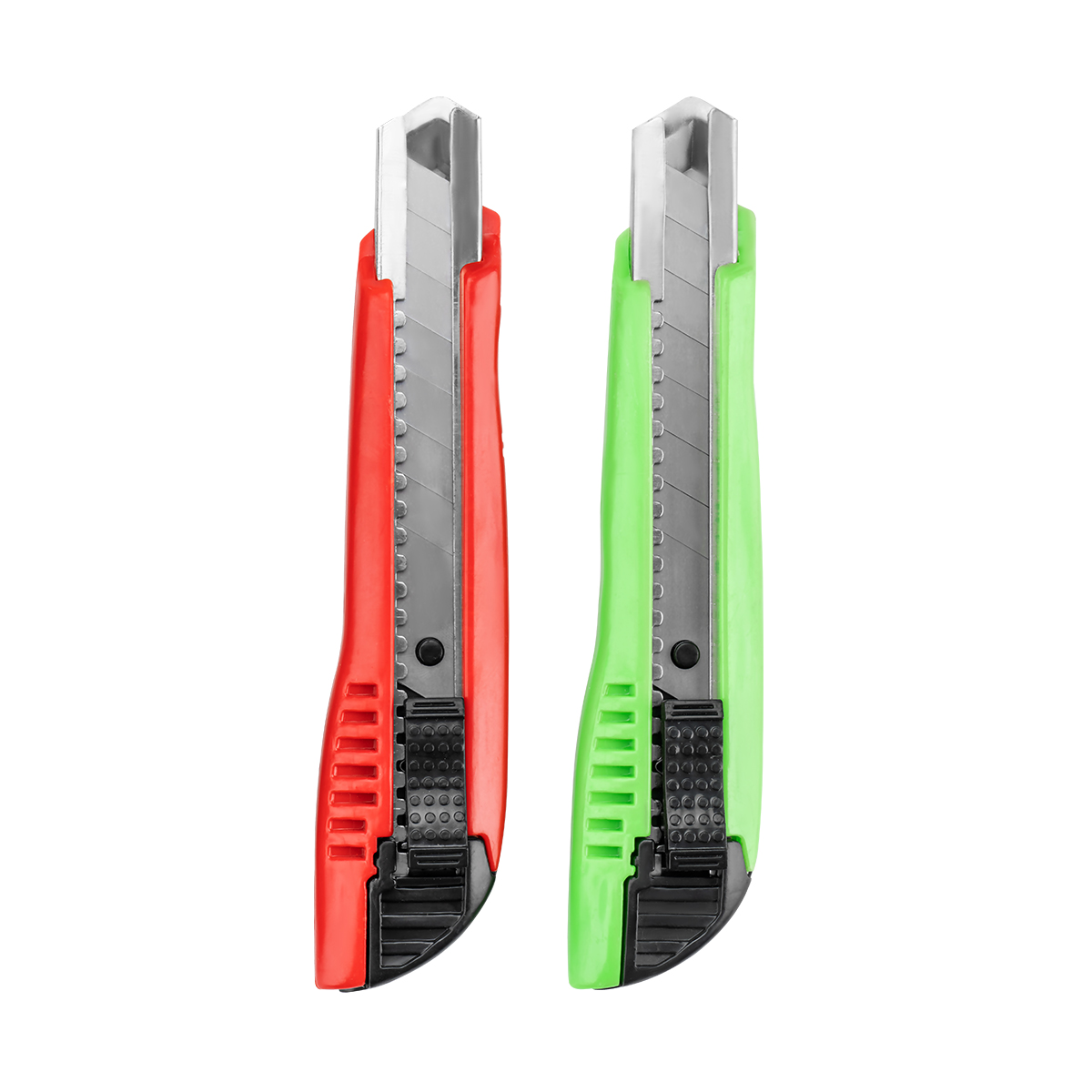
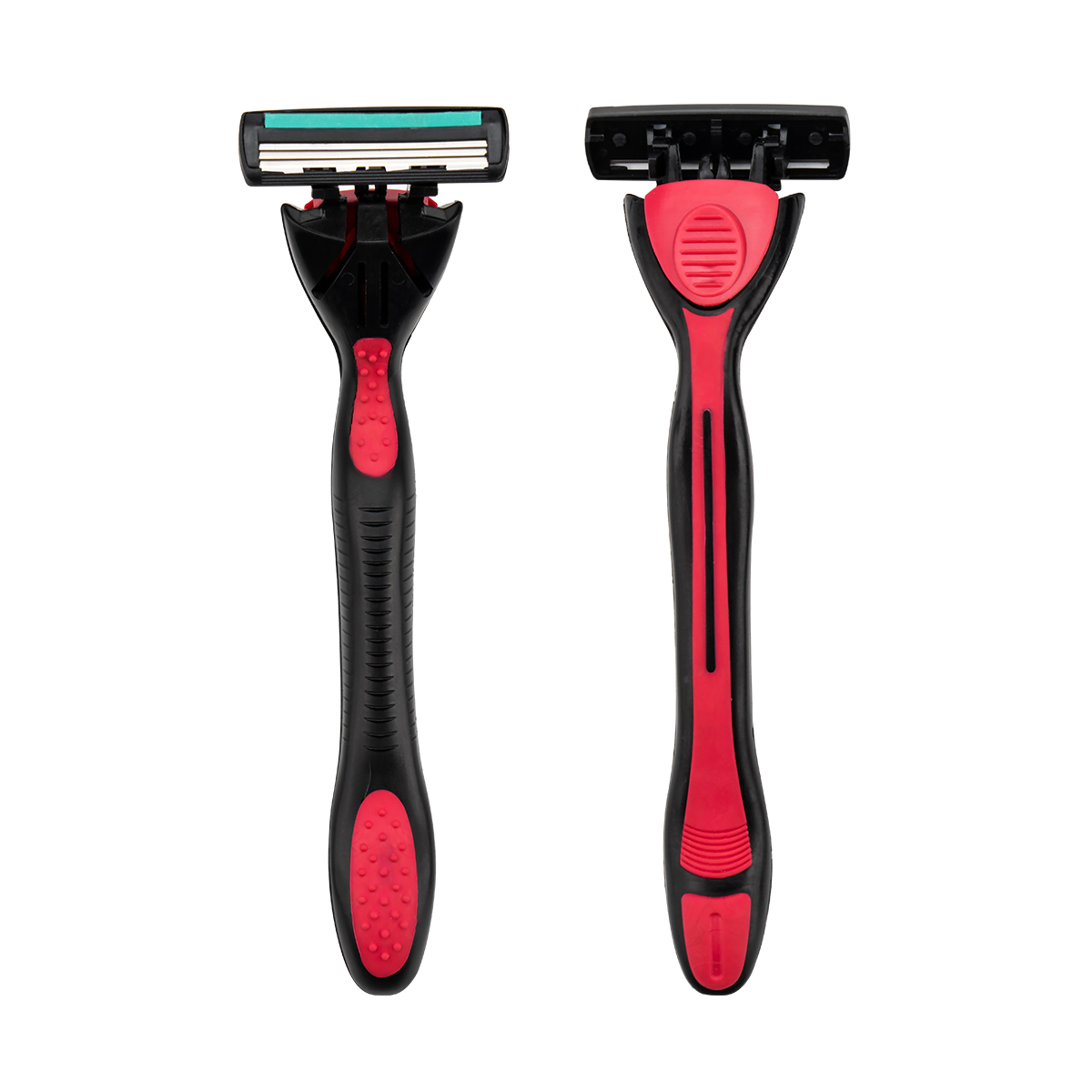
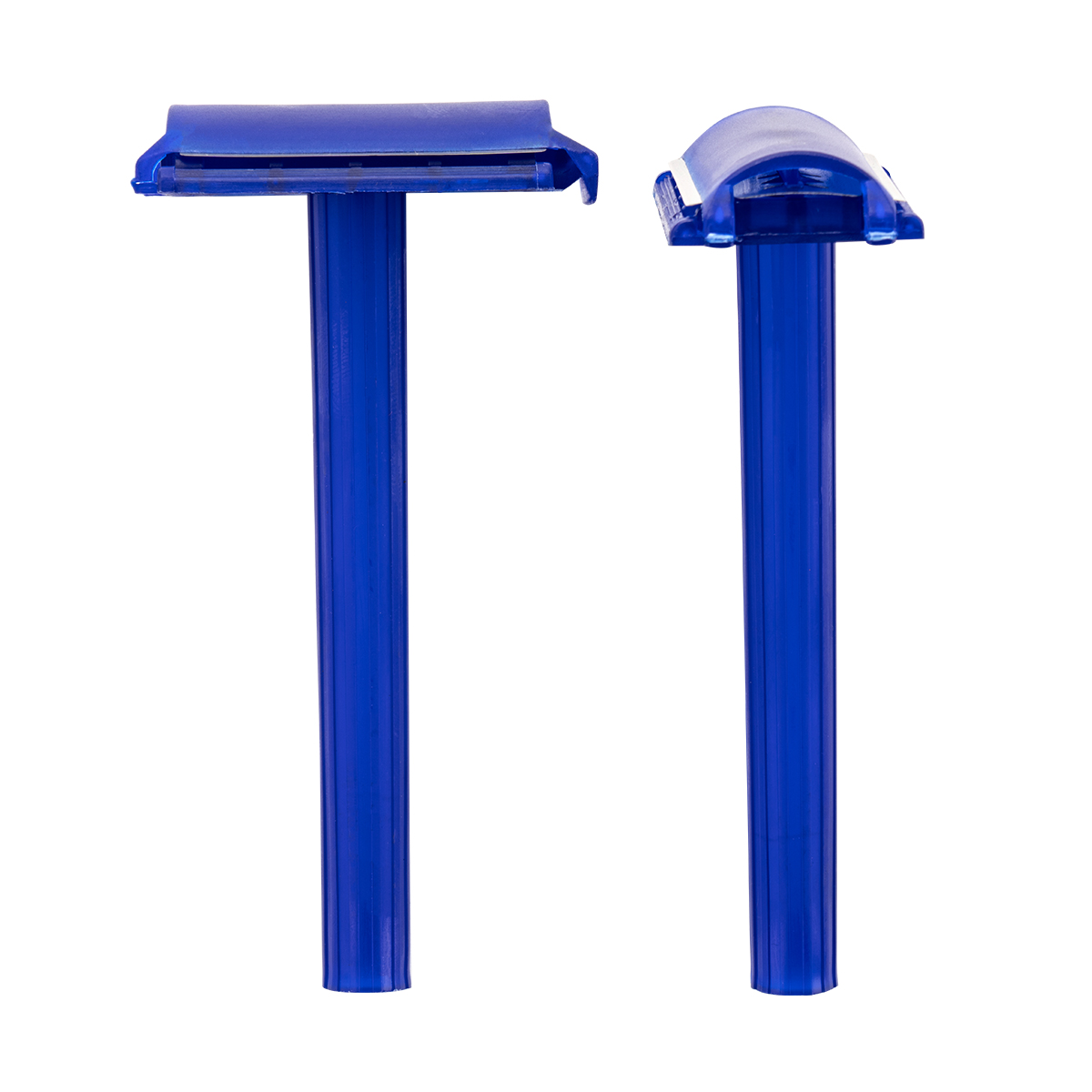
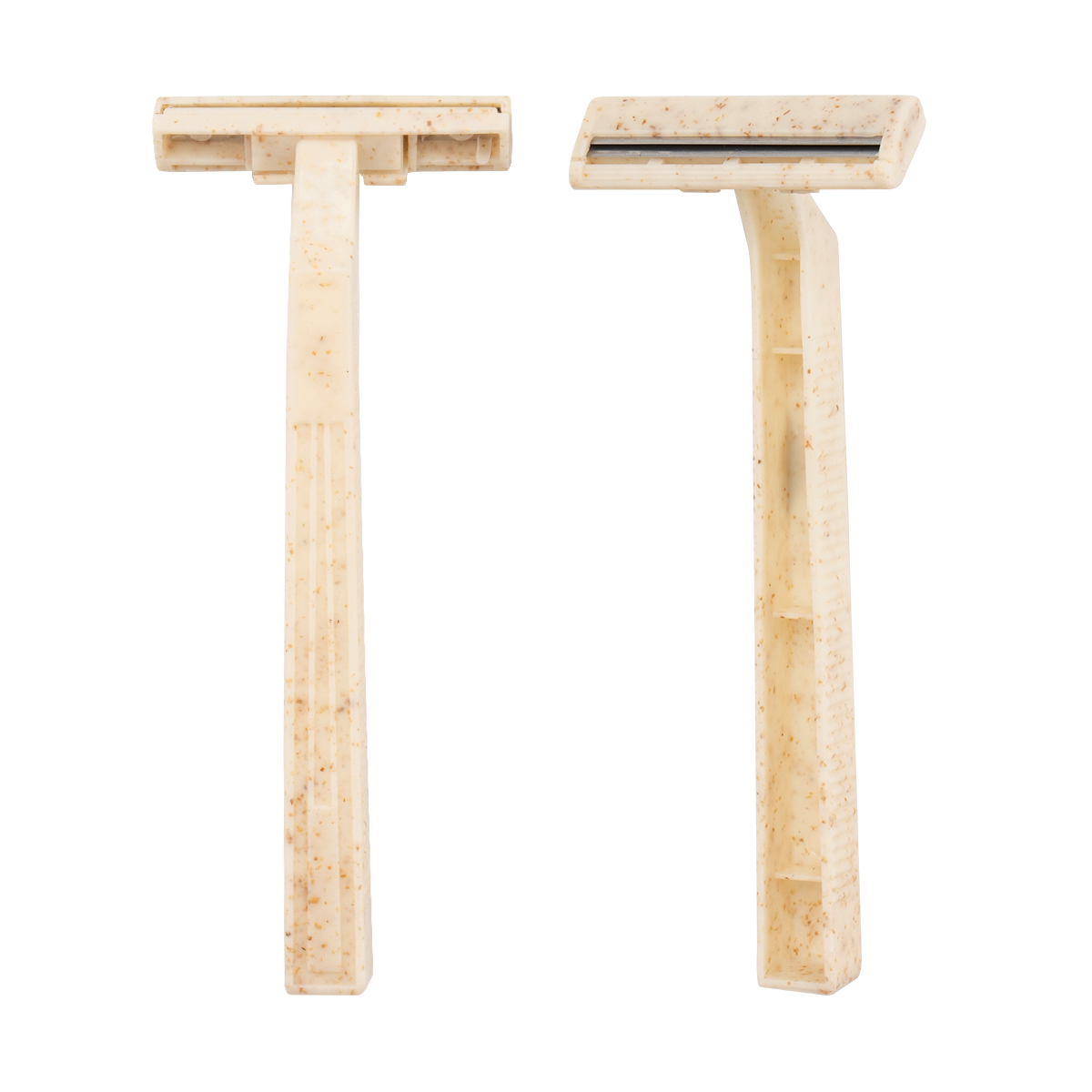

We are an industry and trade enterprise
specializing in the production of disposable razors and utility knives for more than 30 years.
What Is the Best 18mm Heavy Duty Utility Knife for Professional Cutting
Content
- 1 CX-707 at a Glance — By the Numbers
- 2 Anatomy of an 18mm Snap-Off Blade
- 3 Engineering Features That Affect Daily Use
- 4 Complete Specifications — CX-707
- 5 Blade Material Comparison — Which Grade Fits Your Task?
- 6 Where the 18mm Utility Knife Performs
- 7 9mm vs 18mm vs 25mm — Choosing the Right Blade Width
- 8 How to Change the Blade in an 18mm Cutter Knife
- 9 Blade Maintenance and Safe Handling Protocol
- 10 Frequently Asked Questions — 18mm Utility Knife
What makes an 18mm utility knife the right choice for heavy-duty cutting tasks?
An 18mm utility knife delivers a blade width that is 50% wider than the standard 9mm format, which translates directly into longer cutting strokes, reduced repositioning frequency, and more stable blade guidance on thick or layered materials. The wider geometry of the 18mm cutter knife distributes cutting force across a greater contact length, so the edge engages materials like corrugated board, leather, vinyl flooring, insulation foam, and roofing membrane with less deflection and fewer jagged edge artifacts.
The snap-off design built into most utility knife 18mm models eliminates the need to sharpen or replace the entire blade body. Each scored segment, when snapped away cleanly, exposes a factory-ground cutting edge at a precise bevel angle — ensuring every cut from the first to the last in a session performs identically. For professional applications involving continuous cuts over long shifts, this consistency matters as much as initial sharpness.
A well-engineered 18mm heavy duty utility knife pairs this blade geometry with a body mass that resists the micro-vibration introduced by rough substrate surfaces. The result is a straight cut that tracks the intended line rather than drifting, which reduces material waste and rework across large-scale cutting operations.
CX-707 at a Glance — By the Numbers
Each specification below is a functional engineering decision, not a marketing figure.
18 mm Blade Width — full-stroke coverage
109 g Knife Weight — balanced tool mass
3 pcs Snap-off Blades Included
0.5 mm Blade Thickness — rigid flex balance
Anatomy of an 18mm Snap-Off Blade
Understanding the blade structure explains why each component specification matters to real cutting performance.
Engineering Features That Affect Daily Use
Each design element below solves a specific problem that arises during repetitive or extended cutting work.
01
High-Carbon Steel Blade (SK / #60)
SK-grade carbon steel reaches a Rockwell hardness of HRC 58–62 after heat treatment. This range balances edge retention — so the blade stays sharp longer between snaps — with enough toughness to resist chipping when the cutting line encounters embedded staples, adhesive layers, or uneven density gradients in composite materials.
02
ABS/TPR Composite Handle Body
The outer shell uses rigid ABS for dimensional stability under load, while the grip zones are overmolded with TPR rubber. The TPR layer absorbs handle vibration transmitted from the substrate, reduces slippage when hands are damp or gloved, and distributes grip pressure evenly to delay the onset of fatigue in sustained cutting sessions.
03
Auto 3-Blade Storage Loader
A spring-loaded blade magazine holds three spare 18mm blades within the handle body. Blade loading and unloading are performed without exposing bare metal to fingers — the mechanism indexes each blade from the magazine directly into the blade channel, eliminating the handling step that accounts for the majority of utility knife injuries in daily use.
04
18mm Blade Width — 50% More Coverage
The 18mm blade format covers 50% more surface per stroke compared to a 9mm blade. On materials wider than 9mm — roof underlays, flooring rolls, packaging laminate — the wider blade maintains a single uninterrupted cut, whereas a 9mm blade requires a second overlapping pass with an increased risk of misalignment between passes.
05
Blade Thickness 0.4 – 0.6 mm
The 0.4–0.6 mm thickness range provides lateral stiffness sufficient to resist blade flex on long cuts through semi-rigid materials, while remaining thin enough to enter tight score lines and rebate joints without splitting adjacent material. Thicker blades (above 0.7 mm) would wedge in narrow kerf slots; thinner blades (below 0.3 mm) flex noticeably under side load.
06
16.7 × 4.5 cm Body Geometry
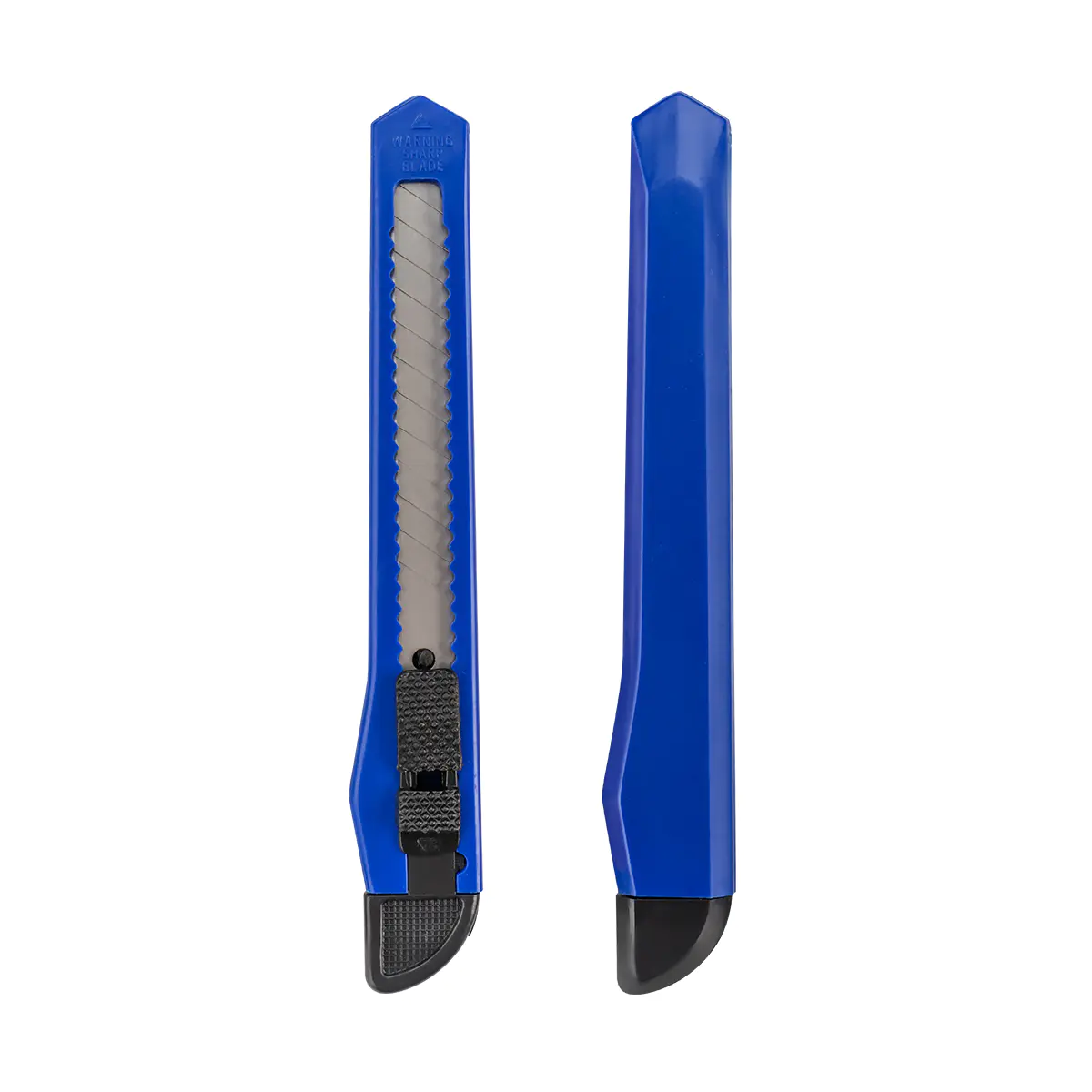
The 167 mm body length positions the blade tip approximately 18 mm beyond a standard adult closed fist, providing natural blade visibility without requiring an awkward wrist angle. The 45 mm handle width matches the median adult palm width for a stable four-finger wrap grip, which is the grip most commonly used for controlled lateral pull cuts.
Complete Specifications — CX-707
All dimensional and material data for sourcing, compliance verification, and technical documentation.
| Parameter | Specification | Engineering Significance |
| Item Number | CX-707 | Factory model reference for reorder and customization |
| Blade Width | 18 mm | Standard 18mm format — compatible with all ISO 18mm snap-off blades |
| Blade Thickness | 0.4 – 0.6 mm | Lateral stiffness without kerf widening on precision cuts |
| Blade Material | SK or #60 Carbon Steel | HRC 58–62; balances edge retention and chip resistance |
| Blade Type | Snap-off, segmented | Fresh edge exposed by snapping — no sharpening tool required |
| Blades Included | 3 pcs | Stored internally; enough for a full working day of moderate use |
| Handle Material | ABS / PS / PP / TPR | Rigid shell + TPR grip zones; impact-resistant and non-slip |
| Knife Size | 16.7 × 4.5 cm | Fits average adult hand; full-control four-finger wrap grip |
| Knife Weight | 109.1 g | Sufficient tool mass to reduce hand pressure; not fatiguing over long use |
| Color Options | Customized | OEM color, logo, and label configuration available |
| OEM / ODM | Available | Custom tooling, packaging, and private label supported |
Blade Material Comparison — Which Grade Fits Your Task?
The CX-707 ships with SK / #60 carbon steel. Understanding where each grade excels helps when specifying blades for specific cutting environments.
| Blade Grade | Hardness (HRC) | Edge Retention | Chip Resistance | Corrosion Resistance | Best-Fit Application |
| #60 Carbon Steel | 56–60 | Good | High | Low (dry use) | General packaging, cardboard, soft plastics |
| SK5 Carbon Steel CX-707 | 58–62 | Very Good | Good | Low (dry use) | Heavy-duty construction, roofing, composite board, leather |
| SK4 Carbon Steel | 60–64 | Excellent | Moderate | Low (dry use) | Precision scoring, thin-film laminates, fine paper |
| Stainless Steel | 52–56 | Moderate | Good | High | Wet environments, food processing areas, marine applications |
Where the 18mm Utility Knife Performs
The 18mm blade width and heavy-duty handle make this knife the effective choice across these common field applications.
Vinyl & LVT Flooring
Scores and cuts luxury vinyl tile, laminate underlay, and rubber flooring strips without requiring a circular saw or jigsaw. One clean pass is sufficient on material up to 4 mm thick.
Roofing & Waterproofing
Cuts bituminous membrane, EPDM sheet, and polystyrene insulation panels cleanly. The wider blade tracks straight lines across large roof sheets without wandering under applied pressure.
Packaging & Logistics
Opens multi-layer corrugated boxes, cuts strapping tape, and trims shrink wrap on palletized freight. High-frequency use is managed by snapping to a fresh blade segment rather than pausing to find a replacement knife.
Drywall & Construction Board
Scores gypsum board face paper in a single straight pass. Combined with snap-breaking along the score line, the 18mm heavy duty utility knife handles standard 12.5 mm and 15 mm board without requiring a saw, leaving a cleaner edge with less dust.
9mm vs 18mm vs 25mm — Choosing the Right Blade Width
Blade width determines stroke coverage, blade rigidity, and applicable material range. This table maps width options to use cases so the correct knife format is specified from the start.
| Blade Width | Typical Weight Range | Material Coverage per Stroke | Blade Stiffness | Primary Use Range |
| 9 mm | 50–80 g | Short strokes, fine trim work | Moderate flex | Stationery, thin film, wallpaper, detail cutting |
| 18 mm ← CX-707 | 90–130 g | Full-width cut on most construction materials | High rigidity | Flooring, packaging, insulation, roofing membrane, drywall |
| 25 mm | 150–220 g | Maximum coverage, single-pass thick material | Maximum rigidity | Carpet, heavy rubber sheet, industrial gasket, thick foam |
How to Change the Blade in an 18mm Cutter Knife
Safe blade replacement in the CX-707 follows five steps. The built-in blade loader removes the need to handle bare metal at any point during the procedure.
Retract the blade fully
Push the blade-advance slider to the fully retracted position before touching any part of the blade. Confirm the cutting edge is not protruding past the blade guide slot.
Open the blade storage compartment
Press and slide the rear end cap to release the blade magazine. On the CX-707, the magazine slides downward from the base of the handle. Do not tilt the knife — the magazine is spring-loaded.
Remove and dispose of the used blade safely
Use the blade disposal slot in the magazine cap — where fitted — or place the used blade directly into a dedicated sharps container. Never drop loose blades into a general waste bin.
Load a new 18mm snap-off blade
Insert a fresh blade into the magazine slot with the cutting edge facing the correct orientation — the beveled edge toward the front of the knife. The magazine indexes the blade automatically when the compartment is closed.
Advance and lock the blade
Slide the advance mechanism forward by one segment click. The blade should lock without play. Test blade engagement by applying light lateral pressure to the exposed blade — any movement indicates improper seating; retract and reload before use.
Blade Maintenance and Safe Handling Protocol
Extending cutting performance and avoiding injury requires consistent adherence to these operating and maintenance practices.
Correct Practices
- Advance the blade only one segment beyond the guide for standard cutting tasks — extending multiple segments reduces lateral support and increases snap-off risk during use.
- Snap off dull blade segments using the snap-off slot built into the blade cap or a dedicated snap-off tool; never snap freehand without containment.
- Retract the blade fully after each cutting session, including during short interruptions.
- Inspect the blade advance slider for smooth travel before each session — debris accumulation in the channel can cause the blade to slip under load.
- Store the knife in a tool belt, pouch, or drawer with the blade fully retracted and the cutting edge protected by the blade guide slot.
- Replace blades when they produce visible lateral deflection on light-pressure cuts — a blade that requires heavy force to cut signals a dull edge, not a material problem.
Common Errors to Avoid
- Do not use the 18mm cutter knife as a pry tool, scraper lever, or scoring chisel — lateral loads on the blade channel will crack the handle body over time.
- Do not attempt to extend blade life by re-sharpening snap-off segments. The factory bevel geometry cannot be reproduced with hand sharpening tools; replacement by snapping is faster and safer.
- Do not leave a used or partly-extended blade on a work surface unattended, particularly where others may reach across the surface without looking.
- Do not apply downward body weight to the knife handle when scoring — controlled arm pressure with a guide rail produces a more accurate score line with less injury risk.
- Do not force a blade segment that will not snap cleanly — this usually indicates a cold or brittle blade. Warm the blade briefly or replace it entirely.
Frequently Asked Questions — 18mm Utility Knife
Answers to the technical questions most commonly asked about specification, compatibility, and custom ordering.
Yes. The CX-707 accepts any standard 18mm snap-off blade that conforms to the common 18 × 100 mm format. Blade height, spine thickness, and snap-off spacing are standardized across the industry, so replacement blades from any compatible manufacturer will fit the CX-707 blade channel and advance mechanism without modification.
SK (SK4, SK5) is a Japanese Industrial Standards designation for high-carbon tool steel. #60 is a Chinese GB standard designation for carbon steel with approximately 0.57–0.65% carbon content. Both are used in snap-off blade production and perform comparably for most cutting applications, though SK5 typically achieves slightly higher post-heat-treatment hardness (HRC 58–62) and finer grain structure. The CX-707 is available with either grade depending on the specified order.
Yes. The CX-707 mold supports custom handle colors, dual-color TPR grip patterns, and pad-printing or laser engraving for brand logos and regulatory marking. Packaging — including blister card, clamshell, and display box configurations — can also be customized. Minimum order requirements and tooling timelines depend on color and finish selection; contact the factory directly for a customization specification sheet.
A standard 18mm snap-off blade of 100 mm length provides 7 usable cutting segments. The CX-707 ships with 3 blades, giving a total of up to 21 fresh cutting edges per set before new blades are required. Under moderate construction use, one blade typically covers a full working day; under heavy continuous use, segment rotation may be needed every one to two hours.
The factory holds CE marking (EU), ISO 9001 quality management certification, BSCI social compliance audit, FDA registration (US), MDR compliance (EU medical device regulation where applicable), REACH chemical compliance, and RoHS restriction-of-hazardous-substances compliance. These certifications cover the primary import markets including Europe, North America, and Australasia. Specific documentation for any certification can be requested from the factory's quality department.
The CX-707 handle is ambidextrous in form — the blade advance slider operates from either side of the handle and the grip profile is symmetric. Left-handed users can operate the advance mechanism with the thumb on the left side and hold the knife in a standard pull-cut position without modification. For custom orders, a mirrored blade-channel configuration is available to place the advancing direction on the right-thumb side for left-hand dominant use.
Recommended Product
Recommended News

Keep In Touch
 No. 2-2, Oufu Road, Zhangting Town, Yuyao City, Ningbo City, Zhejiang, China.
 +86-574-87560886/87560055
 +86-574-87560885
Copyright © Ningbo Chuangxin Cutting-Tool Manufacture Co., Ltd.
