

 English
 中文简体
中文简体 русский
 Español


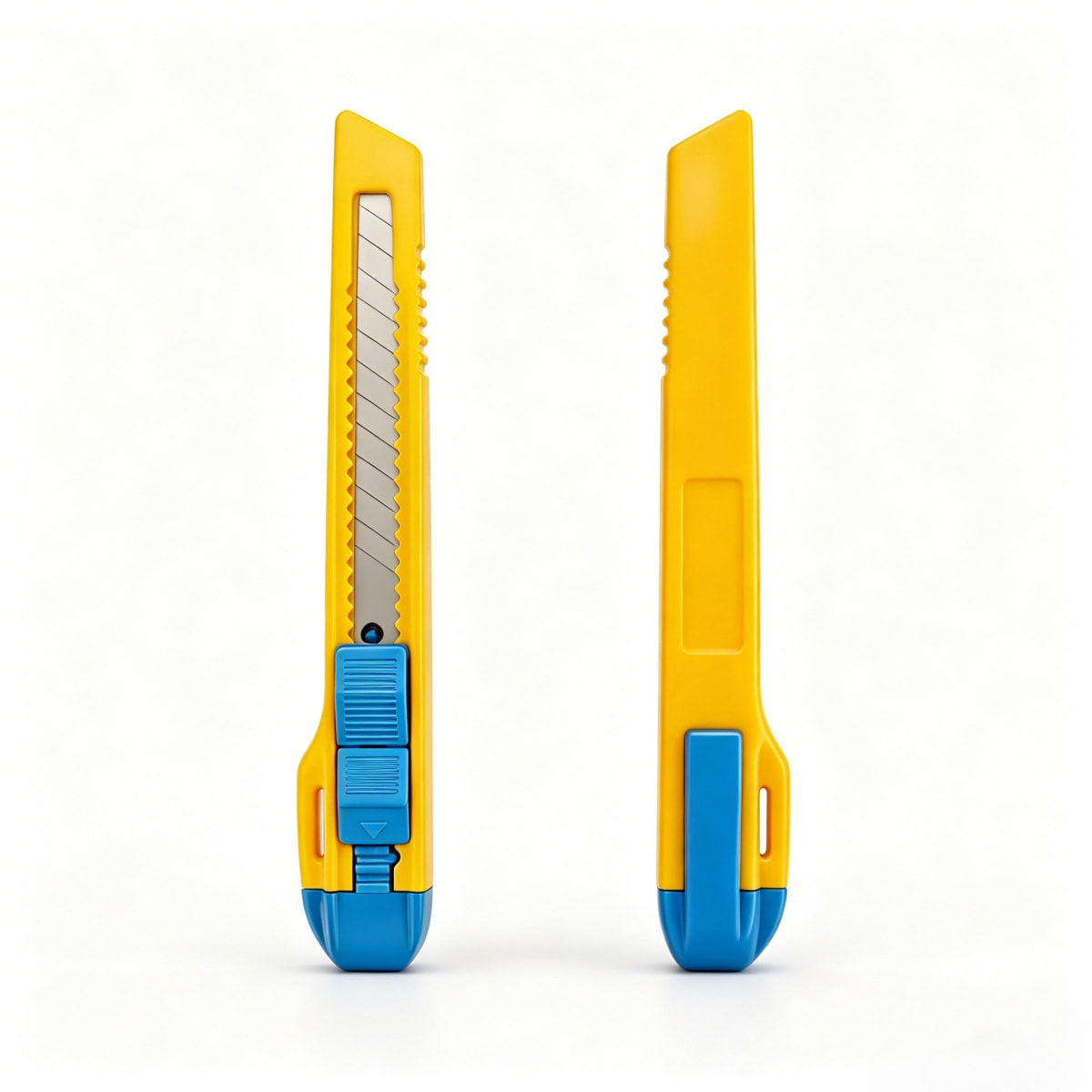
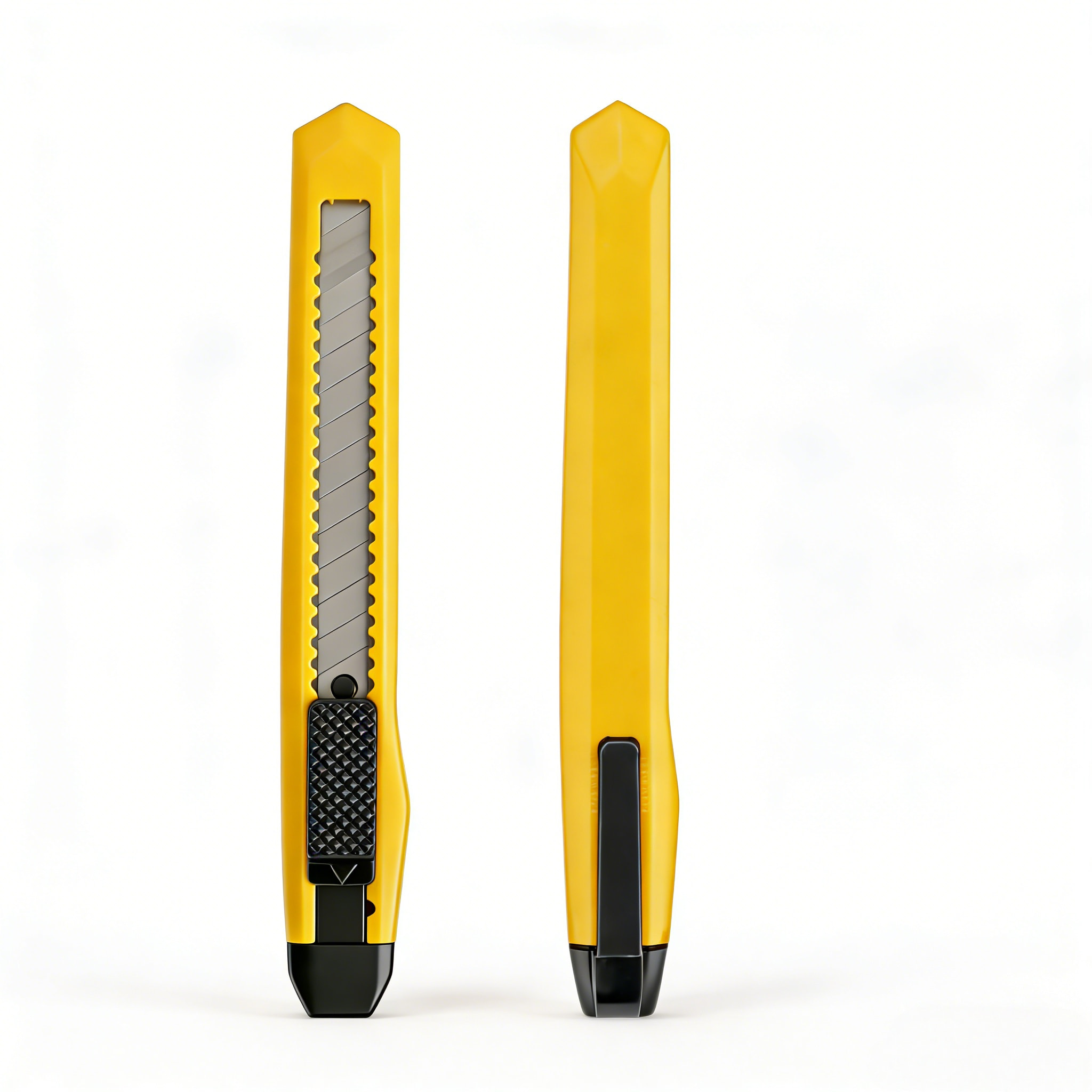

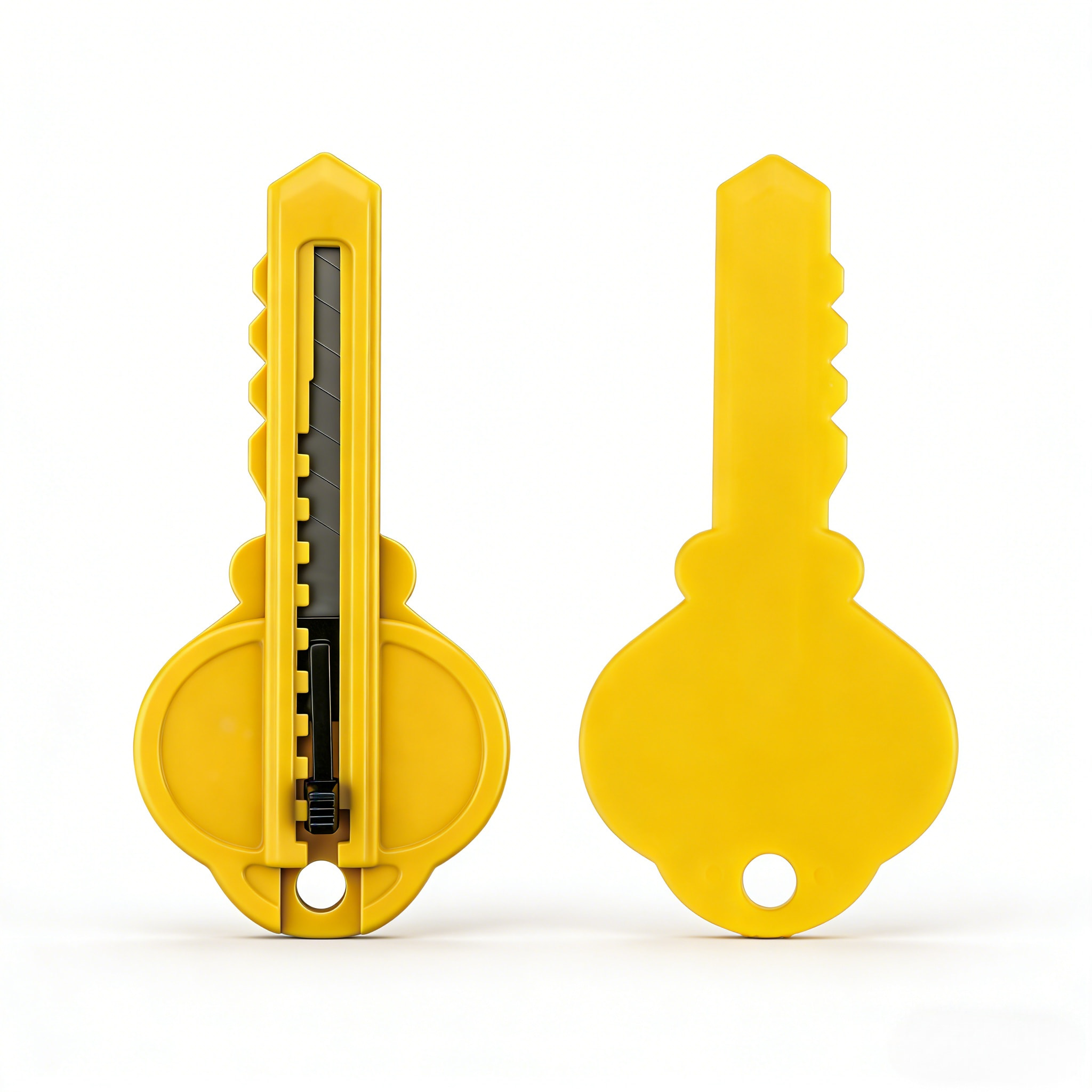
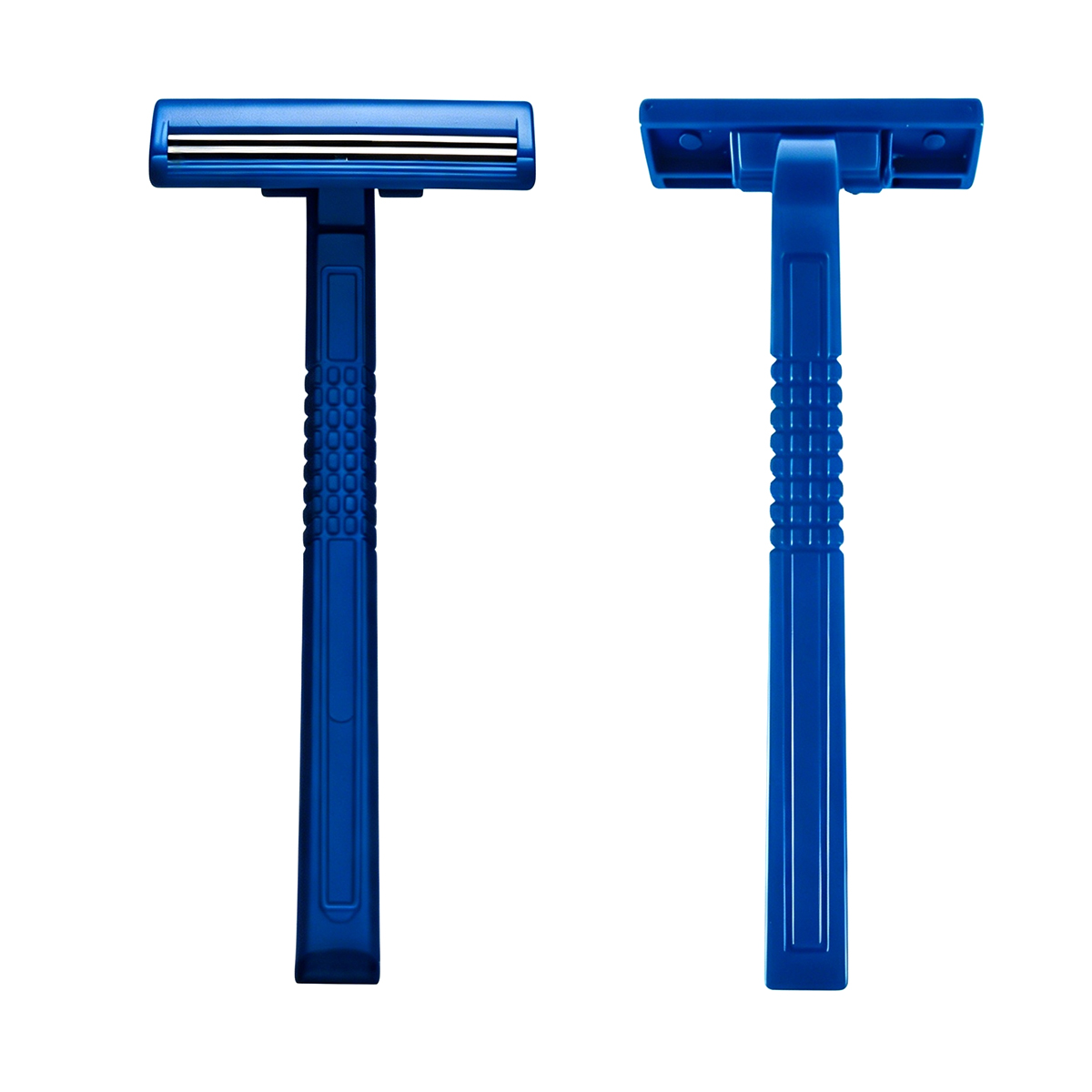

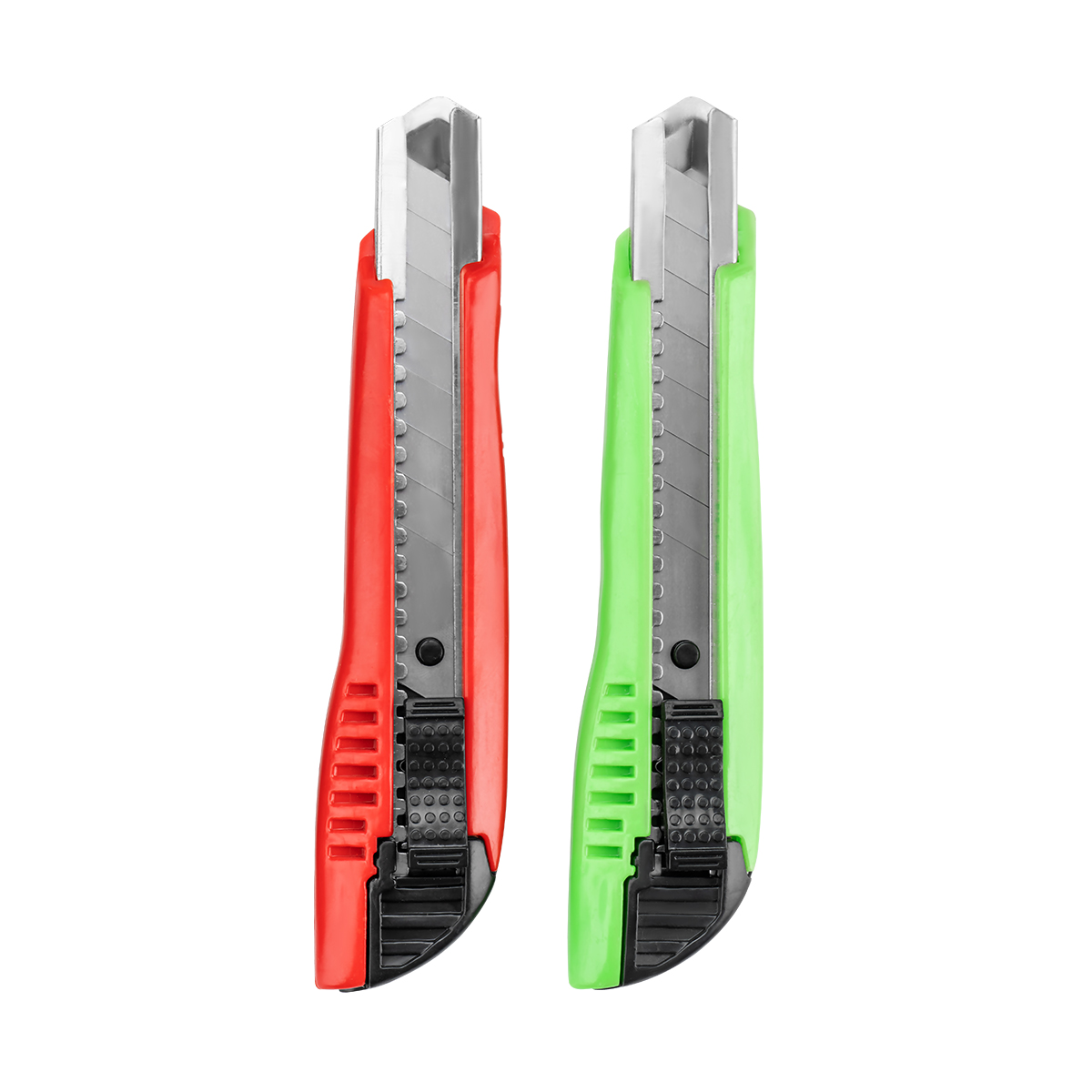



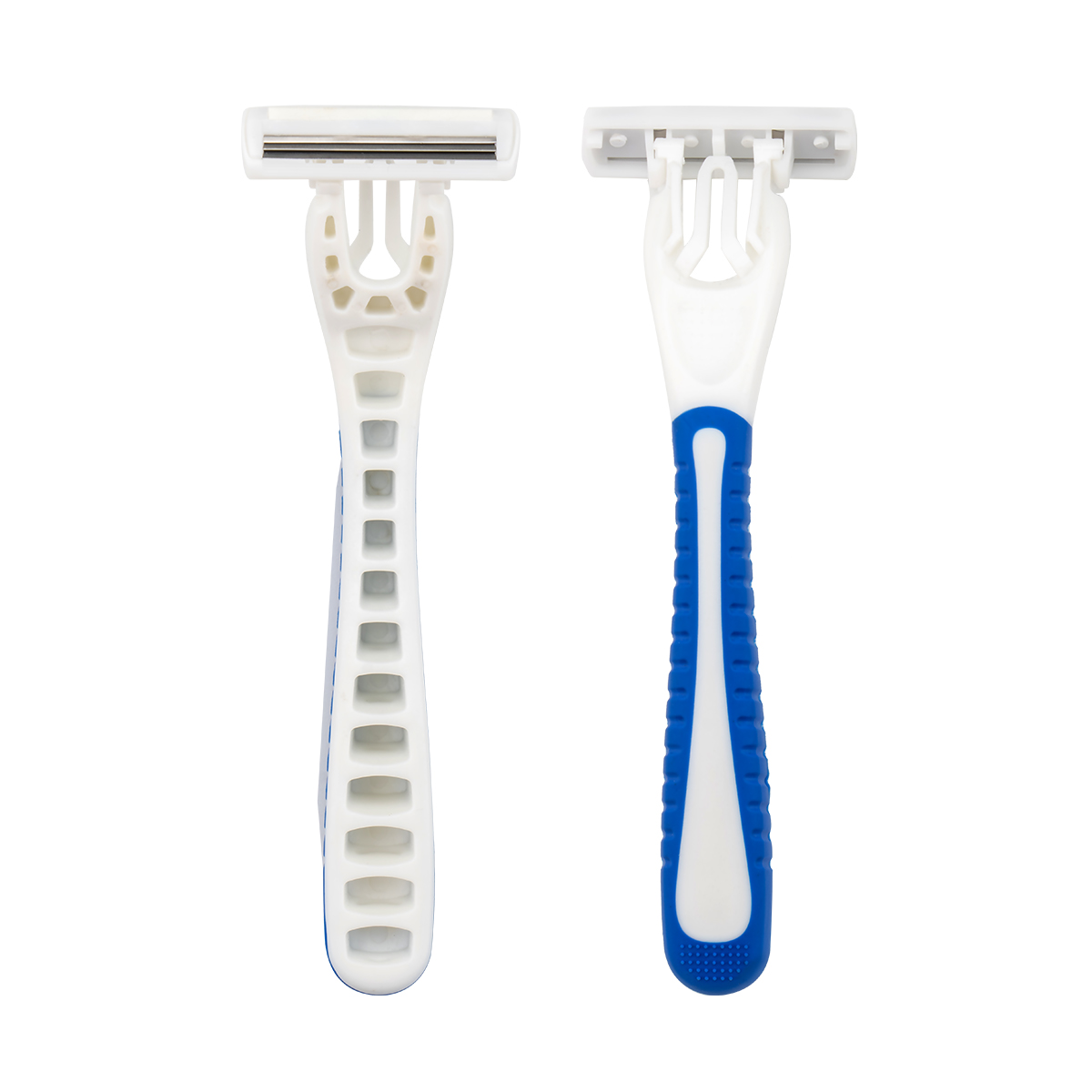
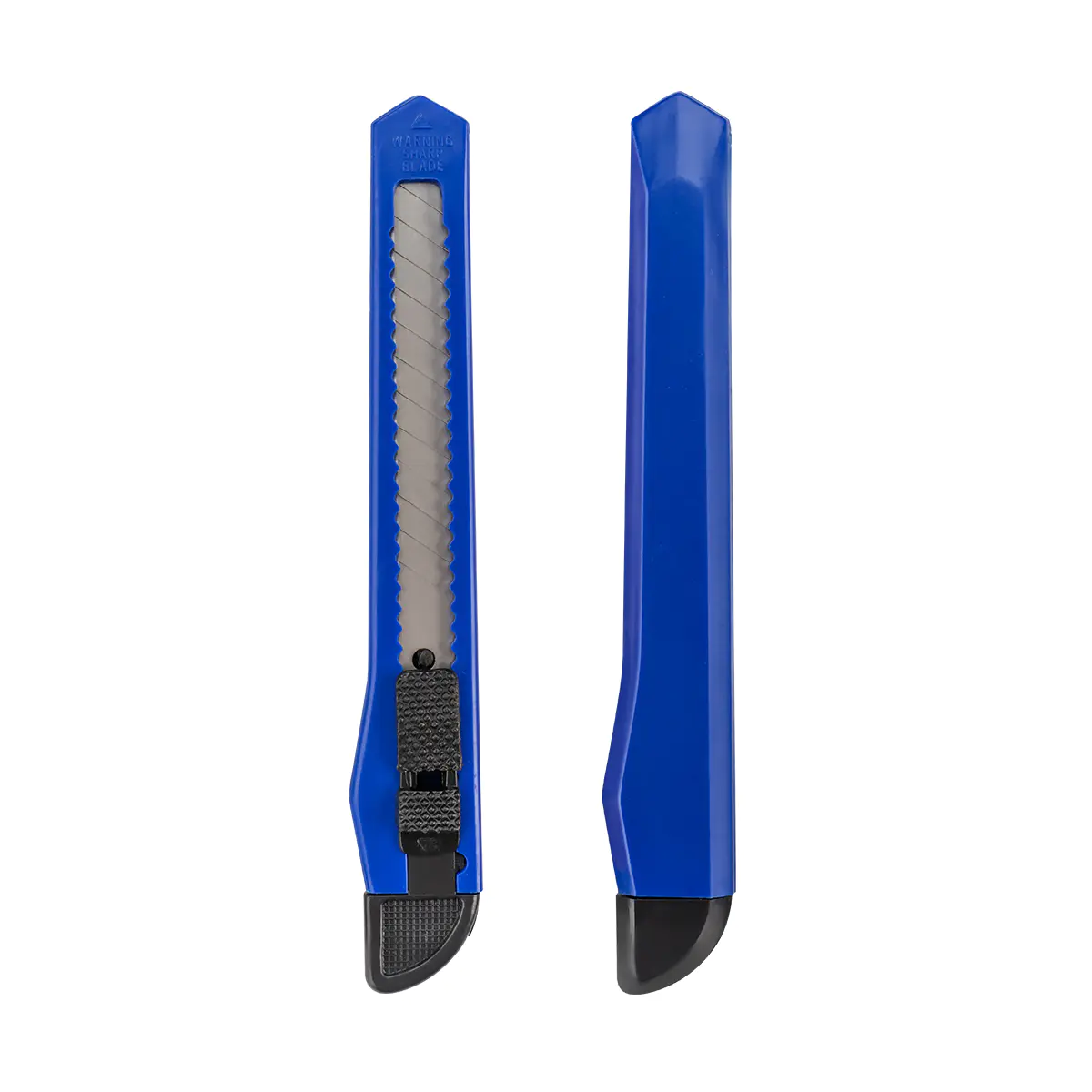
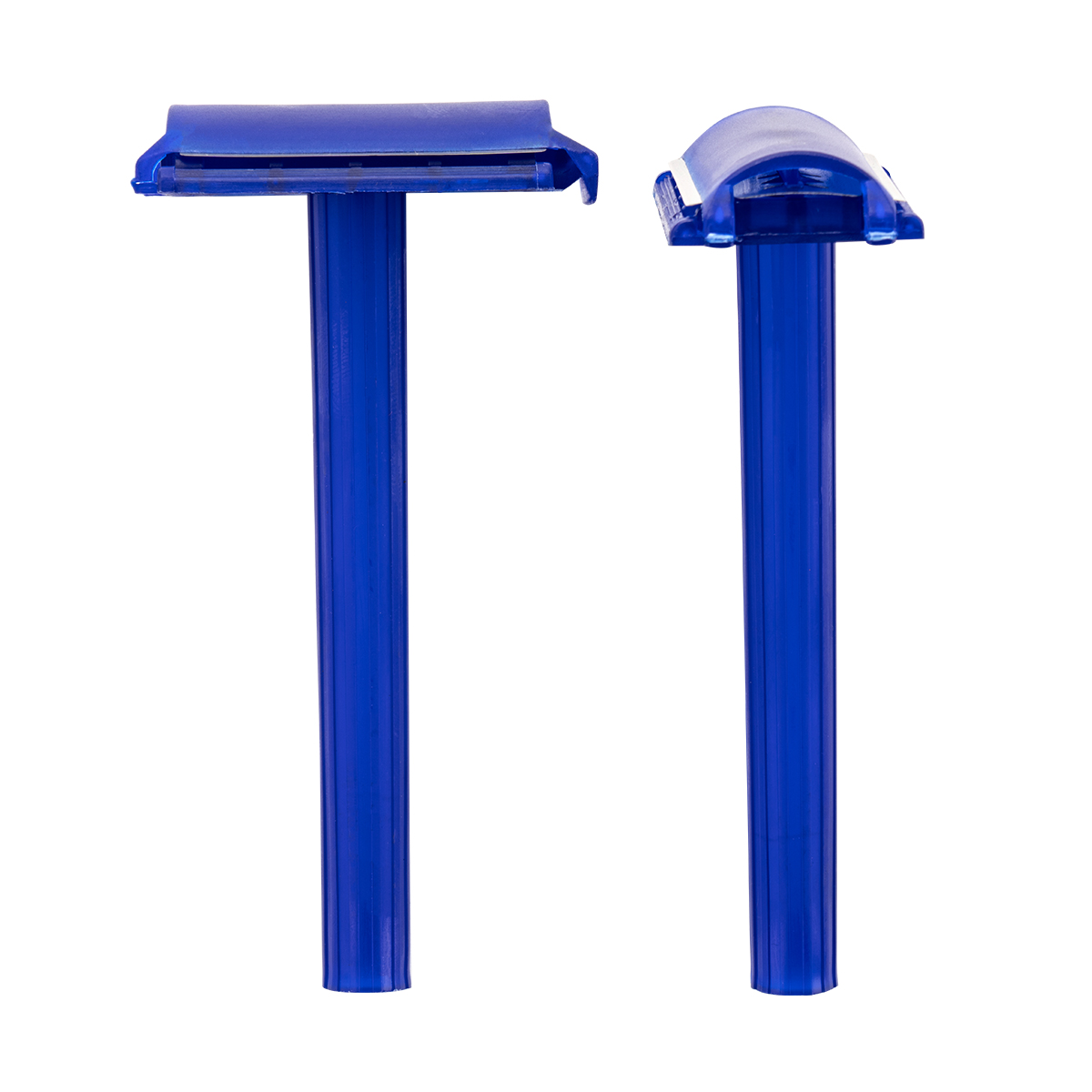

We are an industry and trade enterprise
specializing in the production of disposable razors and utility knives for more than 30 years.
How to Select the Right Multi Purpose Knife for Industrial Precision Cutting
Content
In the fields of modern industrial manufacturing and high-precision processing, the choice of tools directly affects operational efficiency and product quality. As a core operating component, the performance of a multi purpose knife depends on its material properties, heat treatment processes, and structural design. By deeply analyzing these key elements, it is possible to ensure superior stability and long-term service life in diverse cutting environments.
Material Selection and Microstructure
The basic performance of a multi purpose knife is determined by its steel composition. High-grade tools typically utilize tool steels containing alloying elements such as Molybdenum (Mo), Vanadium (V), and Chromium (Cr). These elements facilitate the formation of dispersed carbides, significantly enhancing the tool's wear resistance and compressive strength.
The internal microstructure of the material must be controlled through precise heat treatment. By heating the steel above its critical temperature, maintaining it for a constant duration, and subsequently undergoing controlled rapid quenching, a martensitic transformation is induced, resulting in a high-hardness matrix. Subsequent multiple tempering processes aim to eliminate quenching stresses and improve material toughness, preventing brittle fracture during operation. This balance of hardness and toughness is core to ensuring that a multi purpose knife can handle continuous, high-intensity operations.
Key Technical Parameter Comparison
When conducting selection evaluations, professional users should focus on the following core technical indicators. The table below summarizes the key parameter requirements that determine the operational effectiveness of a multi purpose knife:
| Key Parameter | Performance Index Target | Impact on Operation |
| Hardness (HRC) | 58 - 62 HRC | Determines cutting retention and wear resistance |
| Impact Toughness | High level (AKV value) | Prevents chipping or fracture when processing hard materials |
| Surface Roughness | Ra less than or equal to 0.4 microns | Reduces friction coefficient and cutting resistance |
| Flatness Tolerance | less than 0.05mm | Ensures assembly precision and operational smoothness |
| Thermal Stability | Maintains hardness above 500 degrees Celsius | Adapts to long-term operation in high-temperature friction environments |
The Influence of Structural Design on Stability
The geometry and edge-grinding precision of a multi purpose knife are equally important. During the design phase, the geometric parameters of the blade, including edge angle and relief angle, must be customized according to specific processing targets. For scenarios requiring frequent handling of composite materials, the microscopic geometric shape of the cutting edge determines chip evacuation efficiency and cutting resistance.
Furthermore, the geometric stability of the tool directly impacts the runout after assembly. To reduce vibration and enhance cutting precision, high-quality multi purpose knife units undergo precision straightening processes during manufacturing, utilizing mechanical spring hammers or presses for stress relief to ensure the blade body maintains linear stability under high-speed operational conditions. This strict control over geometric tolerances significantly reduces defect rates caused by tool chatter.
Ensuring Operational Longevity
When evaluating the comprehensive efficacy of a multi purpose knife, one should not focus solely on initial sharpness. The true industrial-grade standard lies in its "failure threshold." High-performance tools must possess excellent resistance to fatigue fracture. In actual operations, by adopting reasonable cutting parameters and supporting cooling lubrication systems, instantaneous high temperatures at the cutting edge can be effectively reduced, further extending the service cycle.
Maintenance procedures are equally critical when utilizing a multi purpose knife. Regularly checking the cutting edge for microscopic flaking and employing high-precision grinding equipment for re-sharpening ensures optimal performance every time the tool is deployed. For application scenarios requiring operational consistency, it is recommended to establish strict replacement cycle records, conducting predictive maintenance based on material wear data to maximize tool value while ensuring production continuity.
Recommended Product
Recommended News

Keep In Touch
 No. 2-2, Oufu Road, Zhangting Town, Yuyao City, Ningbo City, Zhejiang, China.
 +86-574-87560886/87560055
 +86-574-87560885
Copyright © Ningbo Chuangxin Cutting-Tool Manufacture Co., Ltd.
