

 English
 中文简体
中文简体 русский
 Español


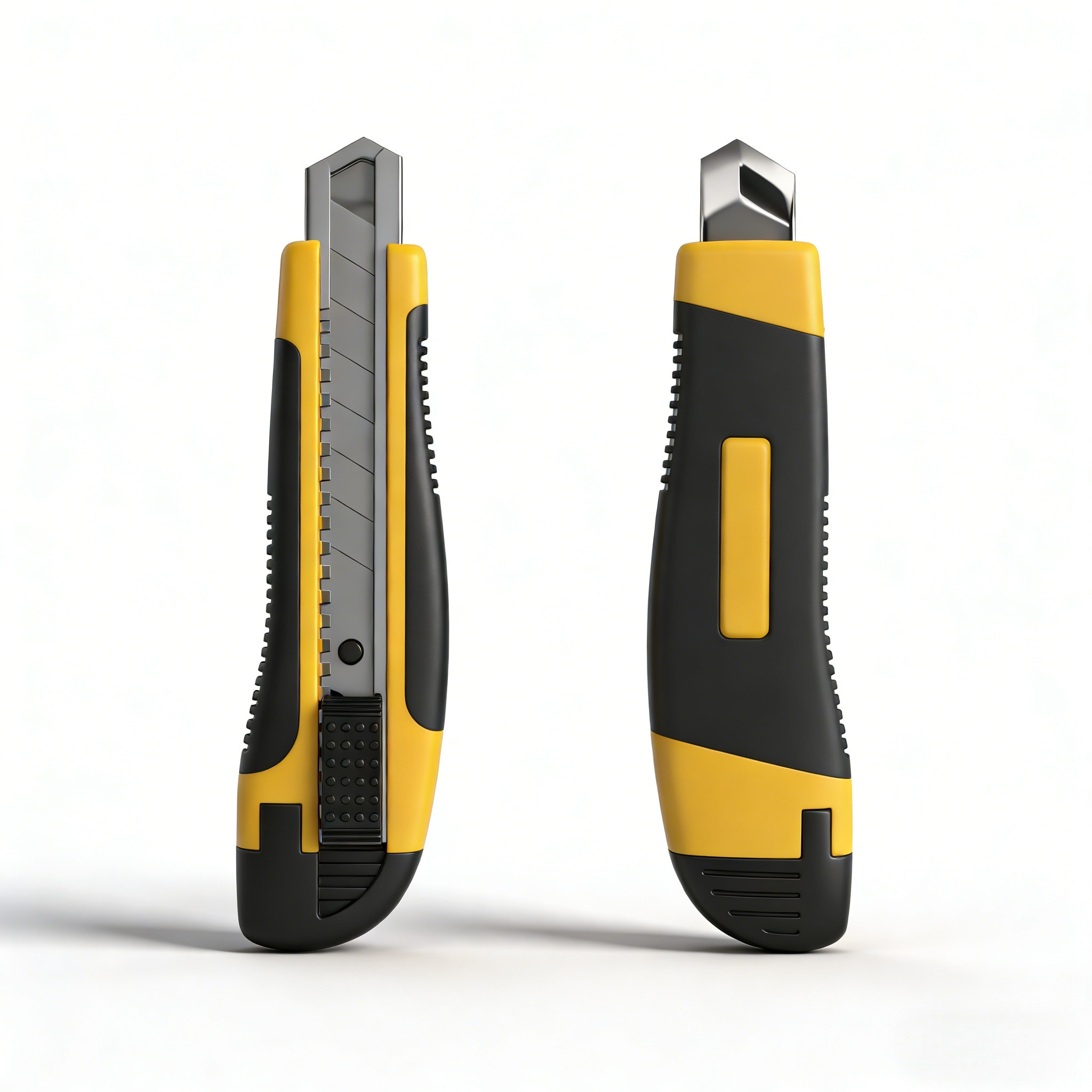
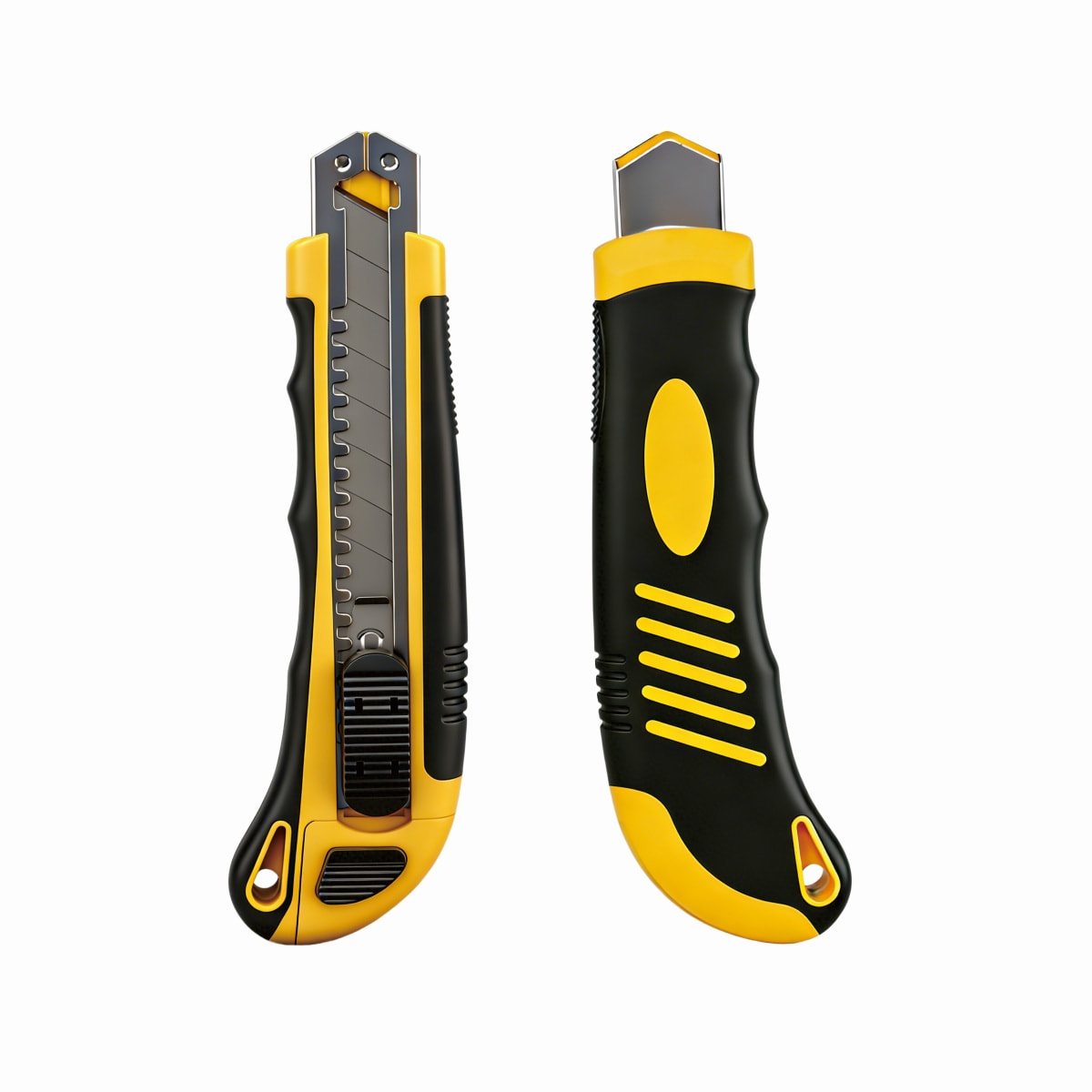
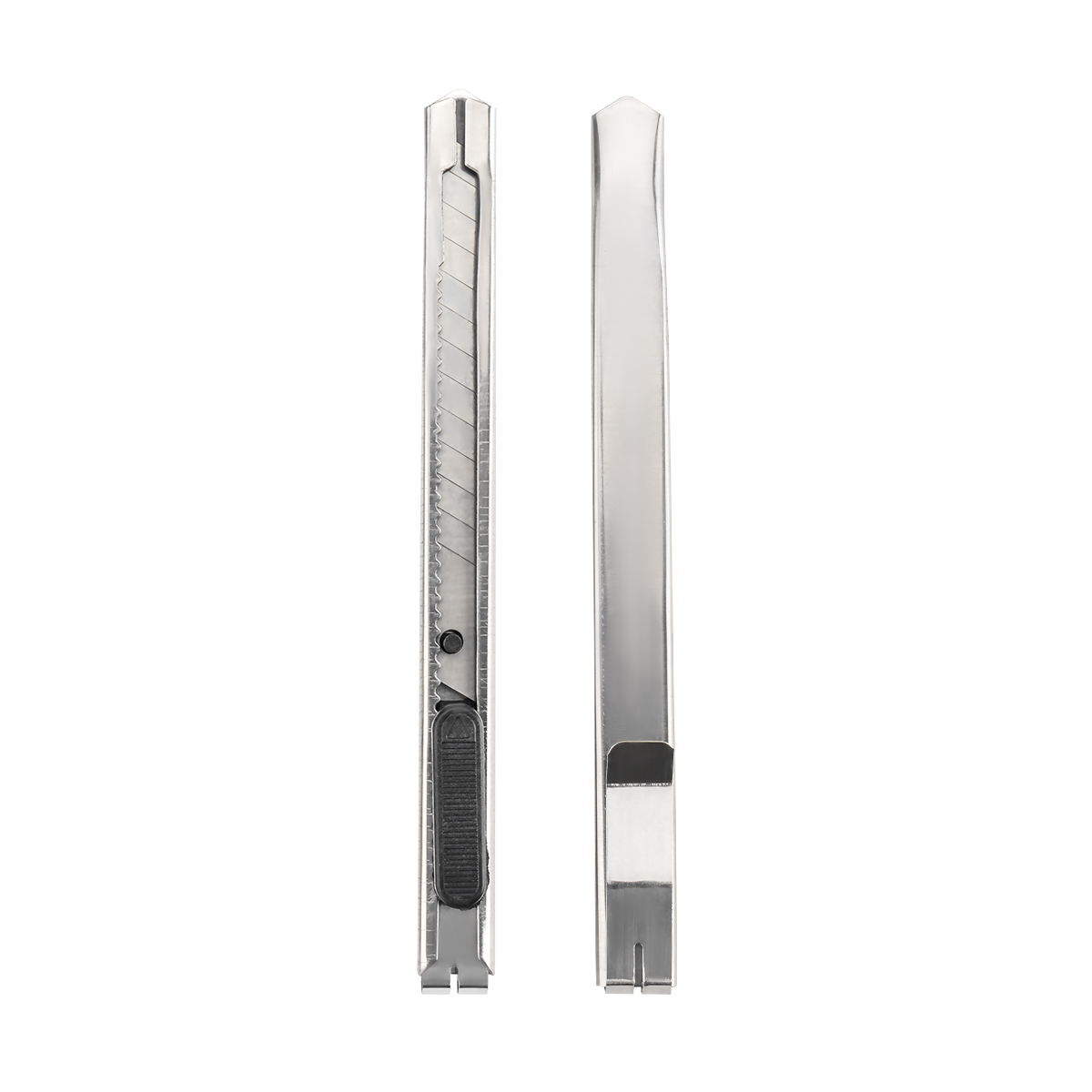
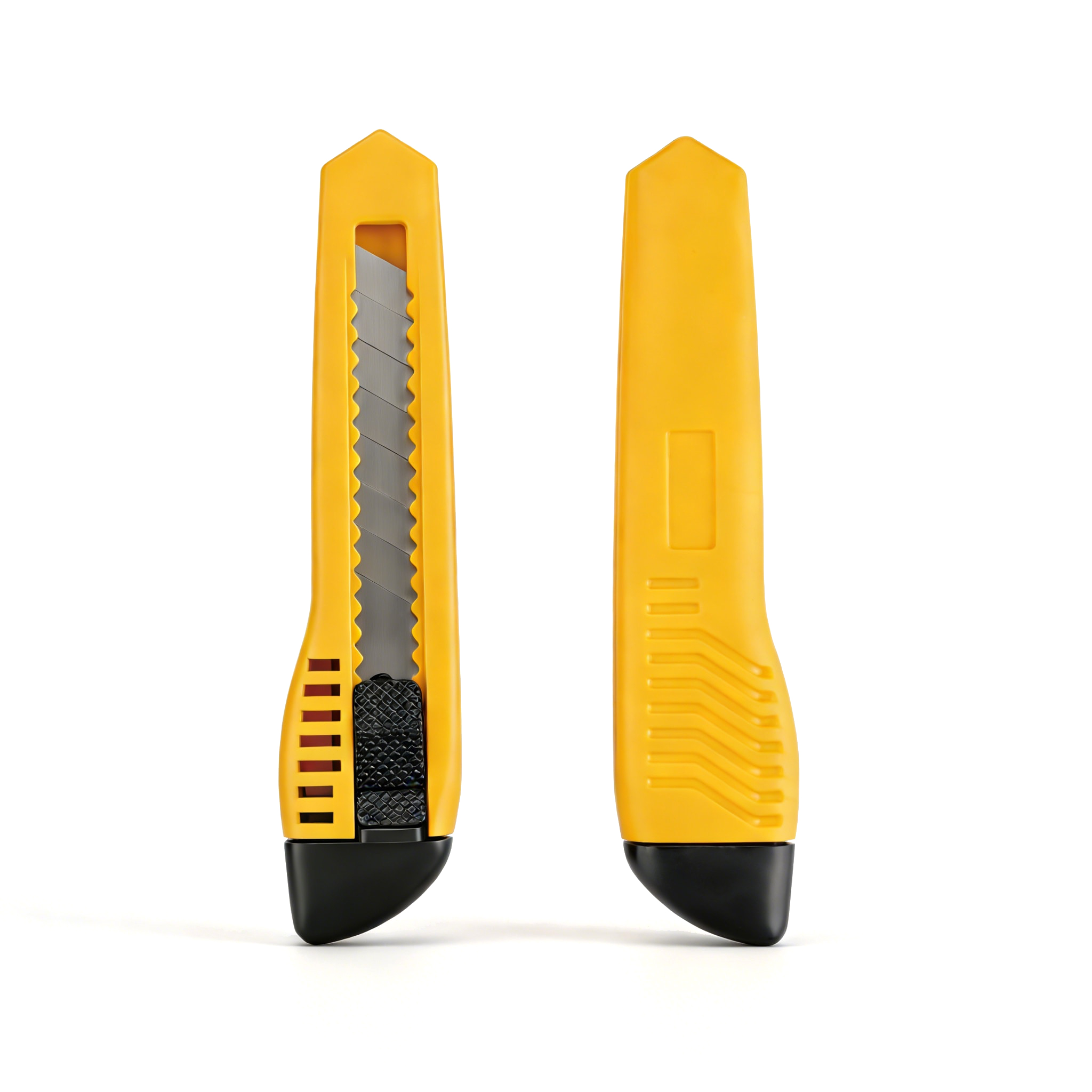
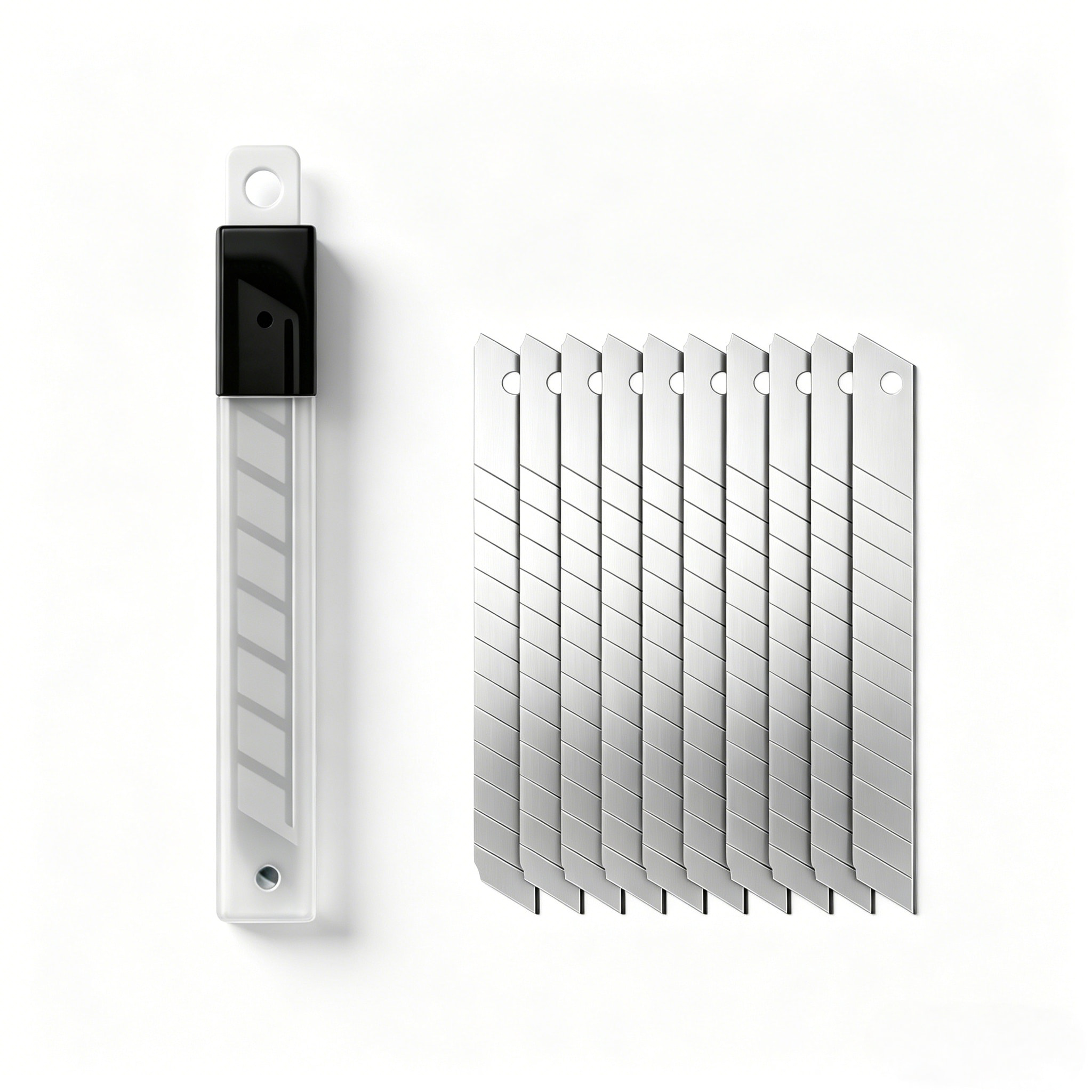
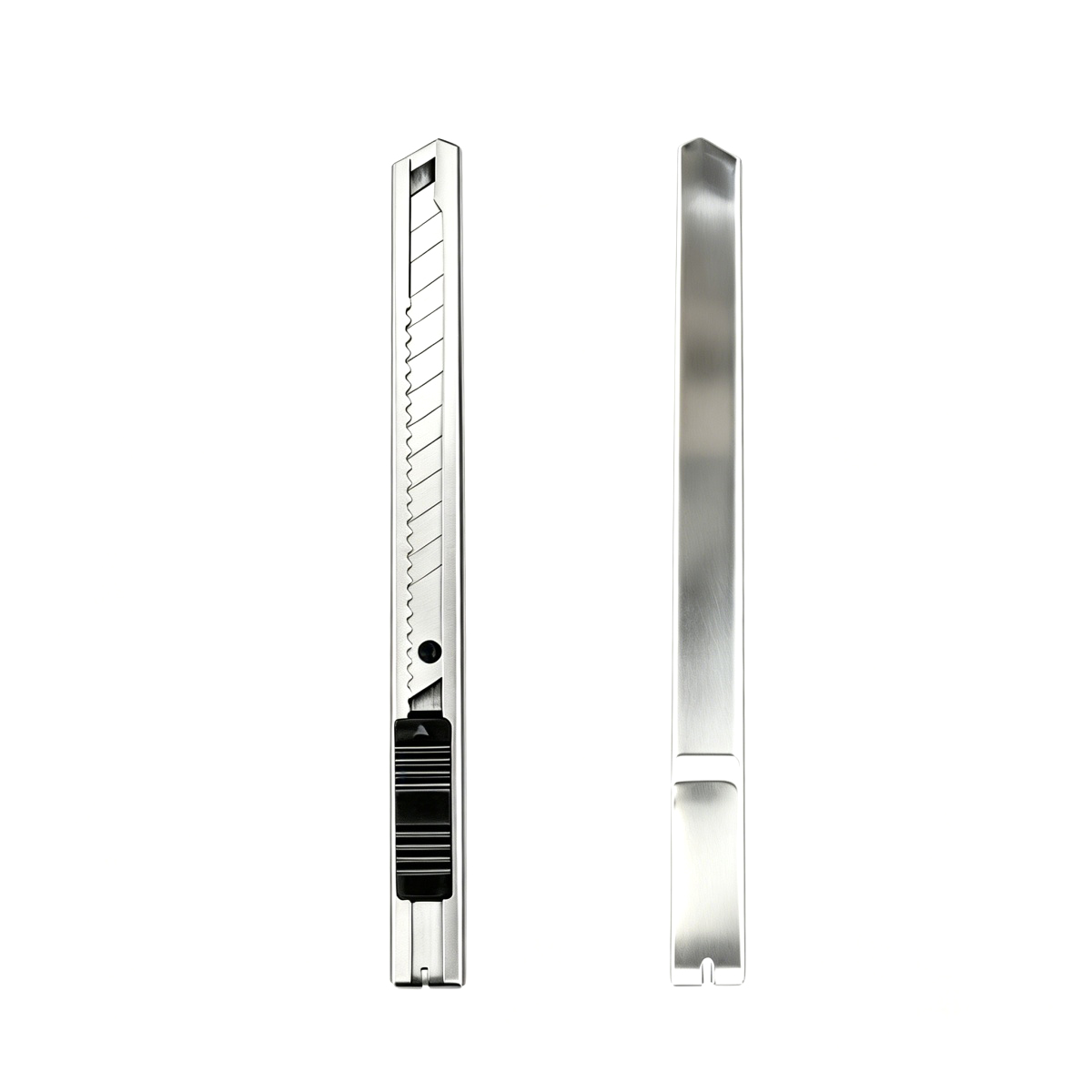
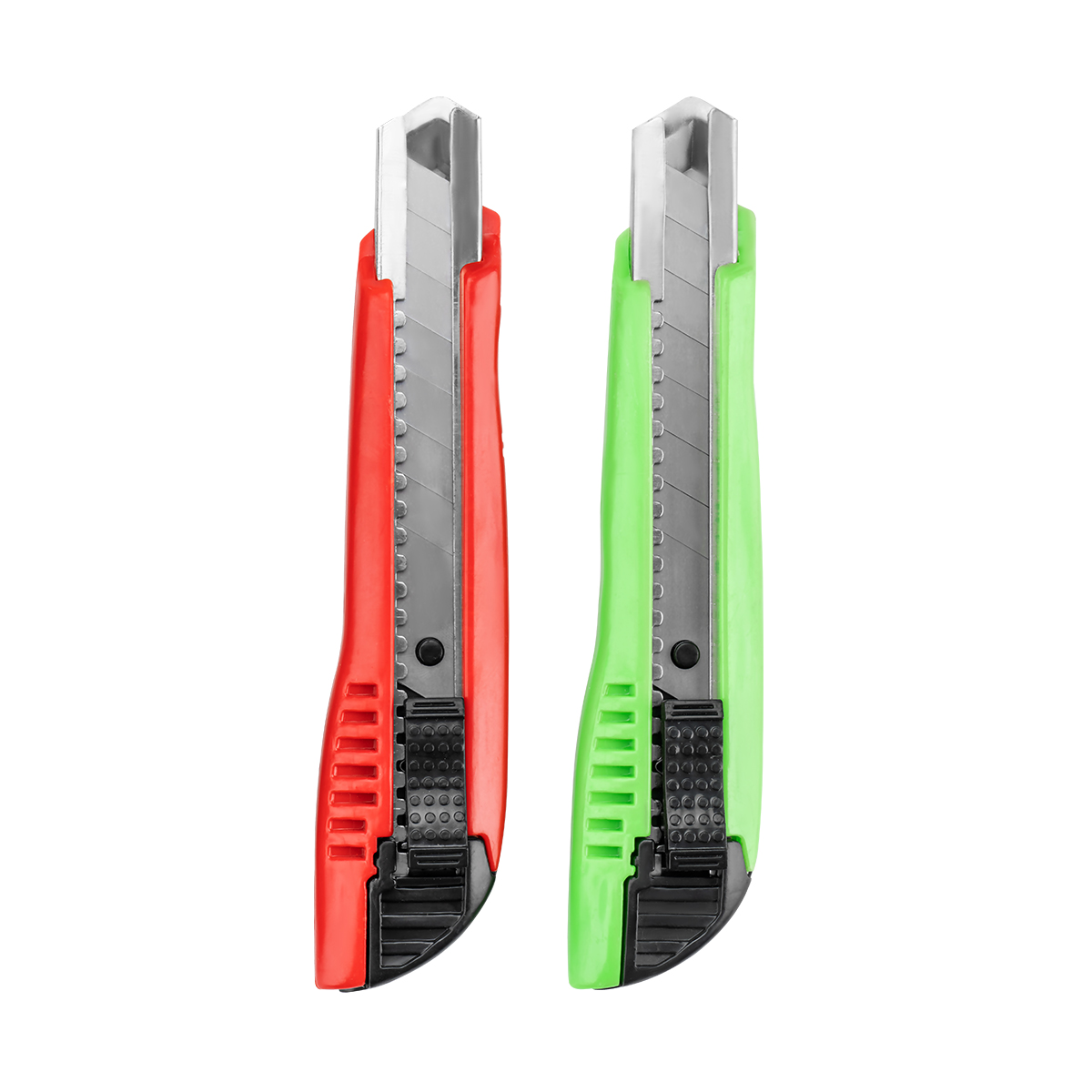
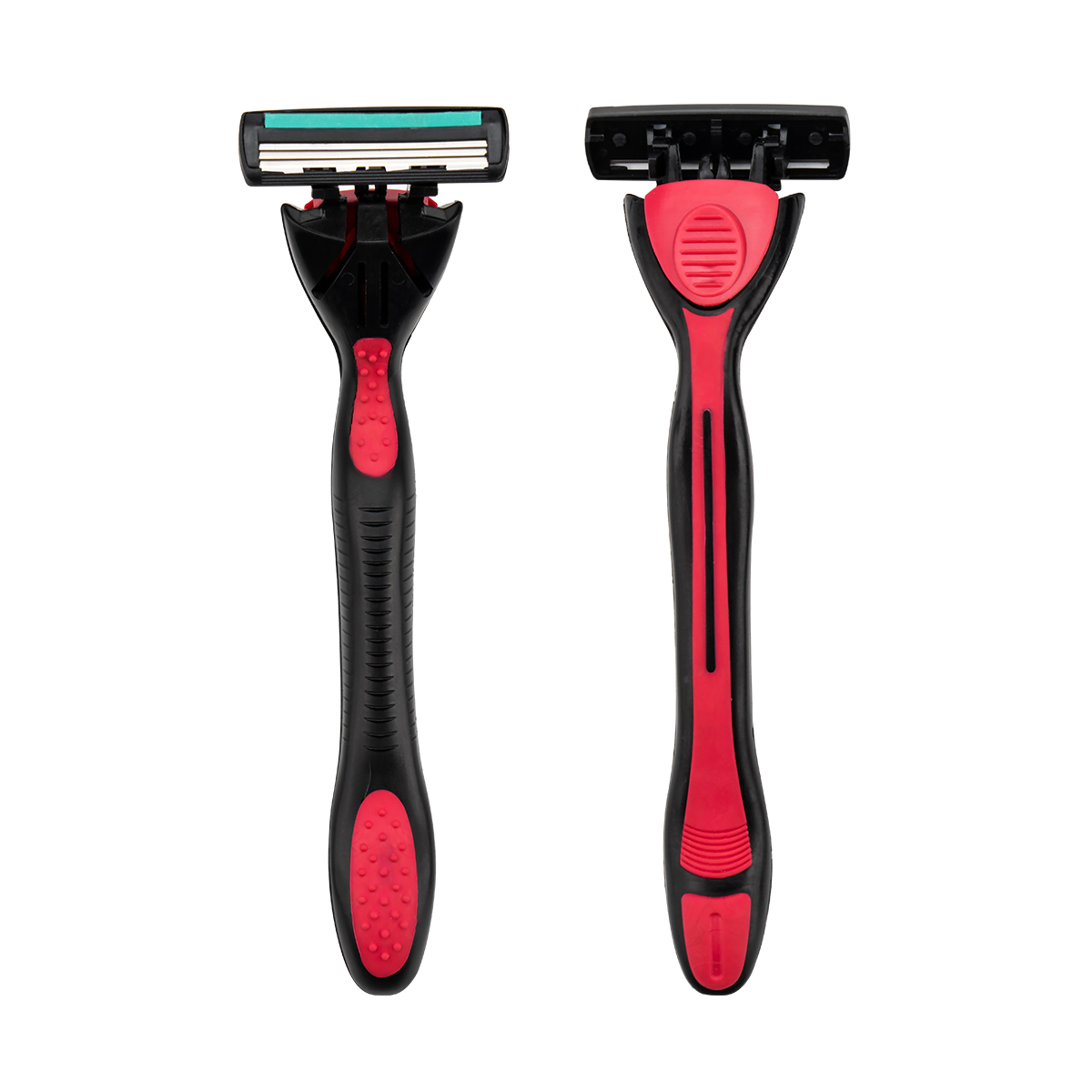
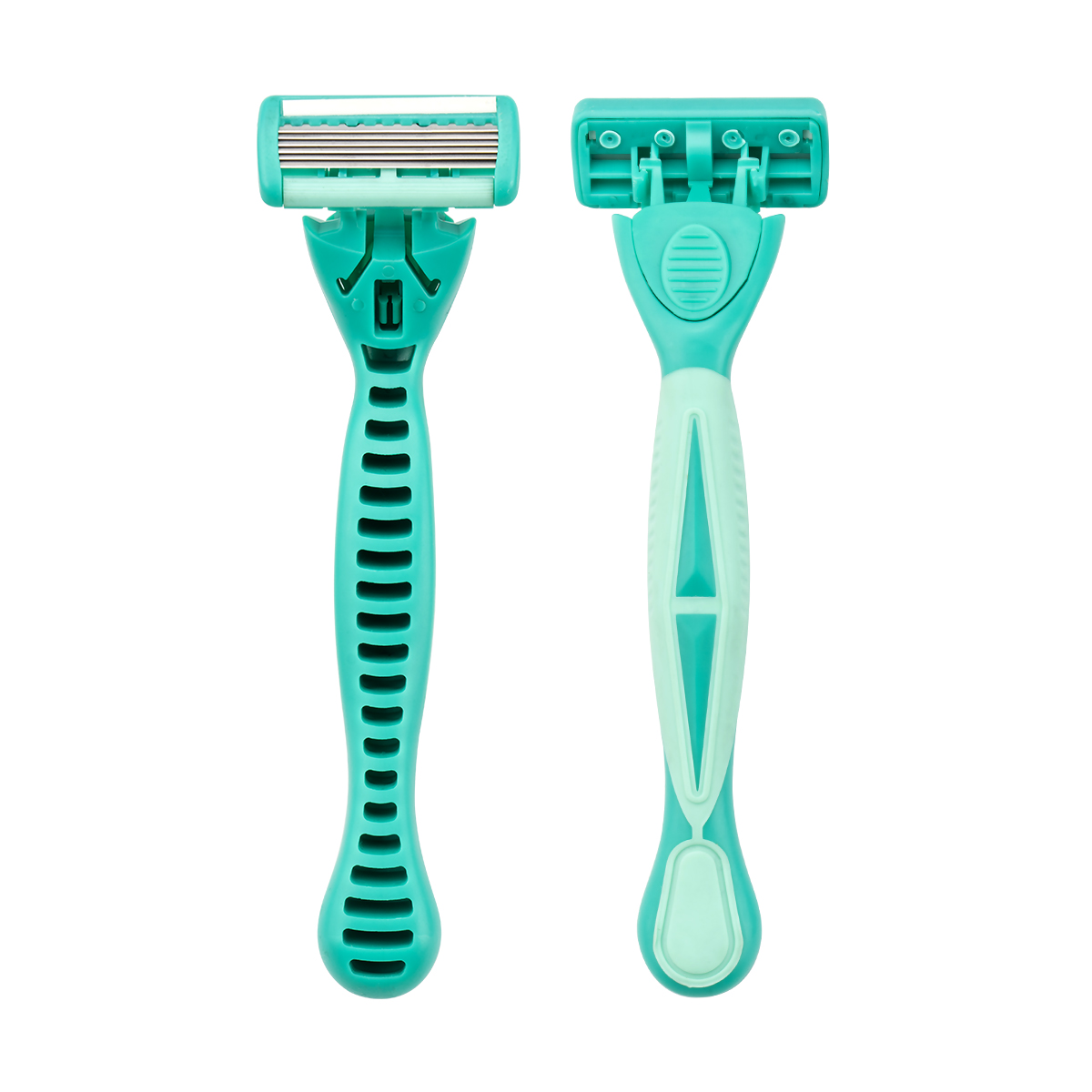
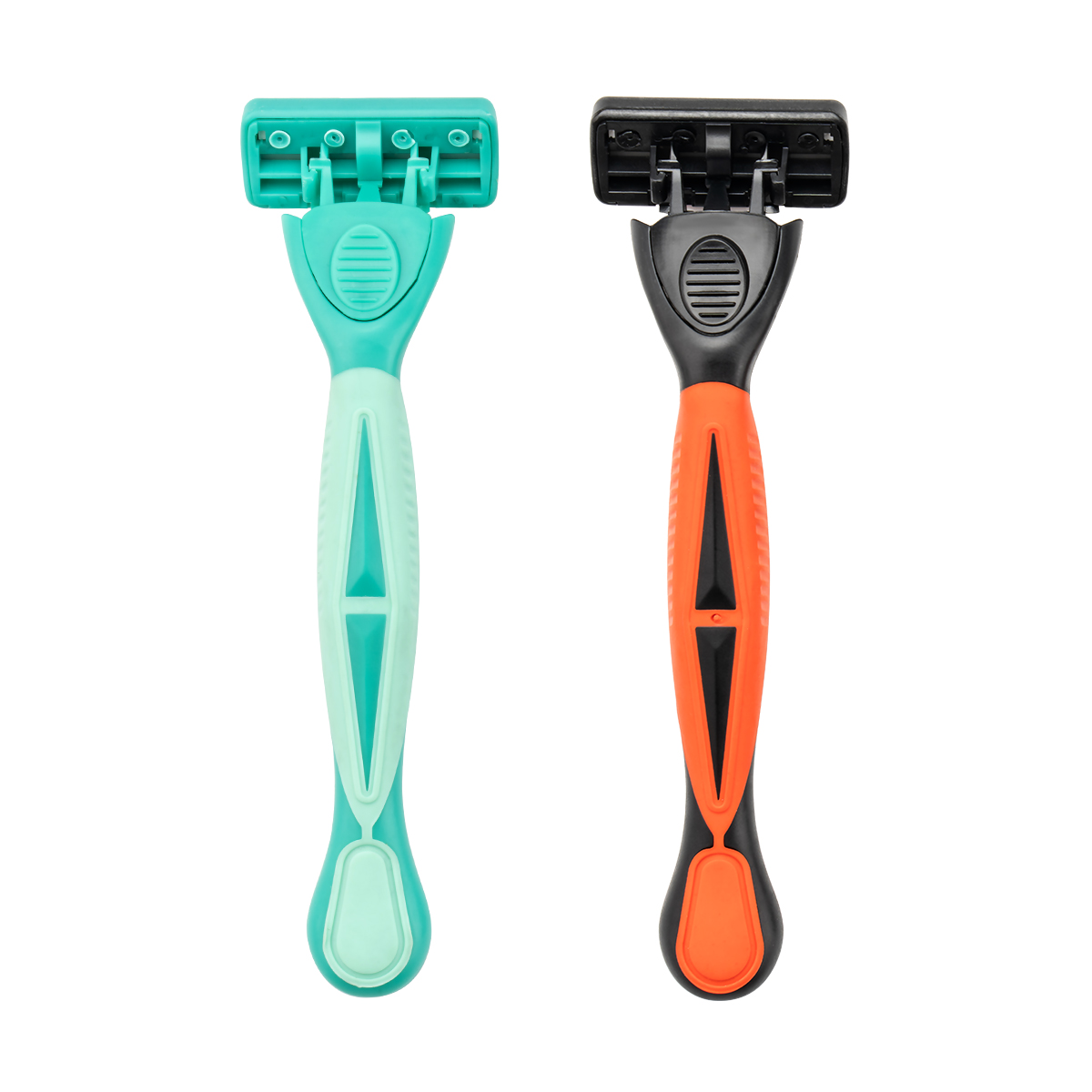
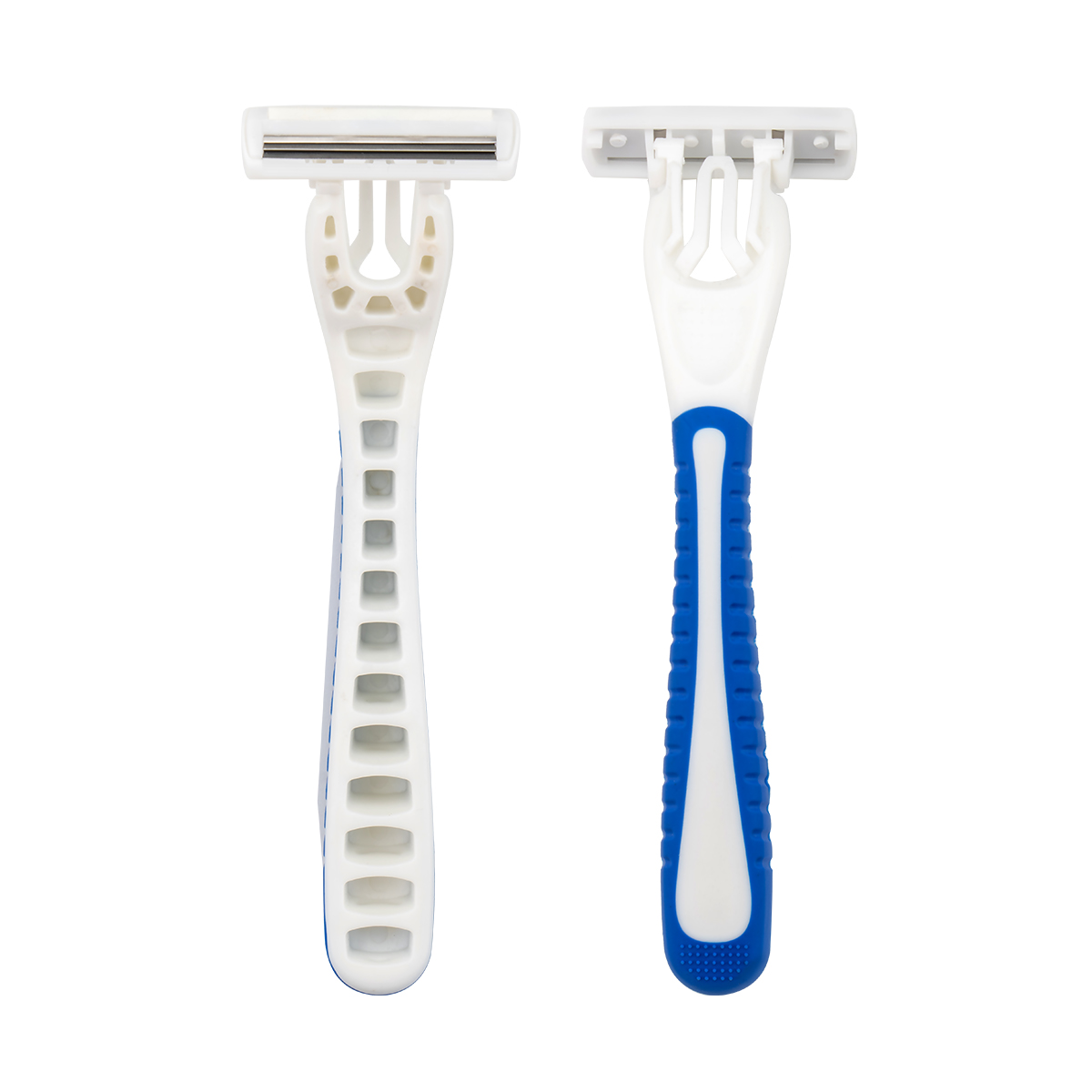
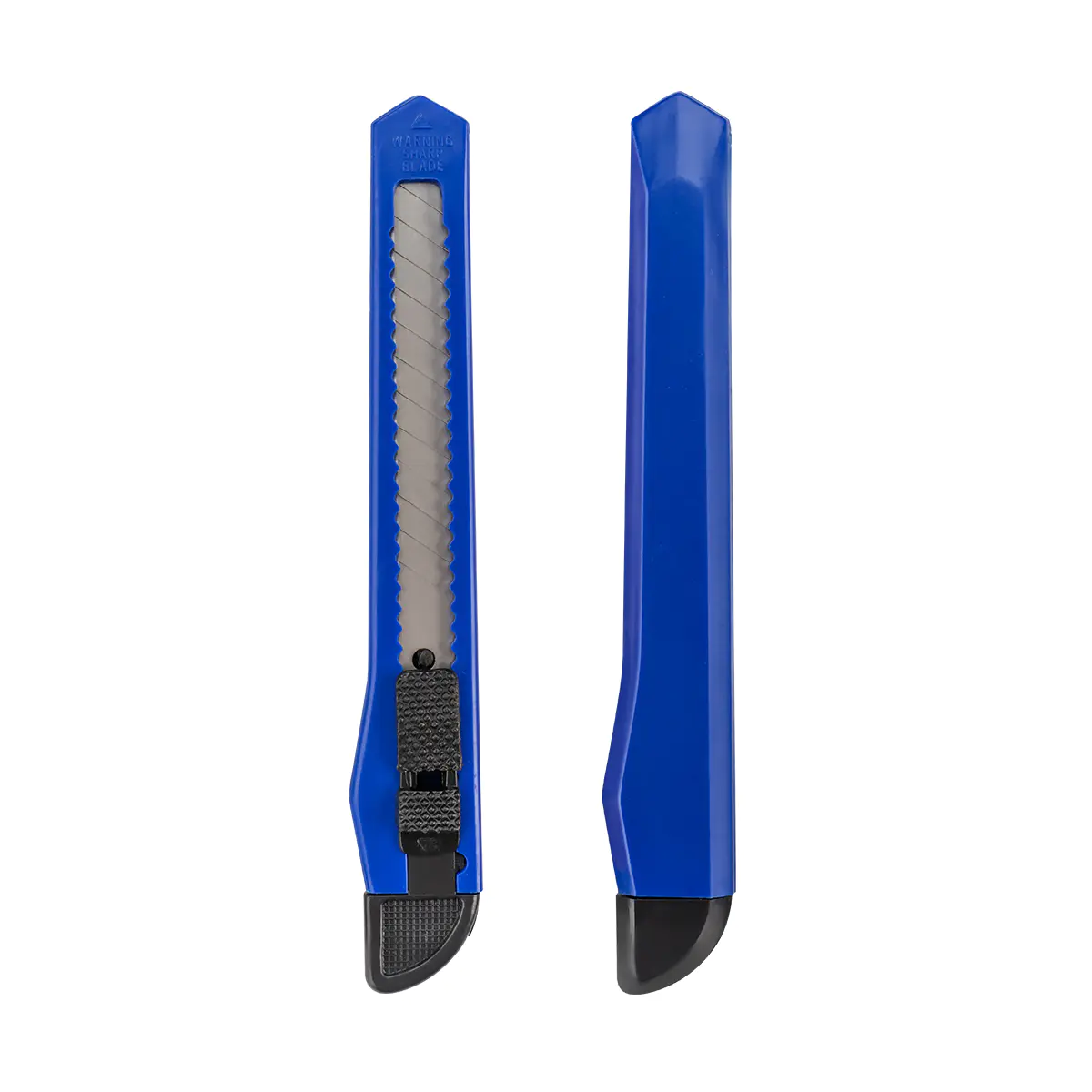
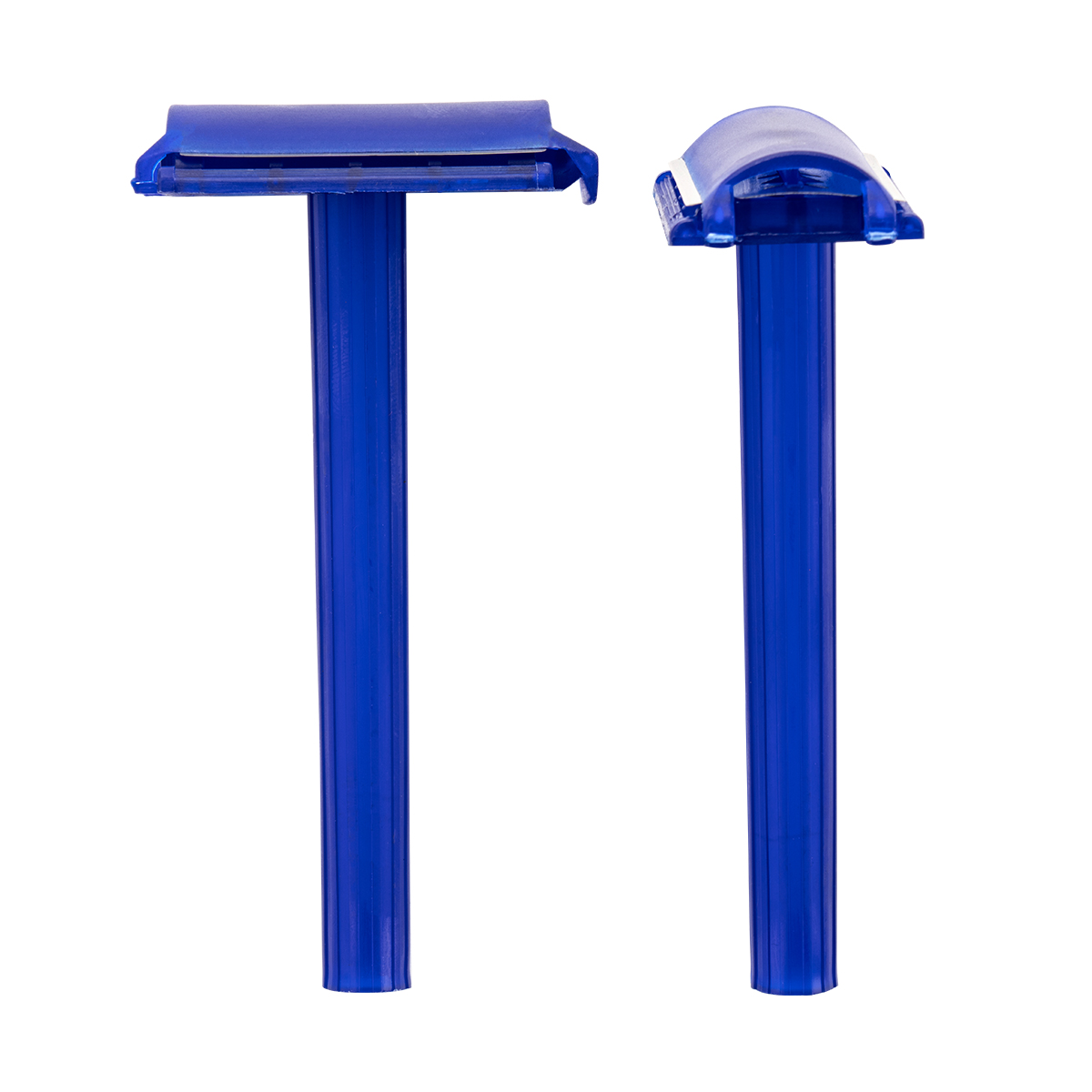
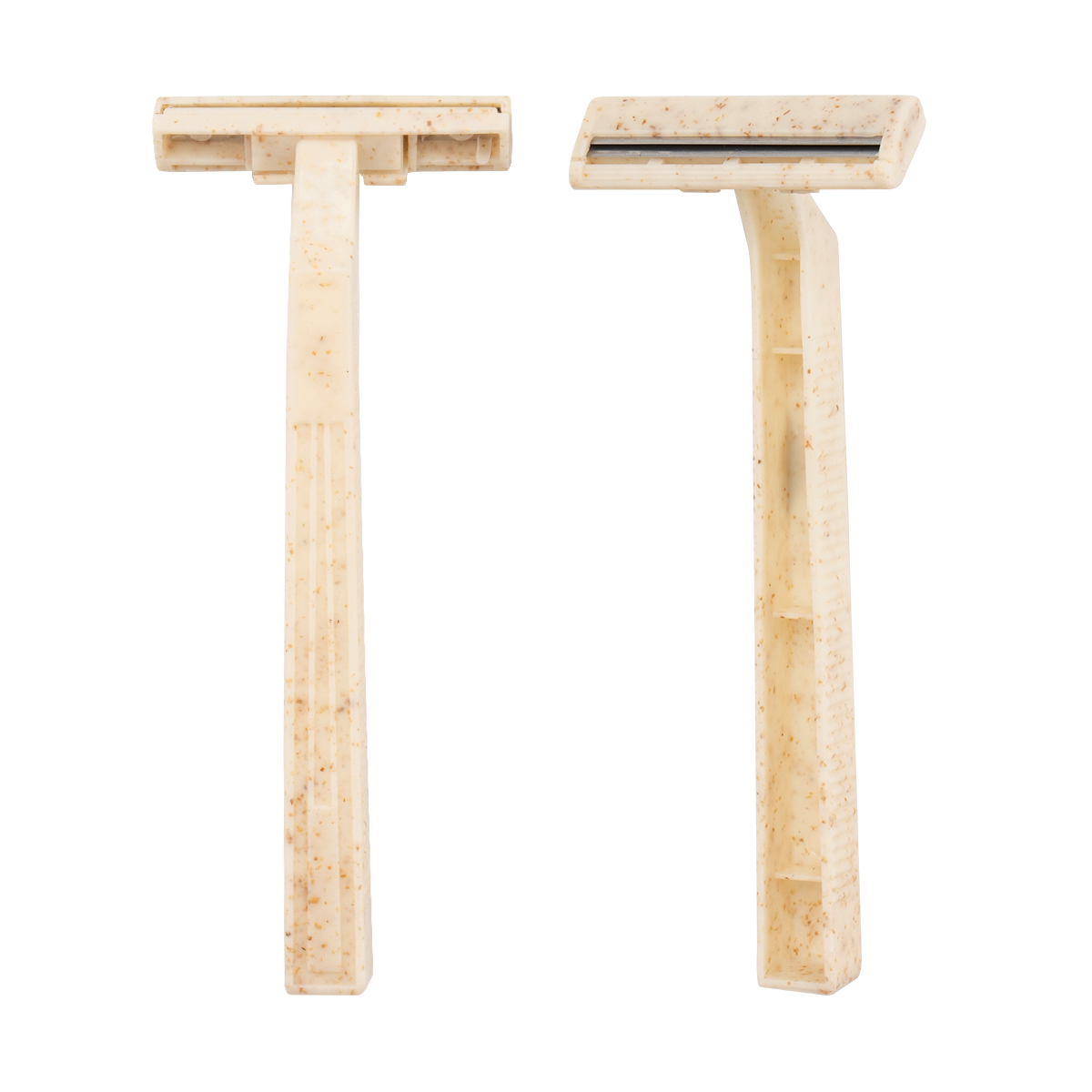

We are an industry and trade enterprise
specializing in the production of disposable razors and utility knives for more than 30 years.
How to Properly Change a Utility Knife Blade to Ensure Safety and Efficiency
Content
Utility knives are a common tool used in daily tasks, whether it's in artistic creation, packaging design, or cutting paper. Over time, the blades of these knives become dull or worn out. Timely replacement of the blade is essential for maintaining cutting efficiency and ensuring safety. Incorrect blade replacement can damage the blade or, more seriously, cause injury. Therefore, mastering the correct replacement technique is crucial.
Preparation Steps
Before replacing the utility knife blade, first ensure that you have the appropriate tools and environment. Typically, the replacement blades and tools are available at office supply or specialty tool stores. In addition to the blade, a protective mat is recommended to prevent damage to the work surface. Once you have all the necessary tools, proceed to the replacement steps.
Check the Knife's Condition
Utility knife blades come in different types and lengths, so choosing the right blade is essential for optimal cutting. Before replacing the blade, confirm the model of your knife to ensure compatibility. If you're unsure, consult the knife's manual or ask a sales representative.
Lock the Knife Blade Mechanism
Many modern utility knives feature a locking mechanism or safety button to prevent accidental blade extension. Before replacing the blade, make sure the locking device is engaged to avoid any unexpected blade movement. If your knife does not have a locking mechanism, extra caution should be taken during replacement.
Remove the Old Blade
Removing the old blade is the key step in replacement. Most utility knives allow for easy blade removal using a button or sliding mechanism on the handle. If the blade is a snap-off type, gently pull it out while keeping your fingers clear of the sharp edge to prevent injury. For tighter blades, a small tool can help loosen it.
Install the New Blade
After removing the old blade, proceed to install the new one. Ensure the new blade is clean and free from oil or dirt. Insert the blade fully into the slot, making sure the edges align properly with the knife's groove. If not installed correctly, the blade may become loose, which affects performance.
After installation, check that the blade is securely fixed. You can gently press on the handle to ensure the blade won't shift during cutting, which could lead to uneven cuts or accidents.
Handle Blades with Care
When replacing blades, avoid touching the sharp edge directly. Always ensure the blade is handled away from your body and hands. For discarded blades, use a dedicated blade disposal box or protective container to prevent accidental cuts.
Final Safety Check
After replacing the blade, perform a safety check. Ensure all components are tightly secured, especially the blade, and that the handle is not loose. Push the blade gently to confirm it is stable. If the handle is damaged or loose, replace the knife immediately to prevent any safety hazards.
Regular Blade Inspections
Even after replacing the blade, over time it will still lose sharpness. Regularly inspect the blade's sharpness and replace it as needed to maintain efficiency and prevent accidents. Using a sharp blade is essential for precise cutting tasks.
Recommended Product
Recommended News

Keep In Touch
 No. 2-2, Oufu Road, Zhangting Town, Yuyao City, Ningbo City, Zhejiang, China.
 +86-574-87560886/87560055
 +86-574-87560885
Copyright © Ningbo Chuangxin Cutting-Tool Manufacture Co., Ltd.
