

 English
 中文简体
中文简体 русский
 Español


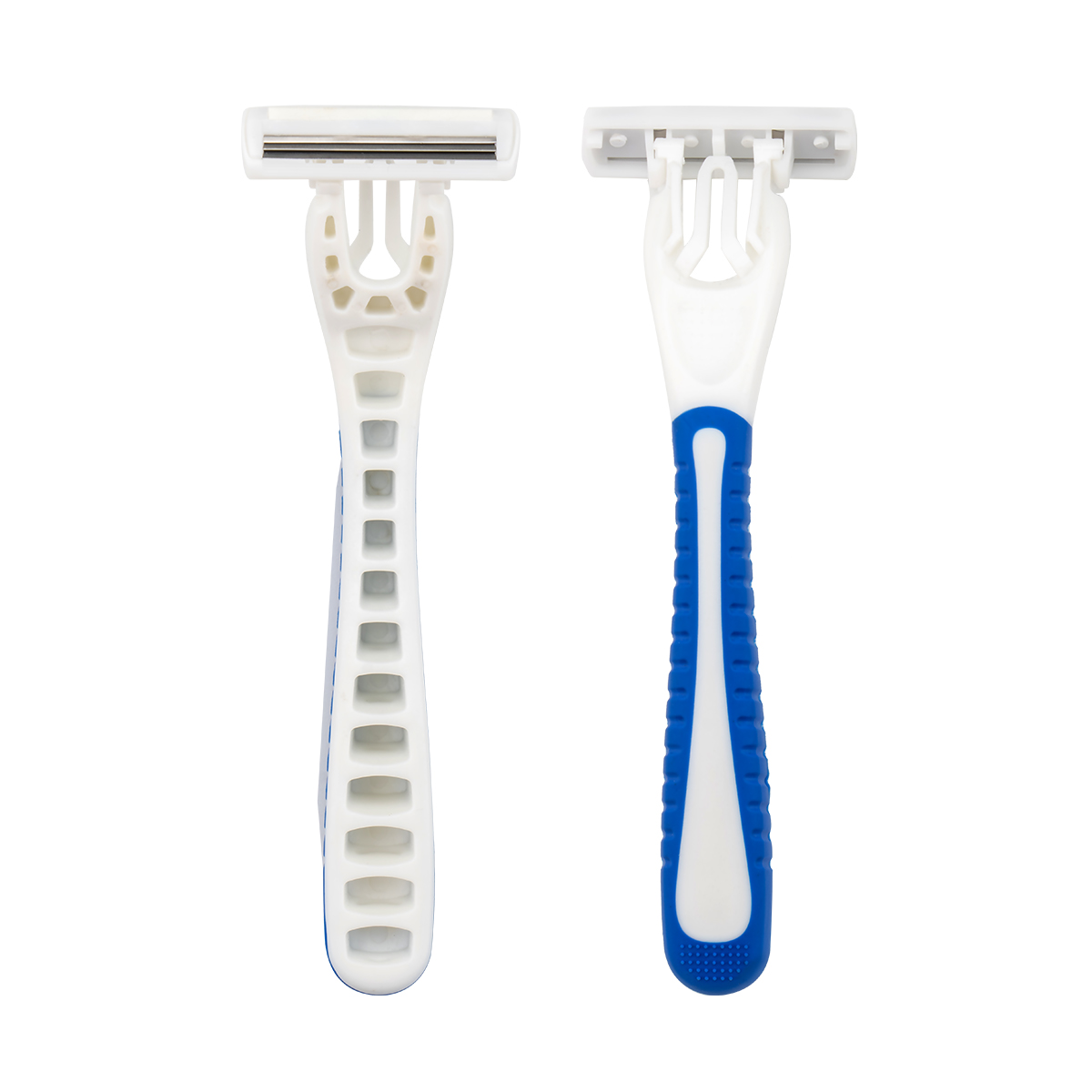

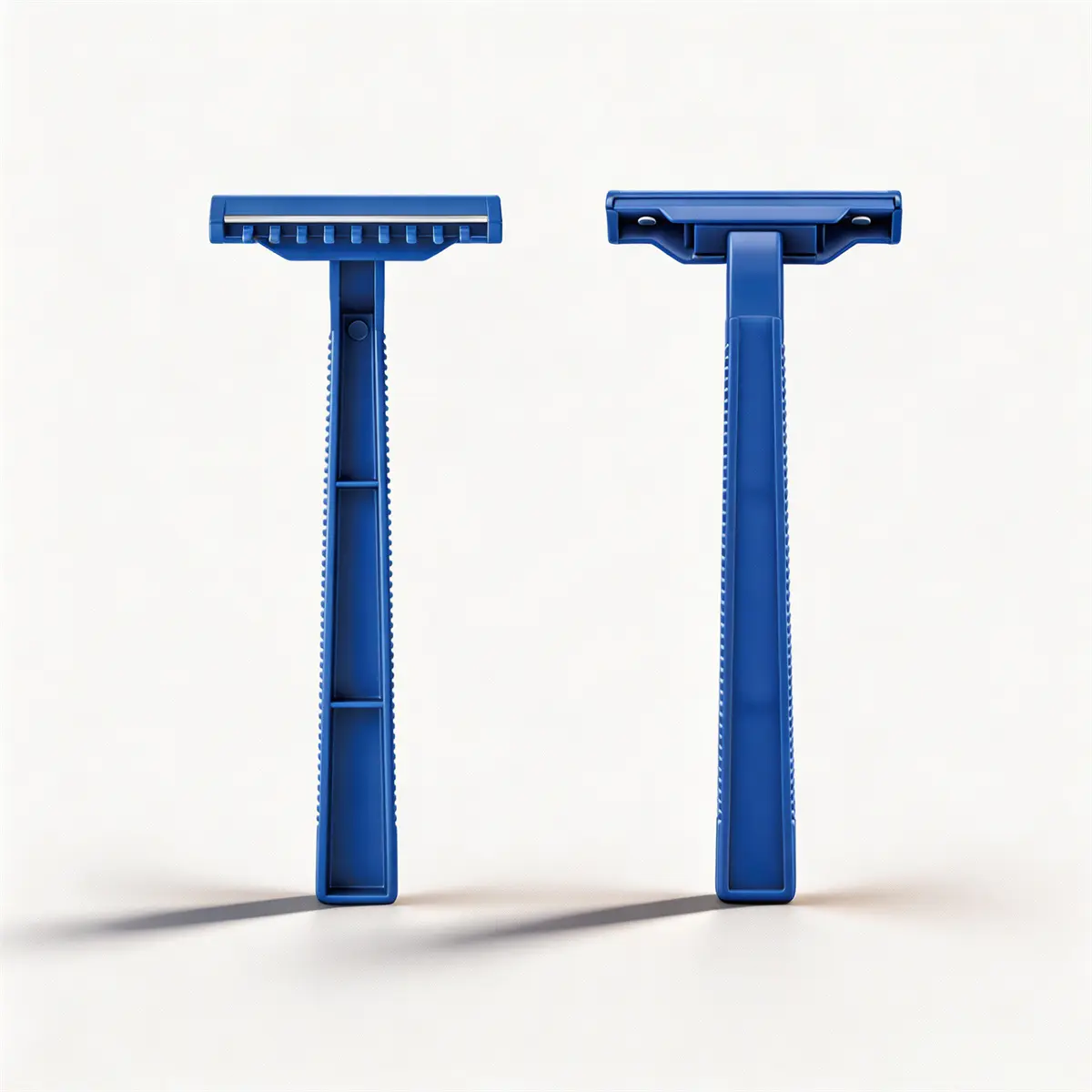



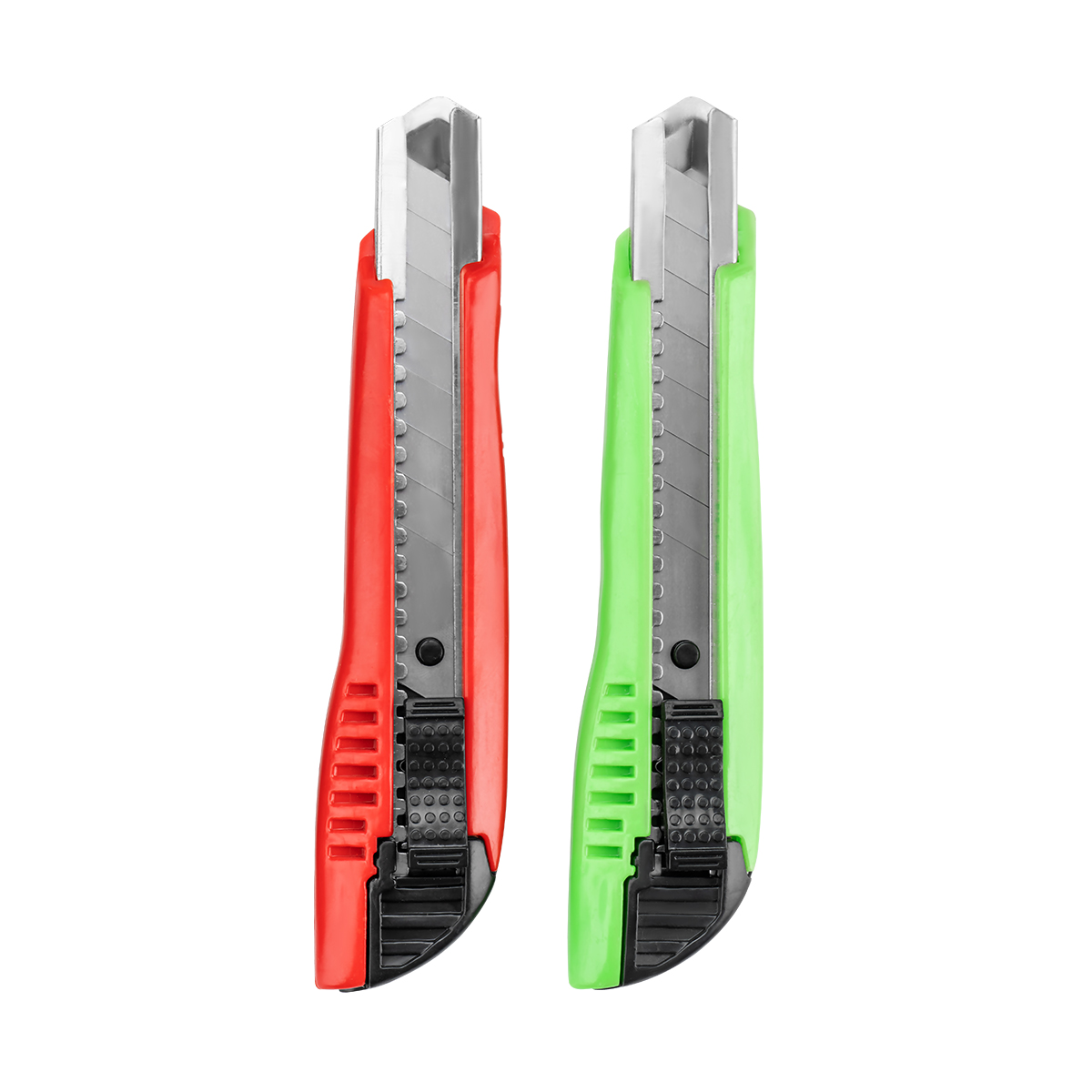



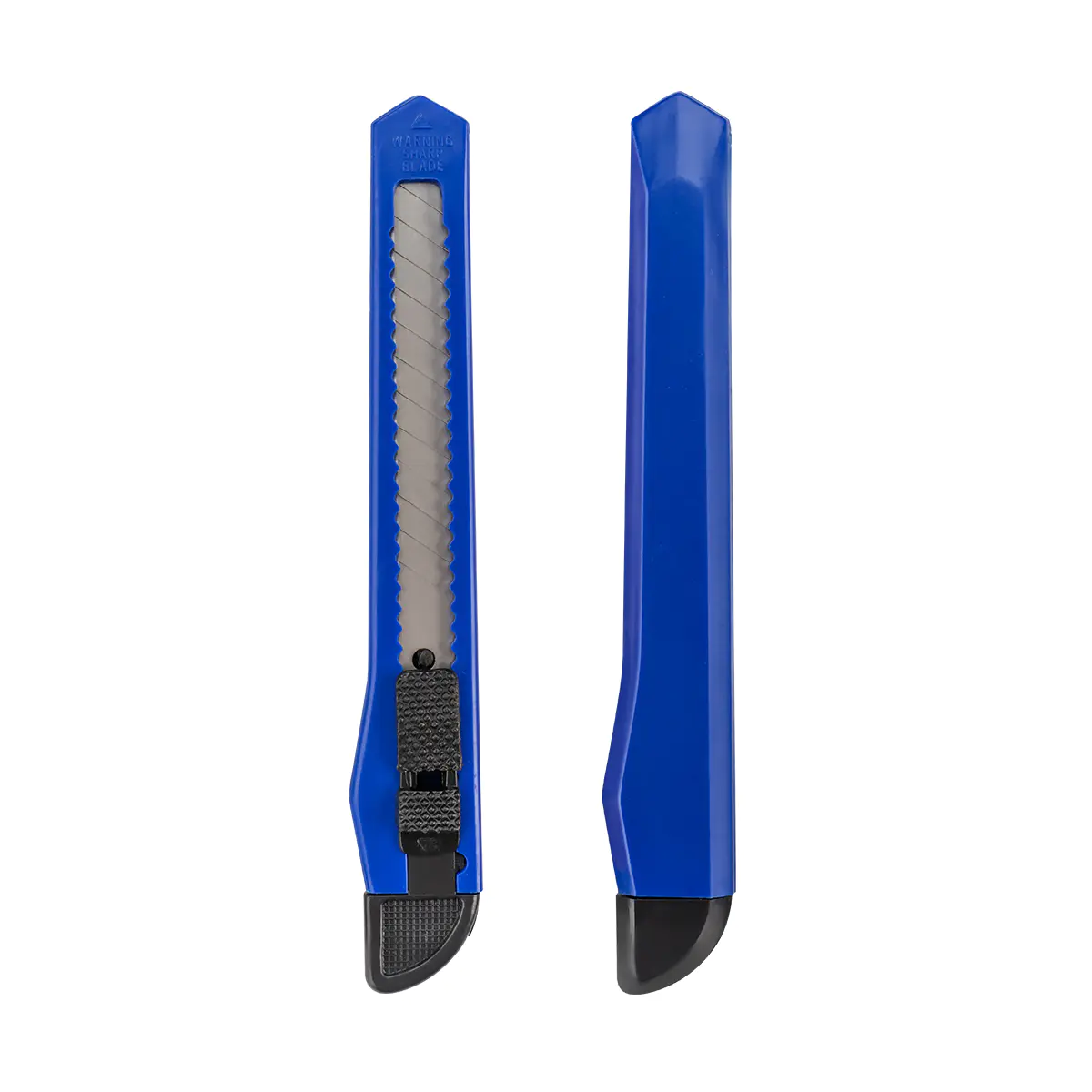
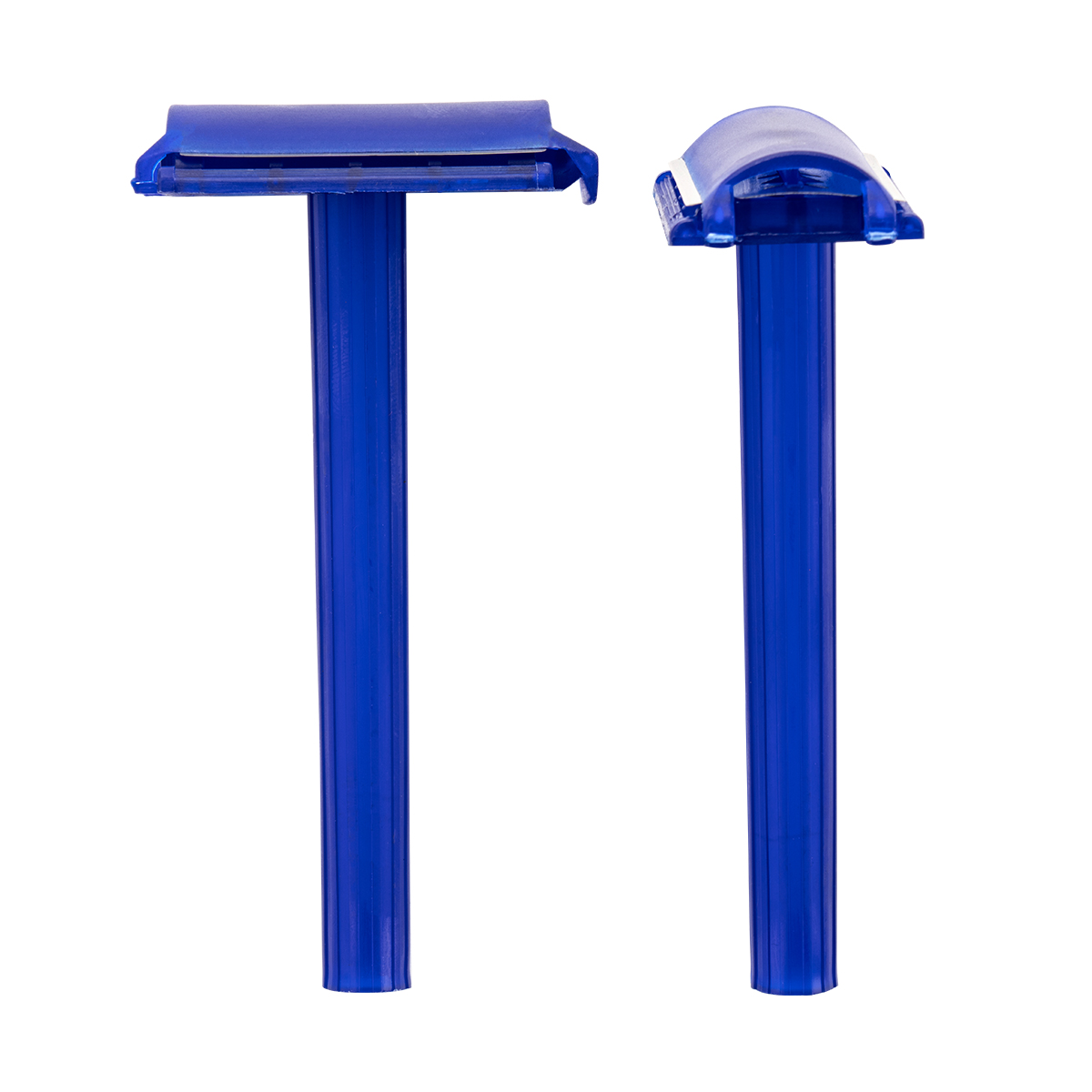
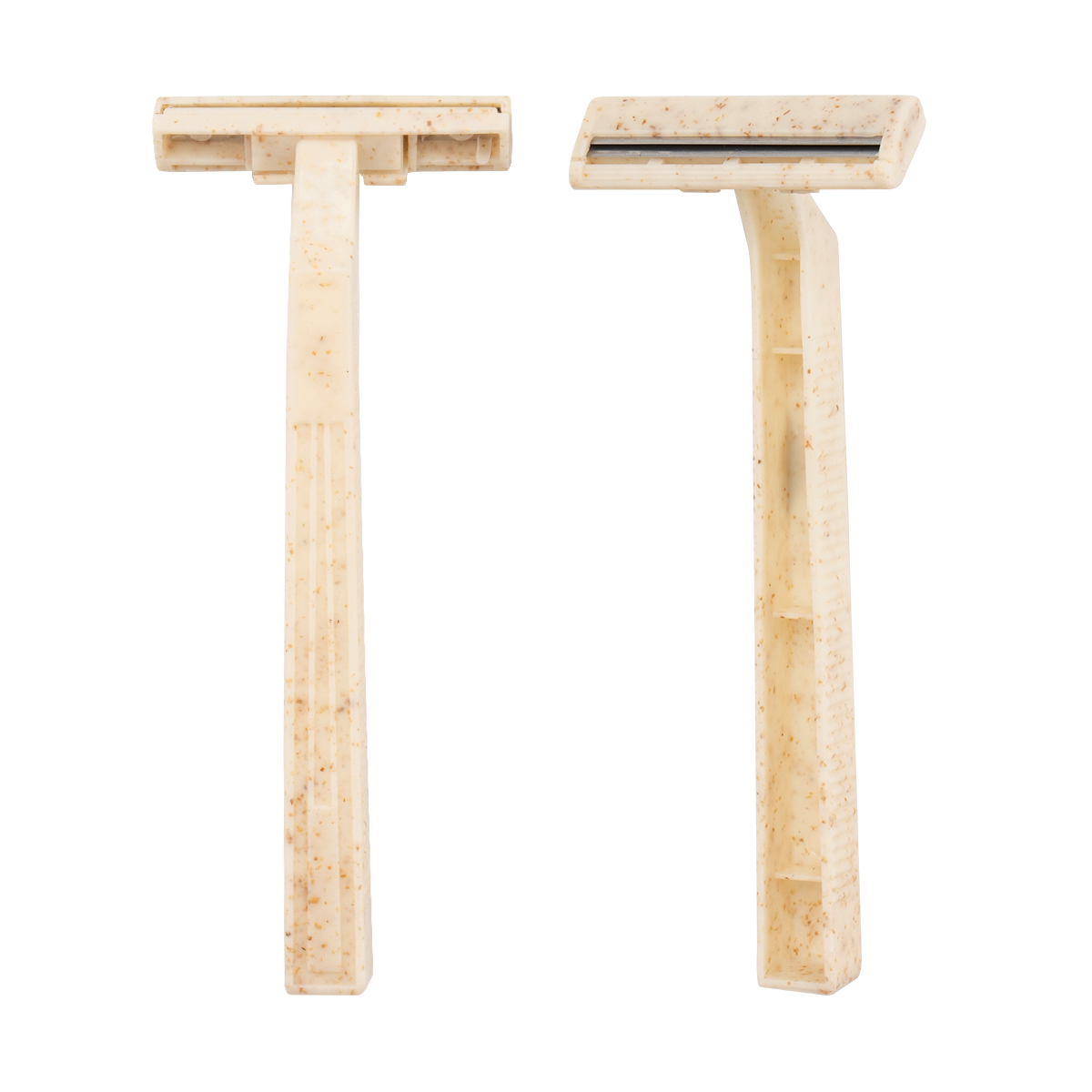

We are an industry and trade enterprise
specializing in the production of disposable razors and utility knives for more than 30 years.
Why is Choosing the Right safety utility knife Critical for Industrial Workplace Safety
Content
In modern industrial manufacturing and logistics warehousing, the safety and durability of cutting tools are directly related to production efficiency and occupational health. As global manufacturing standards rise, traditional knives are being replaced by more precisely designed safety utility knife options with enhanced protection features. This article provides a professional analysis of the core values of the safety knife and related safety cutting tool from technical parameters, blade materials, and application scenarios.
Structural Design Core of High-Performance safety utility knife
A professional safety utility knife is not just a cutting tool, but a sophisticated ergonomic system. Its core design focuses on reducing the operator's risk of exposure to sharp edges through mechanical structures.
Spring-Back Mechanism:
This is the hallmark feature of a safety knife. When the blade leaves the surface of the cutting object or the operator releases the slider, the blade instantly retracts into the handle via a powerful internal spring, effectively preventing lacerations caused by slips or accidental operation.
Concealed Blade Design:
For box opening and tape cutting tasks, specific safety cutting tool designs often feature a fully or semi-enclosed hook shape. This design limits the physical path of the blade to the skin, allowing only packaging materials of a specific thickness to enter the cutting slot.
Body Weight and Grip:
Professional grade utility knife products are typically made from aluminum alloy or high-strength zinc alloy die-casting, supplemented by anti-slip coatings. A reasonable weight (usually between 150g and 250g) ensures stable downward pressure during heavy-duty cutting tasks and reduces hand fatigue.
Key Material Parameters Comparison of safety cutting tool
Selecting the right utility knife requires comparing the physical properties of its core component—the blade. The following data compares three common blade materials used in the industrial sector:
| 60 - 64 | 56 - 58 | 80+ |
| High | Medium | Extremely High |
| Low | High | Extremely High |
| Corrugated boxes, heavy packaging film | Damp environments, food packaging | Anti-static environments, fine films |
| Excellent | Good | Brittle |
In practical operations, a safety utility knife equipped with cryogenic treated high carbon steel blades can significantly extend the replacement cycle and reduce downtime. For specialized stations requiring non-magnetic or anti-static properties, a ceramic safety cutting tool is the more professional choice.
Selection Logic for safety knife in Different Working Conditions
In complex industrial environments, a single utility knife rarely covers all cutting needs. Choosing the right tool based on the cutting pressure and texture of specific materials is crucial.
Multi-layer Corrugated Paper and Pallet Wrap:
These tasks require a safety utility knife with significant cutting depth and blade stability. A safety knife equipped with a "fully automatic retraction" function ensures that even if the tool is accidentally dropped during high-speed operations, it will not injure the user's feet.
Heavy Rubber and Plastic Sheeting:
Heavy-duty cutting requires tools with high torque resistance. In these cases, a professional utility knife with a locking system is advantageous, though the habit of manual retraction must be maintained, or a safety cutting tool with dual-sensing technology should be selected.
Thin Film and Single-layer Tape:
To avoid damaging the products inside the packaging, a safety knife with protective guards should be prioritized. This tool precisely controls the cutting depth (usually set between 3mm-5mm), ensuring the outer packaging is cut while the internal goods remain unharmed.
Reducing Maintenance Costs: Standardized Management of safety utility knife
A well-established asset management system for safety cutting tool equipment can save significant long-term investment. Professional utility knife models usually feature a "tool-free quick change" design, allowing operators to flip or replace a dull blade in seconds.
Blade Wear Monitoring:
Blades should be replaced immediately when cutting resistance increases or torn edges appear. Using a dull safety knife forces the operator to increase pressure, which greatly increases the risk of slipping.
Cleaning and Lubrication:
Regularly clean dust, adhesive residue, and paper scraps from the interior of the safety utility knife to ensure the retraction mechanism remains smooth.
Categorized Storage:
Place different types of safety cutting tool equipment according to the workstation to avoid misusing heavy-duty tools for precision cutting tasks.
By introducing high-standard safety utility knife solutions, enterprises can effectively eliminate safety hazards on the production line. These tools, with their precise force control and long-term durability, enhance the professional standard of all cutting operations. Choosing a safety cutting tool that meets ergonomic standards and technical parameters is a fundamental cornerstone for ensuring the smooth operation of modern production processes.
Recommended Product
Recommended News

Keep In Touch
 No. 2-2, Oufu Road, Zhangting Town, Yuyao City, Ningbo City, Zhejiang, China.
 +86-574-87560886/87560055
 +86-574-87560885
Copyright © Ningbo Chuangxin Cutting-Tool Manufacture Co., Ltd.
