

 English
 中文简体
中文简体 русский
 Español


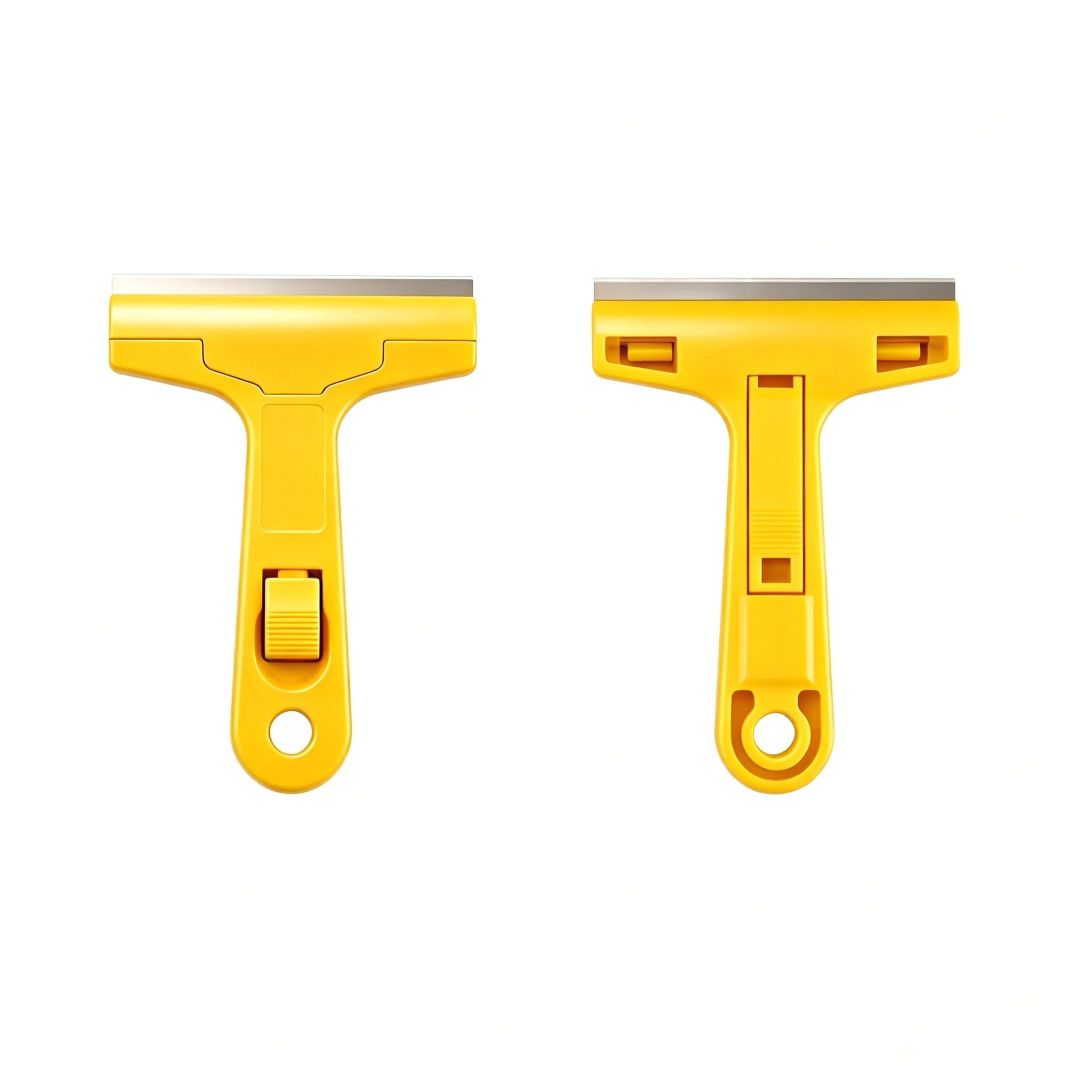
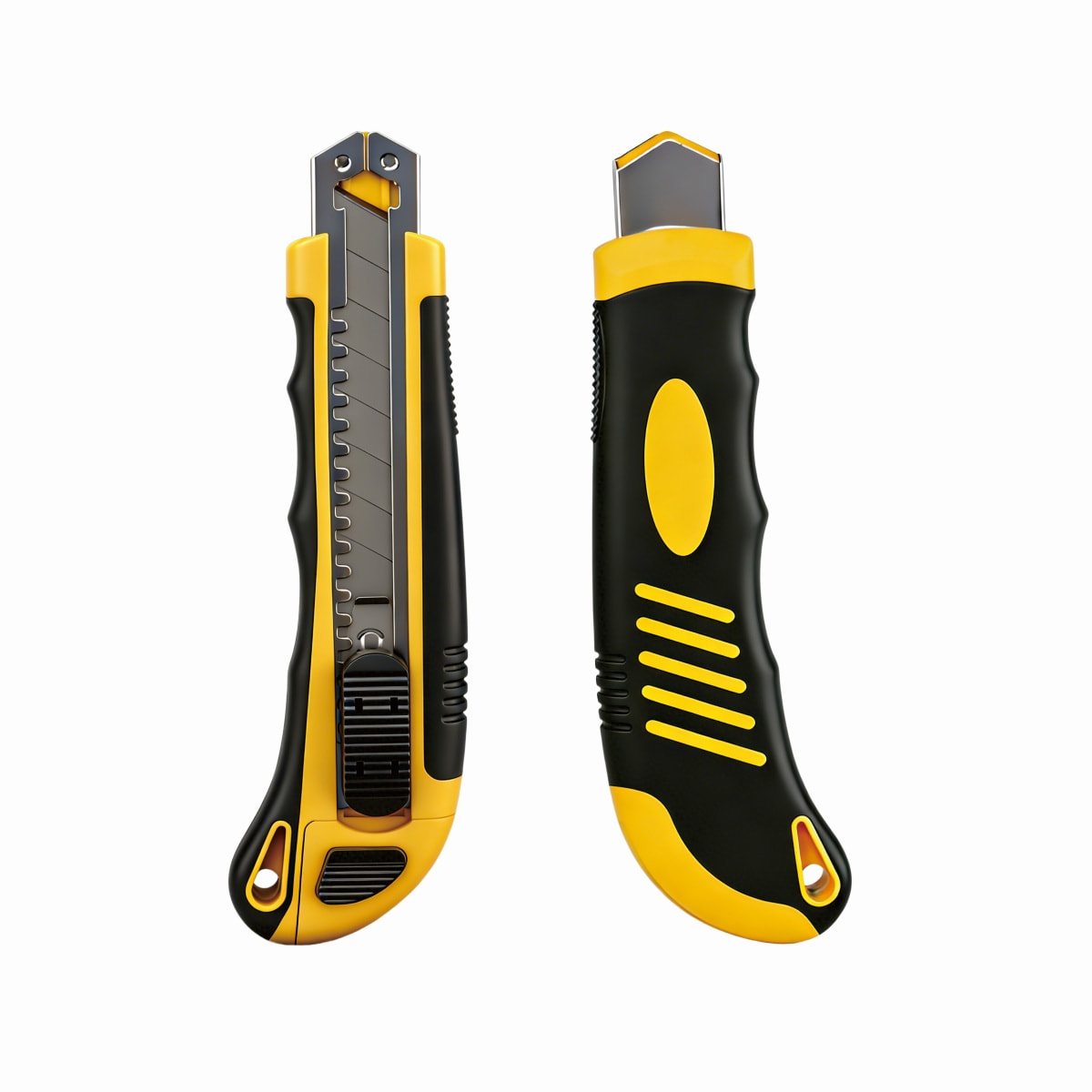
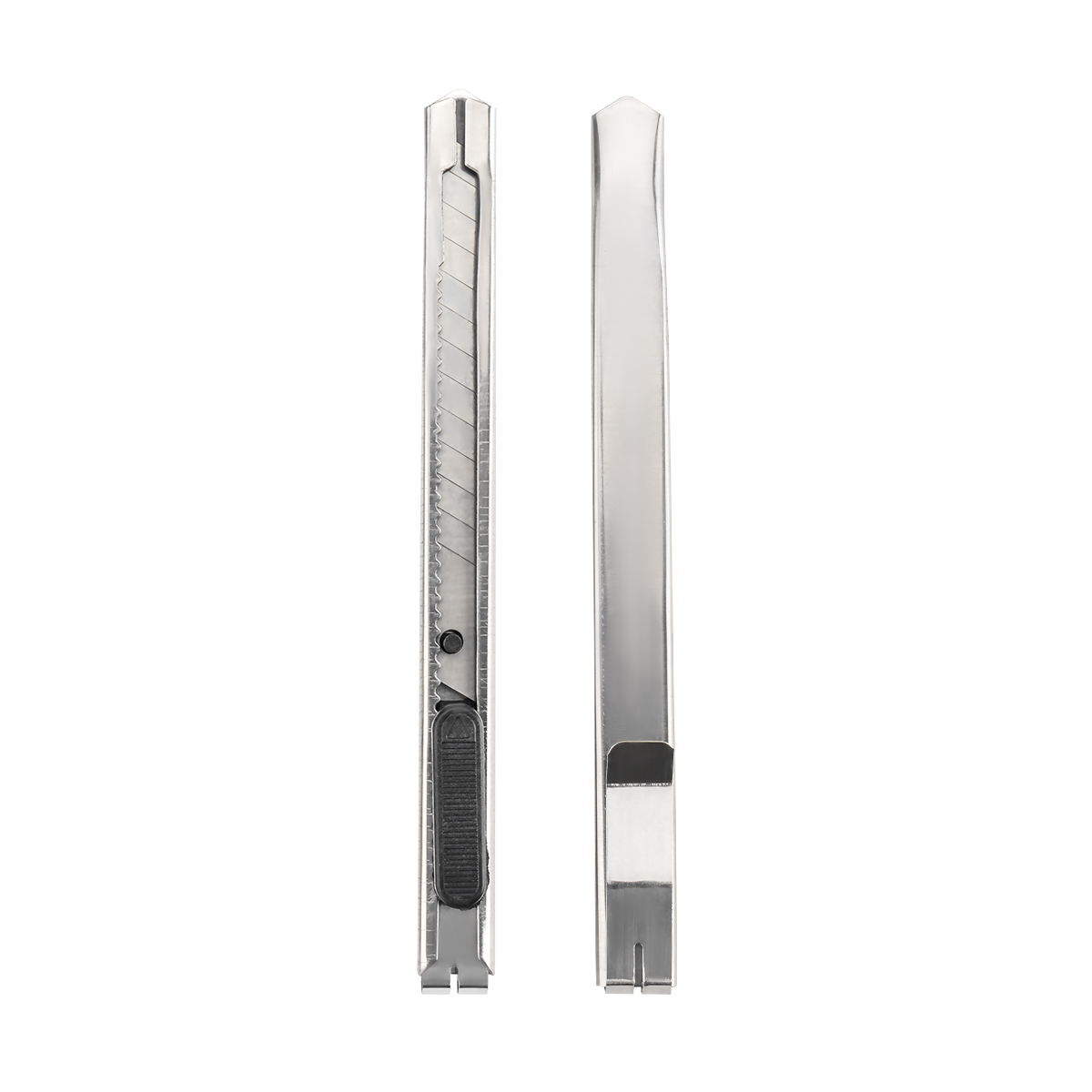
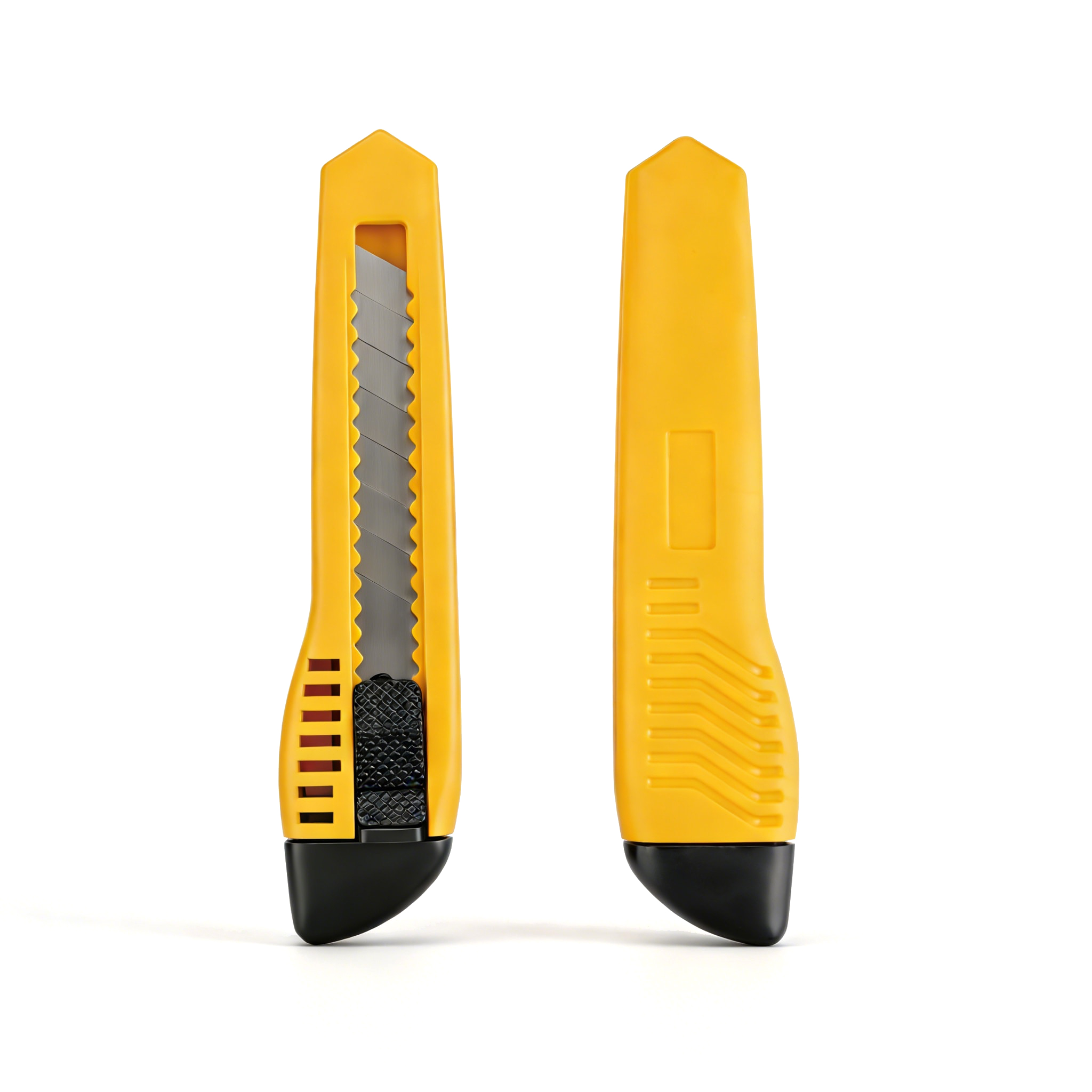
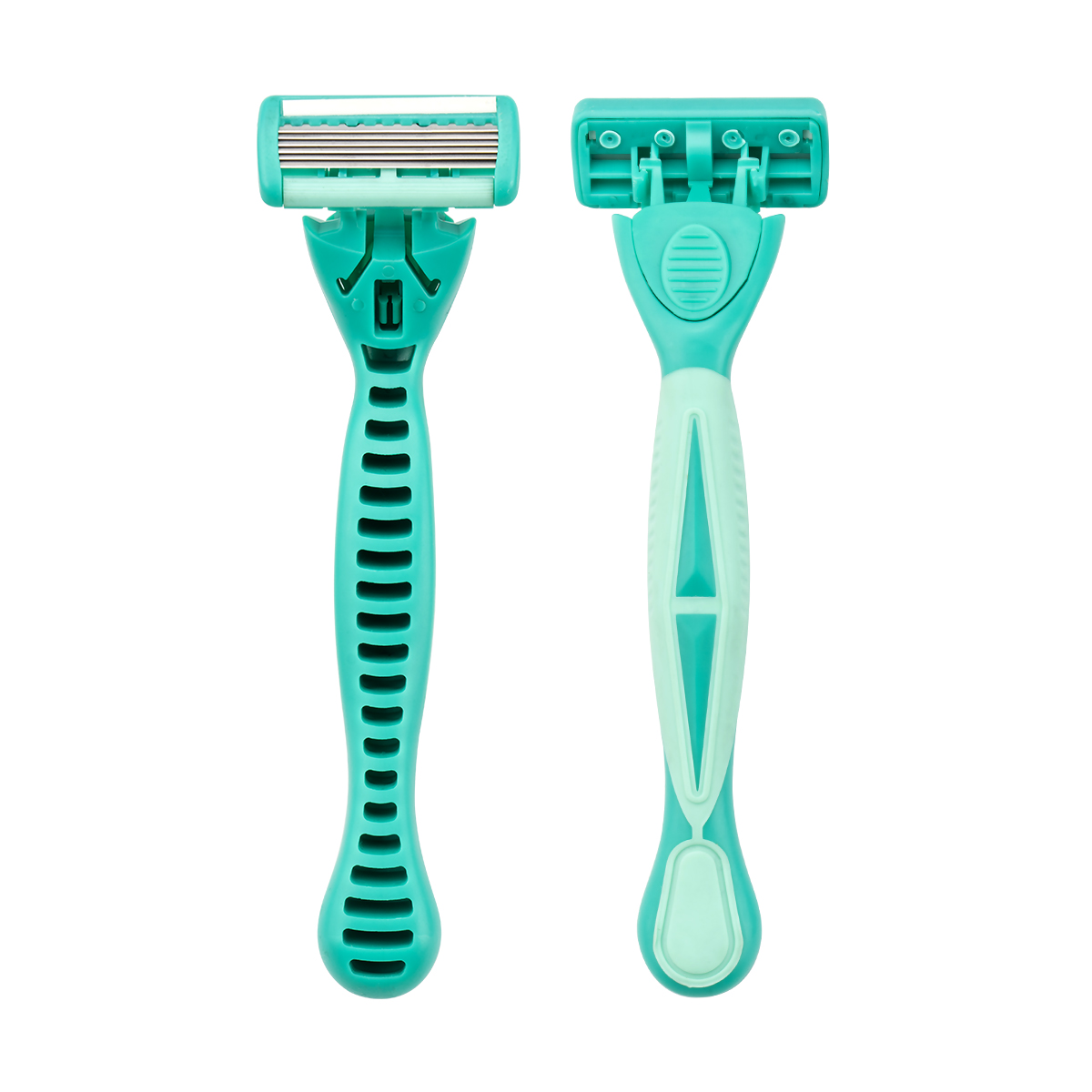
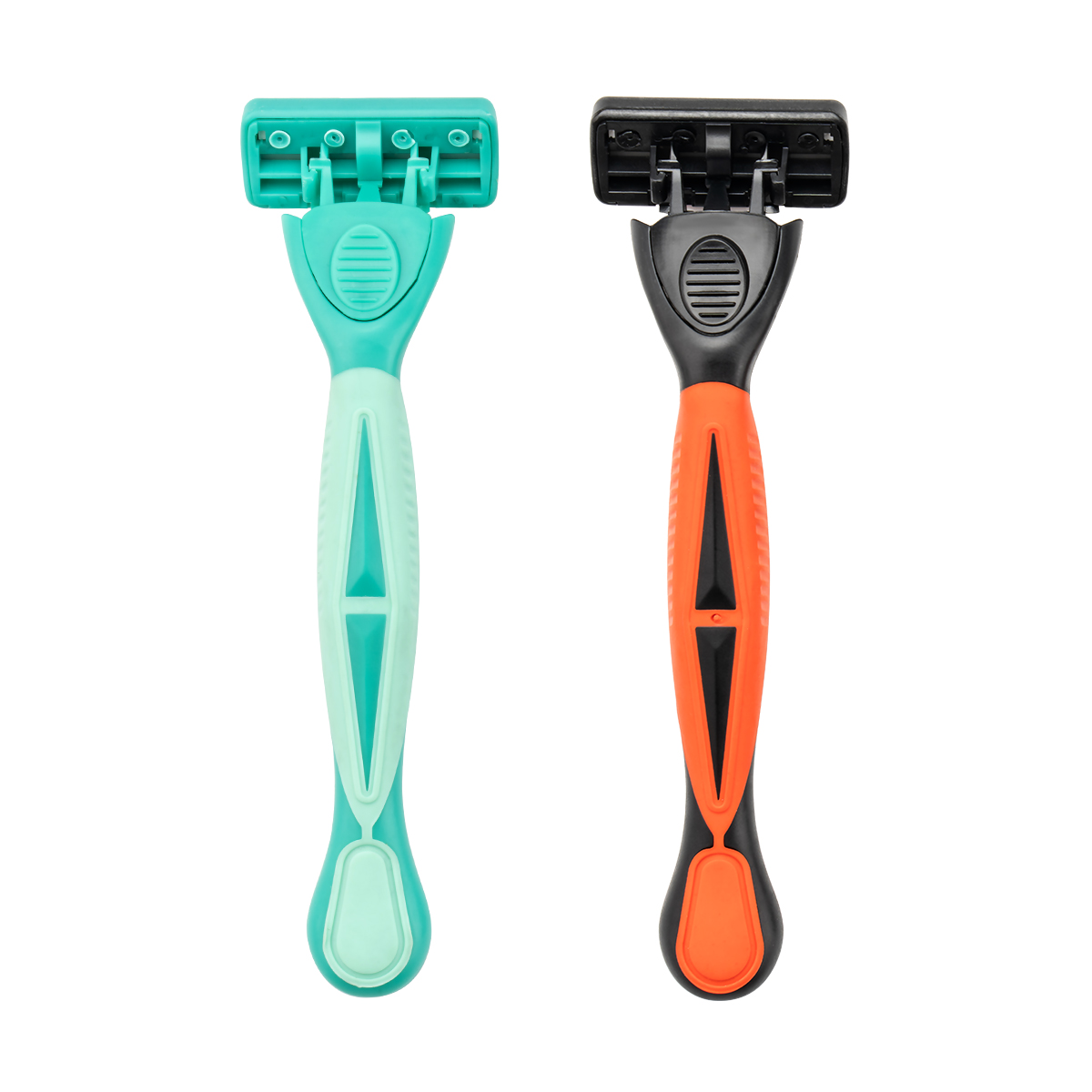
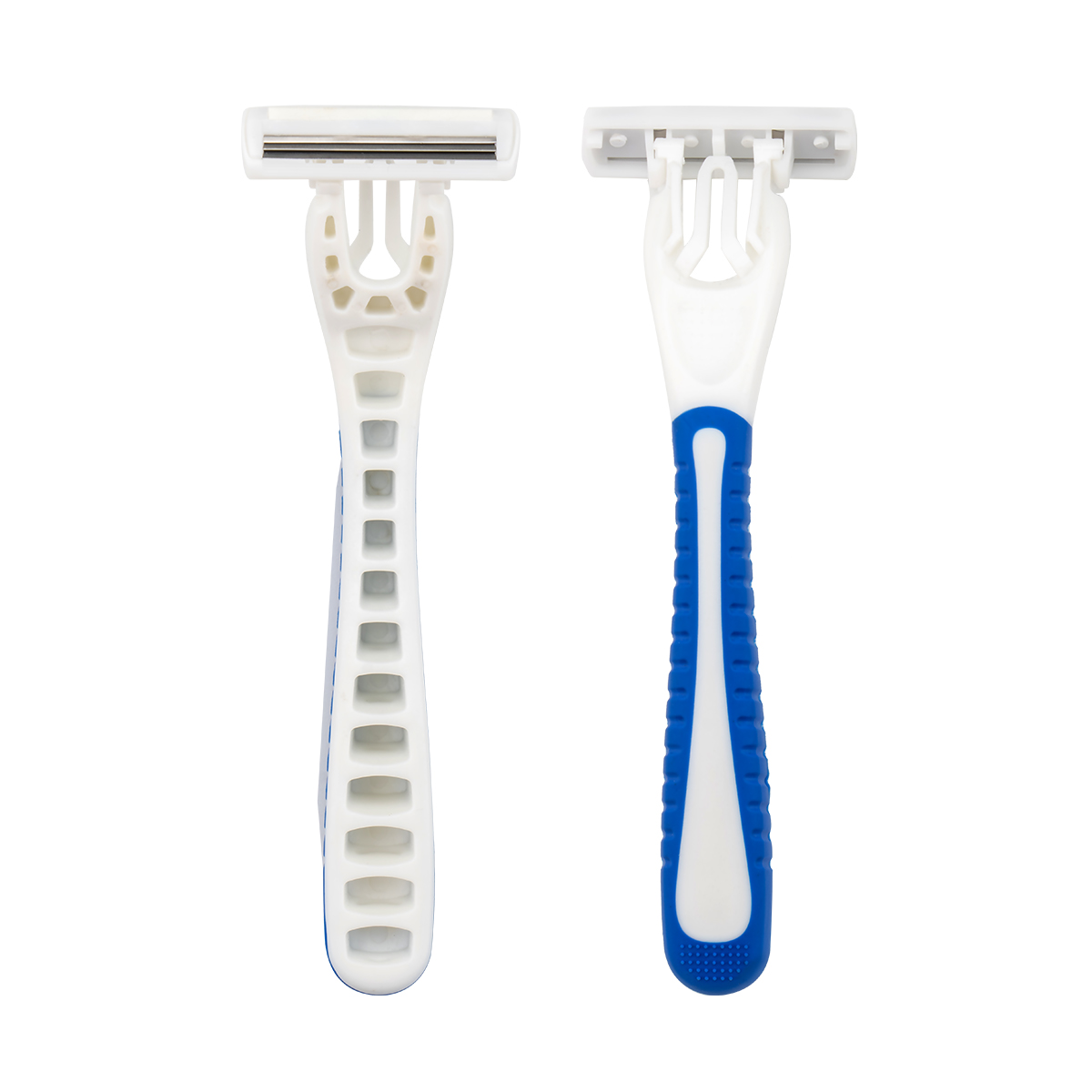
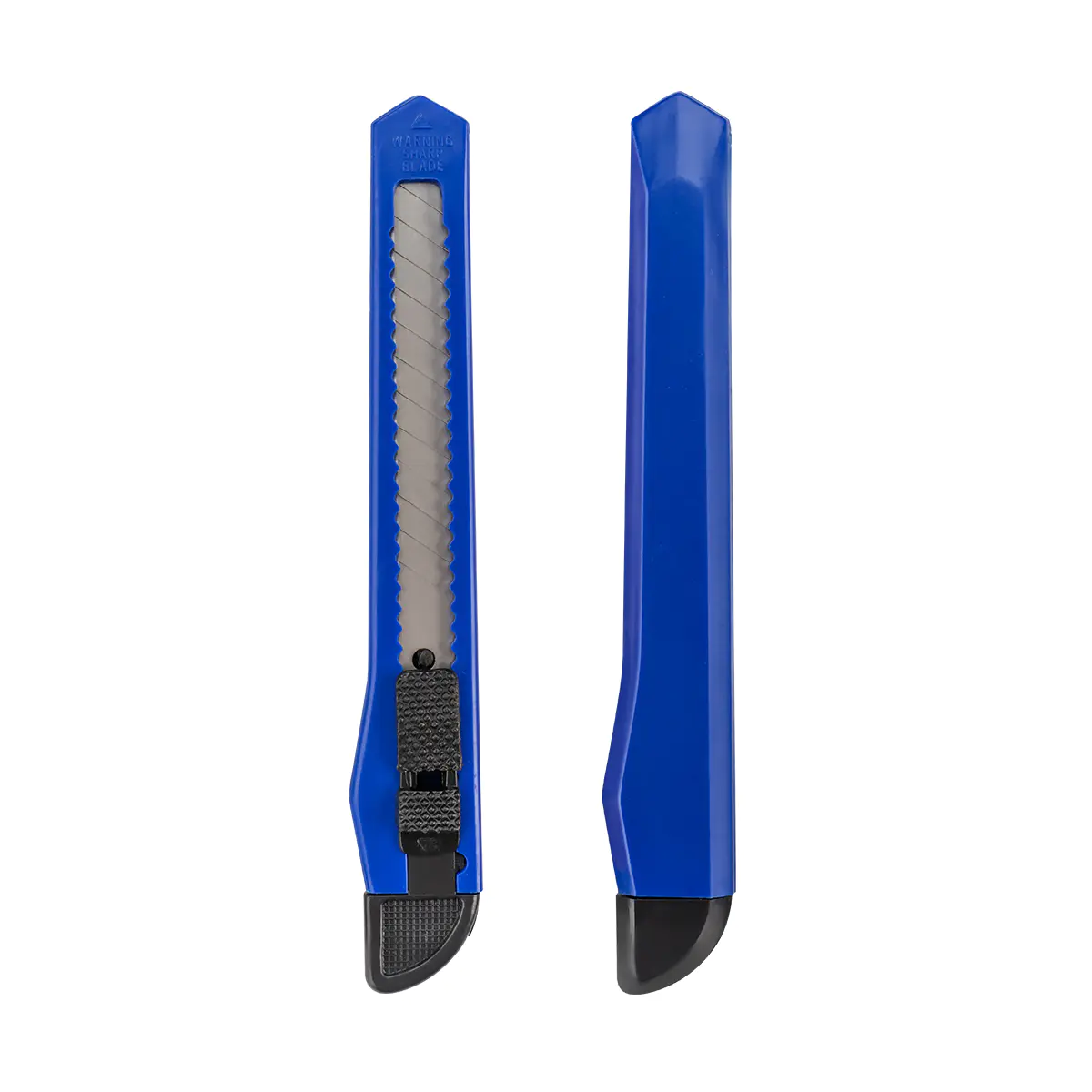
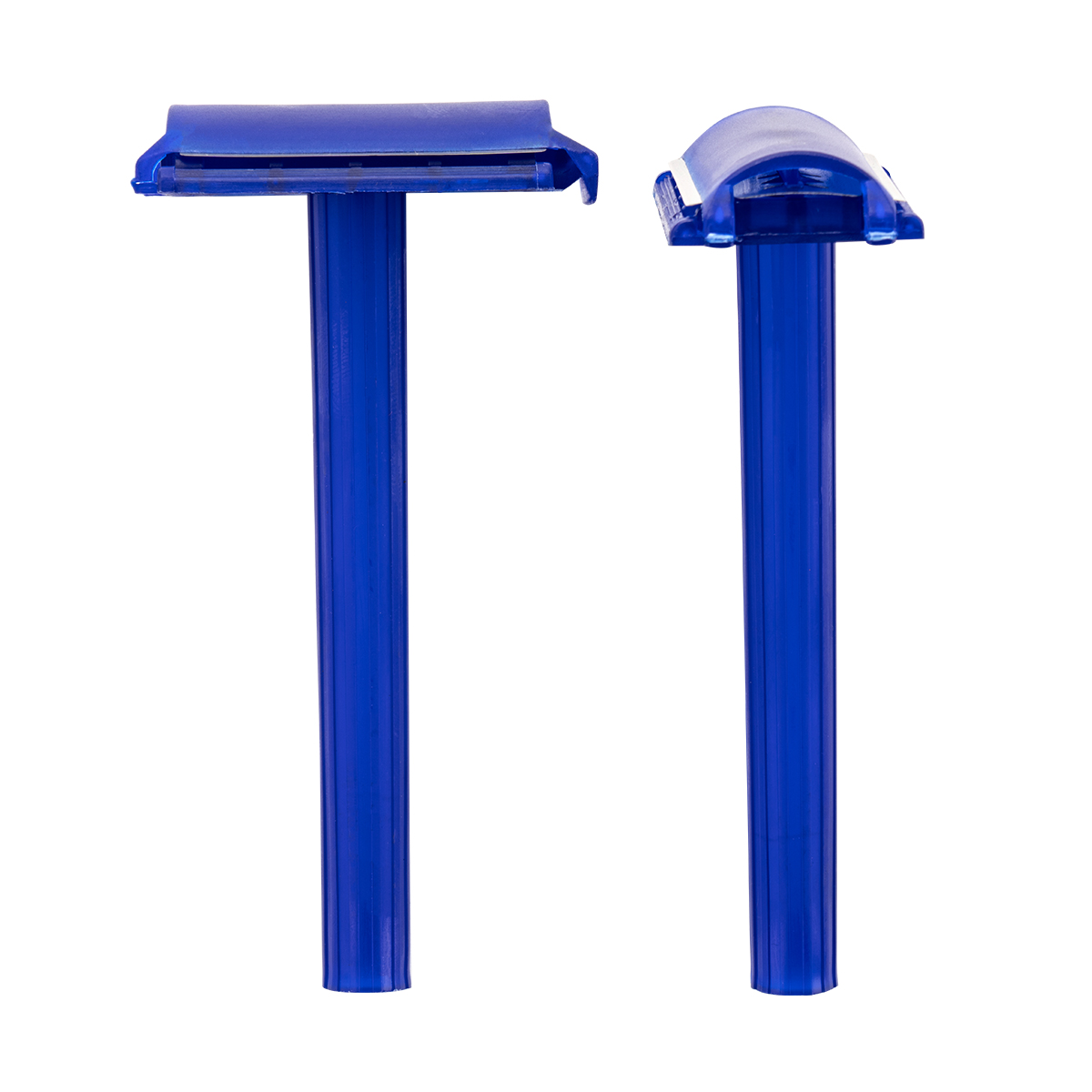
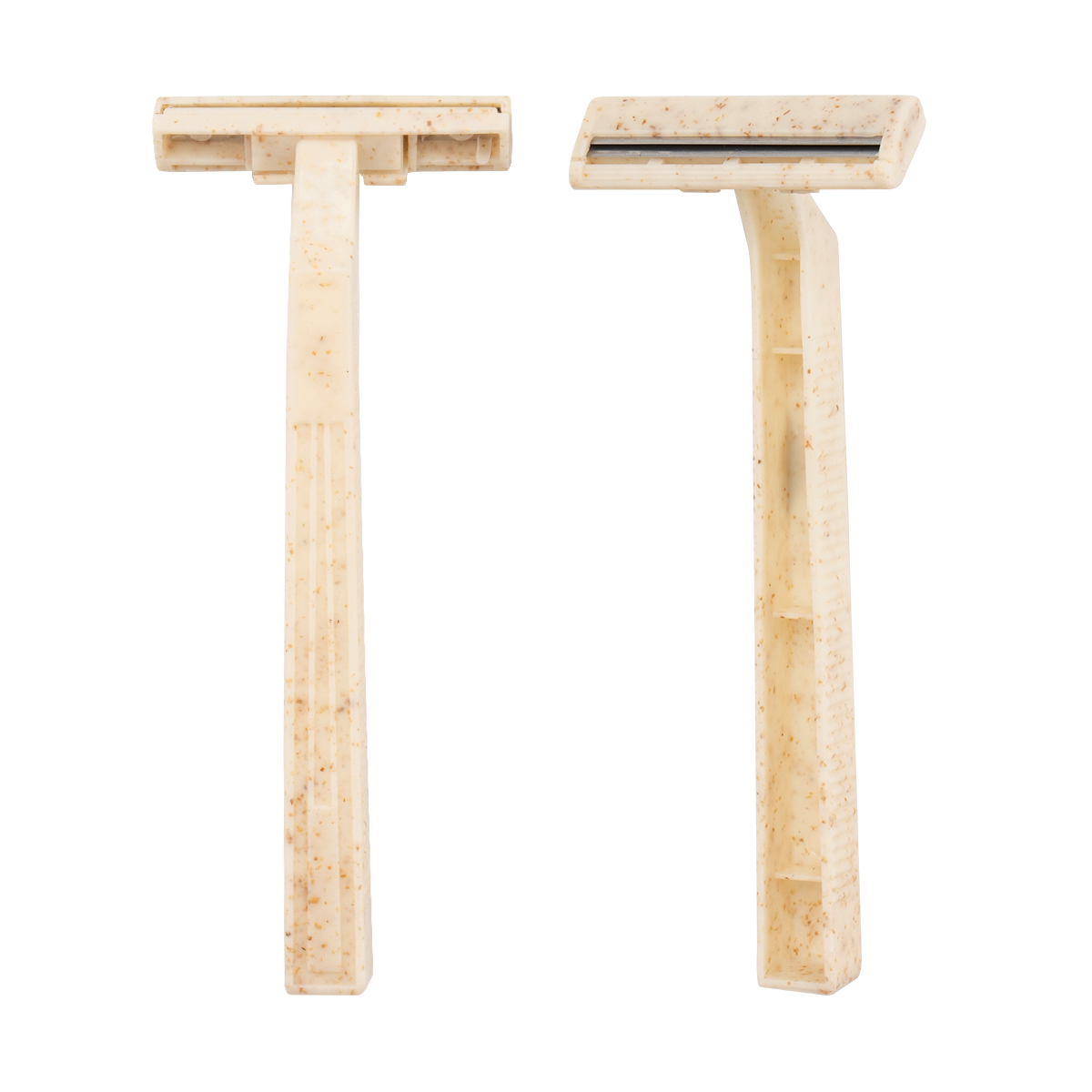

We are an industry and trade enterprise
specializing in the production of disposable razors and utility knives for more than 30 years.
Why Is a Scraper Utility Knife the Secret Weapon for Professional Contractors and DIYers
Content
- 1 The Evolution of Modern Multi-functional Tools: From Cutting to Scraping
- 2 Core Categories: Analyzing Different Types of Scraper Utility Knife
- 3 Deep Technical Specifications: Construction of the Razor Knife Scraper
- 4 Core Application Scenarios: Performance of the Utility Blade Scraper
- 5 Professional Operating Guide: Using the Box Cutter Scraper Safely
- 6 Maintenance: Extending the Life of Your Utility Knife Scraper
- 7 Selection Guide: Finding the Right Razor Knife Scraper
- 8 FAQ and Knowledge Base
The Evolution of Modern Multi-functional Tools: From Cutting to Scraping
In the history of manual tool design, the shift from single-function to multidimensional integration has always been driven by the increasing complexity of job sites. The birth of the scraper utility knife marks an evolution from simple mechanical instruments to sophisticated ergonomic systems.
In past industrial practices, cutting tools and scraping tools were distinct categories. The design core of a standard knife focused on penetration and linear guidance, while scraping tools emphasized surface coverage and shear force. However, modern workers often face complex tasks, such as disassembling an old industrial chassis, where they must cut through thick rubber gaskets and immediately clear residual adhesives from metal flanges. Constantly setting down a box cutter scraper to pick up a dedicated scraper not only interrupts the workflow but also increases the risk of tool drops in high-altitude or narrow workspace environments.
The modern utility knife scraper solves this pain point through a reconstruction of force transmission paths. In cutting mode, the force is transmitted along the longitudinal axis of the handle to the tip. When converted into a utility blade scraper, the support points of the handle shift slightly, allowing the force to be distributed evenly across the lateral width of the blade. This dual-logic fusion ensures that the tool is no longer just a combination of steel and plastic, but a precision system capable of adapting to multiple physical stress models.
Core Categories: Analyzing Different Types of Scraper Utility Knife
To meet diverse needs ranging from high-precision electronic repair to heavy-duty construction demolition, the scraper utility knife has evolved into several distinct structural forms.
Fixed vs. Retractable: Stability vs. Portability
Fixed Heavy-Duty Models: These tools usually feature a full metal frame. The blade is clamped directly onto the base via high-strength bolts. For tasks involving industrial anti-rust paint or thick asphalt residues, this design provides unparalleled rigidity, preventing deformation under extreme pressure.
Retractable Slider Models: This is the classic box cutter scraper design. It features a precision multi-tooth locking track that allows the user to adjust the blade exposure depth. The essence of this design lies in its self-locking function, ensuring the blade does not retract when pushed forward against resistance.
Technical Details of 2-in-1 Hybrid Designs
Modern hybrid utility knife scraper models often employ swing-head technology. Users can switch the blade holder from 0 degrees to 90 or 180 degrees by pressing a safety button. In 0-degree mode, it functions as a standard cutting tool with a forward-leaning center of gravity, ideal for precise tracking. In Scraper mode, the handle forms a natural lever. The user can drive the razor knife scraper using the push force of their entire palm, significantly saving physical effort when clearing large floor areas.
Deep Material Specification Comparison
| Performance Parameter | High Carbon Steel (SK5) | Stainless Steel (420/440) | Zirconia Ceramic |
| Hardness (HRC) | 60 - 65 | 54 - 58 | 85 Plus |
| Edge Retention | Excellent for heavy cutting | Average; requires flipping | Extremely high; lasts 10x longer |
| Impact Resistance | Excellent; resists snapping | Great; good ductility | Poor; prone to lateral chipping |
| Weather Resistance | Prone to oxidation/rust | Excellent; acid/alkali resistant | Completely immune to corrosion |
| Primary Use Cases | Construction, Carpentry | Kitchens, Labs, Chemicals | Battery repair, Non-magnetic |
Deep Technical Specifications: Construction of the Razor Knife Scraper
A razor knife scraper capable of withstanding high-intensity work is the result of precision-calculated design details.
Blade Locking and Quick-Release Mechanisms
In high-frequency environments, the replacement efficiency of the utility blade scraper directly impacts productivity. Magnetic Assistance is found in some high-end models that embed powerful magnets within the blade slot. This assists in precise positioning and prevents the blade from accidentally falling and causing injury during a change.
Ball-Bearing Lock mechanisms use steel bearings to engage with blade positioning holes, providing a more stable connection than traditional plastic clips. It ensures zero movement of the blade during heavy-duty scraping with a utility knife scraper.
Biomechanical Analysis of Ergonomics
Long-term use of an inferior box cutter scraper can lead to carpal tunnel syndrome. Premium designs focus on Finger Contours, which guide the user to a correct grip, ensuring hand muscles remain in a naturally relaxed state while applying force. Center of Gravity Balance is critical; the tool weight is usually centered at the index finger position. Vibration Dampening involves filling the interior of the hard plastic shell with elastomers to help absorb the reaction force when the utility blade scraper hits hard surfaces, reducing joint fatigue.
Core Application Scenarios: Performance of the Utility Blade Scraper
Construction and Interior Renovation
The scraper utility knife demonstrates extreme flexibility in home renovation tasks. For Glass Adhesive Removal, many windows leave stubborn pressure-sensitive adhesive after years of filming. Using a razor knife scraper with warm water can clear the residue like pushing snow without using corrosive chemical solvents. In Grout Finishing, after tile installation, excess grout that has hardened must be removed with a high-hardness utility blade scraper, requiring the tool to have high directional accuracy.
Professional Performance in Automotive Maintenance
Precision Decontamination is a key use case. Overspray, tree sap, or bird droppings on windshields can cause micro-scratches if wiped with a cloth. Using a brand new razor knife scraper at a shallow angle can lift the dirt cleanly. For Interior Refurbishment, the box cutter scraper is used to scrape away old foam layers and glue residues when replacing leather seats or headliners.
Professional Operating Guide: Using the Box Cutter Scraper Safely
Angle Control and Physical Mechanics
Efficiency when using a utility blade scraper is directly related to the surface area and pressure applied. Tangential Peeling at approximately 20 degrees is ideal for stickers and thin tapes as the resultant force is primarily used to overcome the adhesion between the impurity and the substrate. Vertical Breaking at a 45 degree angle is necessary for heavy plaster or dried putty, where the angle is increased to use the rigidity of the blade for chiseling scraping.
Prevention and Protection Strategies
Wet Operation is recommended. When scraping dry materials, debris can fly. Pre-spraying water not only cools and protects the edge of the utility knife scraper but also suppresses dust, protecting the operator respiratory tract. Margin Reservation is also vital. When approaching corners or seals, slow down to prevent the box cutter scraper from rushing out of the work zone due to inertia and damaging surrounding decorations.
Maintenance: Extending the Life of Your Utility Knife Scraper
Chemical Degradation of Residue must be avoided. If the blade is stuck with polyurethane foam or strong structural glue, use a specific cleaner to soak the head. Never strike the blade with hard objects to shake off residue, as this will deform the utility blade scraper holder. Track Lubrication is essential for retractable box cutter scraper models. Periodically drop a bit of machine oil or dry graphite powder into the metal tracks. This ensures the sliding action remains smooth and prevents misoperation due to jams. Additionally, utilize Blade Flipping Logic. Most blades are double-ended; form a habit of flipping the blade every half-day to ensure the razor knife scraper is always at its peak performance.
Selection Guide: Finding the Right Razor Knife Scraper
When selecting a scraper utility knife, check Locking Stability. Extend the blade and apply pressure to the tip. If there is significant vertical or horizontal wobble, the mold precision is insufficient for fine work. Evaluate Grip Volume by holding the tool while wearing work gloves. A handle that is too thin will cause hand pain under pressure, while one that is too thick hinders precision. Finally, check Blade Compatibility. Confirm if the utility blade scraper supports standard trapezoidal or square blades found in most hardware stores to keep long-term consumable costs low.
FAQ and Knowledge Base
Why does my utility blade scraper chatter or jump during use?
This is known as the Stick-Slip phenomenon. It is usually caused by an angle that is too steep or a surface that is too dry. Adding a lubricant or reducing the angle will allow the scraper utility knife to run smoothly.
How do I prevent a box cutter scraper from rusting during long-term storage?
If the tool contains springs or precision tracks, store it in a sealed box with desiccant. For all-metal utility knife scraper designs, applying a thin layer of anti-rust wax to the surface is the best solution.
Are there any taboos when handling labels near live circuits?
Yes. Most razor knife scraper models are made of conductive metal. Never use a metal blade in a live environment. Instead, choose a utility blade scraper equipped with specialized ceramic blades for their excellent insulating properties.
How is the balance between sharpness and strength maintained?
This is a physical trade-off. Thinner blades are sharper but prone to edge rolling; thicker blades are stronger but have less bite. A high-quality scraper utility knife blade often uses multi-stage grinding to ensure a sharp edge while maintaining a strong spine for heavy box cutter scraper tasks.
Recommended Product
Recommended News

Keep In Touch
 No. 2-2, Oufu Road, Zhangting Town, Yuyao City, Ningbo City, Zhejiang, China.
 +86-574-87560886/87560055
 +86-574-87560885
Copyright © Ningbo Chuangxin Cutting-Tool Manufacture Co., Ltd.
