

 English
 中文简体
中文简体 русский
 Español


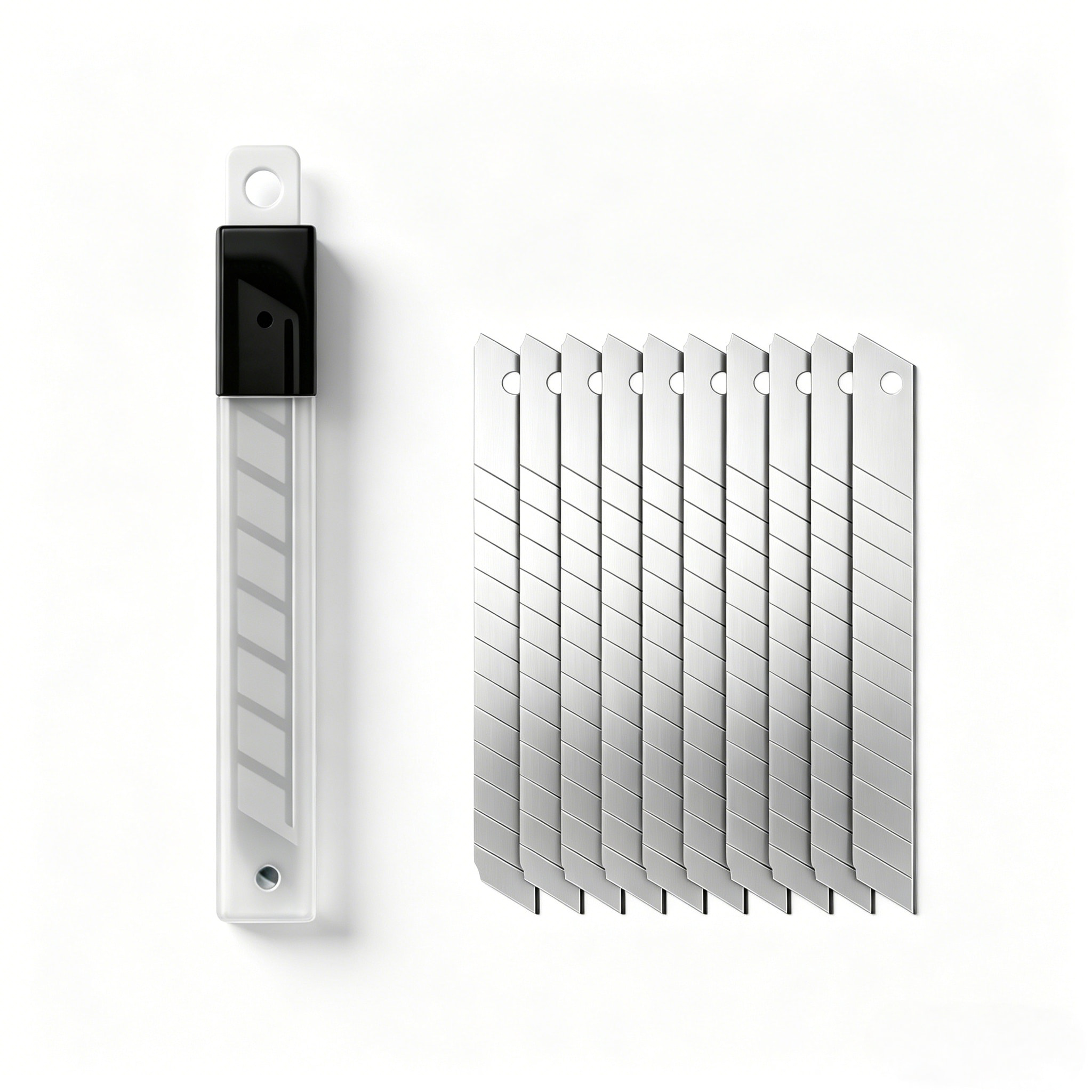
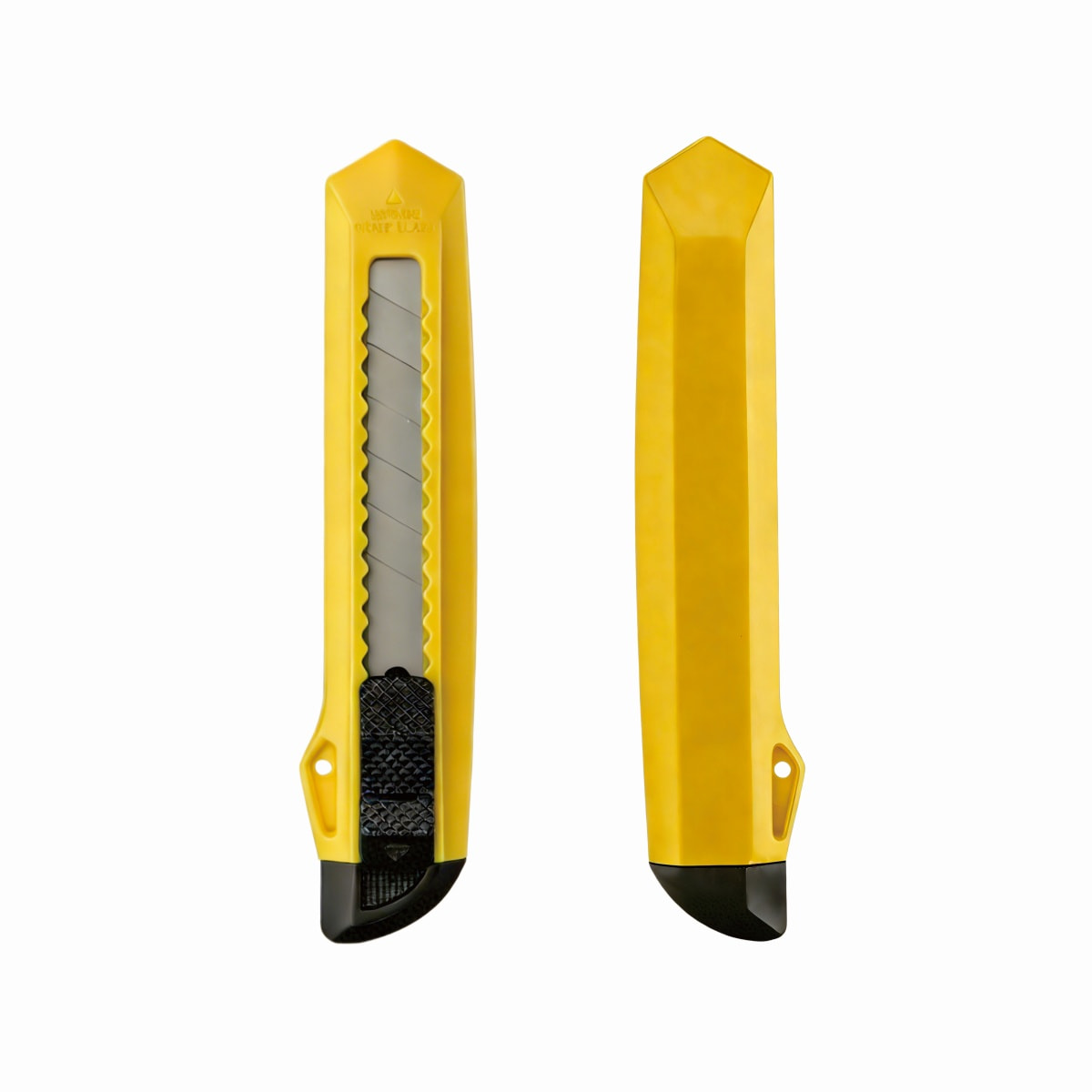
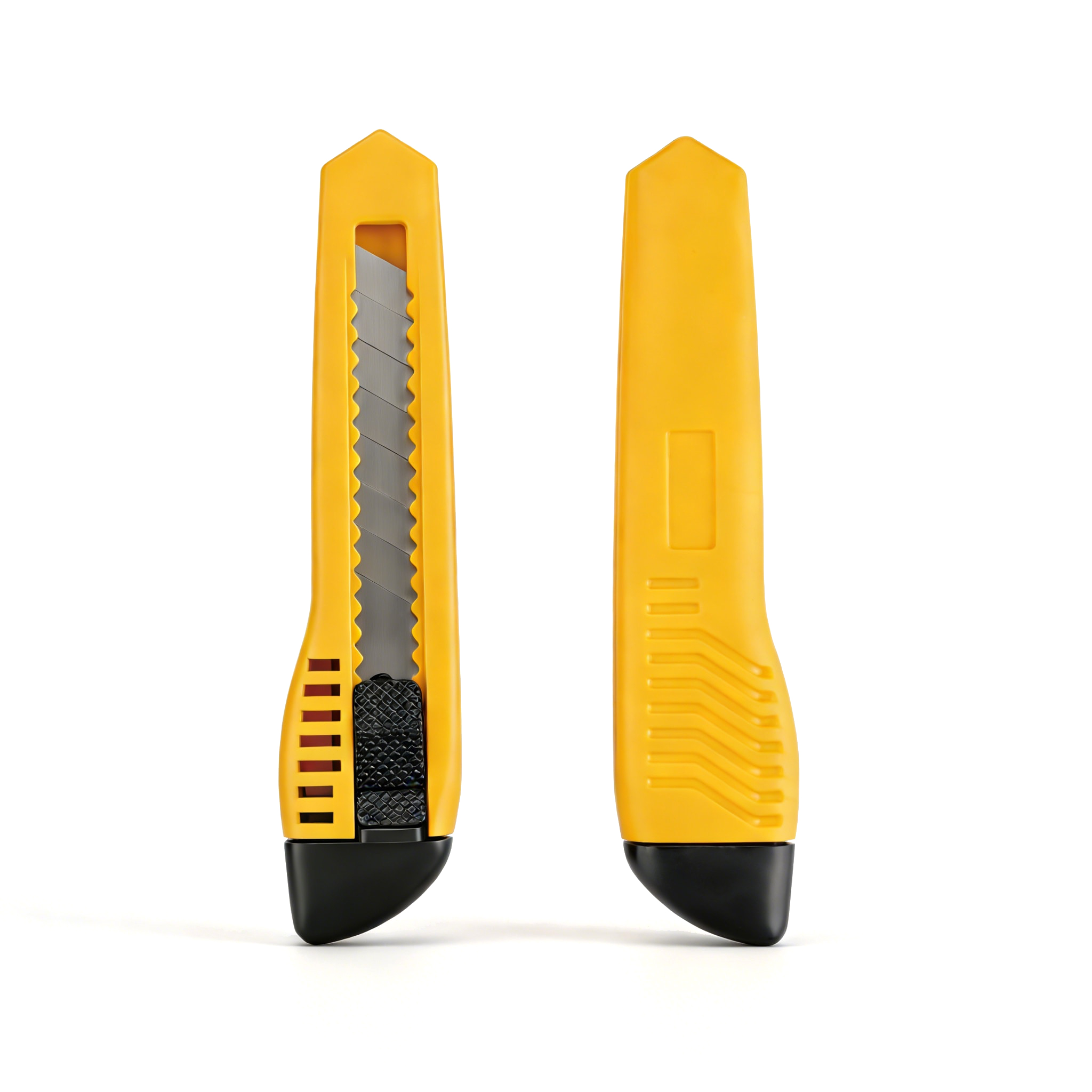
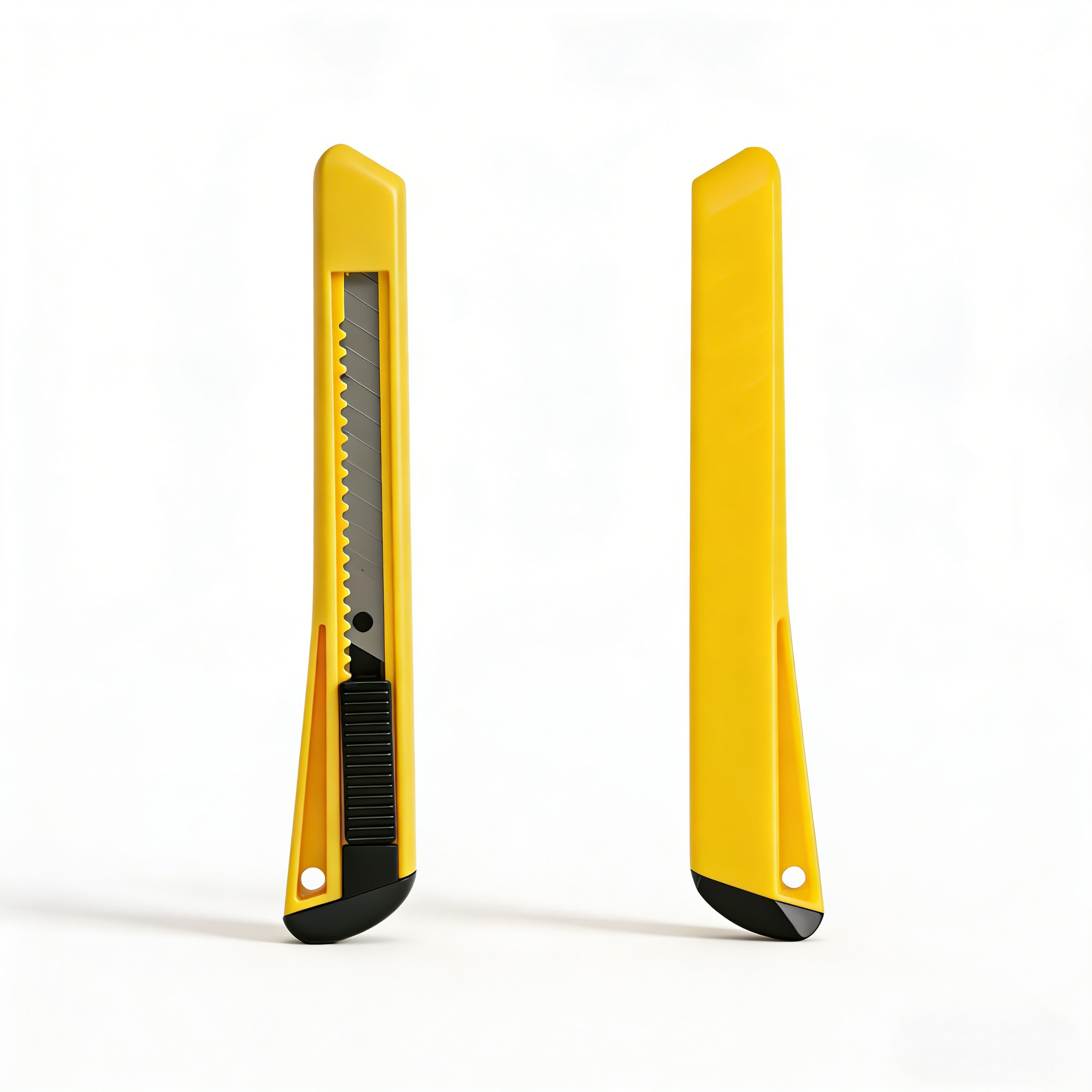
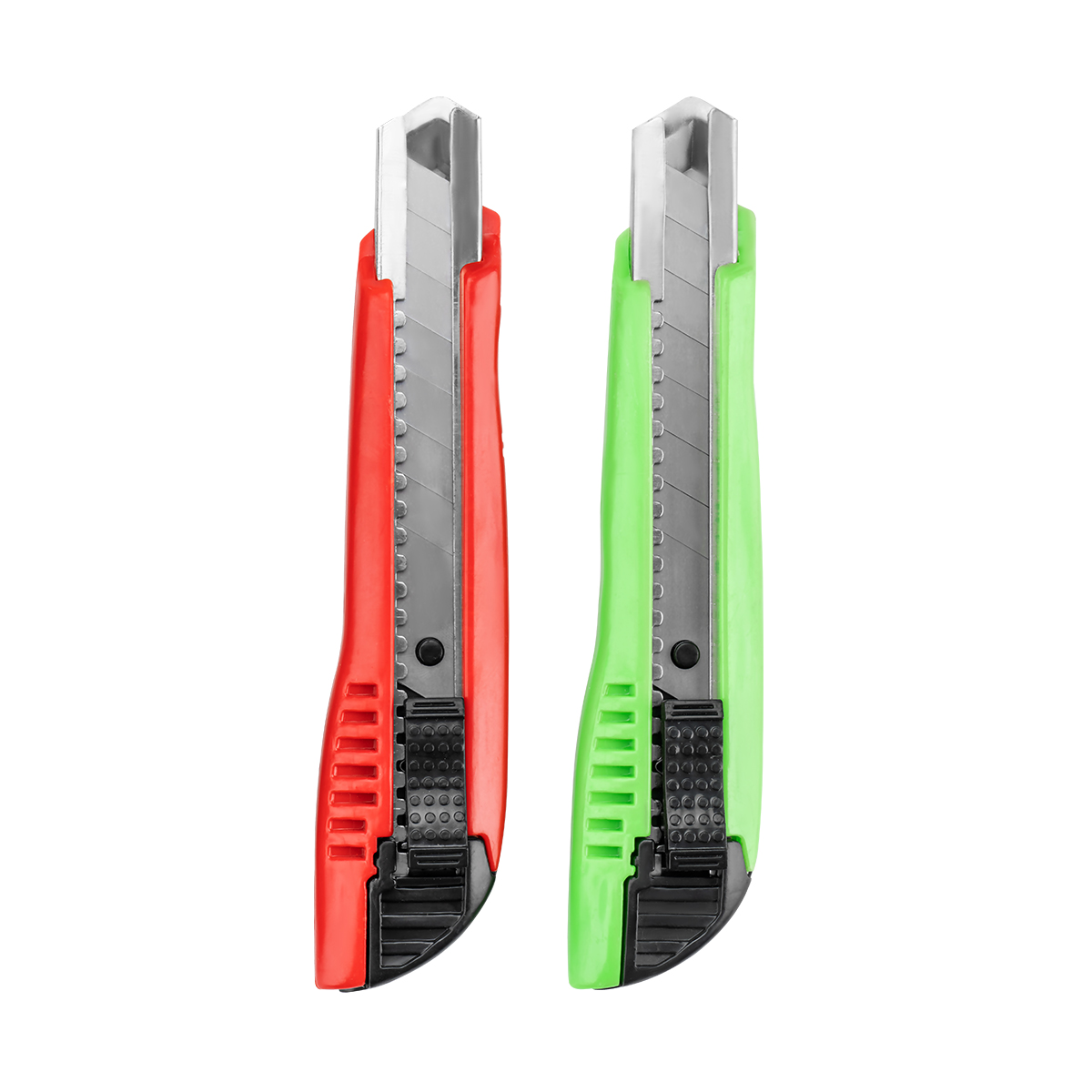
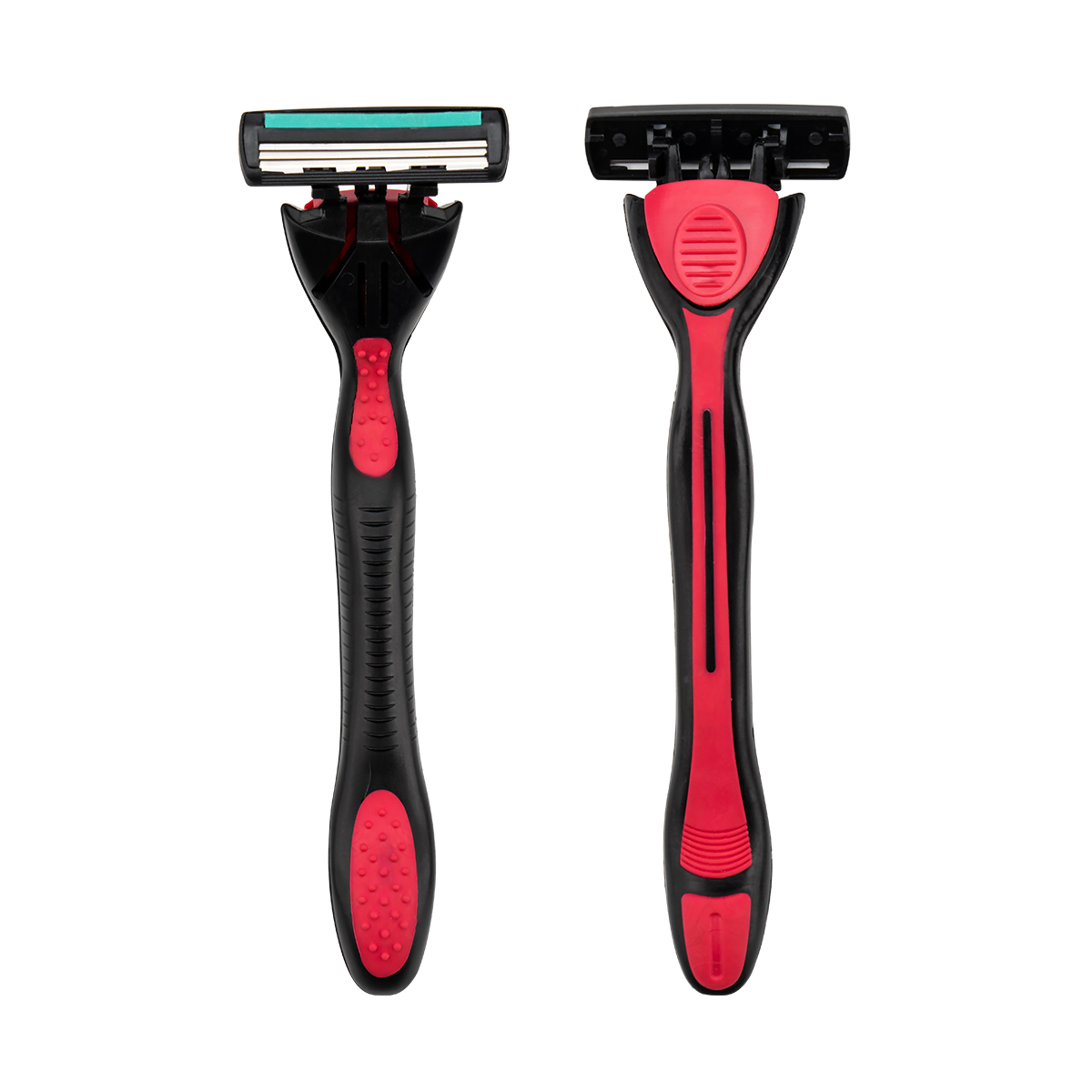

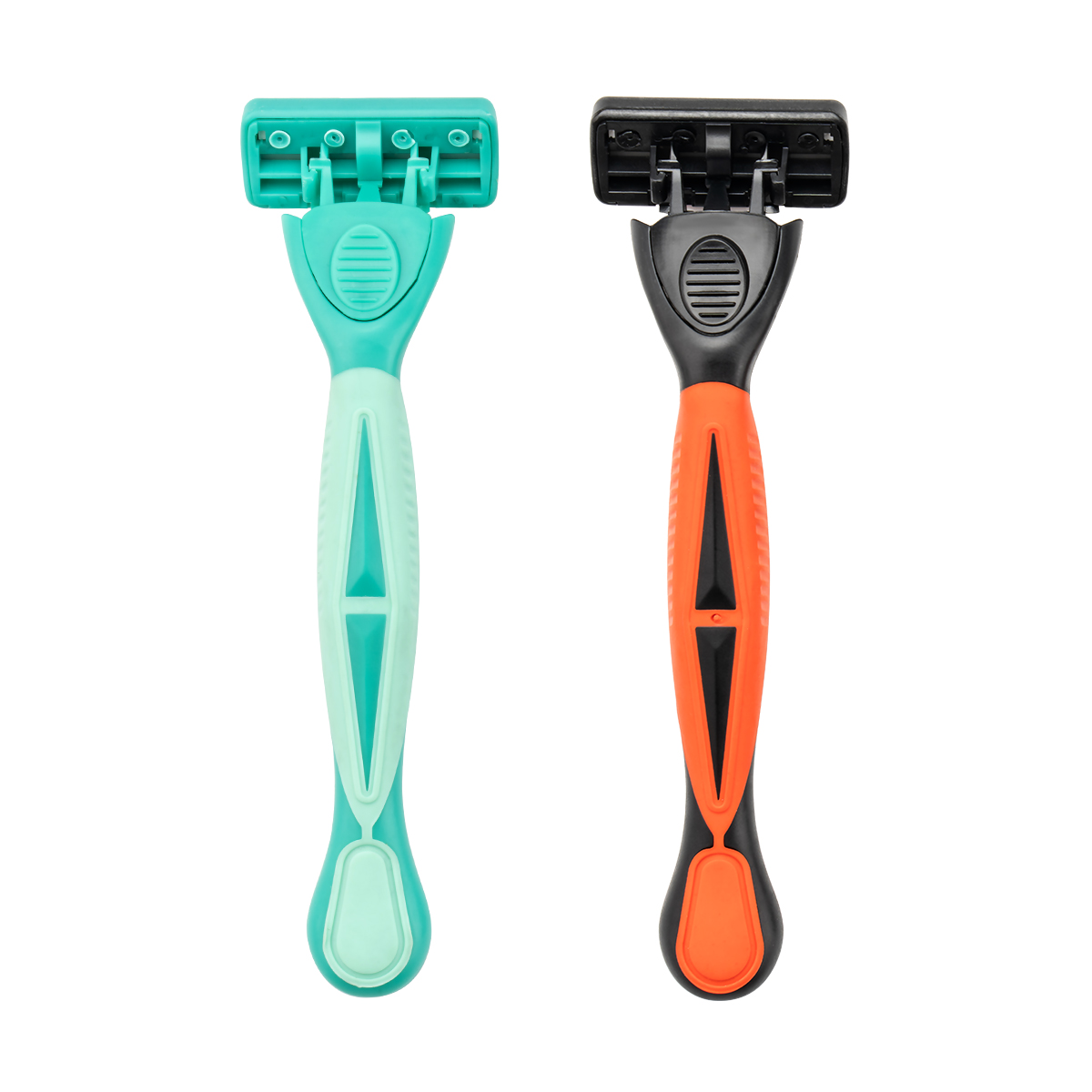
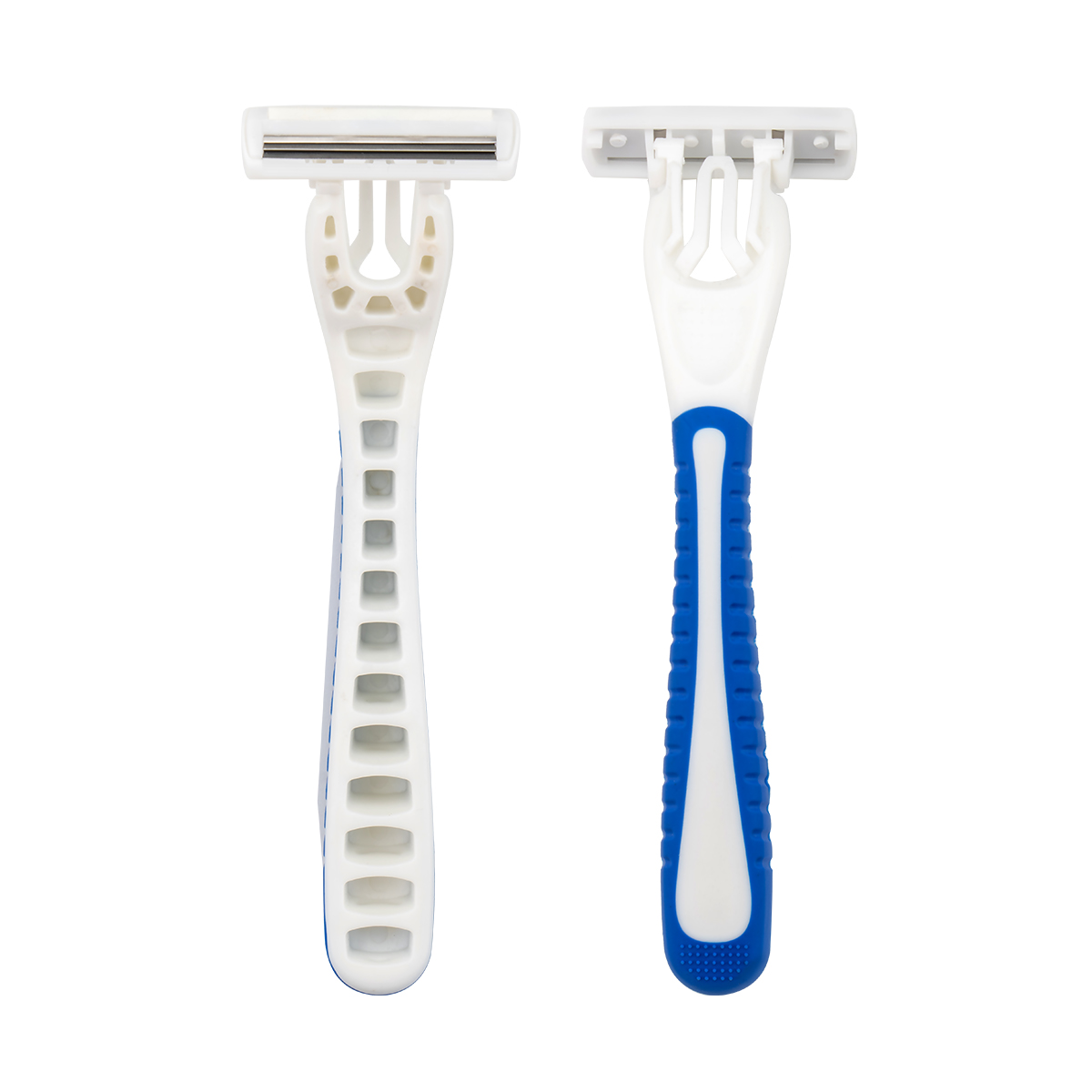
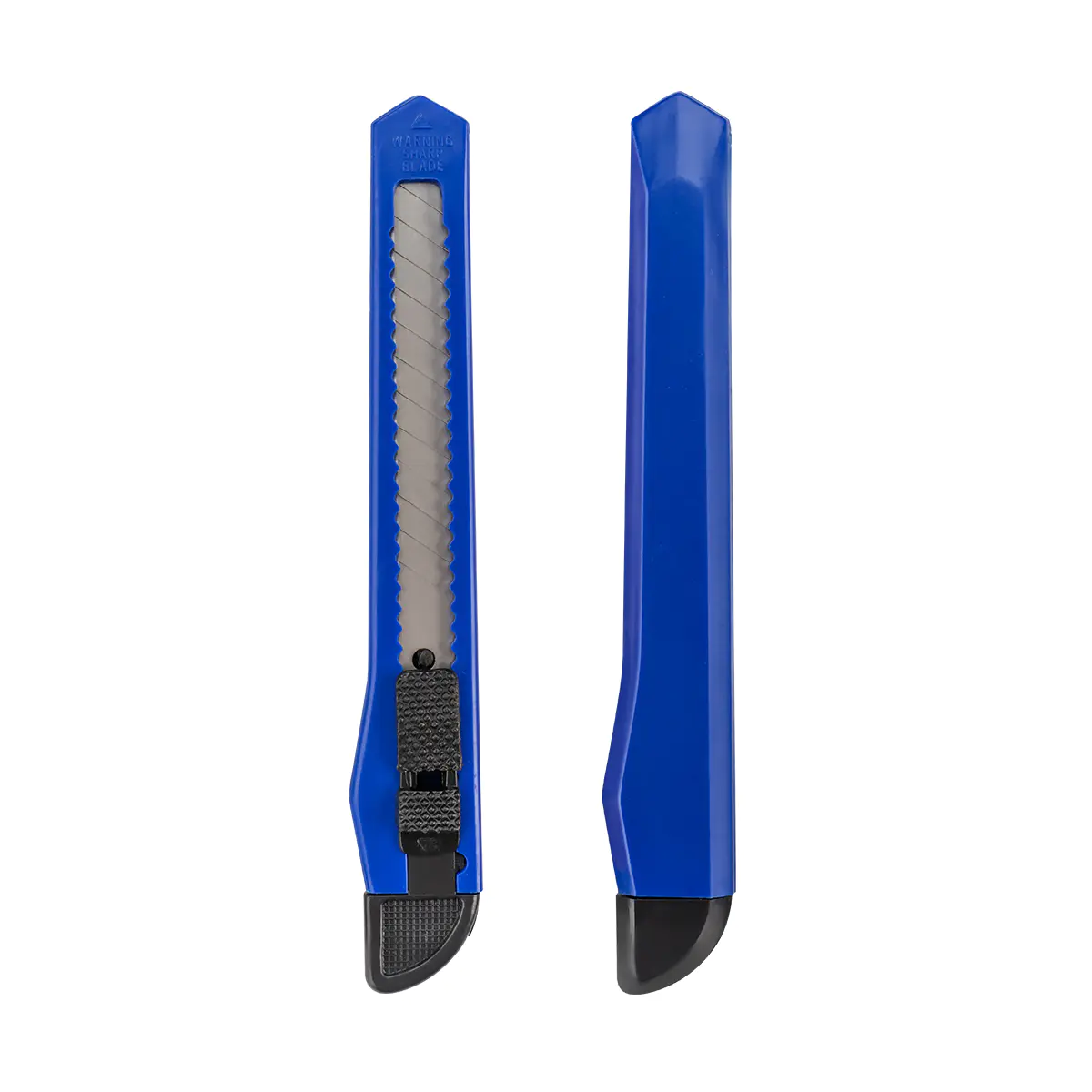
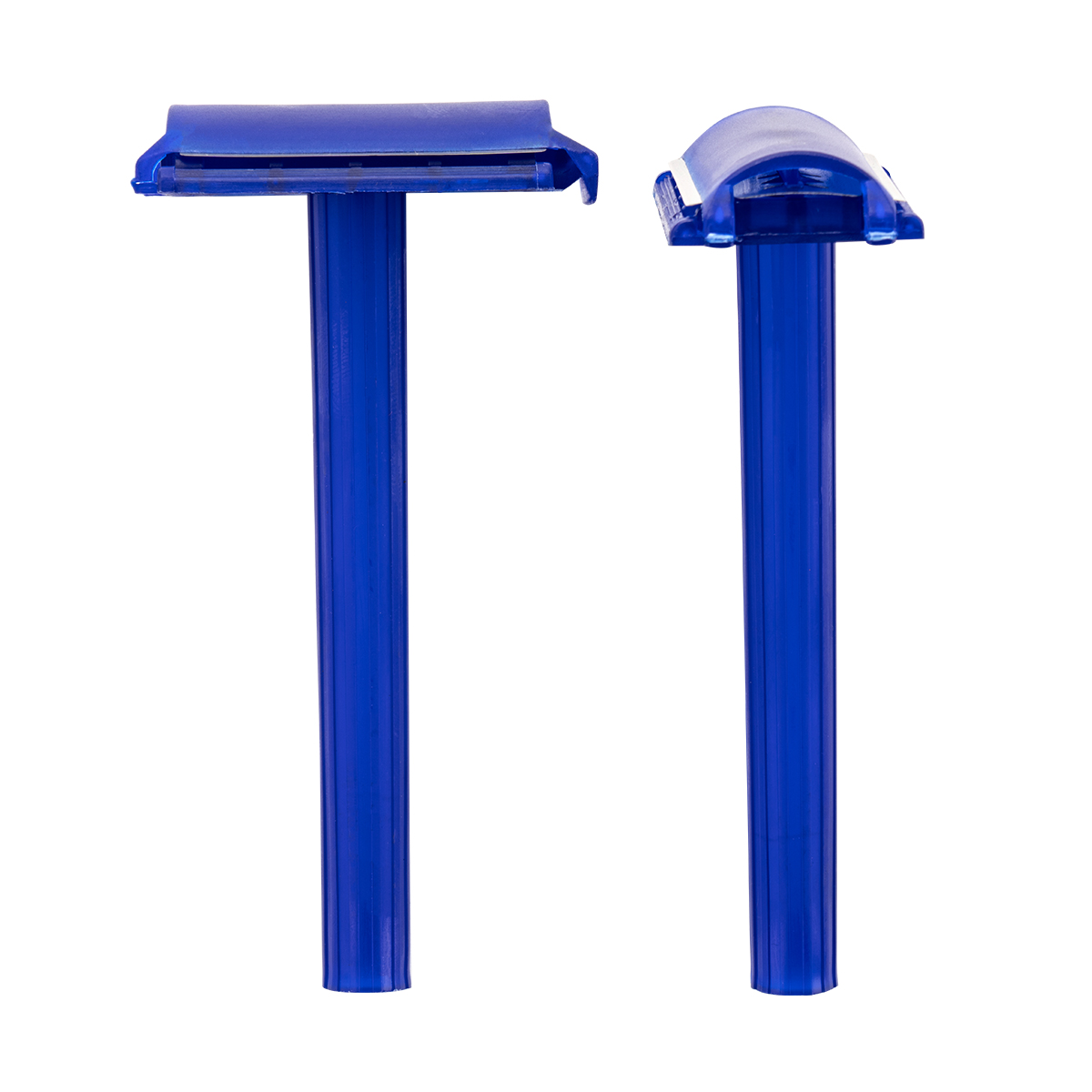

We are an industry and trade enterprise
specializing in the production of disposable razors and utility knives for more than 30 years.
Why Is a Professional 9mm Hardware Utility Knife Essential for Precision Industrial Cutting
In daily precision cutting, wallpaper installation, advertising production, and packaging unpacking, the 9mm Hardware Utility Knife has become a high-frequency core hand tool across various industries due to its compact, flexible, and precise control characteristics. High-intensity working environments place strict requirements on tool durability, sharpness, and safety. This article will deeply analyze how to select and use a high-standard 9mm Hardware Utility Knife from the perspectives of structural design, material technology, and solving practical pain points.
Core Demands of Precision Operations on 9mm Hardware Utility Knife
Basic cutting tools often expose problems such as easy blade breakage, unstable locking, or hand fatigue when facing high-intensity continuous operations. A high-specification 9mm Hardware Utility Knife is usually deeply optimized in the following technical dimensions:
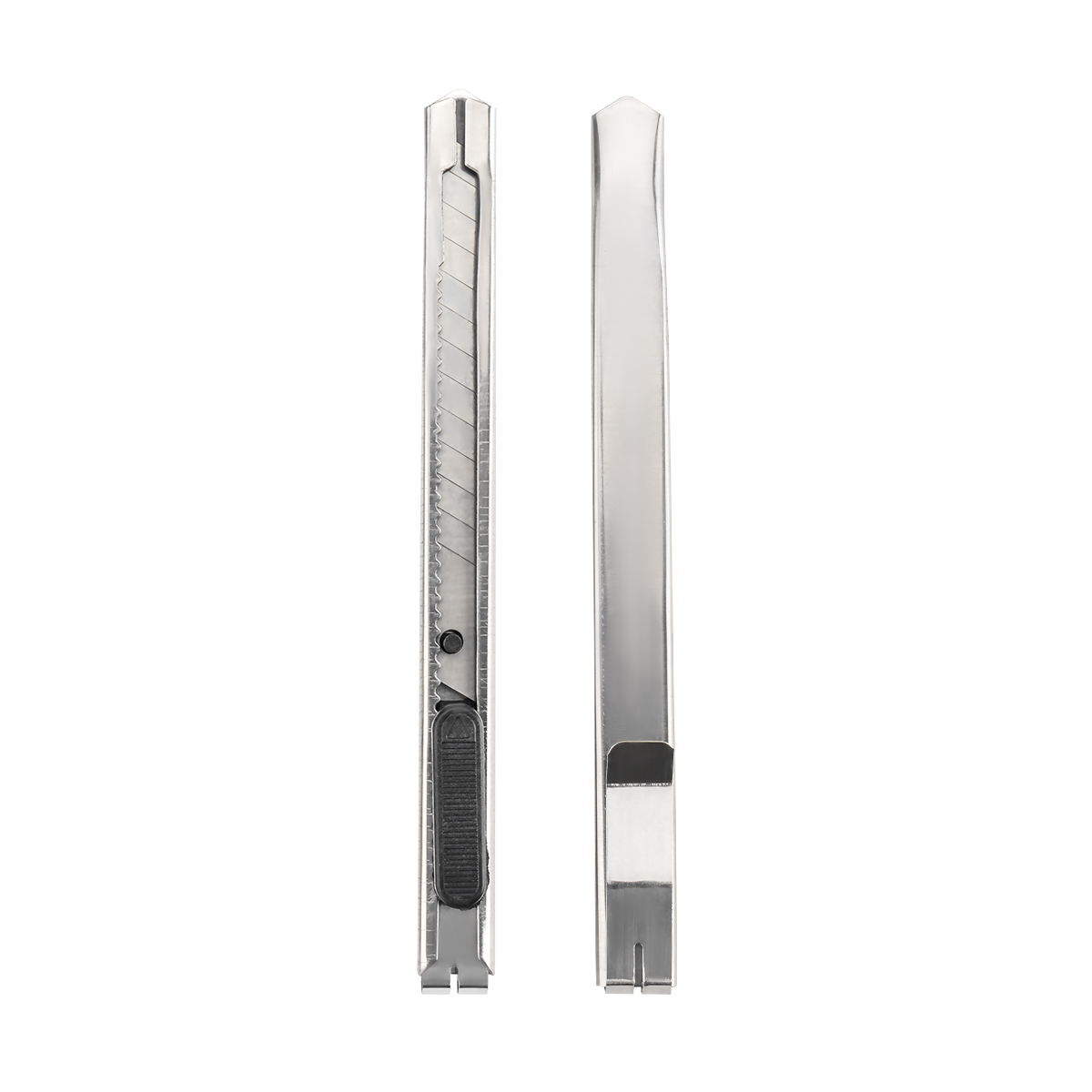
Rigidity of Blade Channel Support: The 9mm blade is relatively thin. During straight cutting or curve carving, if the clearance of the metal blade channel is too large, the blade tip is prone to shaking, which directly affects cutting accuracy. High-quality tools use stainless steel one-piece molded blade channels to ensure the blade remains stable and does not shift after extending.
Load Capacity of Self-Locking Mechanism: During the push-pull cutting process, the blade is subjected to reverse thrust. A 9mm Hardware Utility Knife equipped with a high-thrust auto-lock function can withstand a reverse thrust of at least 5 kilograms or more, preventing the blade from retracting on its own or slipping out accidentally during forceful use, thereby ensuring operational safety.
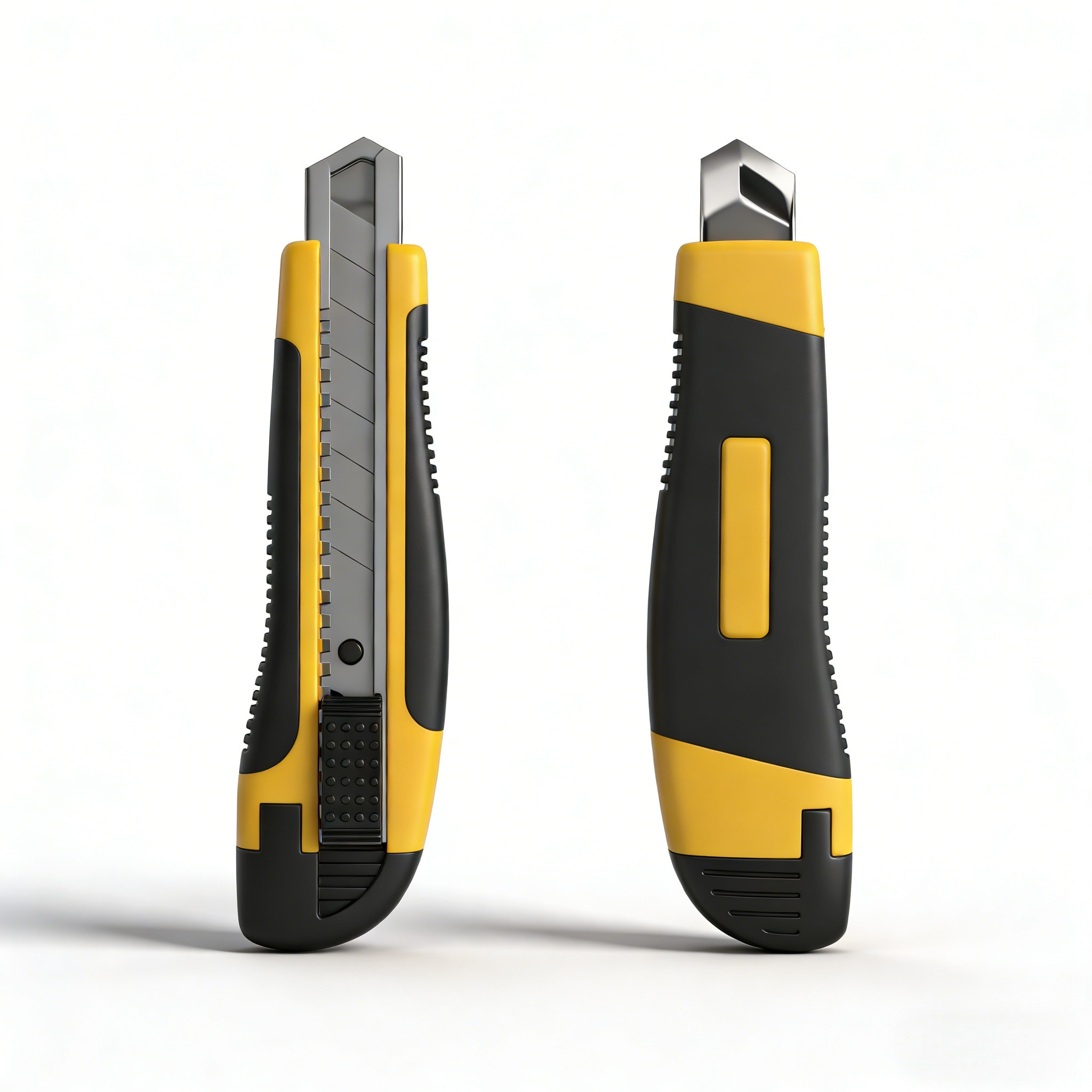
Ergonomic Grip: Long-term and high-frequency use can easily cause finger and wrist fatigue. The handle design combining high-strength ABS engineering plastics with non-slip rubber coating can provide sufficient friction, optimize gravity distribution, and improve the delicate handling feel during knife control.
Core Parameters and Material Comparison
To give technical and purchasing personnel a more intuitive understanding of the performance differences of different configurations of the 9mm Hardware Utility Knife in practical applications, the deep comparison of core specifications and parameters is listed below:
| Key Parameters and Features | Standard Operational 9mm Hardware Utility Knife | Heavy-Duty Precision 9mm Hardware Utility Knife |
| Blade Material | High Carbon Steel (SK5) | Special Black Blade (SK2 / High Carbon Steel with Black Coating) |
| Blade Edge Angle | 60 Degrees (Regular Cutting) | 30 Degrees (Sharp Angle Precision Carving / Wallpaper Trimming) |
| Knife Shell Material | Regular ABS Plastic + Iron Blade Channel | Reinforced Non-slip Rubber Coating + Thick-walled Stainless Steel Blade Channel |
| Locking Method | Manual Clip Lock | Auto-Lock Slider (Load Capacity ≥ 5kg) |
| Tail Function | With Simple Blade Snapper | Built-in Precision Blade Snapper + Tail Slit Creaser / Flat Pry |
| Applicable Scenarios | Regular Paper, Light Packaging, Tape Cutting | Heavy Wallpaper, PVC Rubber Strips, Window Film, Leather, Fine Models |
Through comparison, it can be seen that the heavy-duty precision configuration can provide higher stability and longer blade life when dealing with complex materials and high-precision requirements, effectively reducing the decline in work efficiency caused by frequent blade replacement.
How to Resolve High-Frequency Faults and Safety Issues through Optimized Use
In actual operations, mastering the correct maintenance and usage methods can maximize the effectiveness of the 9mm Hardware Utility Knife and significantly extend the service life of the tool.
Technical Points for Resolving Blade Dullness and Correct Snapping
When you clearly feel that the cut surface has burrs or the cutting resistance increases, it indicates that the first section of the blade has become dull. The correct snapping method is: remove the pocket clip or tail cap of the 9mm Hardware Utility Knife, use the slot on the tail cap to clamp the first section of the blade, and snap it firmly backward along the score line of the blade. Do not use pliers to pry blindly, so as to avoid fragments splashing.
Knife Control Techniques to Prevent Material Deviation During Cutting
When cutting PVC, thick cardboard, or soft leather, the angle between the blade of the 9mm Hardware Utility Knife and the cutting plane should be maintained at 30 to 45 degrees. Keep the front end of the stainless steel blade channel close to the guiding straight edge ruler, and pull backward at a uniform speed. Avoid using excessive downward force in a single stroke; instead, complete the separation of thick materials by scoring lightly multiple times and pushing deeply, which ensures a smooth cut surface and prevents blade chipping.
Daily Maintenance and Rust Prevention of the Tool
Although high-quality 9mm Hardware Utility Knife products use stainless steel blade channels, high-carbon steel blades still pose a risk of rust in humid environments or after contacting certain adhesives. After each high-intensity operation, it is recommended to wipe off glue residue and debris on the blade surface with a dry cloth, and apply a trace amount of anti-rust oil on the blade surface and inside the self-locking slide track to maintain smooth sliding performance.
Choosing a 9mm Hardware Utility Knife with a rigorous design and excellent materials can not only significantly improve the operation efficiency of the production line or construction site, but also reflect the professionalism of the craftsmanship at every detail cut. The precise structure, high-rigidity blade channel, and reliable self-locking system are precisely the indispensable core values of high-quality manual hardware tools.
Recommended Product
Recommended News

Keep In Touch
 No. 2-2, Oufu Road, Zhangting Town, Yuyao City, Ningbo City, Zhejiang, China.
 +86-574-87560886/87560055
 +86-574-87560885
Copyright © Ningbo Chuangxin Cutting-Tool Manufacture Co., Ltd.
