

 English
 中文简体
中文简体 русский
 Español



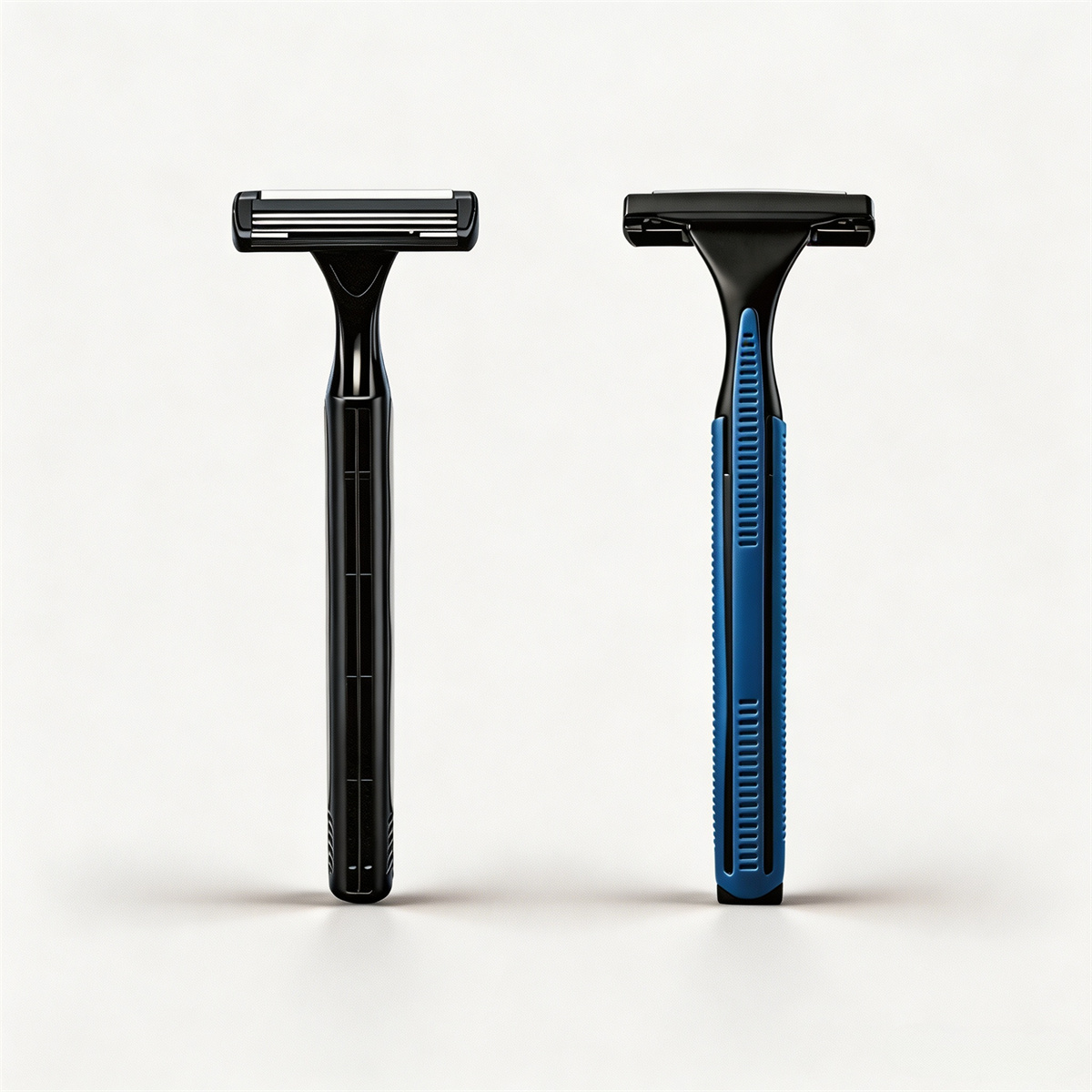
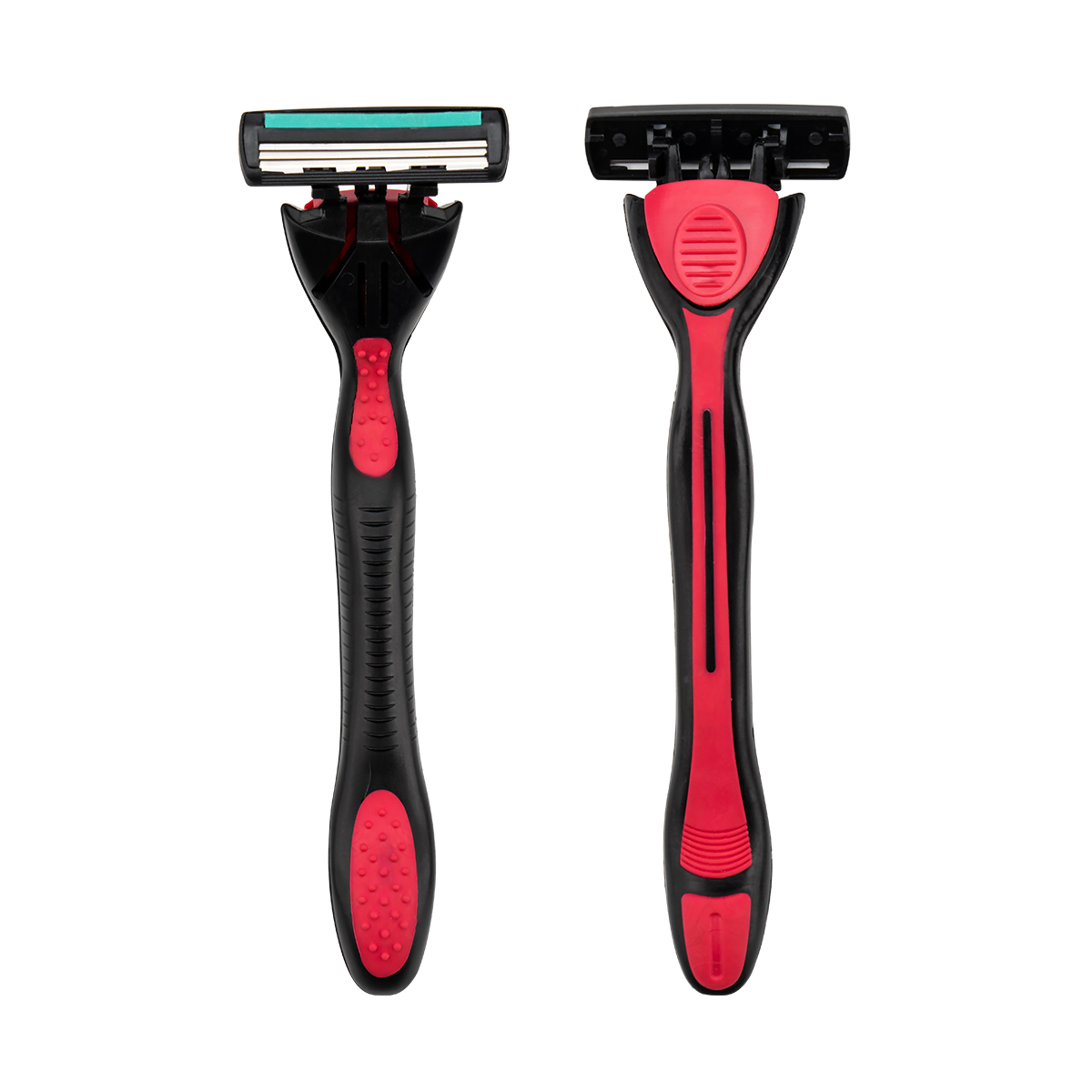
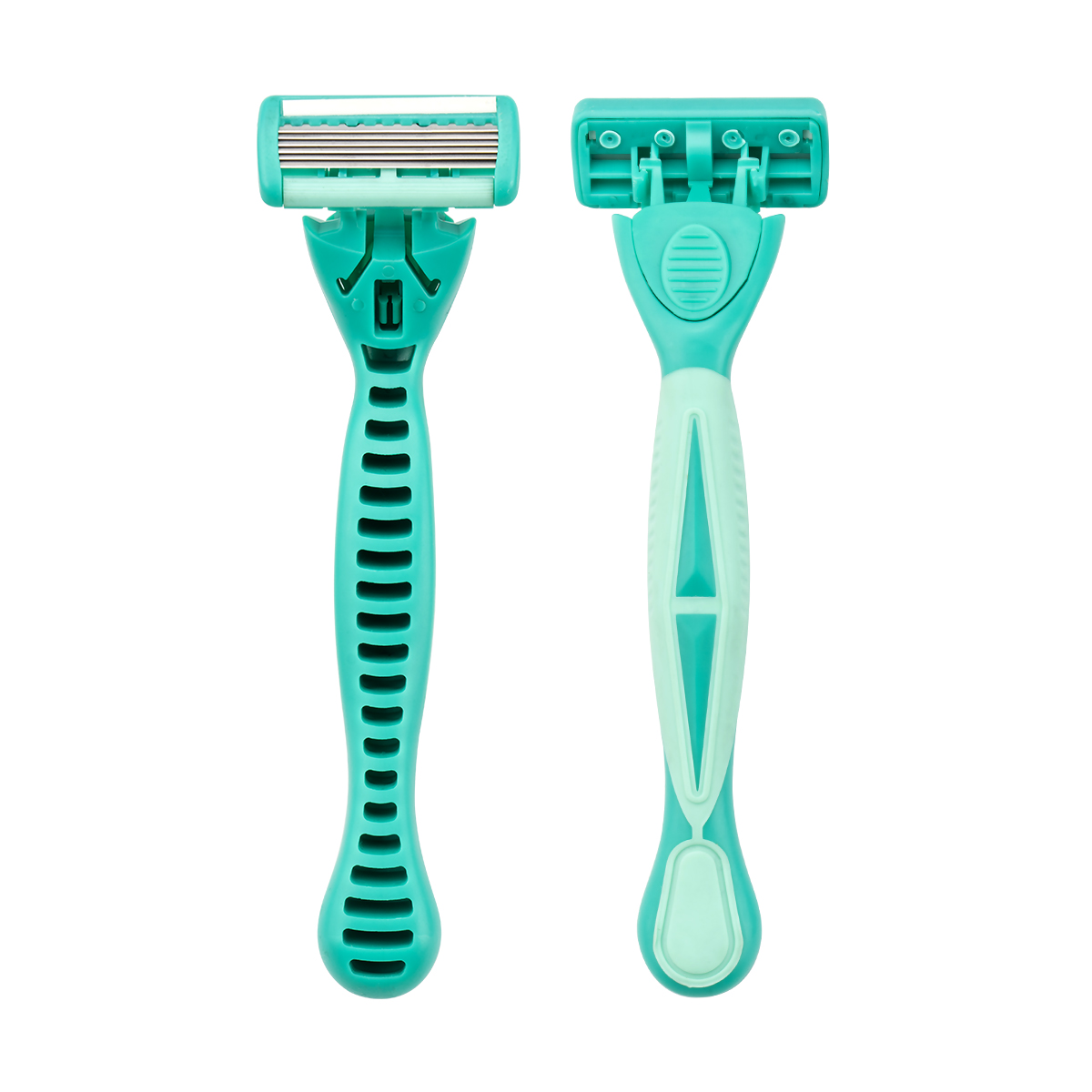

We are an industry and trade enterprise
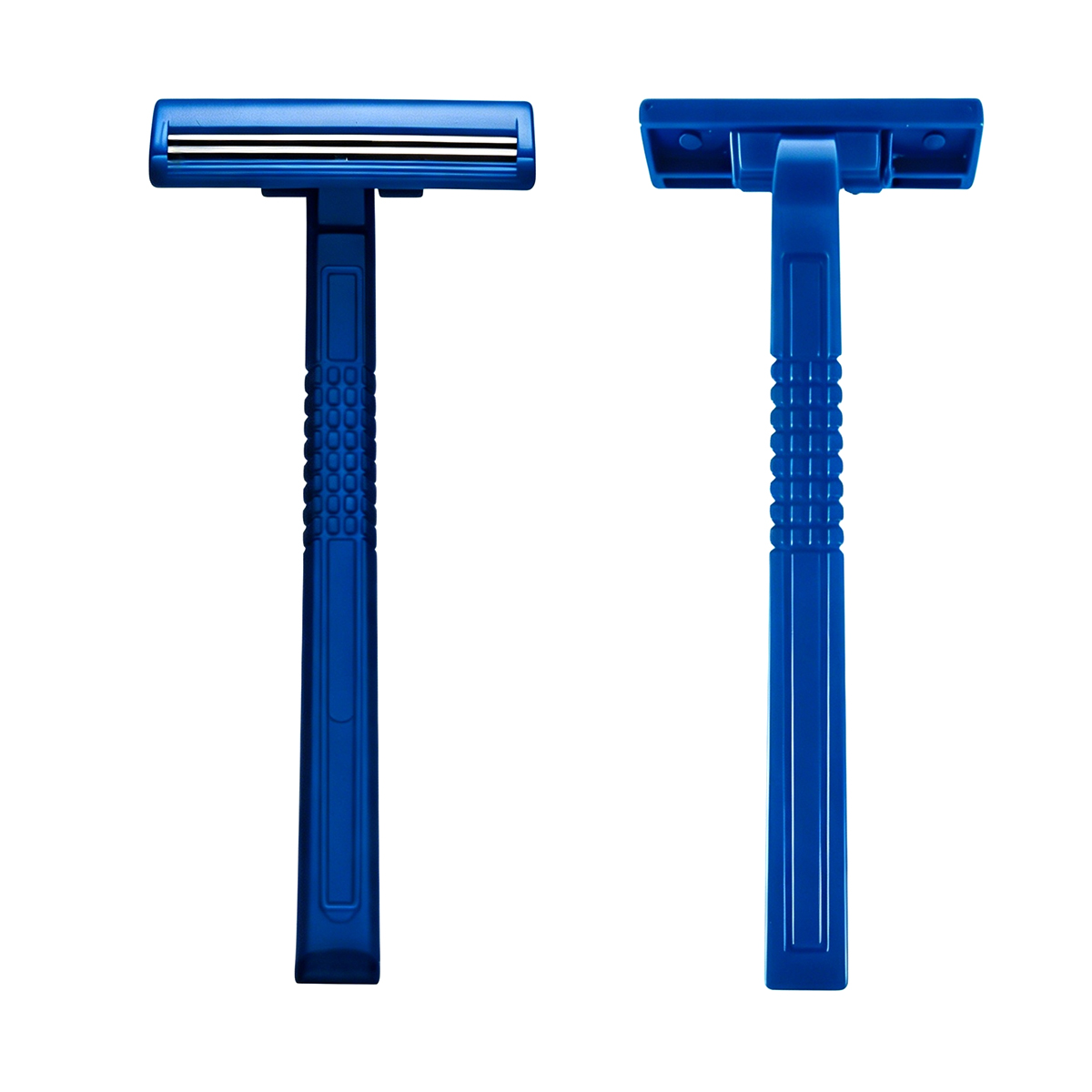
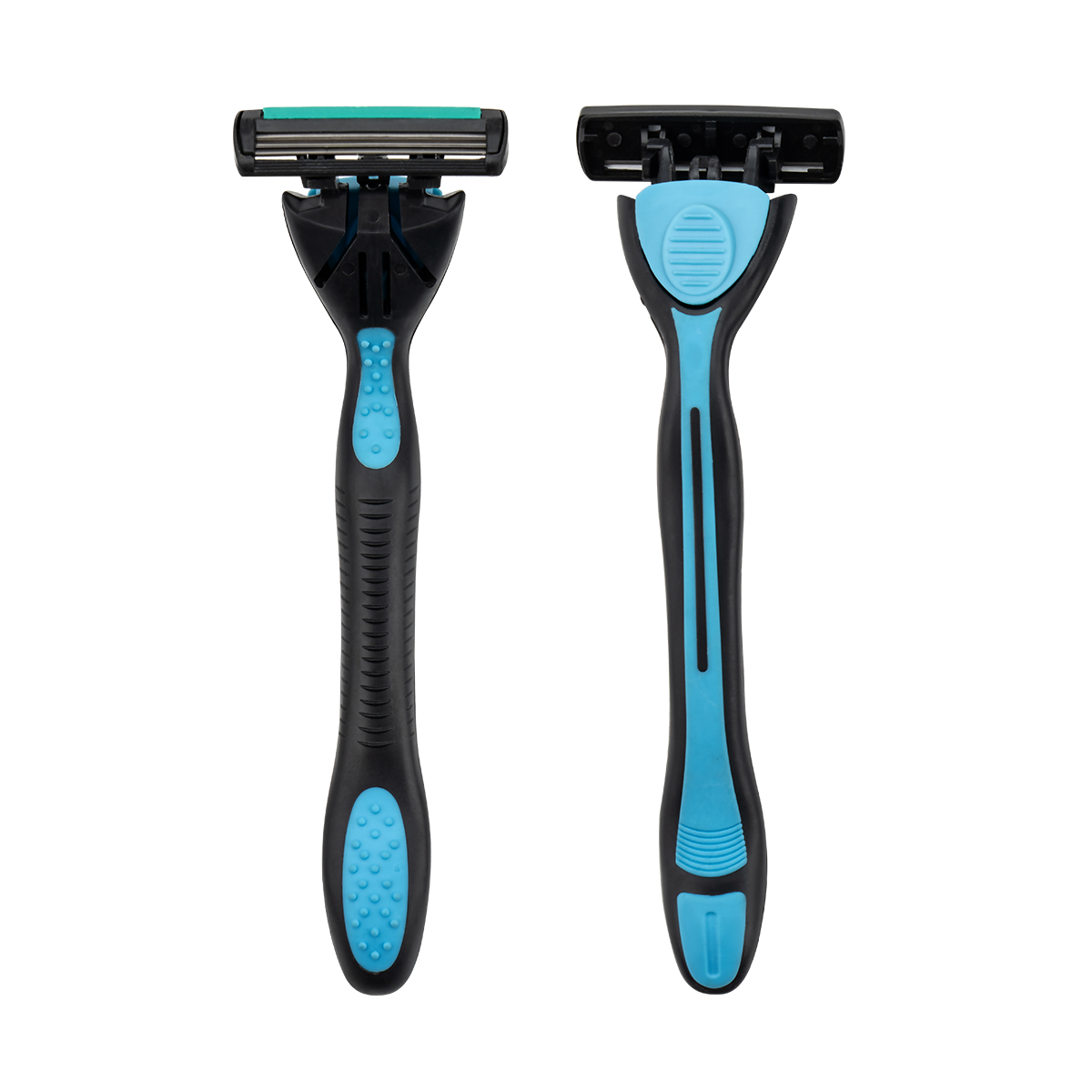
specializing in the production of disposable razors and utility knives for more than 30 years.
How to Choose the Best Stationery Knife for Precision Cutting
Content
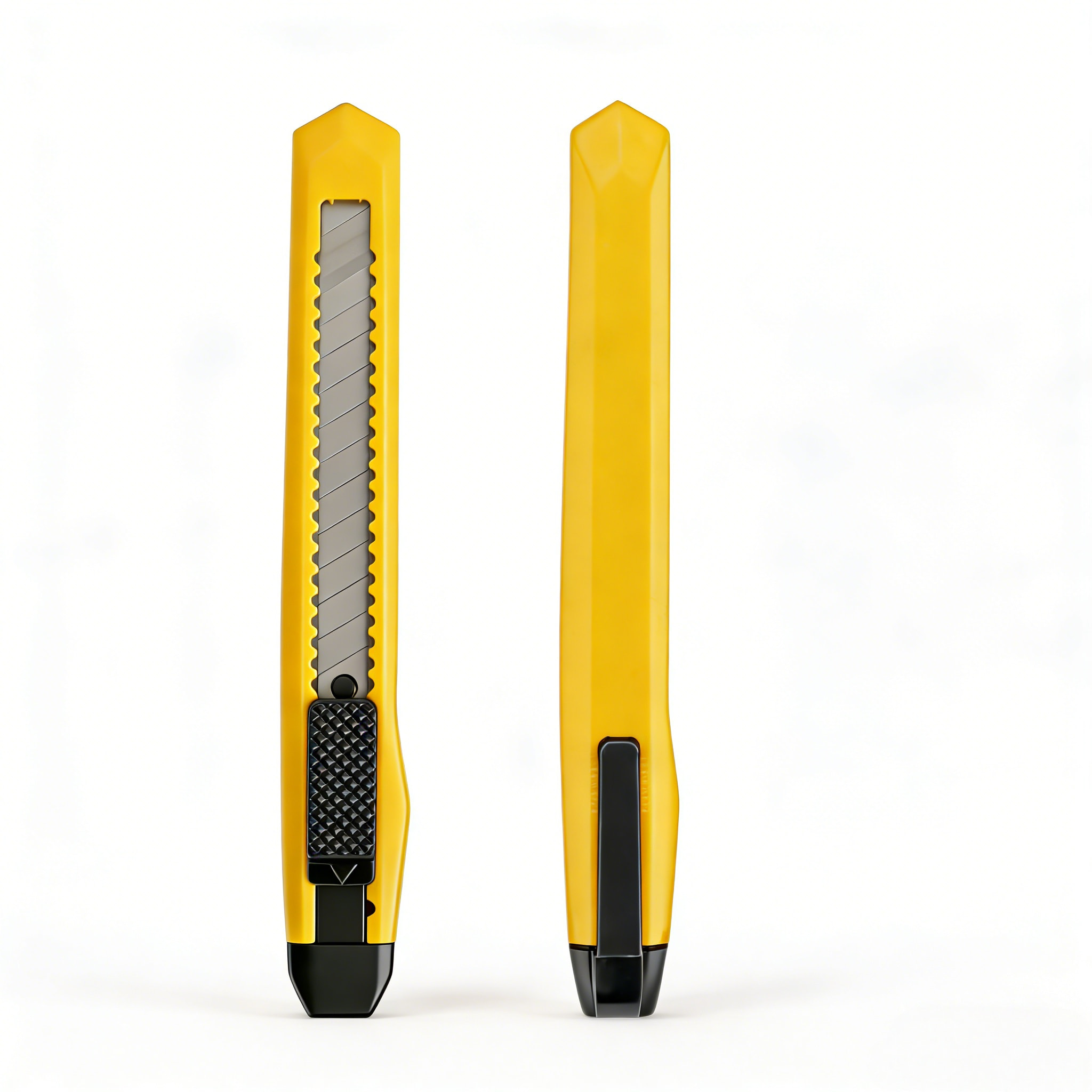
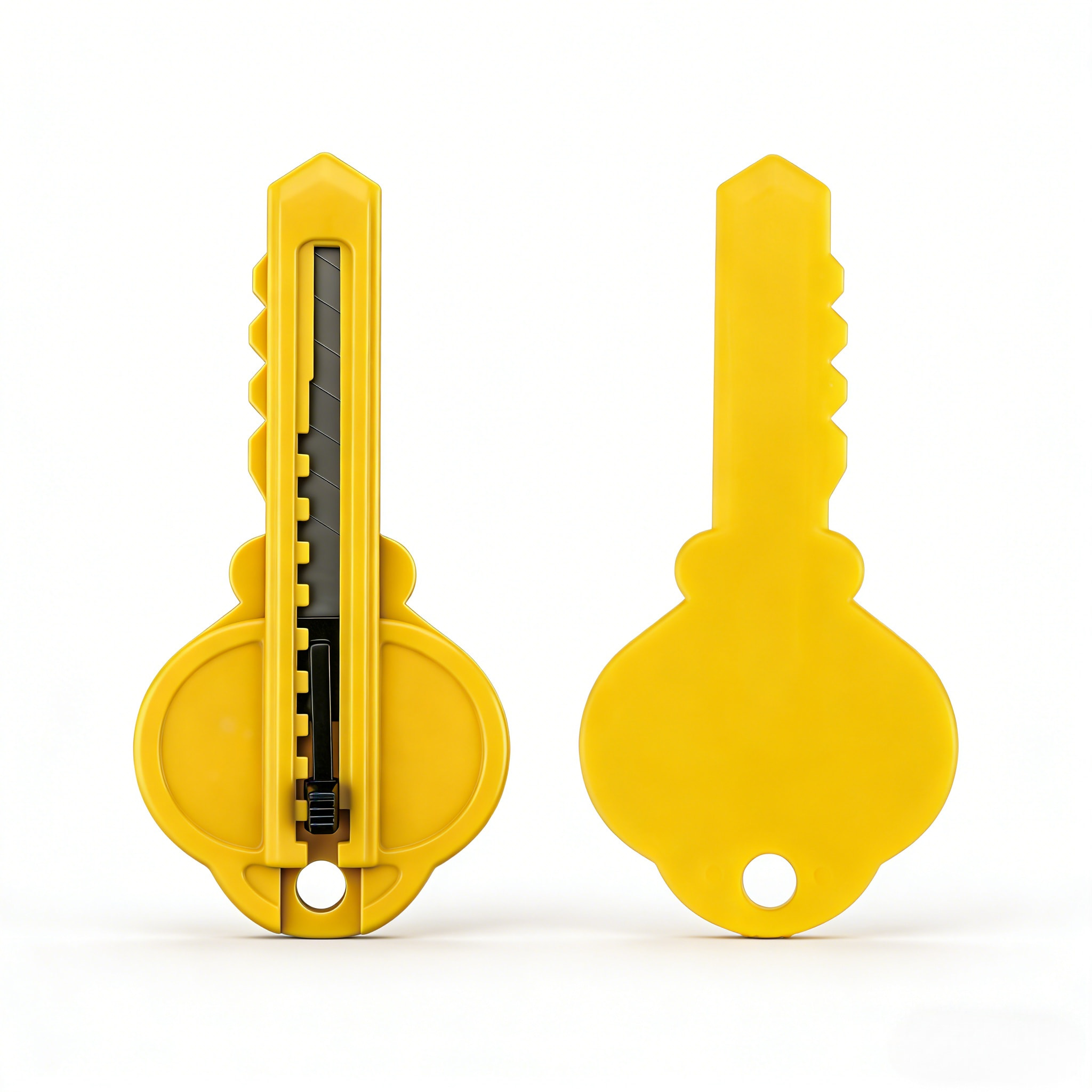
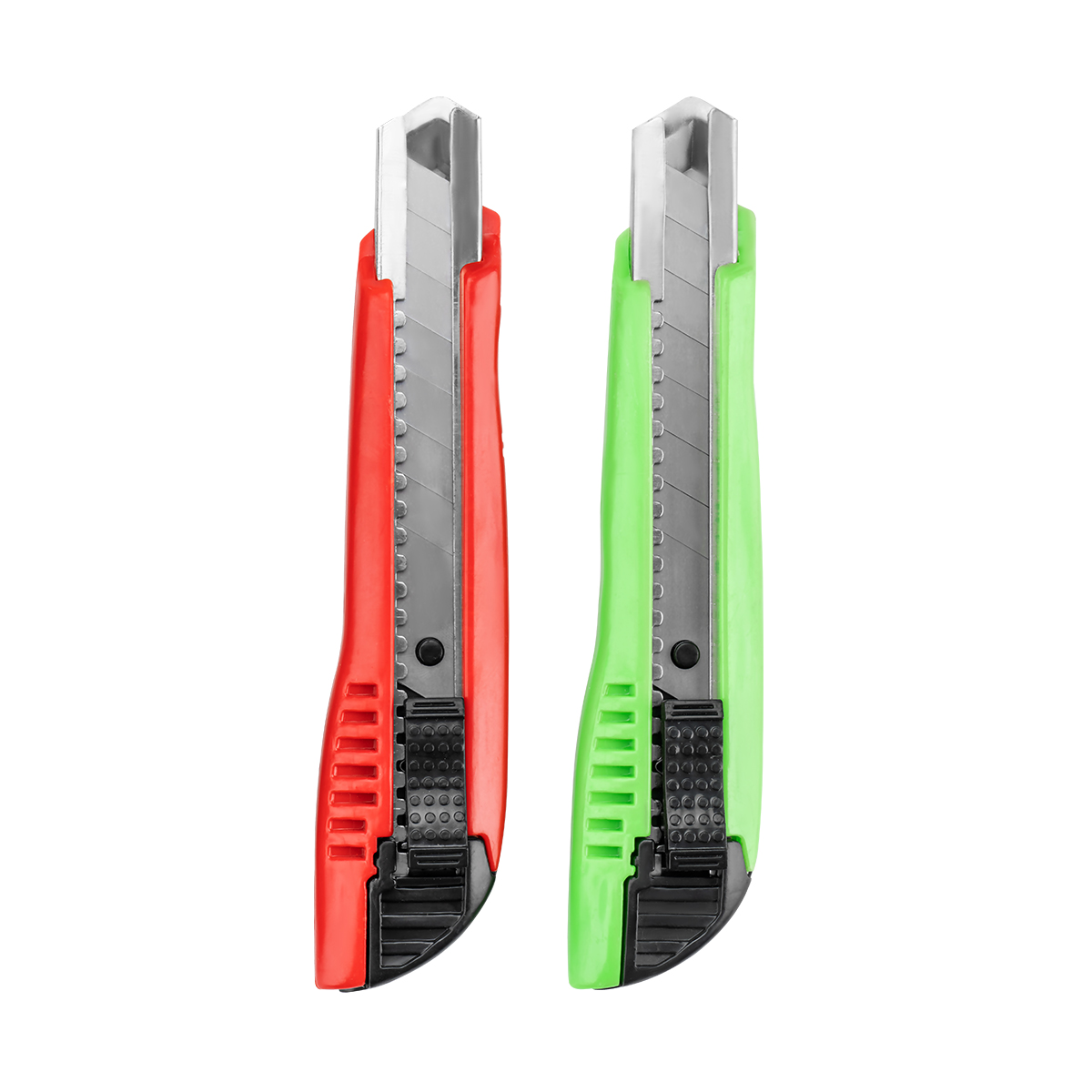
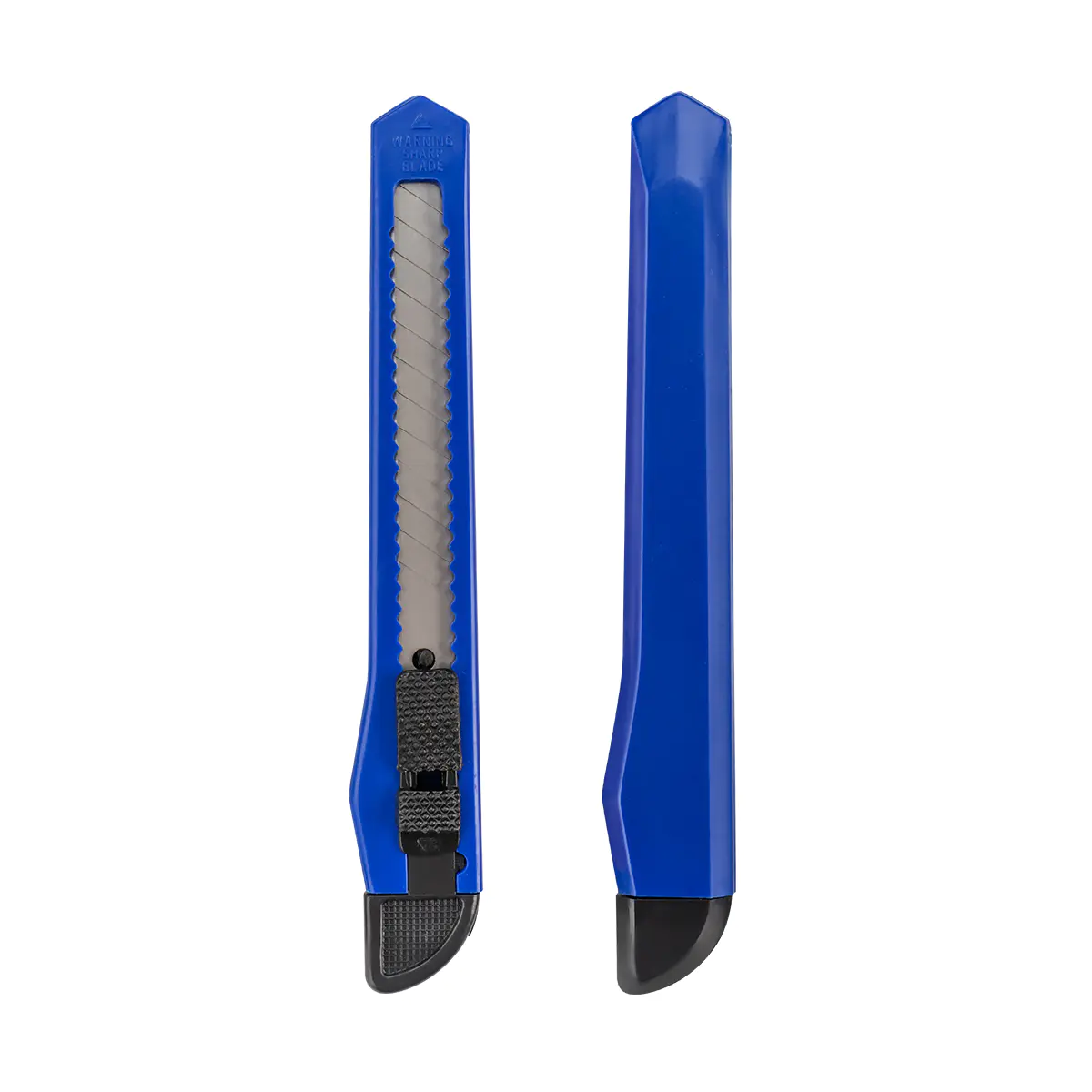
In daily office work, artistic design, packaging logistics, and fine handicraft production, a high-quality Stationery Knife is an indispensable productivity tool. Although it appears to be a simple cutting tool, the blade material, physical parameters, and mechanical locking structure behind a Stationery Knife directly determine the cutting precision, service life, and operational safety. This article provides an in-depth analysis of the technical indicators of the Stationery Knife from the professional perspectives of materials science, ergonomics, and structural engineering to help professional users and procurement personnel establish clear selection standards.
The Decisive Influence of Core Materials on Stationery Knife Performance
The blade is the soul of the Stationery Knife, and its physical performance primarily depends on the steel grade and heat treatment process used. Different materials exhibit distinct characteristics in hardness, wear resistance, toughness, and corrosion resistance.
SK5 High Carbon Steel: As the mainstream high-end configuration in the industry, SK5 high carbon steel achieves a hardness of HRC 60-63 after precise heat treatment. This material gives the Stationery Knife extreme initial sharpness and excellent edge retention, making it resistant to dulling even when dealing with thick cardboard, corrugated paper, and PVC tapes.
SK2 Steel: Compared to SK5, SK2 steel has a higher carbon content, reaching a hardness of HRC 63-66 after quenching. It provides an even more refined cutting experience, especially suitable for high-precision carving and drawing corrections. However, high hardness comes with a decrease in toughness, so the risk of brittle fracture under lateral torsional shear force is higher than that of SK5.
Stainless Steel (e.g., 440C / Stainless Alloy): Stainless steel contains a high proportion of chromium, showing excellent rust and corrosion resistance. For operating environments that are humid, involve sweaty hands, or require frequent contact with chemical glues, the Stationery Knife made of stainless steel has a longer maintenance-free cycle, though it is slightly inferior to high carbon steel in terms of pure hardness and wear resistance.
Comparison of Key Specifications and Application Scenarios
To allow operators to find the perfect tool for different cutting tasks, the following table summarizes the core blade specifications and physical parameters of the Stationery Knife commonly found in the market:
| Blade Classification | Common Standard Size (L x W x T) | Snap-off Segments / Structure | Core Physical Characteristics | Best Application Fields |
|---|---|---|---|---|
| Lightweight / Fine Type | 80 mm x 9 mm x 0.40 mm | 13 Segments | High flexibility, low lateral deviation, smooth cut | Paper art, film cutting, fine outlining, daily office unboxing |
| Standard Universal Type | 100 mm x 18 mm x 0.50 mm | 8 Segments | Balance of bending stiffness and visibility | Thick cardboard, light wood, wallpaper cutting, packaging removal |
| Heavy-Duty Industrial Grade | 120 mm x 25 mm x 0.70 mm | 7 Segments | Extreme torsion resistance due to thickness | Foam insulation board, leather, carpet, heavy packaging materials |
| Trapezoidal Fixed (Non-snap) | 61 mm x 19 mm x 0.63 mm | Double-ended symmetrical (reversible) | Zero lateral vibration, strongest overall rigidity | Drywall scoring, continuous heavy-duty corrugated cutting |
Mechanical Locking Systems: Engineering Logic of Safety and Stability
When a Stationery Knife is subjected to longitudinal thrust and vertical downward pressure, the mechanical strength of its locking system is key to preventing slipping or unintended retraction. The two most widely used locking mechanisms in the industry have their own professional advantages:
Auto-Lock System: The auto-lock structure uses an internal spring plate or gear damping mechanism. When the user pushes the slider, the blade moves; once the sliding stops, the locking block immediately engages with the slot in the casing. High-quality auto-lock systems can typically withstand a self-locking resistance of 5 kg to 8 kg. This design significantly improves the efficiency of one-handed operation, ideal for rapid tasks requiring frequent blade length adjustments.
Screw-Lock System: The screw-lock implements rigid physical clamping on the blade by manually rotating a screw. The core advantage of this system is "zero-gap" fit. When cutting long distances in high-resistance materials like multi-layer corrugated paper or PV boards, the screw-lock ensures the blade does not move back and forth or shake up and down. For professionals seeking high straightness in cutting lines and prevention of blade retraction, the screw-type is more stable and reliable.
Ergonomic Housing Design to Reduce Long-term Use Fatigue
A superior Stationery Knife depends not only on the sharpness of the blade but also on the power transmission efficiency of the housing. High-specification Stationery Knife casings often use a "dual-material injection" process, using high-strength engineering plastics (like ABS) or lightweight aluminum alloy as the skeleton to provide impact and pressure resistance. In the core grip area, a layer of anti-slip, sweat-absorbent soft rubber (like TPR) is wrapped.
This composite design increases the friction coefficient between the palm and the handle, allowing the operator to output enough downward pressure without excessive finger tension during heavy-duty cutting. Reasonable weight balance (controlling the weight ratio between the head and tail close to 1:1) can significantly reduce wrist muscle fatigue during long-term operations, thereby fundamentally improving the precision and safety of the work.
Recommended Product
Recommended News

Keep In Touch
 No. 2-2, Oufu Road, Zhangting Town, Yuyao City, Ningbo City, Zhejiang, China.
 +86-574-87560886/87560055
 +86-574-87560885
Copyright © Ningbo Chuangxin Cutting-Tool Manufacture Co., Ltd.
