

 English
 中文简体
中文简体 русский
 Español


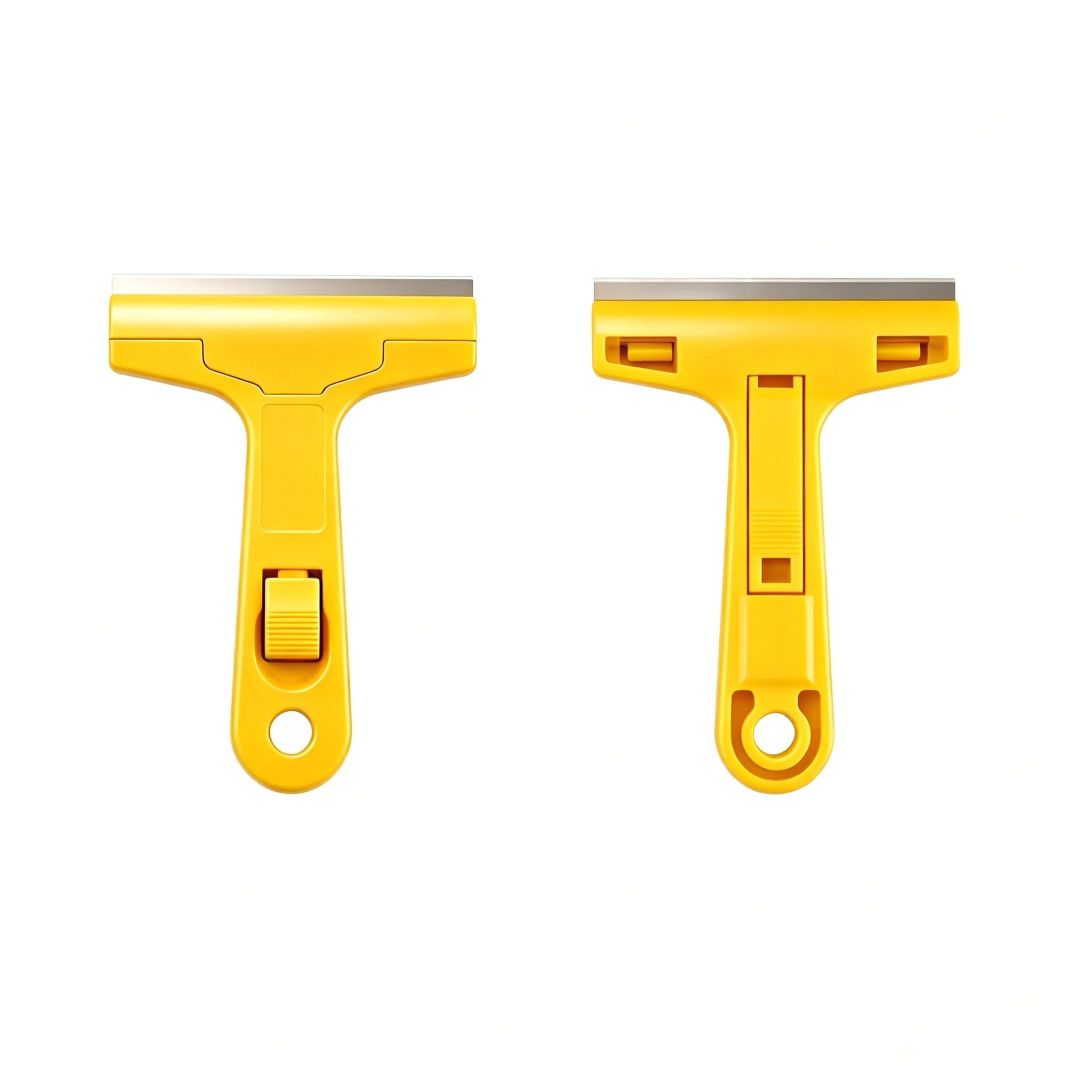
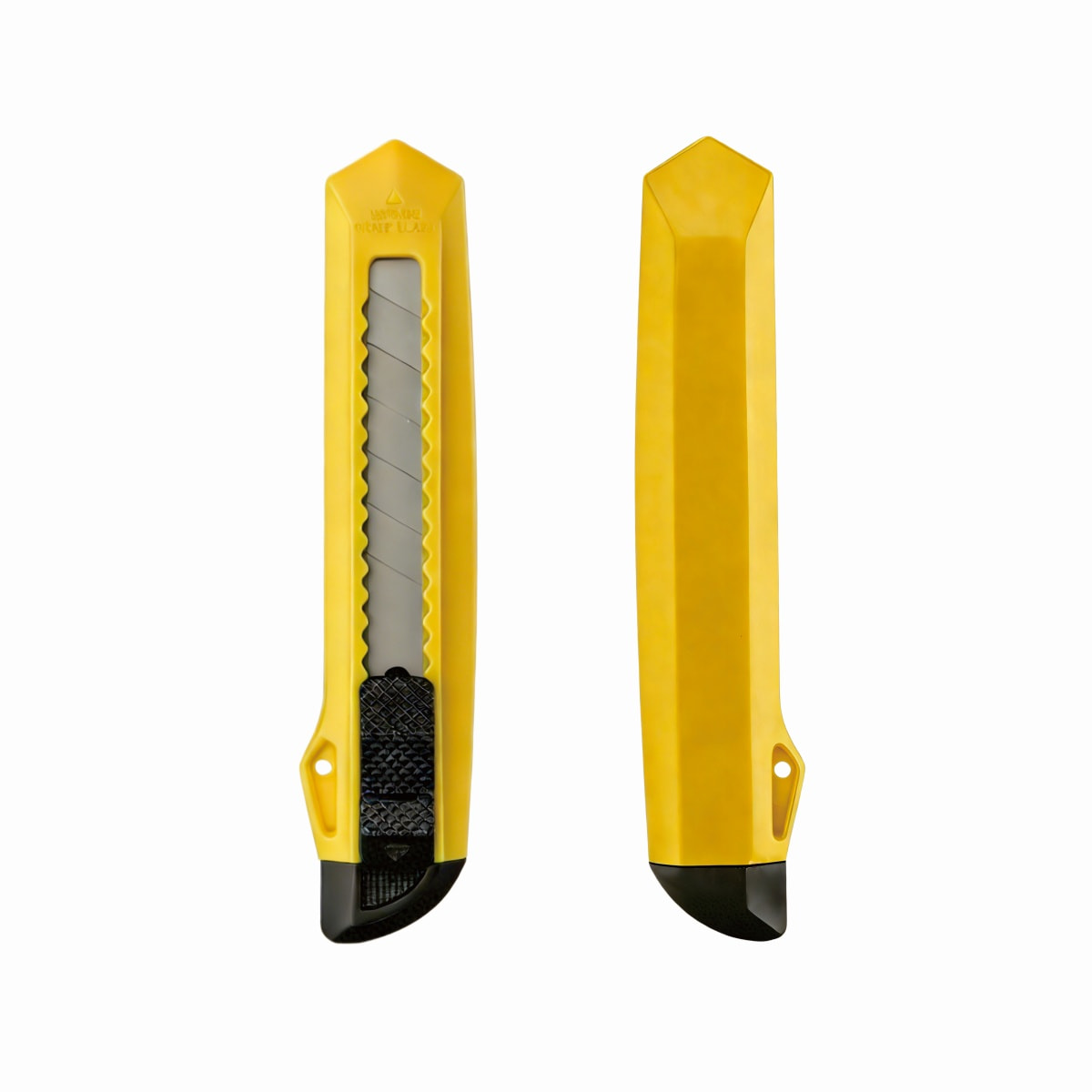
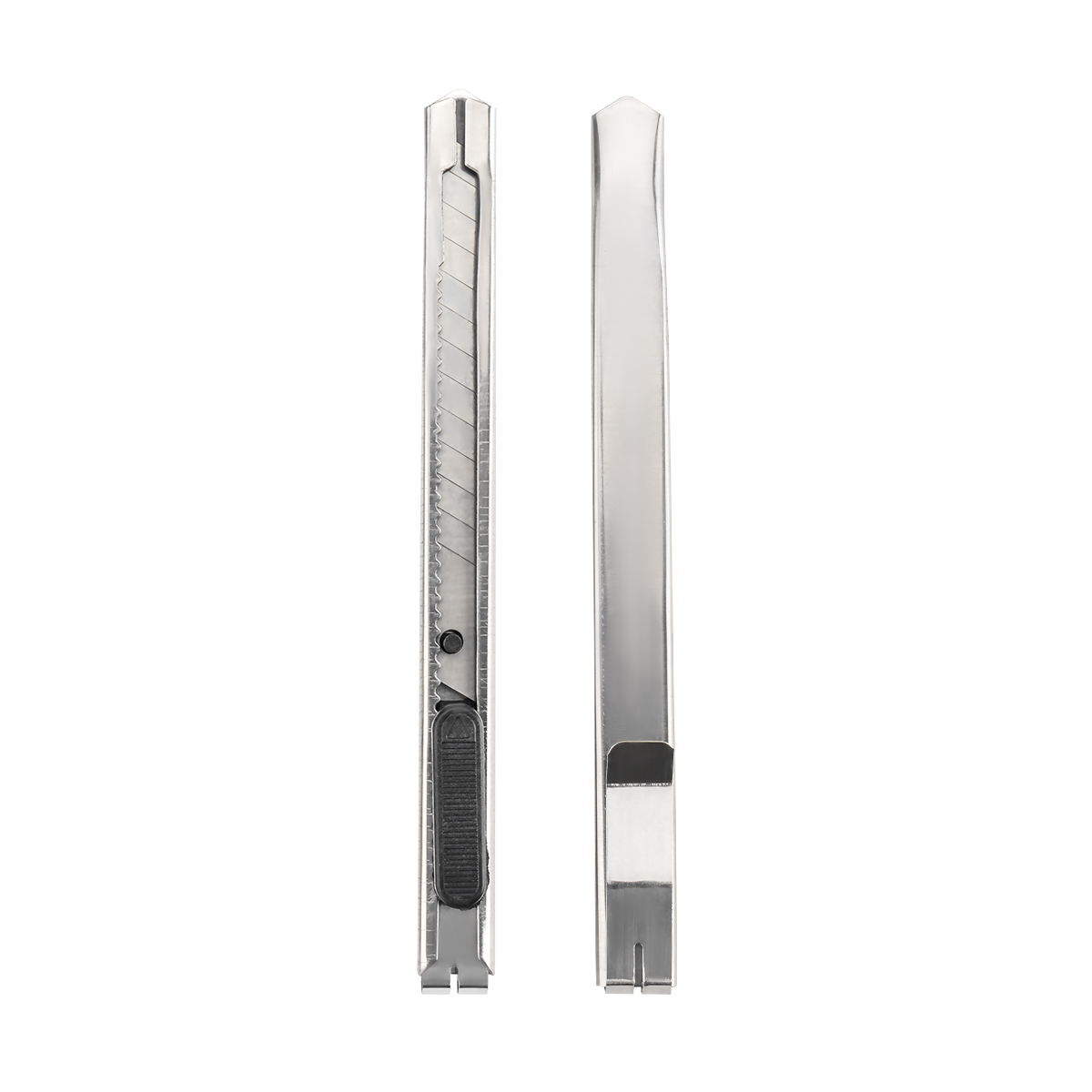

We are an industry and trade enterprise
specializing in the production of disposable razors and utility knives for more than 30 years.
How Does a Utility Knife Scraper Remove Paint and Grime from Glass
Content
- 1 Design Philosophy Behind the Scraper Head
- 2 Blade System and Cutting Performance
- 3 Handle Ergonomics and Grip Stability
- 4 Specifications Overview
- 5 Where This Scraper Performs Best
- 6 Removing Paint and Construction Residue
- 7 Comparing Blade Scrapers with Cloth and Sponge Cleaning
- 8 Step-by-Step Usage Guide
- 9 Blade Replacement and Long-Term Care
- 10 Safety Considerations During Use
- 11 Matching Blade Angle to Surface Material
- 12 Common Mistakes That Reduce Scraper Effectiveness
- 13 Frequently Asked Questions
- 13.1 Will a blade scraper scratch glass?
- 13.2 How often does the blade need replacing?
- 13.3 Can this tool be used on painted walls without damaging the paint?
- 13.4 Is the tool suitable for tinted or coated glass?
- 13.5 What is the difference between this and a plastic-bladed scraper?
- 13.6 Can the handle get wet without affecting grip?
- 14 Seasonal Conditions That Affect Cleaning Results
CX-907 Utility Knife Scraper: Engineering Behind a Precision Glass and Surface Cleaning Tool
Glass panels, shower enclosures, painted walls and tiled surfaces collect a mix of residue that ordinary cloths cannot lift away. Dried paint splatter, hardened adhesive, soap scum and mineral deposits sit on top of a surface rather than dissolving into it, which is why a blade-based scraper remains one of the most dependable tools for restoring a clean finish. The CX-907 model brings together a replaceable steel blade, a ribbed grip handle and a compact head shape that together handle a wide range of household and workshop surface cleaning tasks.
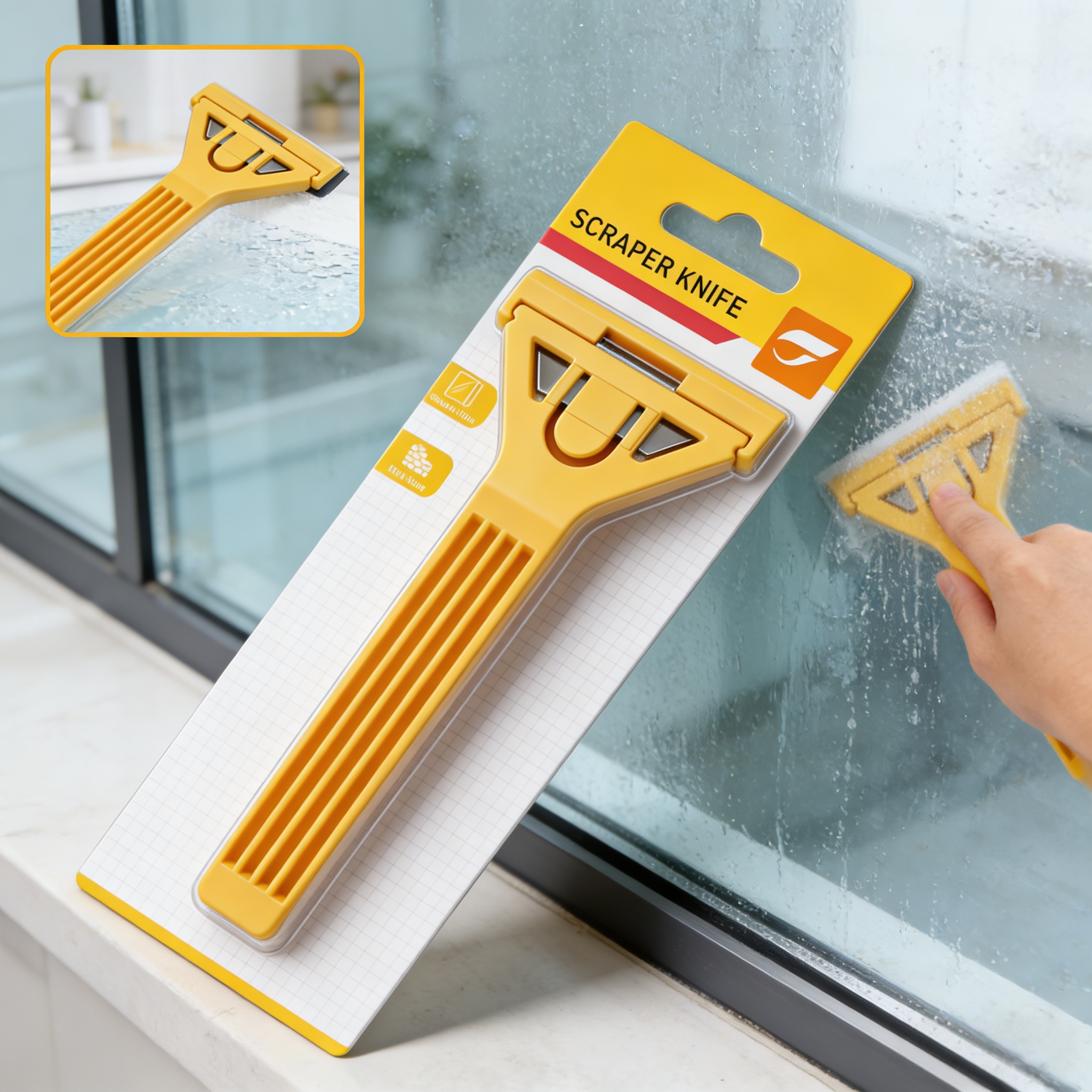
Retail packaging view of the CX-907 utility knife scraper alongside a shower glass panel cleaning scenario
Design Philosophy Behind the Scraper Head
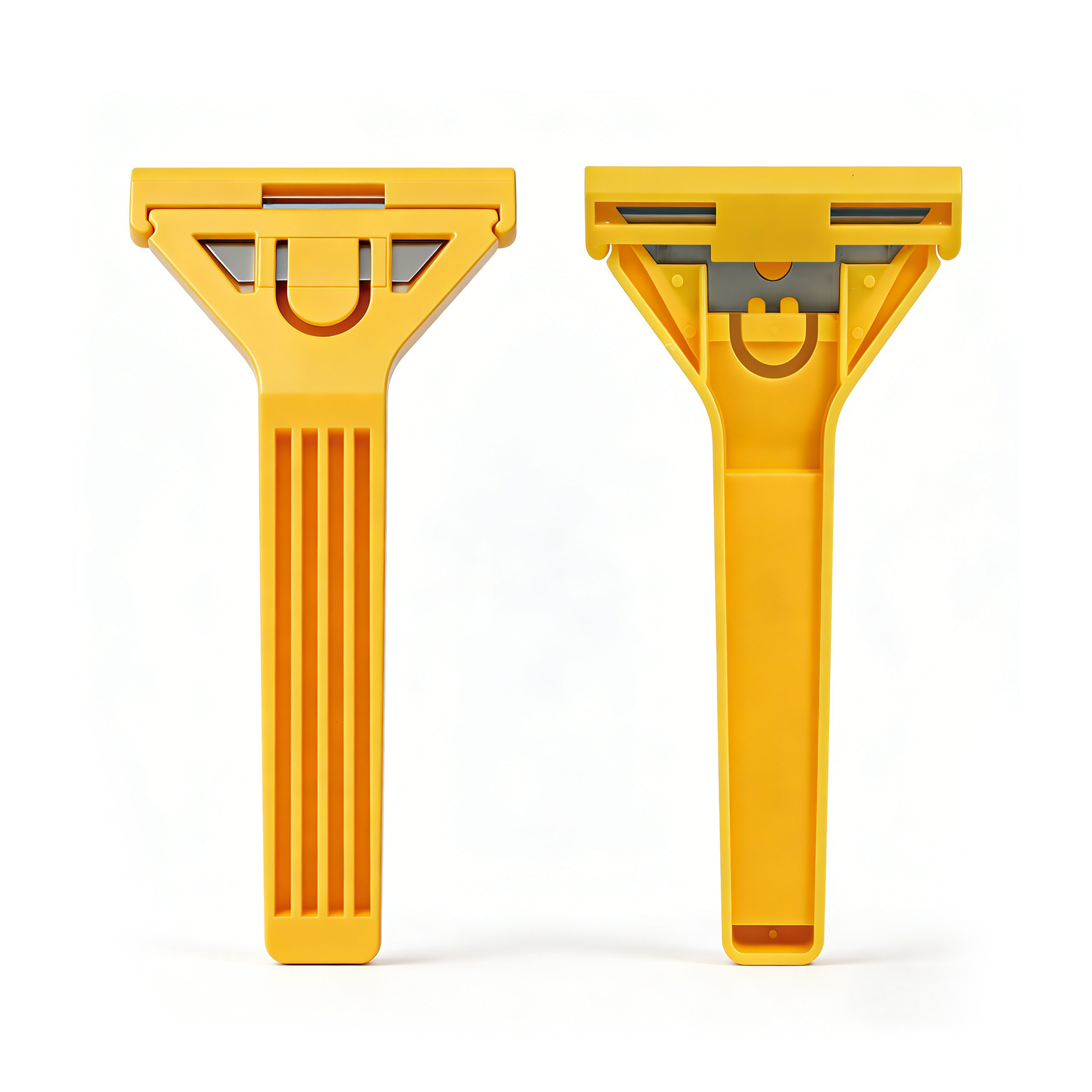
A scraper head has one job: hold a blade at a fixed angle so that pressure from the hand transfers evenly along the cutting edge. The head on this tool is shaped as an inverted triangle, tapering from a wide top edge down into the handle. Two triangular cut-outs sit on either side of the blade channel. These openings are not decorative. They remove unnecessary plastic mass from the head, which keeps the front-heavy feel of the tool to a minimum and lets the wrist do less work during long cleaning sessions. The cut-outs also give a clear line of sight to the blade seating area, so a user can confirm the blade is locked in before starting a pass across glass or tile.
At the center of the head, a U-shaped bridge locks over the blade and clips into the housing. This bridge is the mechanical link between the blade and the plastic shell, and it is designed to be released with thumb pressure alone rather than a separate tool. When the bridge is pressed down, the blade channel opens on both sides, allowing a spent blade to slide out and a fresh one to slide in in a matter of seconds.
Steel Cutting Edge
A carbon steel blade sits flush inside the head, exposing a straight edge that stays rigid under downward pressure without flexing against the glass surface.
Tool-Free Blade Swap
The U-shaped locking bridge releases with finger pressure, so a dulled blade can be removed and replaced without a screwdriver or separate hardware.
Ribbed Grip Handle
Parallel ridges run the length of the handle, giving fingers a series of contact points that reduce slipping when the handle is wet or soapy.
Lightweight Shell
The triangular head cut-outs and slim handle profile keep total weight low, which matters when a surface requires repeated back-and-forth passes.
Blade System and Cutting Performance
The blade fitted to the CX-907 sits at a fixed angle relative to the head, which keeps the cutting edge presented to the surface at a consistent bite angle every time the tool is used. This matters more than it might seem. A blade that wobbles or sits at an inconsistent angle will skip over dried residue instead of shaving it off, forcing a user to press harder and increasing the chance of a surface scratch. Because the blade is clamped along its full width by the locking bridge, there is very little flex, and the cutting edge stays in constant contact with the surface through the length of a stroke.
Carbon steel is the material typically used for blades of this type because it holds an edge through repeated contact with hardened paint, mineral scale and adhesive residue. A steel blade will not shave away silicone sealant or rubber gaskets the way a plastic blade would risk gouging them, since the thin, rigid edge concentrates force into a narrow line rather than pushing broadly against a soft surface. This is part of why blade scrapers remain the preferred choice over sponges or plastic-edged tools when a surface has fully dried residue rather than fresh, still-wet marks.
Blade width on this model sits in a range that suits detail work rather than wide flat surfaces. A narrower blade concentrates hand pressure into a smaller contact area, which makes it easier to work along window frame edges, corner joints and the narrow gaps between tile and grout lines where a wide-bladed tool cannot reach cleanly.
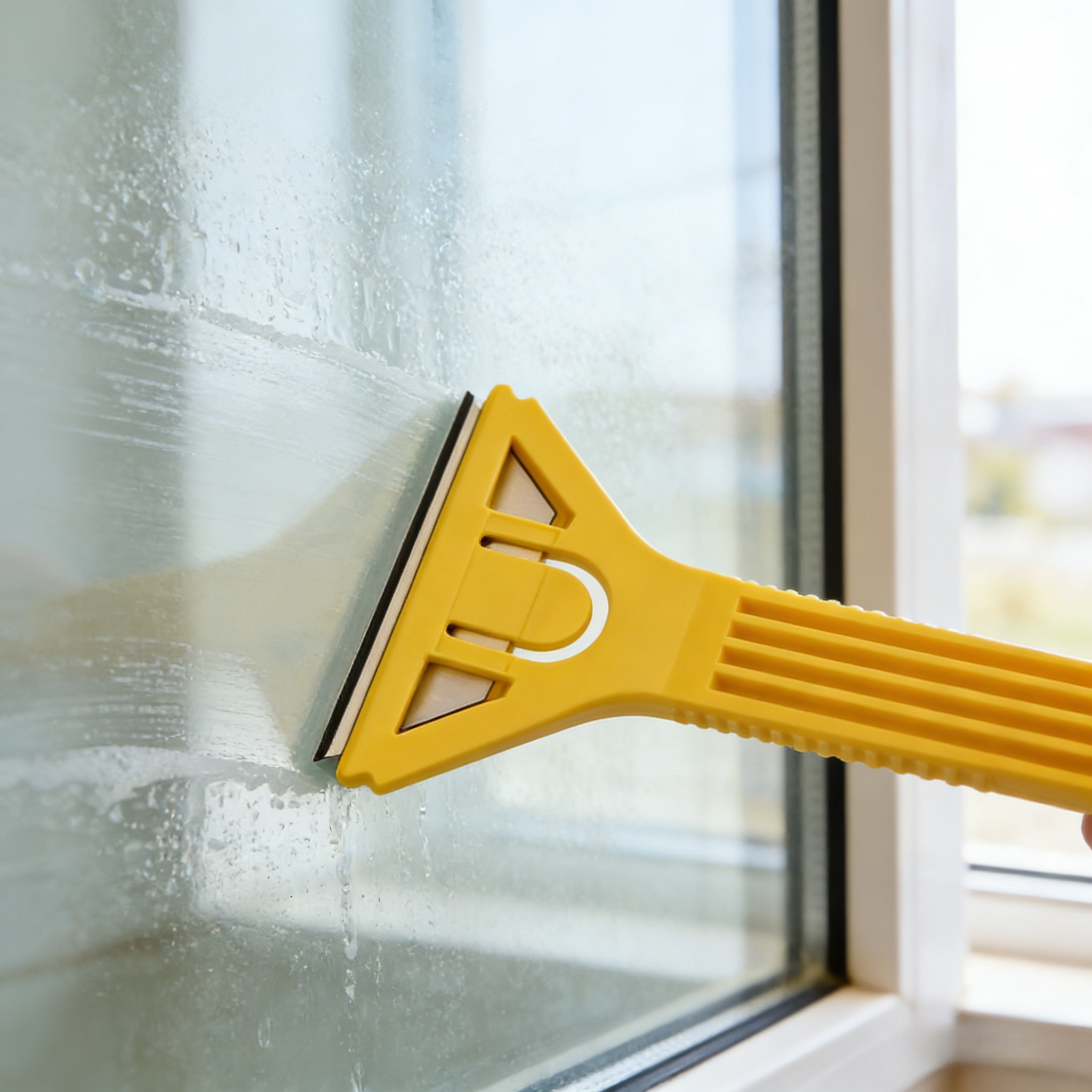
Blade contact angle during a cleaning pass on a wet glass surface
Handle Ergonomics and Grip Stability
The handle extends from the head in a straight line, widening slightly where it meets the palm. Four parallel ribs run down its length, spaced evenly across the flat face of the handle. These ribs are shallow enough not to dig into the palm during a firm grip, but deep enough to interrupt water film when the handle gets wet, which is the main condition under which handles typically slip out of a hand.
Handle length is proportioned to give a full hand grip while still leaving enough clearance for the wrist to rotate through a cleaning stroke without the fingers catching on the head. A handle that is too short forces the knuckles close to the working surface, increasing the risk of scraped fingers against glass or tile edges. A handle that is too long shifts the center of balance away from the blade, making the tool harder to control during detail work. The proportions on the CX-907 sit between these two extremes, favoring control over reach.
Specifications Overview
The table below lists the physical specifications commonly associated with this scraper category, useful as a reference point when comparing head size, blade width and handle length against the surface area being cleaned.
| Specification | Detail |
| Handle Material | ABS engineering plastic / polypropylene |
| Blade Material | Carbon steel, replaceable |
| Handle Length | Approximately 15cm to 20cm |
| Blade Width | Approximately 4cm to 6cm |
| Blade Change Method | Tool-free clip release |
| Color Options | Yellow, blue, black |
| Recommended Surfaces | Glass, ceramic tile, painted drywall, laminate, metal trim |
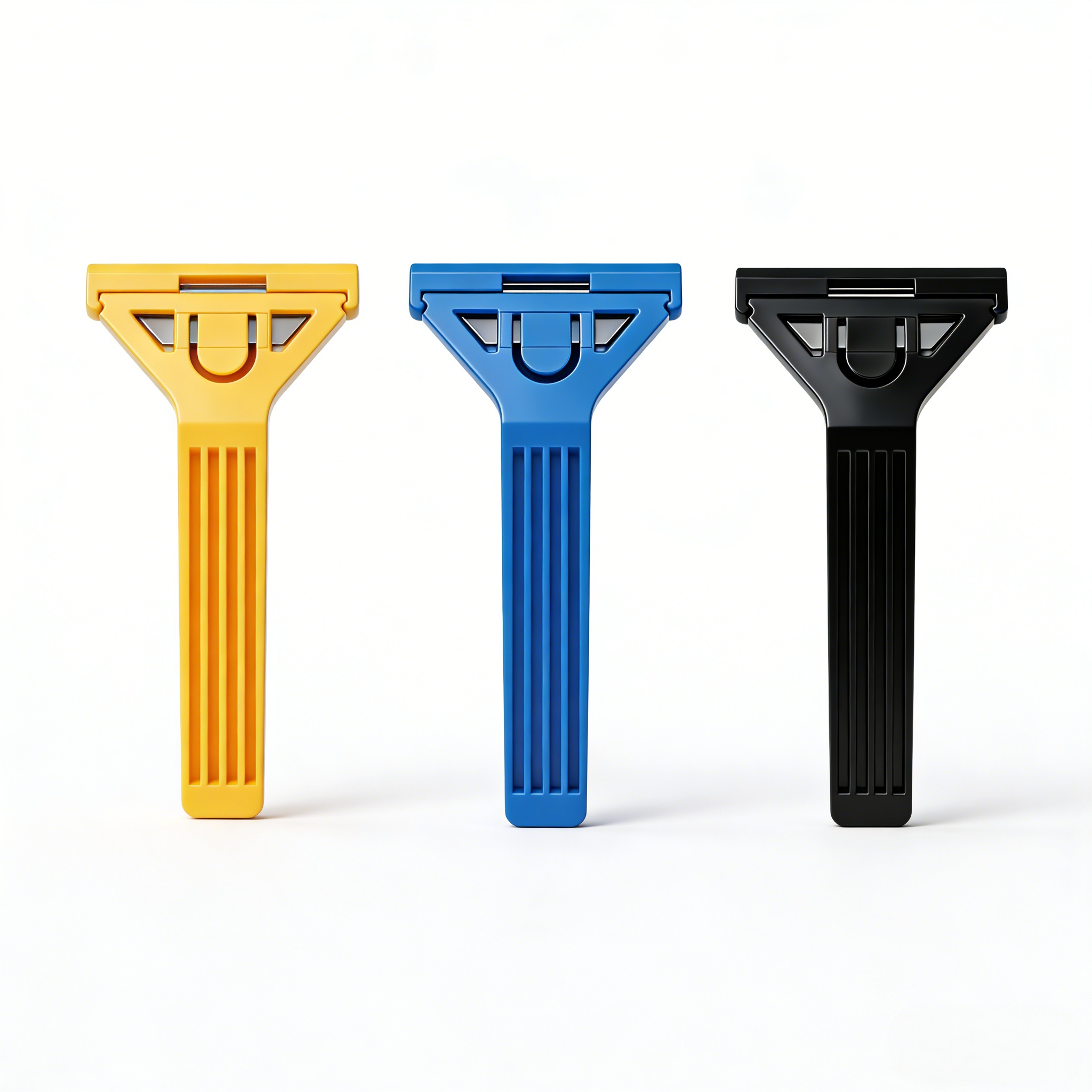
Available color variants of the CX-907 scraper head and handle assembly
Where This Scraper Performs Best
A blade scraper is not a general-purpose wipe-down tool, and knowing where it earns its place in a cleaning routine helps set the right expectations for results.
Window and Glass Door Cleaning
Hard water spots, dried soap film and paint overspray on window glass respond well to a blade pass once the surface has been wetted down. The blade lifts the deposit in a single motion rather than smearing it across the pane the way a cloth often does.
Shower Enclosure Maintenance
Soap scum and mineral scale build up quickly on shower glass in areas with hard water. A quick scrape along the panel after wetting the surface removes the film before it hardens into a permanent haze.
Wall Paint and Overspray Removal
Paint drips on trim, glass or tile from a nearby wall project can be lifted cleanly with a shallow blade angle, avoiding the need for solvent-based paint removers on adjacent surfaces.
Tile and Grout Line Edges
Cement haze left behind after tile installation sits on the surface rather than bonding with it, and a narrow blade edge reaches into corner joints where a sponge cannot apply enough pressure.
Adhesive Label and Sticker Removal
Price stickers and shipping labels on glass, metal or plastic surfaces often leave a sticky film after peeling. A blade held at a low angle separates the adhesive layer without pulling at the surface underneath.
Window Frame and Sill Detail Work
The narrow head fits into the recessed channels of aluminum and vinyl window frames, clearing out dried dust and grime that collects along the sliding track.
Removing Paint and Construction Residue
Paint that dries on glass or tile during a wall repainting project is one of the more stubborn residues to clear because the paint film bonds tightly once cured. Attempting to scrub it away with a cloth usually just spreads the marks or requires an abrasive pad that risks scratching a glass surface. A blade scraper approaches the problem differently: the flat steel edge is worked underneath the paint film at a shallow angle, separating the dried coating from the glass in thin curls rather than grinding it down.
The same approach applies to dried joint compound, caulk overspray and cement splatter left behind after tile or drywall work. Because these materials are hard and brittle once cured, a rigid blade edge cuts through them more reliably than a soft-edged tool, which tends to ride over the top of the deposit without making contact with the underlying surface.
Keeping the glass or tile surface wet during this process reduces the chance of fine scratching, since a thin water layer acts as a lubricant between the blade and the surface. A dry scrape on a dry surface increases friction and raises the risk of hairline marks, particularly on softer glass coatings such as tinted or coated window panels.
Comparing Blade Scrapers with Cloth and Sponge Cleaning
Cloths and sponges work well against loose dust and fresh, still-liquid spills, but they lose effectiveness once a residue has fully dried and bonded to the surface. A sponge applies broad, even pressure across a wide area, which is useful for general wiping but does very little against a hardened deposit that needs to be physically separated from the glass or tile beneath it.
A blade scraper concentrates the same amount of hand pressure into a line only a fraction of a millimeter wide. That concentration of force is what allows the tool to shear through a hardened layer that a sponge would only smear or push around. The trade-off is precision: a blade needs to be guided carefully along the surface at the correct angle, while a sponge can be used with far less attention to technique. For everyday dust and light grime, a sponge or cloth remains the quicker option. For dried paint, scale, adhesive film and construction residue, a blade tool such as the CX-907 utility knife scraper reaches results that a sponge alone cannot achieve.
Step-by-Step Usage Guide
1
Wet the surface thoroughly with water or a mild cleaning solution to soften surface deposits before the blade makes contact.
2
Hold the handle at roughly a 30 degree angle to the surface so the blade edge meets the residue rather than the flat side of the blade.
3
Draw the blade in a single direction across the surface, applying steady rather than forceful pressure, and avoid back-and-forth sawing motions.
4
Wipe away loosened residue with a cloth between passes so debris does not get dragged under the blade on the next stroke.
5
Lower the blade angle further when working on painted trim or softer surfaces to reduce the risk of gouging the base material.
6
Rinse the surface and dry with a clean cloth once the residue has been fully cleared to check for any remaining spots.
Blade Replacement and Long-Term Care
A steel blade will gradually lose its edge with repeated use, and the first sign is usually that a pass which once cleared residue in a single stroke now needs several passes to achieve the same result. Continuing to use a dulled blade increases the pressure a user needs to apply, which raises the chance of a slip or an uneven scrape mark on the surface. Replacing the blade at this point restores cutting performance immediately.
To replace the blade, the locking bridge at the center of the head is pressed down, which releases the clamp holding the old blade in place. The spent blade slides out from the channel, and a new blade is set into the same channel with the cutting edge facing outward before the bridge is pressed back into its locked position. Care should be taken to align the new blade squarely in the channel, since an angled installation can cause uneven contact with the surface during use.
Between uses, storing the tool with the head covered or placed in a drawer away from open access reduces the chance of an accidental cut, since the blade edge remains exposed along the working face of the head at all times. Rinsing the blade and head after use, particularly when working with paint or adhesive residue, prevents dried material from building up inside the blade channel and interfering with the next blade swap.
Safety Considerations During Use
Because the working edge is an exposed steel blade, the same care that applies to any bladed hand tool applies here. Fingers should stay behind the plastic head at all times, using the ribbed handle grip rather than reaching toward the blade channel during a cleaning stroke. When working on vertical glass surfaces such as shower panels or windows, keeping the non-working hand clear of the path directly below the blade reduces the chance of an accidental drag downward across the skin.
On ladders or elevated platforms, both hands should remain free to manage balance before the blade is engaged against the surface, and the tool should be lowered to a secure position rather than left resting against glass when not actively in use. Children should not have unsupervised access to the tool given the exposed blade design, and the packaging is intended to be stored out of reach when the scraper is not in active use.
Matching Blade Angle to Surface Material
The angle between the blade and the surface changes how the tool behaves, and adjusting it for the material being cleaned makes a noticeable difference in both speed and safety. A steeper angle, closer to 45 degrees, increases the bite of the blade and works well against thick, hardened deposits such as built-up cement haze or thick paint drips, since the extra angle lets the edge dig into the raised material rather than sliding across the top of it.
A shallow angle, closer to 15 or 20 degrees, spreads the same pressure across a longer contact length and is better suited to painted wood trim, vinyl window frames or any surface where the base material itself could be marked if the blade digs in too aggressively. On coated or tinted glass, a shallow angle combined with a fully wet surface keeps the risk of surface marking to a minimum, since the blade glides across the film of water rather than dragging directly against the glass coating.
Metal window frames and aluminum sills tolerate a mid-range angle well, generally between 25 and 35 degrees, which balances enough bite to remove dried grime without risking a scratch on the anodized finish common to most aluminum trim. Testing the angle on a small, less visible section of the surface before working across the full area is a reliable way to confirm the right setting before committing to a larger cleaning pass.
Common Mistakes That Reduce Scraper Effectiveness
Scraping a Dry Surface
Working on a dry pane increases friction between the blade and the glass, raising the chance of a fine scratch and forcing extra pressure that a wet surface would not require.
Using a Dull Blade Too Long
A worn edge needs repeated passes to achieve the same result a fresh blade would manage in one stroke, and the added pressure increases the risk of an uneven mark.
Sawing Back and Forth
A side-to-side motion drags loosened debris back across the surface instead of lifting it away, which can grind grit into the glass or tile rather than removing it.
Skipping the Rinse Step
Leftover residue from a first pass, if not wiped away, gets picked up by the blade on the next stroke and dragged across the surface as a fine abrasive.
Frequently Asked Questions
Will a blade scraper scratch glass?
A steel blade will not scratch standard glass when the surface is kept wet and free of loose grit during the scrape, since water acts as a lubricant between the edge and the pane. Dry scraping or scraping over sand and dust particles is what typically causes marking, not the blade material itself.
How often does the blade need replacing?
Replacement frequency depends on how often the tool is used and what it is used against. A blade used mainly on glass will stay sharp far longer than one regularly cutting through hardened paint or cement residue, so the right signal is reduced cutting performance rather than a fixed schedule.
Can this tool be used on painted walls without damaging the paint?
A shallow blade angle can lift dried overspray or a stray drip sitting on top of the finished paint layer without cutting into the underlying coat, though care is needed since the same blade can gouge the paint if the angle is too steep or the pressure too heavy.
Is the tool suitable for tinted or coated glass?
Coated and tinted glass surfaces are more sensitive to abrasion than standard clear glass, so a lighter touch, a well wetted surface and a shallow blade angle are recommended, along with testing on a small corner area before scraping a full visible pane.
What is the difference between this and a plastic-bladed scraper?
A plastic blade flexes under pressure and struggles against fully hardened residue such as dried cement or old adhesive, while a rigid steel edge holds its shape and cuts through those same deposits with far less applied force.
Can the handle get wet without affecting grip?
The ribbed handle surface is designed specifically for wet conditions, since the raised ridges break up the thin water film that would otherwise cause a smooth handle to slip out of a soapy or damp hand during a shower cleaning task.
Seasonal Conditions That Affect Cleaning Results
Hard water regions see faster mineral buildup on shower glass and window panes during warmer months, when higher water usage and evaporation leave more scale behind on a daily basis. A weekly scrape during these periods keeps the deposit thin and easy to remove, compared with letting several weeks pass and having to work through a thicker, more stubborn layer that has had time to bond firmly to the glass.
Cold weather brings a different challenge, particularly around window frames where condensation collects and dries into a chalky residue along the glass edge closest to the frame. This buildup tends to sit in a narrow band rather than spreading across the full pane, making the narrow blade width on this scraper well suited to clearing the affected strip without needing to work the entire window surface each time.
After exterior painting or trim work completed in dry, warm conditions, overspray dries faster and can bond more firmly to nearby glass than it would in cooler, damper weather. Addressing these marks within a day or two of the paint work, while the film is still relatively thin, generally requires less blade pressure than waiting for the residue to fully cure over several weeks.
The CX-907 Utility Knife Scraper brings the blade, head and handle elements described above into a single compact tool suited to the kind of surface residue that ordinary wiping cannot remove. Its combination of a replaceable carbon steel blade, tool-free swap mechanism and ribbed grip handle addresses the practical friction points that come up during window cleaning, shower maintenance, paint cleanup and tile detail work, making it a tool that stays useful well beyond a single cleaning task.
Recommended Product
Recommended News

Keep In Touch
 No. 2-2, Oufu Road, Zhangting Town, Yuyao City, Ningbo City, Zhejiang, China.
 +86-574-87560886/87560055
 +86-574-87560885
Copyright © Ningbo Chuangxin Cutting-Tool Manufacture Co., Ltd.
