

 English
 中文简体
中文简体 русский
 Español


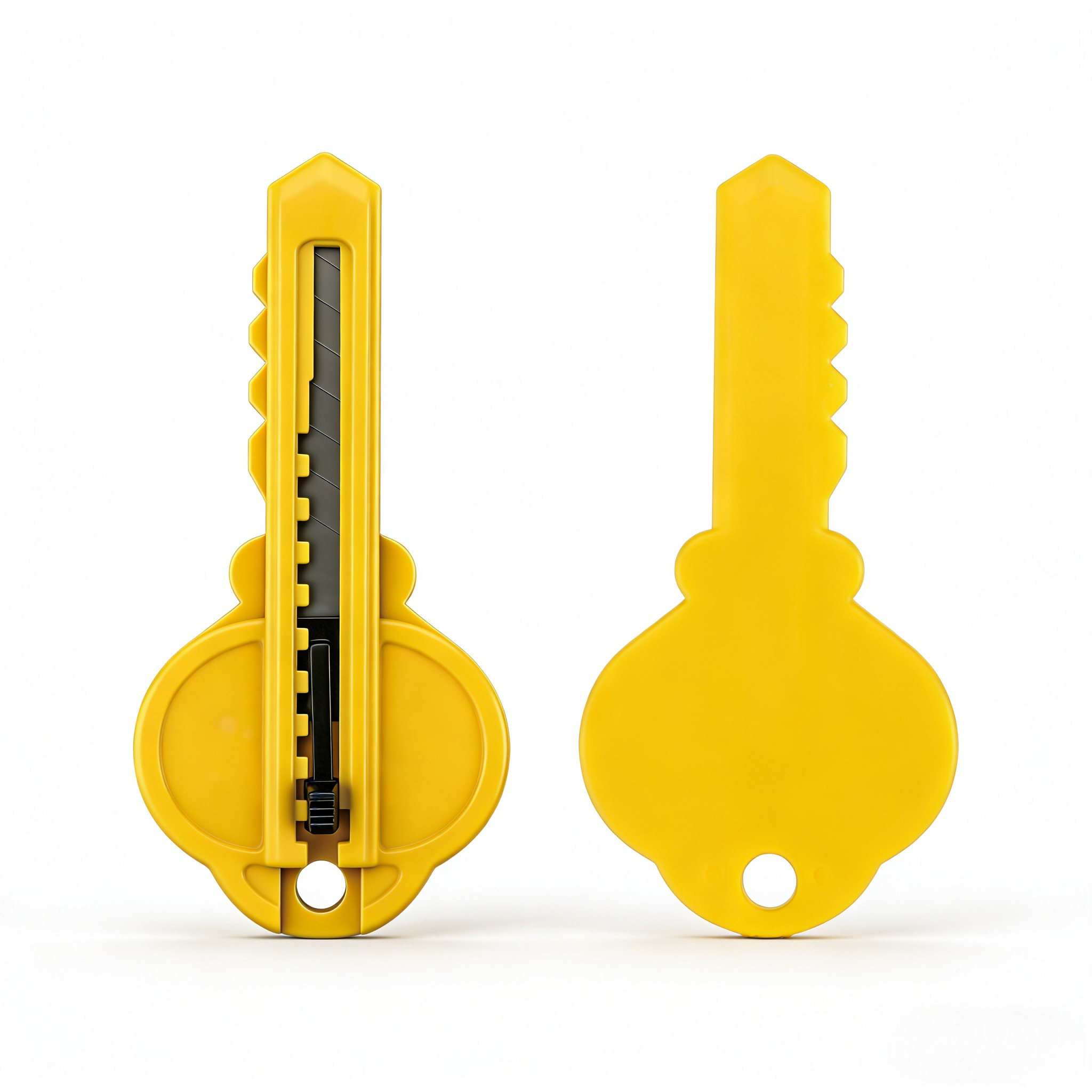
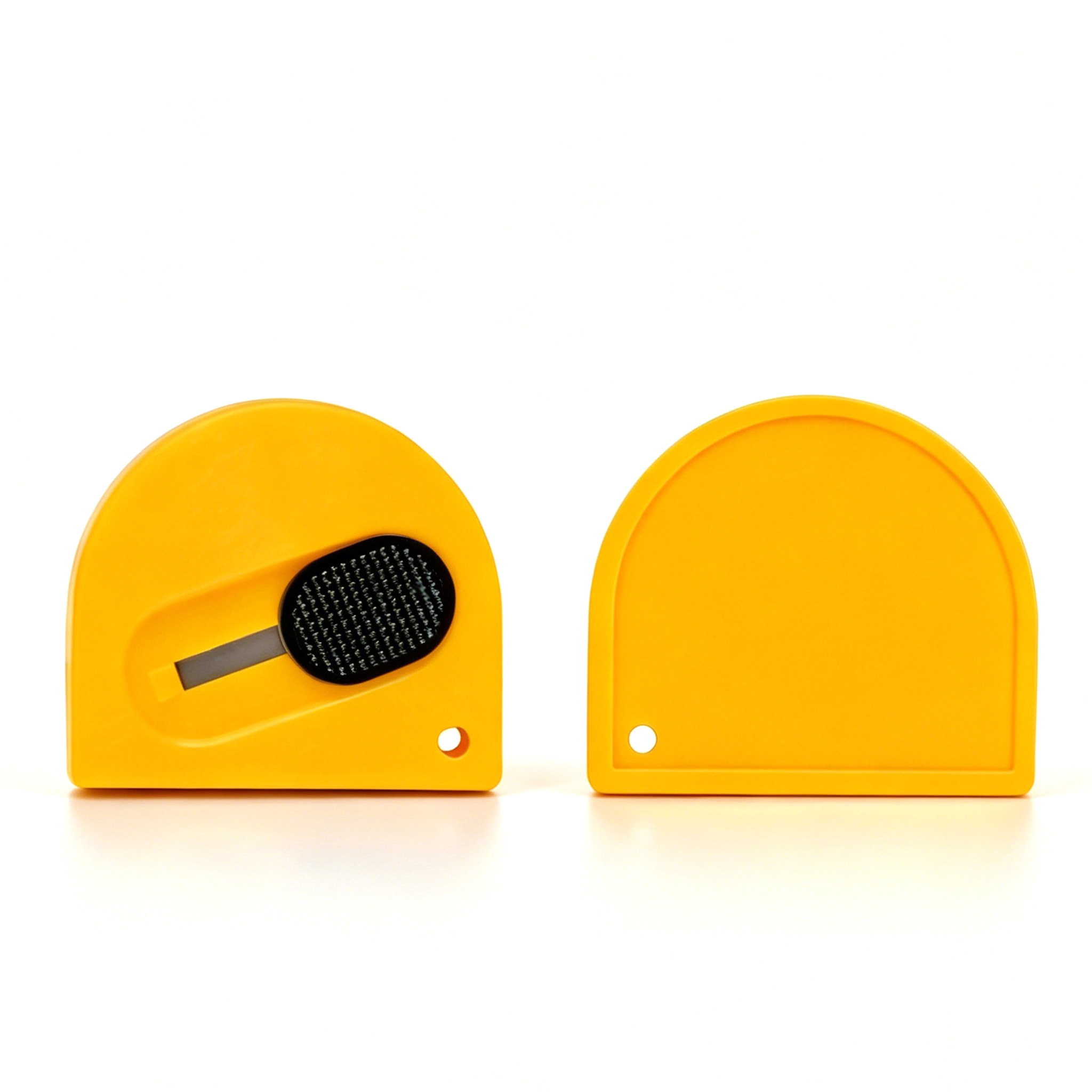

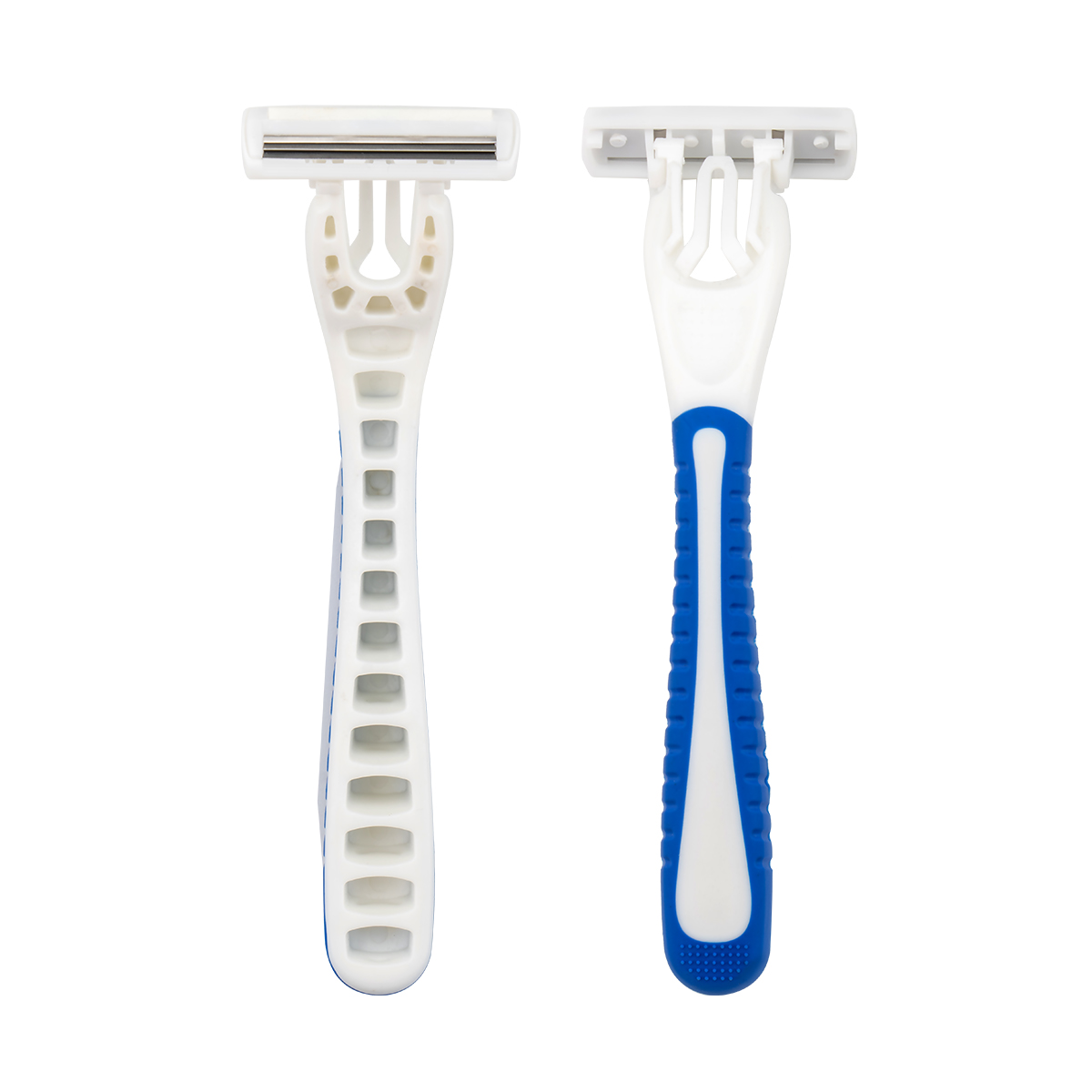
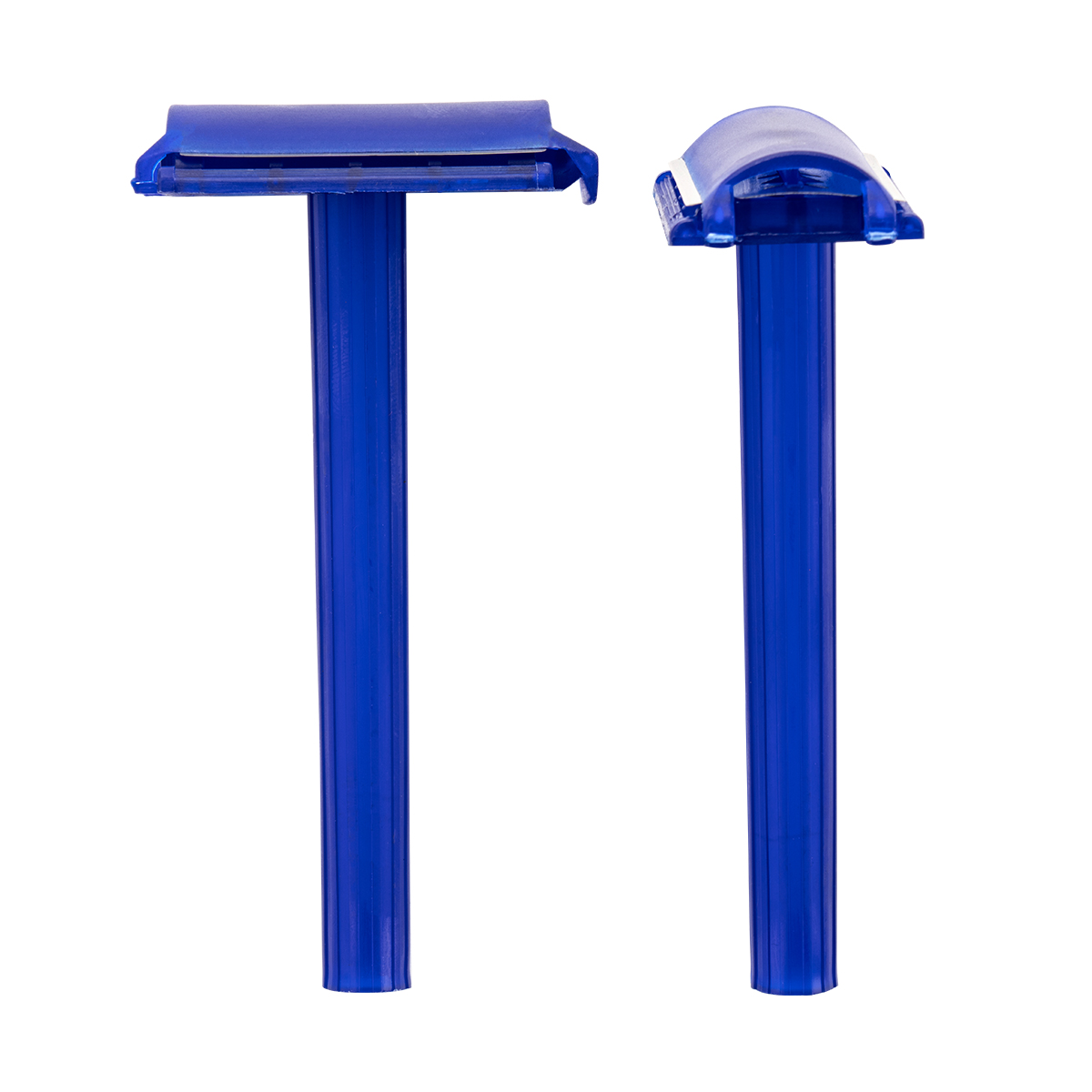
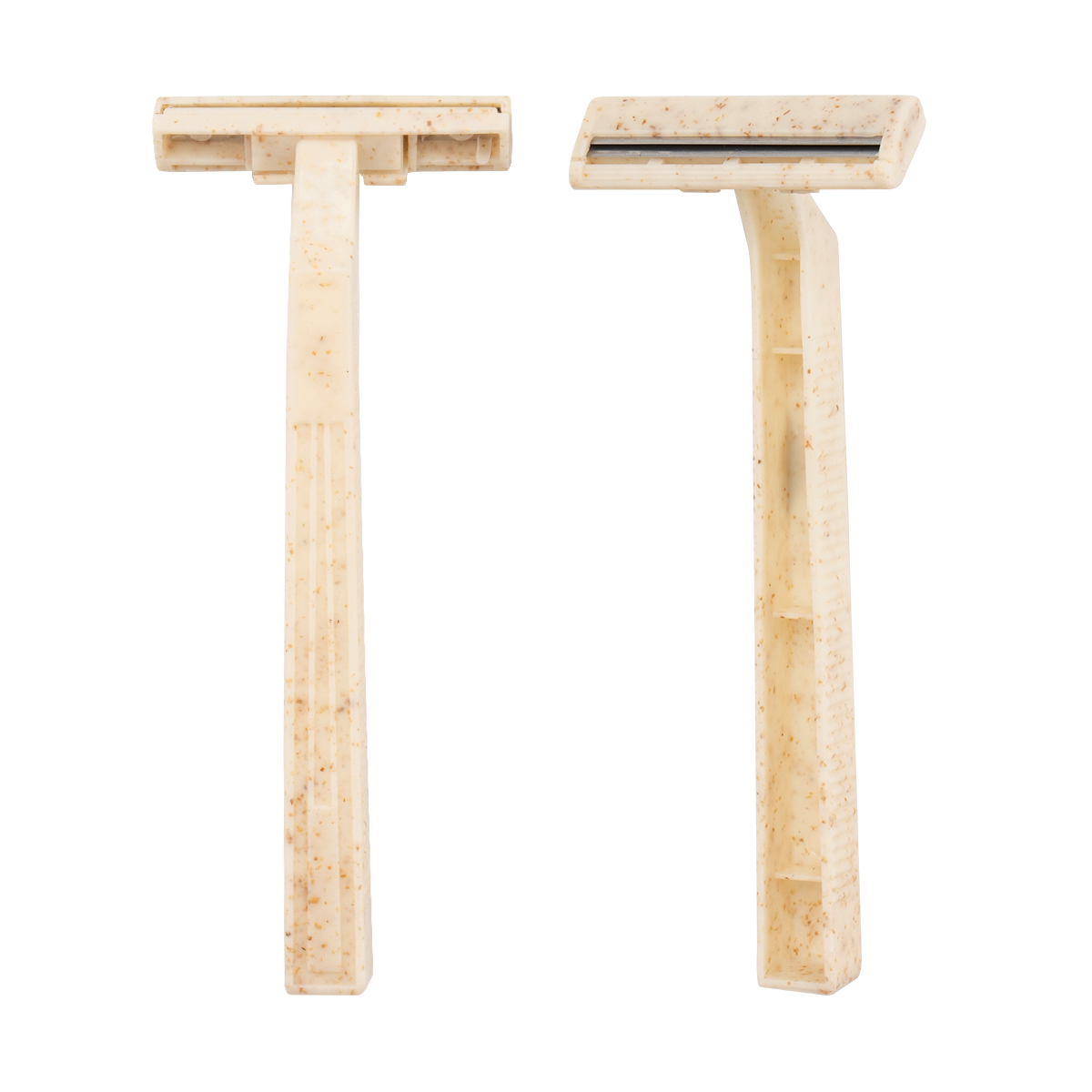

We are an industry and trade enterprise
specializing in the production of disposable razors and utility knives for more than 30 years.
How Does a Retractable Box Cutter Work
Content
Product Engineering Notes
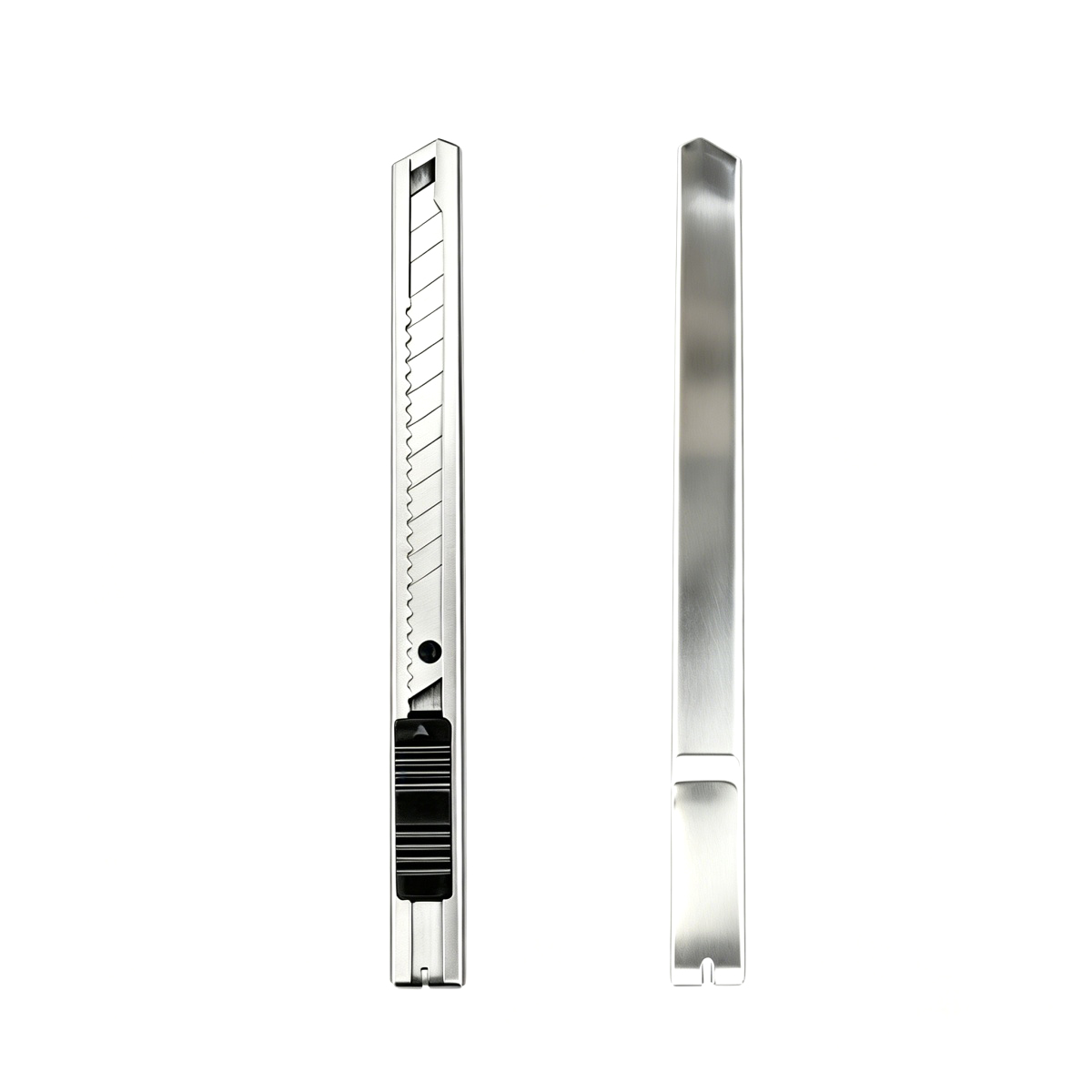
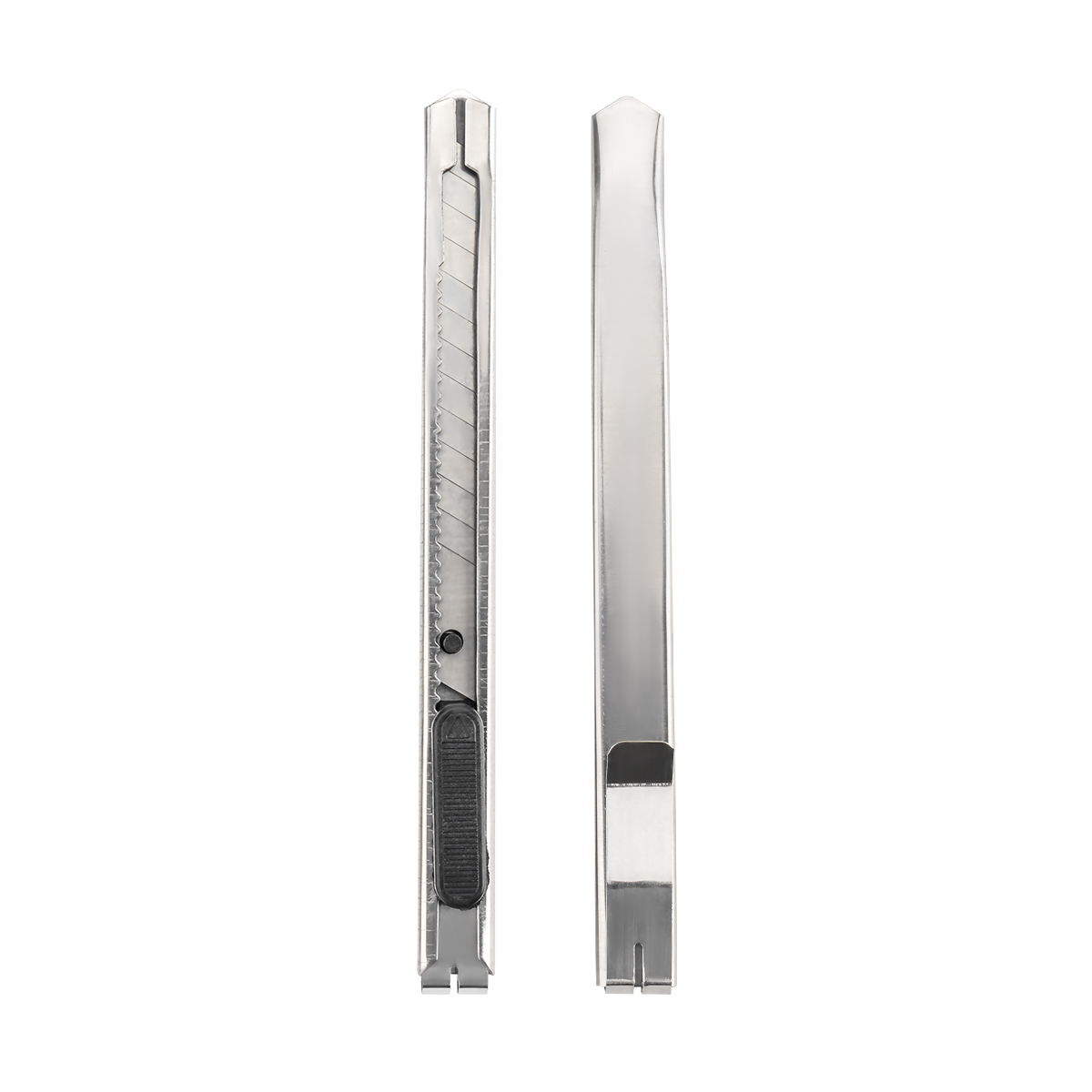
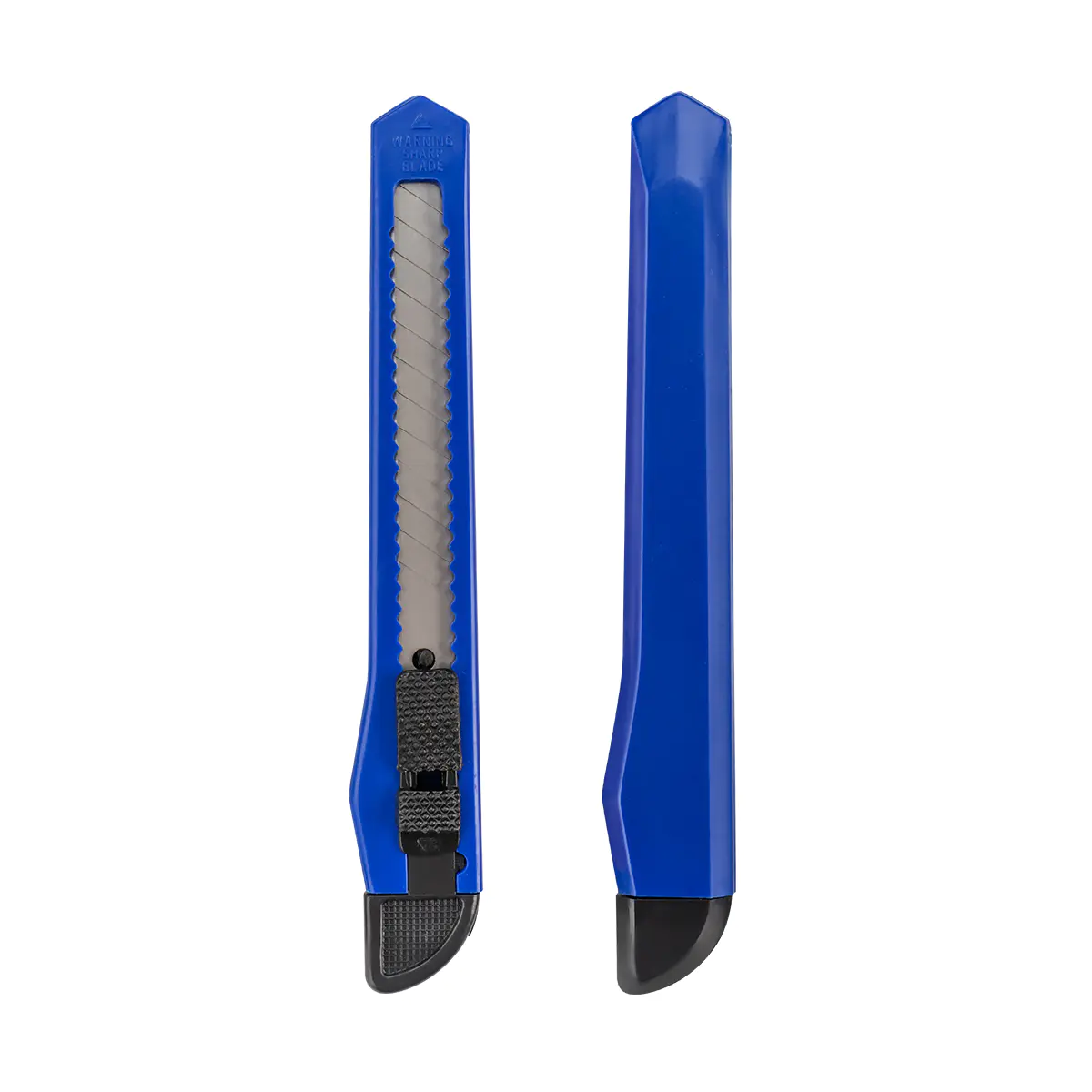
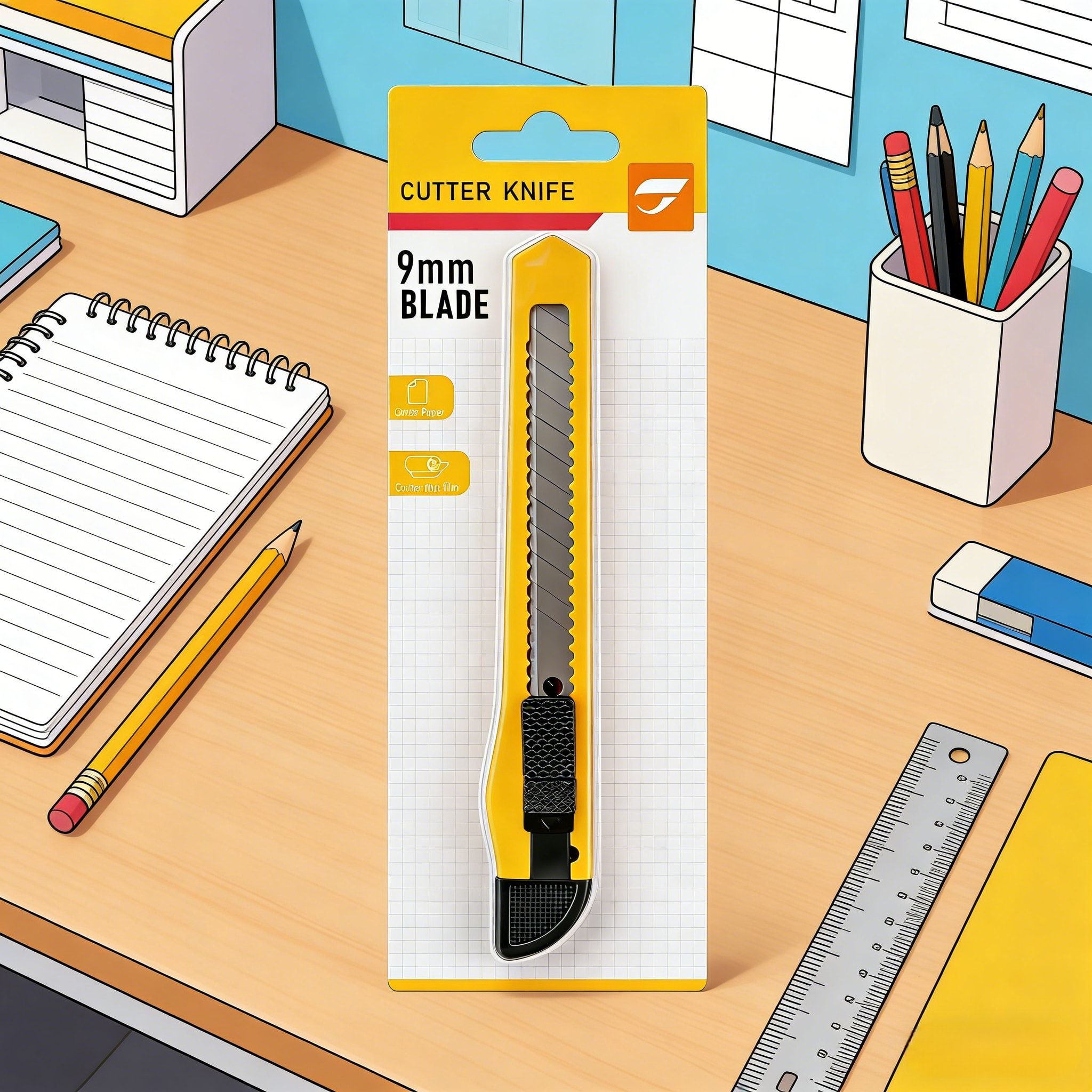
A retractable box cutter is built around one working principle: the blade moves in and out of a fixed housing without ever being fully exposed when idle. This single design detail changes how the tool is carried, stored, and shared across a workspace, and it is the reason box cutter retractable models remain the default choice in packaging lines, retail back-rooms, and stationery drawers alike. The CX-909 uses a 9mm snap-off blade paired with a manual locking slider, and every dimension below reflects the actual production spec rather than a general description.
Quick Answer
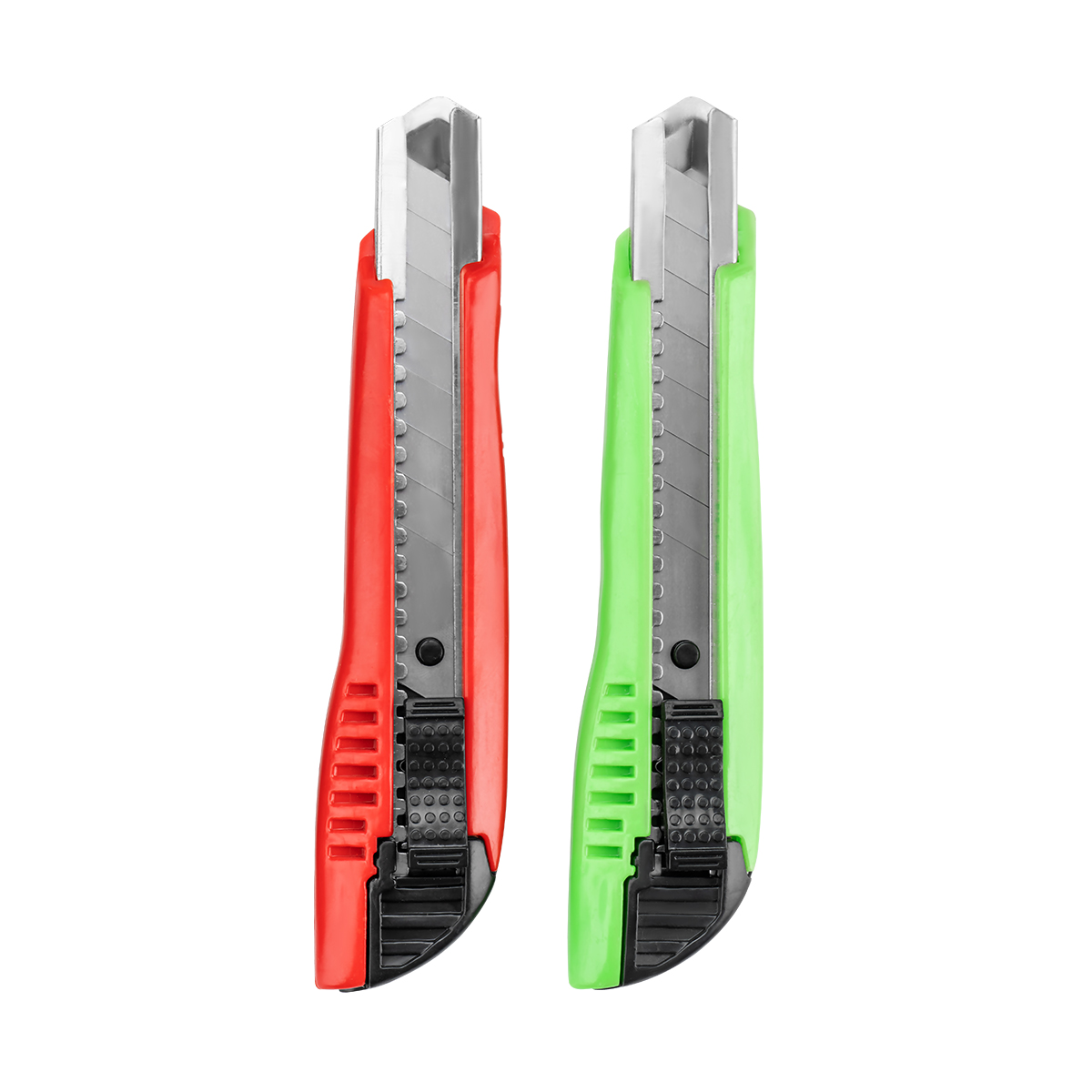
CX-909 is a manual-lock retractable box cutter with a 9mm snap-off steel blade, an ABS/PS/PP shell, and a toothed slider that holds any extension length until the user pushes it back — no spring, no auto-retract, so the blade stays exactly where it was set for the full cutting task.
Is CX-909 an automatic retractable box cutter? No — it uses a manual slider lock rather than a spring return, which keeps the blade length fixed through a long cut instead of snapping back after every release of pressure.
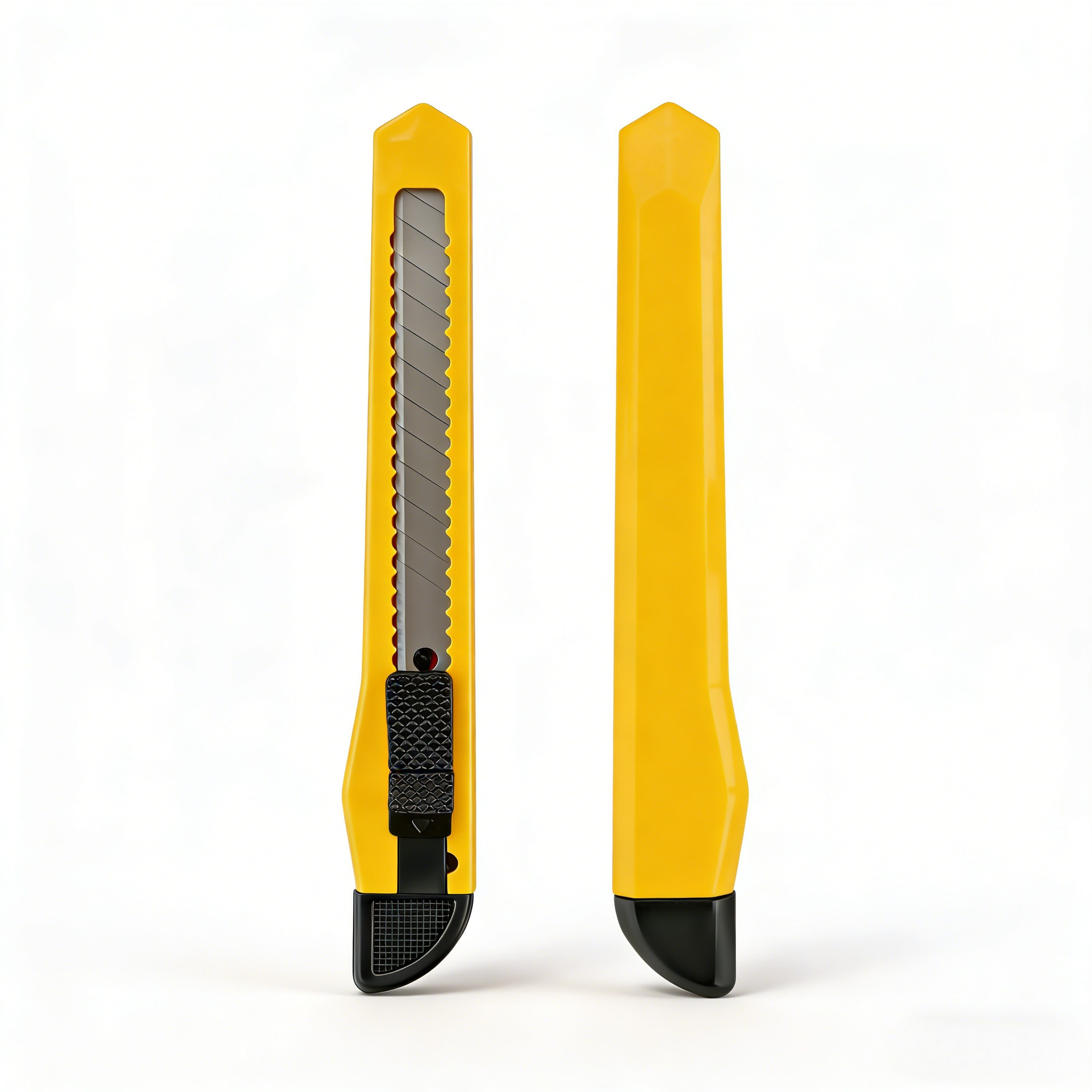
Component Breakdown
Four parts carry the entire function of the tool. Understanding what each one does explains why locking position, blade thickness, and shell material are not interchangeable choices — they are tuned to work together.
01
Snap-Off Blade
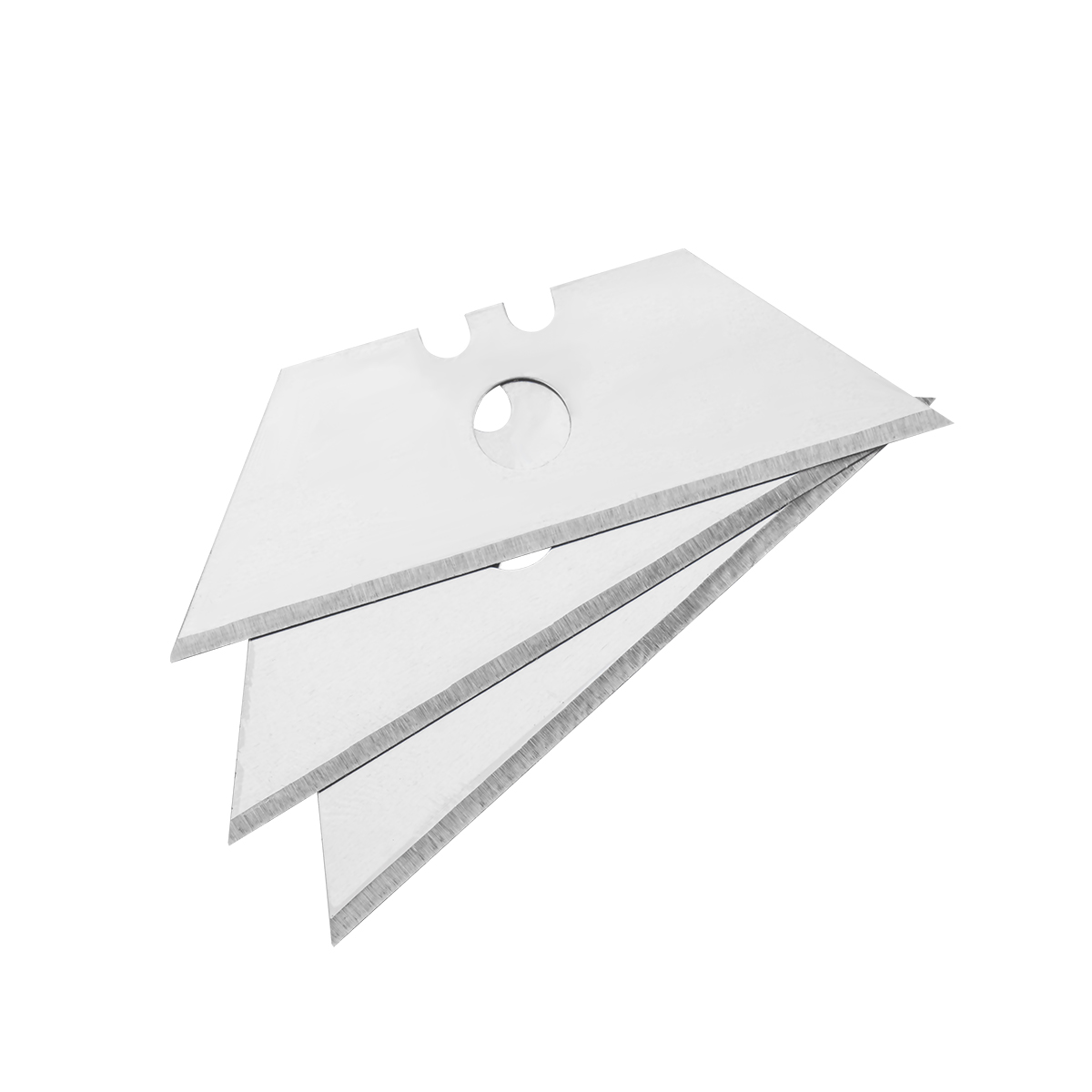
SK steel or #60 carbon steel, 0.4mm thick, segmented so a dull section can be broken off to expose a fresh edge without a full blade replacement.
02
Locking Slider
A toothed track holds the blade at any extension point. This is the part that answers how to open a retractable box cutter and how to retract a box cutter — one thumb motion in either direction.
03
ABS/PS/PP Shell
A two-piece housing, roughly 13 x 1.9cm, light enough at 9.5g to carry in a pocket or pencil case without adding noticeable weight.
04
Blade Cartridge Track
An internal channel that keeps the blade aligned during extension, preventing side-to-side wobble that would otherwise reduce cut accuracy.
CX-909 Specification Reference
| Item No. | CX-909 |
| Blade Width | 9mm |
| Blade Thickness | 0.4mm |
| Blade Material | SK Steel / #60 Carbon Steel |
| Blade Type | Snap-off segmented blade |
| Handle Material | ABS / PS / PP |
| Knife Size | 13 x 1.9cm |
| Knife Weight | 9.5g |
| Locking Mechanism | Manual slider lock |
| Color | Customizable |
Common Questions Answered
How to open a retractable box cutter
Press the slider forward with your thumb until the blade reaches the length needed for the material being cut, then release — the toothed track holds it in place without additional pressure.
How to retract a box cutter
Push the same slider back toward the handle end. The blade withdraws fully into the shell and a slight click confirms it has seated in the closed position.
How to change blade on a retractable box cutter
Retract the blade fully, open the two-piece shell at the screw or clip point, lift out the old blade, and seat the replacement so its rear teeth align with the slider track before closing the shell.
Self retracting box cutter vs. auto retractable box cutter
Both terms describe a spring-loaded blade that withdraws automatically once cutting pressure is released, differing from the CX-909's manual slider lock, which instead holds a fixed blade length until the user moves it back. An automatic retractable box cutter favors continuous one-handed cutting; a manual-lock design favors consistent cut depth over a full task.
When was the retractable box cutter invented
Sliding-blade utility knives began replacing fixed-blade cutters through the mid-20th century, as packaging and shipping volumes grew and enclosed, lockable blades became the safer standard for repeated daily use.
Production and Quality Checks
Each CX-909 blade batch is checked for edge consistency before assembly, and the shell halves are test-fitted to confirm the slider track holds tension at every locking notch — a loose track is the most common cause of blade wobble in low-cost cutters. Handle color and printing are customizable per order, and the tool is built for high-repetition environments where the blade will be extended and retracted dozens of times a day.
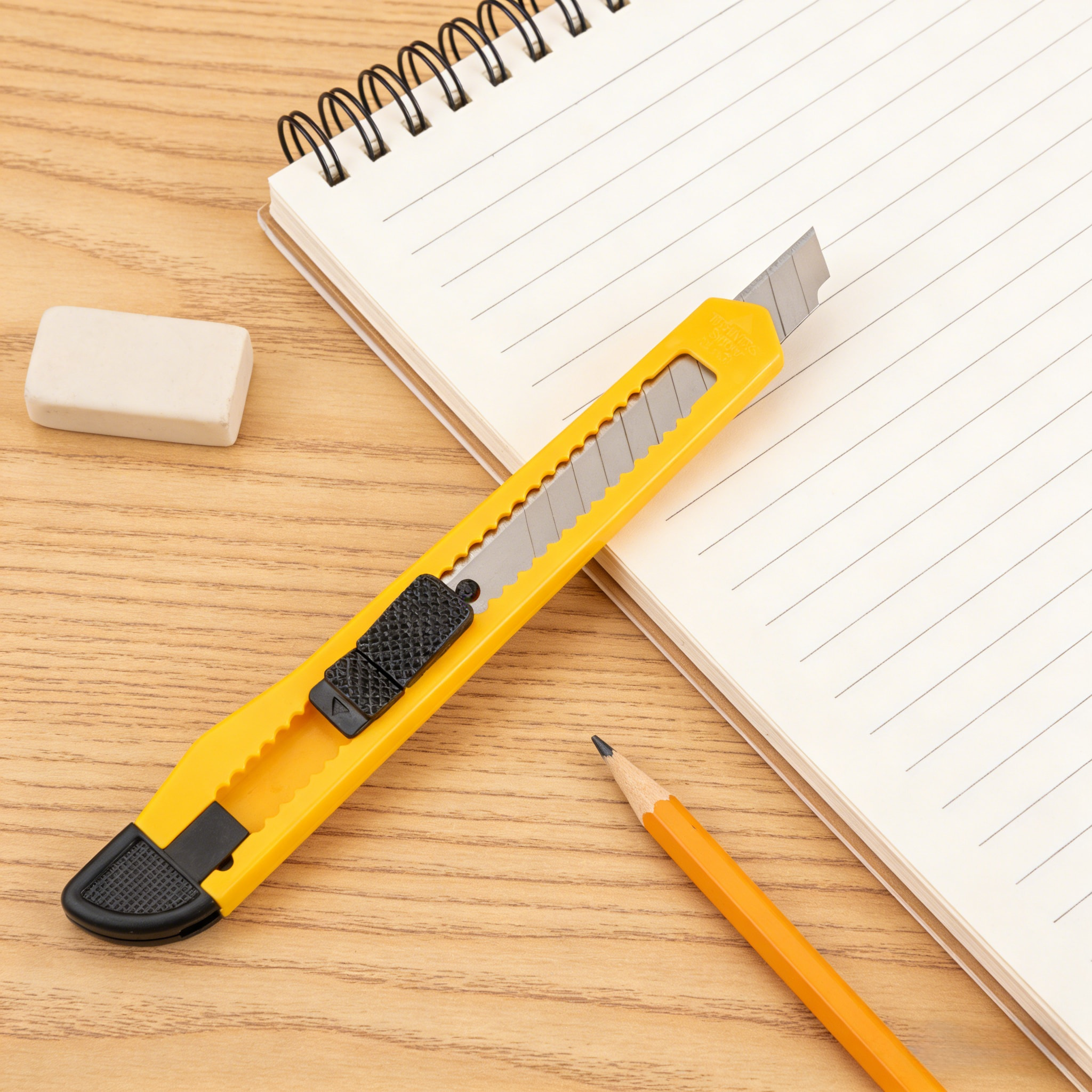
Where This Cutting Profile Works Best
Carton Handling
Opening sealed boxes and slitting tape without cutting into the contents underneath.
Office Paperwork
Trimming documents, envelopes, and thin card stock cleanly along a straight edge.
School Craft Projects
Light, controlled cuts on paper and thin board for classroom and hobby use.
Before You Choose a Blade Width
- Match blade width to material thickness. A 9mm blade suits paper, thin card, and tape; thicker corrugated stock calls for a wider blade platform.
- Decide between manual lock and spring return. A manual slider like CX-909 holds a fixed length for long, controlled cuts; a self retracting box cutter suits quick, repeated single strokes.
- Check the snap-off segment count before ordering in volume. More segments per blade strip means fewer full blade changes across a shift.
- Confirm shell material fits the environment. ABS/PS/PP housings resist everyday impact; cold-storage or heavy industrial settings may warrant a different housing spec.
The full range of blade widths and locking styles built on this platform, including the 9mm series shown here, is listed under retractable box cutter products.
Recommended Product
Recommended News

Keep In Touch
 No. 2-2, Oufu Road, Zhangting Town, Yuyao City, Ningbo City, Zhejiang, China.
 +86-574-87560886/87560055
 +86-574-87560885
Copyright © Ningbo Chuangxin Cutting-Tool Manufacture Co., Ltd.
