

 English
 中文简体
中文简体 русский
 Español


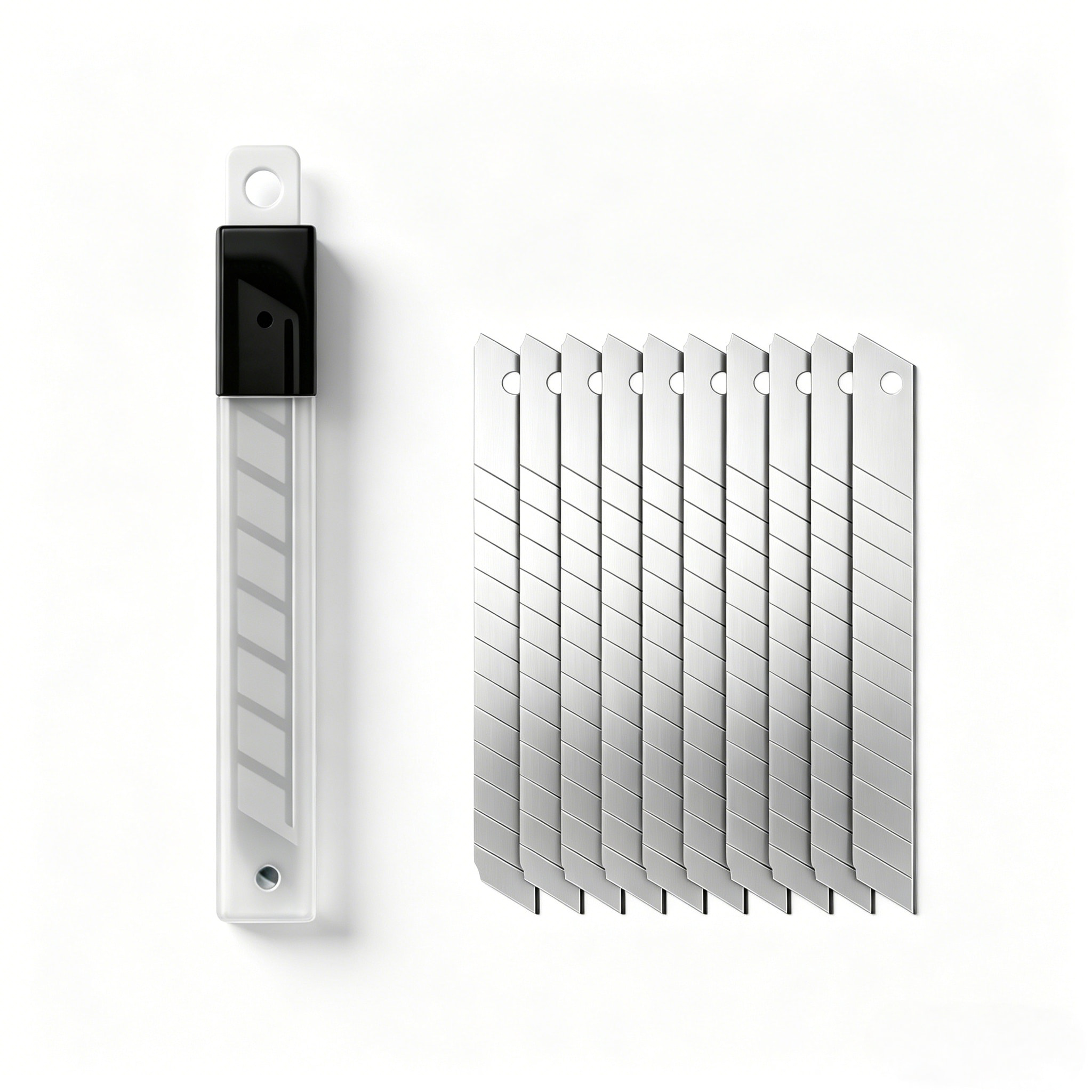

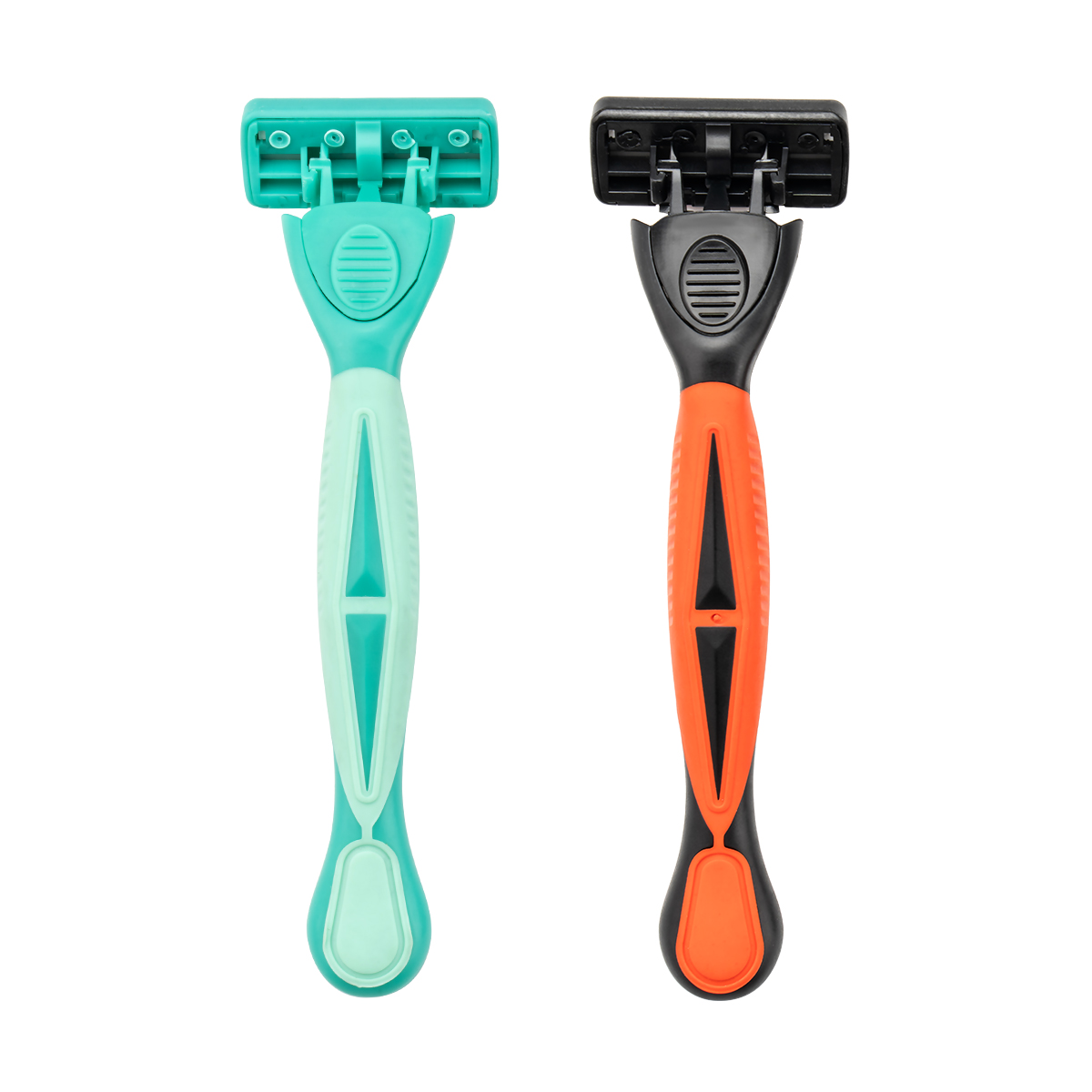
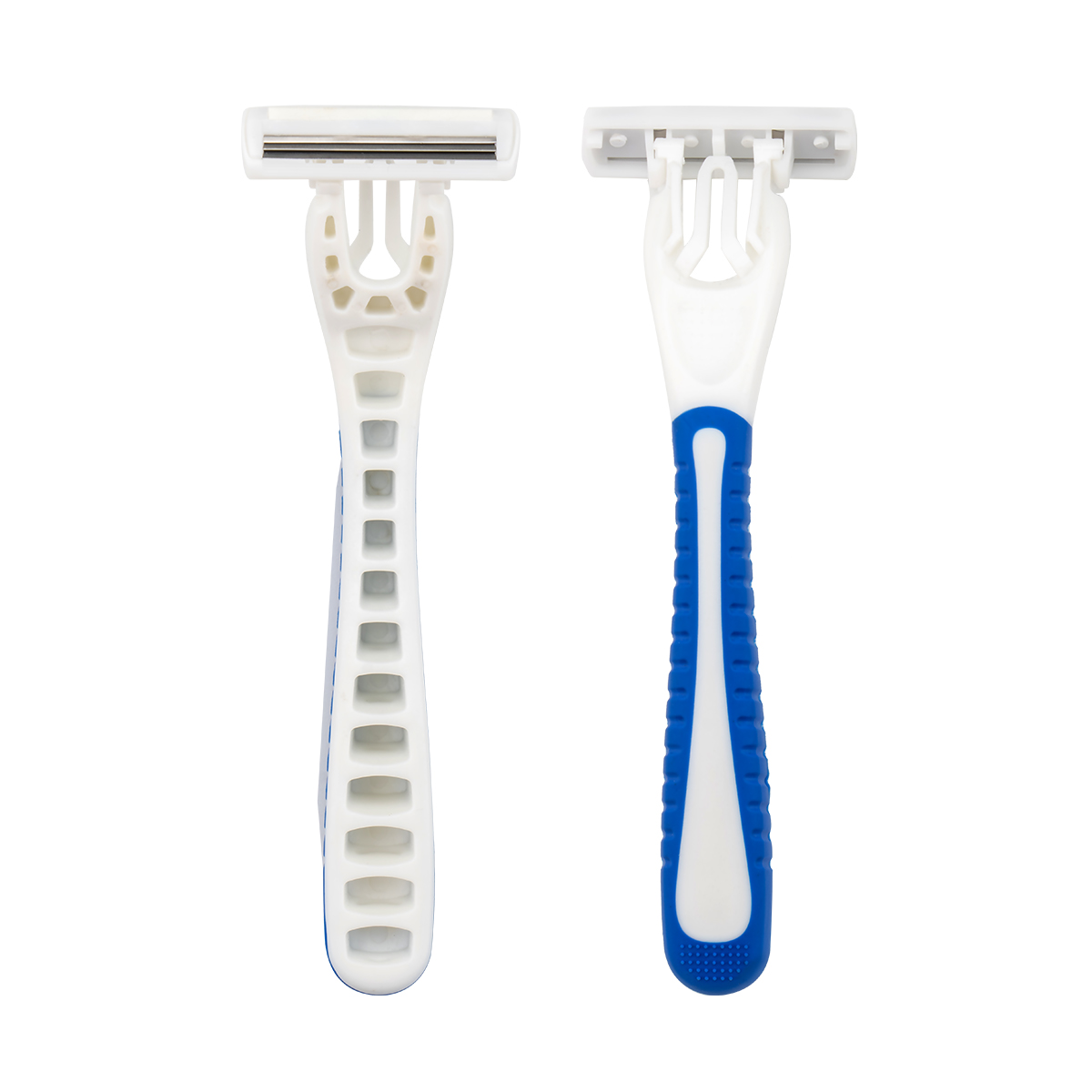
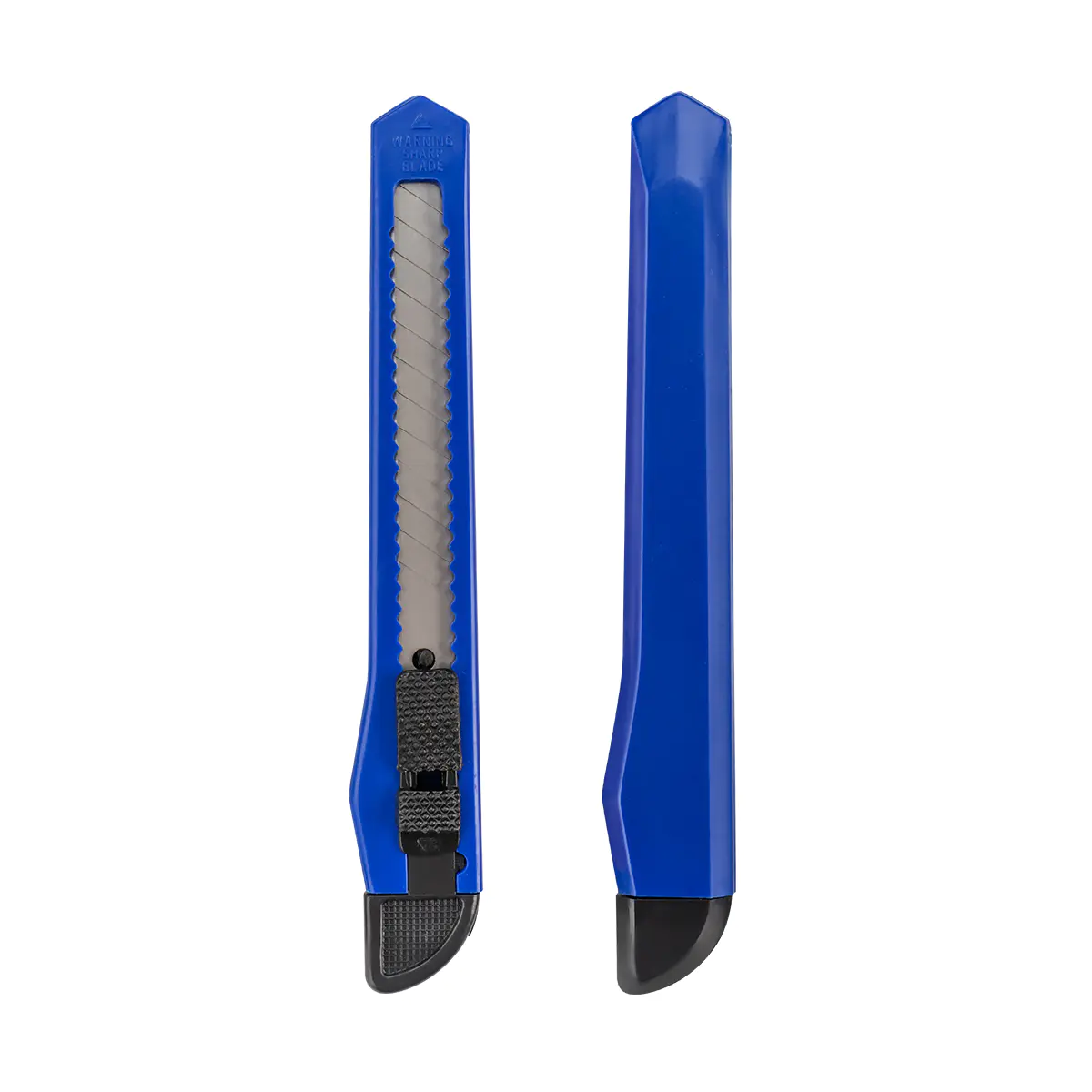
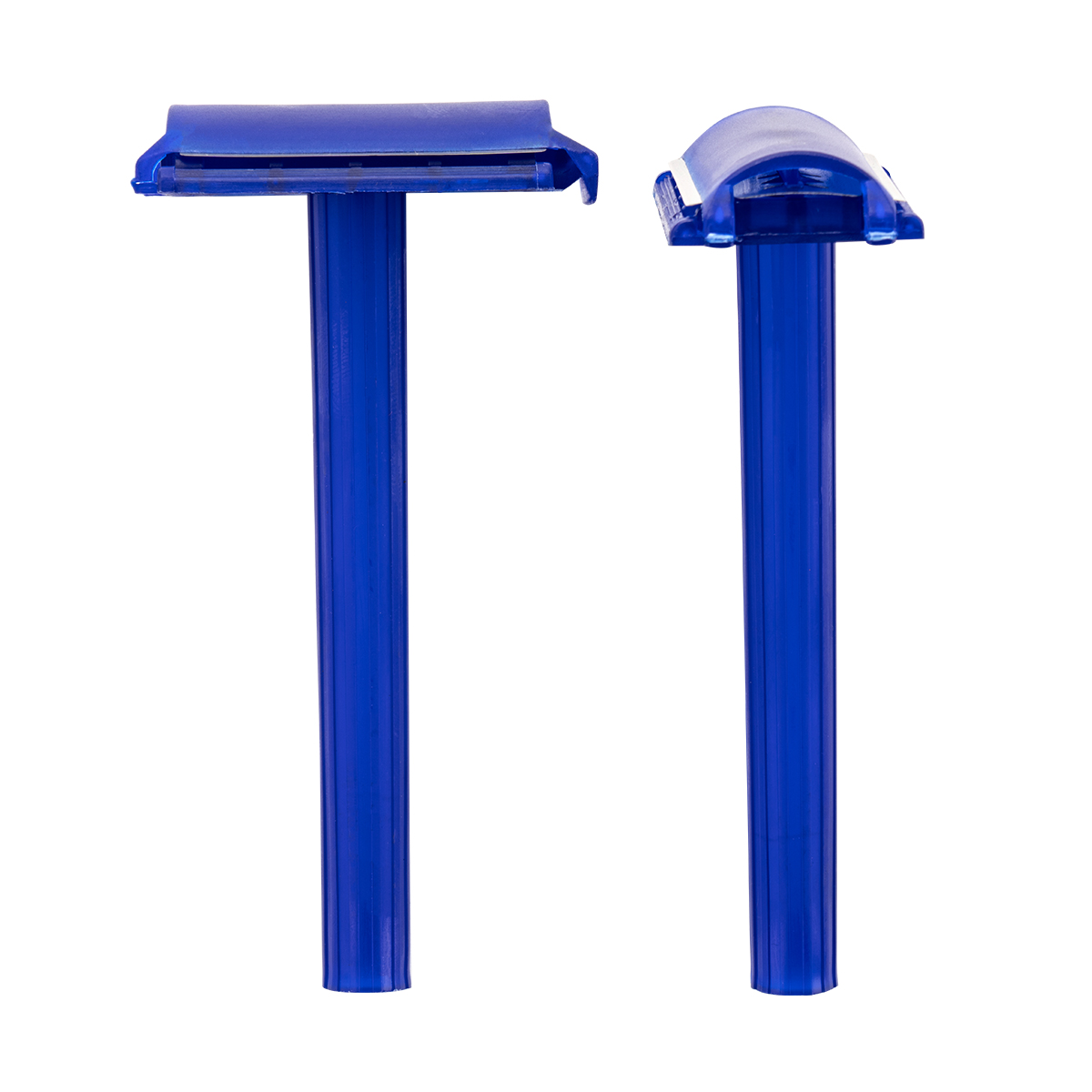

We are an industry and trade enterprise
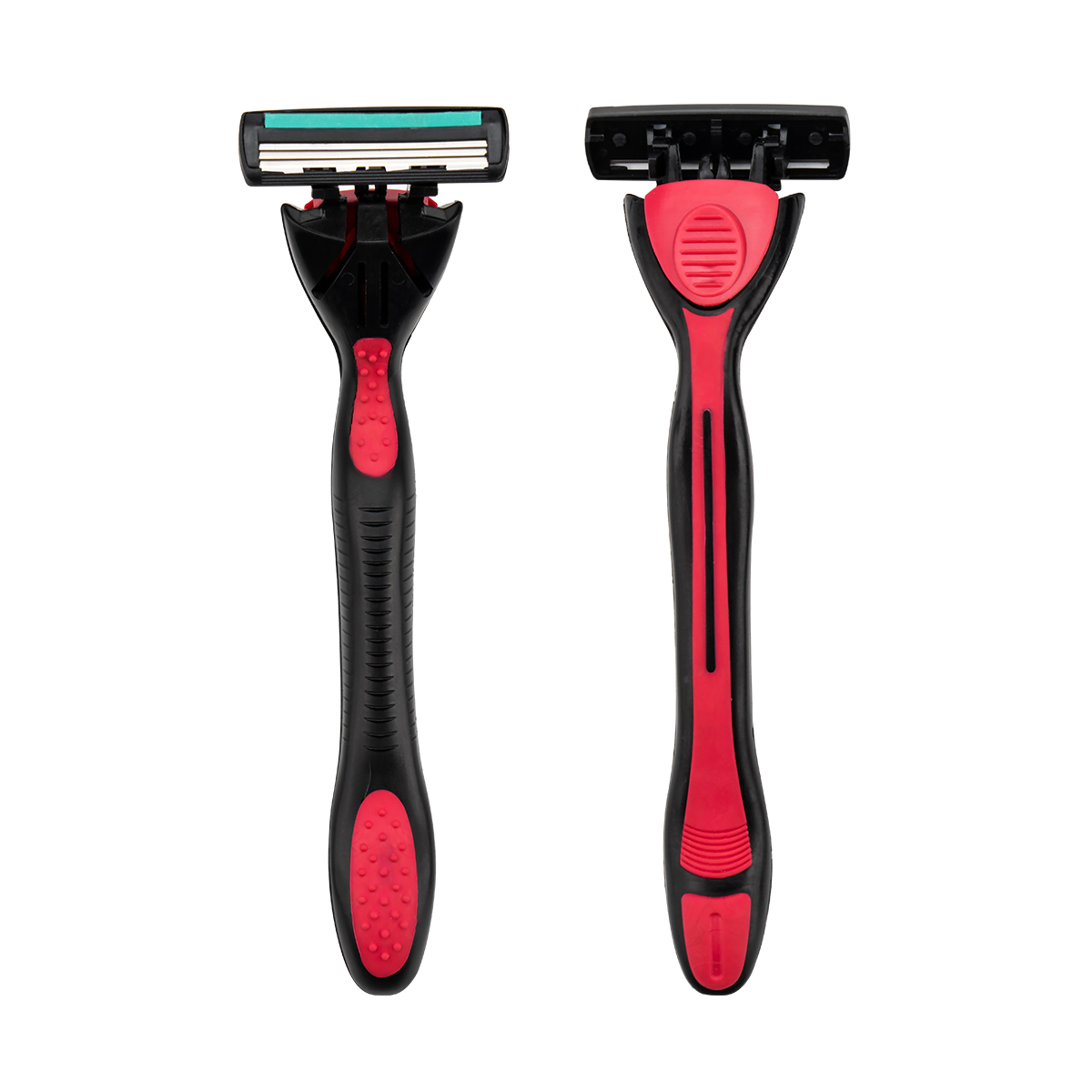
specializing in the production of disposable razors and utility knives for more than 30 years.
Auto-Lock vs. Screw-Lock: Professional Analysis of 9mm Utility Knife Locking Mechanisms
Content
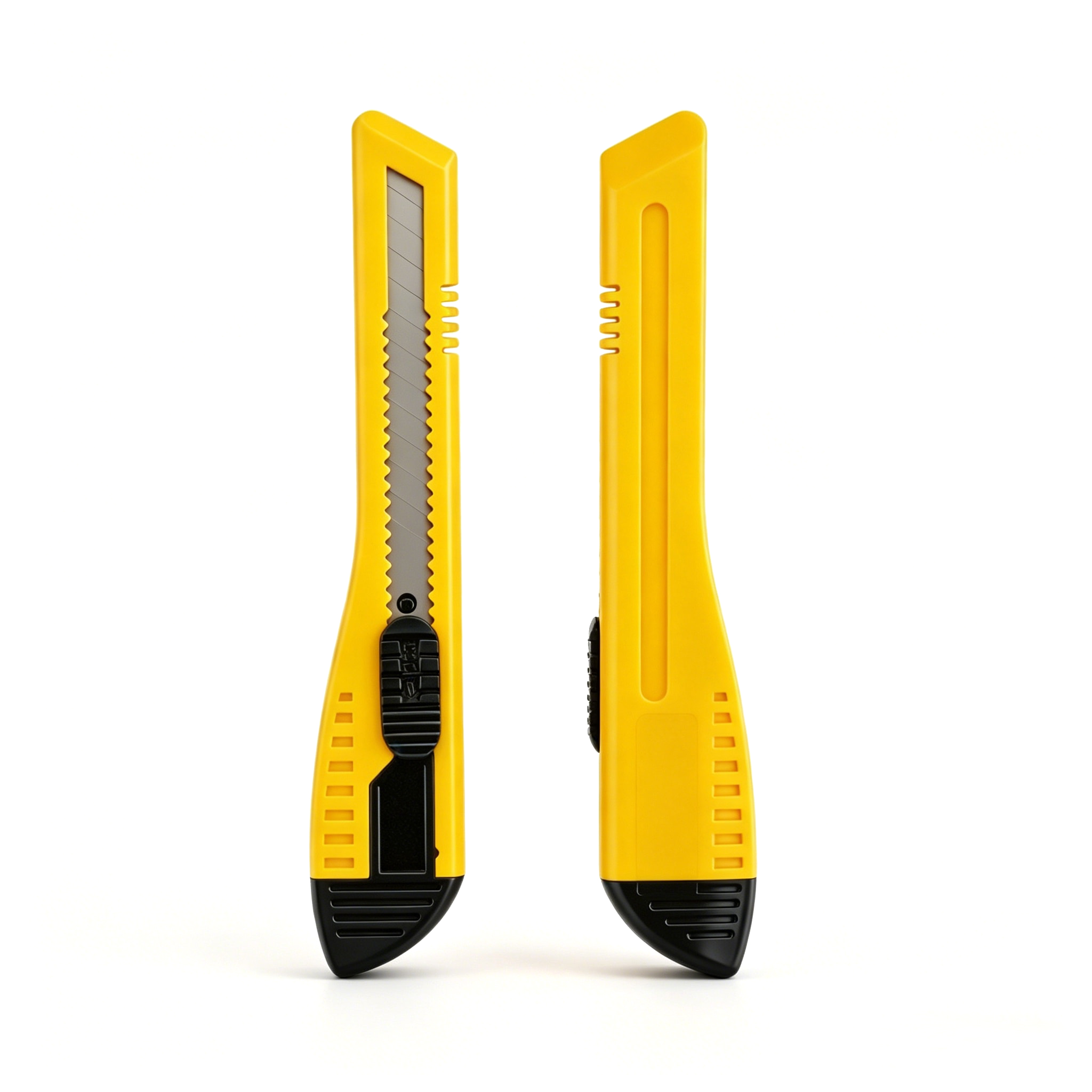
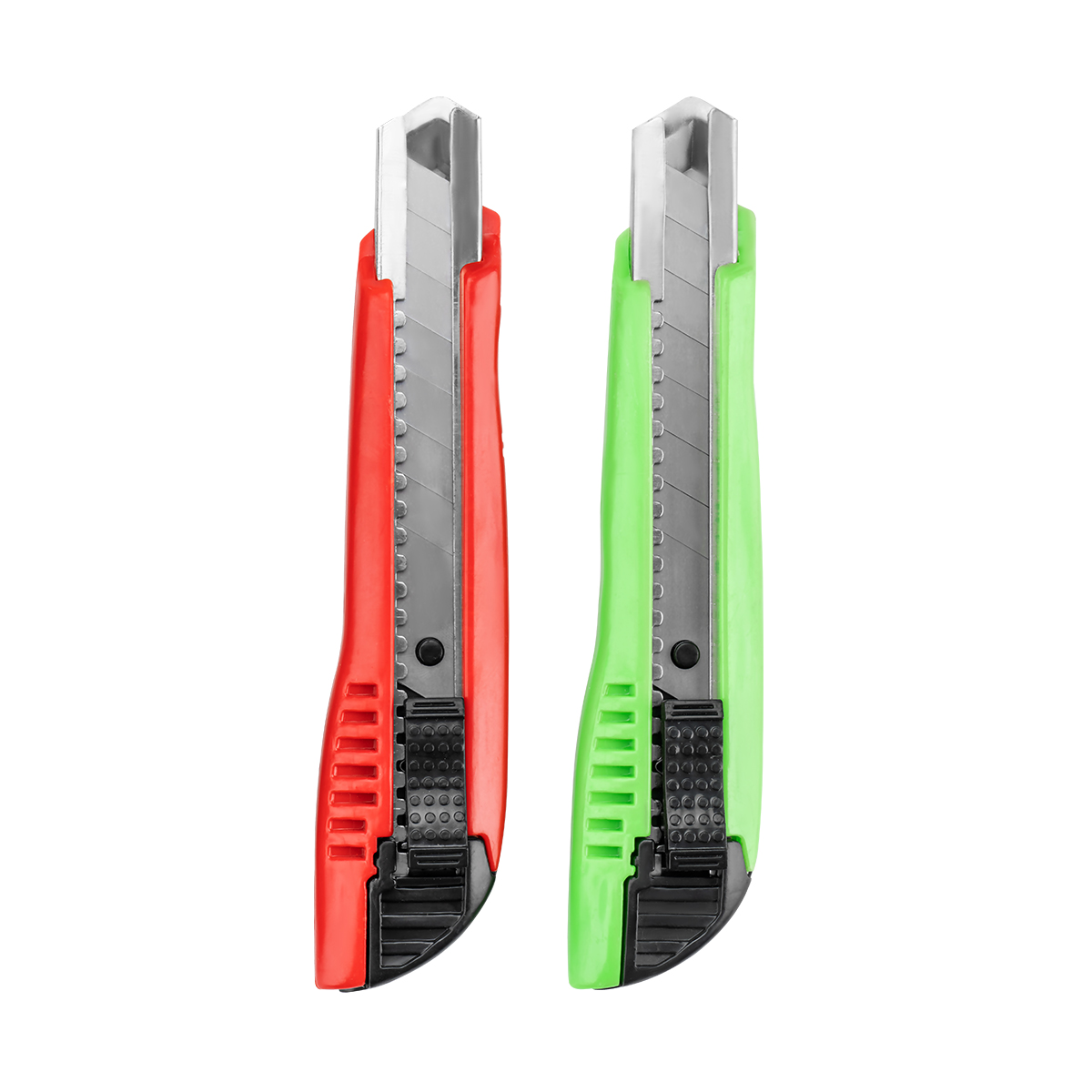
In the professional cutting tool industry, the locking mechanism of a 9mm Utility Knife determines operational safety, precision, and overall workflow efficiency. For wallpaper technicians, scale modelers, and industrial packaging specialists, the choice between Auto-Lock and Screw-Lock often depends on specific application requirements and force distribution. This analysis examines these systems through mechanical principles, load capacity, and ergonomics.
Auto-Lock Mechanism: Efficiency and One-Handed Operation
The Auto-Lock mechanism is the most prevalent design in modern 9mm Utility Knife models, centered around an elastic physical locking structure within the slider.
Mechanical Principle and Feedback
The Auto-Lock system utilizes a ratchet mechanism inside the slider that engages with positioning holes on the Stainless Steel Channel of the handle. When the user moves the slider, an internal spring plate releases to allow Blade movement. Once the finger is removed, the slider automatically clicks into the nearest positioning slot. This design provides an immediate "push and use" functionality.
Core Advantages for High-Frequency Tasks
Speed and Efficiency: In environments requiring frequent adjustment of Blade extension, such as courier unpacking or film cutting, Auto-Lock eliminates the manual steps of tightening and loosening.
One-Handed Operation: This is the primary selling point. Operators do not need to set down their materials, as the thumb alone controls the entire process from extending to retracting the blade.
Preset Locking Force: High-quality Auto-Lock systems from leading brands are typically engineered to withstand approximately 5kg of pressure, which is sufficient for the vast majority of light-duty to medium-duty cutting tasks.
Screw-Lock Mechanism: Absolute Stability Under Extreme Loads
For professionals performing Heavy-duty Cutting or requiring surgical precision, the Screw-Lock remains an indispensable tool.
Physical Locking Strength
The Screw-Lock operates on the principle of threaded compression. By manually rotating a knob, the locking device clamps the Blade directly against the metal liner. This combination of friction and physical obstruction eliminates the minute "mechanical play" found between the slider and the channel.
Core Advantages of Zero Blade Play
Zero Blade Play: Regardless of precision, Auto-Lock systems inherently possess a tiny amount of movement due to ratchet tolerances. Screw-Lock achieves a total lock, which is critical when cutting thick cardboard, PVC materials, or executing intricate straight-line cuts.
High Resistance: When encountering high-resistance materials, an Auto-Lock may fail if the impact force exceeds the spring tension, causing an accidental slip. The Screw-Lock strength is limited only by the physical integrity of the threads, offering superior safety for heavy tasks.
Custom Extension: It is not restricted by fixed positioning holes, allowing the Blade to be secured at any increment along the path for micro-adjustments.
Technical Comparison: Application-Oriented Performance
| Metric | Auto-Lock | Screw-Lock |
| Operation Speed | Extremely fast; supports blind operation | Slower; usually requires two hands |
| Locking Stability | Good (minimal vibration) | Excellent (seamless locking) |
| Max Pressure Resistance | Approx. 5kg - 8kg | 15kg+ (depends on manual tightening) |
| Recommended Users | E-commerce, Graphic Arts, Wallpapering | Construction, Leatherwork, Heavy Renovation |
| Durability | Spring may fatigue over time | Simple structure; extremely long lifespan |
Safety Considerations: Preventing Retraction and Slippage
In industrial safety evaluations, the risk associated with Auto-Lock involves potential spring failure or slider wear. If the Blade retracts unexpectedly under heavy load, the operator's hand may strike the material edge due to sudden loss of resistance.
Conversely, the risk with Screw-Lock is human error. If a user forgets to tighten the knob before cutting, the Blade remains loose. However, under standard operating procedures, the Screw-Lock provides a physical "locked-in" feel that gives professional technicians higher psychological and physical security during dangerous cuts.
Choosing the Right Mechanism for Your Project
The criteria for selecting a 9mm Utility Knife locking mechanism can be summarized: "Choose Auto-Lock for speed; choose Screw-Lock for power and precision."
If the workflow involves high-frequency, light-pressure repetitive tasks, the efficiency of Auto-Lock translates directly into productivity. If the task requires deep cutting into hard or thick substrates, emphasizing the Screw-Lock stability and safety is key to reducing operational errors and maintaining professional standards.
Recommended Product
Recommended News

Keep In Touch
 No. 2-2, Oufu Road, Zhangting Town, Yuyao City, Ningbo City, Zhejiang, China.
 +86-574-87560886/87560055
 +86-574-87560885
Copyright © Ningbo Chuangxin Cutting-Tool Manufacture Co., Ltd.
