

 English
 中文简体
中文简体 русский
 Español


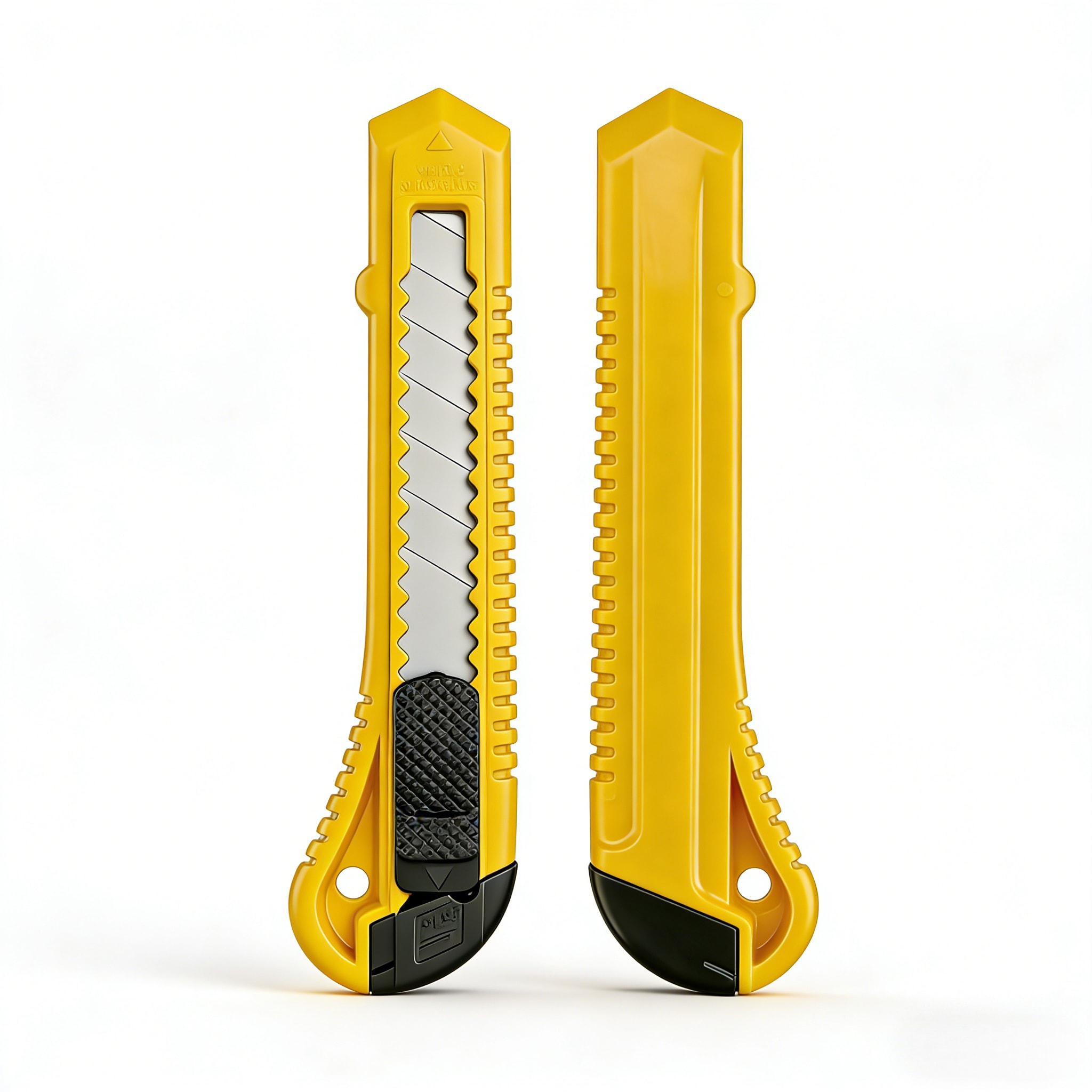
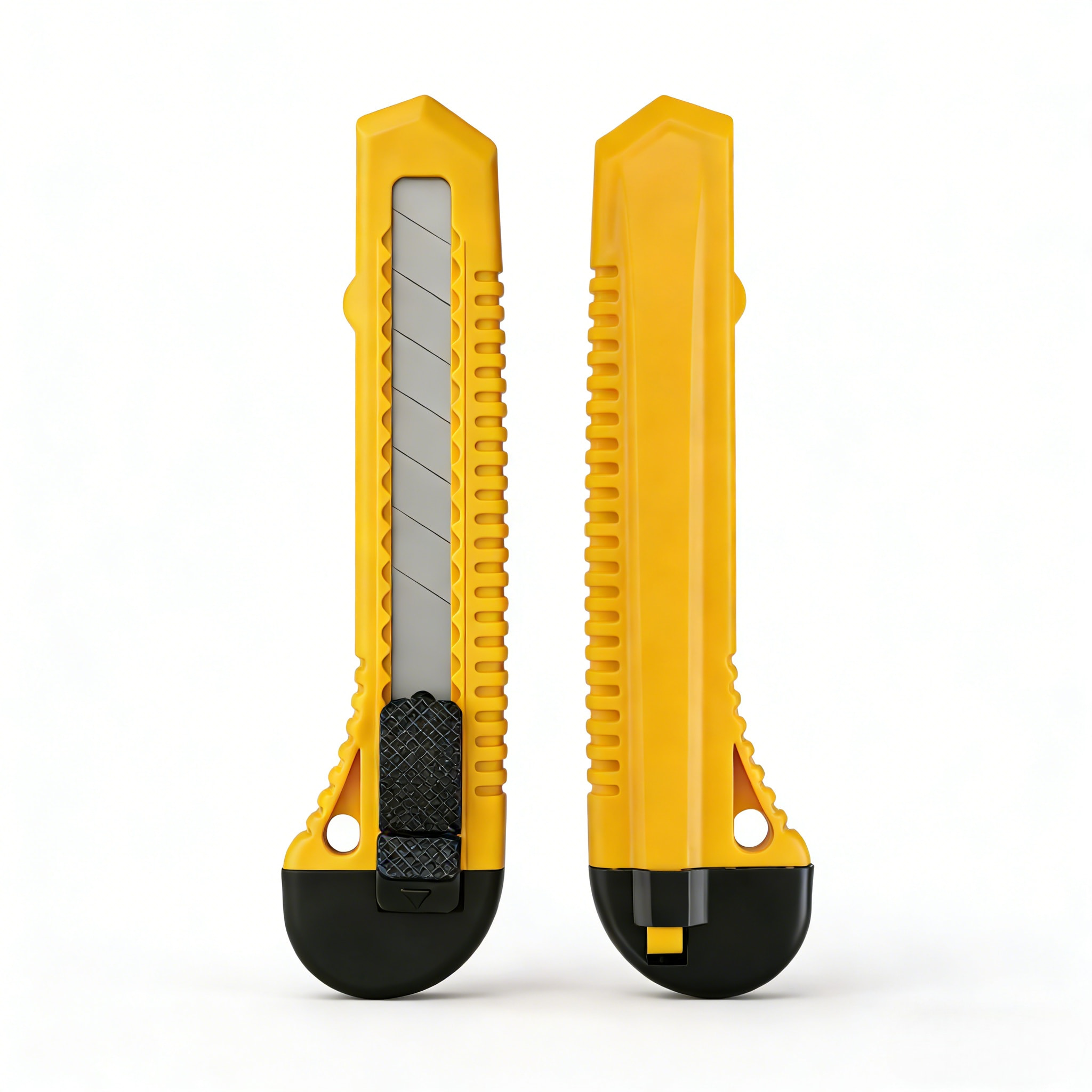
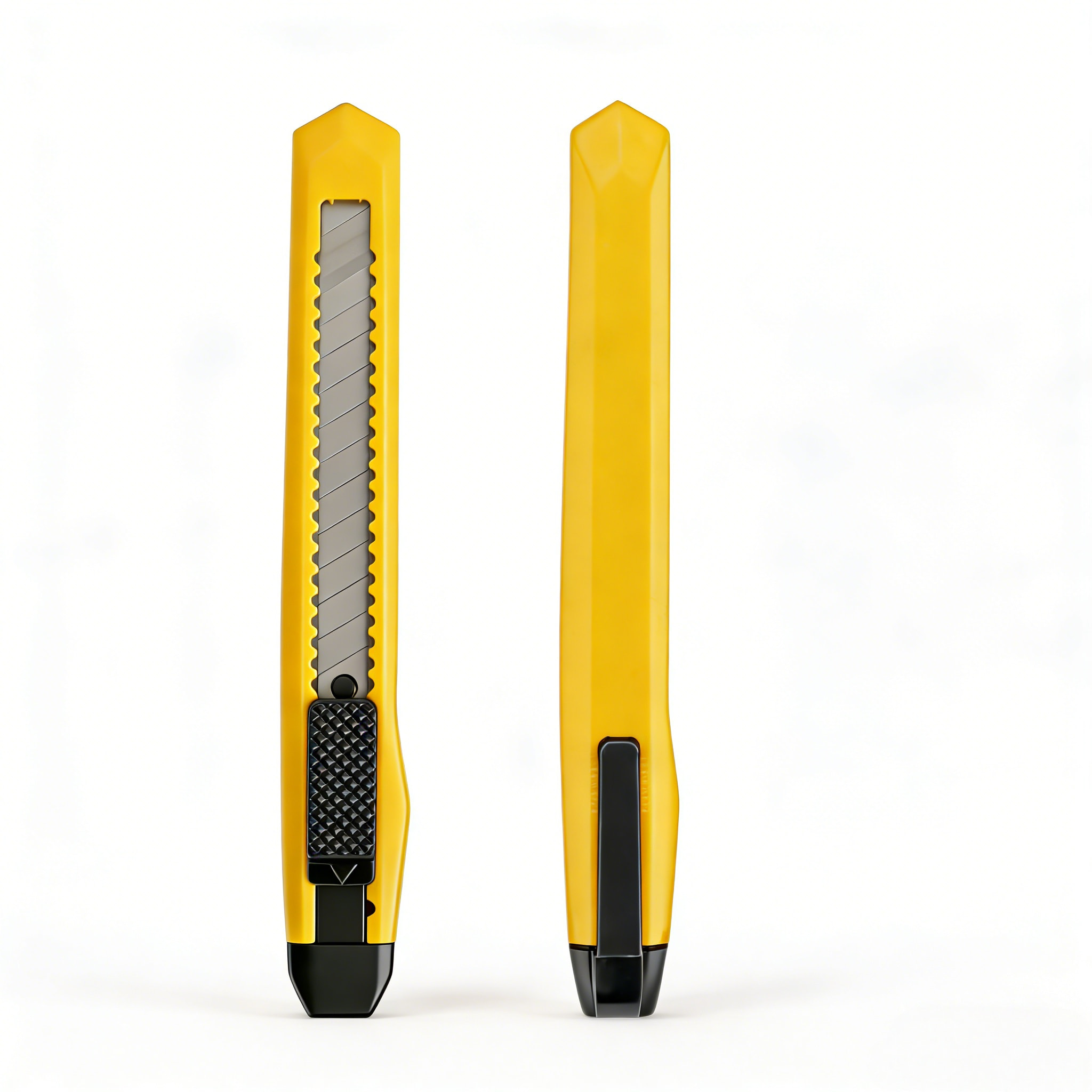
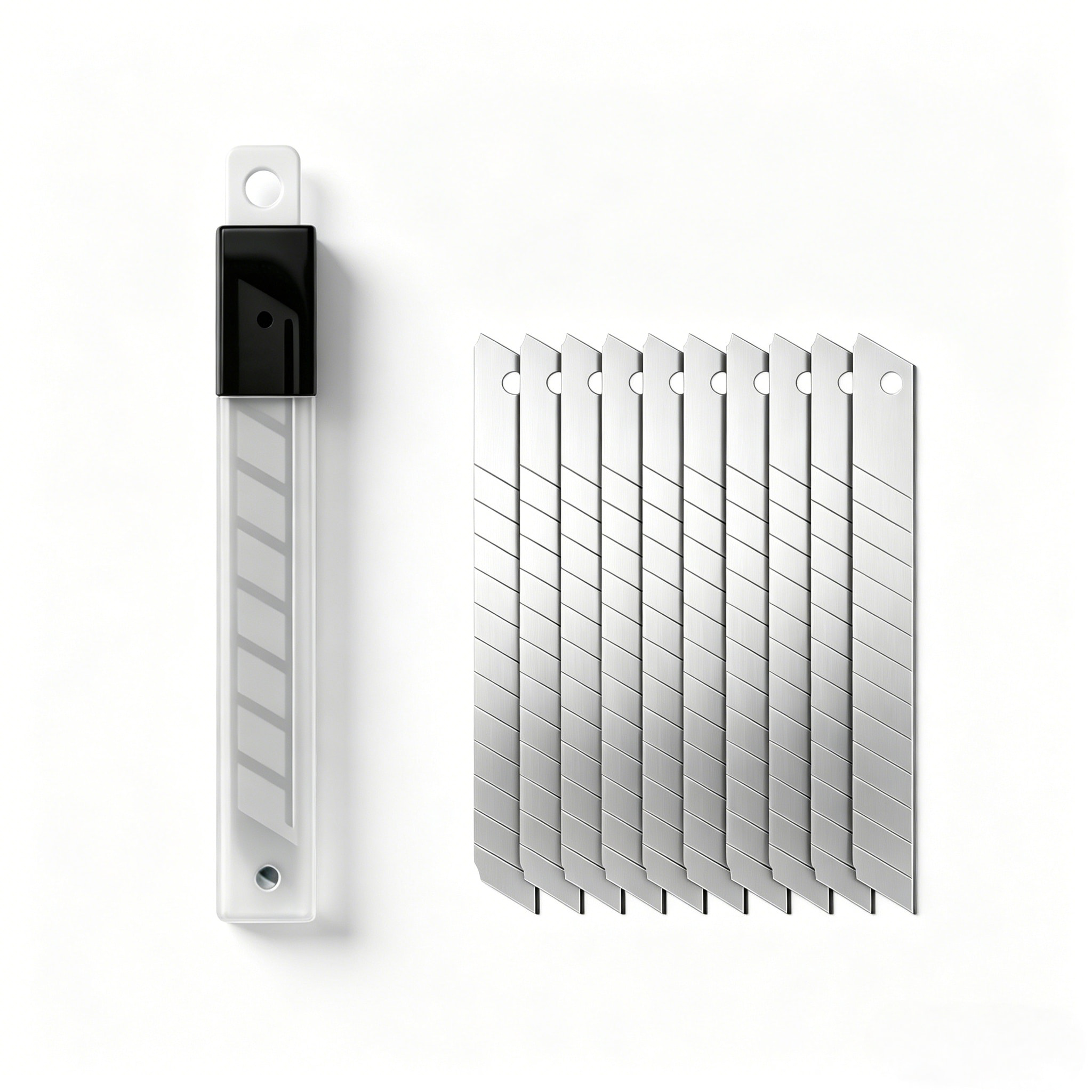
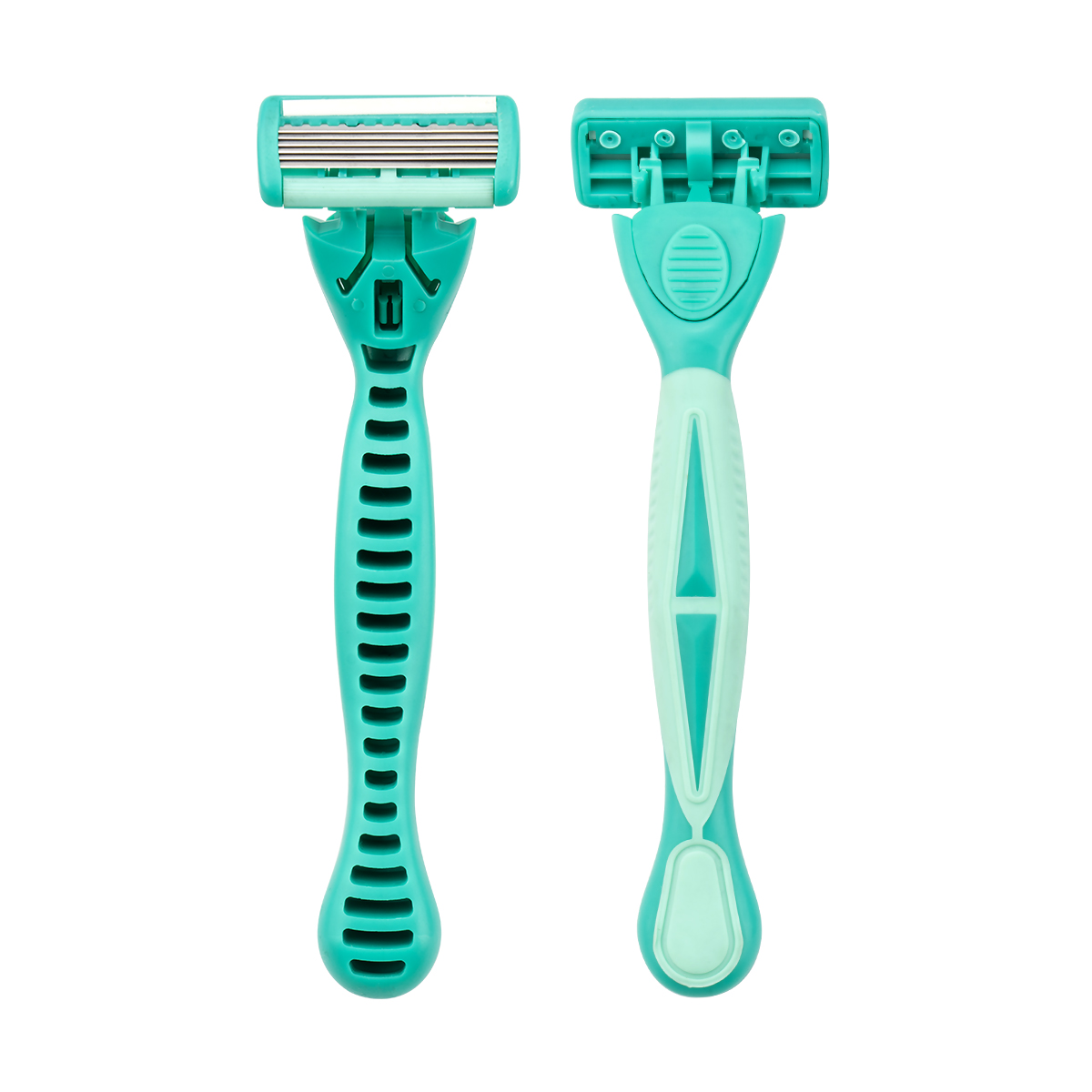
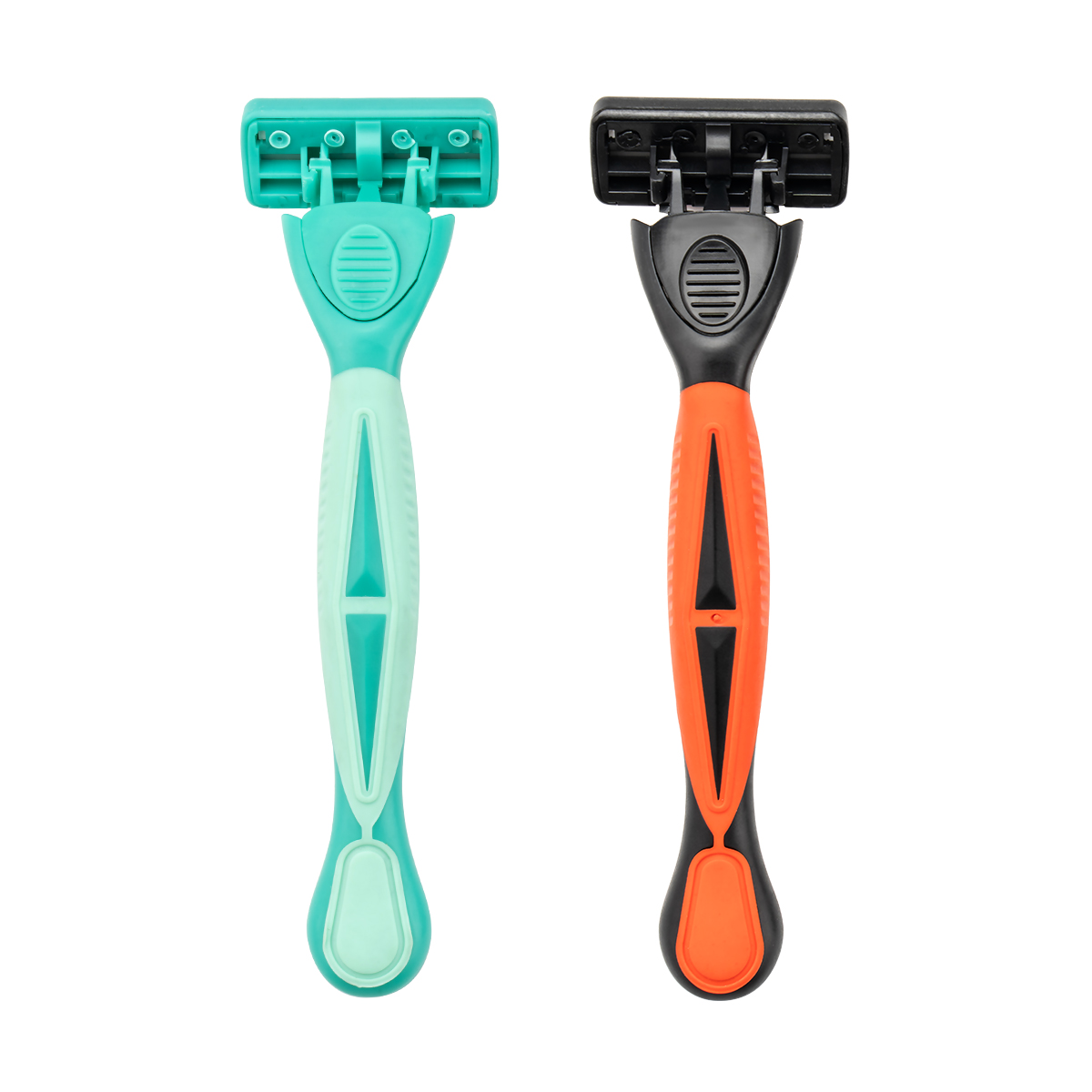
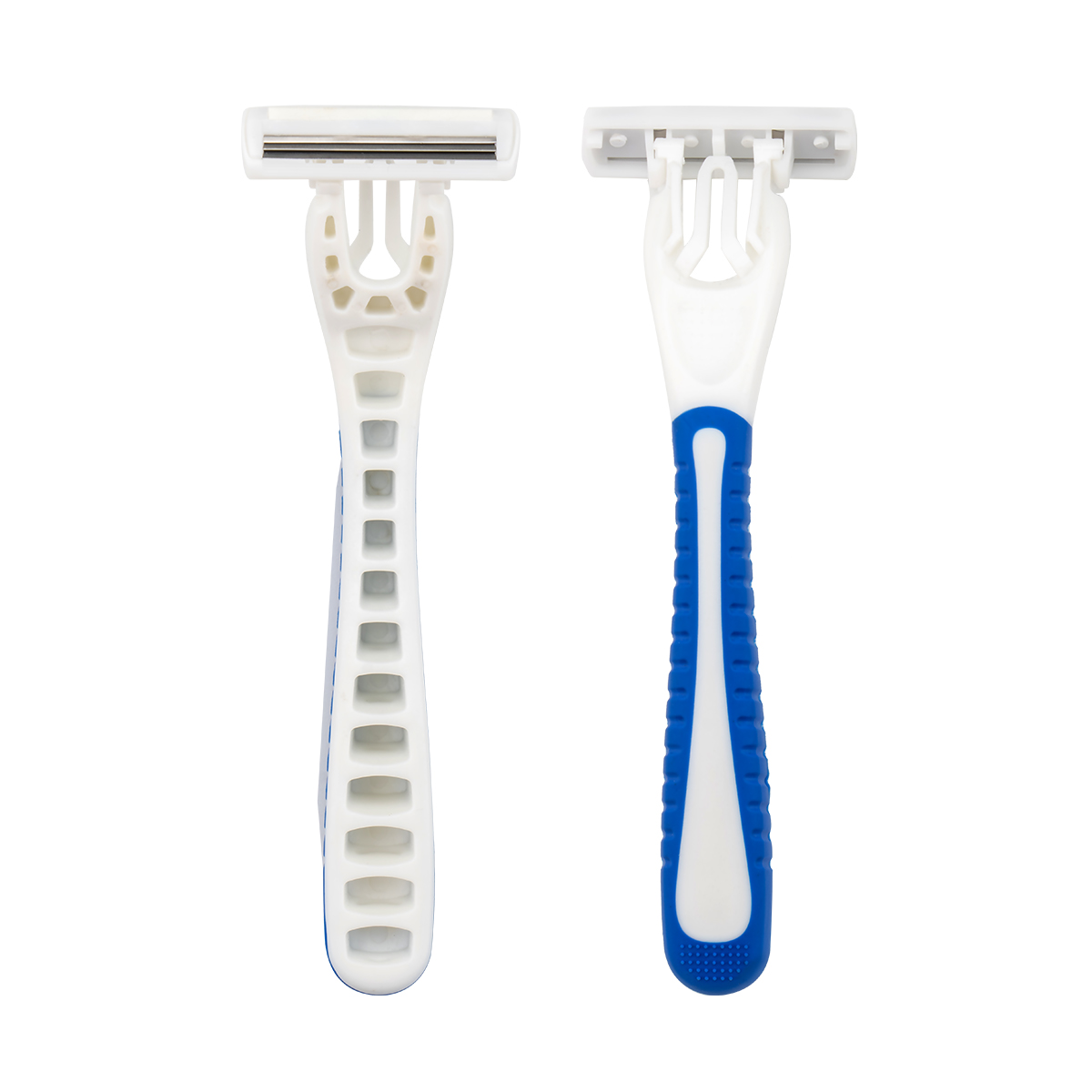
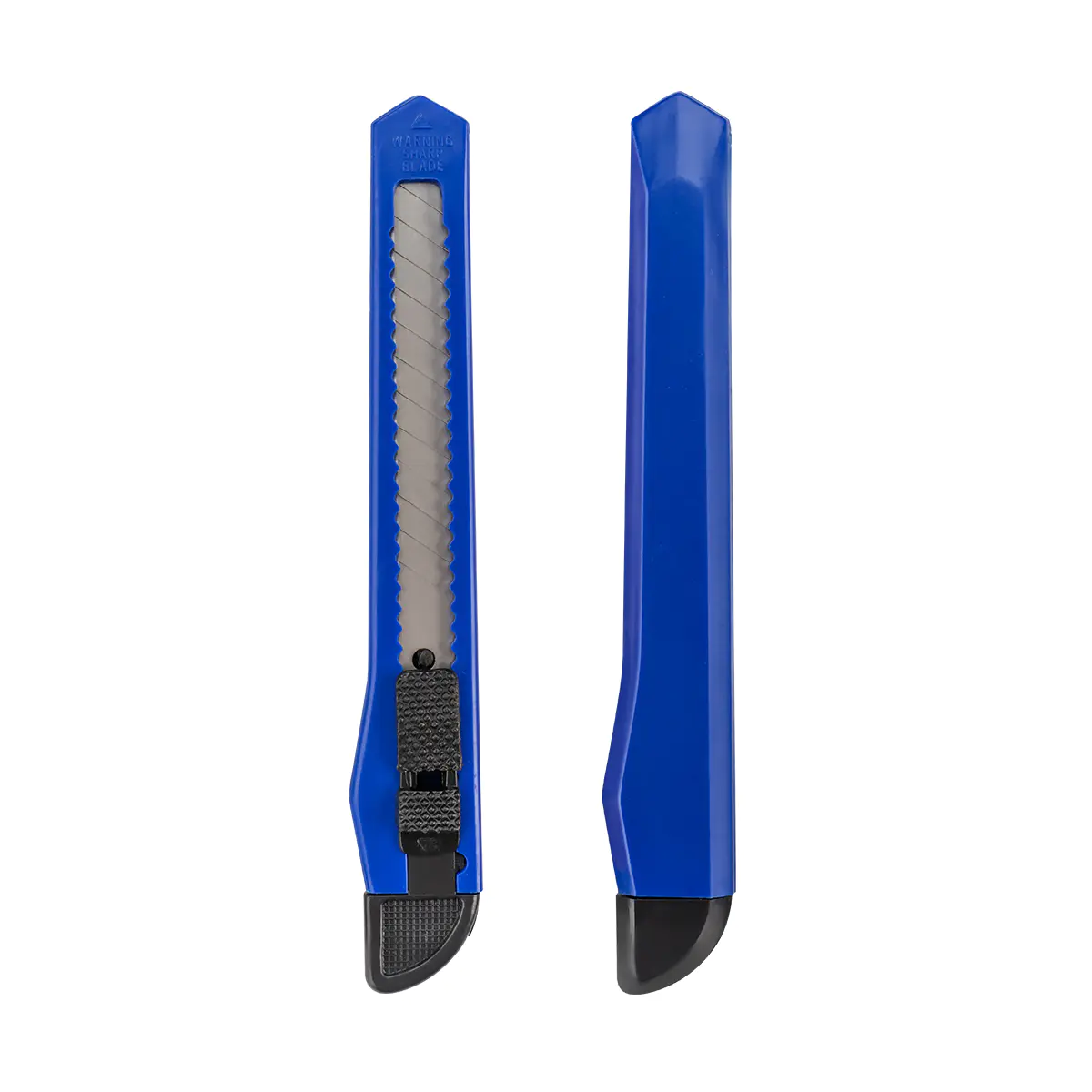

We are an industry and trade enterprise
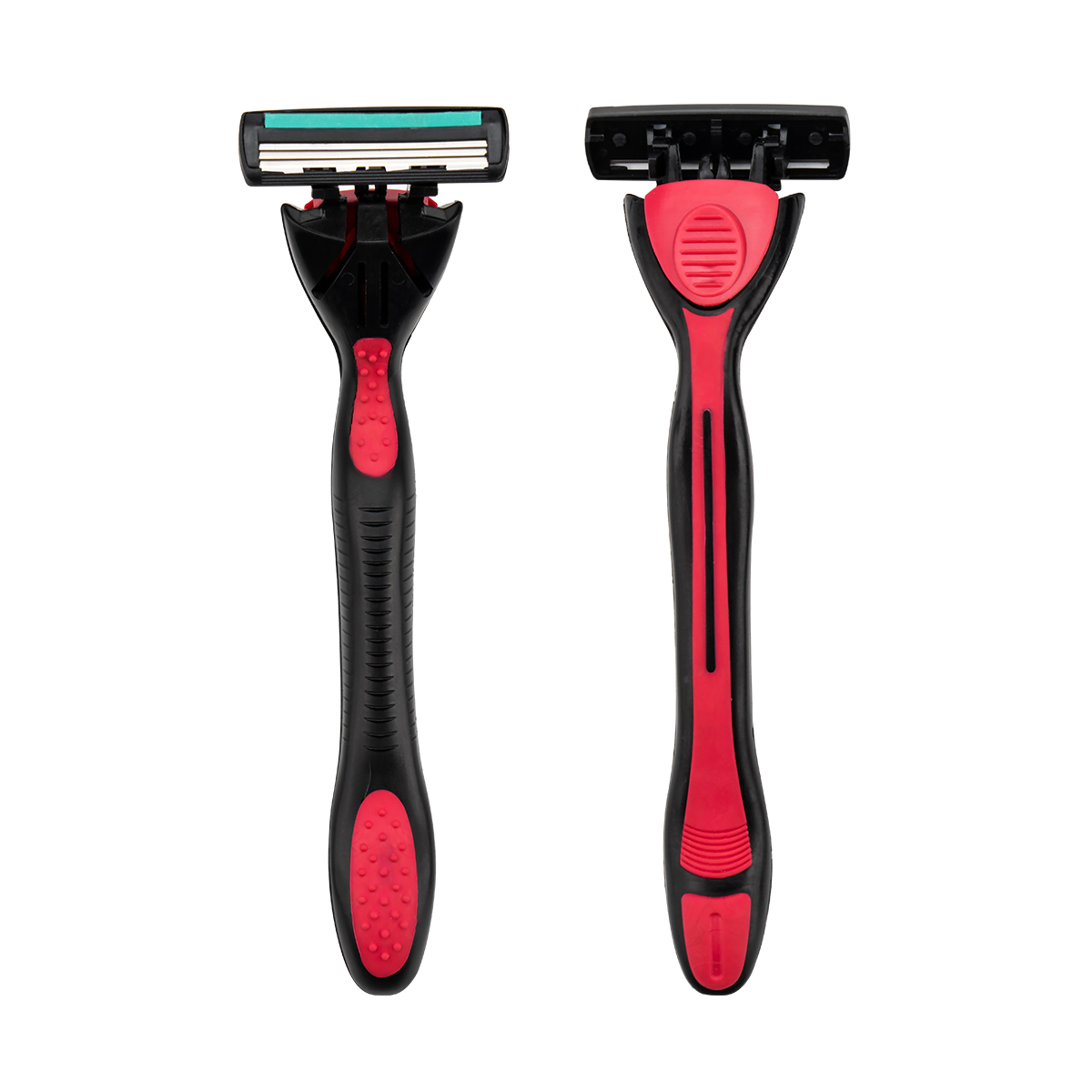
specializing in the production of disposable razors and utility knives for more than 30 years.
Stainless Steel vs. Rubber Grip: Performance Analysis of 9mm Utility Knife Body Construction
Content
- 1 Stainless Steel All-Metal Body: Ultimate Rigidity and Industrial Durability
- 2 Rubber Grip Design: Ergonomics and Long-Term Handling Comfort
- 3 Technical Comparison: Material Performance Metrics
- 4 Professional Selection Logic Based on Working Environment
- 5 Impact of Manufacturing Quality on Product Value
In the industrial cutting sector, a 9mm Utility Knife is a fusion of ergonomic design and material science. When selecting a cutting tool, Stainless Steel (All-Metal Body) and Rubber Grip (Bi-Material Handle) represent two distinct design philosophies. This professional analysis explores the differences in durability, haptic feedback, and environmental adaptability between these two manufacturing processes.
Stainless Steel All-Metal Body: Ultimate Rigidity and Industrial Durability
The Stainless Steel construction typically refers to a tool where the primary handle housing is manufactured from high-grade stainless steel through precision stamping or casting, without additional composite materials.
Structural Integrity and Impact Resistance
Because there is no joining of dissimilar materials, an all-metal 9mm Utility Knife possesses superior physical rigidity. This design eliminates the risk of stress cracking often found at the junction of plastic and metal. During drop tests or under heavy compression, the stainless steel exterior effectively protects the internal Blade Channel, ensuring the blade sliding track remains unobstructed by external deformation.
Chemical Stability in Extreme Environments
In painting, chemical, or precision cleaning industries, tools frequently come into contact with solvents such as thinners, alcohol, or lubricants. A Stainless Steel handle offers excellent corrosion resistance and does not swell, become tacky, or degrade like many polymers. For laboratory environments requiring regular high-temperature sterilization or chemical wiping, a full metal structure is the only compliant choice.
Minimalism and Ease of Cleaning
The integrated exterior surface is smooth and nearly free of crevices. This allows residues from adhesive materials, such as tape or sealants, to be easily scraped or washed away, significantly reducing the risk of cross-contamination during specialized tasks.
Rubber Grip Design: Ergonomics and Long-Term Handling Comfort
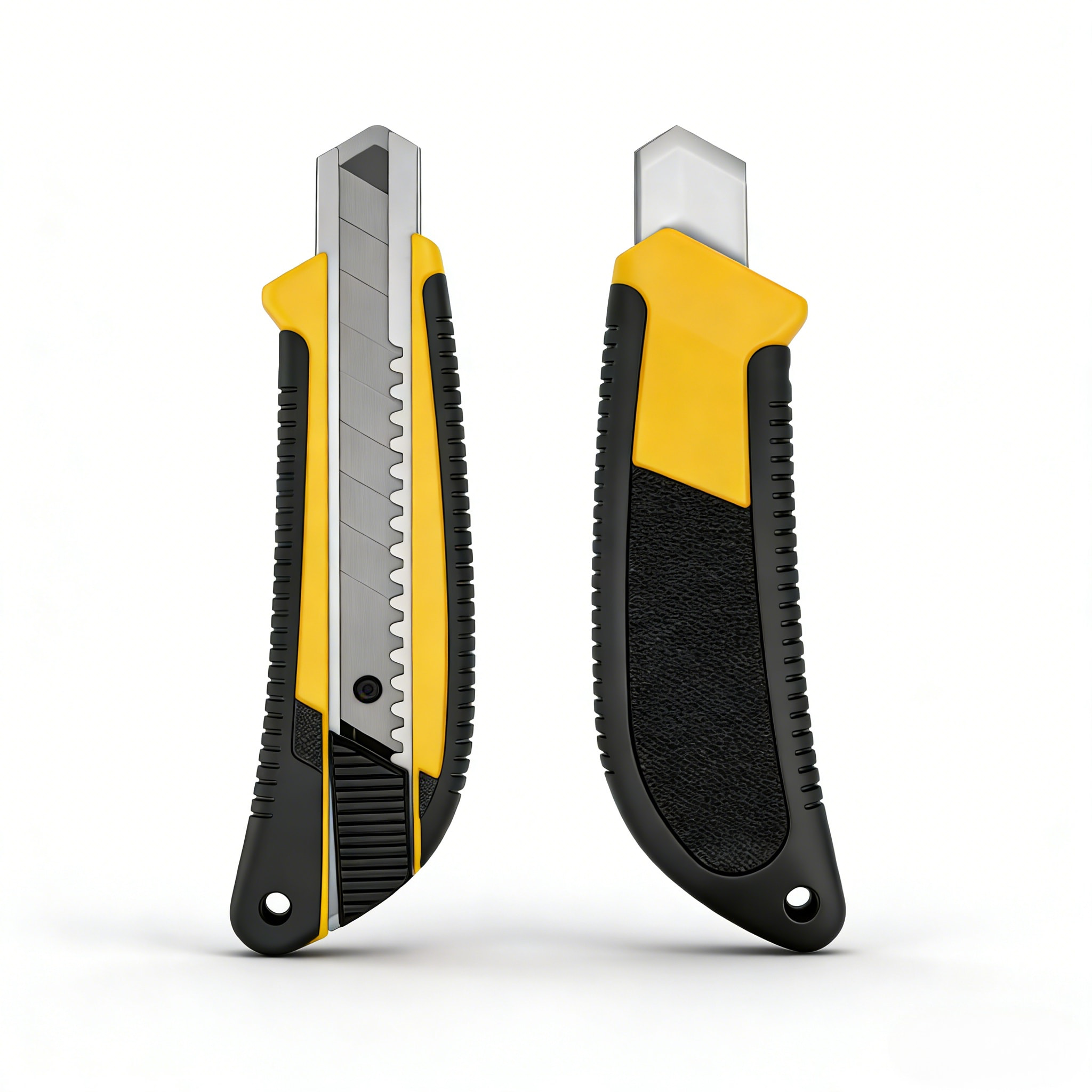
A Rubber Grip (typically made of Thermoplastic Elastomer or synthetic rubber) is produced through a secondary injection molding process, adding a soft layer over a metal liner or rigid plastic base.
Vibration Damping and Pressure Distribution
During high-frequency or high-intensity cutting operations, rigid materials can place sustained pressure on the nerves of the palm. A high-quality Rubber Grip absorbs micro-vibrations generated during cutting and evenly distributes the downward pressure of the fingers. This design significantly reduces muscle fatigue and the risk of repetitive strain injuries during long shifts.
Superior Friction and Anti-Slip Performance
In damp, sweaty, or oily working conditions, a Stainless Steel surface may suffer from reduced resistance, leading to slippage and increased accident risks. Rubber Grip designs usually incorporate anti-slip textures to provide maximum traction. Even when wearing heavy work gloves, the operator can maintain a precise sense of Blade penetration force and direction.
Thermal Insulation and Tactile Feedback
Metal materials have high thermal conductivity; in extremely cold or hot outdoor environments, direct contact with a metal handle causes significant discomfort. The rubber layer acts as an effective thermal insulator, ensuring the tool maintains a "consistent feel" across various climates.
Technical Comparison: Material Performance Metrics
| Metric | Stainless Steel Body | Rubber Grip |
| Mechanical Strength | Extreme; resistant to deformation | Moderate; depends on internal liner |
| Chemical Resistance | Excellent; ignores most solvents | Variable; some solvents degrade rubber |
| Grip Comfort | Hard; prone to fatigue over time | Excellent; ergonomic cushioning |
| Sanitation Level | High; easy to disinfect | Lower; crevices can trap debris |
| Anti-Slip Performance | Relies on surface brushing/texture | Inherent material friction |
| Service Life | Extremely long; no aging issues | Moderate; rubber may peel or age |
Professional Selection Logic Based on Working Environment
Choosing between these two processes is not a matter of simple superiority but rather a precise match for the Application Scene.
For laboratories, cleanrooms, or precision electronic assembly, the Stainless Steel body is the preferred choice. Its zero-pollution, non-volatile, and easy-to-clean characteristics meet high environmental standards, and the 9mm compact size combined with the metal tactile feel provides clearer feedback for micron-level precision cutting.
For construction renovation, leather processing, or heavy-duty packaging, a Rubber Grip is the more productive choice. When the task requires frequently cutting through heavy coverings or sustained handling, the cushioning effect provided by the rubber is a necessary condition for maintaining work quality and preventing occupational health issues.
Impact of Manufacturing Quality on Product Value
From a manufacturing perspective, high-quality Stainless Steel stamping requires precise mold control to ensure the Blade Channel tolerances are minimal, preventing blade wobble. Conversely, premium Rubber Grip handles depend on the bonding strength of the injection process to prevent delamination under heavy loads. Clearly defining these processes helps users reach the target product through specific searches like "Anti-slip 9mm knife" or "All-steel utility cutter," effectively establishing professional trust.
Recommended Product
Recommended News

Keep In Touch
 No. 2-2, Oufu Road, Zhangting Town, Yuyao City, Ningbo City, Zhejiang, China.
 +86-574-87560886/87560055
 +86-574-87560885
Copyright © Ningbo Chuangxin Cutting-Tool Manufacture Co., Ltd.
