

 English
 中文简体
中文简体 русский
 Español


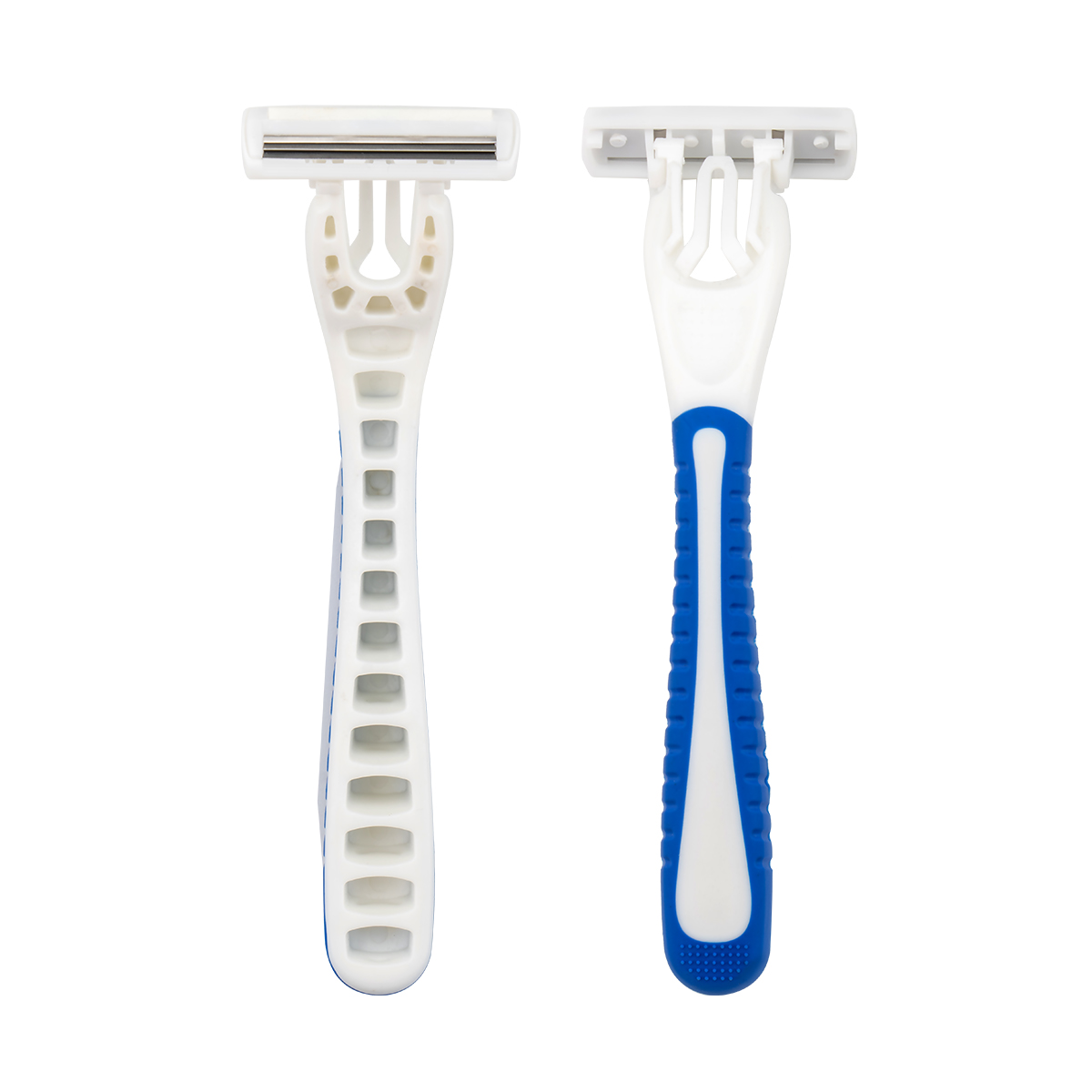
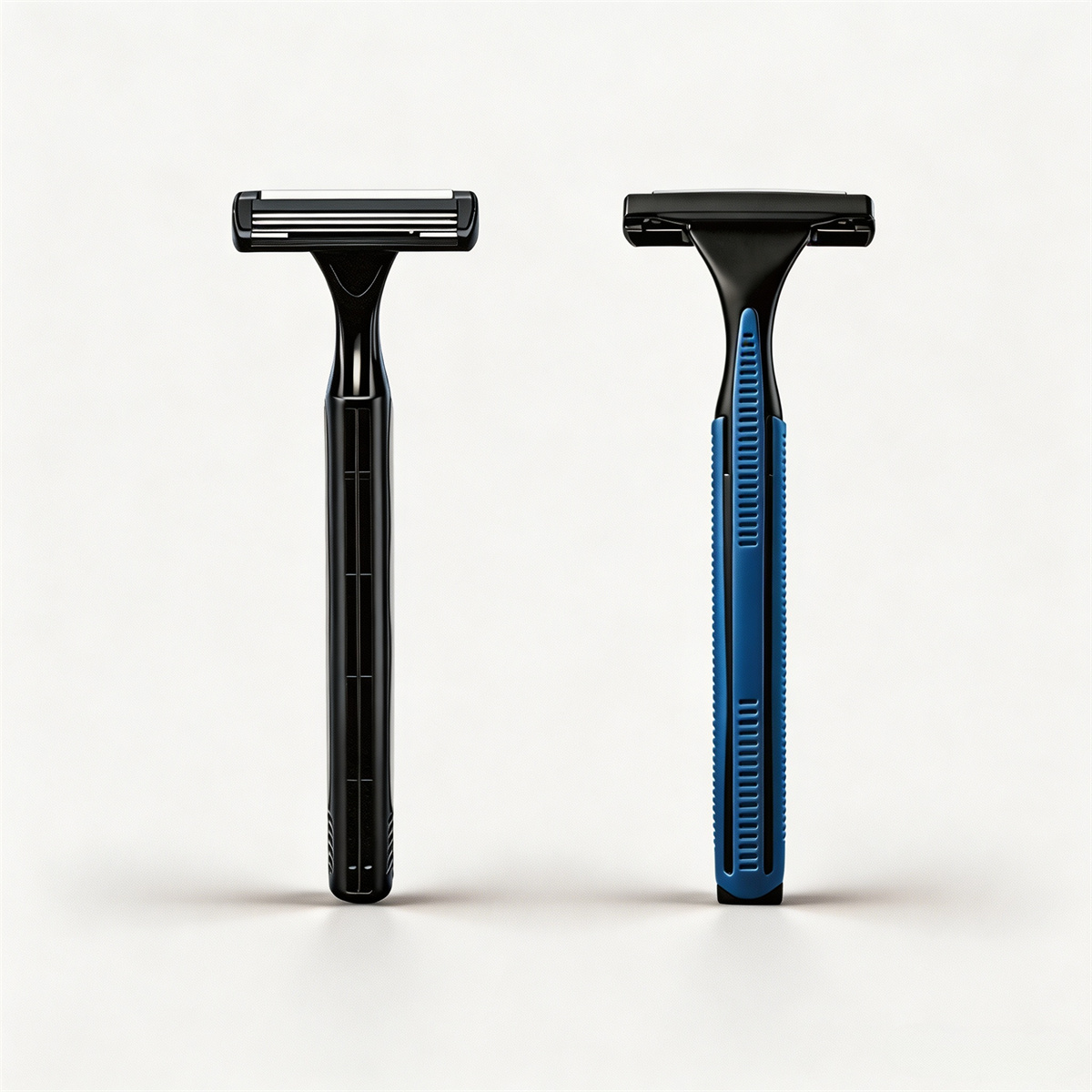
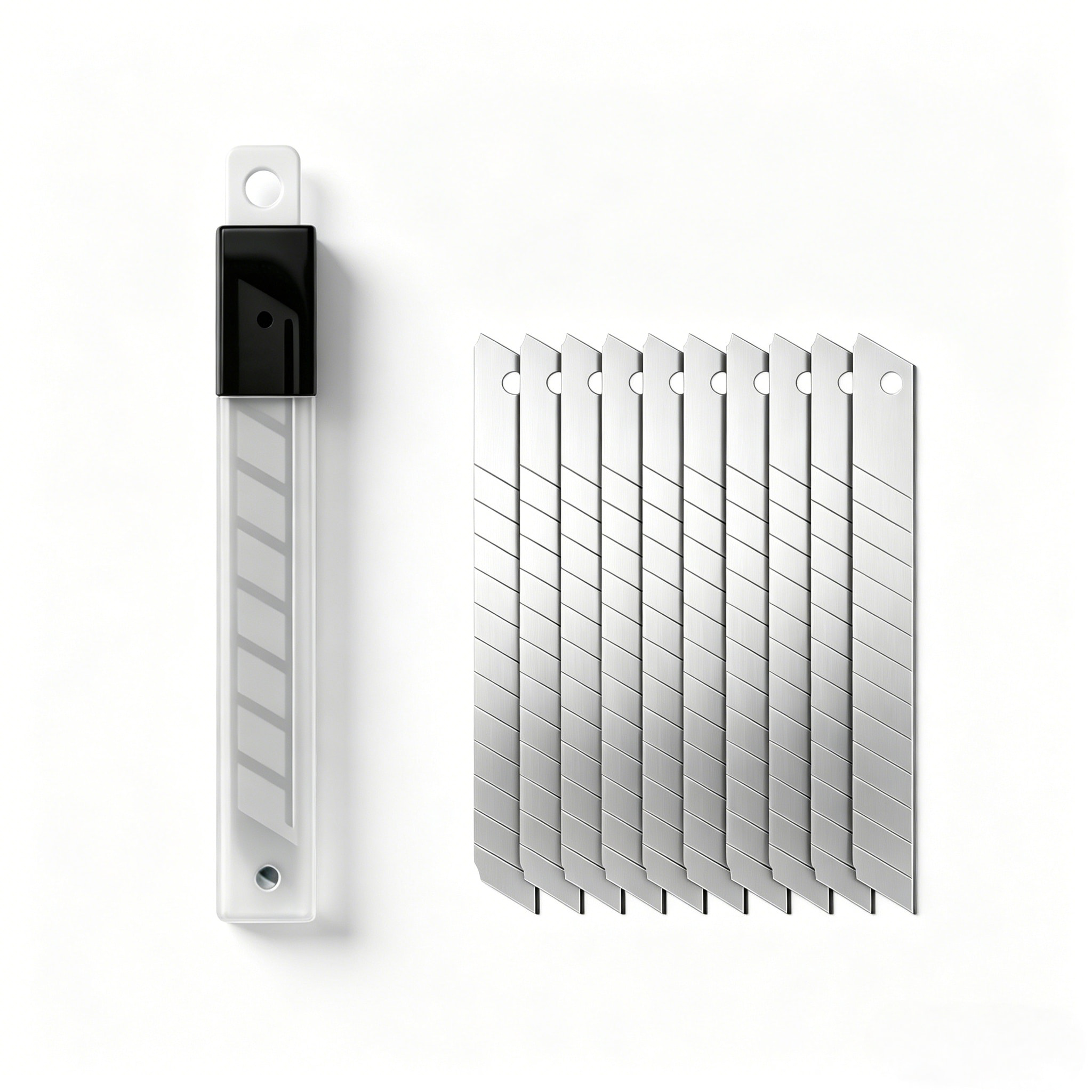
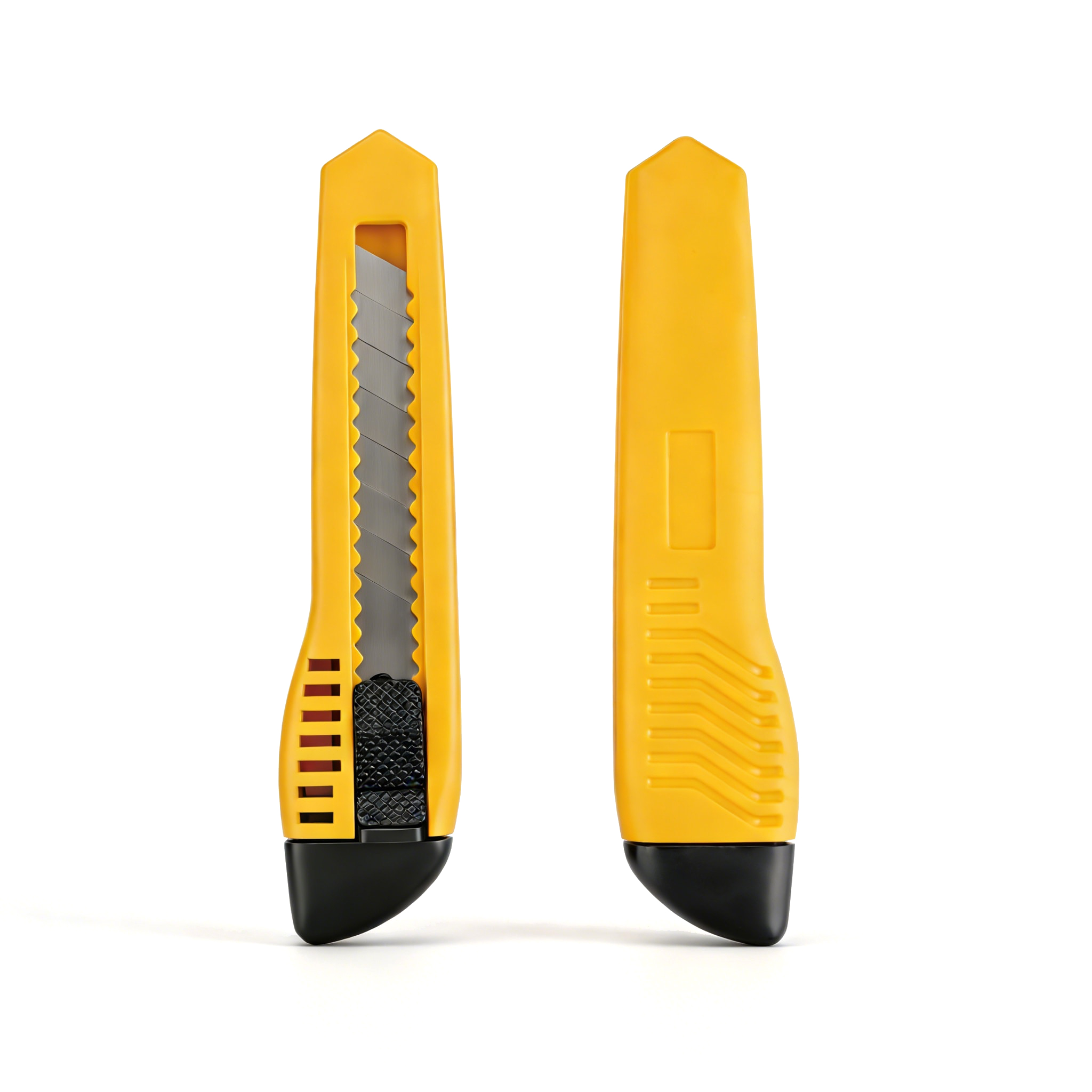
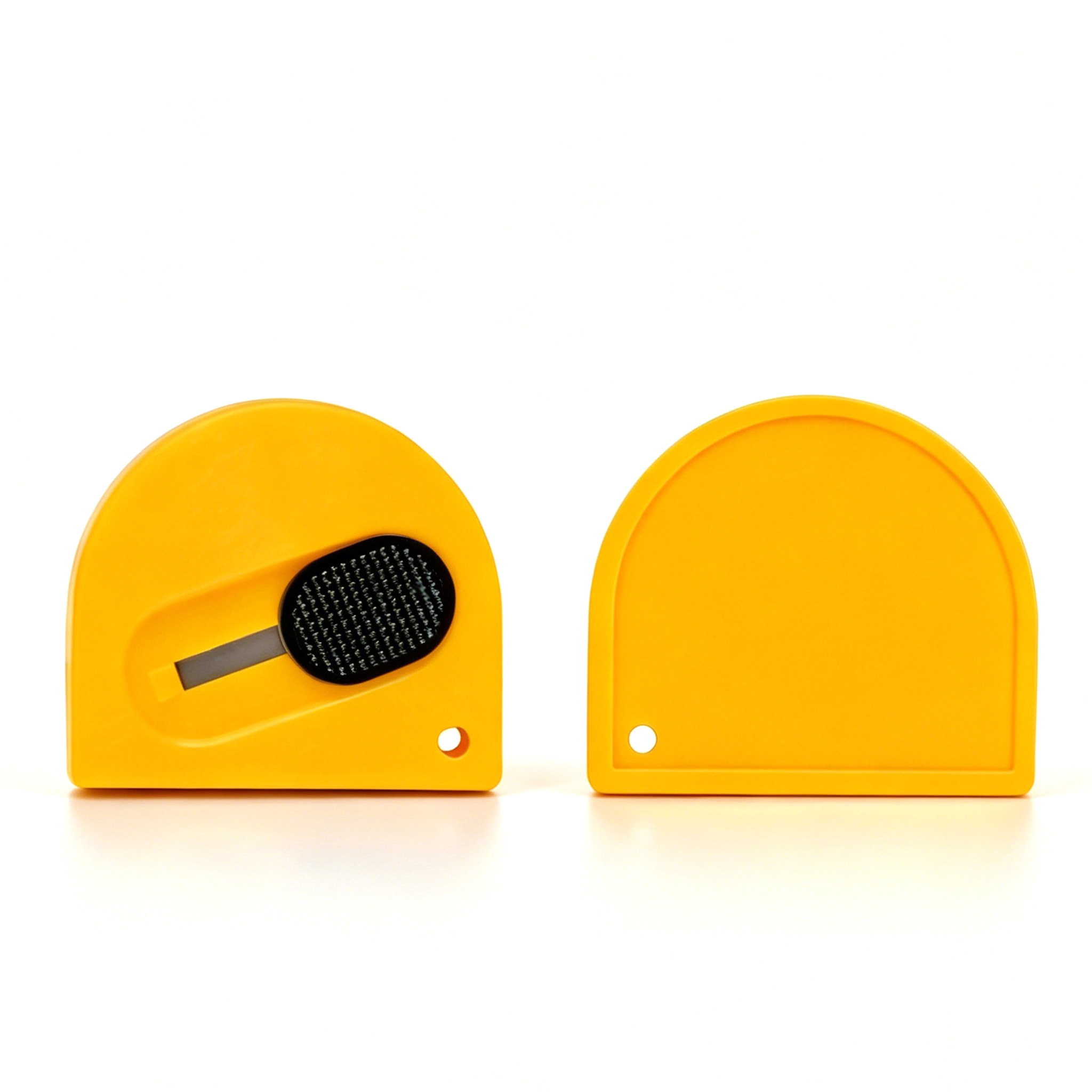
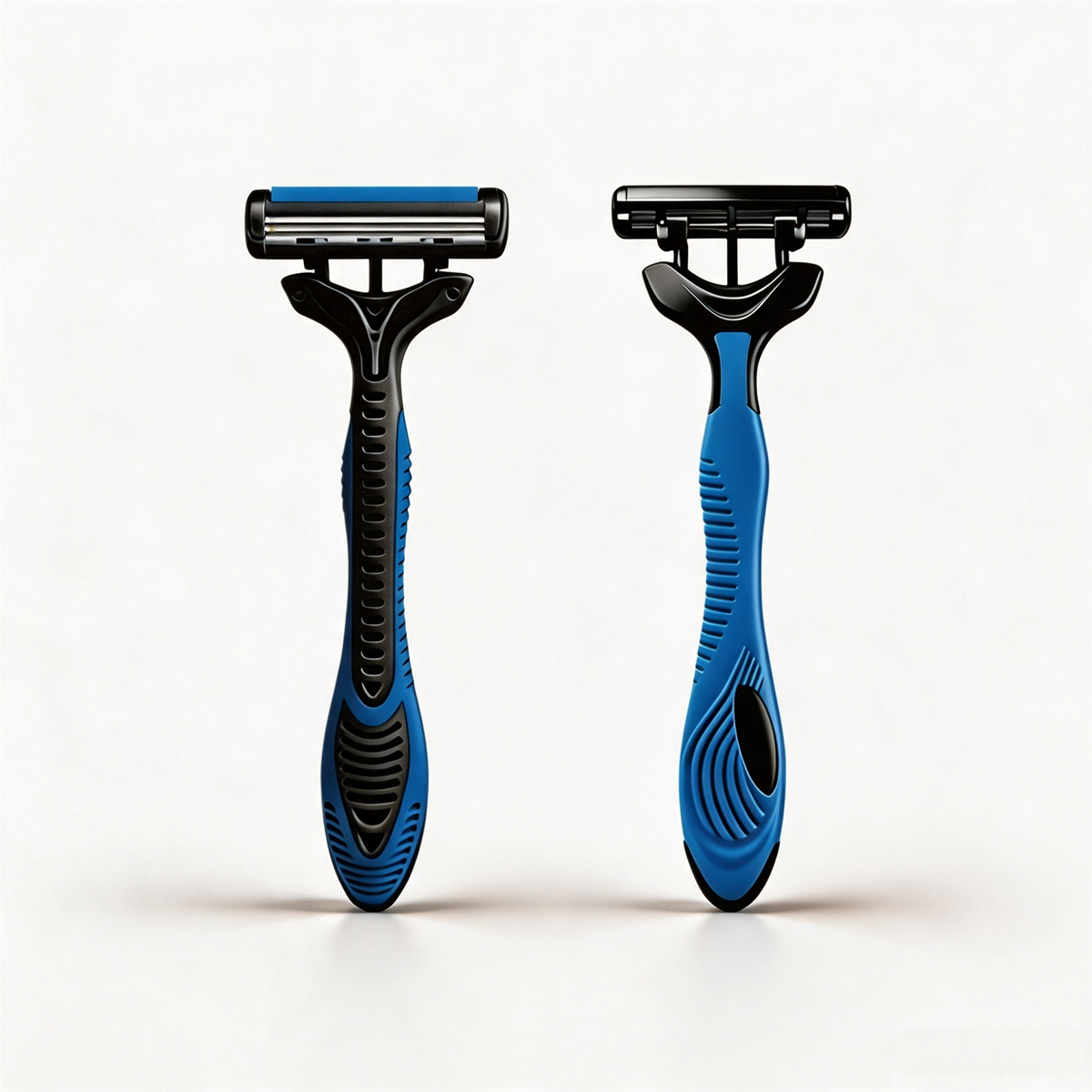
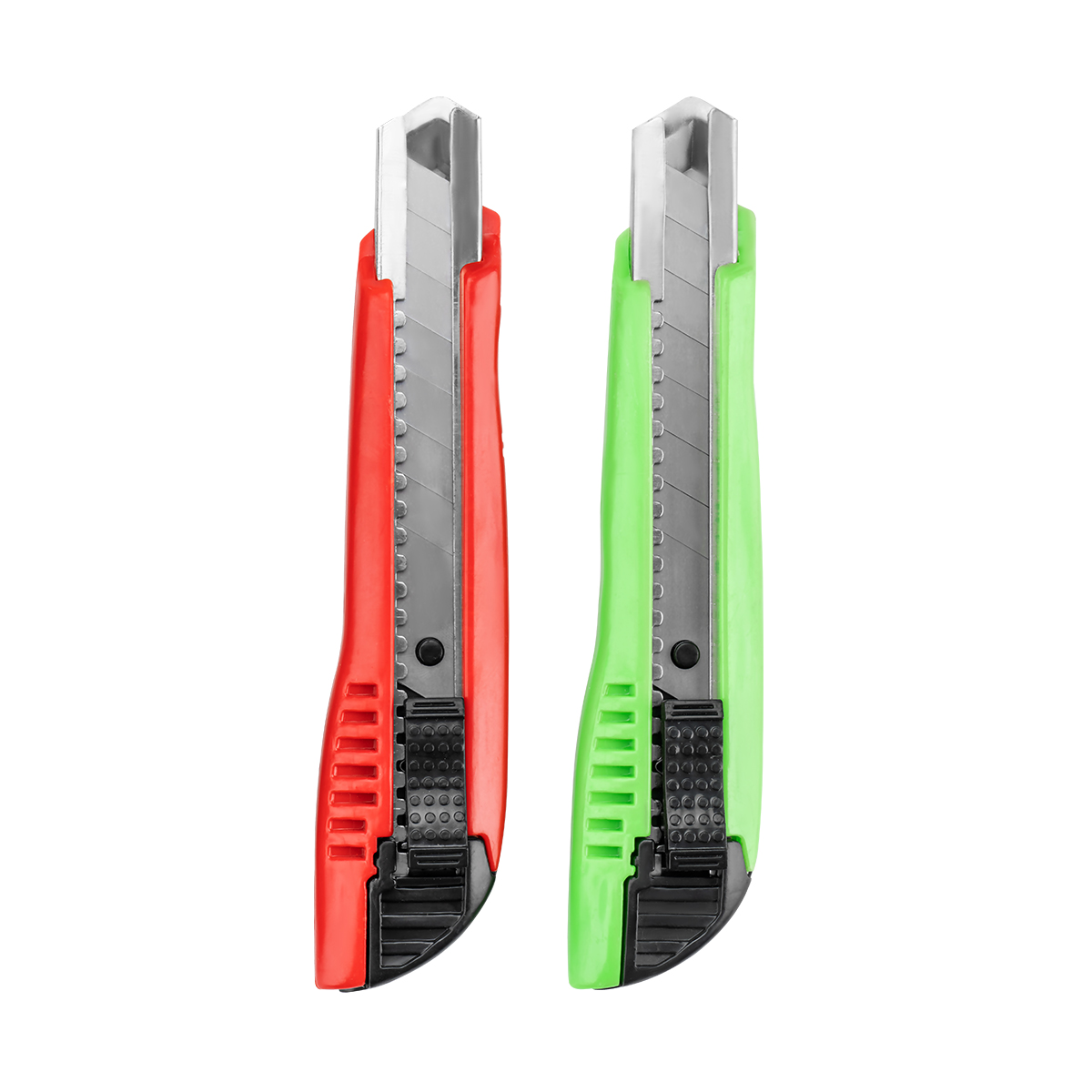
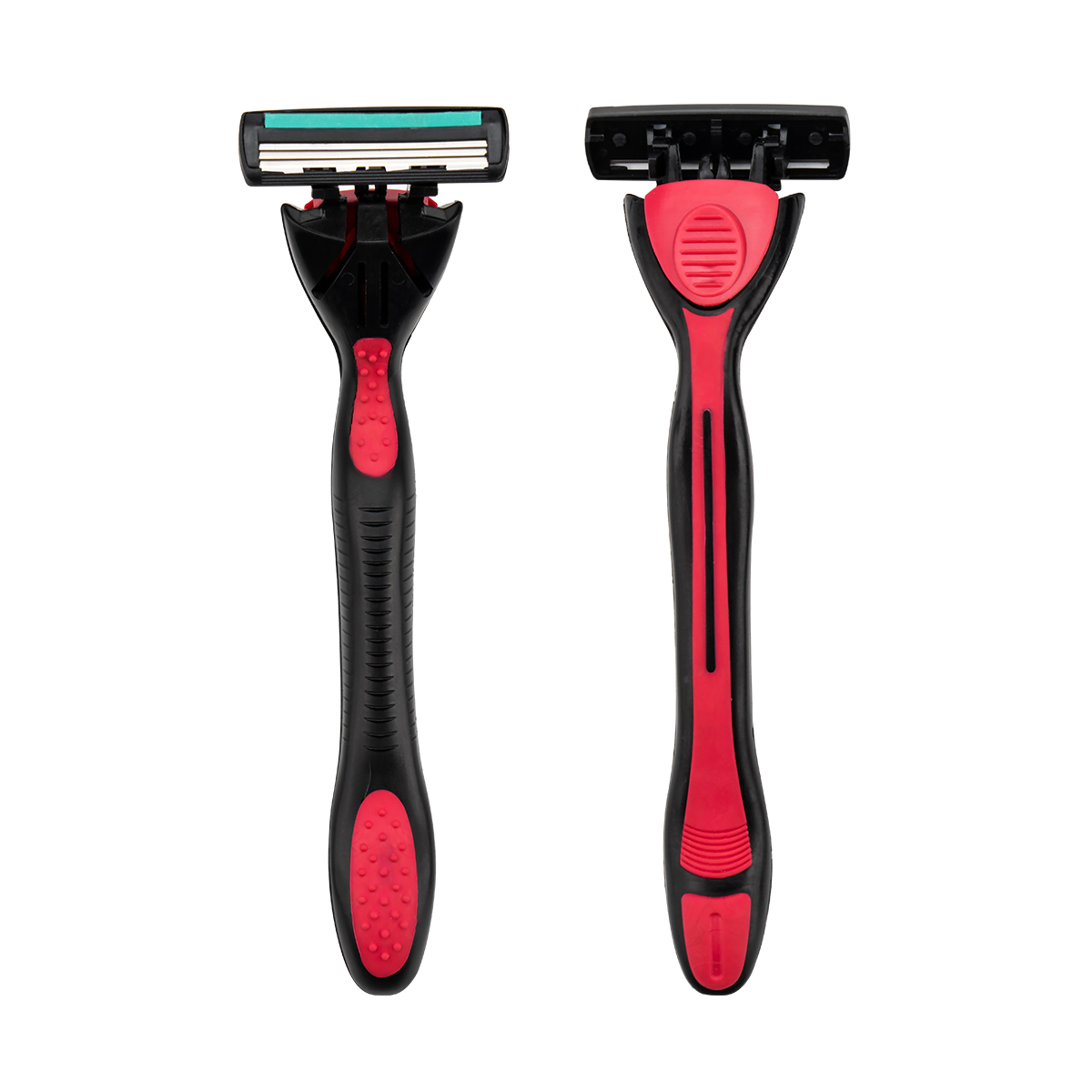
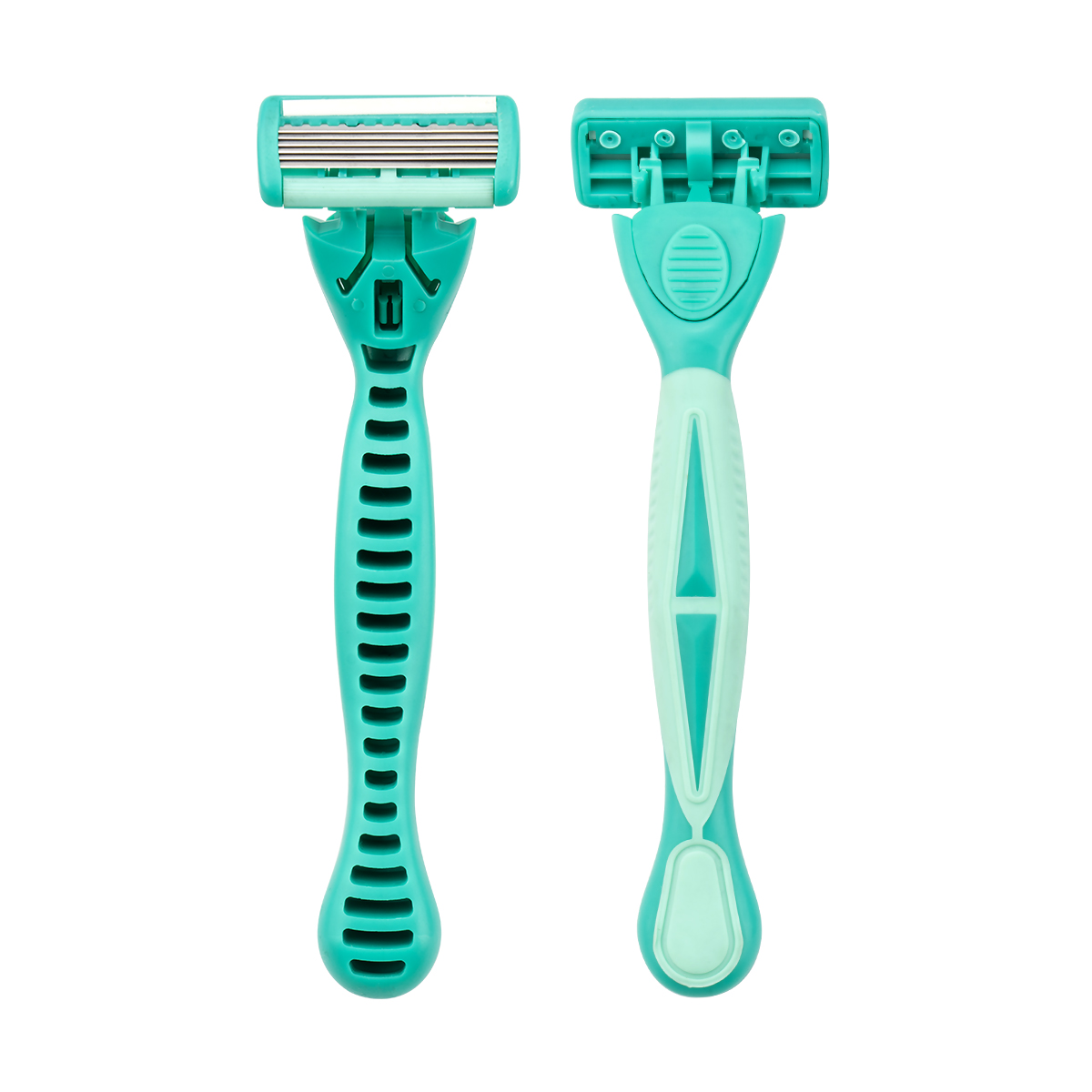
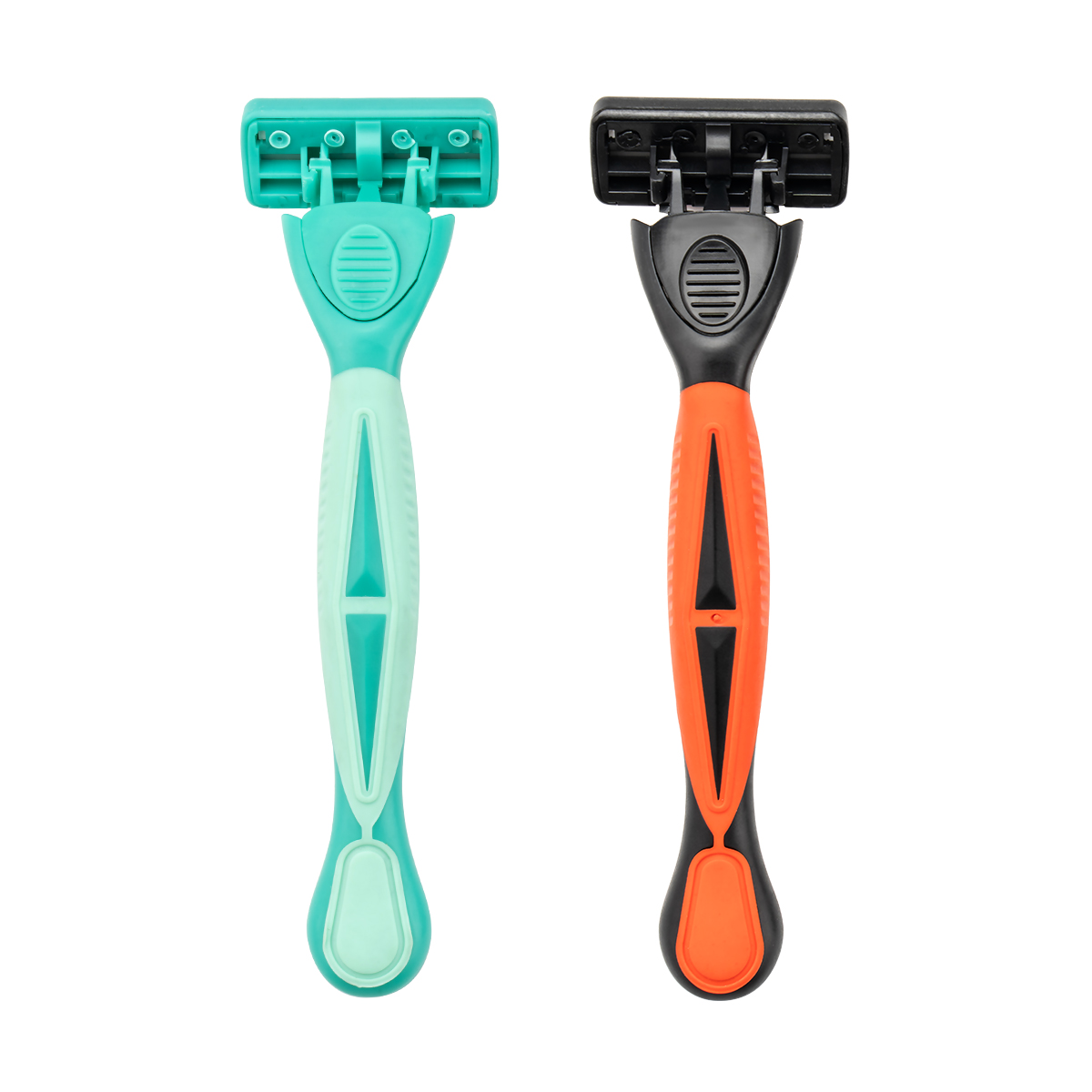
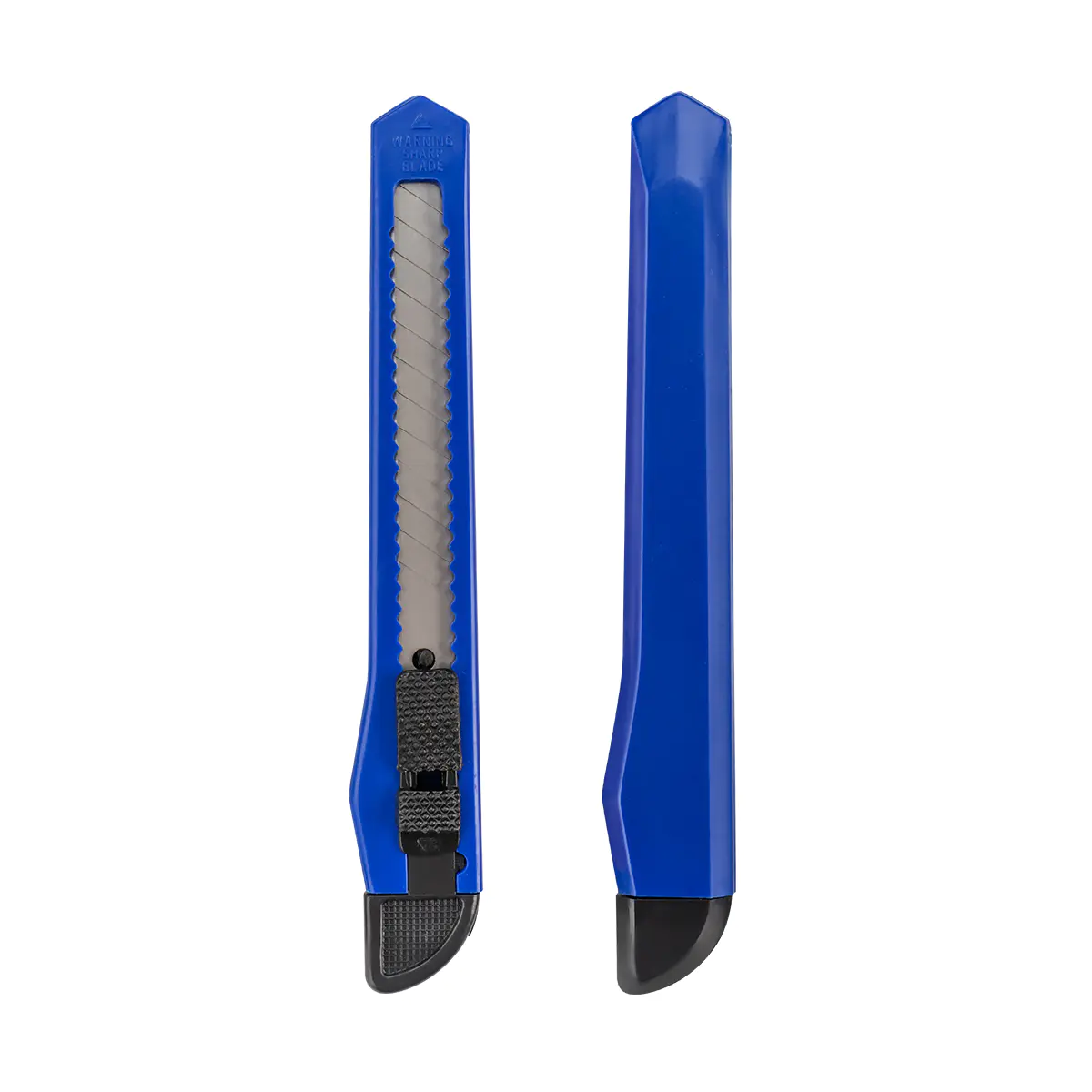
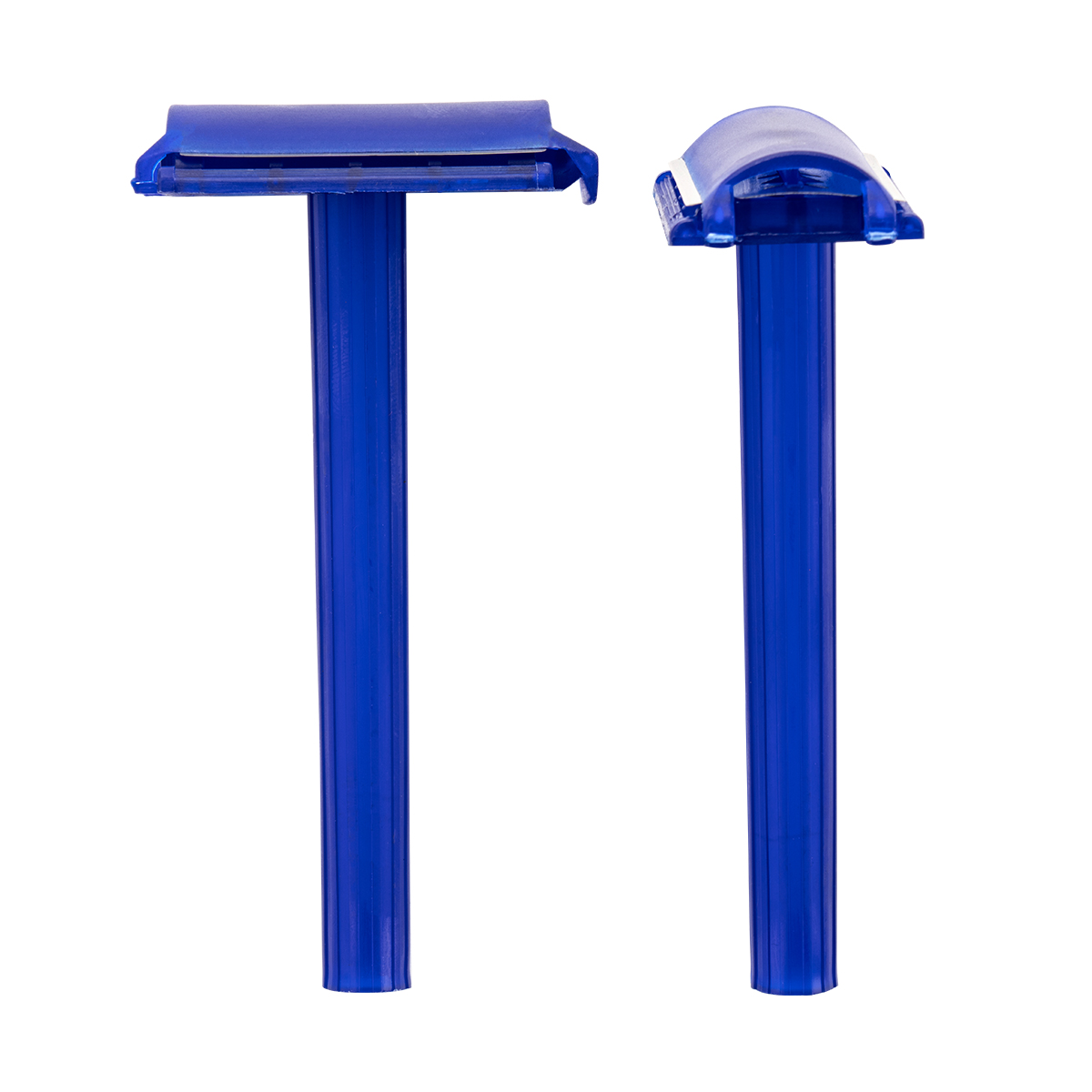

We are an industry and trade enterprise
specializing in the production of disposable razors and utility knives for more than 30 years.
Auto-retractable vs. Smart-retracting: Choosing the Ideal Safety Utility Knife for Warehouse Safety
Content
In the framework of modern EHS (Environment, Health, and Safety) management within warehousing, logistics, and manufacturing, reducing hand lacerations remains a top priority. The evolution of the Safety Utility Knife is reflected not just in materials, but in the intelligence of its retraction mechanisms. Currently, two high-end safety solutions dominate the market: Auto-retractable and Smart-retracting (also known as fully automatic retraction). There are fundamental differences in their protective logic.
Auto-retractable: The Classic Controlled Safety Solution
Auto-retractable technology is the cornerstone of industrial safety cutting tools. Its core principle lies in "pressure-release retraction." The user must maintain constant pressure on a slider or trigger with their thumb or hand to keep the blade exposed. Once the finger leaves the switch, an internal spring mechanism instantly pulls the blade back into the handle.
The primary objective of this design is to prevent blades from being accidentally left exposed when not in use. In a busy warehouse environment, employees often forget to retract a traditional utility knife blade while rushing to the next task. Auto-retractable knives enforce a "use-and-retract" logic, significantly reducing injuries caused by tools left in pockets, on workbenches, or during accidental drops. However, a latent risk remains: if a slip occurs during cutting but the user’s thumb maintains pressure on the slider due to muscular reflex, the blade stays out and fails to provide real-time protection.
Smart-retracting: Intelligent Defense Eliminating Human Error
Smart-retracting technology represents the highest safety tier for a Safety Utility Knife. It builds upon the auto-retractable foundation by adding a critical variable: cutting pressure sensing.
Under the Smart-retracting mechanism, the condition for the blade to remain out is no longer just "holding the switch," but "holding the switch" combined with "blade pressure." This means that even if the worker's finger is still pressing the slider, as soon as the blade leaves the material being cut (losing cutting pressure), the internal intelligent locking mechanism senses the loss of resistance and forcibly retracts the blade.
This mechanism perfectly solves the problem of "slip injuries." Even if control is lost at the moment of piercing a box, or if the user's hand swings toward their body due to momentum, the blade has already retracted. It truly achieves "retraction based on the object" rather than "retraction based on the hand," physically blocking the majority of accidents caused by improper operation.
Professional Comparison and Multi-dimensional Analysis
To better understand the differences, we can compare the two via several professional dimensions:
| Feature Dimension | Auto-retractable | Smart-retracting |
| Safety Logic | Finger-operated; retracts upon release | Pressure-based; retracts upon leaving material |
| Human Intervention Risk | Users can bypass safety by taping the slider | Nearly impossible to bypass the safety function |
| Operational Complexity | Moderate; requires constant pressure, potential fatigue | Higher; requires stable angle and pressure |
| Application Scenarios | Frequent but regular simple box opening | High-intensity, high-pace, and high-risk environments |
| Comprehensive Cost | Cost-effective with simpler mechanics | Higher initial cost due to precision engineering |
Selection Recommendations for Different Scenarios
When an organization upgrades its Safety Utility Knife system, it should not blindly chase the highest price. Auto-retractable tools, due to their technical maturity and simple maintenance, are ideal for standard sorting centers with established safety foundations and trained staff. Their lower failure rate and intuitive logic meet the needs of most standard corrugated cutting tasks.
For workstations handling heavy-duty triple-wall cardboard, tight plastic banding, or heavy-duty shrink wrap, Smart-retracting is the superior investment. In these scenarios, the cutting force is high, and the consequences of a slip are often severe. The "double insurance" provided by smart retraction significantly reduces potential costs related to worker compensation and downtime.
Recommended Product
Recommended News

Keep In Touch
 No. 2-2, Oufu Road, Zhangting Town, Yuyao City, Ningbo City, Zhejiang, China.
 +86-574-87560886/87560055
 +86-574-87560885
Copyright © Ningbo Chuangxin Cutting-Tool Manufacture Co., Ltd.
