

 English
 中文简体
中文简体 русский
 Español


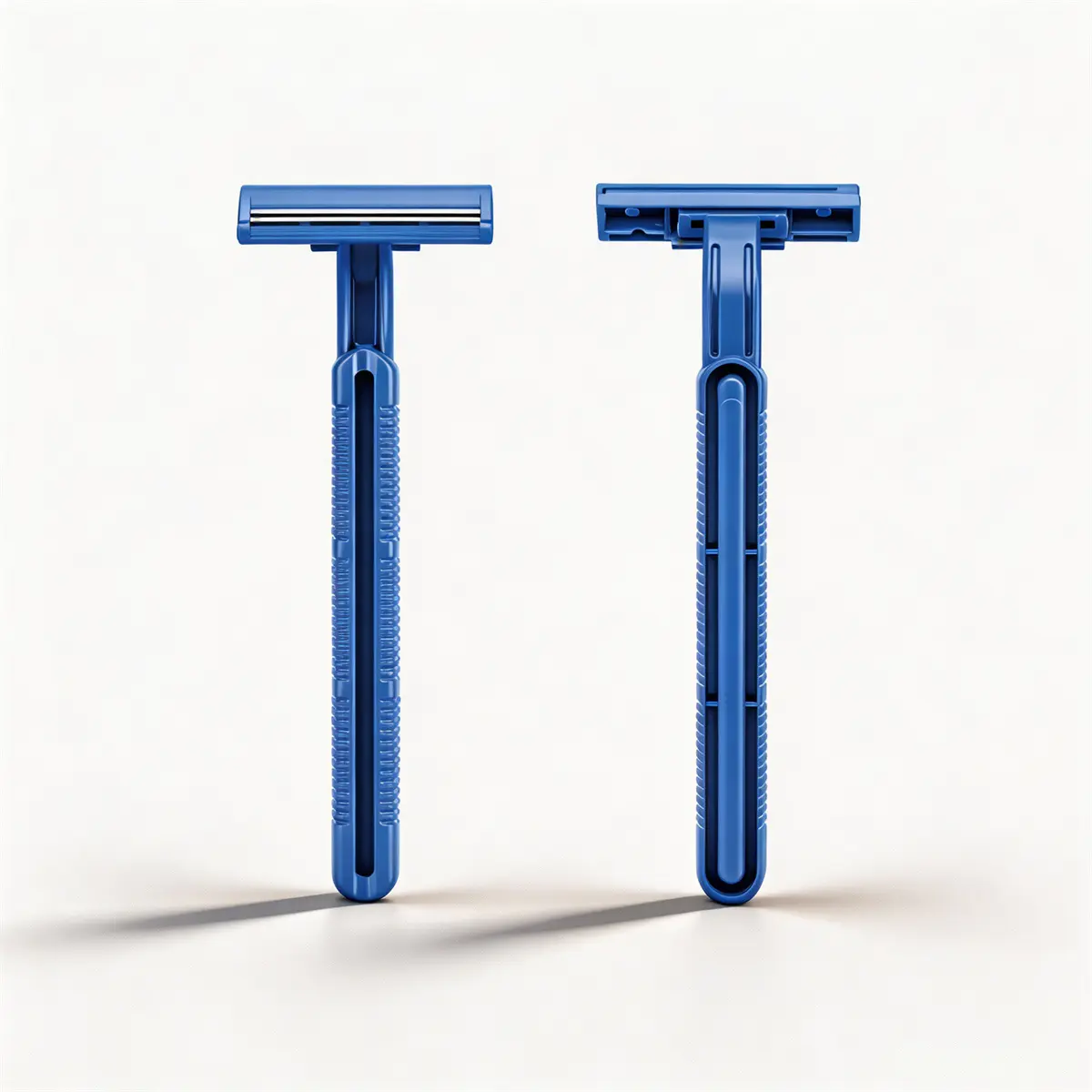
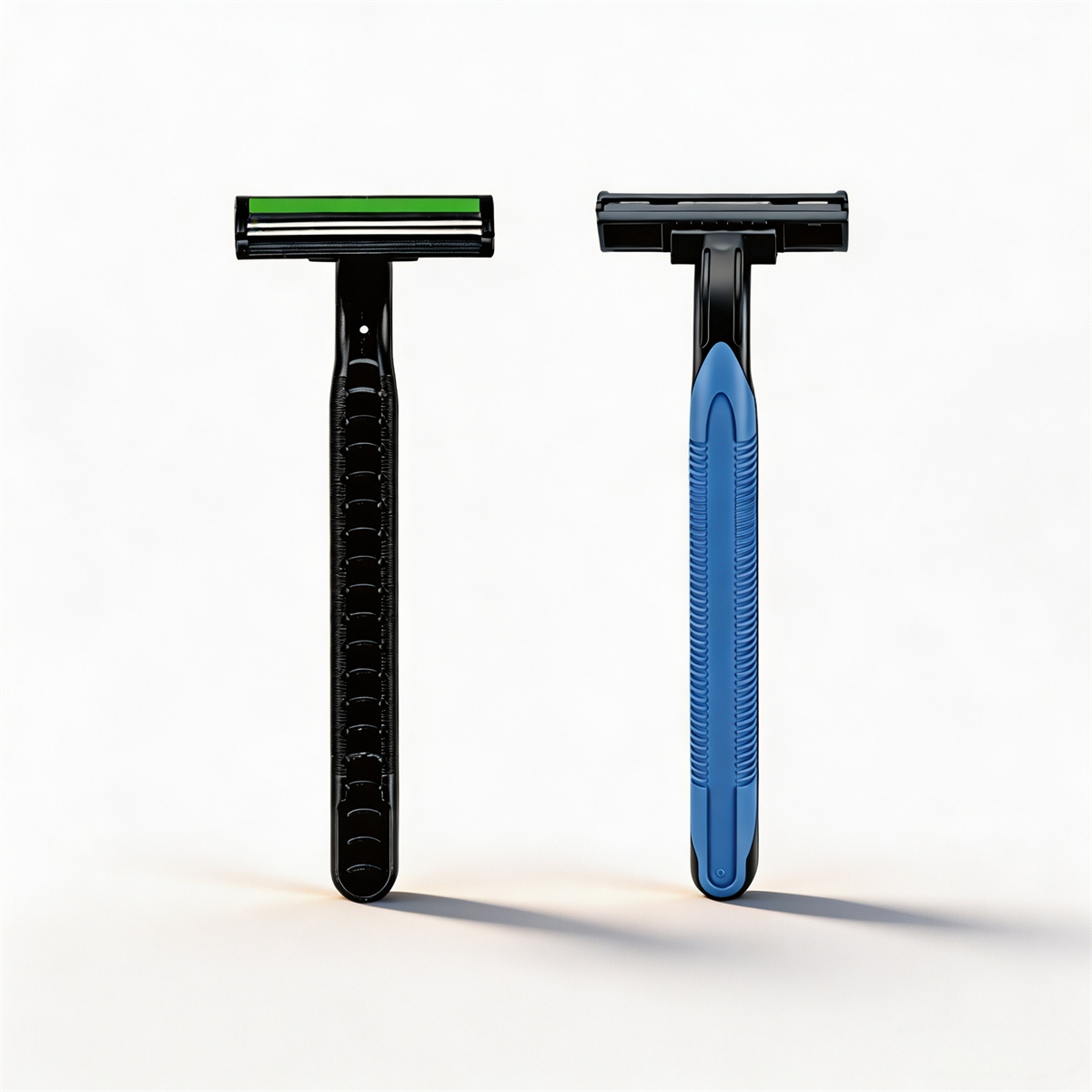
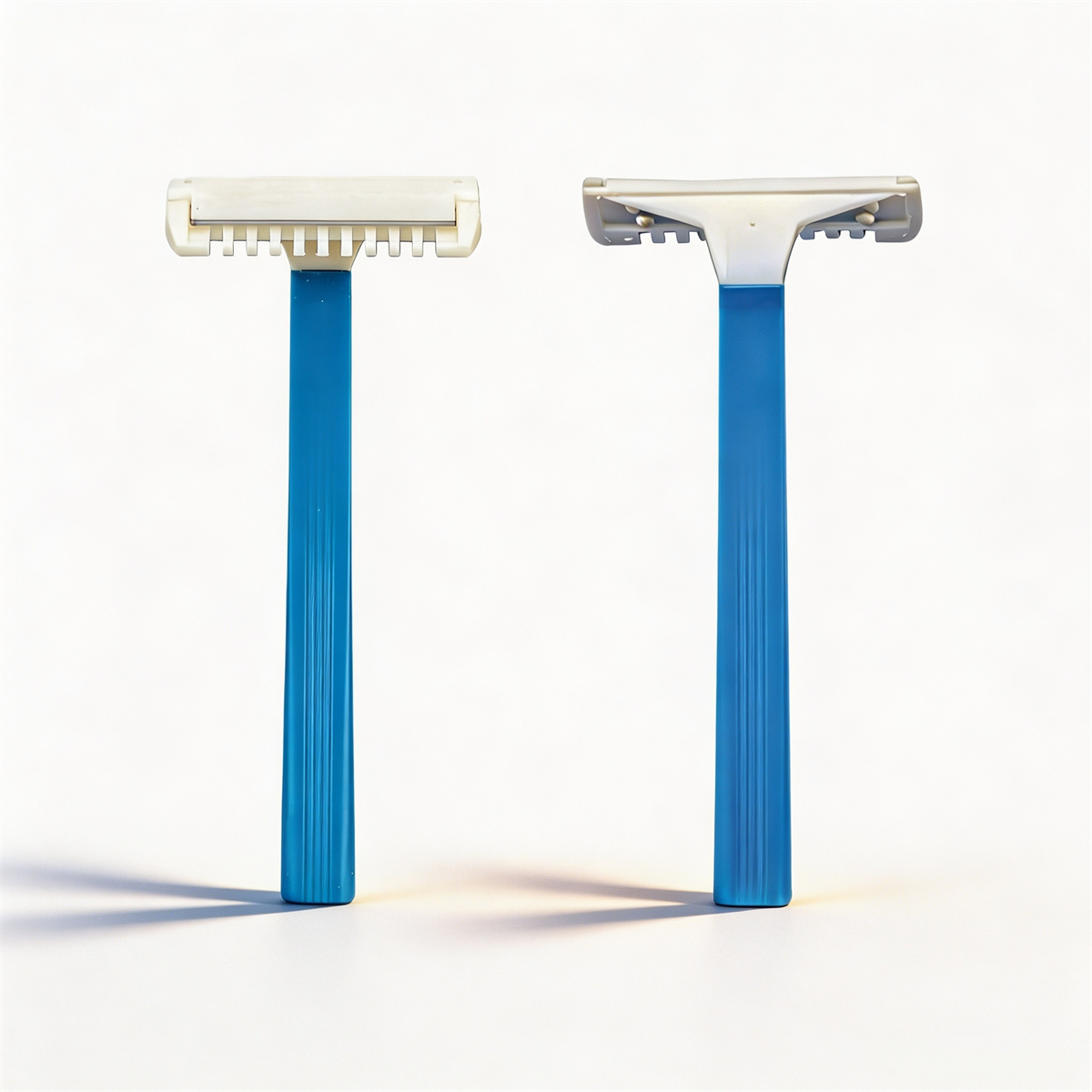
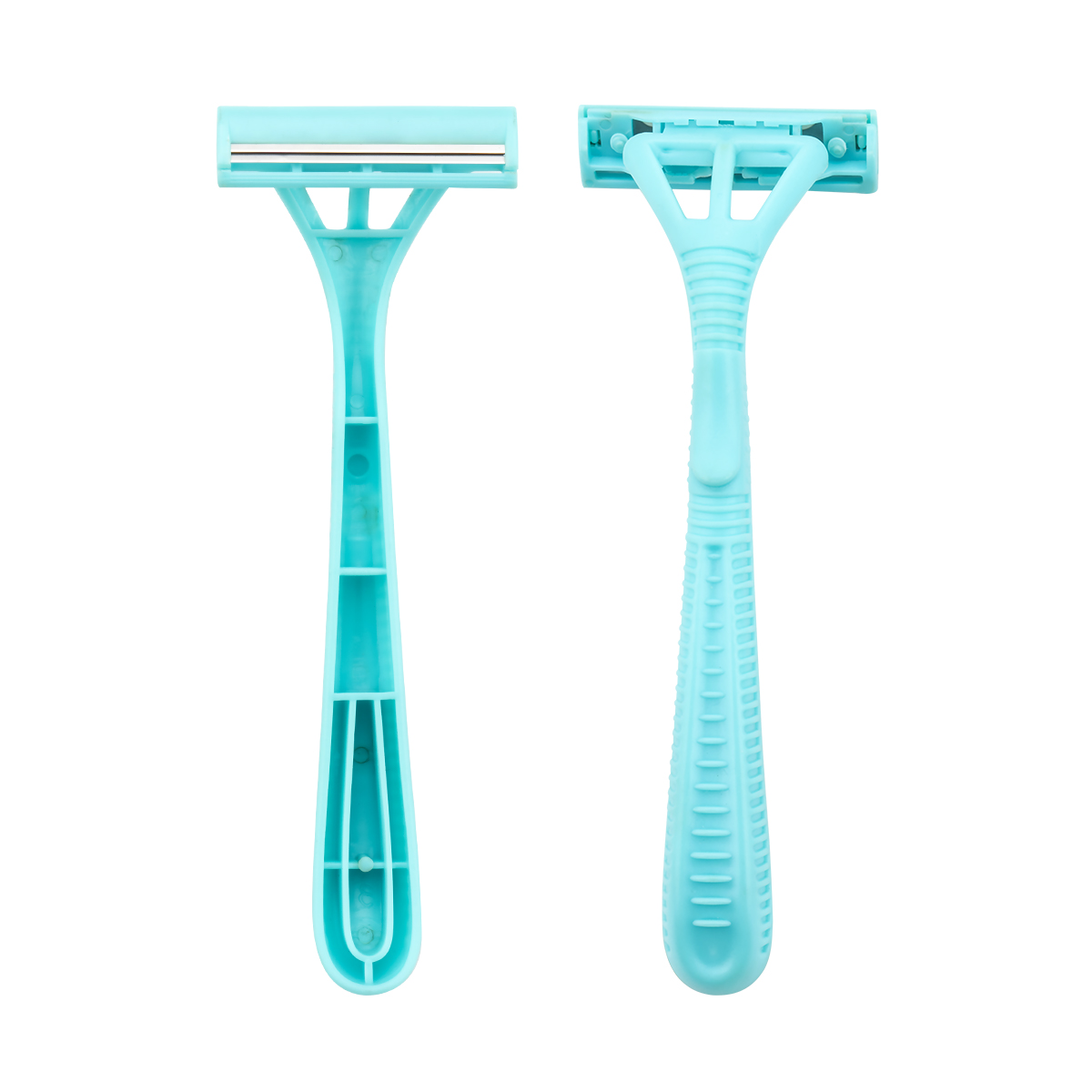
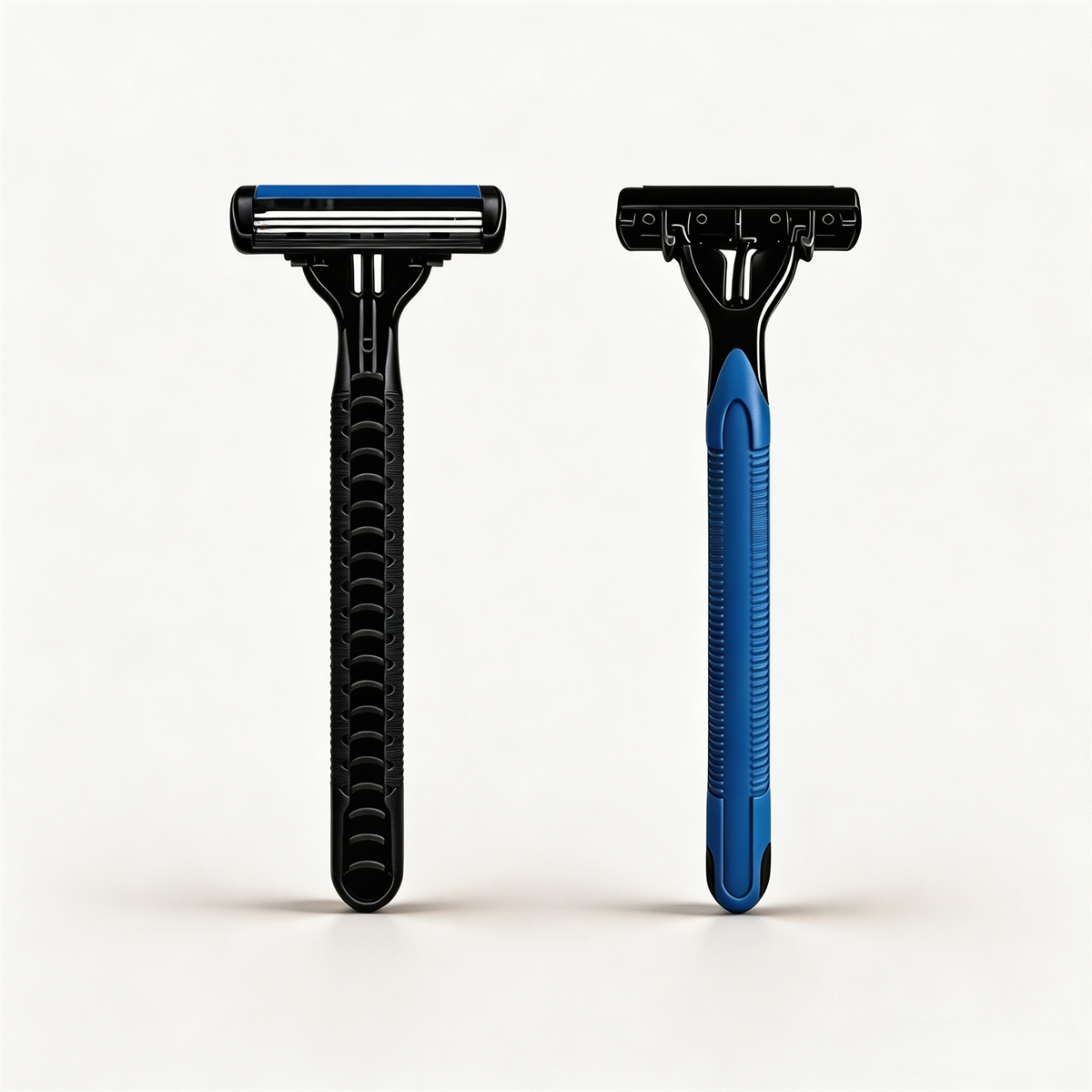
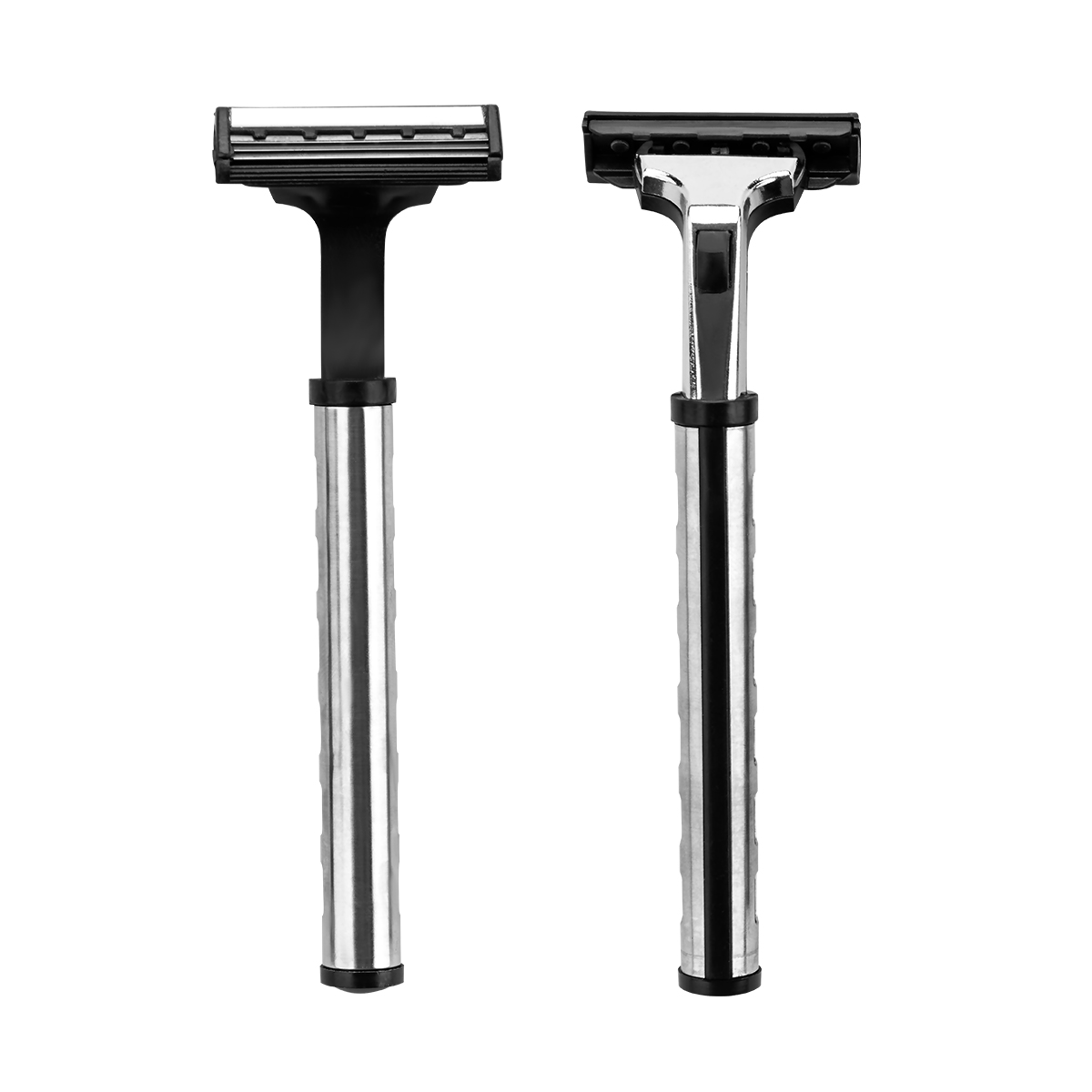
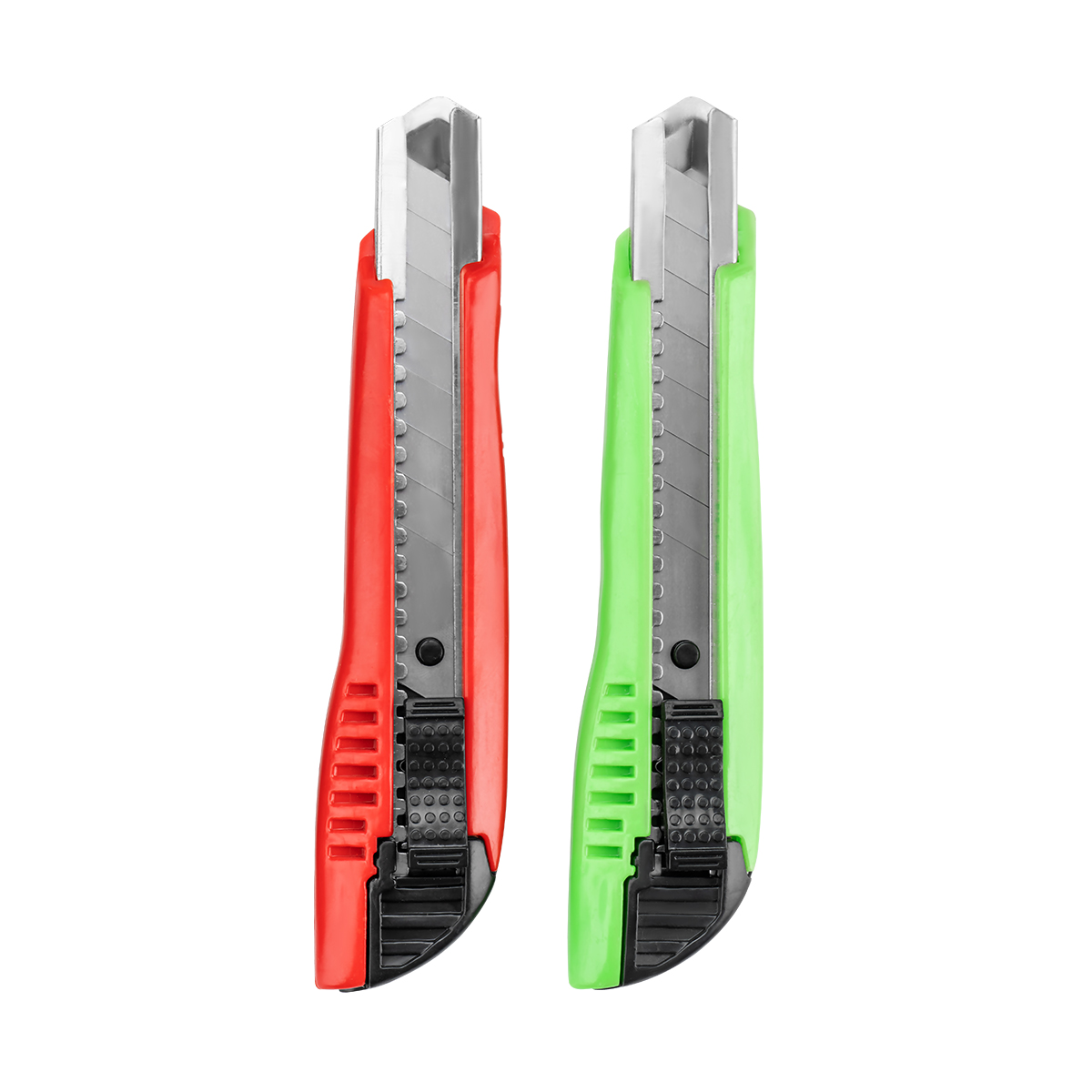
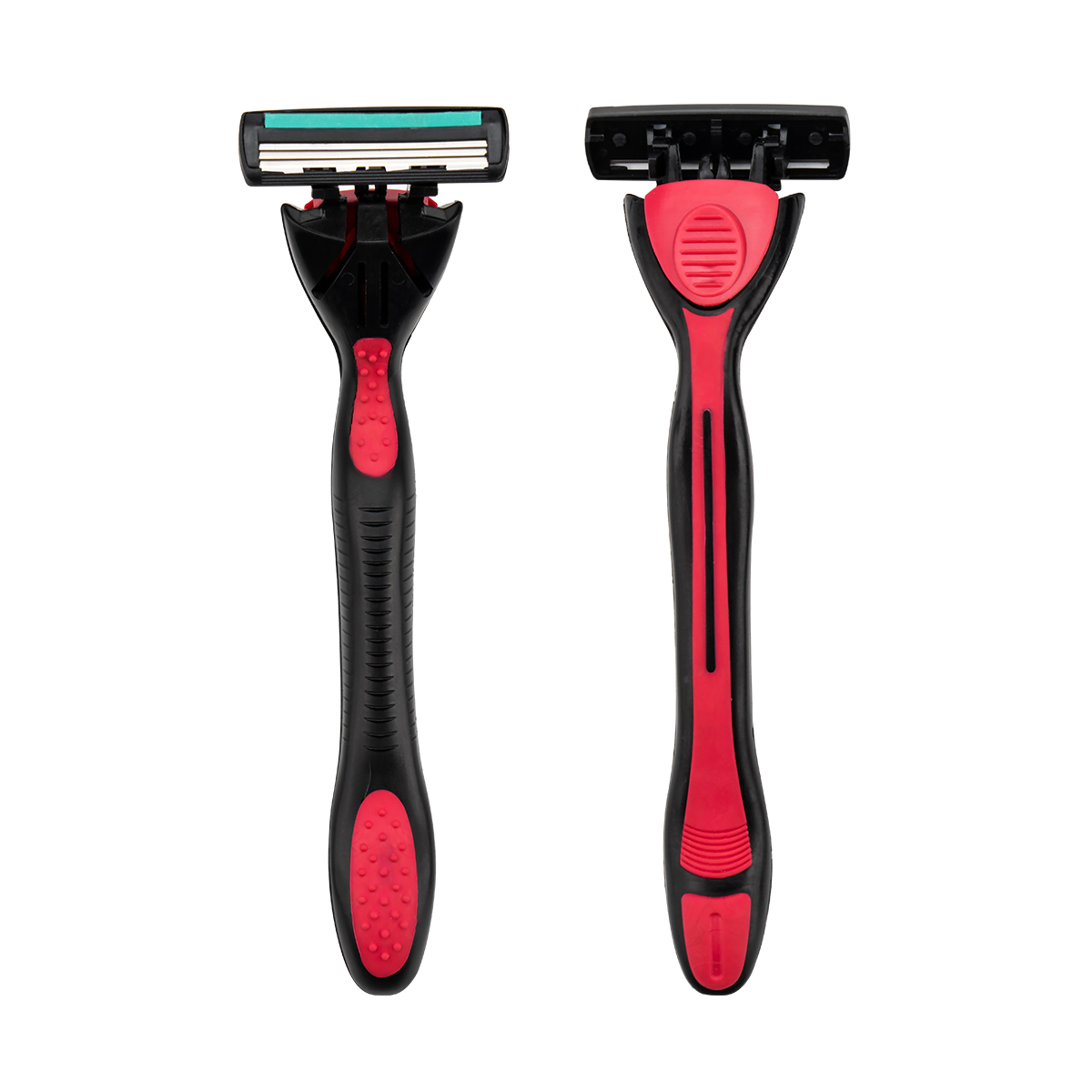
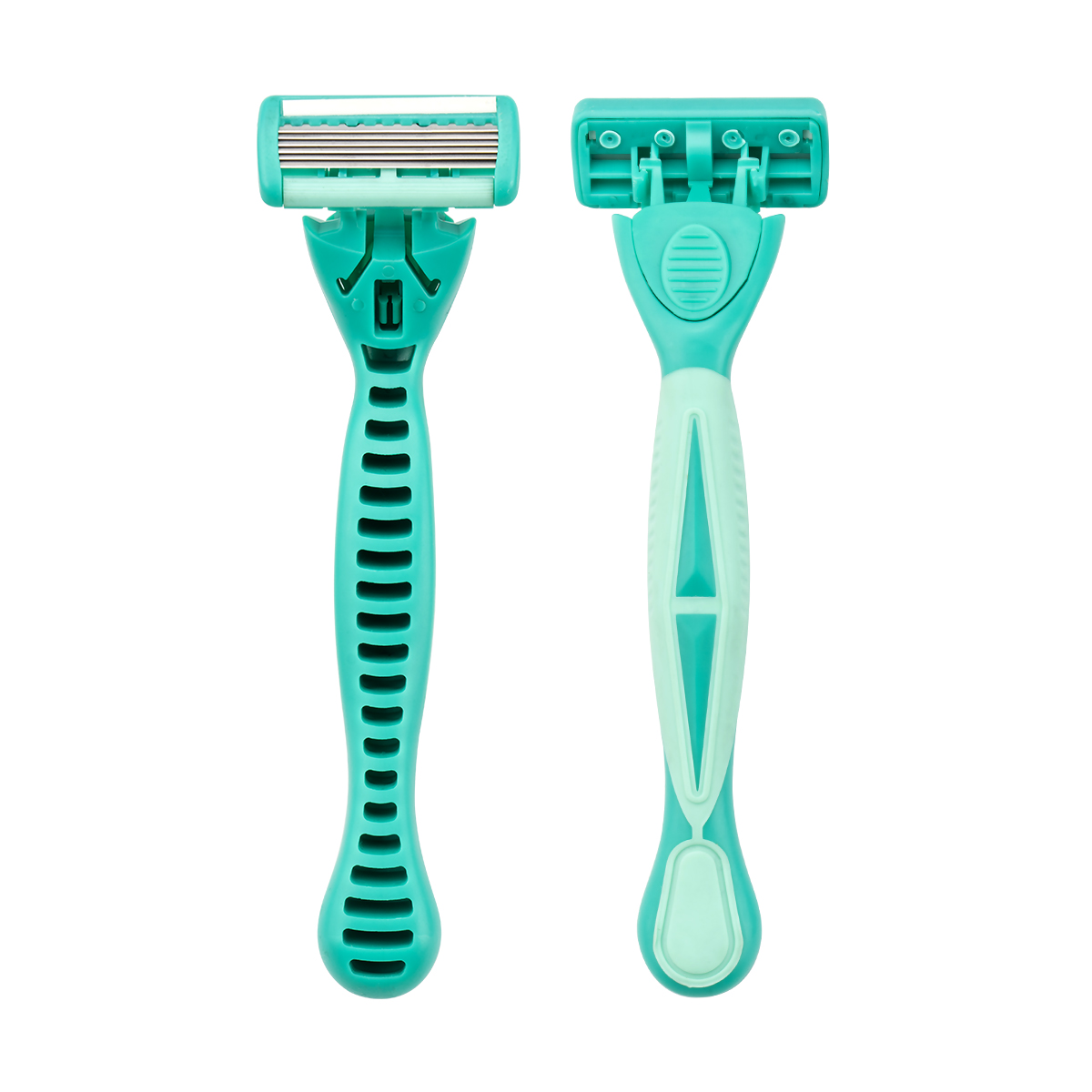
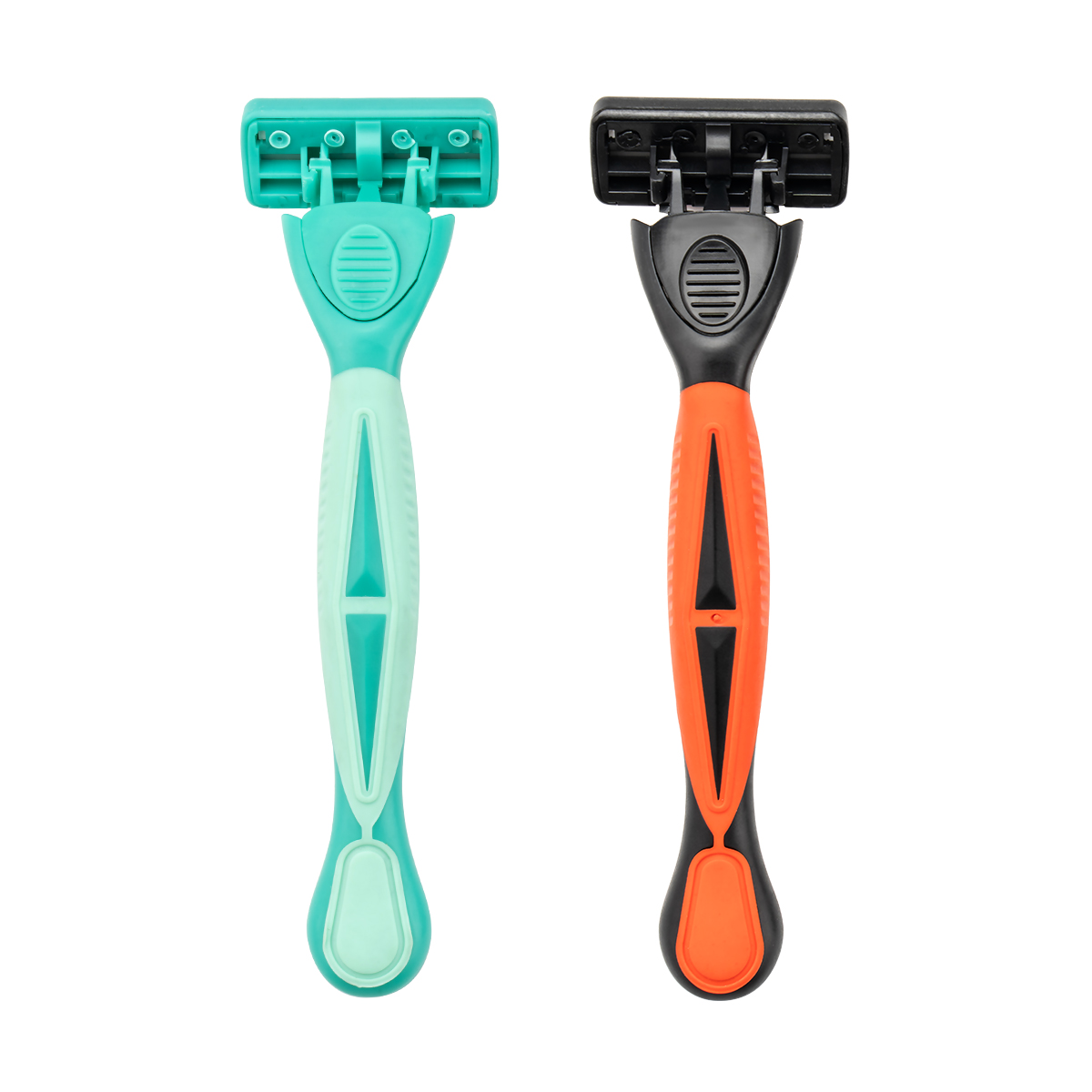
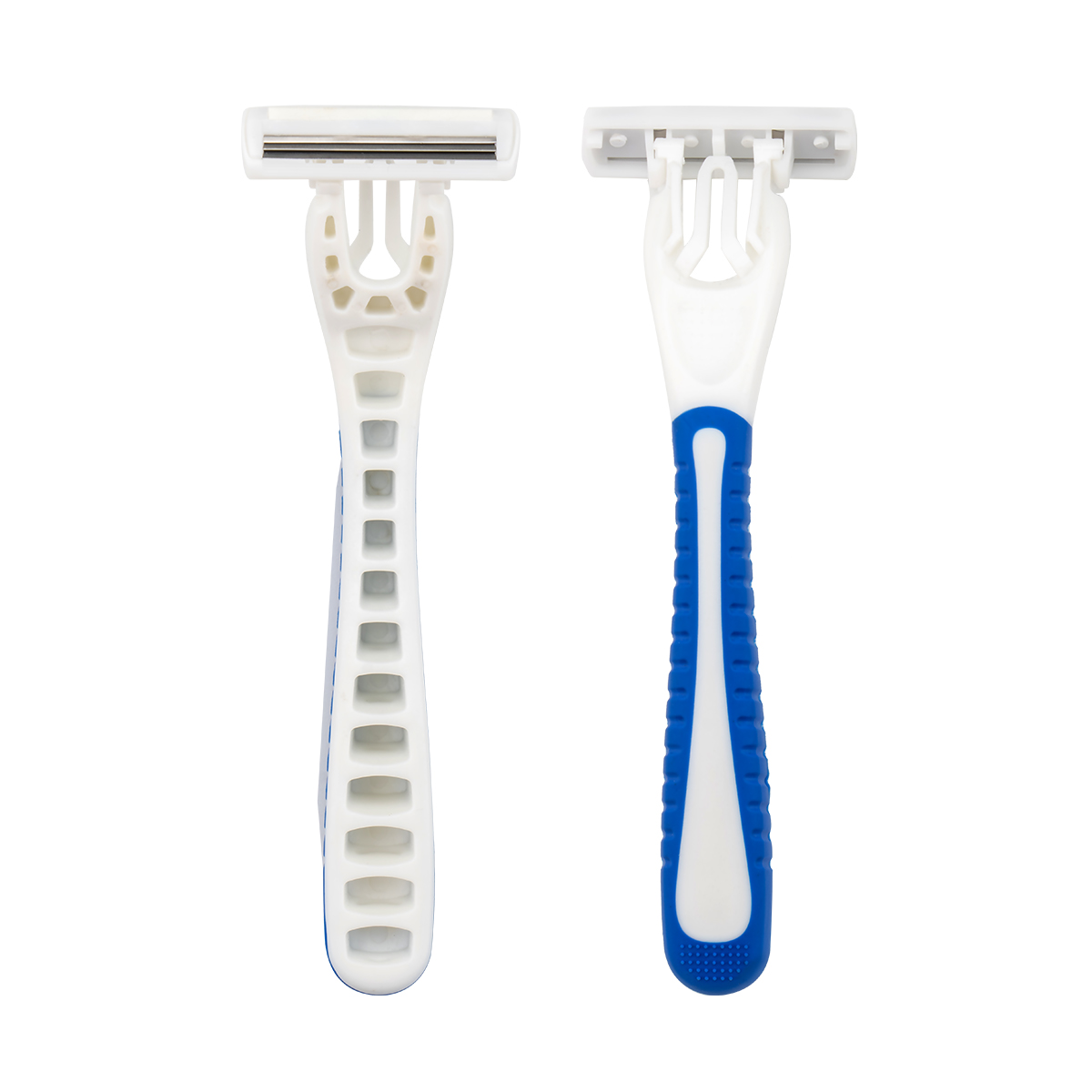
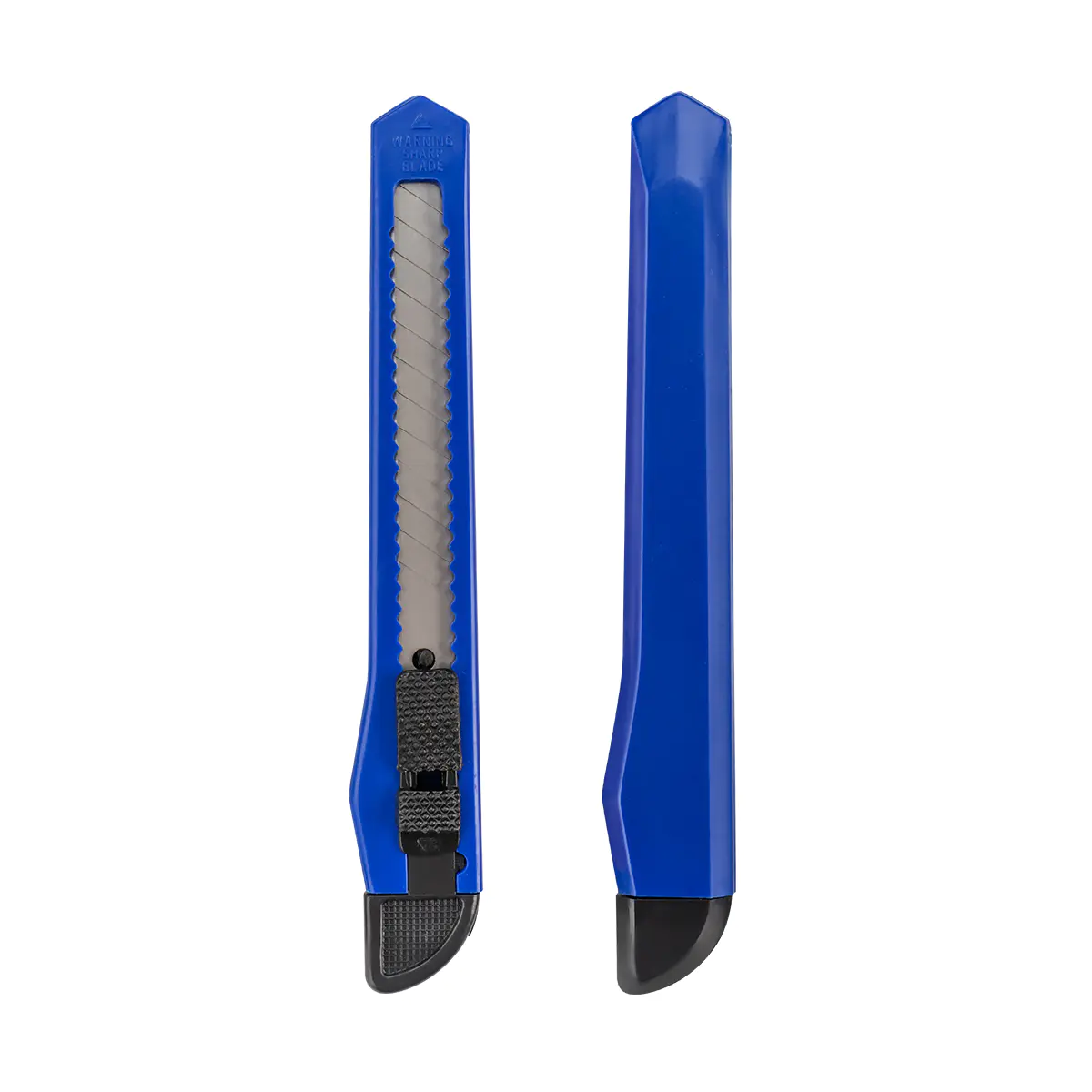

We are an industry and trade enterprise
specializing in the production of disposable razors and utility knives for more than 30 years.
Why Does Disposable Men's Razor Cause Discomfort After Shaving? Here's How to Fix It
Content
Disposable men's razors are widely popular due to their convenience and affordability. However, many users experience discomfort after use, such as skin irritation, redness, or cuts. To effectively address these issues, both manufacturers and consumers need to take multiple factors into consideration to improve the shaving experience. This article will explain in detail how to solve the discomfort caused by disposable men's razors after use from a professional perspective.
1. Razor Blade Design and Material Optimization
The design and material of the razor blade are key factors affecting shaving results and comfort. Some disposable men's razors have low-quality blades that tend to dull quickly, leading to tugging and causing skin discomfort during shaving.
Blade Material Selection: Stainless steel, titanium alloy, or ceramic blades offer better sharpness and durability during shaving while reducing discomfort from skin damage. For example, titanium alloy blades are highly resistant to corrosion, have a long lifespan, and can shave efficiently without harming the skin.
Blade Sharpness: The sharpness of the blade directly impacts shaving comfort. Sharp blades make it easier to cut hair, reducing tugging and friction on the skin, which lowers the chances of discomfort after shaving. Manufacturers should ensure precise design of disposable razor blades to maintain sharpness and durability.
2. Lubricating Strip Design
The lubricating strip is a crucial part of the disposable men's razor design. The lubricating strip provides lubrication during shaving, reducing friction between the blade and skin, which helps minimize post-shave irritation. Some high-end disposable razors feature lubricating strips infused with aloe vera, vitamin E, and other ingredients to help maintain skin hydration and softness, reducing dryness and redness.
Enhanced Lubricating Strip Functionality: In addition to providing a smooth shaving experience, the lubricating strip can help alleviate post-shave discomfort. Some innovative razors include plant-based ingredients like mint or citrus in their lubricating strips, offering cooling and soothing effects to reduce discomfort.
3. Skin Preparation and Shaving Techniques
Skin Pre-Treatment: Proper skin preparation before shaving can significantly reduce post-shave discomfort. First, ensure the skin is damp before shaving. It is best to soak the face in warm water for a few minutes to open the pores. Warm water softens the hair, making it easier to shave and reducing blade damage to the skin.
Use of Shaving Cream: Shaving foam or gel helps create a protective layer between the blade and the skin, reducing direct friction. Using the appropriate shaving cream not only increases comfort during shaving but also helps moisturize the skin, preventing cuts and irritation.
Proper Shaving Angle and Pressure: When shaving, avoid applying excessive pressure. Gently glide the razor across the skin. Always shave in the direction of hair growth to prevent pulling and damage to the skin.
4. Post-Shave Care Importance
Post-shaving skin is prone to dryness and sensitivity, so proper aftercare is essential. Correct post-shave care measures can effectively alleviate discomfort after shaving.
Use of Soothing Post-Shave Products: Products like aftershave balms or recovery creams can help the skin heal quickly. Aftershave products containing aloe vera, glycerin, or hyaluronic acid are particularly effective in soothing the skin and reducing dryness and redness.
Cold Compress and Calming: After shaving, rinse the face with cold water or apply a cold compress to the shaved area. Cold compresses help shrink pores and reduce redness and irritation.
Avoid Alcohol-Based Products: Some aftershave lotions or toners contain alcohol, which may irritate post-shave skin and exacerbate dryness or discomfort. Using gentle, alcohol-free skincare products is better for post-shave skin recovery.
5. Regular Razor Replacement
Although disposable men's razors are convenient, their lifespan is relatively short. Over time, the blades dull, which leads to increased tugging and discomfort during shaving. Therefore, it is crucial to replace disposable razors regularly.
Replacement Frequency: Depending on usage frequency and personal beard thickness, it is recommended to replace a disposable razor every two to three weeks. If you feel tugging or experience poor shaving performance, it is time to change the razor.
6. Choosing the Right Razor Model
Since every person’s skin type and hair type vary, it is important to choose a suitable razor model. Users with sensitive skin should opt for razors with fine blade designs and lubricating strips, while users with thicker hair might prefer razors with multiple blades. Multi-blade razors can shave more efficiently and reduce cuts and irritation.
Recommended Product
Recommended News

Keep In Touch
 No. 2-2, Oufu Road, Zhangting Town, Yuyao City, Ningbo City, Zhejiang, China.
 +86-574-87560886/87560055
 +86-574-87560885
Copyright © Ningbo Chuangxin Cutting-Tool Manufacture Co., Ltd.
