

 English
 中文简体
中文简体 русский
 Español


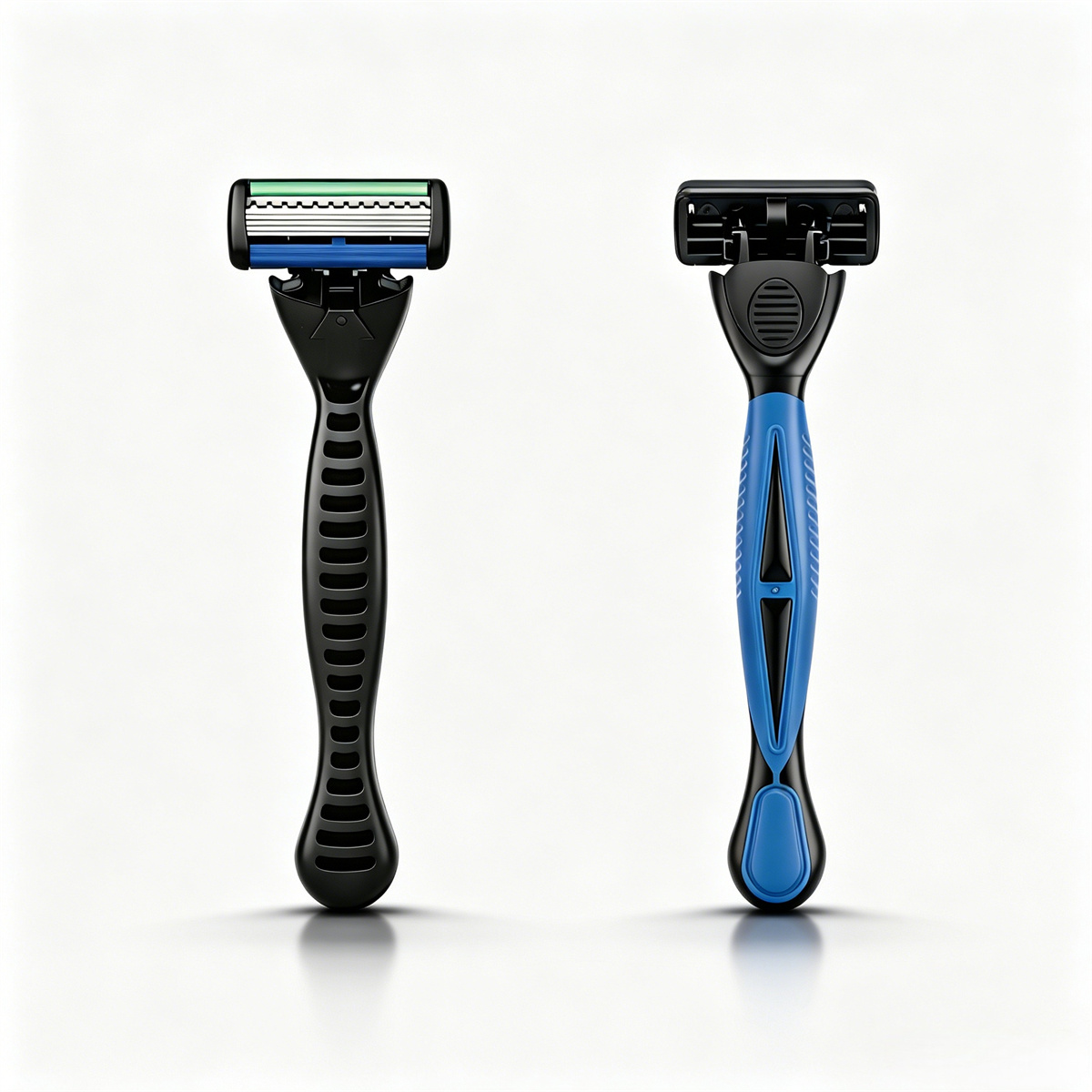
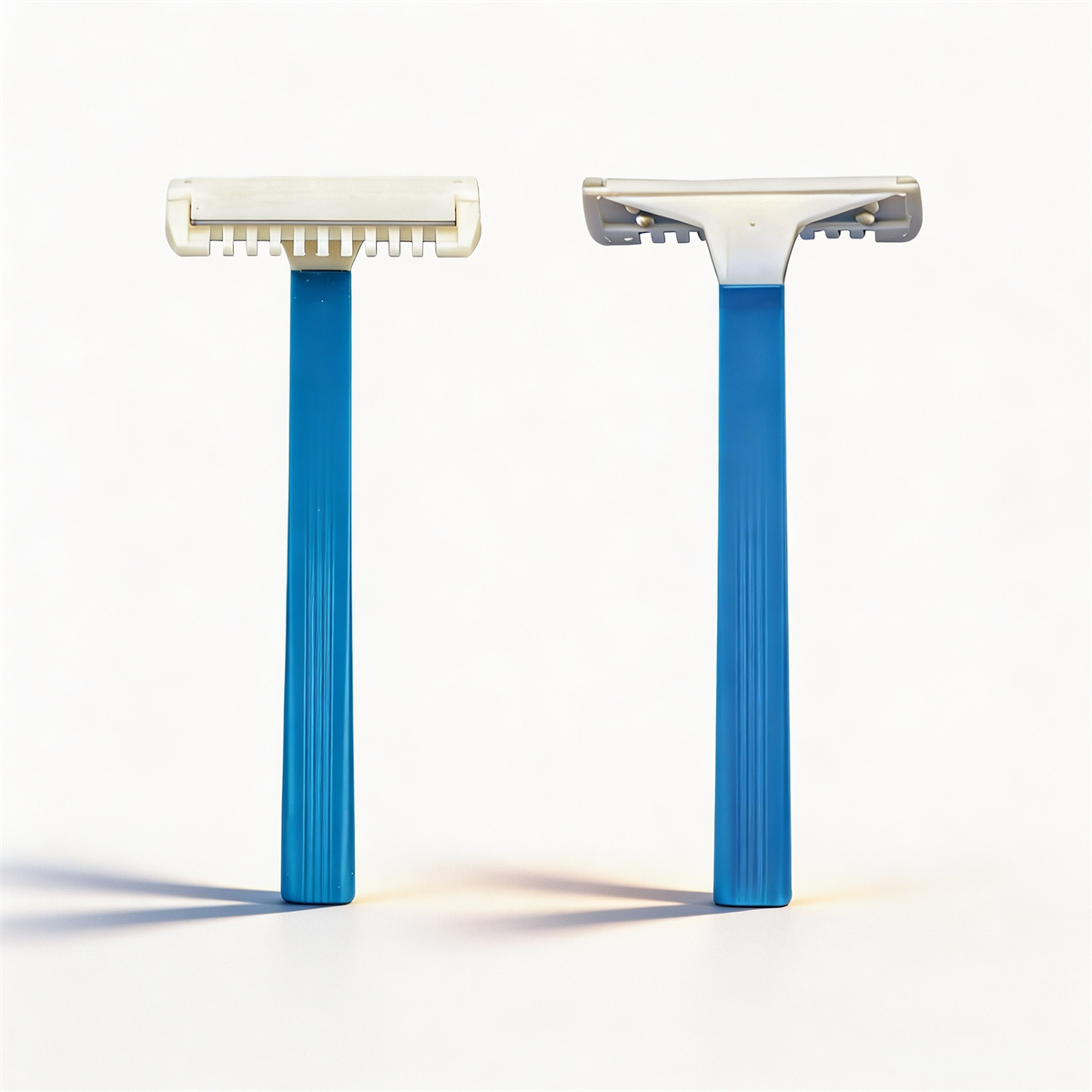
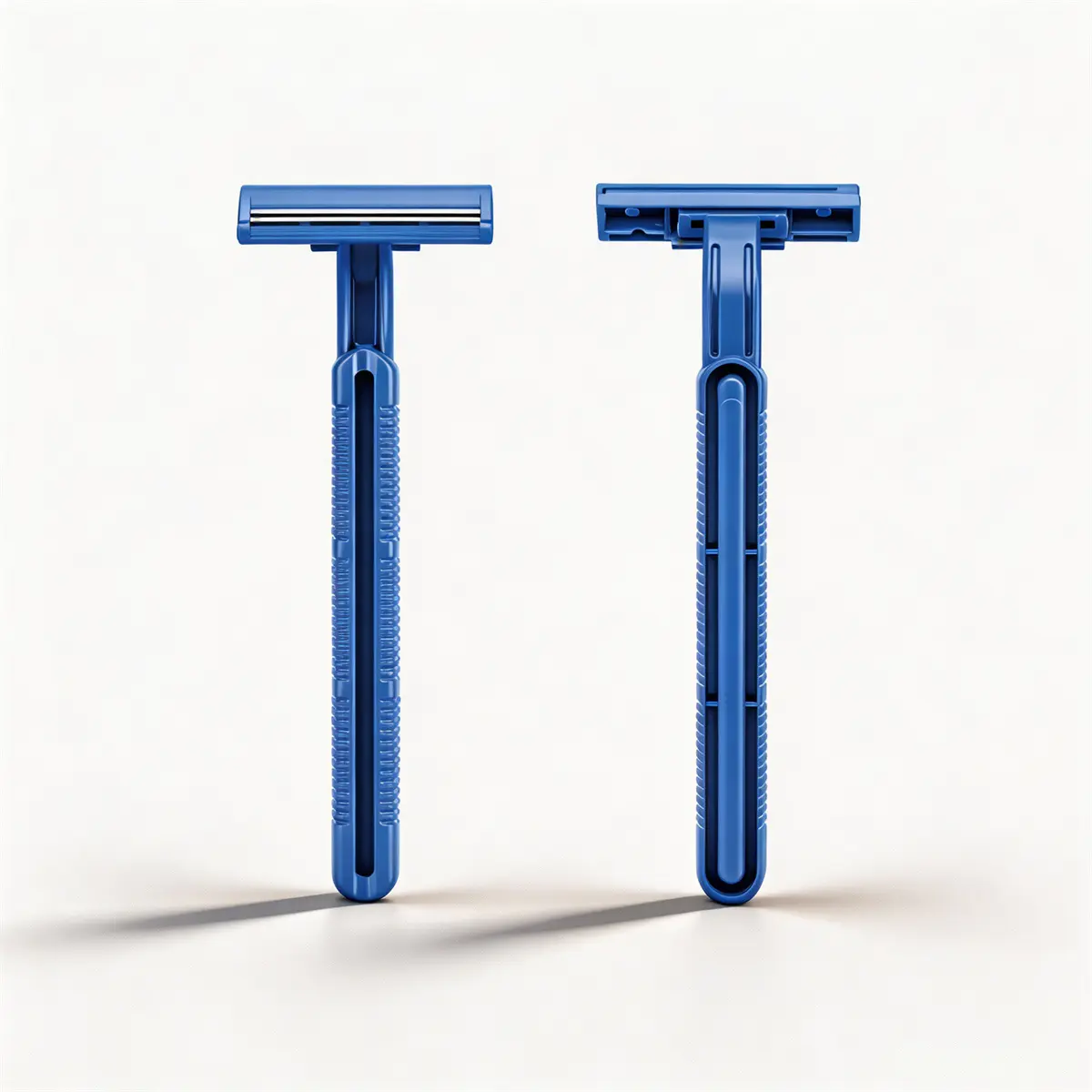
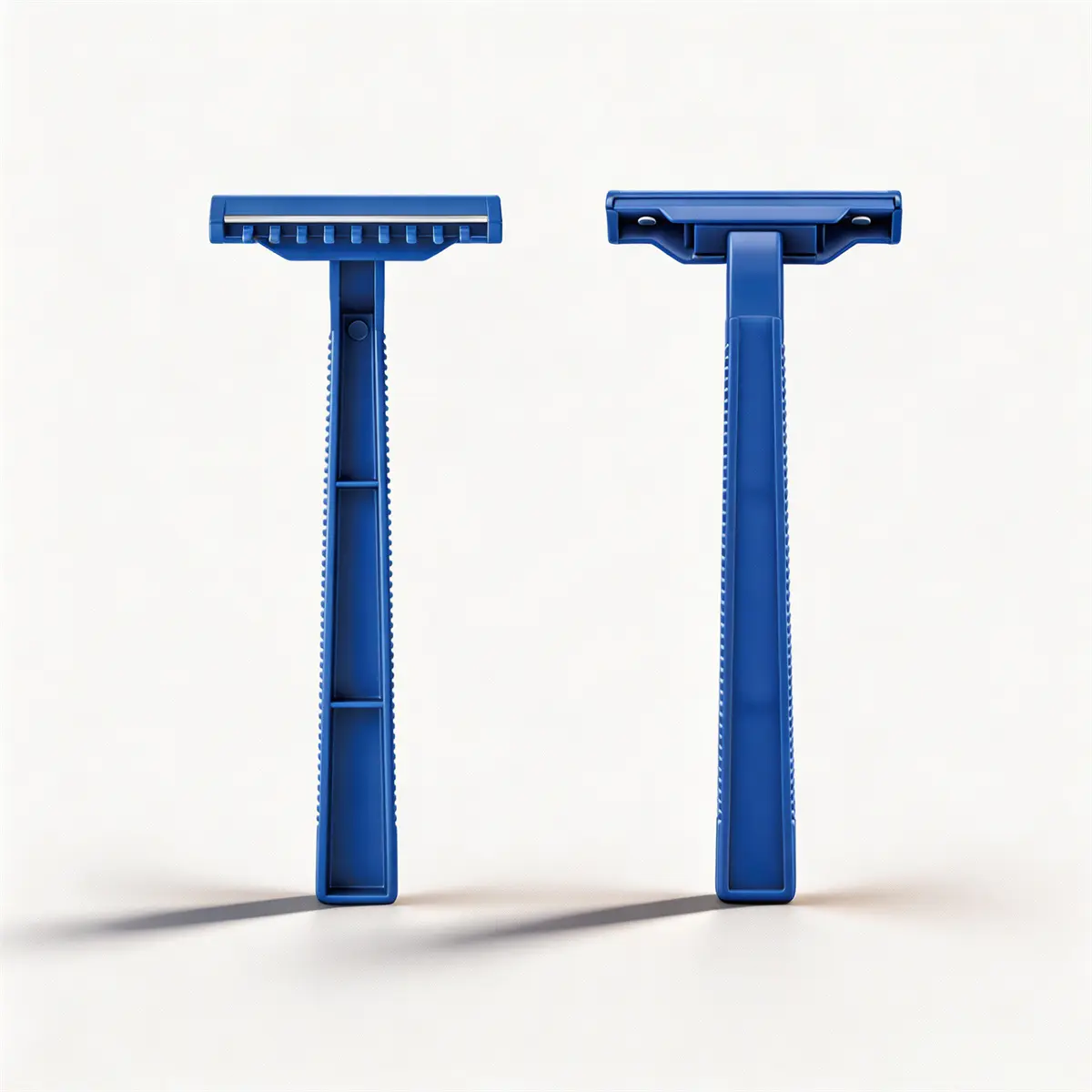
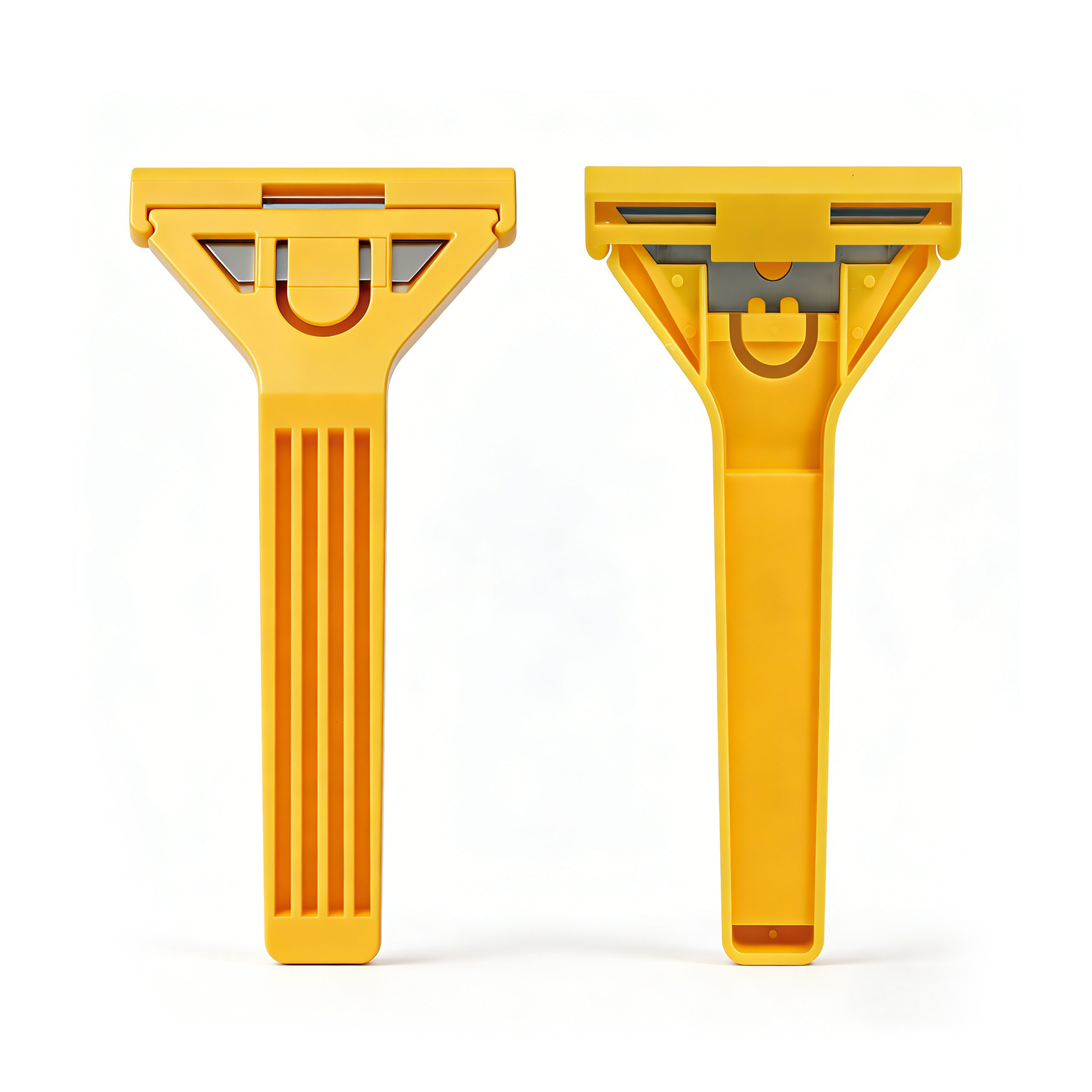
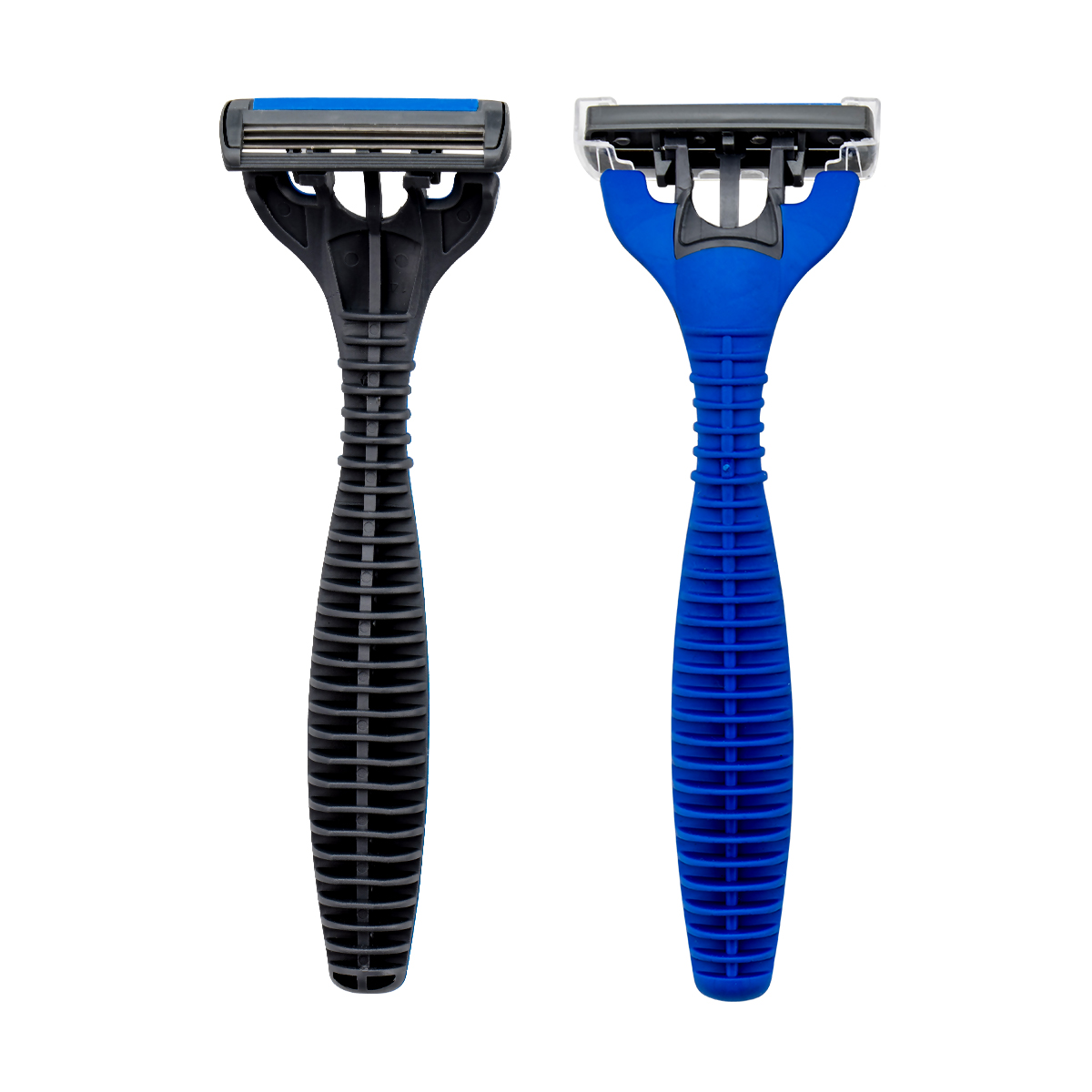
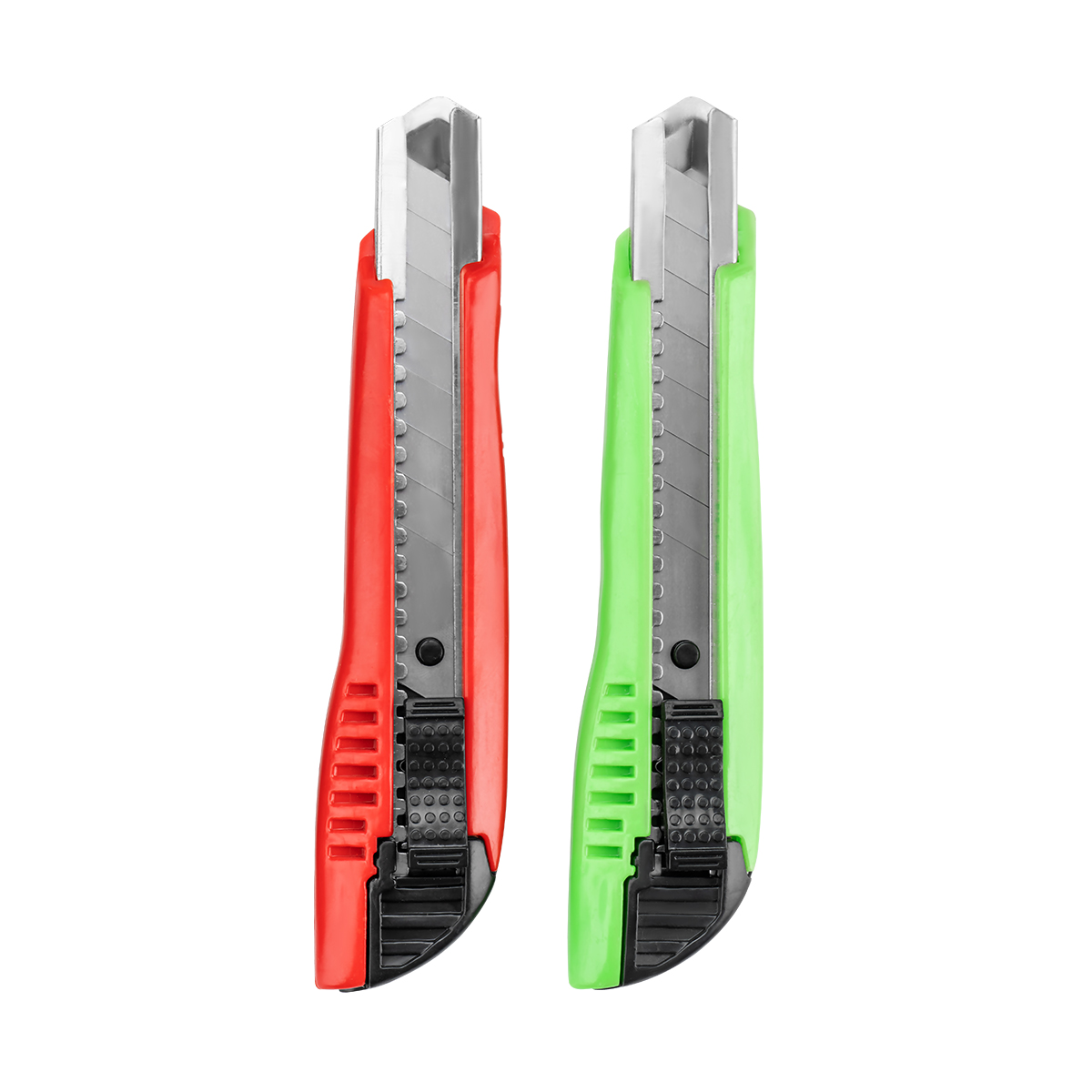
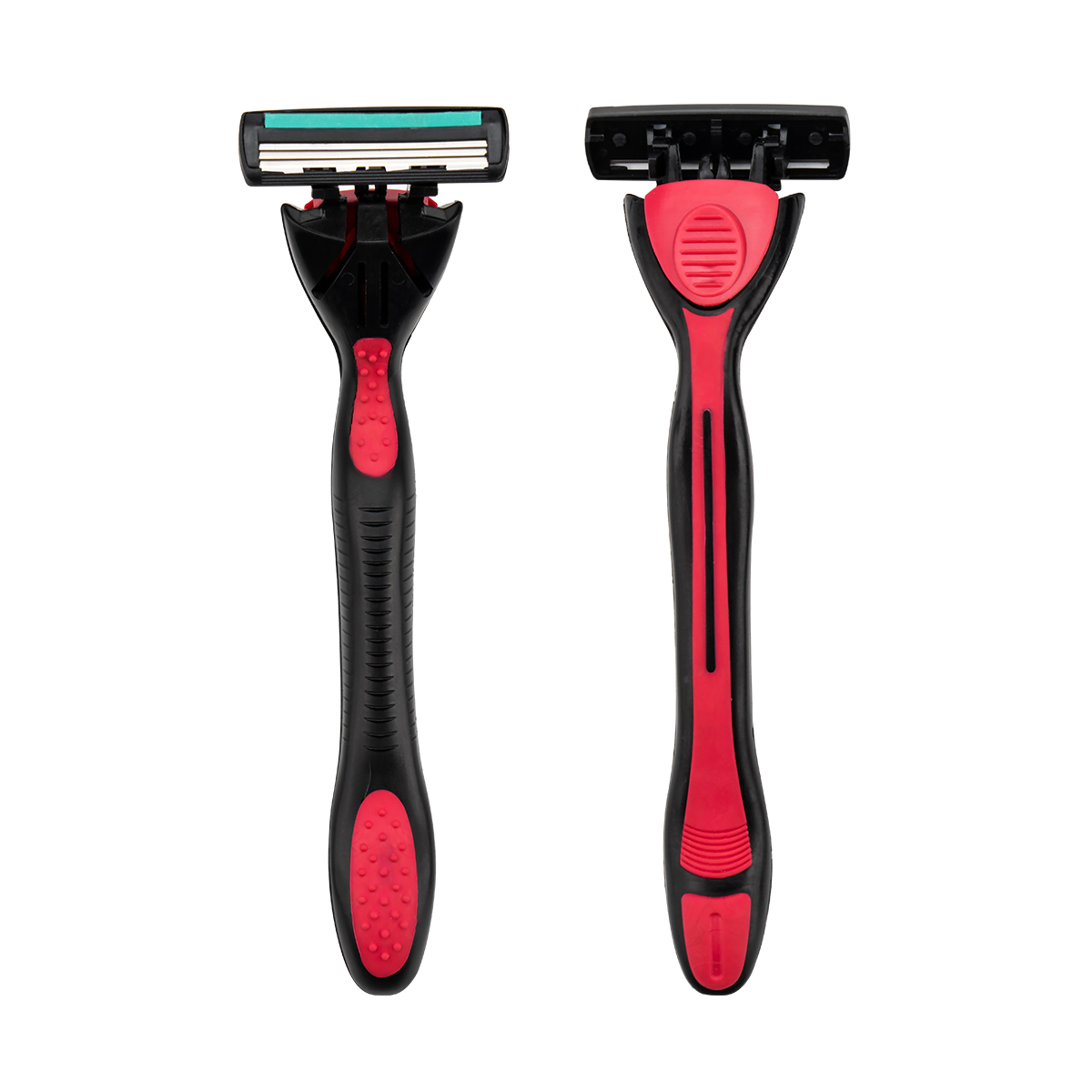

We are an industry and trade enterprise
specializing in the production of disposable razors and utility knives for more than 30 years.
Why do dermatologists suggest switching to a Medical Razor for sensitive skin
Content
- 1 The Clinical Shift: Why Dermatologists are Recommending a Return to Single-Blade Shaving
- 2 Understanding Skin Trauma: The "Lift and Cut" Myth
- 3 Combating Pseudofolliculitis Barbae (PFB) and Razor Bumps
- 4 Hygiene and Bacterial Control: The "Medical Razor" Standard
- 5 The Role of the Medical Razor in Sensitive Skin Care
- 6 Mastering the Technique: A Dermatologist-Approved Guide
- 7 FAQ:
The Clinical Shift: Why Dermatologists are Recommending a Return to Single-Blade Shaving
For decades, the consumer market has been dominated by the "more blades are better" philosophy. However, a significant shift is occurring in clinical dermatology. Skin experts are increasingly observing that the modern multi-blade cartridge system is a primary contributor to chronic skin conditions, leading to a professional endorsement of the single-blade Medical Razor. This return to traditional shaving is not about nostalgia; it is about the fundamental physiology of the human skin barrier.
The Modern Shaving Crisis
The average multi-blade razor is designed for convenience, but it often ignores the biological limits of the epidermis. When three to five blades pass over the same patch of skin in a single stroke, it results in excessive "over-shaving." This process strips away the stratum corneum—the outermost layer of the skin—which serves as the primary defense against pathogens and environmental stressors.
Dermatologists identify this as shaving-induced dermatitis. Symptoms include:
- Transepidermal Water Loss (TEWL): The skin loses moisture rapidly, leading to dryness and flaking.
- Micro-tears: Tiny fissures in the skin that provide entry points for bacteria.
- Chronic Inflammation: A constant state of redness and sensitivity caused by repetitive trauma.
The Anatomy of a Medical Razor
In a clinical context, a safety razor is increasingly referred to as a Medical Razor. This terminology distinguishes it from disposable plastic alternatives. A Medical Razor is a precision instrument, typically constructed from high-grade metals such as stainless steel or brass, designed to hold a single blade at a fixed, optimized angle.
The "Medical" designation stems from its design priorities:
- Precision Gap: The distance between the blade and the safety bar is calculated to cut hair at the surface, not beneath it.
- Thermal Stability: The metal head retains heat or cold, which can be used to soothe skin during the process.
- Hygienic Integrity: Unlike plastic cartridges with deep crevices, a Medical Razor can be fully disassembled and sterilized.
Dermatologist Consensus: Single vs. Multi-Blade
Dermatologists are moving away from multi-blade technology because of the "Hysteresis" effect, commonly known as the "lift and cut" mechanism. While marketing suggests this leads to a smoother face, from a medical perspective, it is the root cause of follicular trauma. By using a Medical Razor, the user achieves a "clean" cut that respects the skin's surface level.
Technical Parameters: Multi-Blade Cartridge vs. Medical Razor
| Feature | Multi-Blade Cartridge Razor | Single-Blade Medical Razor | Clinical Impact |
| Blade Count | 3 to 6 blades | 1 precision blade | Reduces friction by 300%–500% |
| Blade Thickness | 0.10 mm (approx.) | 0.10 mm (standardized) | High-grade steel maintains edge longer |
| Shaving Mechanism | Lift and cut (sub-dermal) | Surface level cut | Prevents ingrown hairs and PFB |
| Pressure Required | High (user must press down) | Zero (gravity-fed weight) | Reduces epidermal scraping |
| Clog Frequency | High (hair/skin trapped in gaps) | Low (open-comb design) | Minimizes bacterial buildup |
| Surface Exposure | Multiple passes per stroke | Single pass per stroke | Preserves the acid mantle |
| Material | Plastic & Rubber | Stainless Steel / Zinc Alloy | Improved hygiene and sterilization |
The Physics of the Stroke
The clinical superiority of the Medical Razor also lies in its weight. Most plastic razors are lightweight, requiring the user to apply downward manual pressure to achieve a close shave. In contrast, a Medical Razor is engineered with a weighted handle (often ranging from 80g to 120g). This allows gravity to do the work. Dermatologists recommend this "zero-pressure" technique because it ensures that the blade glides over the skin rather than digging into it. By maintaining a consistent 30-degree angle, the Medical Razor slices the hair fiber cleanly, leaving the surrounding skin tissue intact.
Understanding Skin Trauma: The "Lift and Cut" Myth
In clinical dermatology, the "Lift and Cut" mechanism promoted by modern multi-blade razors is considered a major root cause of chronic skin damage and follicle inflammation. To understand why the Medical Razor effectively protects the skin barrier, we must analyze the misconceptions of multi-blade systems through skin anatomy and physical friction.
The Multi-Blade Fallacy: Hysteresis and Skin Trauma
Multi-blade systems operate on a physical effect called "Hysteresis." When the first blade contacts the hair, it does not immediately cut it but pulls it upward from the follicle. The subsequent blades then cut the hair before it can retract. From a medical perspective, this mechanism poses serious health risks:
- Sub-dermal Cutting: The hair is cut below the skin surface. When the hair retracts, the sharp tip can easily pierce the follicle wall, causing Pseudofolliculitis Barbae.
- Epidermal Over-exfoliation: Shaving once with a five-blade razor is equivalent to passing a Medical Razor over the same spot five times consecutively, which destroys the skin's acid mantle.
Epidermal Friction: Friction and Barrier Damage
The core design of the Medical Razor is "single pass, precision cutting." Because it uses only one blade, the mechanical friction on the skin is minimized. Dermatologists point out that healthy skin is covered by a protective film called the Acid Mantle. The high-frequency friction of multi-blade systems removes this film, leading to increased transepidermal water loss and inflammatory responses.
Technical Parameter Comparison: Cutting Mechanics
| Physical Parameter | Multi-Blade System | Medical Razor | Medical Explanation |
| Cutting Position | Sub-surface | Surface level | Prevents ingrown hairs |
| Friction per Stroke | 3 - 6 times | 1 time | Reduces physical erosion of the skin |
| Blade Gap | Extremely narrow | Open/Adjustable gap | Reduces debris buildup and infection |
| Contact Pressure | 100g - 200g (manual) | 0g (device weight) | Lower pressure reduces micro-tears |
| Cutting Angle | Fixed/Non-adjustable | Controlled (30 degrees) | Allows adjustment for skin thickness |
The Physics of Pressure
A high-quality Medical Razor is made of solid metal. Users only need to move the razor in the direction of gravity without applying extra force. This "floating" cut ensures the blade only acts on the hair without compressing the underlying dermal vessels and nerves.
Combating Pseudofolliculitis Barbae (PFB) and Razor Bumps
In dermatology, Pseudofolliculitis Barbae (PFB), or razor bumps, is a chronic inflammation. Clinical studies show that this is directly related to the choice of shaving tools. Using the single-blade technology of a Medical Razor blocks the pathogenesis of PFB at the physical source.
The Science of Ingrowns: Why Hair Grows Inward
The core pathology of PFB is that the sharp tip of the cut hair fails to exit the follicle opening and instead pierces the follicle wall or surrounding skin. The Medical Razor follows the core recommendation of dermatologists: cut the hair at or slightly above the skin surface to eliminate "sub-surface traps."
Inflammation Control: Reducing Thermal and Metal Irritation
- Thermal Conductivity: Surgical-grade stainless steel in a Medical Razor retains heat. After soaking in warm water, it helps relax pores and soften keratin.
- Low Allergenicity: Medical Razors use surgical steel or coatings like platinum to reduce the risk of contact dermatitis compared to cheap nickel-laden blades.
Technical Parameters: PFB Prevention Efficiency
| Metric | Multi-Blade System | Medical Razor | Clinical Significance |
| Cut Position | 0.1 - 0.2 mm sub-surface | 0 mm (Surface) | Eliminates ingrown hair risk |
| Inflammation Rate | High (recurring rashes) | Low (fewer papules) | Protects skin from foreign body reaction |
| Blade Sharpness | Declines rapidly | Stable and easy to clean | Prevents hair tearing |
| Exfoliation Depth | Thick | Thin | Preserves barrier function |
| Bacterial Risk | High (trapped in plastic) | Very Low (dry metal) | Prevents secondary infections |
Hygiene and Bacterial Control: The "Medical Razor" Standard
The Biofilm Problem
Multi-blade cartridges have narrow gaps that trap hair, dead skin, and cream, forming a "Biofilm" that serves as a breeding ground for bacteria. The Medical Razor features an open-structure design. Debris is easily washed away during shaving, destroying the physical environment for bacterial growth.
Sterilization and Maintenance
The core advantage of the Medical Razor is its fully detachable design. The 316L stainless steel allows for medical-grade sterilization in 70% isopropyl alcohol without corrosion, ensuring all surfaces can be exposed to air to inhibit mold.
Technical Parameter Comparison: Hygiene
| Hygiene Feature | Plastic Cartridge | Medical Razor (Metal) | Health Impact |
| Composition | Plastic, Rubber, Glue | 316L Steel / Brass | Antibacterial and no microplastics |
| Detachable | Non-detachable | 100% Detachable | Ensures zero-blind-spot cleaning |
| Cleaning Method | Surface rinse only | Scrub, soak, heat | Lower risk of secondary infection |
| Drying Speed | Slow (traps water) | Extremely fast | Inhibits moisture-loving bacteria |
| Blade Cost | Expensive | Extremely Low | Encourages frequent blade changes |
The Role of the Medical Razor in Sensitive Skin Care
For those with eczema, acne, or psoriasis, the Medical Razor is a "prescription" for maintaining skin barrier integrity. Instead of "shaving off" large areas of the live cuticle, the Medical Razor allows for precision removal of only loose dead skin. Because the head is compact, users can easily navigate around active inflamed lesions, reducing the spread of bacteria.
Technical Comparison: Sensitive Skin Adaptability
| Dimension | Multi-Blade System | Medical Razor | Clinical Evaluation |
| Erythema Rate | ~ 57.6% | ~ 40.3% | Reduces redness by over 30% |
| Chemical Risk | High (Lubricant strips) | Zero (Pure metal) | Avoids allergens for eczema |
| Inflamed Areas | High risk of infection | Precise bypass | Protects acne from spreading |
| Heat Treatment | Plastic (Insulator) | Metal (Conductor) | Warm metal soothes psoriasis itching |
Mastering the Technique: A Dermatologist-Approved Guide
Step 1: Pre-Shave Preparation
Hydrated hair is 60% easier to cut than dry hair. Dermatologists recommend a warm compress for 2-3 minutes to increase water content in the hair and the use of creams with glycerin to create a protective film.
Step 2: The 30-Degree Rule
The optimal cutting angle is 30 degrees. This minimizes normal stress (pressure) while maximizing tangential shear force to slice hair without catching skin.
Technical Parameters: Professional Shaving Standards
| Process | Key Metric | Recommended Standard | Medical Principle |
| Water Temp | 38C - 40C | Warm, not hot | Softens hair without heat damage |
| Cut Angle | 25 - 35 degrees | Fixed wrist angle | Prevents blade from biting epidermis |
| Stroke Length | 1 cm - 3 cm | Short, steady strokes | Reduces uneven pressure buildup |
| Pressure | 0.2N - 0.5N | Gravity only | Protects the dermal layer |
Step 3: Post-Shave Recovery
The 15 minutes after shaving is the golden window for skin repair. Cold water (15C - 20C) helps capillaries contract, and alcohol-free balms with ceramides or hyaluronic acid help fill the gaps in the damaged stratum corneum to lock in moisture.
FAQ:
Q1: Is a Medical Razor more likely to cause cuts for beginners?
A: No. While it looks sharper, the fixed gap prevents the blade from sinking into the skin. Most cuts come from sliding sideways or pressing too hard. It takes about 5-10 shaves to adapt to the weight.
Q2: Does one blade provide a close shave?
A: Yes. It uses "progressive reduction." By shaving once with the grain and once across the grain, you get a smoother result than multi-blades without the sub-dermal irritation.
Q3: Why is it recommended for the body and legs?
A: It is the best tool to prevent "Strawberry Legs." It cuts coarse hair without the aggressive pulling that causes inflammation in sensitive areas like the bikini line.
Technical and Scientific Quick Reference
| User Concern | Recommended Value | Medical Logic |
| Blade Change | Every 3 - 7 uses | Maintains surgical sharpness |
| Clean Temp | Above 70C | Kills bacteria causing folliculitis |
| Shave Time | 5 - 8 minutes | Reduces skin exposure to moisture |
| Material | Surgical Stainless Steel | Prevents heavy metal allergies |
| Lubricant pH | ~ 5.5 | Matches skin's natural pH |
Knowledge Tip: Face Mapping is essential. Determine the direction of your hair growth before using the Medical Razor. Shaving with the grain is the golden rule for avoiding all skin issues.
Recommended Product
Recommended News

Keep In Touch
 No. 2-2, Oufu Road, Zhangting Town, Yuyao City, Ningbo City, Zhejiang, China.
 +86-574-87560886/87560055
 +86-574-87560885
Copyright © Ningbo Chuangxin Cutting-Tool Manufacture Co., Ltd.
