

 English
 中文简体
中文简体 русский
 Español


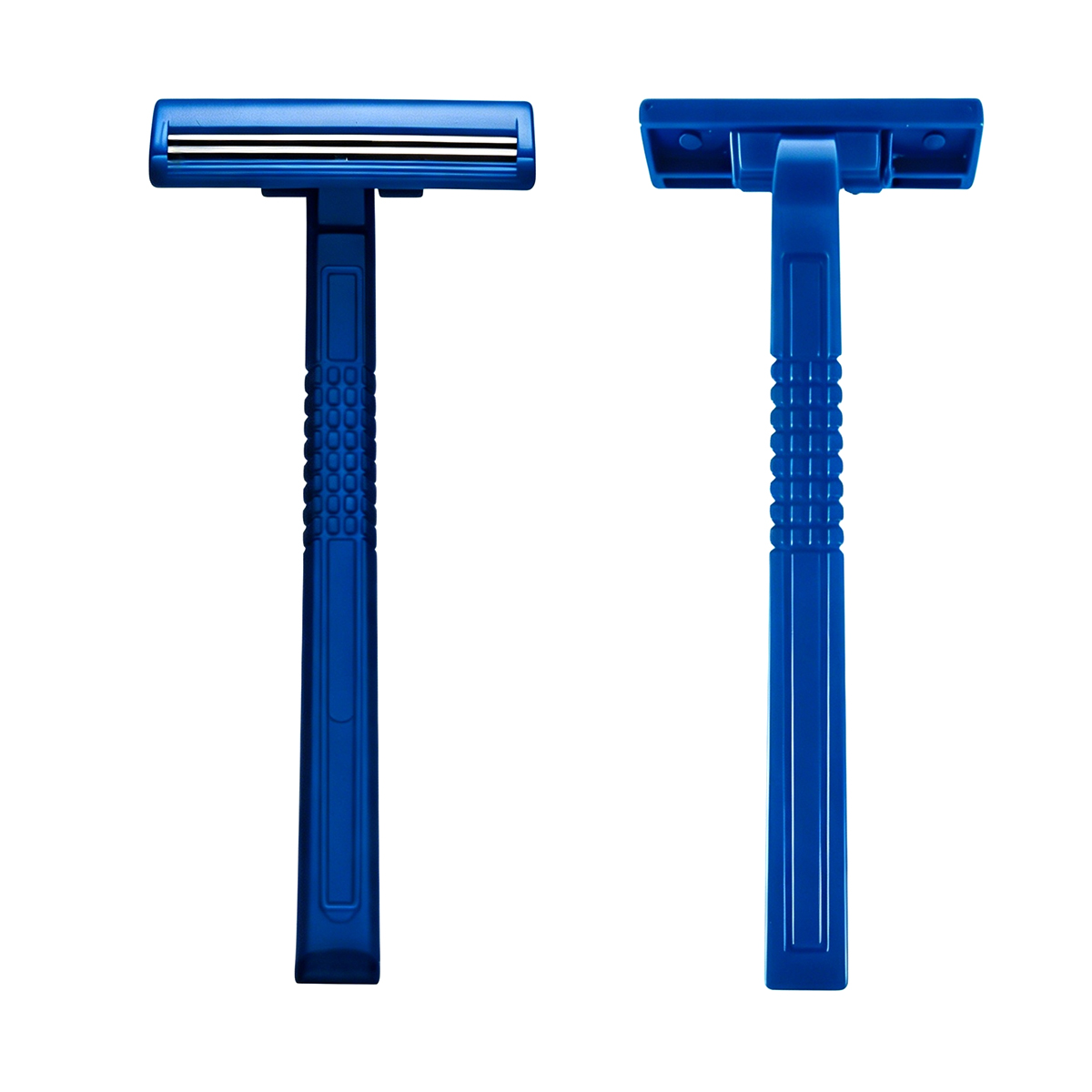
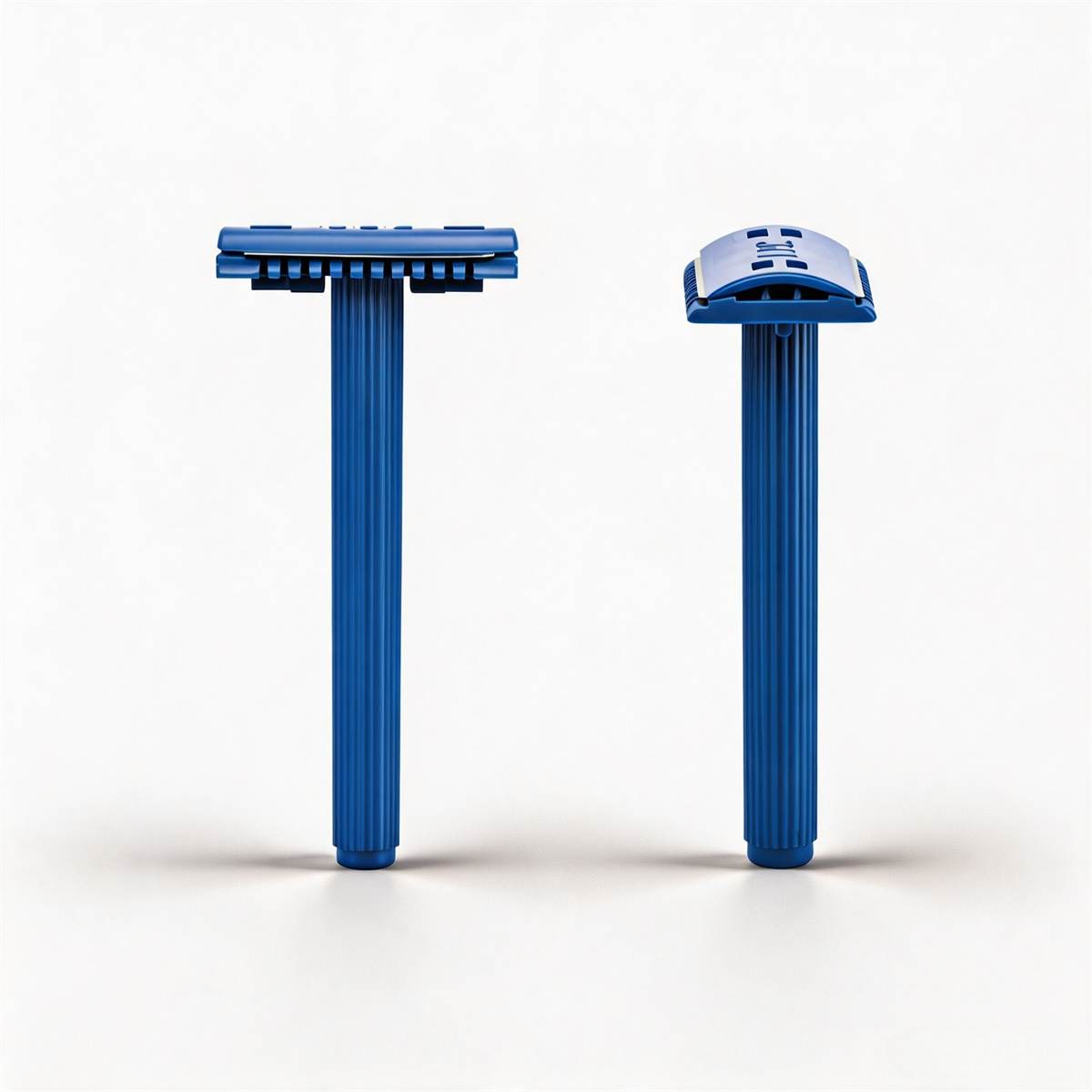
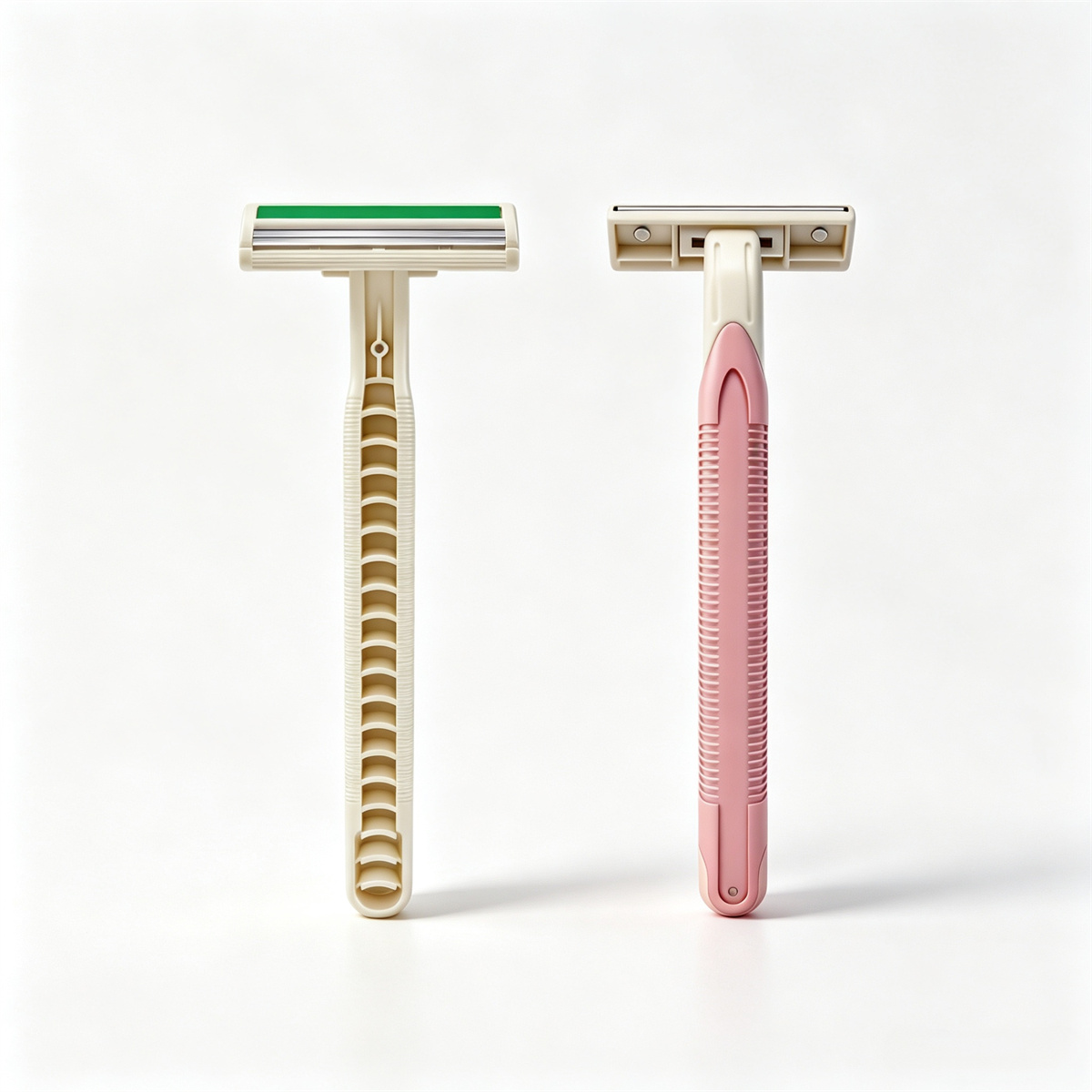



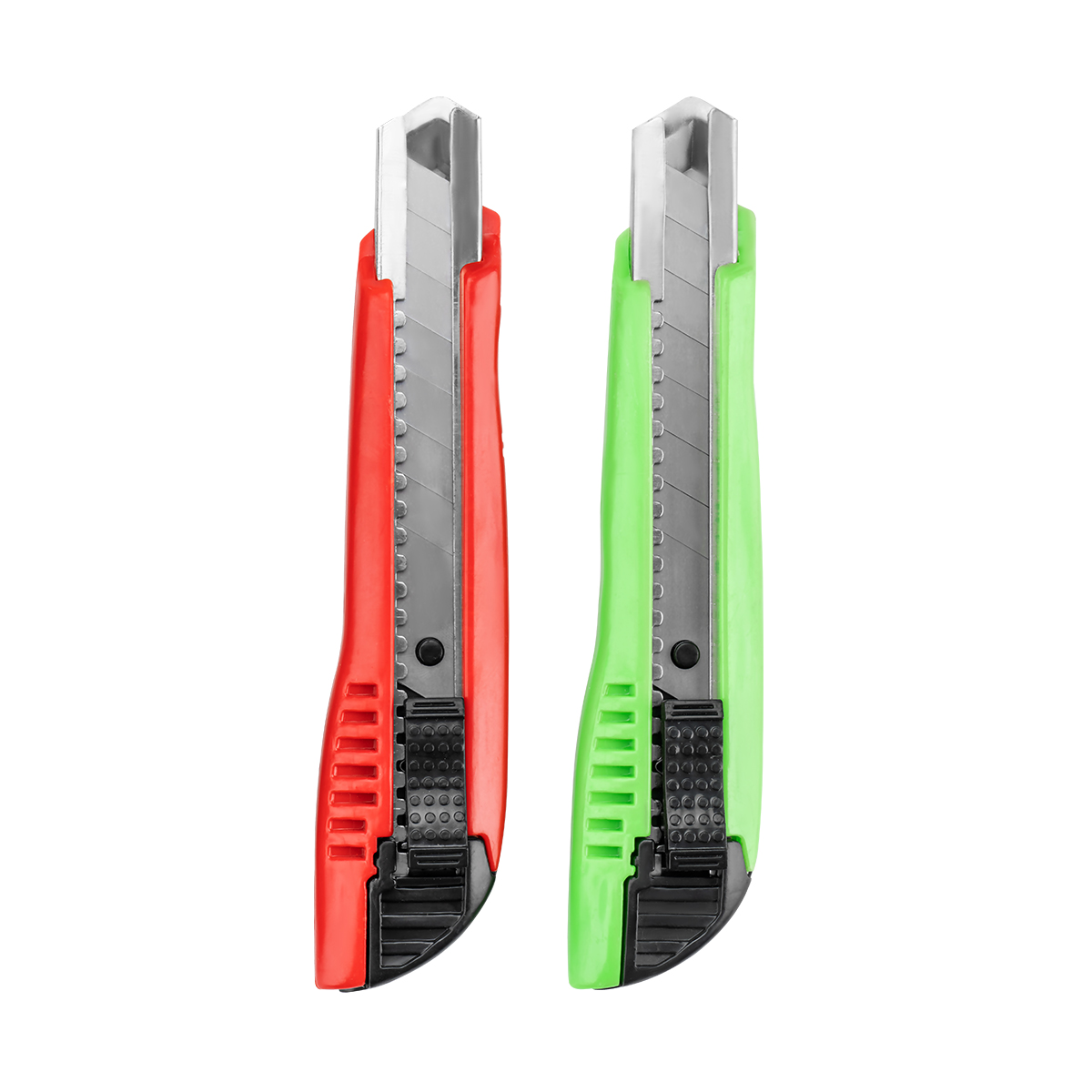



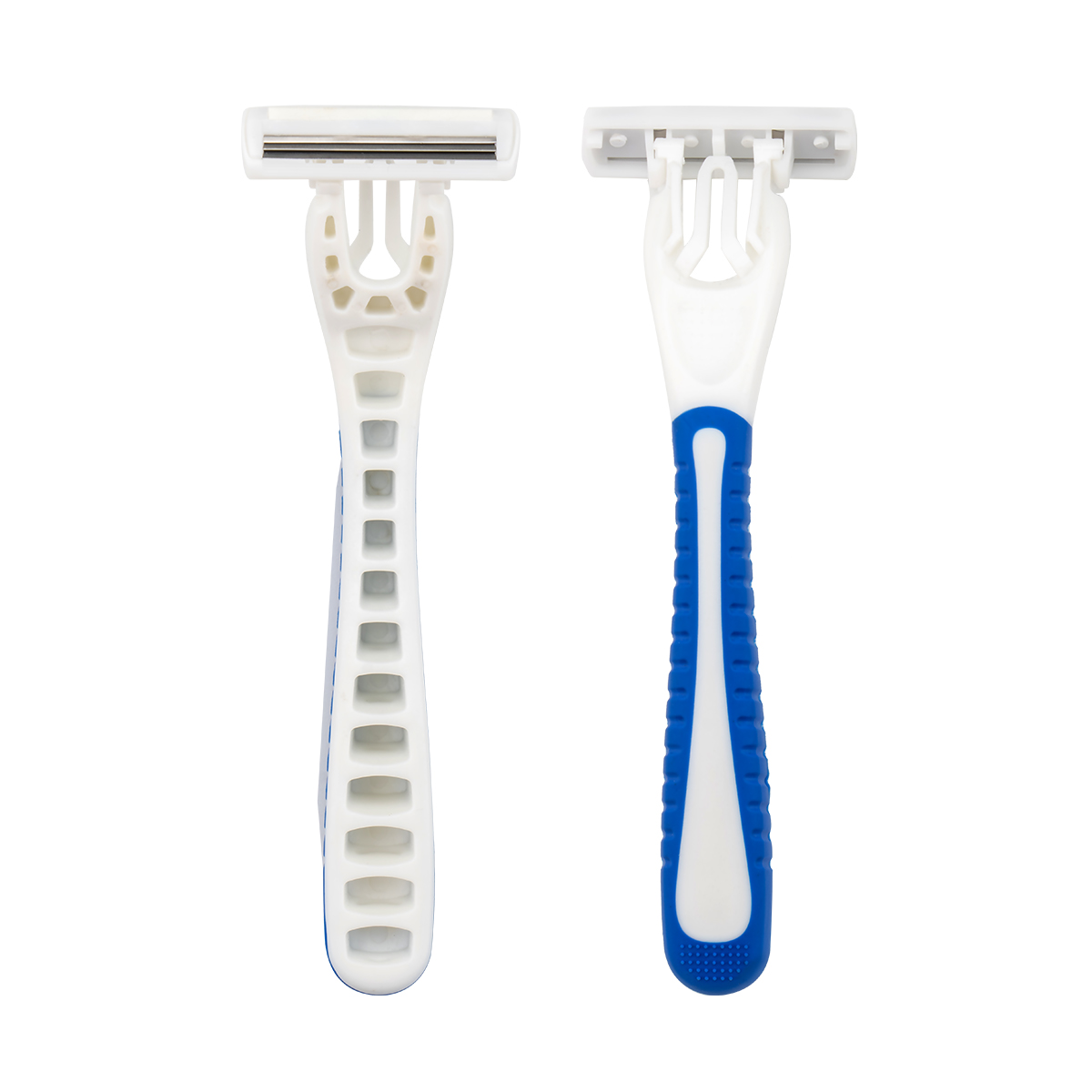
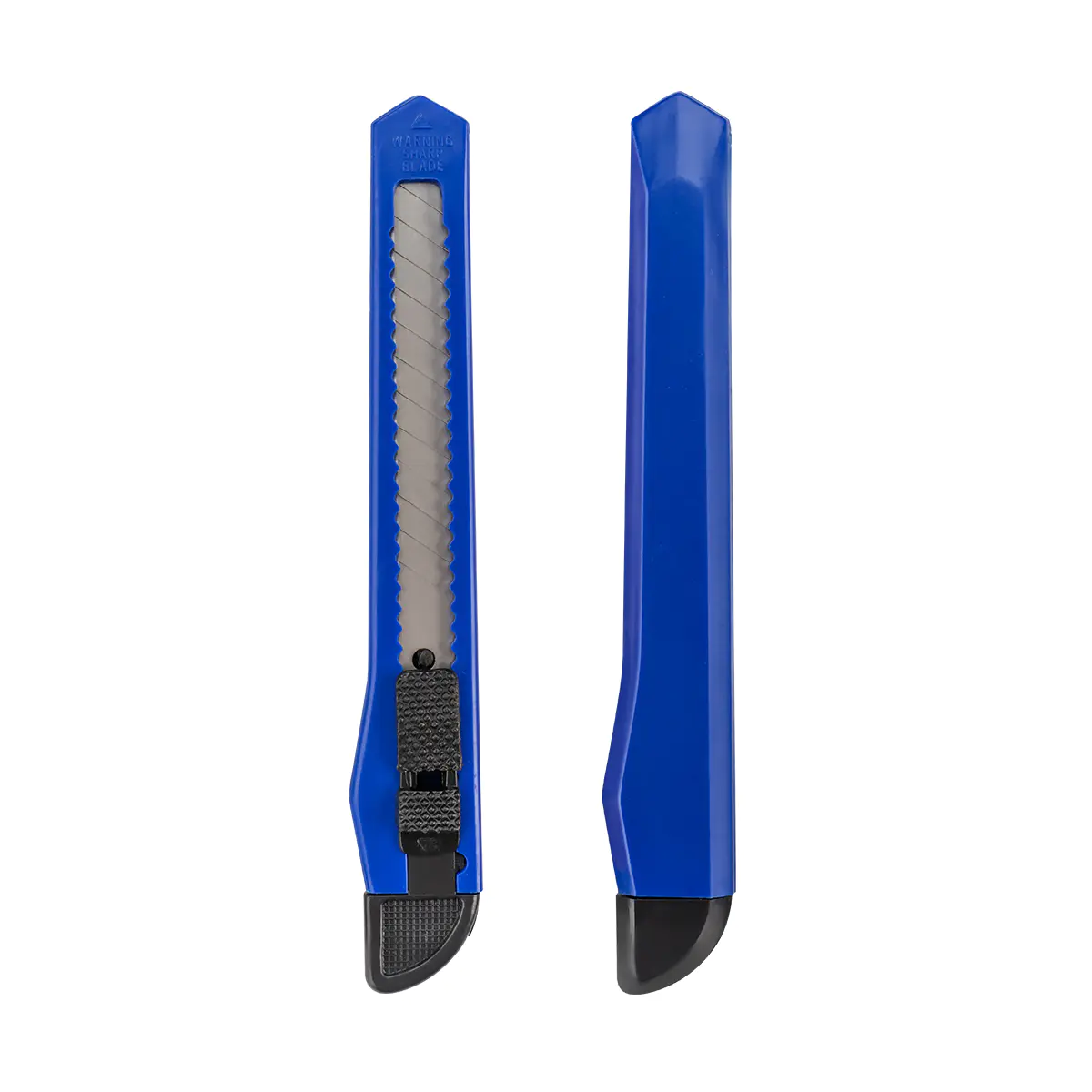
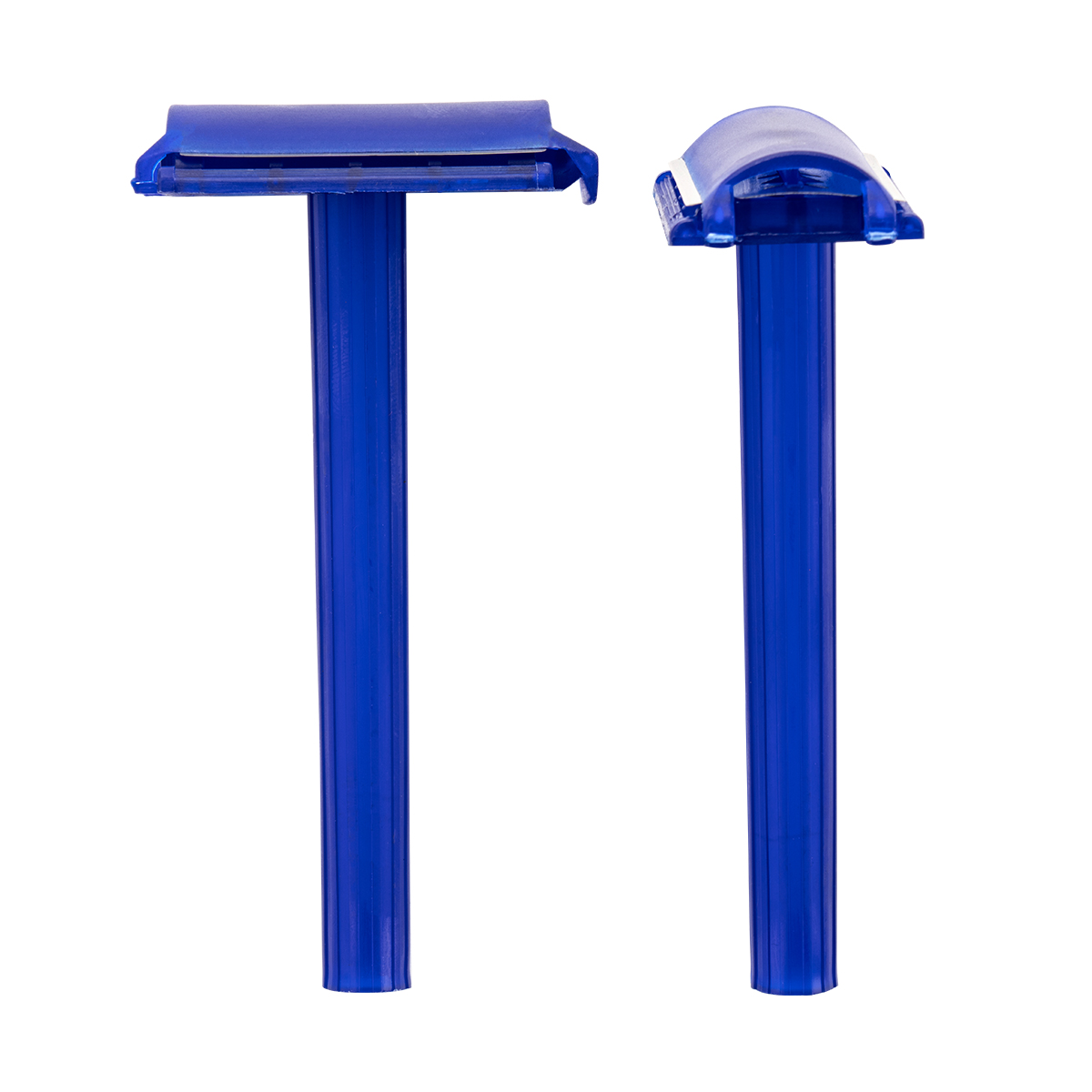
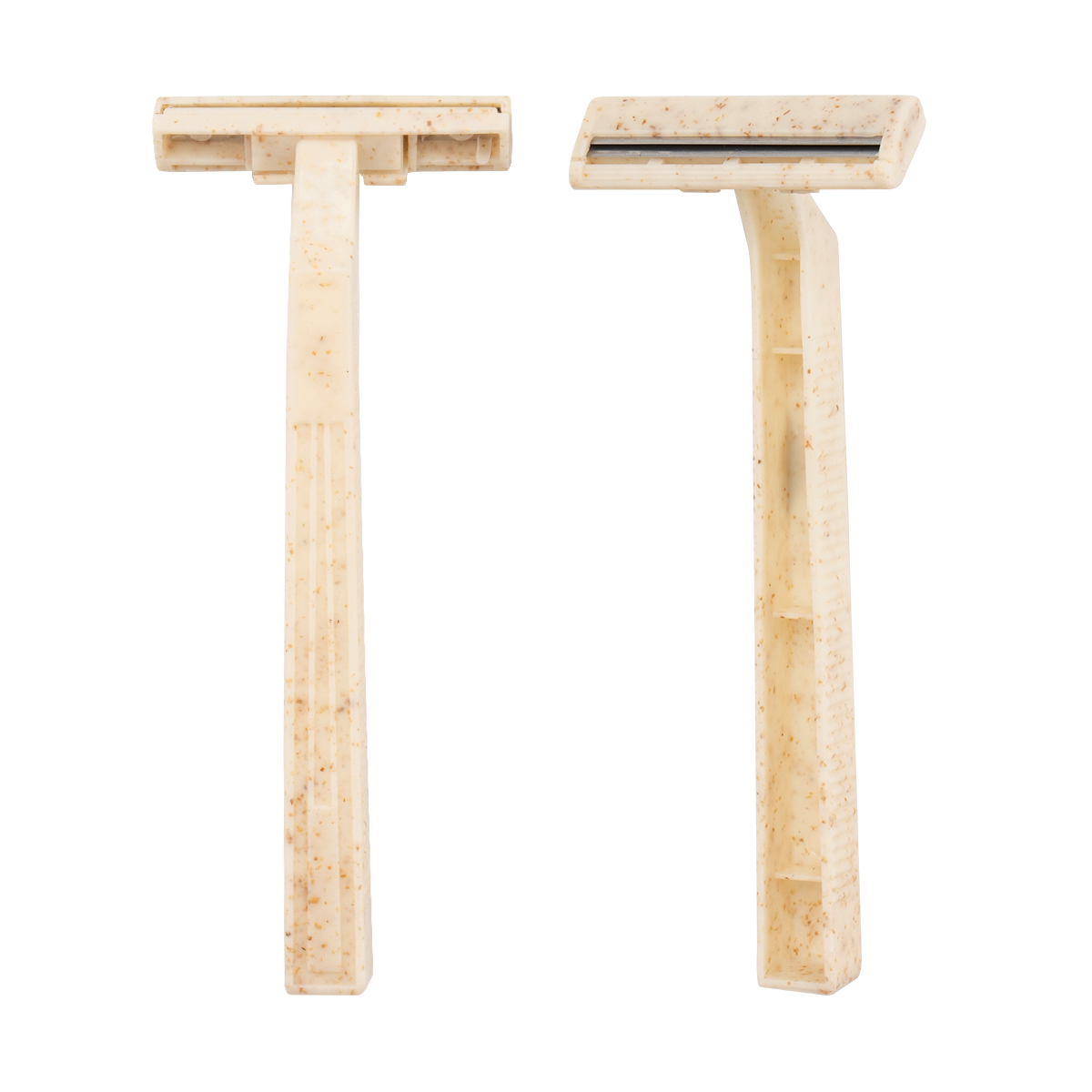

We are an industry and trade enterprise
specializing in the production of disposable razors and utility knives for more than 30 years.
What Is the Best Medical Razor for Your Surgery Type? Find Out Here!
Content
In the medical field, the Medical Razor is a precise shaving tool widely used in various surgeries and patient care processes. Whether it is for hair removal before surgery or skin treatment, selecting the right Medical Razor ensures smooth surgical procedures and minimizes the risk of infection and skin damage. Therefore, when choosing a Medical Razor, it is essential to make an accurate judgment based on the requirements of different types of surgery.
1. Surgical Types and Shaving Requirements
The type of surgery determines the complexity of the surgical area and the shaving needs. Different types of surgeries require different characteristics in a Medical Razor. For example:
- Cardiac Surgery: Cardiac surgery requires a large and sensitive shaving area, so selecting a Medical Razor with high-precision blades is crucial. The blades must be sharp and resistant to rust to ensure that the shaving process does not cause unnecessary irritation or damage to the patient's skin.
- Spinal Surgery: Spinal surgeries typically require shaving the entire back. A Medical Razor with a wider and more comfortable blade can quickly and efficiently remove hair from the shaved area, reducing patient discomfort.
- Cosmetic Surgery: Cosmetic surgeries often require more precise shaving, especially in the face, eyes, and other delicate areas. The Medical Razor used should have extremely precise blades and flexible operation to ensure no skin damage.
2. Blade Material of the Medical Razor and Matching Surgical Types
The choice of blade material is vital for different types of surgeries. Common blade materials include stainless steel and titanium alloy, and each material has specific characteristics that determine its suitability for surgery:
- Stainless Steel Blades: Stainless steel blades are commonly used for general surgical procedures due to their sharpness and durability. These blades have a long lifespan, making them suitable for most surgical operations, and they are less prone to rust, ensuring safety in a medical environment.
- Titanium Alloy Blades: Titanium alloy blades are typically used for surgeries requiring high precision, such as neurosurgery. This material not only offers higher strength but also provides better corrosion resistance, making it ideal for surgeries with stringent sterilization requirements.
3. Medical Razor for Sensitive Skin
Some types of surgeries involve patient skin that is particularly sensitive, such as the eyes, face, and other easily damaged areas. In such cases, selecting a Medical Razor suitable for sensitive skin is essential. For this purpose, the design of the blades should be precise, and the razor's surface should be smooth without sharp edges to prevent cuts or irritation:
- Soft Blade Design: For sensitive areas like the face or eyes, a Medical Razor with a soft blade design can effectively reduce discomfort during the shaving process, avoiding secondary damage during surgery.
- Adjustable Blade Pressure: Some Medical Razors feature adjustable blade pressure, which allows the user to modify the pressure depending on the surgical area. This feature effectively prevents unnecessary skin irritation.
4. Surgical Environment and Medical Razor Adaptability
The choice of Medical Razor can also depend on the surgical environment. Some high-risk surgeries require particularly stringent cleanliness and sterilization requirements, so the Medical Razor must be easy to clean and durable. Specific requirements include:
- Antibacterial Blades: In surgical procedures with strict hygiene standards, Medical Razors with antibacterial-coated blades are a common choice. These razors help reduce the risk of bacterial transmission and prevent infection during the shaving process.
- Disposable vs. Reusable Blades: Certain surgeries, such as invasive procedures or routine surgeries, are more suited for disposable Medical Razors. Disposable blades minimize the risk of cross-contamination, especially in high-risk patients. For lower-risk, repeatable surgeries, Medical Razors with detachable, sterilizable blades offer better economic benefits.
5. Clinical Experience and Medical Team Preferences
The experience of the medical team and their familiarity with the tools also plays a crucial role in selecting the appropriate Medical Razor. Surgeons and nurses need a deep understanding of the tools they use to maximize their effectiveness in the surgical process. When selecting a Medical Razor, it is helpful to refer to feedback from the medical team about tool usage:
- Surgeon Preferences: Different surgeons may have different shaving preferences. Surgeons who are skilled in high-precision operations may prefer Medical Razors with sharper and more precise blades. In some surgeries, the comfort of the blade and ease of use are more critical.
- Nurse Preferences: Nurses typically assist with shaving and preparation before surgery, so a Medical Razor that is easy to use and lightweight will significantly improve work efficiency.
Recommended Product
Recommended News

Keep In Touch
 No. 2-2, Oufu Road, Zhangting Town, Yuyao City, Ningbo City, Zhejiang, China.
 +86-574-87560886/87560055
 +86-574-87560885
Copyright © Ningbo Chuangxin Cutting-Tool Manufacture Co., Ltd.
