

 English
 中文简体
中文简体 русский
 Español


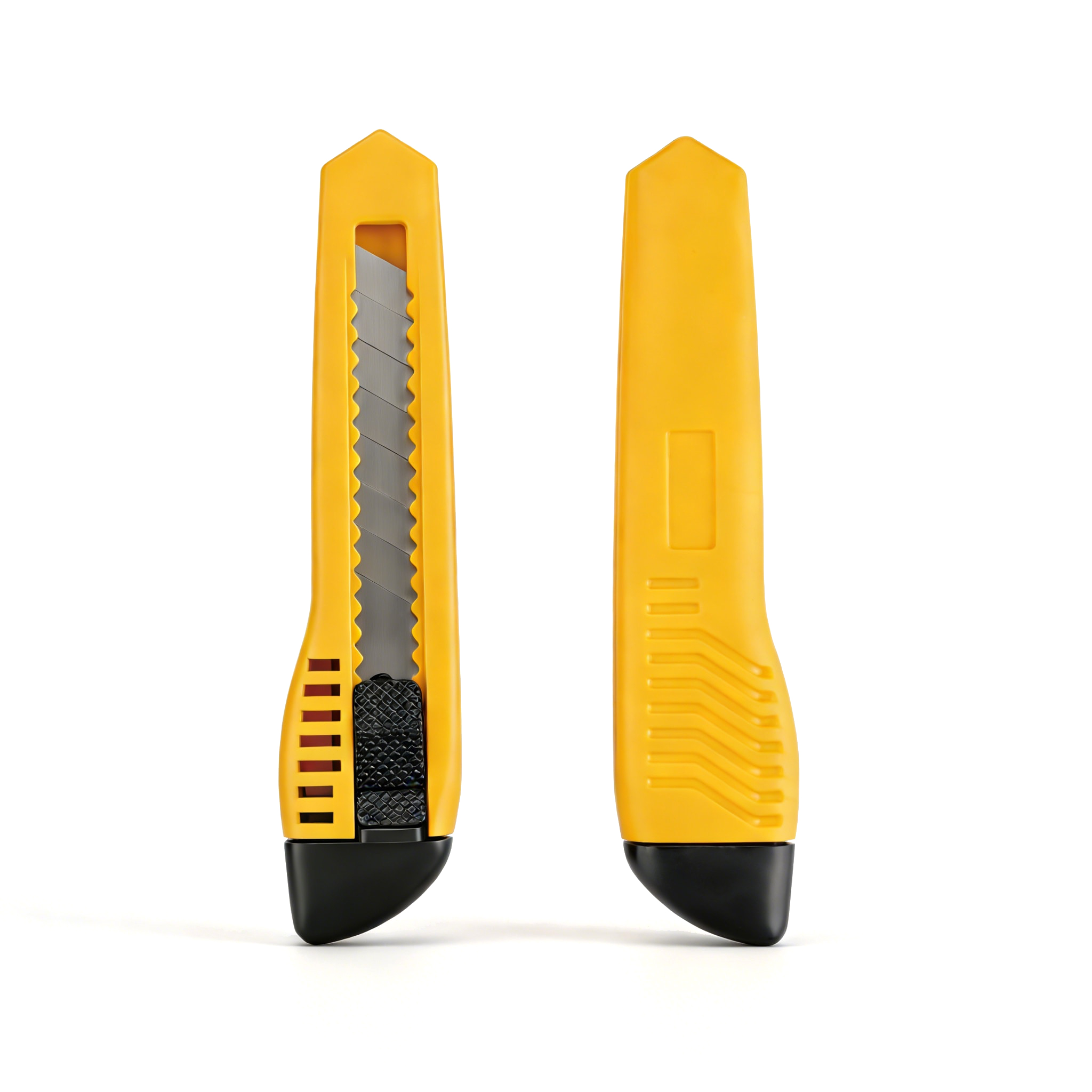
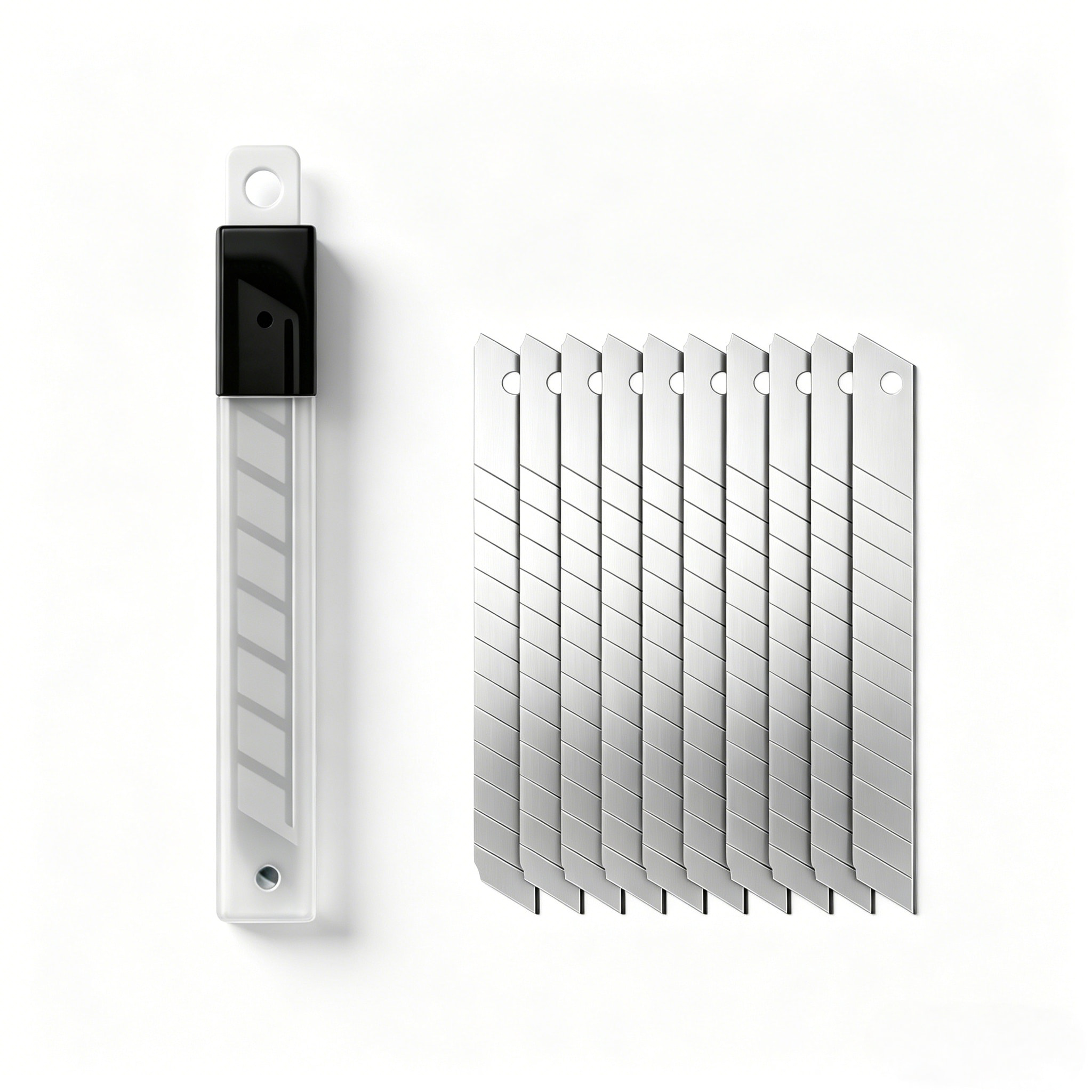
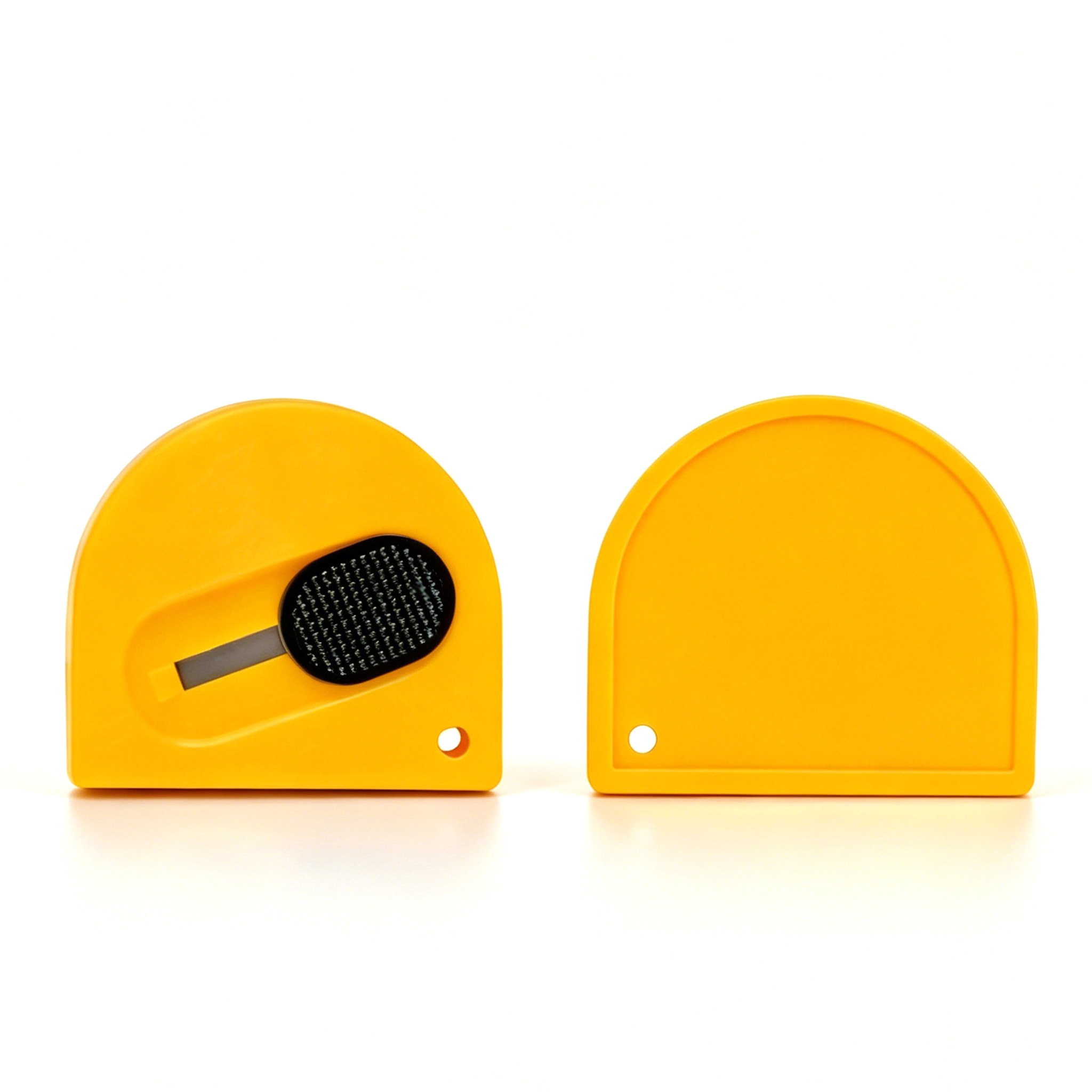

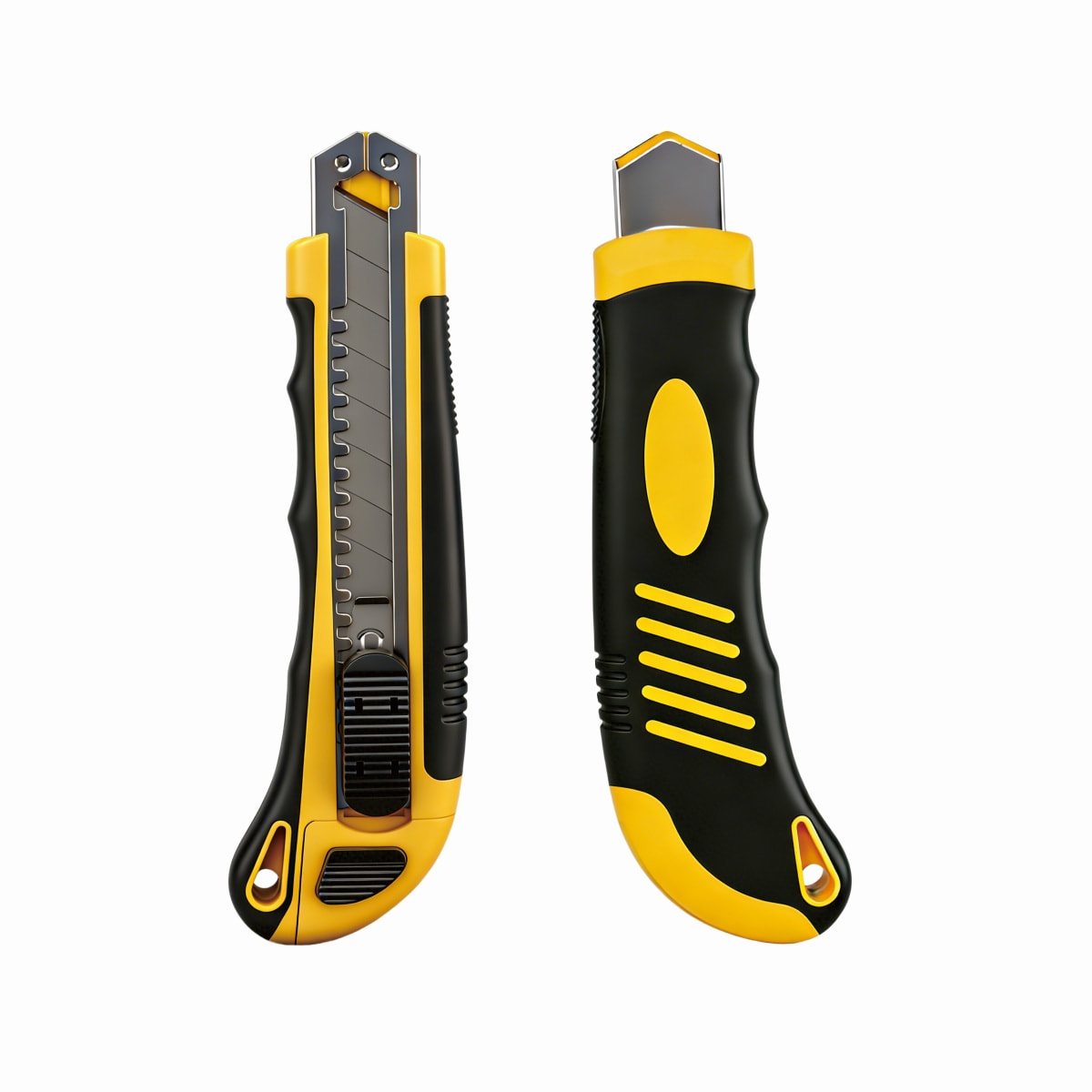
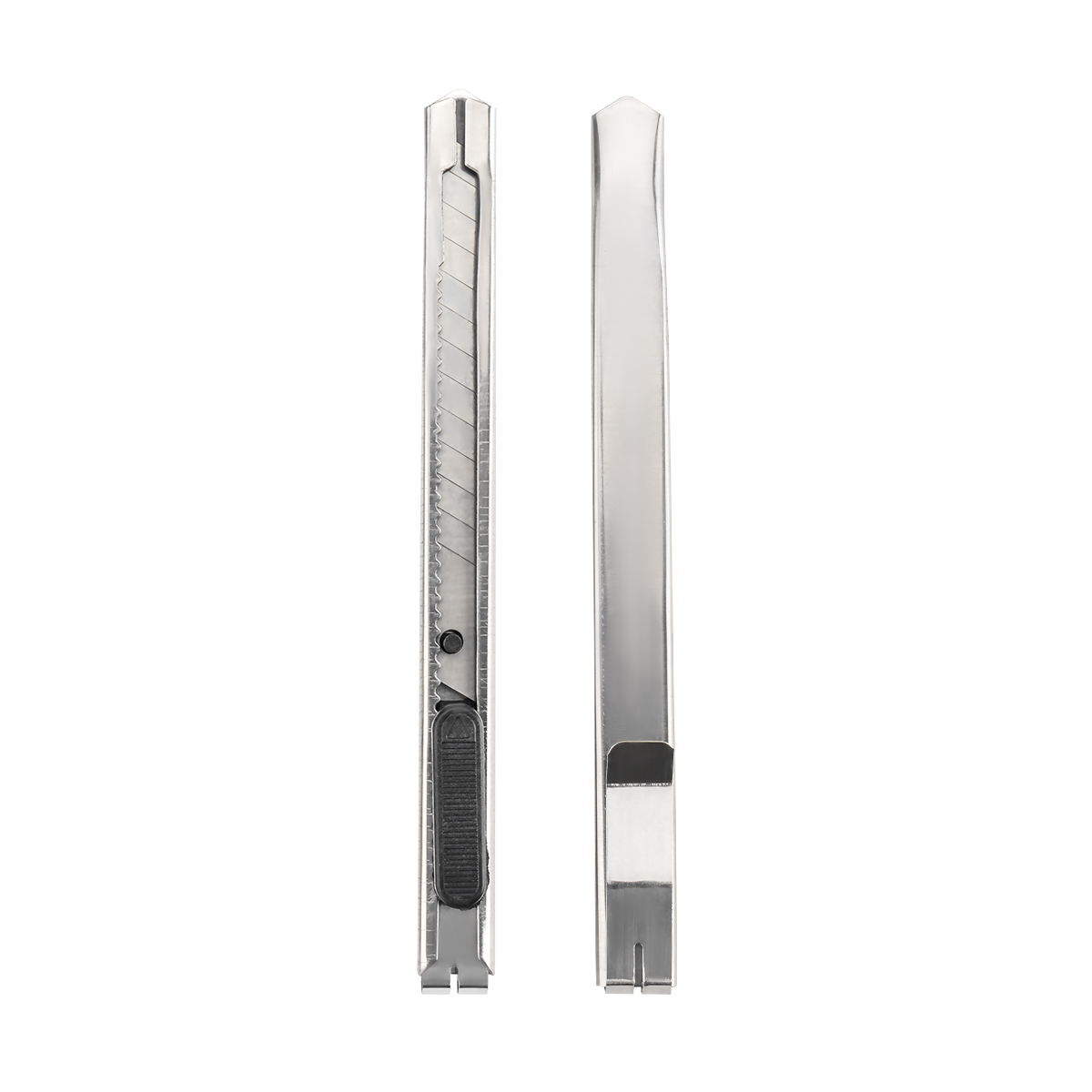
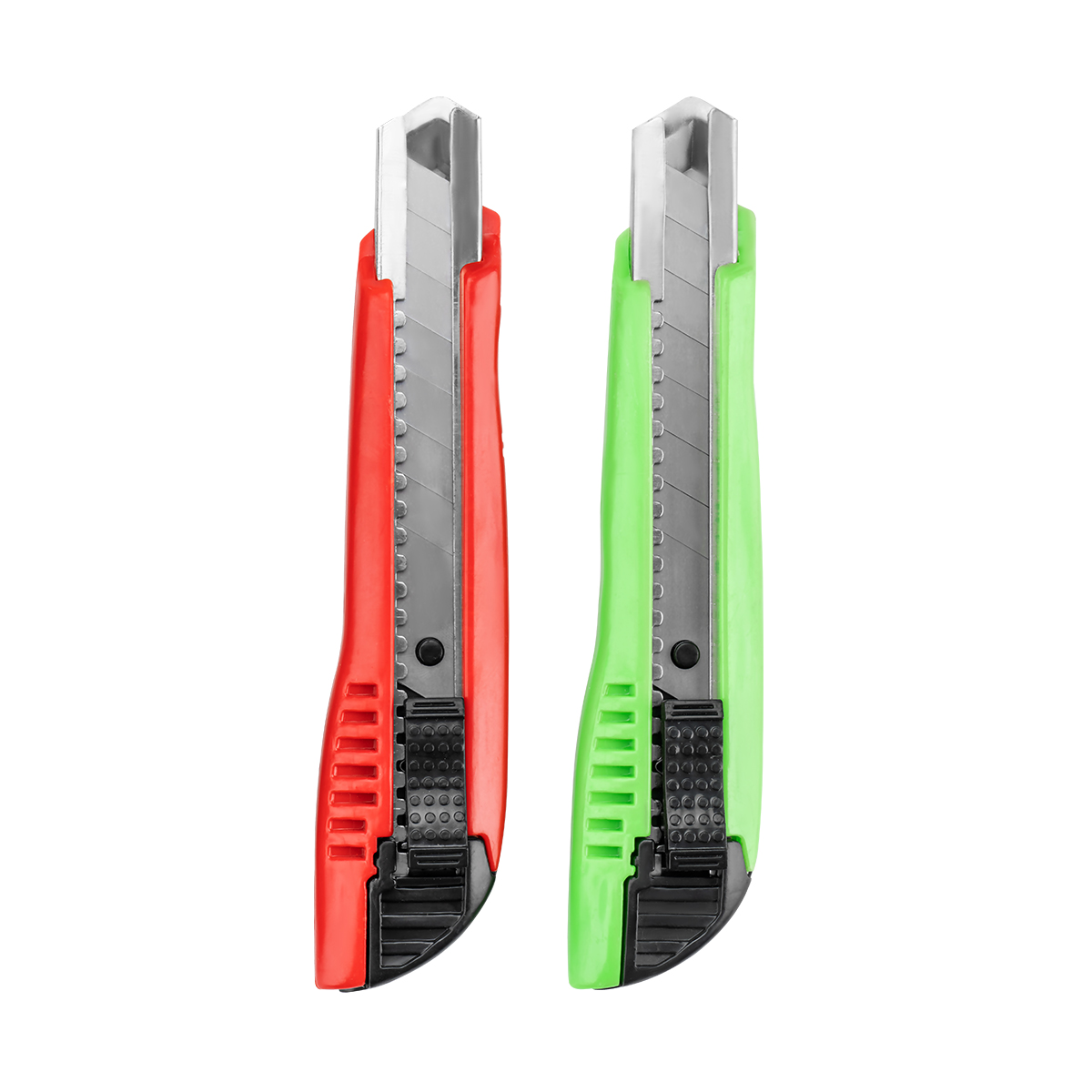
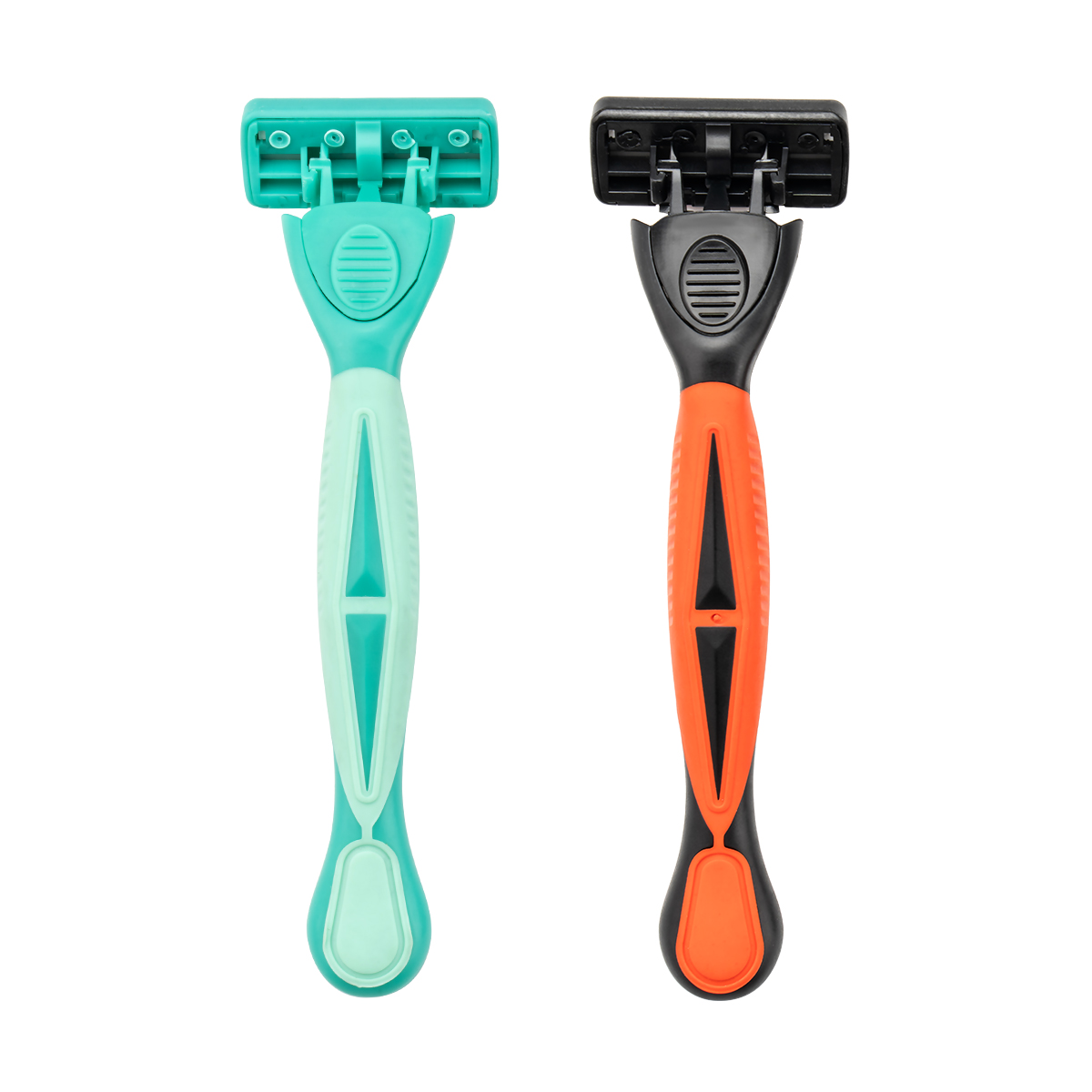
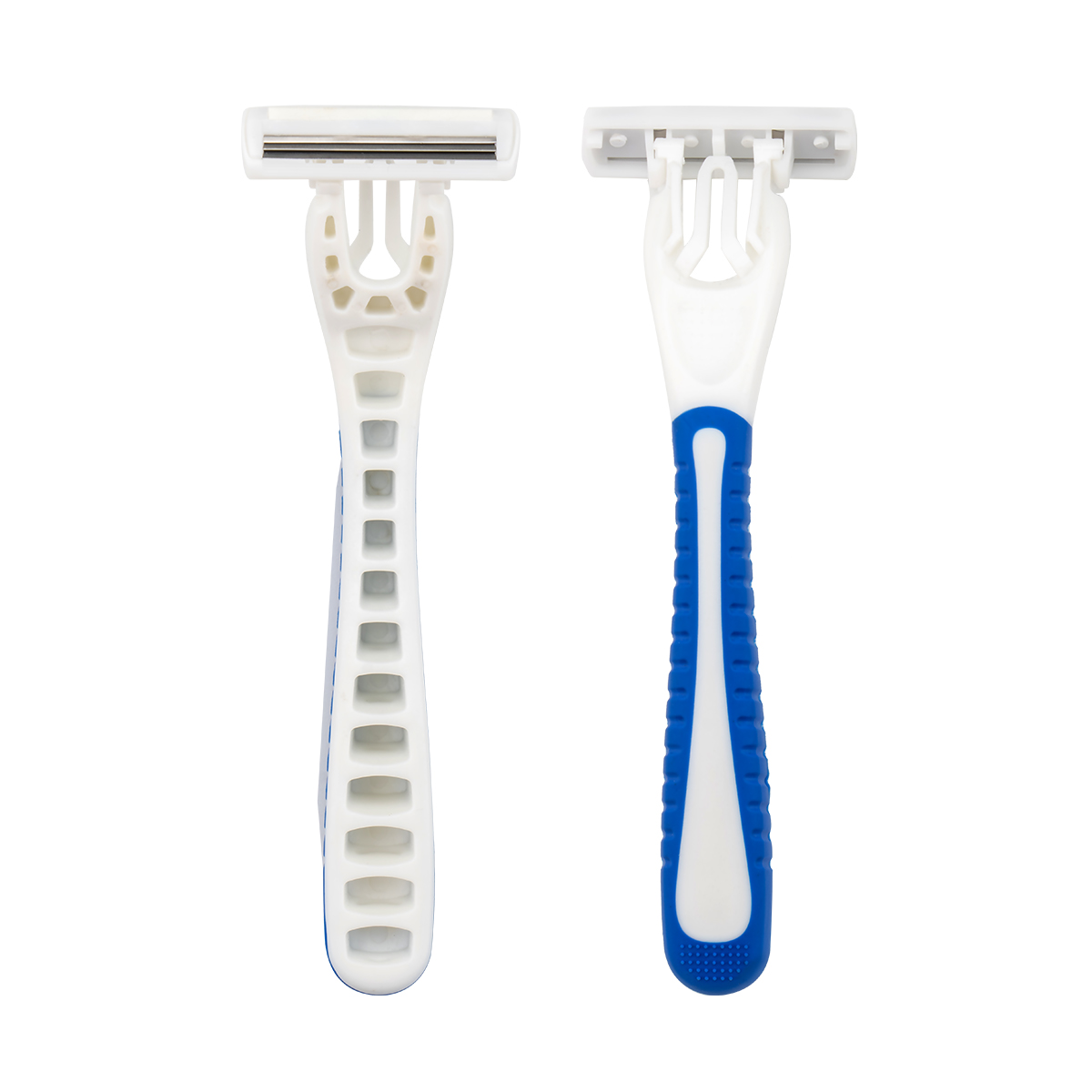
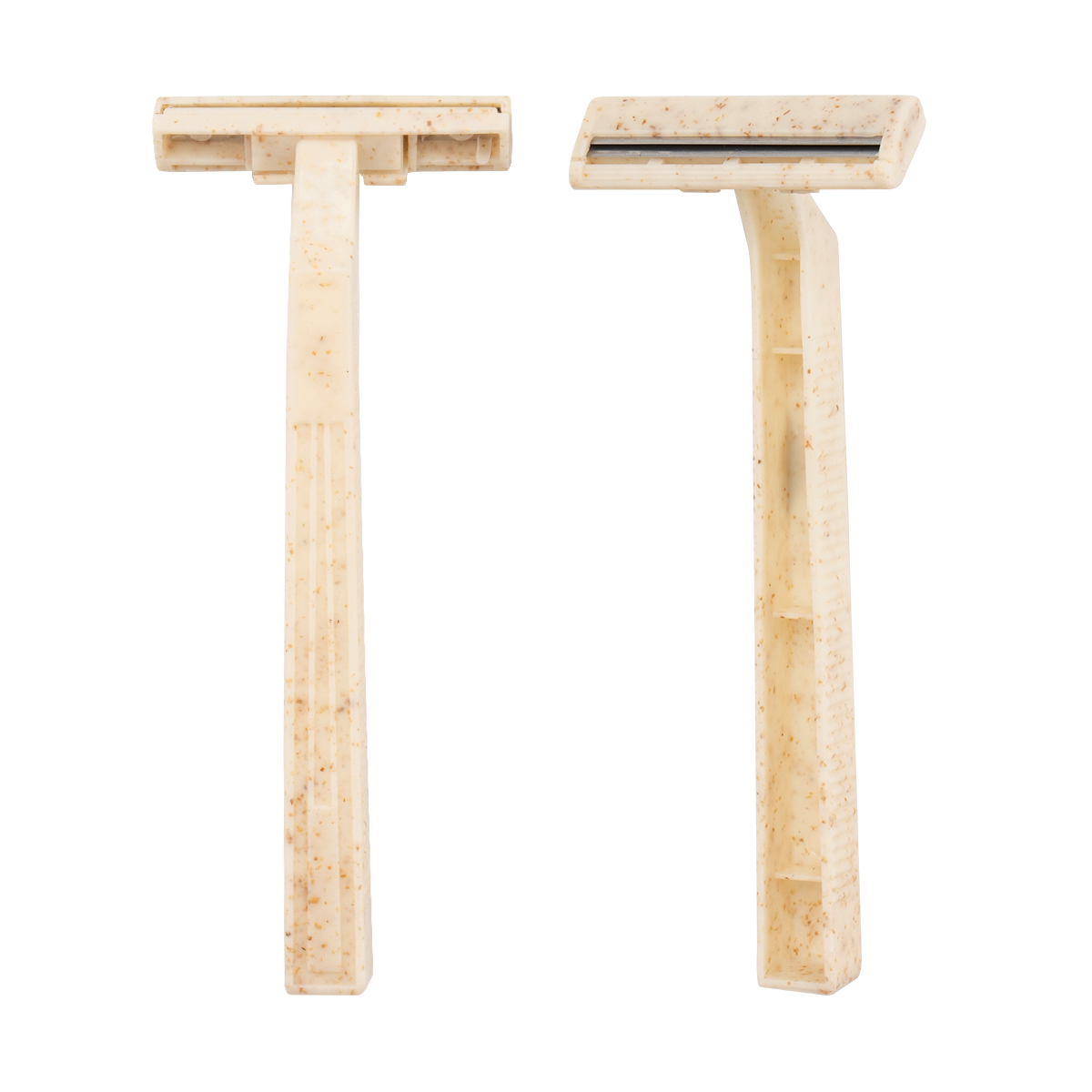

We are an industry and trade enterprise
specializing in the production of disposable razors and utility knives for more than 30 years.
Utility Knife vs. Pocket Knife: Which One is Right for You
Content
- 1 In-Depth Look at the Utility Knife
- 2 In-Depth Look at the Pocket Knife
- 3 Utility Knife vs. Pocket Knife: Core Comparison and Difference Analysis
- 4 Utility Knife vs. Pocket Knife: Scenario Application Guide
- 5 Utility Knife vs. Pocket Knife: Safety Operation and Maintenance
- 6 Utility Knife vs. Pocket Knife: Frequently Asked Questions (FAQ)
- 6.1 Utility Knife vs. Pocket Knife: Which one is better for opening boxes?
- 6.2 Is it legal to carry a pocket knife for EDC? (Highlighting the importance of regional differences)
- 6.3 How often should I change the blade on my utility knife?
- 6.4 What is the best blade material for a pocket knife that needs to hold an edge?
In-Depth Look at the Utility Knife
What is a Utility Knife?
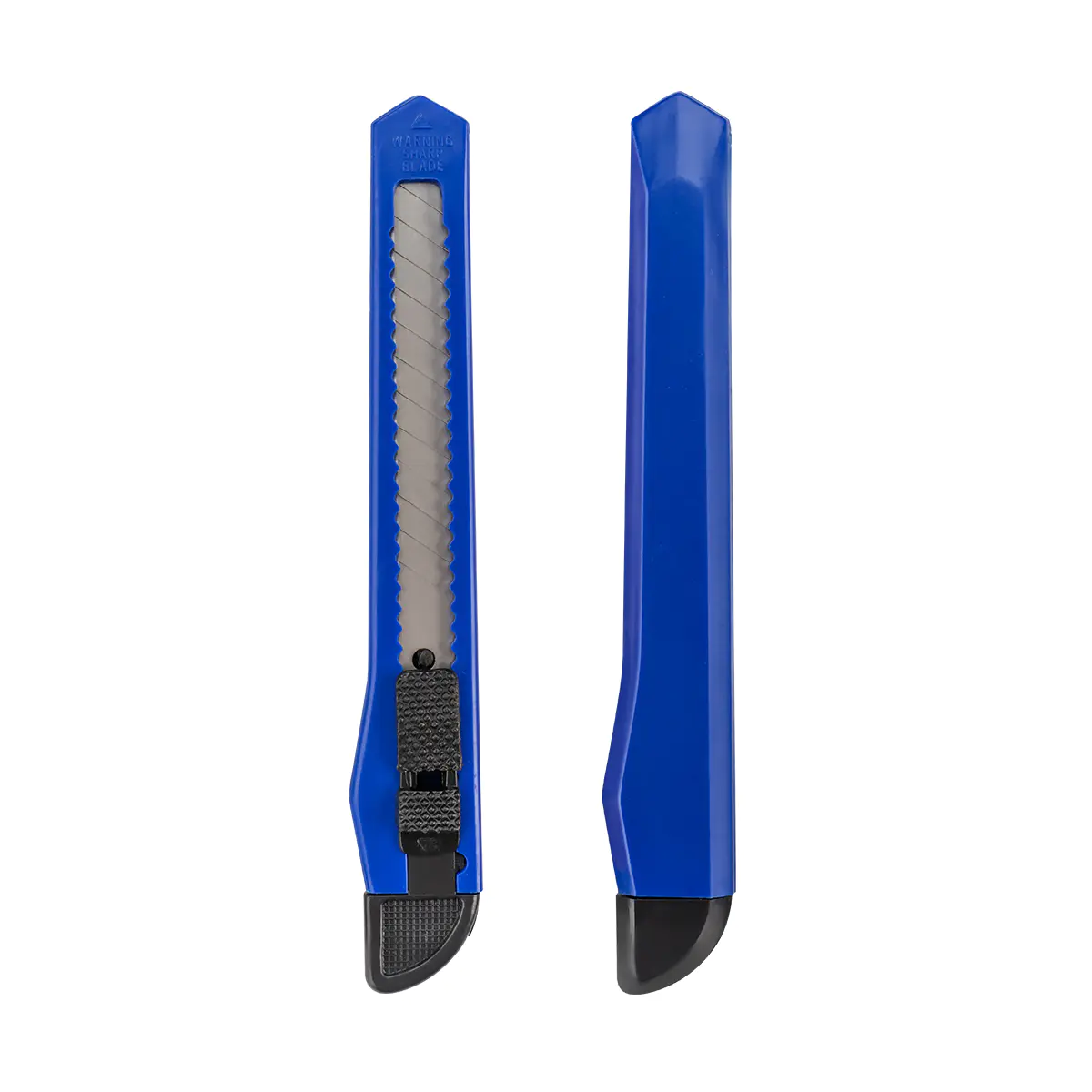
The Utility Knife is designed to provide a stable, durable, and low-maintenance cutting solution.
- Definition and key features
- Retractable or fixed blades
Most Utility Knives feature a retractable mechanism, controlled by a slider or button, to extend and retract the blade for safety. Fixed-blade models typically offer greater structural integrity for applications requiring maximum stability. - Blade materials (e.g., carbon steel, stainless steel)
Blades are often made of high-hardness but relatively brittle carbon steel to ensure extremely high sharpness out of the box. Some blades also use stainless steel for enhanced rust resistance in humid environments. - Handle materials (e.g., metal, plastic)
Handle materials are mostly robust metal (such as aluminum or zinc alloy) or durable engineered plastic. These materials are designed to withstand drops and high-force gripping, providing a sturdy internal structure to house the blade and locking mechanism.
- Retractable or fixed blades
- Common uses of utility knives
- Cutting cardboard, drywall, and other materials
- Construction and DIY projects
- Industrial applications
- Advantages and limitations of using a utility knife
- Advantages of using a utility knife
- Replaceable blades for consistent sharpness
- Durability and sturdiness
- Disadvantages of using a utility knife
- Not ideal for delicate tasks
- Can be bulky for everyday carry
- Advantages of using a utility knife
- Types of Utility Knives
- Utility knives with different locking mechanisms (e.g., slide-out, button-lock)
Parameter Comparison: Typical Characteristics of a Utility Knife
| Feature | Description |
|---|---|
| Blade Structure | Replaceable, typically trapezoidal or snap-off |
| Blade Sharpness | Extremely high (out of the box), but the blade is replaced when dull |
| Handle Design | Bulky, ergonomic, designed for high-force gripping |
| Portability | Average, designed to be stored in a toolbox |
| Primary Function | Heavy-duty, industrial-grade cutting |
In-Depth Look at the Pocket Knife
What is a Pocket Knife?
The Pocket Knife's design philosophy is the balance between portability and utility. It is a folding tool primarily intended for personal everyday carry and general tasks.
- Definition and key features
- Folding design for portability
The defining feature of a Pocket Knife is that the blade can be safely stored within the handle. This design makes it compact and safe to carry in a clothes pocket or bag, truly realizing its "pocket" potential. - Blade locking mechanisms
To ensure safe use, Pocket Knives usually feature a locking mechanism when the blade is fully open, preventing the blade from accidentally closing during cutting, which could cause finger injury. Common mechanisms include Liner Lock, Frame Lock, or Back Lock. - Handle materials (e.g., wood, bone, synthetic)
Handle materials are diverse, reflecting the knife's function and aesthetics. Natural materials like wood and bone offer a traditional and attractive texture; while modern synthetic materials (like G-10 or carbon fiber) offer high strength, light weight, and corrosion resistance.
- Folding design for portability
- Common uses of pocket knives
- Everyday carry (EDC) tasks
The Pocket Knife is a core tool in many people's Everyday Carry (EDC) setup, used for handling various light, daily chores. - Opening packages and letters
This is one of the most common daily uses, where the knife's delicate tip and sharp edge allow for quick and precise task completion. - Whittling and carving
Because their blades are usually thinner and pointier than those of Utility Knives, Pocket Knives are particularly suitable for hobbies requiring control and precision, such as whittling or light food preparation.
- Everyday carry (EDC) tasks
- Advantages and limitations of using a pocket knife
- Advantages of using a pocket knife
- Compact and easy to carry
- Versatile for various small tasks
- Disadvantages of using a pocket knife
- Smaller blade may not be suitable for heavy-duty tasks
- Requires regular sharpening
- Advantages of using a pocket knife
- Types of Pocket Knives
- Pocket knives with different blade shapes and locking mechanisms (e.g., Liner Lock, Frame Lock, Slipjoint)
- Locking Mechanisms: The locking mechanism is key to Pocket Knife safety. For example, Liner Lock and Frame Lock rely on part of the handle's inner structure or frame to secure the blade; while the Slipjoint relies on spring pressure and has no hard lock, common in traditional knives.
- Blade Shapes: Blade shapes are varied, each optimized for specific uses: Drop Point for general tasks, Tanto Point for piercing, and Sheepsfoot for safe cutting on surfaces without puncturing.
- Differences between EDC knives and Multi-tool knives
- A standard Pocket Knife focuses on a high-quality single blade and excellent handle ergonomics to provide superior cutting performance.
- A Multi-tool Knife combines a folding blade with other tools (like pliers, screwdrivers, bottle openers), emphasizing tool aggregation, but its main blade performance and strength are typically inferior to a dedicated Pocket Knife.
- Pocket knives with different blade shapes and locking mechanisms (e.g., Liner Lock, Frame Lock, Slipjoint)
Parameter Comparison: Typical Characteristics of a Pocket Knife
| Feature | Description |
|---|---|
| Blade Structure | Fixed (locks when in use), folds into the handle for storage |
| Blade Sharpness | Depends on blade steel and user maintenance, requires regular sharpening |
| Handle Design | Various sizes and shapes, emphasizing comfortable grip and aesthetics |
| Portability | Extremely high, can be carried via pocket clip or lanyard (EDC) |
| Primary Function | General purpose, everyday carry, and delicate tasks |
Utility Knife vs. Pocket Knife: Core Comparison and Difference Analysis
While both Utility Knives and Pocket Knives are used for cutting, they differ fundamentally in design philosophy, structure, and function. This section will clarify their key differences through detailed comparisons.
Key Differences Between Utility Knives and Pocket Knives
- Blade design and functionality
- Utility knife: Replaceable blades, sturdy build
The greatest characteristic of the Utility Knife blade is its replaceability. When the blade dulls, it can be replaced directly without sharpening, instantly restoring out-of-the-box sharpness, which greatly improves efficiency and reduces maintenance difficulty. The blade is usually thicker, with a trapezoidal shape, primarily emphasizing power, penetration, and straight-line stability for cutting. - Pocket knife: Folding design, various blade shapes
The Pocket Knife has a permanent blade that requires the user to sharpen and maintain it. Its advantage lies in the variety of blade shapes that can be optimized for fine tasks or specific uses (like sharpening, piercing). Since the blade is integrated into the handle, it focuses more on edge retention and the precision of user control.
Characteristic Utility Knife Pocket Knife Blade Replacement Replaceable (disposable) Permanent (requires sharpening) Blade Thickness Thicker (provides structural stability, prevents breaking during heavy tasks) Thinner (provides fine cutting and penetration) Initial Sharpness Extremely high (ready out of the box) Good to excellent (depends on steel quality) Blade Shape Relatively uniform (mostly trapezoidal or rectangular) Highly varied (Drop Point, Sheepsfoot, Tanto, etc.) - Utility knife: Replaceable blades, sturdy build
- Size and portability
- Utility knife: Generally larger, less portable
The Utility Knife handle is typically larger to provide sufficient grip when wearing gloves or performing heavy operations. They are designed to be placed in a toolbox, on a work belt, or on a cart, not in an everyday pocket. - Pocket knife: Compact, designed for everyday carry
The biggest advantage of the Pocket Knife is its folding mechanism and compact size, allowing it to be safely and comfortably carried in a trouser pocket or shirt pocket, truly enabling Everyday Carry (EDC).
Characteristic Utility Knife Pocket Knife Length (Closed) Longer, typically 10–15 cm Shorter, typically 7–12 cm Average Weight Heavier (usually over 150 grams) Lighter (usually 50–150 grams) Carrying Method Toolbox, tool belt, workbench Pocket clip, keychain, backpack EDC Suitability Low High - Utility knife: Generally larger, less portable
- Intended use and applications
- Utility knife: Heavy-duty cutting, construction
They are the preferred choice for handling high-density materials, such as cutting carpet, dismantling drywall, scoring thick strapping, and any task requiring high strength, high penetration, and quick sharpness restoration. - Pocket knife: Everyday tasks, general utility
Pocket Knives are suitable for light tasks, such as opening mail and packages, sharpening pencils, cleaning fingernails, preparing food during picnics, or light trimming during outdoor activities. They emphasize versatility and convenience.
- Utility knife: Heavy-duty cutting, construction
- Safety features
- Utility knife: Blade locking mechanisms, retractable options
The core safety mechanism of the Utility Knife is blade storage. The retractable design allows the blade to be completely hidden in the handle when not in use, preventing accidental cuts. Its locking mechanism focuses on preventing the blade from slipping in or out during the cutting process. - Pocket knife: Locking blades, handle ergonomics
The Pocket Knife's locking mechanism (Liner Lock, Back Lock, etc.) primarily focuses on preventing the blade from accidentally closing when open, to protect the user's fingers. The handle's ergonomic design also aims to ensure a stable grip during use.
Characteristic Utility Knife Pocket Knife Safety when Idle Achieved through blade retraction/lock Achieved through blade folding/storage Safety during Use Blade lock prevents slipping in or out Blade lock prevents accidental closing Maintenance Safety Quick replacement of dull blade (risk of cuts) Sharpening requires specialized tools and skill - Utility knife: Blade locking mechanisms, retractable options
Utility Knife vs. Pocket Knife: Scenario Application Guide
After understanding the core structural differences between the Utility Knife and the Pocket Knife, the key is knowing how to make the correct choice based on your actual needs and work environment. The right choice maximizes work efficiency and ensures safe operation.
Which One is Right for You?
Choosing the right knife requires weighing your daily activities and cutting needs.
- Factors to consider when choosing
- Intended use: DIY, EDC, professional work
This is the most important consideration. Are your tasks high-intensity, repetitive professional work (such as construction, warehousing), or light, intermittent daily tasks (EDC)? - Blade requirements: Strength, sharpness, replaceability
If you need continuous, instant sharpness and don't have time to sharpen, a replaceable blade is essential. If you seek edge retention, strength, and diverse blade shapes, you should choose a Pocket Knife. - Portability and size
If you need the knife in your pocket, ready for quick access, the compact, folding Pocket Knife is the only choice. If the knife is primarily kept in a toolbox or on a workbench, the Utility Knife's larger handle is an advantage.
- Intended use: DIY, EDC, professional work
Scenarios where a utility knife is more suitable
Utility Knife with its structural strength and consistent sharpness, is the best choice for heavy-duty and repetitive tasks.
- Heavy-duty cutting tasks
- Cutting thick materials such as carpet, vinyl flooring, or insulation.
- High-intensity and long-duration cardboard breaking down and processing.
- Tasks requiring the blade to withstand lateral pressure and piercing force.
- Construction and renovation projects
- Precisely scoring drywall, sheetrock, or thin wood panels for snapping.
- Trimming roofing materials or waterproofing membranes.
- Serving as a professional tool that maintains durability in harsh working environments.
- Utility Knife experience for DIY enthusiasts For DIY enthusiasts who frequently handle home improvement or woodworking projects, the Utility Knife demonstrates unmatched efficiency and reliability in handling heavy-duty tasks like material cutting and scoring. Its quick blade replacement capability ensures that progress is not halted by a dull blade during critical project moments.
Scenarios where a pocket knife is more suitable
The Pocket Knife emphasizes lightness, versatility, and readiness, making it the ideal companion for daily and outdoor activities.
- Everyday carry and general tasks
- Opening daily packages, plastic packaging, or envelopes.
- Trimming loose threads, tags, or string.
- Performing minor repairs or adjustments in an office or home setting.
- Outdoor activities and camping
- Preparing food or peeling fruit in the field.
- Cutting rope or fishing line.
- Serving as an emergency or general-purpose tool during hiking or camping.
- Pocket Knife recommendations for EDC enthusiasts For EDC enthusiasts who need a portable tool to handle unexpected situations, the Pocket Knife's compactness and quick deployment capability are core advantages. It provides reliable cutting functionality with minimal space and weight, making it an indispensable universal tool in daily life.
Summary of Application Scenario Comparison
| Task Type | Utility Knife | Pocket Knife |
|---|---|---|
| Cutting thick carpet | High Suitability (due to sturdy structure and replaceable blade) | Low Suitability (may damage the blade or lock mechanism) |
| Daily box opening | Medium Suitability (may be too bulky) | High Suitability (lightweight and easy to retrieve) |
| Cutting drywall | High Suitability (due to straight-line cutting stability) | Low Suitability (blade too short or unstable) |
| Outdoor wood whittling | Low Suitability (lacks fine control) | High Suitability (good tip and handle control) |
| Emergency rope cutting | Medium Suitability (if quickly retrieved) | High Suitability (quick, one-hand opening and retrieval) |
Utility Knife vs. Pocket Knife: Safety Operation and Maintenance
Regardless of whether you use a Utility Knife or a Pocket Knife, knife safety and maintenance are critical to ensuring tool longevity and user security. While their use cases differ, some fundamental principles are universal, along with specific safety requirements tailored to each tool.
Safety Tips for Using Utility Knives and Pocket Knives
- General safety guidelines
- Always cut away from yourself
This is the golden rule for all knife use. Ensure that the cutting path, especially if the blade slips, does not come into contact with any part of your body. - Keep blades sharp
A dull blade is more dangerous than a sharp one because it requires greater force, increasing the risk of the tool slipping and losing control. - Use appropriate cutting surfaces
Avoid cutting on hard surfaces like metal, glass, or stone, as this will quickly damage the blade and may cause the tool to slip.
- Always cut away from yourself
- Specific safety tips for utility knives Utility Knives are designed for high-force work, so the following points require special attention:
- Retract blade when not in use
For Utility Knives with a retractable design, the blade must be fully returned into the handle immediately after use to prevent accidental contact. - Wear gloves for heavy-duty tasks
When cutting high-friction or rough materials (like carpet, insulation), wearing cut-resistant gloves can protect your hands from potential cuts and abrasions. - Safe blade replacement: When changing blades, ensure the old blade is safely locked, handle it with care, and use a specialized blade disposal container.
- Retract blade when not in use
- Specific safety tips for pocket knives The safety focus for Pocket Knives is on their folding mechanism and everyday carry.
- Ensure blade is locked open during use
When performing any cutting task with a folding knife that has a locking mechanism, you must confirm the lock is fully engaged to prevent the blade from accidentally closing ("lock failure"), which is a primary cause of finger injury. - Store safely when not in use
After folding the knife into the handle, use the pocket clip to secure it to the edge of your pocket to prevent the knife from moving or being lost in the pocket. - Know local laws: Carrying a Pocket Knife must comply with local regulations regarding blade length, lock type, and carrying methods.
- Ensure blade is locked open during use
Knife Maintenance and Care
The lifespan and performance of a knife highly depend on correct maintenance. Utility Knives and Pocket Knives have significantly different maintenance routines.
- Pocket Knife sharpening techniques and tools
Since Pocket Knives use a permanent blade, regular sharpening is necessary. Sharpening requires specialized tools, such as a whetstone or sharpener, and mastering the correct sharpening angle. The focus of maintenance is to preserve the blade's geometry and sharpness to ensure cutting efficiency. - Utility Knife blade replacement steps and precautions
The core maintenance of a Utility Knife is blade replacement, not sharpening.- Secure Lock: Ensure the blade is fully retracted or locked into the replacement position.
- Remove Old Blade: Depending on the knife type, press the release button or unscrew the fixture to remove the old blade.
- Install New Blade: Insert the new blade, ensuring it clicks correctly into the locking slot.
- Old Blade Disposal: Place the dull blade in a dedicated, puncture-proof container instead of throwing it directly into the trash, to protect waste handlers.
- Handle cleaning and care
- Utility Knife: Primarily involves cleaning dust, dirt, and material debris accumulated inside the handle to ensure the smooth operation of the blade slide and locking mechanism.
- Pocket Knife: Requires regular cleaning of grime and lint around the blade pivot, and the application of lubrication oil to ensure smooth opening and closing. Handle materials (like wood) may require additional care to prevent drying or cracking.
Utility Knife vs. Pocket Knife: Frequently Asked Questions (FAQ)
Utility Knife vs. Pocket Knife: Which one is better for opening boxes?
| Knife Type | Advantages | Disadvantages | Recommendation |
|---|---|---|---|
| Utility Knife | Blade is constantly sharp and replaceable; sturdy structure is good for cutting heavy tape. | Blade is thicker, potentially causing accidental damage to items inside the box; storage process is relatively cumbersome. | Medium |
| Pocket Knife | Fine tip can easily slide under tape, offering precise control; lightweight, easy to retrieve quickly for everyday carry. | May require more force if the blade is dull; requires regular sharpening. | High |
Conclusion: For routine, intermittent box opening, the Pocket Knife is generally the better choice due to its portability and precise control.
Is it legal to carry a pocket knife for EDC? (Highlighting the importance of regional differences)
Answer: The legality of Pocket Knife Everyday Carry (EDC) is highly dependent on local and national laws and regulations. There is no single global standard. Many regions impose strict restrictions on the types of knives that can be carried, often based on:
- Blade Length: Specifying the maximum legal blade length (e.g., 2.5 inches or 3 inches).
- Locking Mechanism: Some regions may prohibit or restrict the carrying of "gravity knives," "switchblades" (automatic knives), or knives with specific locking mechanisms.
- Intent: Even if the knife meets size requirements, if the intent of carrying is interpreted as for use as a weapon rather than a tool, it may be deemed illegal.
Important Note: Users must research and comply with local laws and regulations before carrying a Pocket Knife in any area.
How often should I change the blade on my utility knife?
Answer: The frequency of Utility Knife blade replacement depends on two core factors:
- Hardness and Density of Material Cut: Cutting hard, high-density materials like drywall, carpet, or metal foil will dull the blade faster than cutting light cardboard.
- Sharpness Requirement: For jobs demanding extreme precision and clean cuts (like vinyl cutting), the blade should be changed immediately even if it is only slightly dull. For general cutting, the blade should be replaced as soon as it requires extra pressure or begins to tear the material instead of cutting cleanly.
Rule of Thumb: When you feel a noticeable increase in cutting resistance, or visually notice chips or rolling of the edge, it is the best time for replacement.
What is the best blade material for a pocket knife that needs to hold an edge?
Answer: For Pocket Knives, "Edge Retention" is a complex metric that depends on the chemical composition of the blade steel.
| Steel Performance Dimension | Description | Impact on Edge Retention |
|---|---|---|
| High Carbon Content | Increases hardness (HRC), improves wear resistance. | Significantly extends the time before the blade dulls. |
| Chromium Content | Affects the steel's corrosion resistance capability. | Less impact on sharpness retention, but affects maintenance needs. |
| Alloying Elements (e.g., Vanadium, Molybdenum) | Forms hard carbide particles. | Greatly enhances wear resistance, making the edge last longer. |
Generally, steel with high carbon and high wear-resistant alloying elements is key to achieving excellent edge retention. However, such steel is often harder to sharpen and may slightly sacrifice the blade's toughness. Therefore, the best material is a balance between edge retention, toughness, and rust resistance.
Recommended Product
Recommended News

Keep In Touch
 No. 2-2, Oufu Road, Zhangting Town, Yuyao City, Ningbo City, Zhejiang, China.
 +86-574-87560886/87560055
 +86-574-87560885
Copyright © Ningbo Chuangxin Cutting-Tool Manufacture Co., Ltd.
