

 English
 中文简体
中文简体 русский
 Español


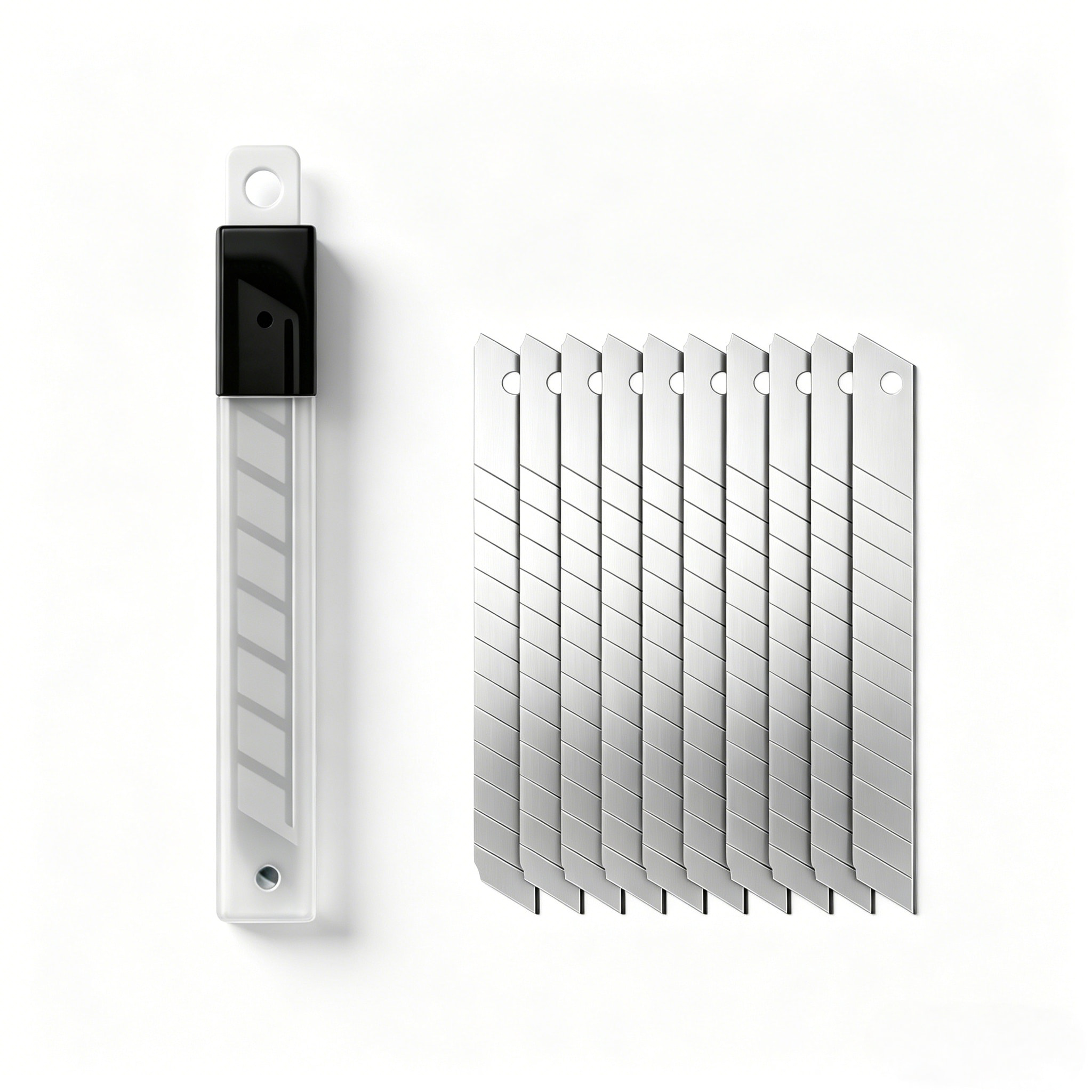
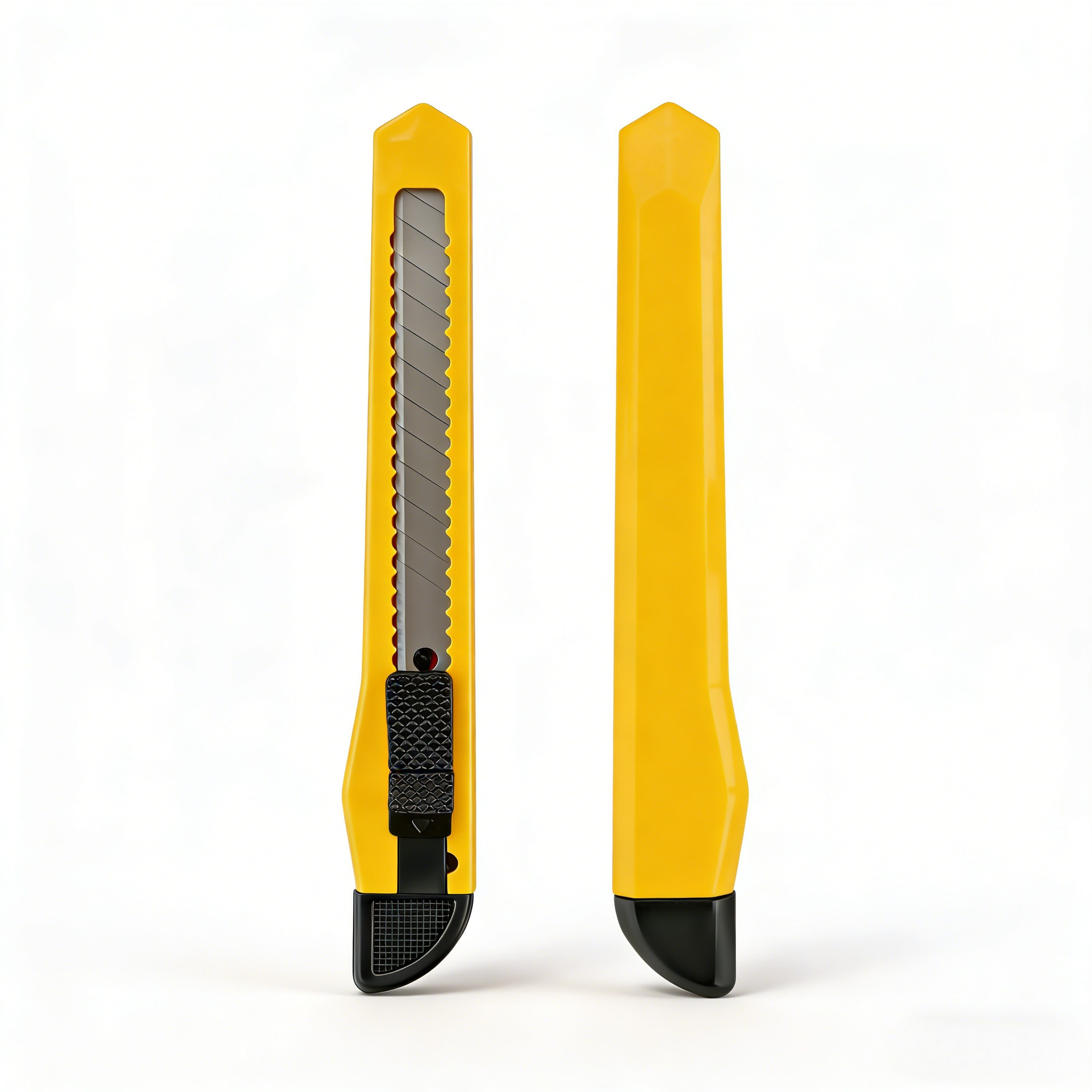

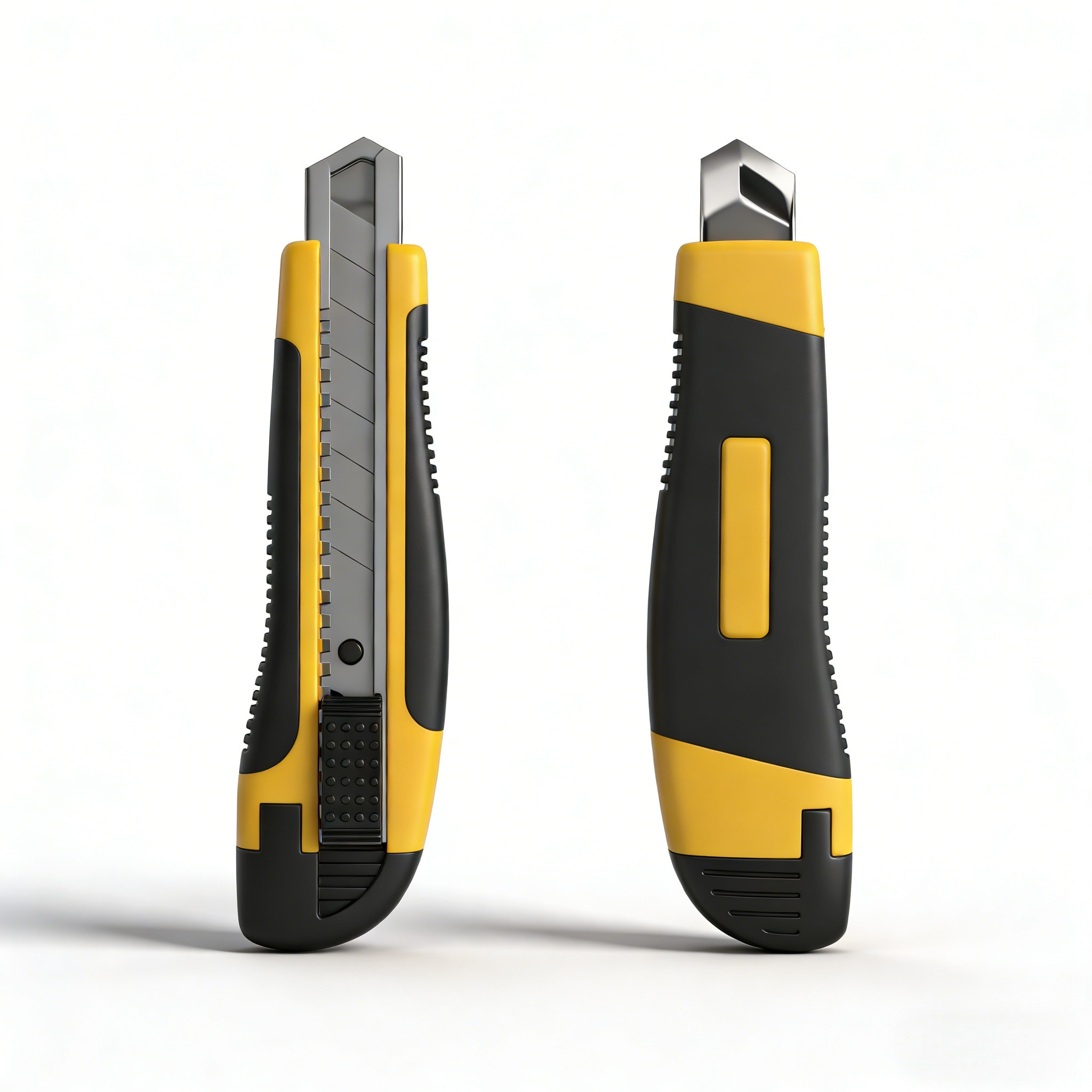


We are an industry and trade enterprise
specializing in the production of disposable razors and utility knives for more than 30 years.
What is the tolerance control range for a 9mm hardware utility knife slide rail
Content
- 1 1. The Basic Function and Structure of the Rail
- 2 2. Defining Rail Tolerance
- 3 3. Dimensional Tolerance of the Rail
- 4 4. Fit Tolerance Between Rail and Blade
- 5 5. Shape Tolerance of the Rail
- 6 6. Impact of Rail Tolerance on Cutting Precision
- 7 7. Manufacturing Processes for Rail Tolerance Control
- 8 8. Impact of Rail Tolerance Control on User Experience
A 9mm hardware utility knife is an essential tool used across various industries for cutting tasks such as trimming paper, plastic, foam, and thin wood. The rail of the utility knife plays a crucial role in guiding the blade smoothly during operation, directly influencing the stability, cutting precision, and overall safety of the tool. The tolerance control of the rail is a key factor in the tool's performance and longevity. This article provides an in-depth analysis of the tolerance control range of the 9mm utility knife rail, highlighting its impact on product quality and user experience.
1. The Basic Function and Structure of the Rail
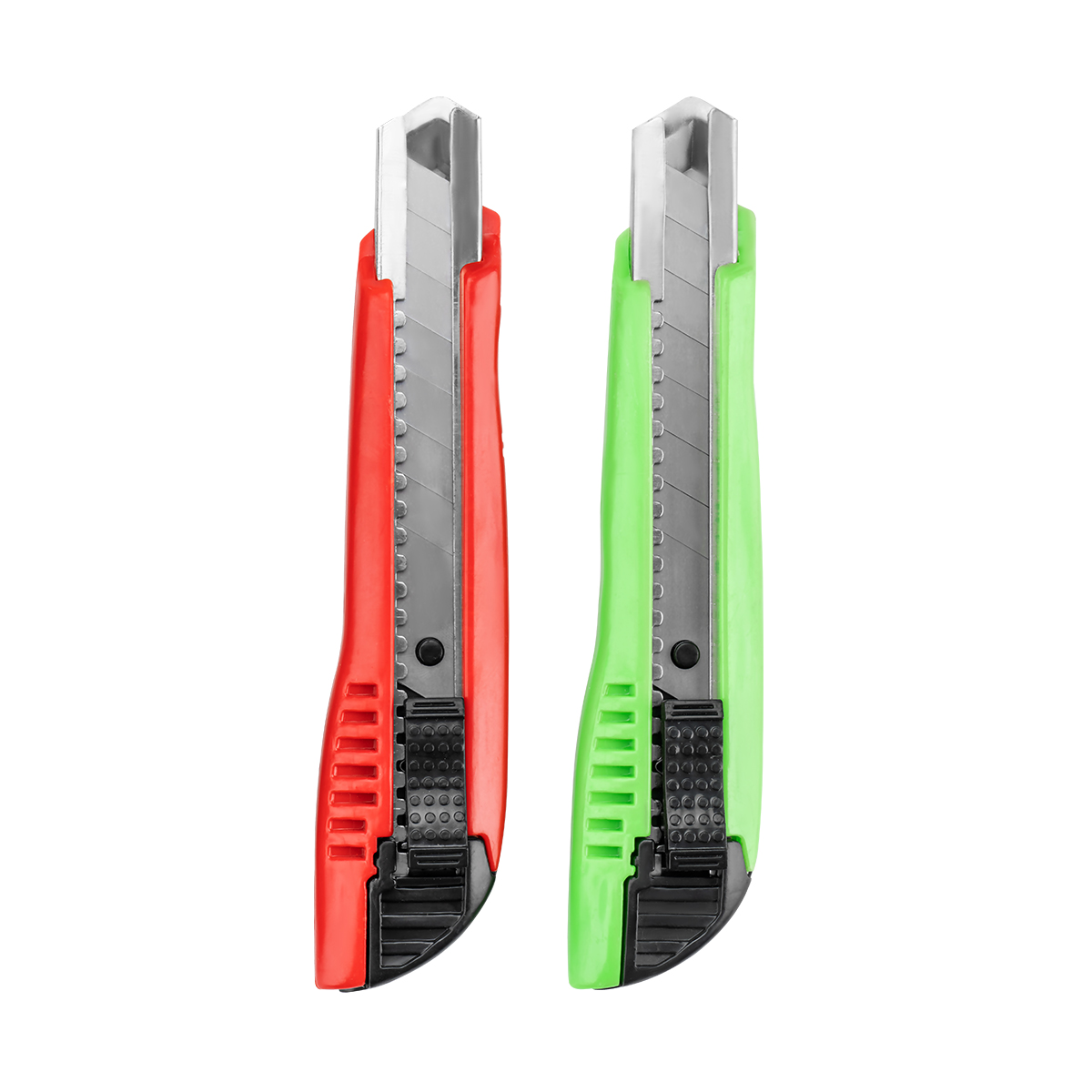
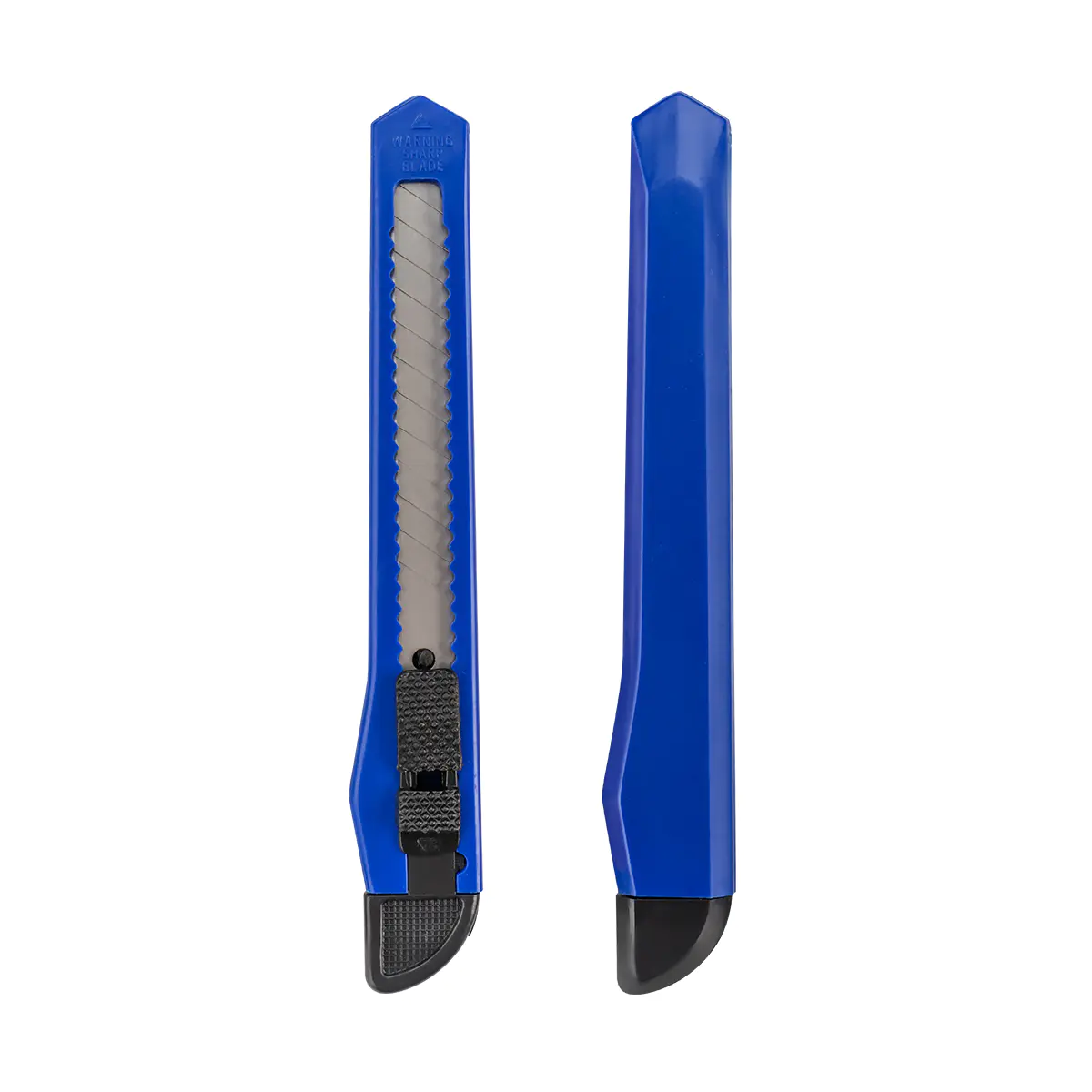
The rail in a utility knife is responsible for guiding the blade as it extends and retracts within the knife body, ensuring that the blade maintains a consistent direction during cutting. Typically, the rail is made of metal or plastic and features a track or groove designed to securely hold the blade. The rail allows the blade to move smoothly in and out, which is essential for precise cutting. The tolerance control of the rail refers to the precise manufacturing of its dimensions and shape, directly affecting the stability of the blade and the operational performance of the knife.
2. Defining Rail Tolerance
Tolerance refers to the permissible deviation from the nominal dimensions during the manufacturing process. For the 9mm utility knife rail, tolerance control is particularly important because even the smallest dimensional discrepancy can cause the blade to move unstably, affecting both cutting precision and operational comfort. Rail tolerances typically include shape tolerance, dimensional tolerance, and fit tolerance. Shape tolerance relates to the geometry of the rail, dimensional tolerance covers the length, width, and thickness of the rail, and fit tolerance concerns the relationship between the rail and the blade.
3. Dimensional Tolerance of the Rail
The dimensional tolerance of the rail pertains to the permissible deviation in the dimensions of the rail (such as width, thickness, and length) from the design specifications. For a 9mm utility knife, the width and depth of the rail are typically slightly larger than 9mm to accommodate the standard 9mm blade. The width tolerance of the rail is typically controlled within a ±0.05mm range to ensure that the blade fits securely but is still able to move smoothly. If the tolerance is too large, the blade may become loose, leading to instability during use. If the tolerance is too small, the blade may not fit properly, causing it to get stuck or difficult to insert.
4. Fit Tolerance Between Rail and Blade
The fit tolerance between the rail and the blade is one of the most critical factors affecting the performance of the utility knife. The blade must slide freely within the rail without being too loose or too tight. If the fit is too loose, the blade may wobble during cutting, resulting in imprecise cuts. If the fit is too tight, the blade may not slide smoothly, making it difficult to control and potentially leading to a broken blade. Typically, the fit tolerance between the rail and the blade is controlled within a ±0.05mm range to ensure that the blade moves smoothly while maintaining stability.
To achieve this fit tolerance, many high-quality utility knives use metal rails instead of plastic ones. Metal materials have a lower thermal expansion coefficient, meaning the rail dimensions are more stable under varying temperature conditions. This ensures that the blade moves smoothly and consistently during operation. For premium models, manufacturers may use precision aluminum alloys or steel and utilize CNC machining to achieve a higher standard of fit tolerance.
5. Shape Tolerance of the Rail
The shape tolerance of the rail affects the overall structure of the utility knife. The rail needs to fit perfectly within the knife body to allow the blade to extend and retract smoothly. If the shape tolerance of the rail is too large, the blade may shift or wobble inside the rail, leading to instability and reduced cutting precision. To prevent this issue, shape tolerance is typically controlled within a ±0.1mm range for the rail.
Moreover, many utility knife rails are designed with grooves or ridges along their sides to ensure a precise fit with other parts of the knife body. The tolerance of these design features also needs to be controlled carefully to ensure that the rail connects securely with the knife body, preventing any unnecessary movement during use.
6. Impact of Rail Tolerance on Cutting Precision
The tolerance of the rail has a direct impact on the cutting precision of the utility knife. As the blade extends and retracts through the rail during cutting, any misalignment caused by dimensional or fit tolerance issues can result in an unstable cutting path. For tasks that require high precision, such as cutting thin film, cardboard, or packaging materials, even a slight deviation in the blade's movement can cause the cut to be uneven or misaligned, diminishing the quality of the work.
For example, when the rail tolerance is too large, the blade may shift and cause uneven cuts, while a rail tolerance that is too small can cause the blade to become stuck or hard to move. This inconsistency can make the utility knife unsuitable for precise cutting tasks and potentially unsafe for the user.
7. Manufacturing Processes for Rail Tolerance Control
To ensure the rail’s dimensional and fit tolerance meets high standards, manufacturers typically use advanced precision machining processes, such as CNC (Computer Numerical Control) milling, turning, or laser cutting. These techniques allow for the creation of highly accurate rail components with minimal deviation from the desired specifications. In high-end utility knives, the rails may undergo additional processes like heat treatment or surface coating to enhance their hardness and wear resistance, ensuring the rail maintains its dimensions and performance over time.
In addition to the machining processes, quality control is crucial in ensuring that the rail’s tolerance is within the acceptable range. Precision measuring instruments, such as coordinate measuring machines (CMM), laser scanners, or micrometers, are used to check the rail’s dimensions and verify that it meets the specified tolerances. Any deviation from the standard can result in the rail being rejected or adjusted.
8. Impact of Rail Tolerance Control on User Experience
The precision of rail tolerance not only improves the utility knife’s stability but also enhances the user experience. A well-controlled rail tolerance allows the blade to move smoothly and consistently, reducing wobble and ensuring that each cut is clean and accurate. This results in a more comfortable and efficient cutting experience for the user. A utility knife with a poorly tolerated rail, on the other hand, may feel unstable and challenging to control, leading to user frustration and potentially reducing productivity.
In addition to providing stability and accuracy, the proper control of rail tolerance also ensures the knife’s safety. A knife with loose or misaligned parts can lead to accidents, including blades slipping or coming off unexpectedly. By maintaining precise rail tolerance, manufacturers can create a safer, more reliable tool for users.
Recommended Product
Recommended News

Keep In Touch
 No. 2-2, Oufu Road, Zhangting Town, Yuyao City, Ningbo City, Zhejiang, China.
 +86-574-87560886/87560055
 +86-574-87560885
Copyright © Ningbo Chuangxin Cutting-Tool Manufacture Co., Ltd.
