

 English
 中文简体
中文简体 русский
 Español


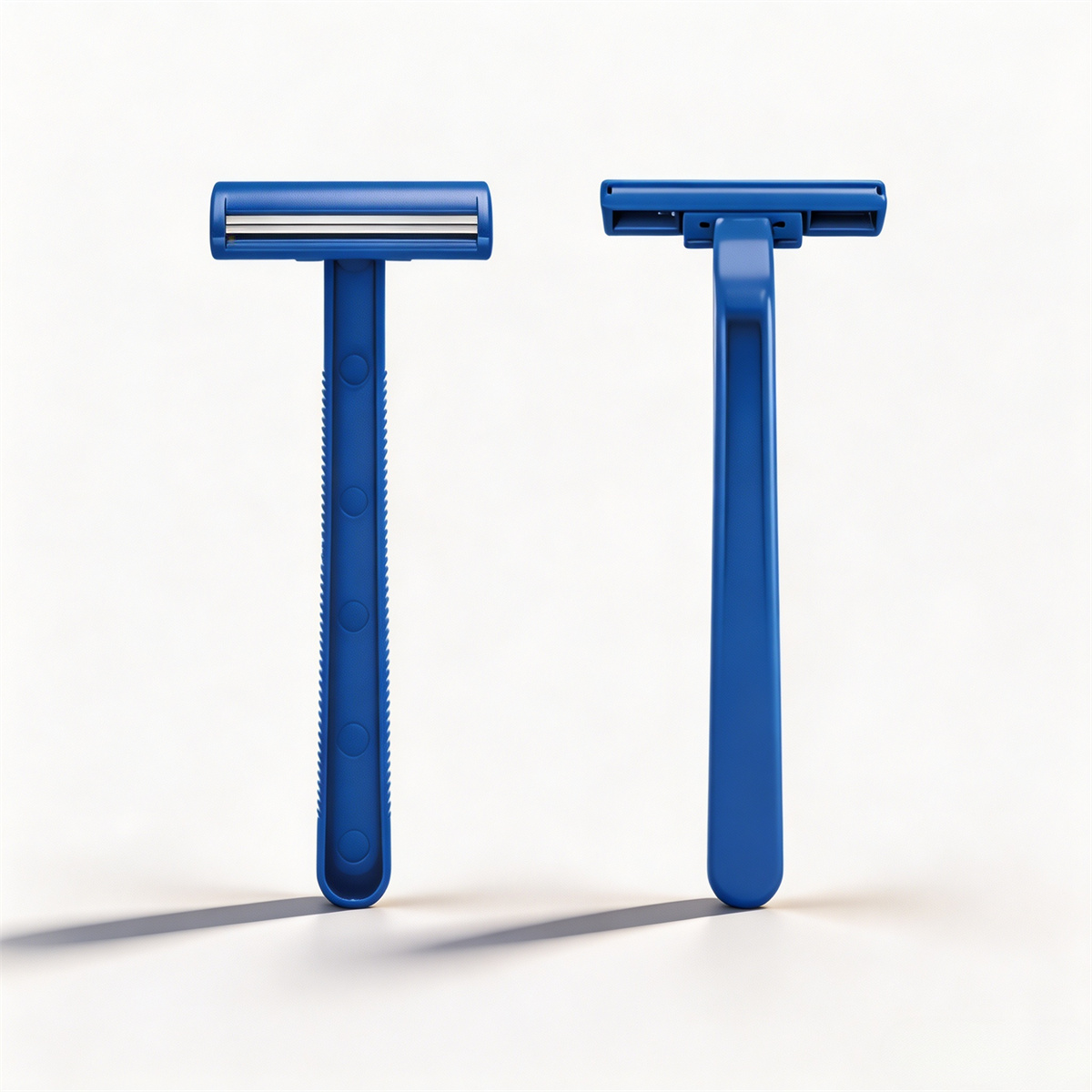
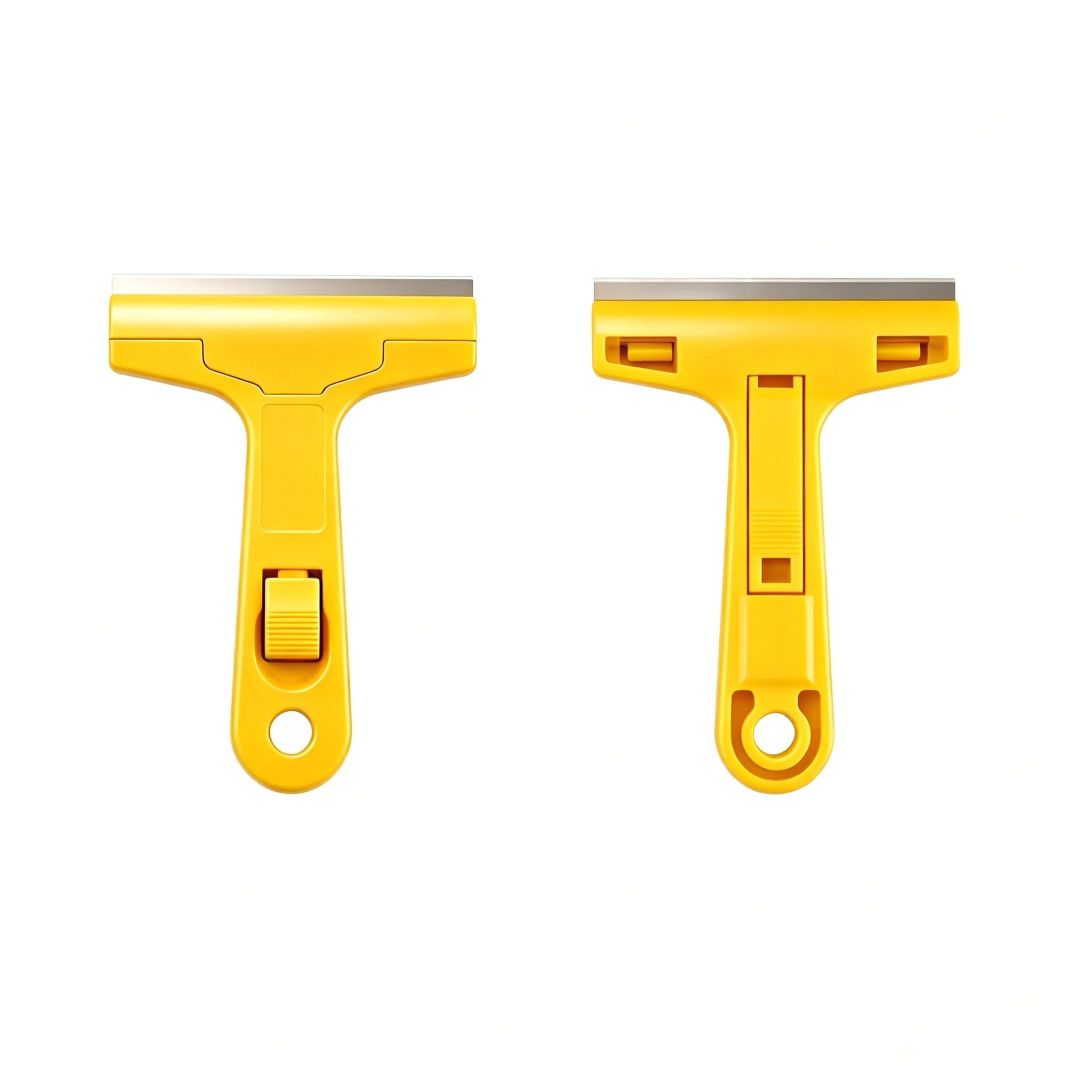
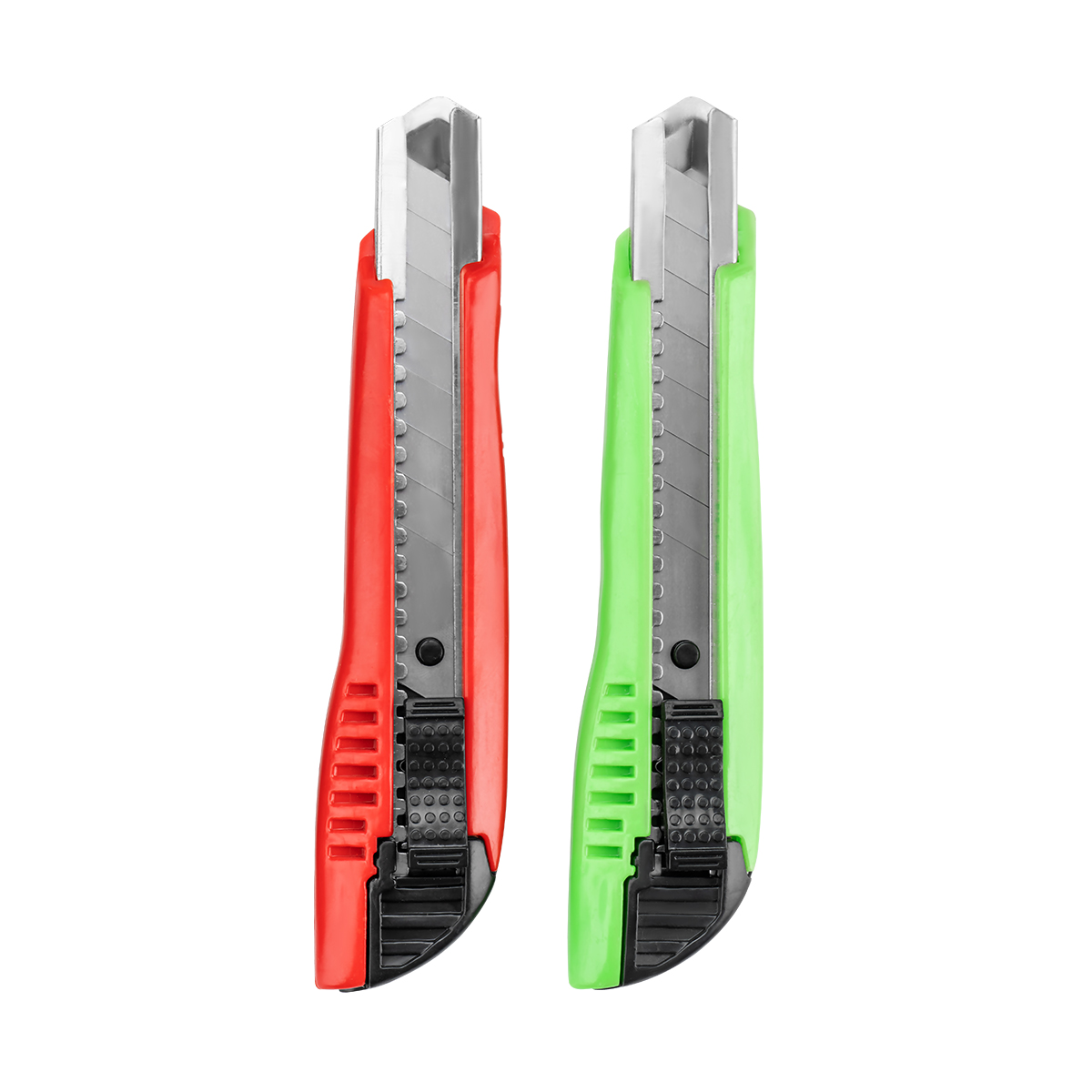
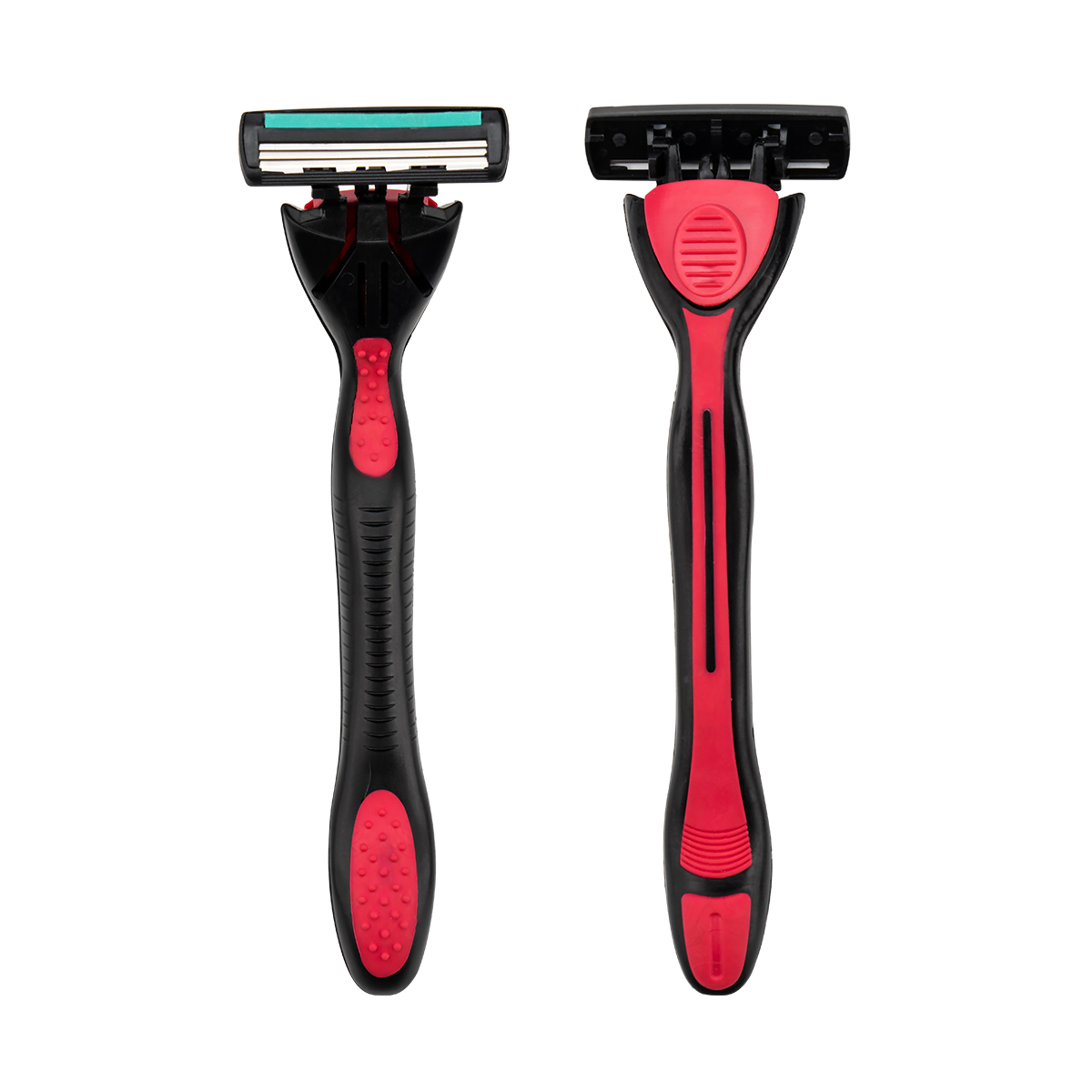
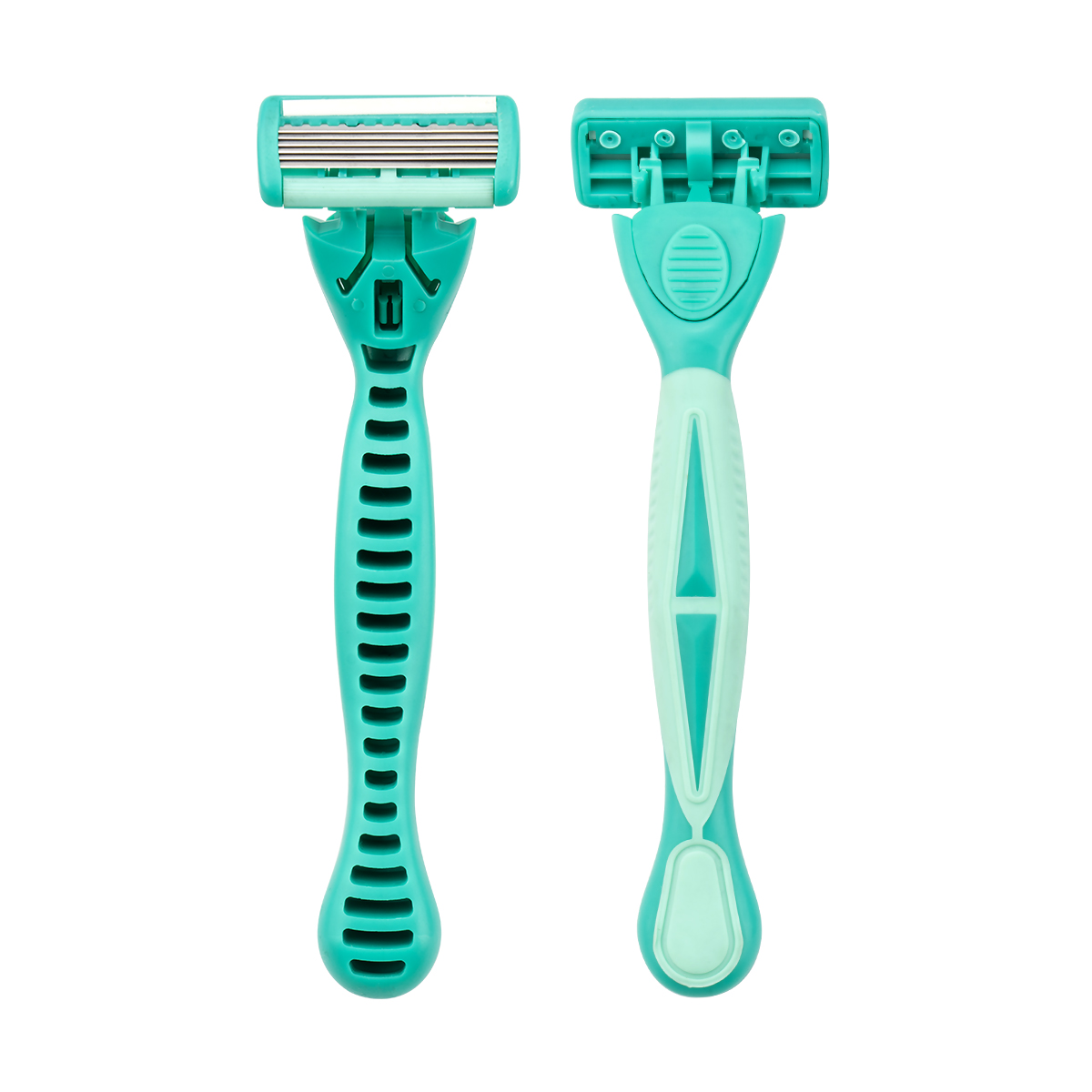
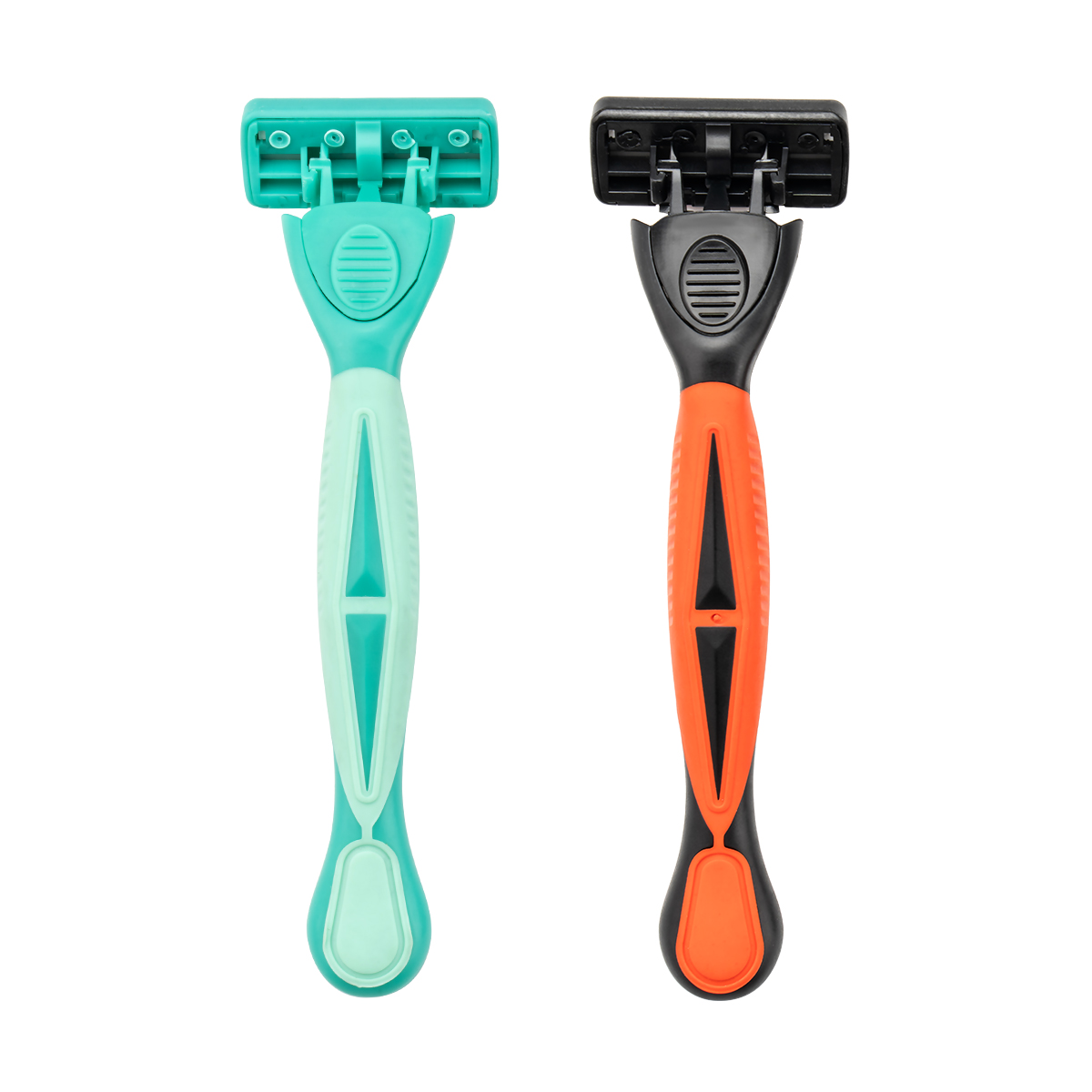
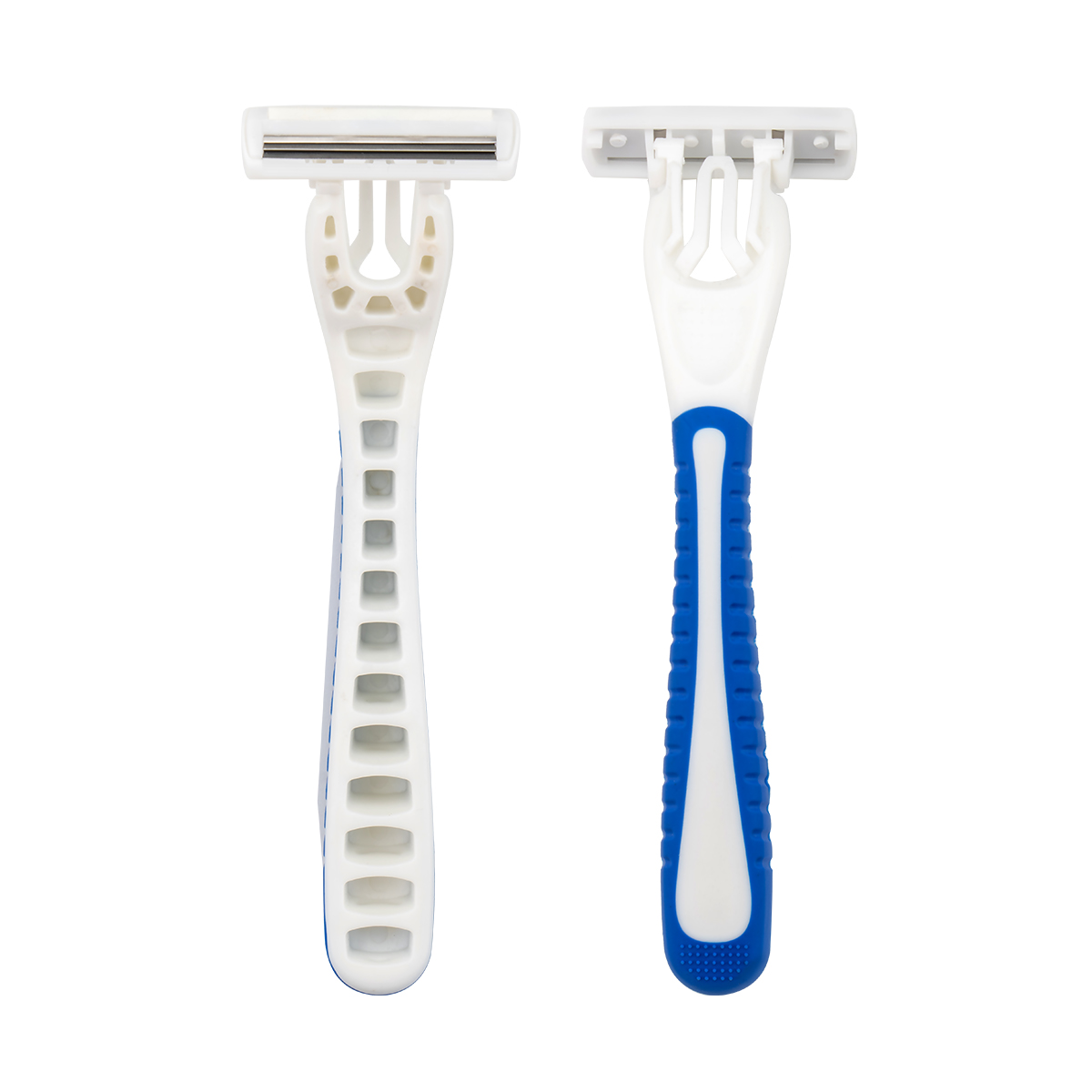
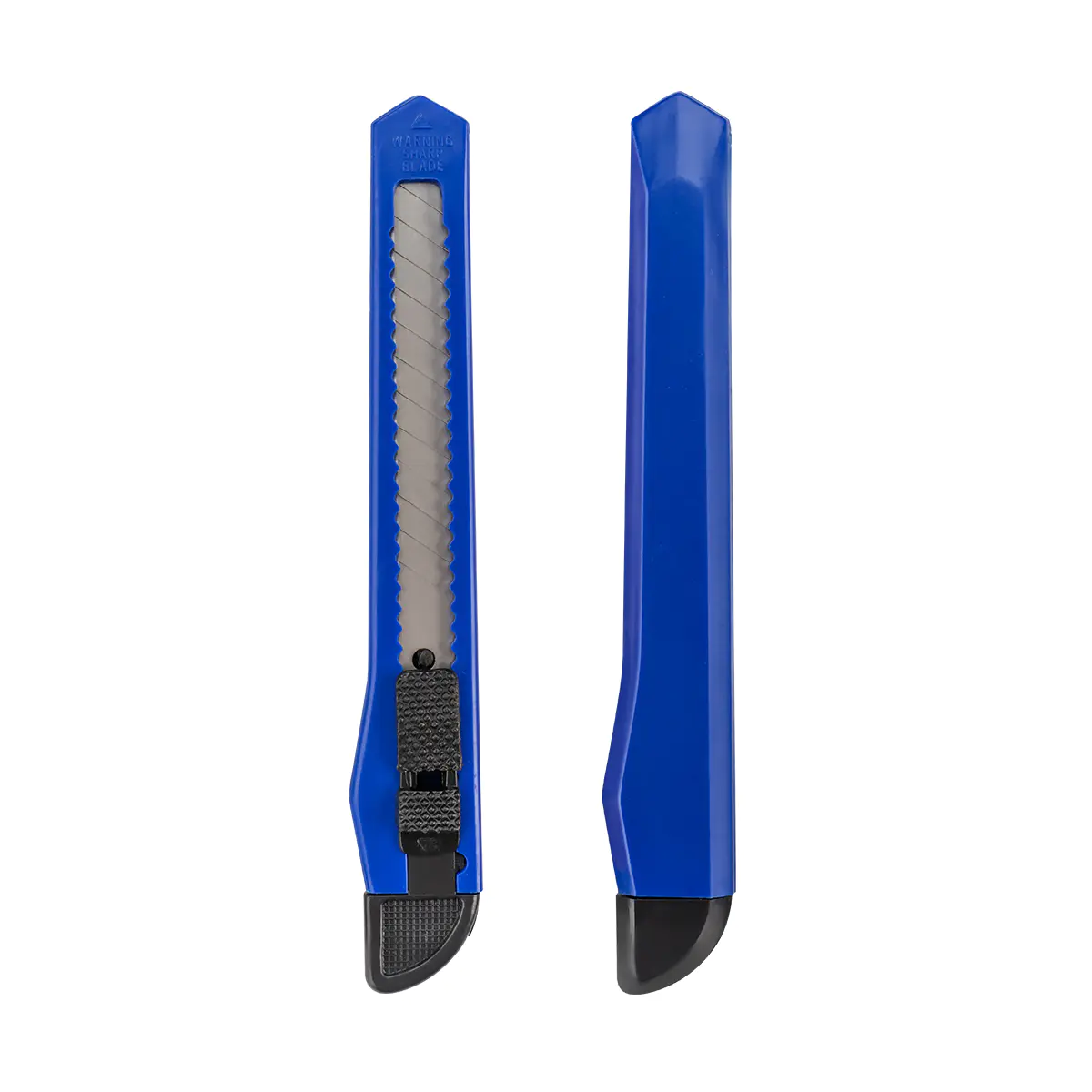

We are an industry and trade enterprise
specializing in the production of disposable razors and utility knives for more than 30 years.
How can the scraping angle of a utility knife scraper be optimized to improve efficiency and safety
Content
The scraping angle of a Utility Knife Scraper refers to the inclination between the blade and the surface being scraped. This angle directly affects force transmission, material removal efficiency, and operational safety. Both excessively small and overly steep angles can lead to inefficient scraping, surface damage, or user injuries. Professional tool design usually tailors the scraping angle according to material hardness, layer thickness, and surface characteristics.
Efficiency Performance at Different Angles
A small scraping angle, typically between 15° and 25°, positions the blade nearly parallel to the surface. This configuration distributes force evenly, ideal for removing thin layers such as adhesive residues, paint films, or light debris on glass. The large contact area maximizes cutting efficiency while minimizing the risk of penetrating or damaging the surface.
Moderate angles, approximately 30° to 45°, create a balanced tilt for medium-thickness materials like tile adhesives, putty, or cured glues. This angle provides sufficient cutting force while maintaining stability, reducing the risk of blade slip or rebound.
Steep angles above 60° make the blade almost perpendicular to the surface, suitable for removing hard or thick residues. While removal is fast, handling becomes more difficult. High-pressure concentration increases the likelihood of blade deflection or operator injury, making it suitable mainly for experienced professionals or specialized applications.
Safety Considerations
The scraping angle is closely linked to operator safety. Small angles spread the force but can lead to sliding if not handled steadily. Moderate angles ensure stable contact and balanced force, minimizing the chance of slips or accidents. Steep angles concentrate pressure at the blade tip, increasing the risk of sudden blade jumps, surface damage, or hand injuries.
Modern Utility Knife Scrapers often feature adjustable handles or specialized blade designs, optimizing the scraping angle range. This ensures efficiency and safety across diverse applications, allowing users to adapt to different materials and working conditions.
Material-Specific Angle Adaptation
Different materials require different scraping angles. Glass and stainless steel benefit from smaller angles to prevent scratches. Wood and plastic perform best at moderate angles, balancing removal efficiency with surface protection. Tiles, stone, and cured adhesives often require steep angles for sufficient cutting force. Professional tool manuals typically provide recommended angle ranges, guiding users toward optimal efficiency and safety.
Practical Angle Optimization
Proper angle control is both a design and operational issue. The scraping angle should align with hand posture, applied force direction, and blade sharpness. Matching the angle with blade length and handle design creates a stable mechanical setup. Optimized angles reduce operator fatigue, minimize repeated actions, and improve both efficiency and comfort.
Industry Value of Angle Optimization
In construction, cleaning, industrial manufacturing, and crafts, optimized scraping angles enhance both work efficiency and safety. Efficient and safe scraping reduces material waste, minimizes accidental damage, and improves quality. Understanding scraping angles allows businesses and professionals to select the right Utility Knife Scraper for specific tasks, improving workflow and safety management.
Recommended Product
Recommended News

Keep In Touch
 No. 2-2, Oufu Road, Zhangting Town, Yuyao City, Ningbo City, Zhejiang, China.
 +86-574-87560886/87560055
 +86-574-87560885
Copyright © Ningbo Chuangxin Cutting-Tool Manufacture Co., Ltd.
