

 English
 中文简体
中文简体 русский
 Español


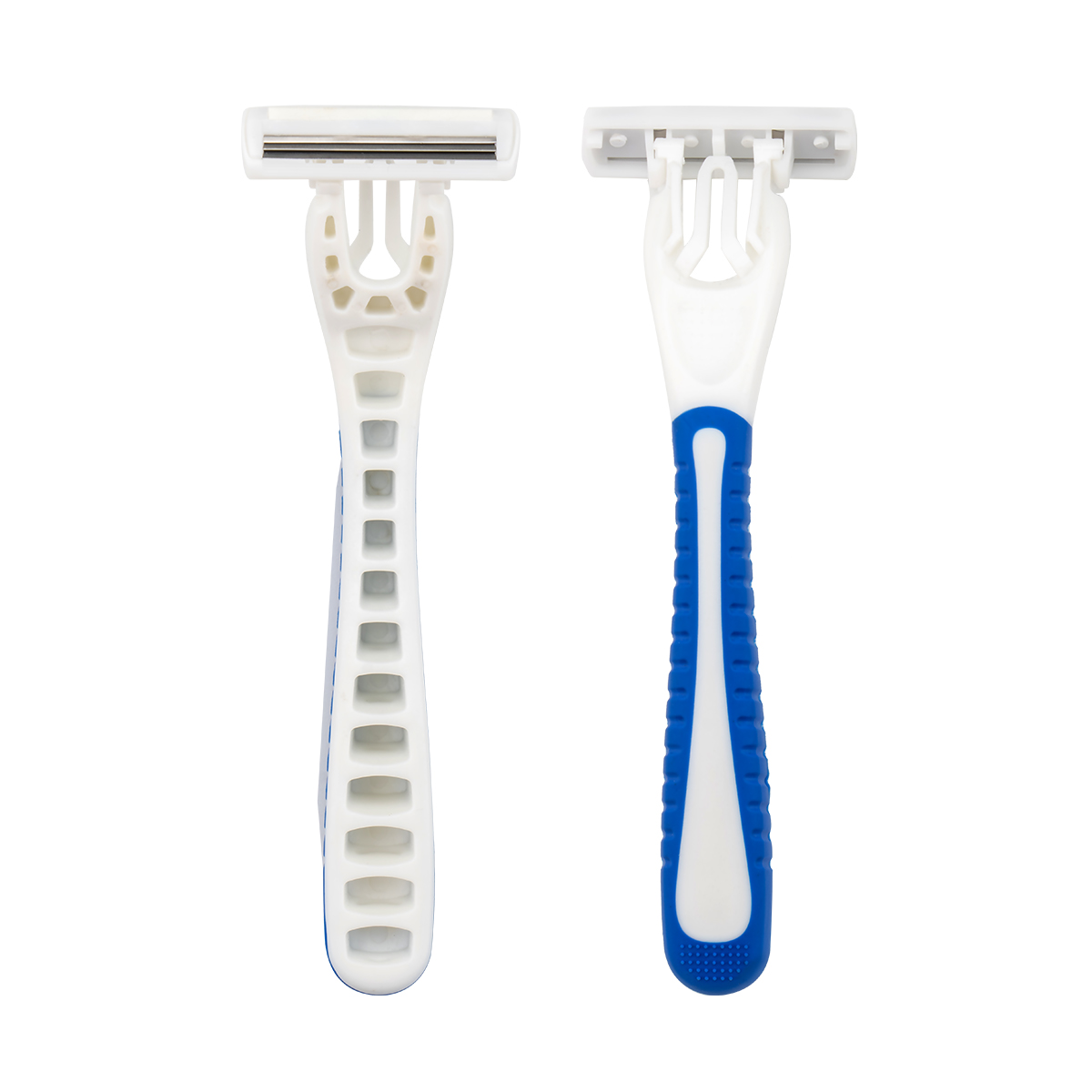
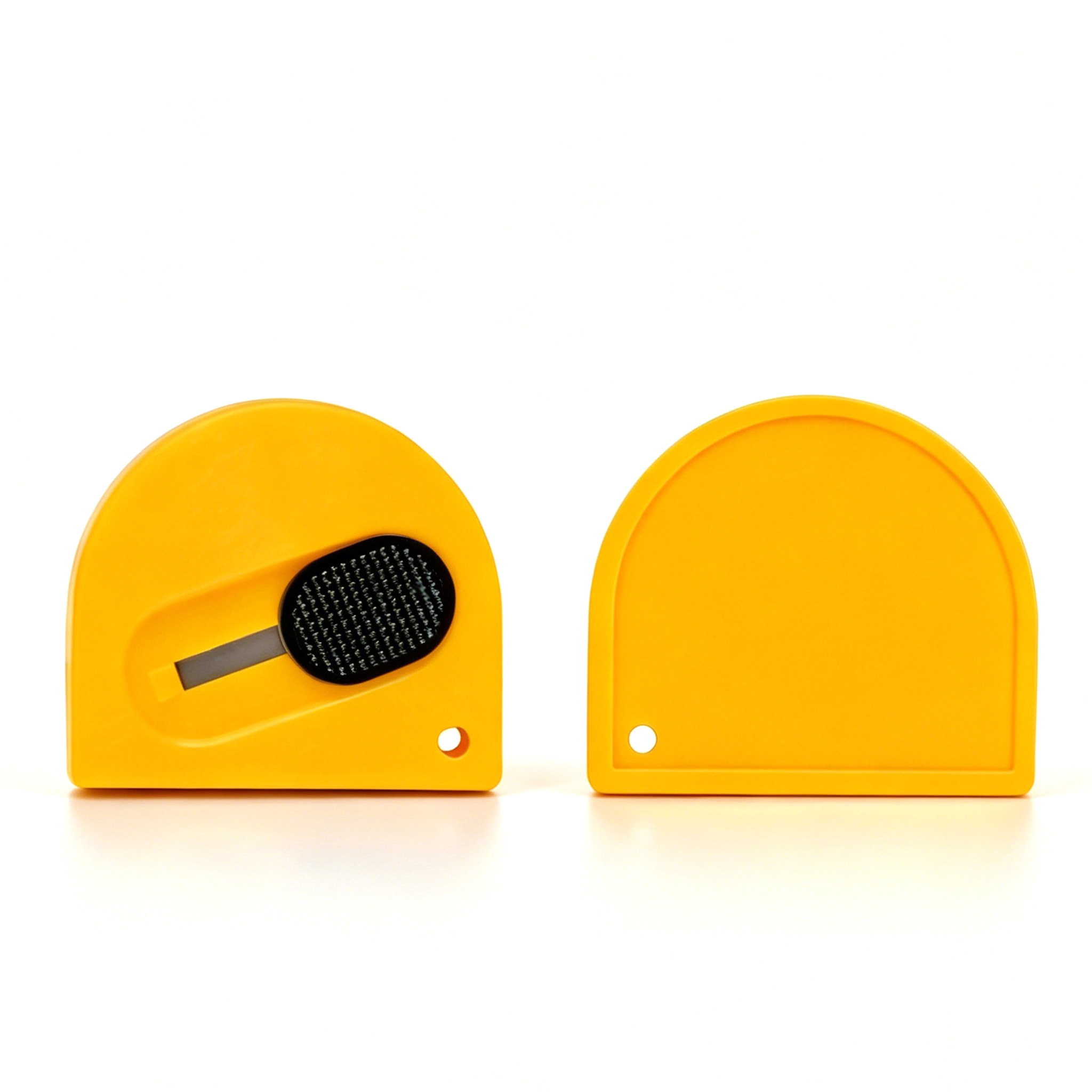
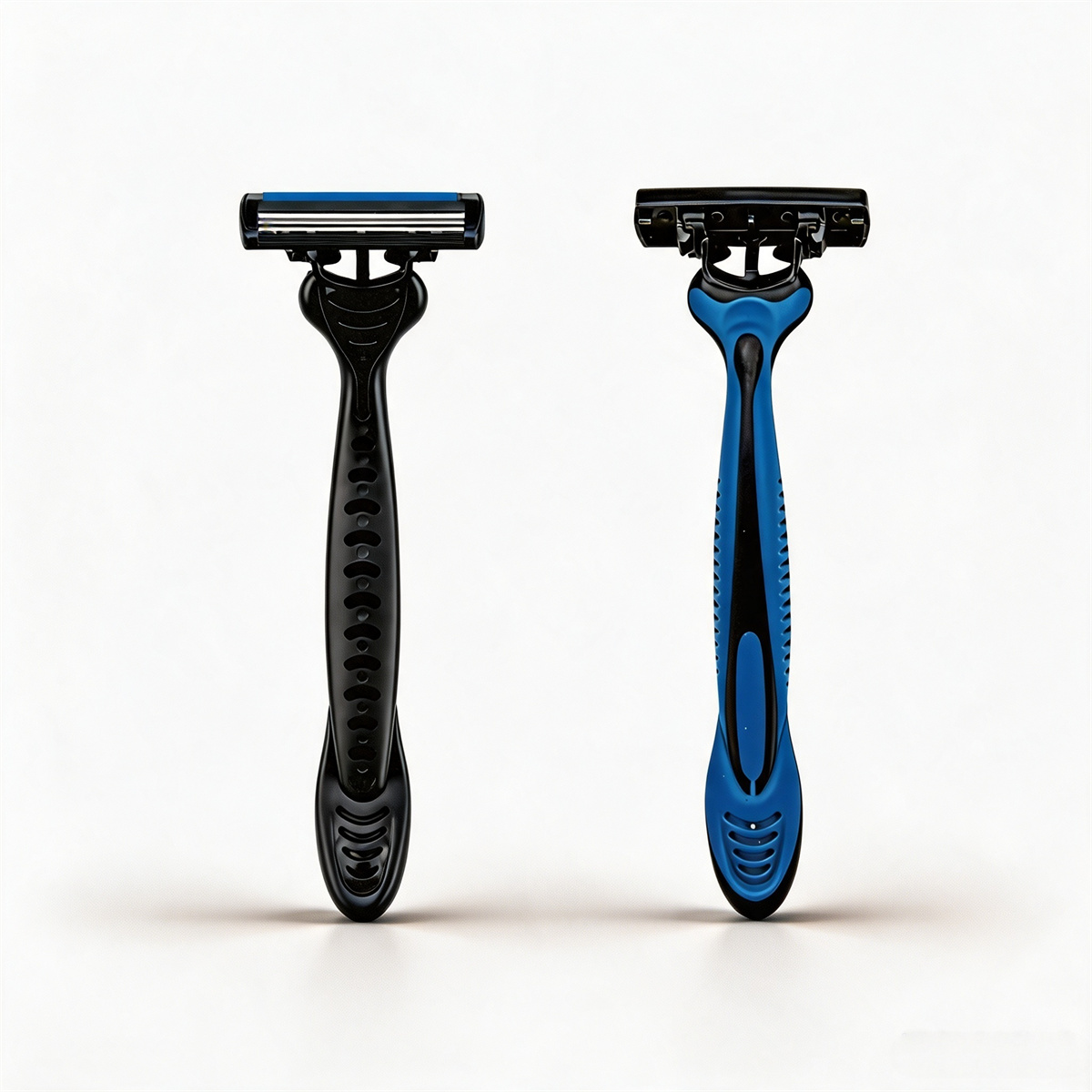
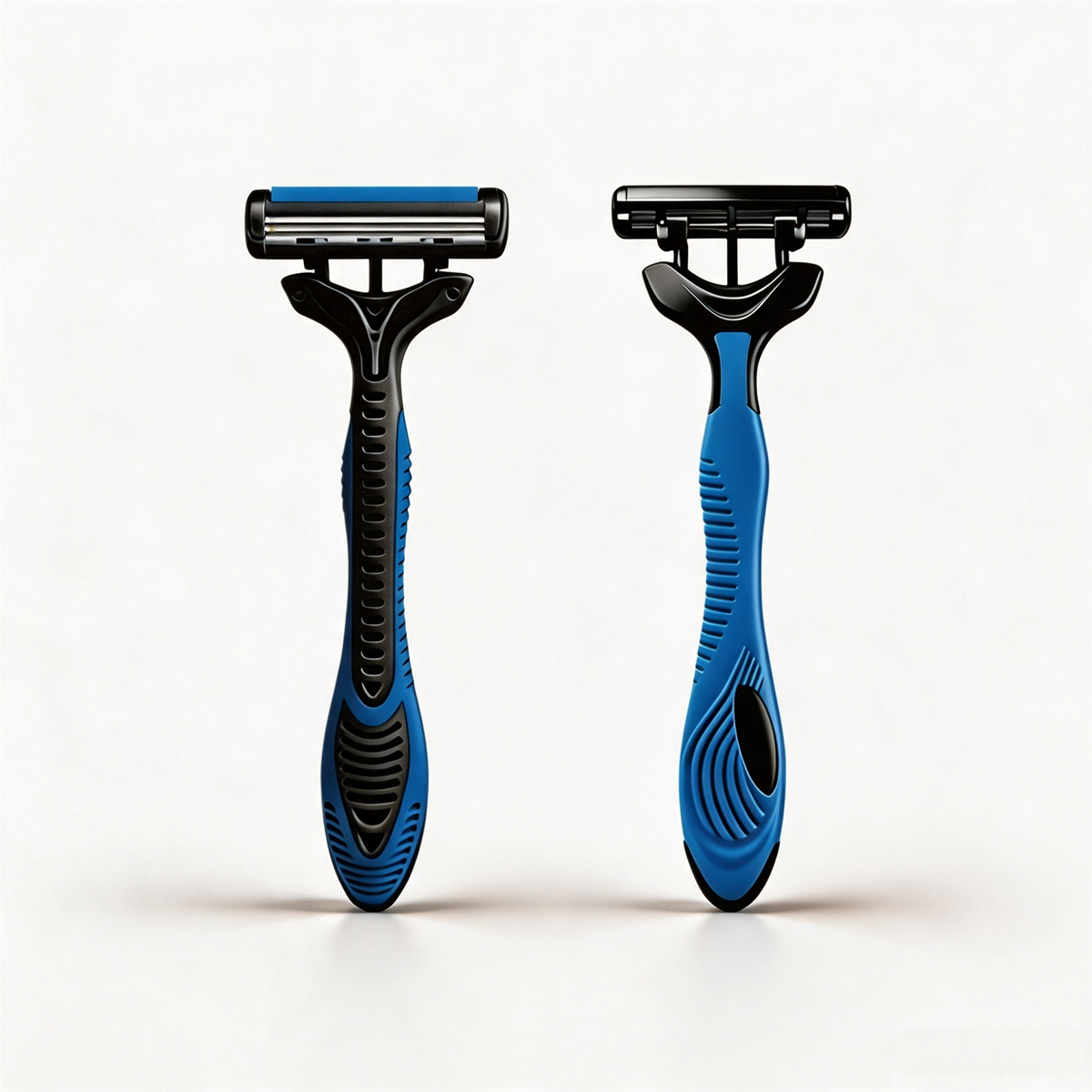
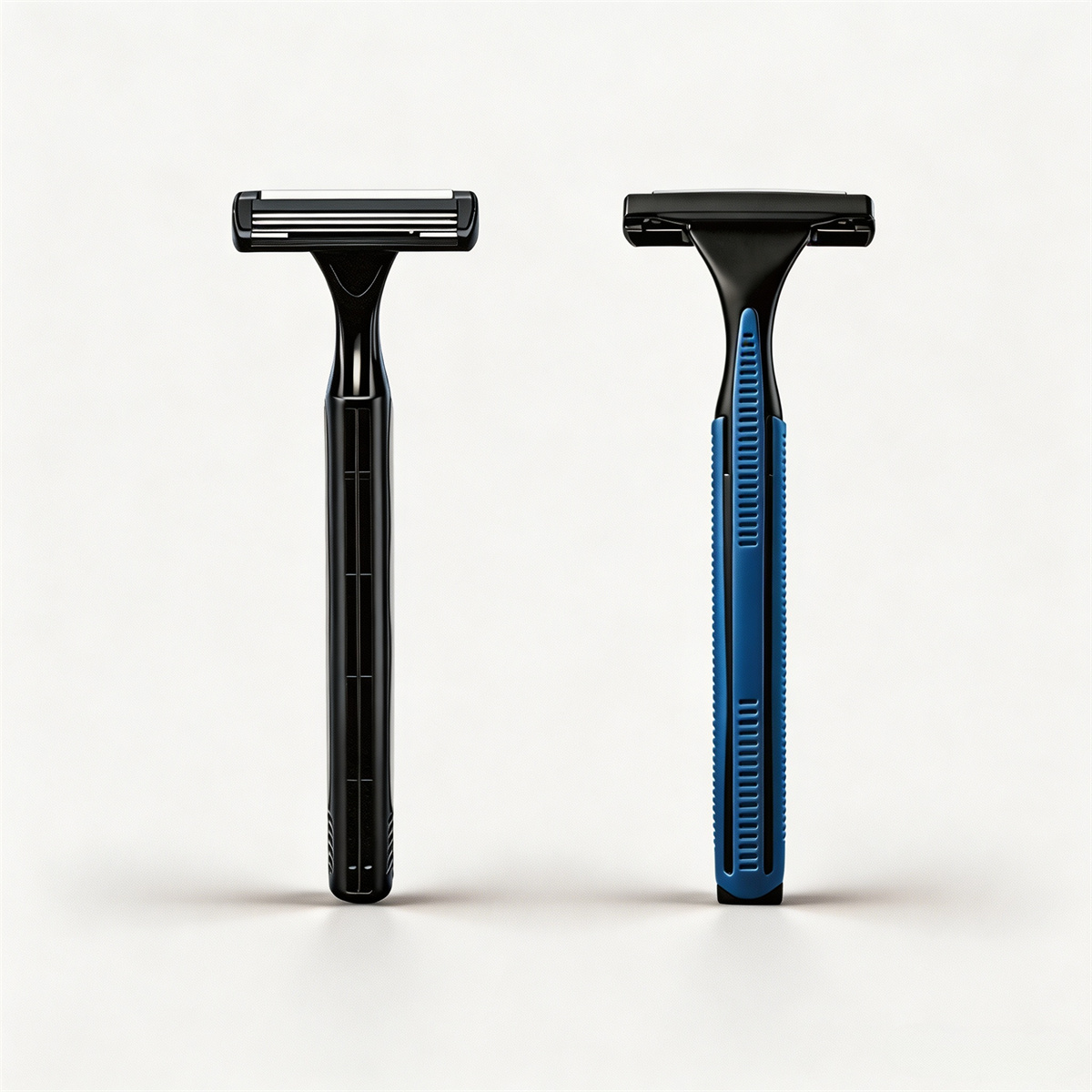
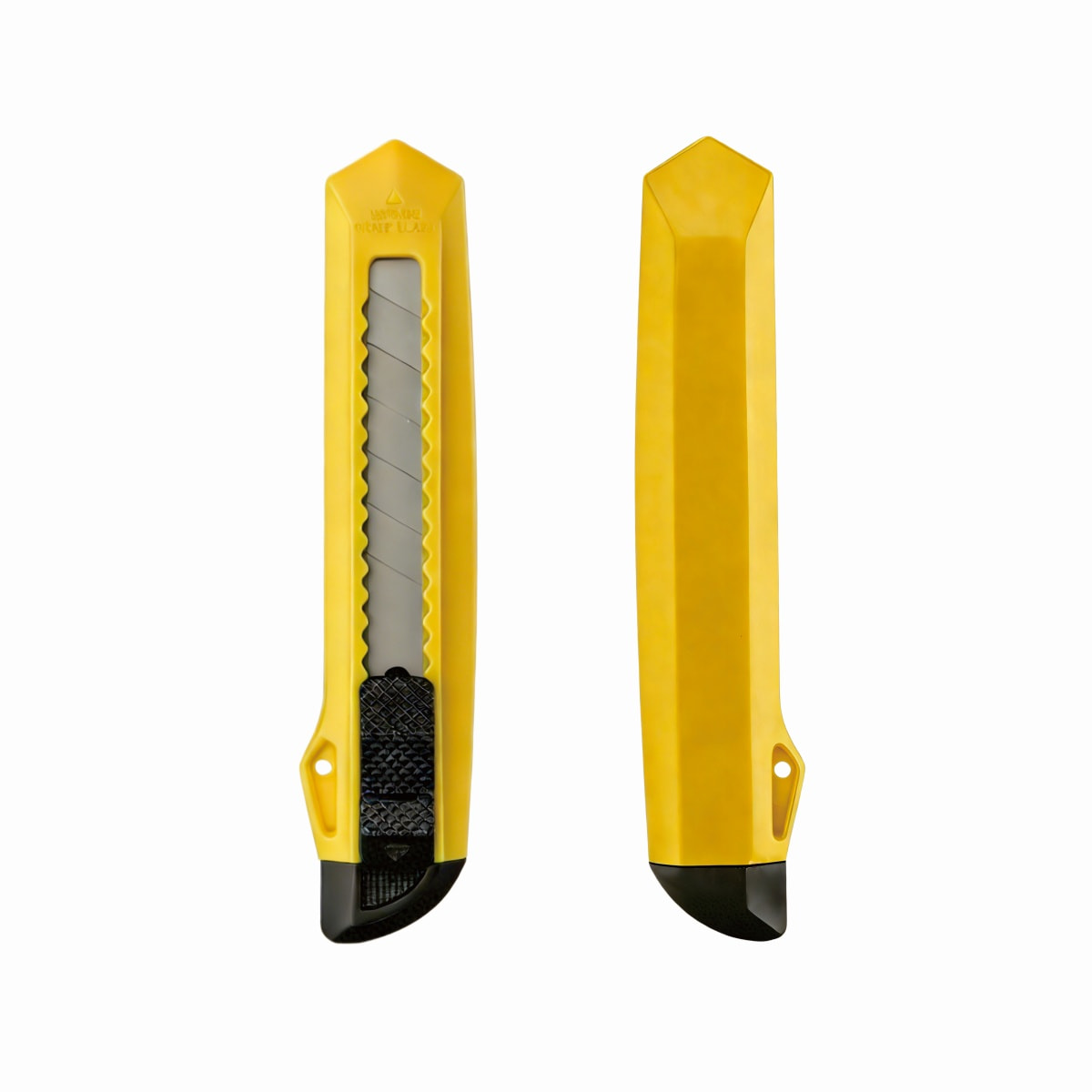
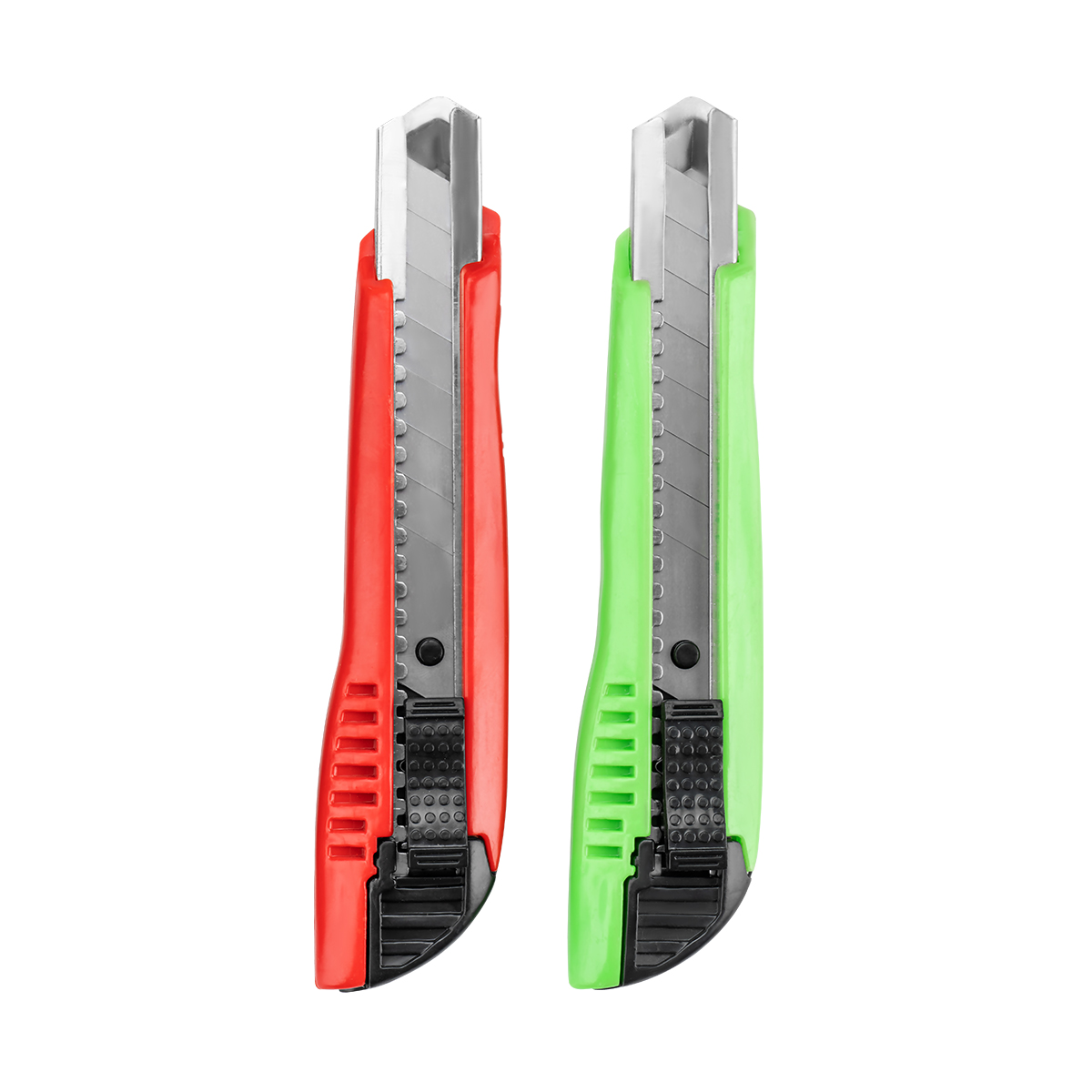
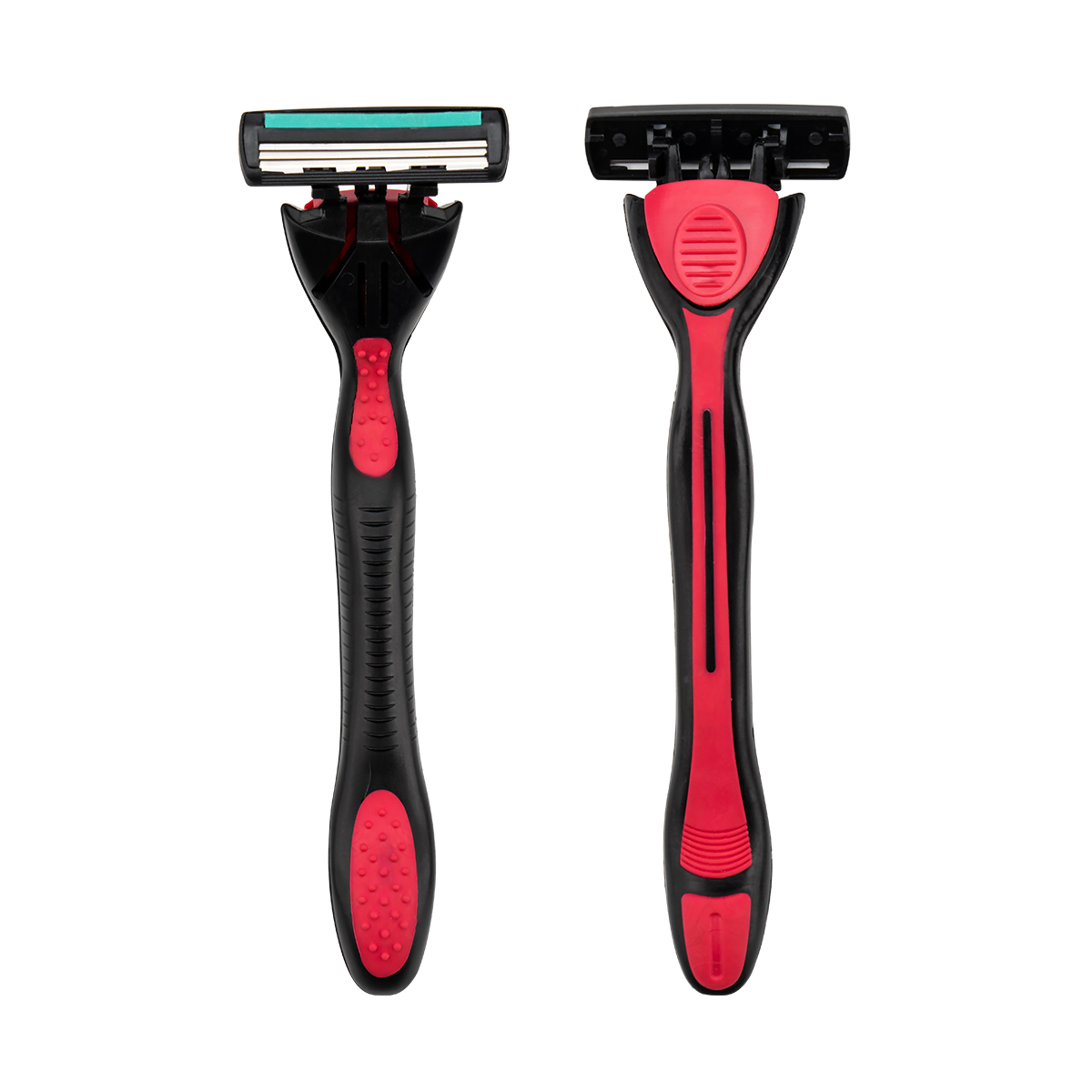

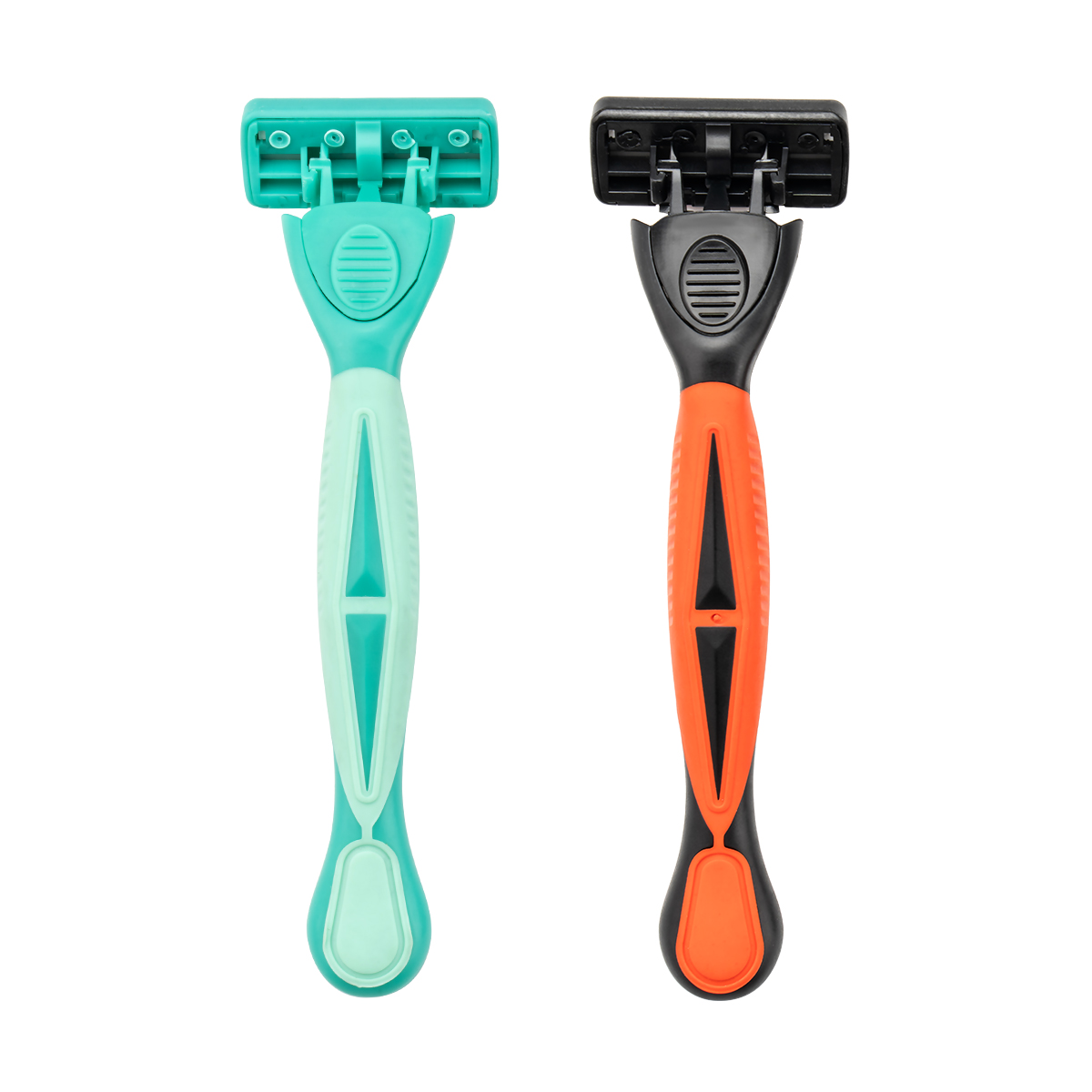
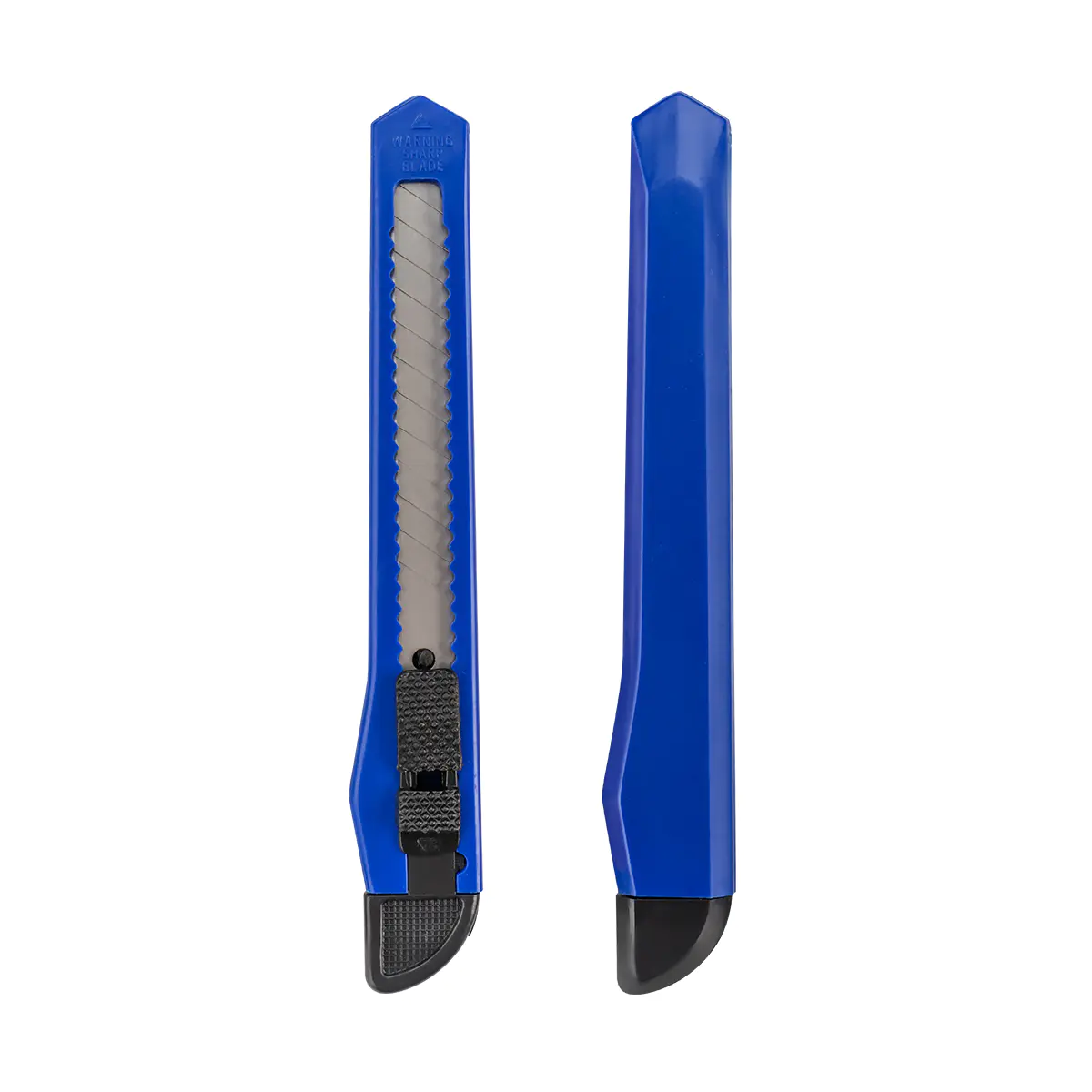
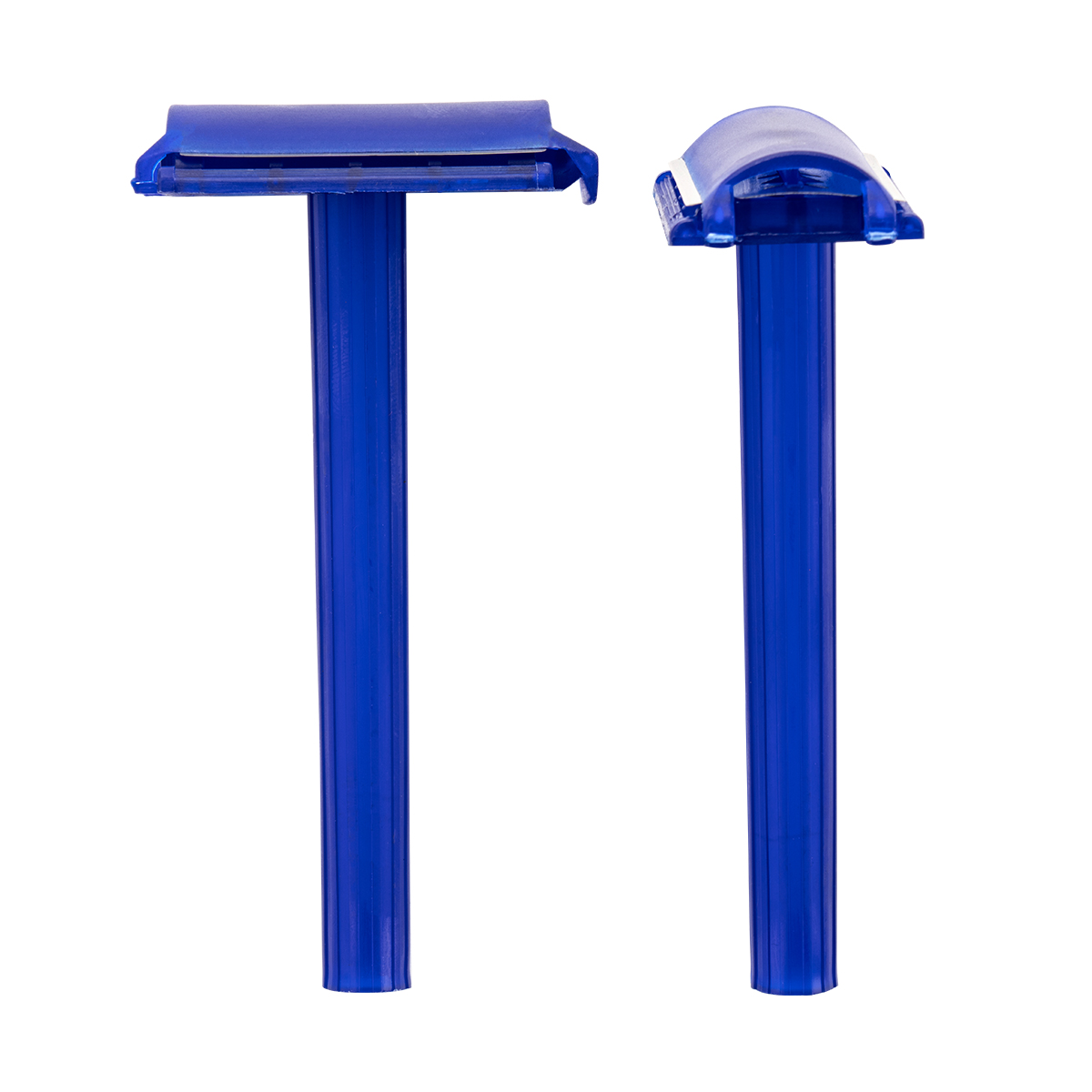
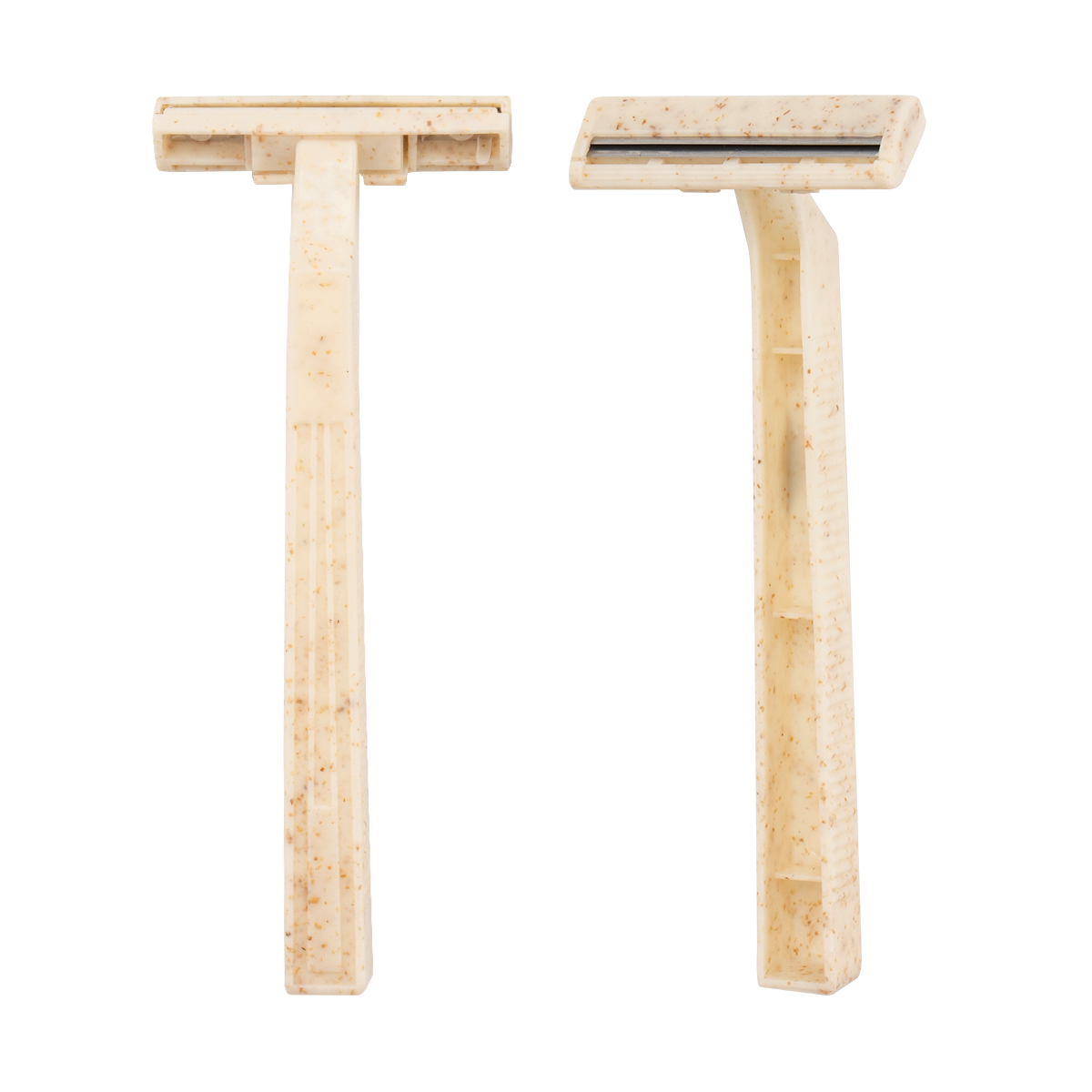

We are an industry and trade enterprise
specializing in the production of disposable razors and utility knives for more than 30 years.
Is Your Workplace Safe? How the Right Safety Utility Knife Prevents Costly Cutting Accidents
Content
- 1 Safety Utility Knife: The Ultimate Guide to Workplace Safety and Cutting Efficiency
- 1.1 Understanding the Vital Role of the Safety Utility Knife in Modern Industry
- 1.2 The Anatomy of a High-Quality Safety Utility Knife
- 1.3 Exploring the Core Safety Mechanisms
- 1.4 Categorizing Safety Utility Knives by Application
- 1.5 How to Choose the Right Safety Utility Knife for Your Business
- 1.6 Essential Maintenance and Blade Changing Protocols
- 1.7 Training and Best Practices for Safe Cutting
- 1.8 FAQ: Common Questions About Safety Utility Knives
Safety Utility Knife: The Ultimate Guide to Workplace Safety and Cutting Efficiency
Understanding the Vital Role of the Safety Utility Knife in Modern Industry
In modern industrial manufacturing and logistics, cutting is one of the most fundamental yet high-risk operations. The emergence of the Safety Utility Knife is not merely to replace the sharpness of traditional utility knives, but to establish a balance between cutting efficiency and absolute safety.
Occupational Safety Hazards of Traditional Utility Knives
Historically, many factories utilized fixed-blade utility knives or simple box cutters. However, industrial injury statistics indicate that approximately 30% of manual tool injuries are caused by these tools, with over 60% being hand lacerations. The primary risks of traditional tools include:
Prolonged Blade Exposure: Users often forget to retract the blade after use, leading to injuries when the tool is left on workbenches or placed in pockets.
Structural Instability: When cutting tough materials like thick corrugated cardboard or plastic strapping, blades are prone to snapping or slipping.
Lack of Ergonomics: Long-term use of poorly designed handles leads to Musculoskeletal Disorders (MSDs).
Core Values of a Safety Utility Knife
A genuine Safety Utility Knife minimizes risk through engineering. It is a comprehensive safety solution rather than just a cutting tool:
Reduction in Downtime: Severe cuts can sideline employees for weeks. Using safety knives significantly reduces these non-productive losses.
Protection Against Product Damage: Many designs, such as concealed blade models, protect the goods inside the packaging by limiting cutting depth.
International Safety Compliance: Industry standards, such as OSHA recommendations, increasingly encourage or mandate the use of Safety Utility Knife models with auto-retractable features.
Technical Parameter Comparison: Safety Utility Knife vs. Traditional Knife
| Dimension | Traditional Utility Knife | Safety Utility Knife |
| Retraction Mechanism | Manual or Locking | Auto-Retractable or Smart-Retracting |
| Blade Exposure | Adjustable/Fully Exposed | Restricted depth or concealed |
| Safety Rating | Low (Behavior-dependent) | High (Mechanical fail-safes) |
| Blade Change | Requires tools or snapping | Tool-less quick change |
| Durability | Prone to snapping | Reinforced for heavy industrial use |
| Ergonomics | Flat/Basic handle | Contoured, anti-slip, vibration-reducing |
The Anatomy of a High-Quality Safety Utility Knife
To understand why the Safety Utility Knife is an industrial standard, one must analyze its precision construction and internal materials.
Handle Ergonomics: Grip and Hand Protection
The handle is the primary contact point. In a Safety Utility Knife, it serves as a functional module:
Anti-Slip Texture: Utilizes dual-component materials (hard plastic combined with soft rubber) to ensure control even with sweaty or oily hands.
Neutral Wrist Position: Contoured shapes promote a natural grip, reducing wrist strain and preventing carpal tunnel syndrome.
Ambidextrous Design: Modern high-quality models feature sliders on the top or both sides to ensure equal safety for both left and right-handed workers.
Blade Material: Sharpness vs. Durability
| Feature | Carbon Steel | Ceramic (Zirconia) | Stainless Steel |
| Initial Sharpness | Extremely High | High (Specialized grind) | Medium |
| Hardness (HRC/HV) | 58-62 HRC | Extremely High | 54-56 HRC |
| Wear Resistance | Standard | 10x longer than steel | Standard |
| Rust Resistance | Low (Requires oil) | Never Rusts | Excellent |
| Safety | Very Sharp Point | Finger-Friendly grind | Sharp Point |
Durability Factors: Industrial Grade Housing
Zinc Alloy: Found in heavy-duty models. Its weight provides momentum for cutting and extreme impact resistance.
Glass-Filled Nylon: A composite material that is lightweight, impact-resistant, and provides electrical insulation.
Die-Cast Aluminum: Offers rigidity and corrosion resistance in harsh, high-temperature factory environments.
Summary of Construction Parameters
| Component | Industrial Standard | Performance Benefit |
| Handle Length | 140mm - 180mm | Provides full palm support |
| Blade Thickness | 0.5mm - 0.7mm | Increases resistance to snapping |
| Mechanism | Tool-less change | Reduces contact time with bare blades |
| Protection | Drop-tested | Functional after 3-meter drops |
Exploring the Core Safety Mechanisms
The competitive advantage of a Safety Utility Knife lies in its mechanical fail-safes. These mechanisms assume human error and provide forced protection.
Manual Retractable vs. Auto-Retractable
Manual Retractable: User manually slides the blade out to lock and manually pulls it back. Only prevents injury during storage.
Auto-Retractable: The blade is connected to a high-tension spring. The user must hold the slider to keep the blade out; once released, it snaps back instantly.
Smart-Retracting Technology
The highest level of safety for a Safety Utility Knife.
Principle: Unlike standard auto-retract, the blade retracts the moment it loses contact with the material being cut, even if the user is still holding the slider.
Advantage: Eliminates injuries caused by "follow-through" slips where the knife keeps moving after the cut is finished.
Concealed Blade Designs
Application: Specifically for shrink wrap, strapping, and single-wall corrugated.
Safety: The blade is deeply recessed in a gap too narrow for a human finger to enter, achieving "zero-risk" contact.
Mechanism Parameter Comparison
| Metric | Auto-Retractable | Smart-Retracting | Concealed Blade |
| Safety Level | Level 2 (Medium) | Level 3 (High) | Level 4 (Extremely High) |
| User Intervention | Must release slider | Retracts on contact loss | None (Shielded) |
| Primary Protection | Storage/Drop safety | Slip/Accident safety | Contact injury prevention |
| Cut Depth | Adjustable | Medium | Low (Fixed) |
Categorizing Safety Utility Knives by Application
Heavy-Duty Construction & Industrial Knives
Uses: Drywall, thick rubber, geotextiles.
Features: Often manual or semi-auto with longer blade exposure (>20mm) to penetrate thick materials.
Blade Recommendation: SK5 High Carbon Steel.
Warehouse, Shipping & Receiving Knives
Uses: Cardboard boxes, tape, stretch film.
Features: Auto or Smart-retracting. Depth is usually limited to 5mm-10mm to protect box contents.
Specialty Concealed Blade Cutters
Uses: Plastic strapping, mass film opening, bag opening.
Features: Shielded blade, often "fish-head" or hook-shaped to guide material to the edge.
Application Comparison Table
| Category | Material | Safety Level | Key Parameter |
| Construction | Drywall/Rubber | Level 2 | Bending Strength > 50kg |
| Logistics | Corrugated/Tape | Level 3 | Cycle Life > 100k uses |
| Packaging | Film/Strapping | Level 4 | Gap Width < 6mm |
| Electronics | PCBs/Fine Film | Level 2 | Insulation > 1000V (Ceramic) |
How to Choose the Right Safety Utility Knife for Your Business
Assessment of Cutting Tasks
Light Duty: Tape and thin film. Choose: Concealed Blade.
Medium Duty: Double/Triple-wall boxes. Choose: Auto-Retractable.
Heavy Duty: Rubber or leather. Choose: Reinforced Heavy-Duty Safety Knife.
Total Cost of Ownership Analysis
| Evaluation Item | Budget Disposable Knife | Professional Safety Utility Knife |
| Initial Cost | Extremely Low | Medium to High |
| Blade Life | Frequent changes | Long-life industrial steel/ceramic |
| Durability | Disposable/Fragile | Heavy-duty/Years of use |
| Injury Risk | Extremely High | Extremely Low |
Material Compatibility Reference
| Material to Cut | Recommended Type | Core Parameter |
| Stretch Film | Concealed | Hook aperture width |
| Carton Tape | Smart-Retract | Depth limit (approx. 5mm) |
| Carpet/Leather | Heavy-Duty Auto | Blade thickness (>0.6mm) |
Essential Maintenance and Blade Changing Protocols
Why Dull Blades are More Dangerous?
Increased Friction: A dull Safety Utility Knife requires significantly more downward pressure to cut.
Loss of Control: High pressure leads to sudden slips. If the material breaks unexpectedly, the knife's momentum can cause severe injury.
Standardized Blade Changing Protocols
Gloves Mandatory: Always wear at least Level 3 cut-resistant gloves during changes.
Tool-less Advantage: Prefer products with "push-and-flip" or slide-load mechanisms.
Double-Sided Use: Most safety blades are reversible; utilize both ends before disposal.
| Maintenance Dimension | Professional Safety Utility Knife | General Box Cutter |
| Cleaning | Blow out debris/wipe rails | Minimal maintenance until failure |
| Disposal | Sharps container system | Often disposed of unsafely |
Training and Best Practices for Safe Cutting
Proper Cutting Stance and Body Positioning
The "Line of Fire": Never place any body part in the path of the blade.
Stable Base: Keep feet shoulder-width apart to maintain balance if the blade slips.
Material-Specific Techniques
| Material | Angle | Best Practice |
| Corrugated | 45 - 60 degrees | Cut with the grain; only deep enough to penetrate the first layer. |
| Shrink Wrap | 15 - 30 degrees | Keep film taut; use the guide hook to enter. |
| Strapping | 45 degrees | Cut at an angle to prevent the strap from snapping back. |
Behavioral Safety Parameters
| Behavior | Recommended Practice | Dangerous Habit |
| Force | Steady, moderate pull | Explosive, violent push |
| Free Hand | Behind or to the side of the cut | In front of the cut path |
| Exposure | Minimum required length | Full blade exposure for thin items |
FAQ: Common Questions About Safety Utility Knives
Q1: Why has my safety knife retraction slowed down?
Usually due to adhesive residue or dust in the slider track. Clean with compressed air. Avoid lubricants as they attract more debris.
Q2: Are ceramic or steel blades safer?
Ceramic blades are "finger-friendly" and reduce accidental surface nicks. However, they are brittle and should not be used for prying or side-loading.
Q3: Should I use a concealed blade for all box opening?
No. Concealed blades are best for film and strapping. For heavy-duty triple-wall cardboard, an auto-retractable Safety Utility Knife is more efficient.
Q4: How do I convince employees to switch from traditional knives?
Provide data on injury costs and offer a trial period so they can feel the reduced hand fatigue from ergonomic handles.
Q5: Can these knives cut metal strapping?
No. Metal strapping requires specialized shears. Attempting this with a Safety Utility Knife will cause the blade to shatter, creating a high-velocity debris hazard.
Recommended Product
Recommended News

Keep In Touch
 No. 2-2, Oufu Road, Zhangting Town, Yuyao City, Ningbo City, Zhejiang, China.
 +86-574-87560886/87560055
 +86-574-87560885
Copyright © Ningbo Chuangxin Cutting-Tool Manufacture Co., Ltd.
