

 English
 中文简体
中文简体 русский
 Español




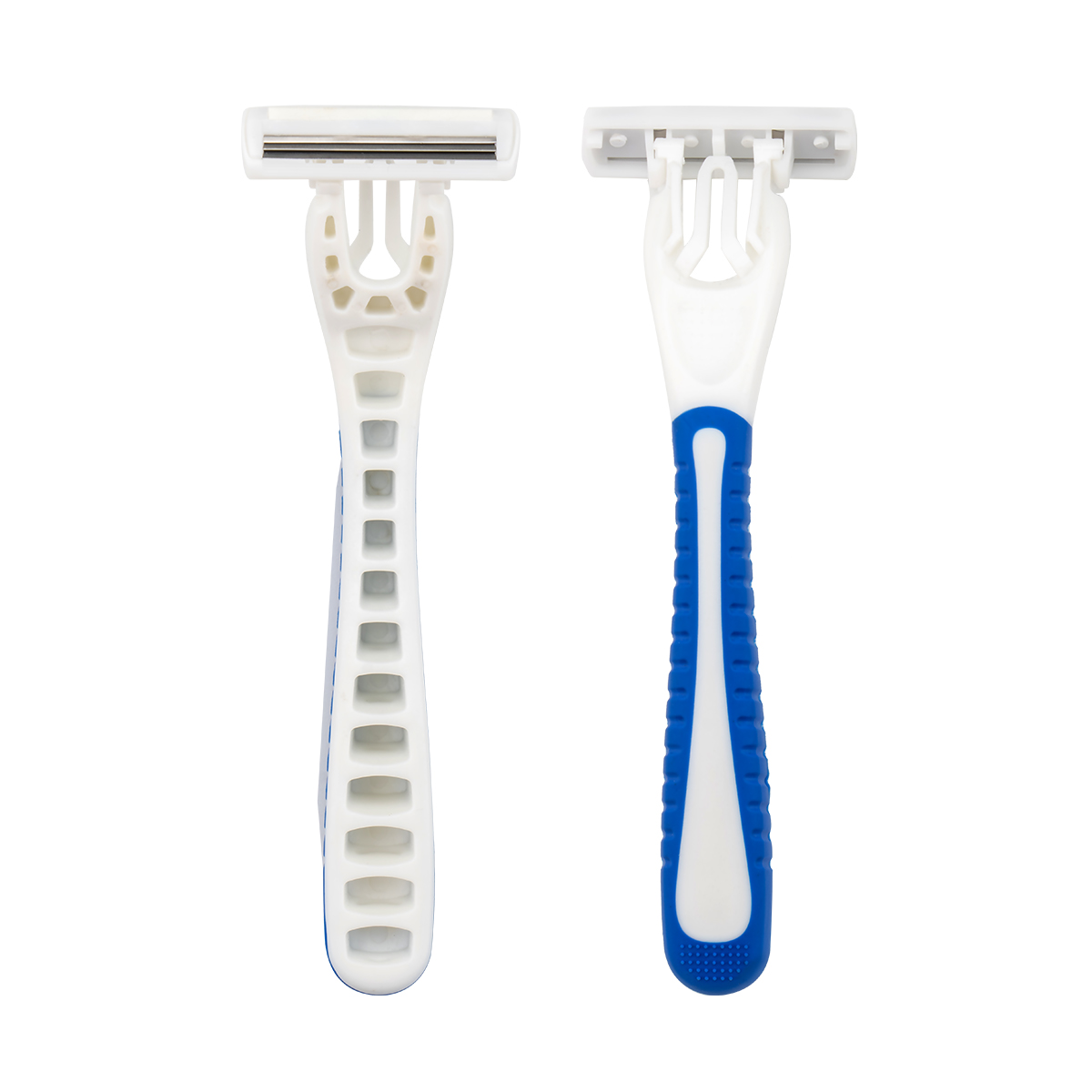
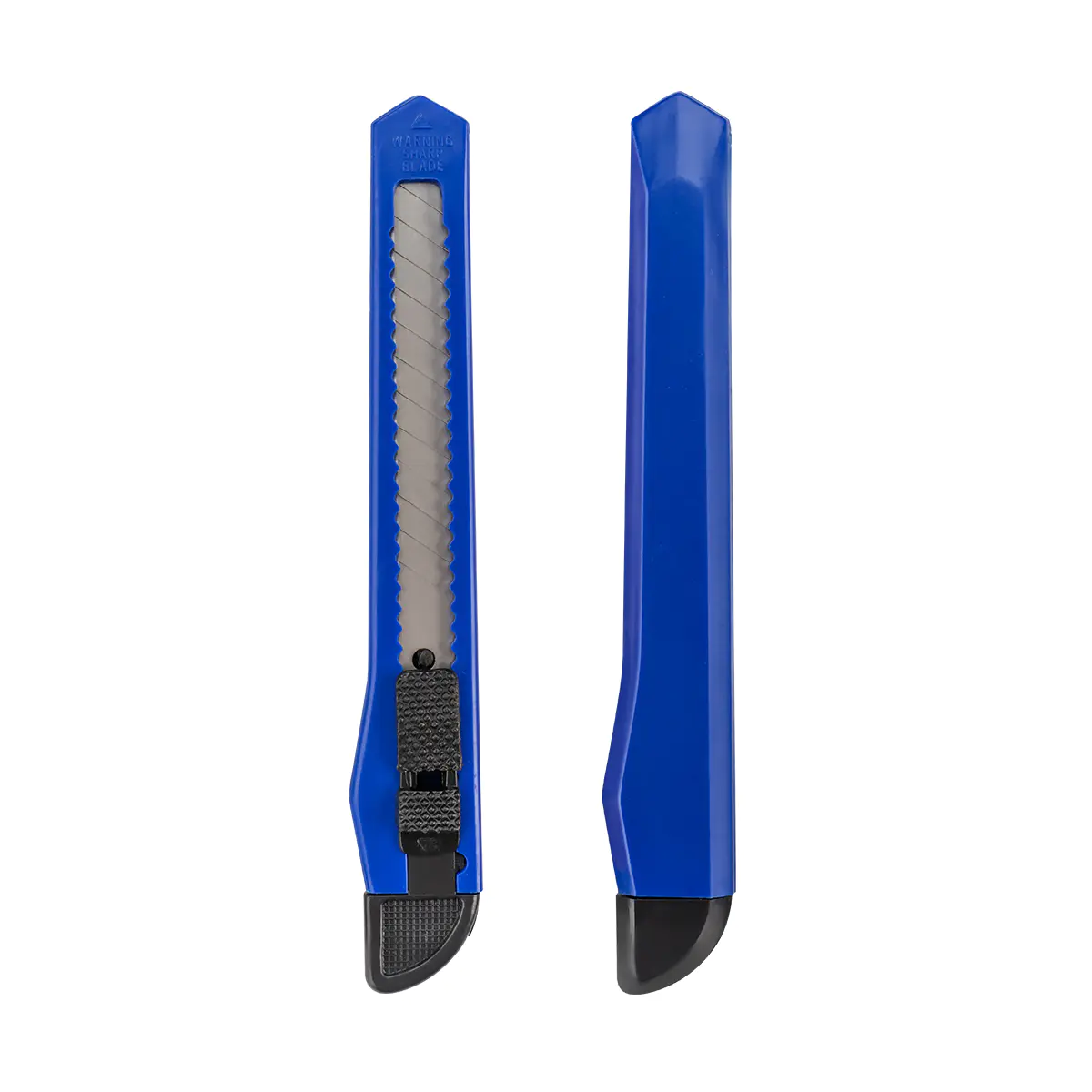
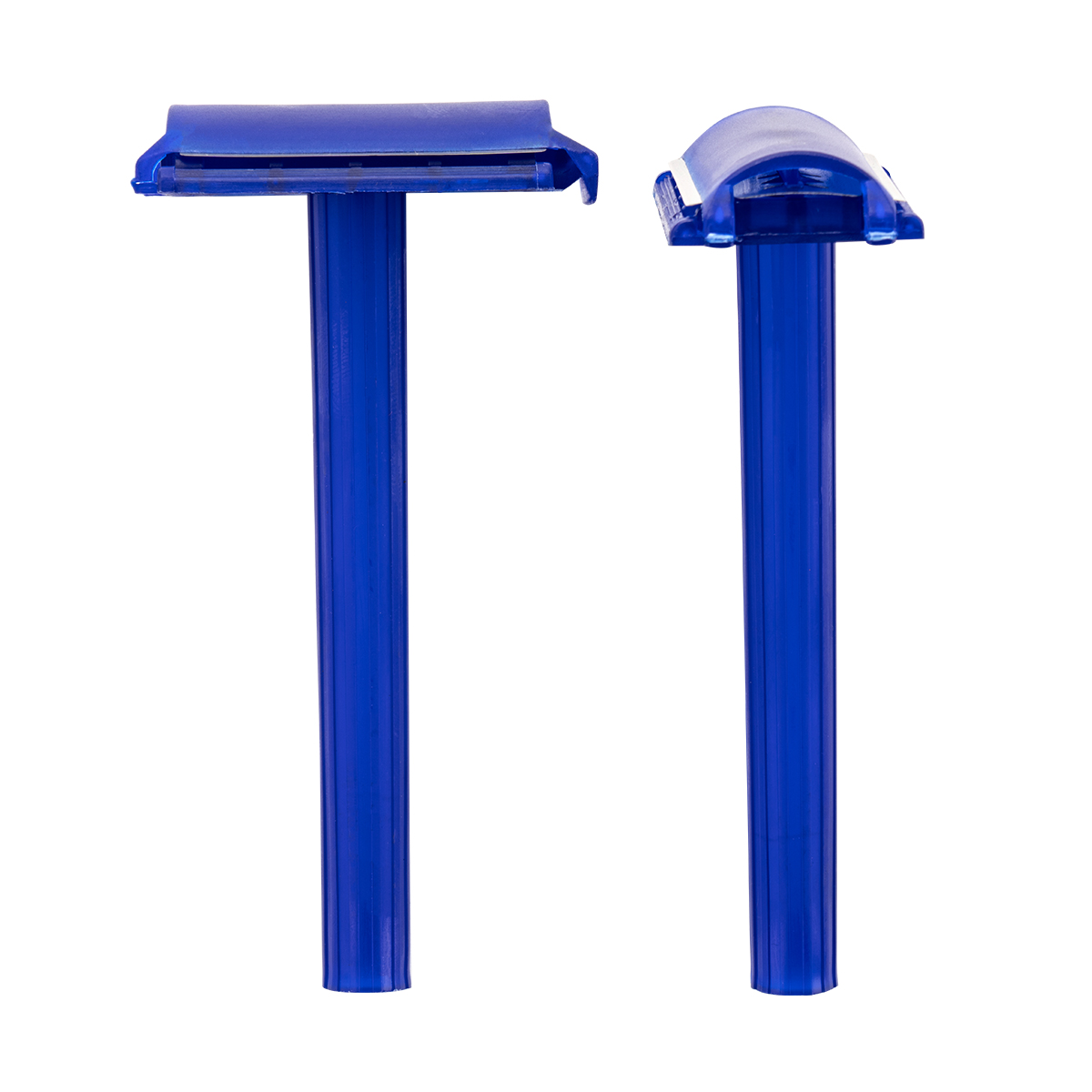
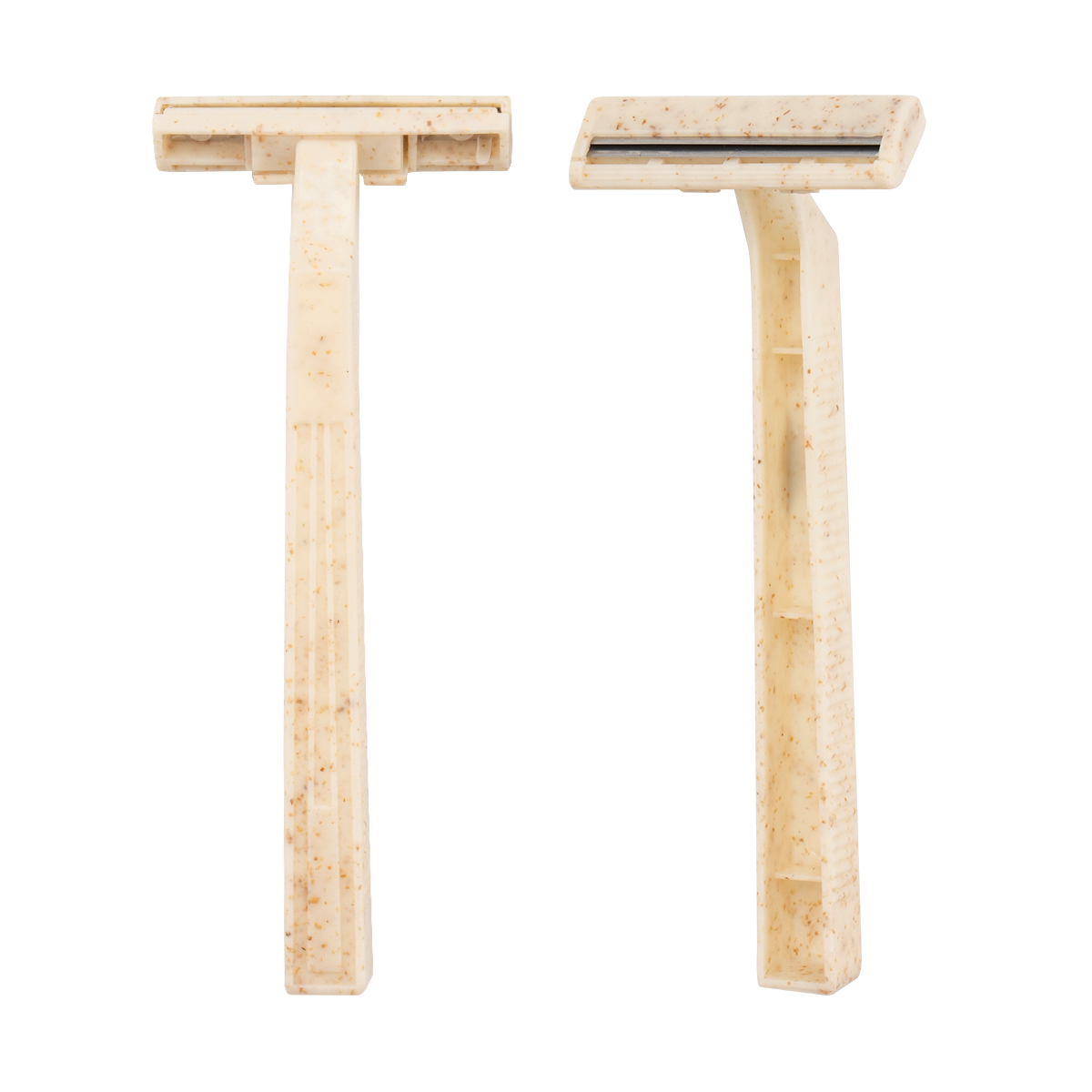

We are an industry and trade enterprise
specializing in the production of disposable razors and utility knives for more than 30 years.
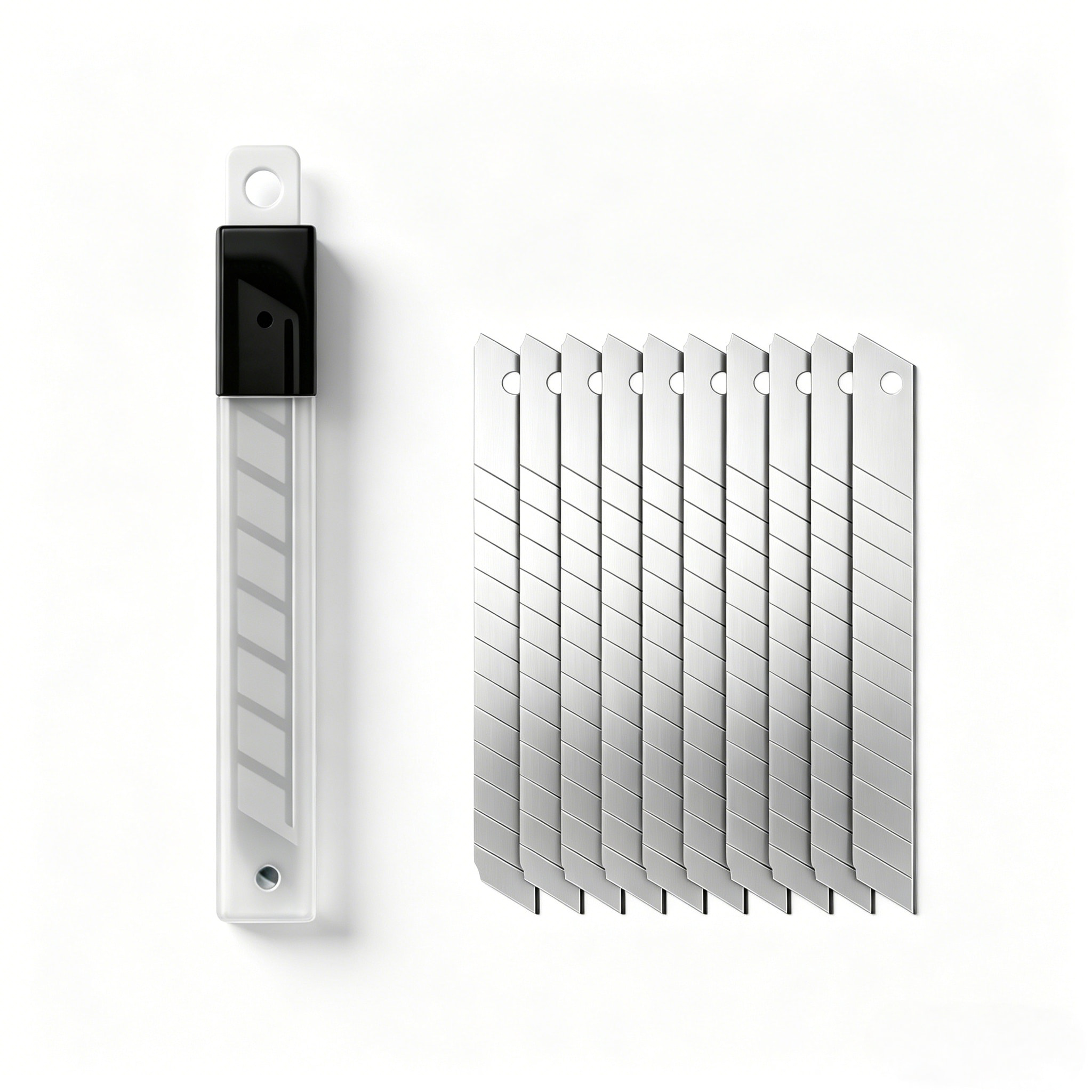
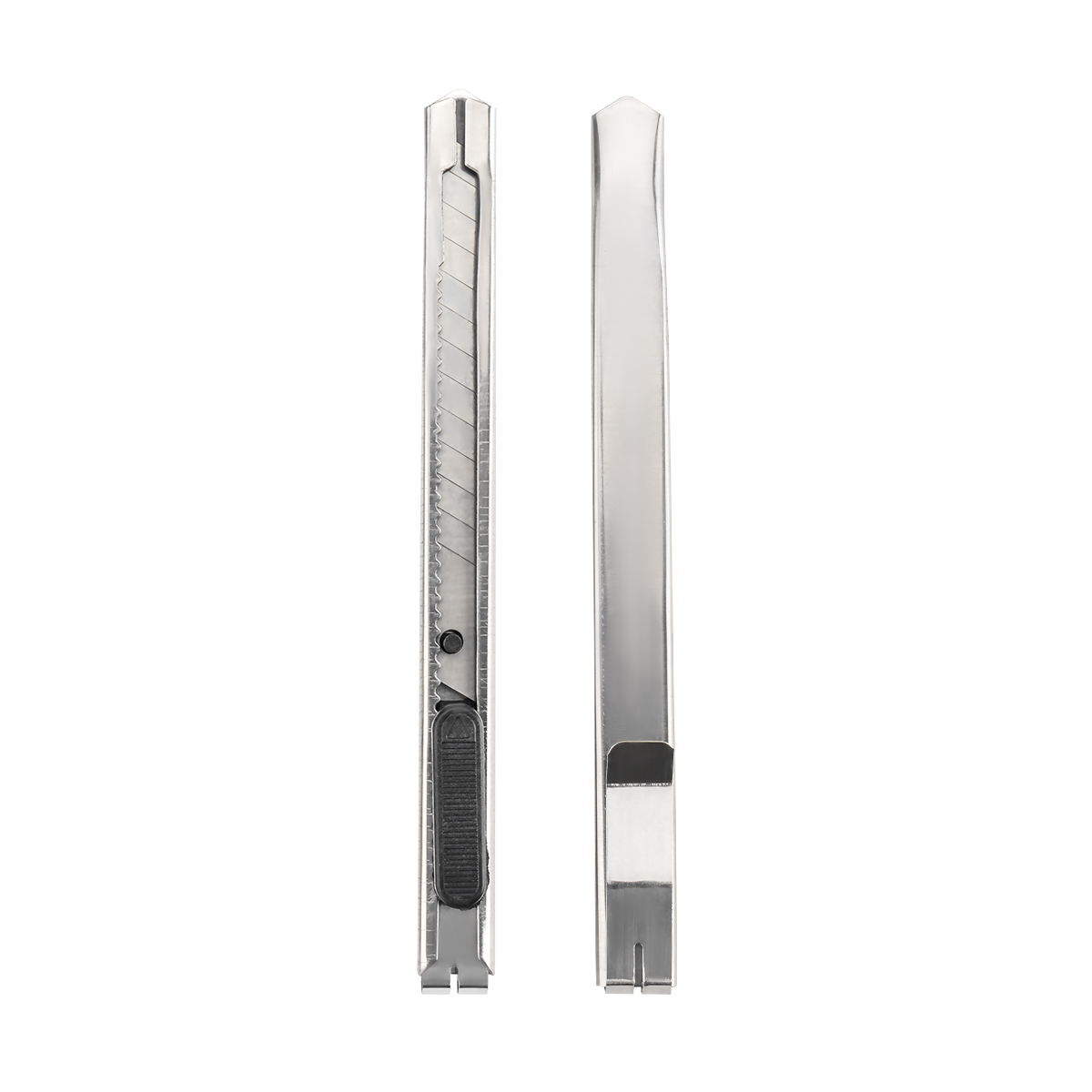
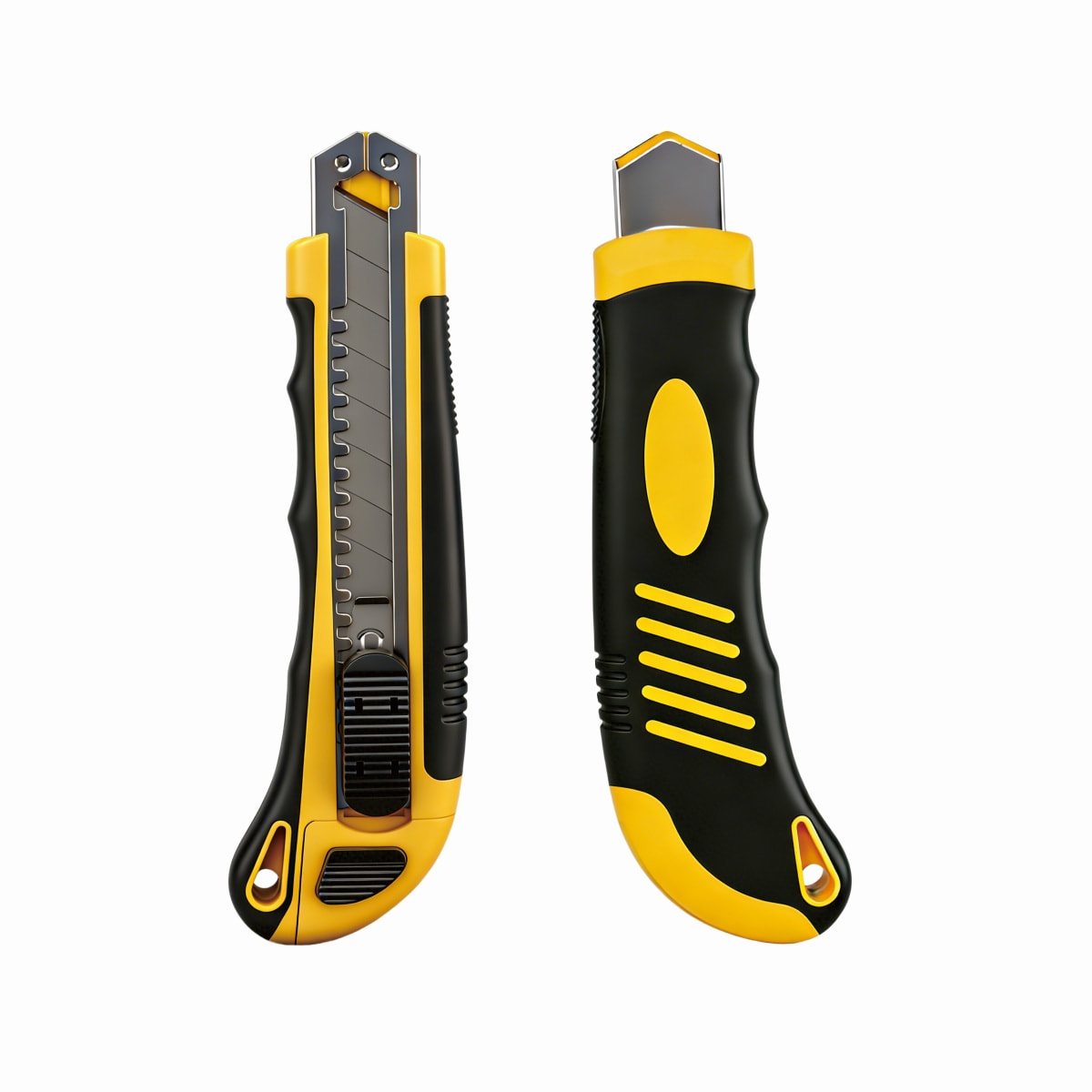
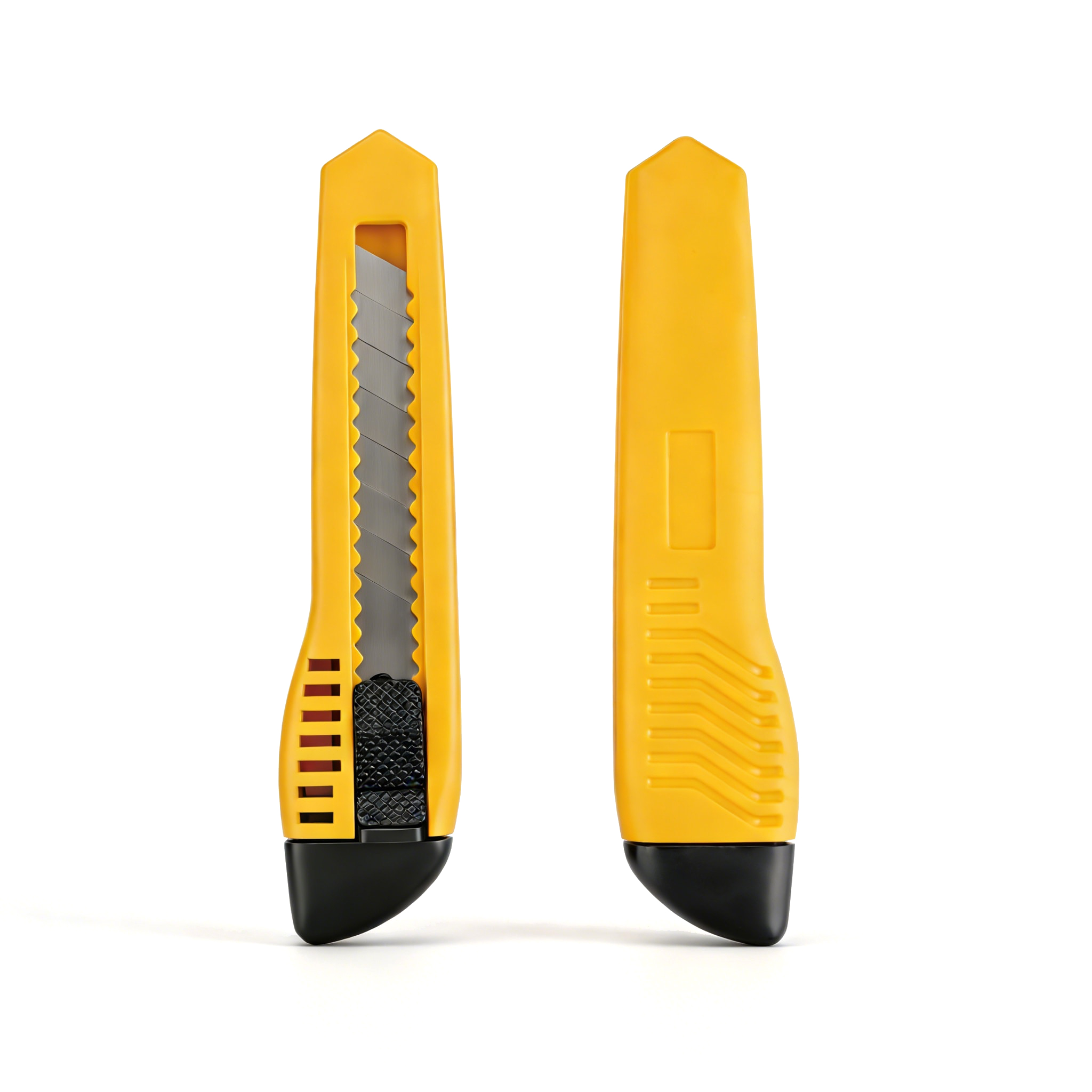
What Is the Right HRC Hardness for a 9mm Utility Knife Blade
Content
- 1 Standard HRC Range for 9mm Utility Knife Blades
- 2 SK2 High-Carbon Tool Steel: HRC 60–62
- 3 SK5 Medium-Carbon Tool Steel: HRC 58–60
- 4 High-Speed Steel (HSS / M2): HRC 62–66
- 5 Stainless Steel Blades: HRC 52–56
- 6 Why HRC Alone Does Not Determine Blade Quality
- 7 Snap-Off Groove Depth and Its Relationship to HRC
- 8 Heat Treatment Process and HRC Consistency
- 9 Surface Coatings and Their Effect on Blade Hardness
- 10 HRC Verification in Procurement and Quality Control
- 11 Matching HRC to Application Requirements
When evaluating the performance of a 9mm utility knife blade, Rockwell Hardness (HRC) is one of the most critical technical parameters. It measures a material's resistance to localized plastic deformation using a 150 kg load with a diamond cone indenter. The higher the HRC value, the harder the steel. For 9mm stationery utility knife blades, HRC directly determines edge sharpness retention, snap-off groove controllability, and overall cutting performance across different materials and working environments.
Standard HRC Range for 9mm Utility Knife Blades
Most 9mm utility knife blades on the market fall within the HRC 58–64 range. This window is not arbitrary — it reflects decades of engineering balance between sharpness, brittleness, and safe snap-off behavior. Different steel grades within this range serve distinct professional needs.
Understanding which steel grade and corresponding hardness level suits your application is the first step toward selecting the right 9mm snap-off blade for consistent, professional results.
SK2 High-Carbon Tool Steel: HRC 60–62
SK2 steel contains approximately 1.0%–1.1% carbon and achieves an HRC of 60–62 after proper quenching and tempering. This grade has long been the preferred material for Japanese-manufactured blades, including brands such as OLFA and NT Cutter. The hardness level allows the blade edge to be ground to a fine angle, producing minimal cutting resistance on thin materials such as paper, film, and drafting sheets. The snap-off grooves fracture cleanly and predictably at this hardness, which is critical for operator safety. SK2 blades represent a strong balance between initial sharpness, edge retention, and controlled breakability, making them a reliable choice for design studios, packaging workflows, and everyday professional use.
SK5 Medium-Carbon Tool Steel: HRC 58–60
SK5 steel contains approximately 0.80%–0.90% carbon, placing its hardness in the HRC 58–60 range. The slightly lower carbon content increases toughness compared to SK2, meaning the blade absorbs more stress before fracturing. This reduces the risk of blade fragment scatter during snap-off operations, which is a measurable safety advantage in workspace environments with strict hazard controls. SK5 is widely used in European OEM production, particularly for customers who prioritize blade safety ratings alongside cutting performance. The trade-off is a marginally shorter edge retention period compared to SK2, requiring slightly more frequent blade changes in high-volume cutting tasks.
High-Speed Steel (HSS / M2): HRC 62–66
High-speed steel, particularly the M2 grade, delivers an HRC of 62–66, significantly exceeding the upper range of conventional carbon tool steels. Its defining advantage is thermal stability — the blade retains its hardness even when cutting generates localized heat, making it suitable for industrial-grade applications involving harder substrates such as rigid plastics, rubber sheets, or composite laminates. The elevated hardness comes with increased brittleness, which demands careful snap-off technique and appropriate blade handling procedures. HSS blades in 9mm format appear primarily in industrial-grade or specialty product lines and are less common in general stationery or light professional use.
Stainless Steel Blades: HRC 52–56
Stainless steel blades occupy the lower end of the hardness spectrum at HRC 52–56. The reduced carbon content and alloying elements that provide corrosion resistance inherently limit achievable hardness. These blades are not designed to compete with carbon tool steel on sharpness or edge retention. Their value lies in specific environments where rust resistance is non-negotiable — food processing facilities, humid storage areas, and marine or laboratory settings. Users working in these conditions accept the shorter blade lifespan in exchange for reliable corrosion performance. Frequent blade changes are a standard expectation when using stainless steel 9mm blades in demanding environments.
Why HRC Alone Does Not Determine Blade Quality
A common misconception in blade selection is treating higher HRC as universally better. In practice, hardness and brittleness increase together. A blade at HRC 64 will hold a sharper edge on thin film but is more susceptible to micro-chipping when cutting layered cardboard or materials with embedded abrasives. A blade at HRC 58 sacrifices some initial sharpness but handles variable cutting resistance more forgivingly.
For 9mm blades specifically, the narrow blade width and shorter snap-off segment length mean the typical cutting range skews toward lighter materials — paper, tape, thin plastics, and craft substrates. Within this context, HRC 60 ± 2 represents the most consistently effective zone, providing sufficient hardness for fine edge geometry while maintaining the controlled fracture behavior that makes snap-off blades practical and safe to use.
Snap-Off Groove Depth and Its Relationship to HRC
The snap-off groove is not simply a surface score line. Its depth, groove angle, and the blade's HRC must be engineered as an integrated system. Standard 9mm blades have an overall thickness of approximately 0.38 mm–0.50 mm, with groove depth typically set at 30%–40% of total thickness, translating to approximately 0.12 mm–0.18 mm.
At HRC 60 and above, the material's brittleness contributes to directional fracture, allowing groove depth to remain on the shallower end of the range. At HRC below 58, groove depth must increase to compensate for higher toughness, ensuring the blade snaps cleanly rather than tearing or fracturing at an angle. An improperly matched groove-to-hardness ratio is one of the leading causes of irregular snap-off behavior, including diagonal breaks and fragment projection — both of which represent quality and safety failures.
Heat Treatment Process and HRC Consistency
Two blades made from the same steel grade can show HRC variation of ±2–3 points if heat treatment processes differ. This variability has direct consequences for batch-to-batch consistency in professional or OEM supply chains.
Salt bath quenching provides uniform heating and controlled cooling rates, well suited to thin-section components like utility knife blades. This method achieves HRC variation of ±1 within a single batch and is standard in premium blade manufacturing. Vacuum quenching eliminates surface oxidation, producing clean blade surfaces, but requires higher equipment investment. Conventional box furnace quenching introduces uneven temperature fields across the load, increasing the risk of localized soft spots along the blade edge — a defect that cannot be detected visually but directly affects cutting performance.
Low-temperature tempering at 150°C–180°C follows quenching to relieve internal stress and reduce brittleness. Every 20°C increase in tempering temperature reduces HRC by approximately 1–2 points. Precise tempering control is therefore essential to achieving target hardness without sacrificing the structural integrity of the snap-off groove system.
Surface Coatings and Their Effect on Blade Hardness
Surface coatings are a separate consideration from base material hardness. PTFE (fluoropolymer) coatings and black oxide treatments are the two most common finishes applied to 9mm utility knife blades. Neither modifies the underlying HRC of the steel.
PTFE coatings, with a surface hardness of approximately HV 50–100, serve a functional purpose — reducing the friction coefficient during cutting, which is particularly effective when working with adhesive materials such as tape, labels, and self-adhesive films. Black oxide treatment provides a degree of initial corrosion resistance and improves blade appearance but adds no measurable hardness benefit.
Physical vapor deposition (PVD) coatings — TiN or TiAlN — can achieve surface hardness values above HV 2000, offering genuine performance enhancement for cutting edge retention and wear resistance. This technology is more commonly found in industrial-grade precision blades and is not yet standard in the 9mm stationery utility knife segment due to cost constraints relative to blade retail price points.
HRC Verification in Procurement and Quality Control
Hardness verification in production and incoming inspection is conducted using a Rockwell hardness tester, with sample sizes determined by AQL sampling standards applied to each production batch. Because 9mm blades are small and thin, a dedicated fixture is required to secure the blade during testing. Movement during indentation introduces measurement error and produces unreliable readings.
Vickers hardness (HV) testing is an alternative method used when higher measurement precision is required for thin-section components. The conversion relationship is approximately HRC 60 ≈ HV 697. Vickers indentation size is smaller than Rockwell, making it better suited for micro-area hardness evaluation along the blade edge or near the snap-off groove.
A qualified supplier should provide a material certificate (mill certificate) for each steel coil, accompanied by heat treatment process records and hardness inspection reports with full traceability for every production batch. These documents are the baseline requirement for evaluating supplier technical capability. For OEM customers specifying custom HRC ranges, additional first-article inspection reports and process capability (Cpk) data for hardness are standard expectations in professional procurement audits.
Matching HRC to Application Requirements
Selecting the correct HRC range for a 9mm utility knife blade requires mapping hardness characteristics to the actual cutting conditions the blade will encounter. Paper and film cutting applications benefit from the fine edge geometry achievable at HRC 60–62. Multi-layer cardboard or rubber-based materials perform better with SK5 at HRC 58–60, where toughness reduces the risk of micro-chipping under variable resistance. Industrial cutting tasks that generate heat or involve harder composites justify the higher cost of HSS blades at HRC 62–66.
Specifying hardness without considering snap-off groove engineering, heat treatment consistency, and coating function produces an incomplete picture of blade performance. Each of these factors interacts with HRC to determine how a 9mm utility knife blade actually performs across its service life — from the first cut to the final snap-off.
Recommended Product
Recommended News

Keep In Touch
 No. 2-2, Oufu Road, Zhangting Town, Yuyao City, Ningbo City, Zhejiang, China.
 +86-574-87560886/87560055
 +86-574-87560885
Copyright © Ningbo Chuangxin Cutting-Tool Manufacture Co., Ltd.
