

 English
 中文简体
中文简体 русский
 Español



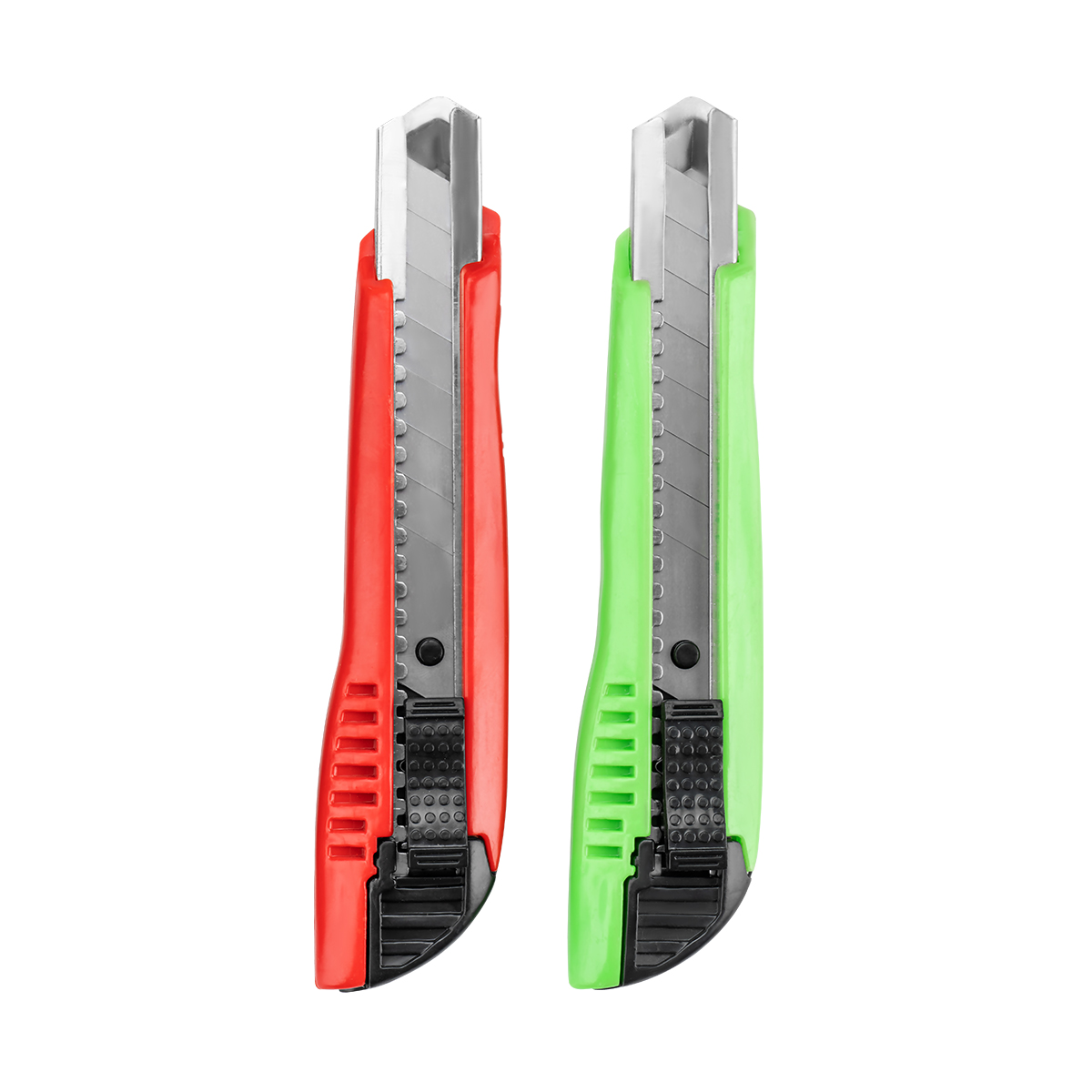
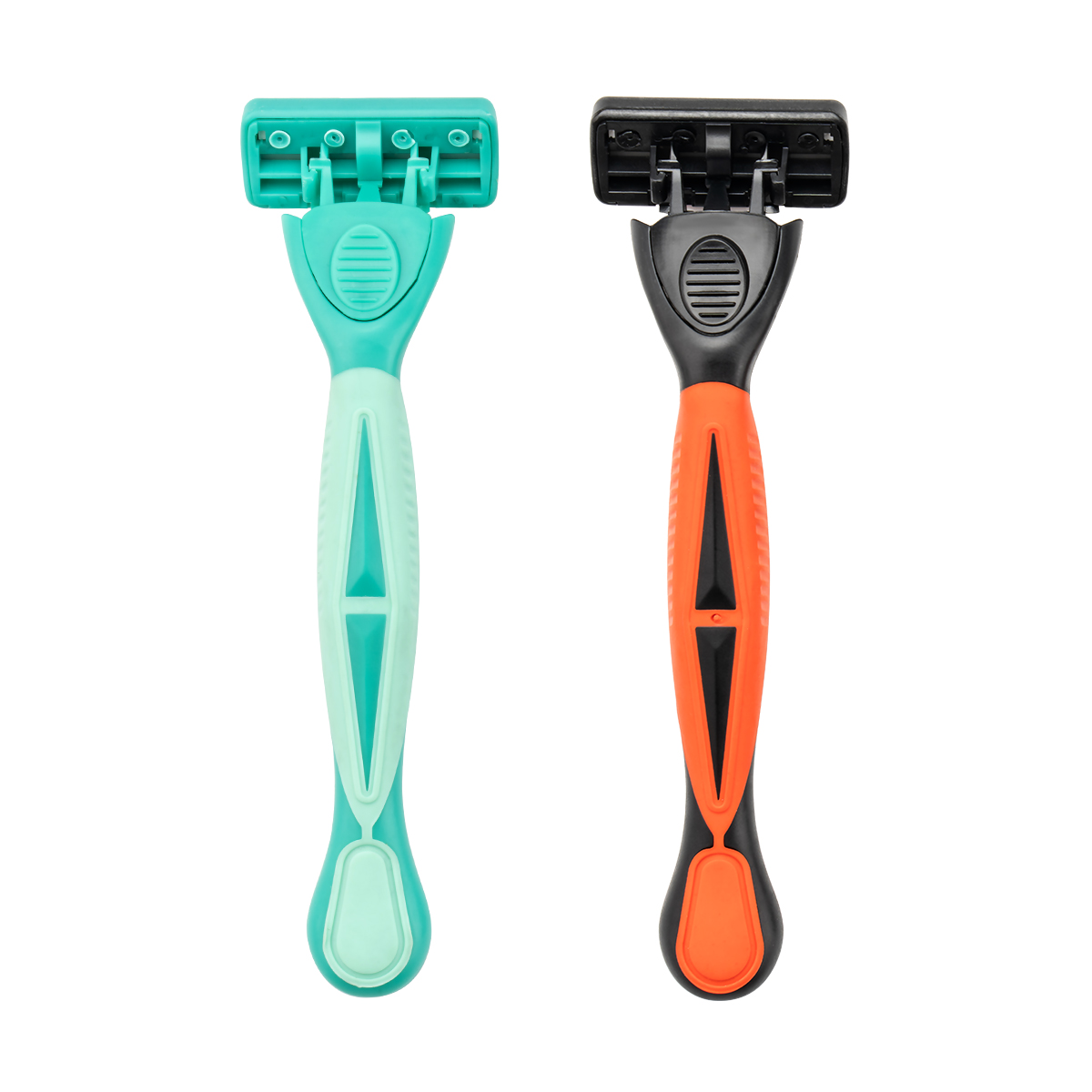
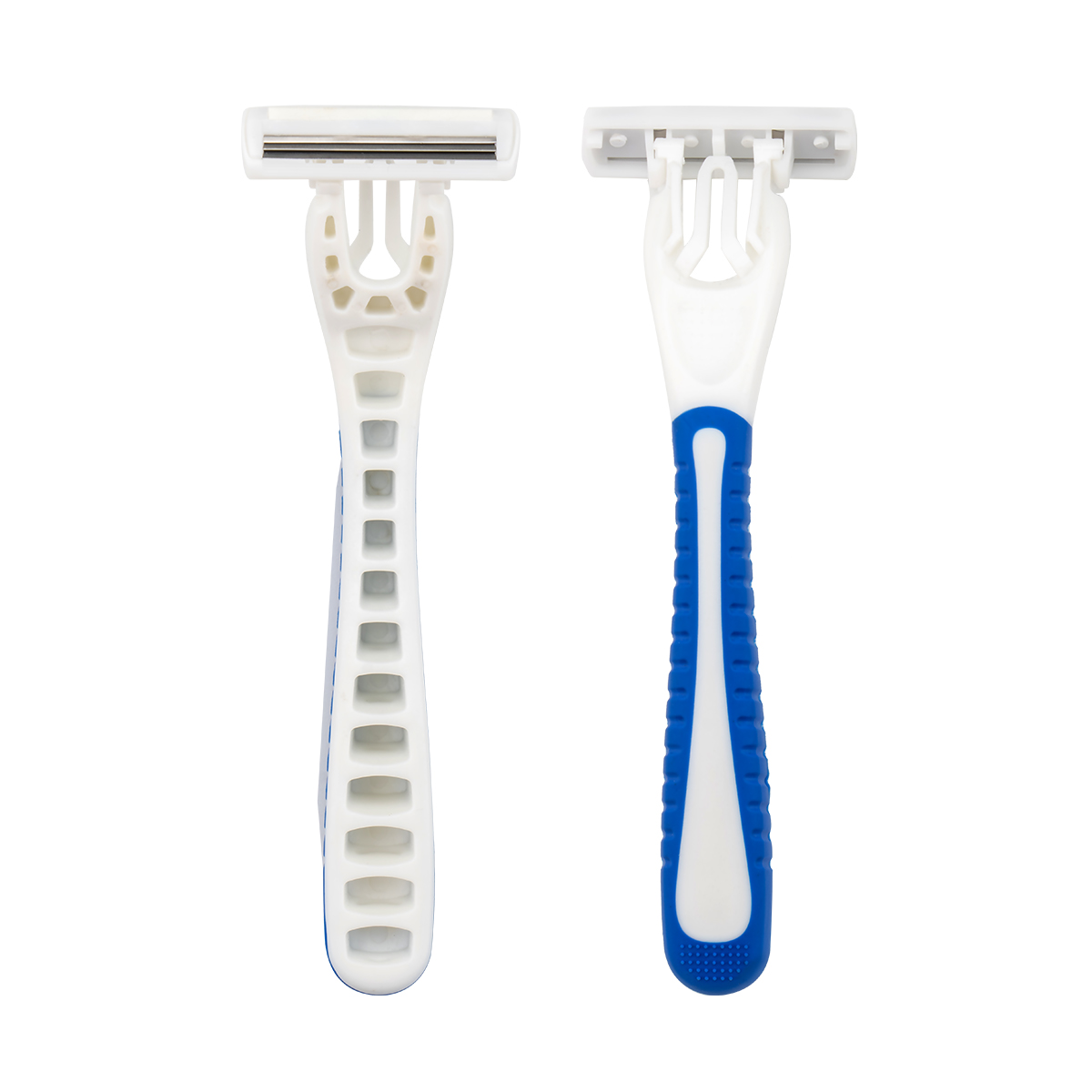
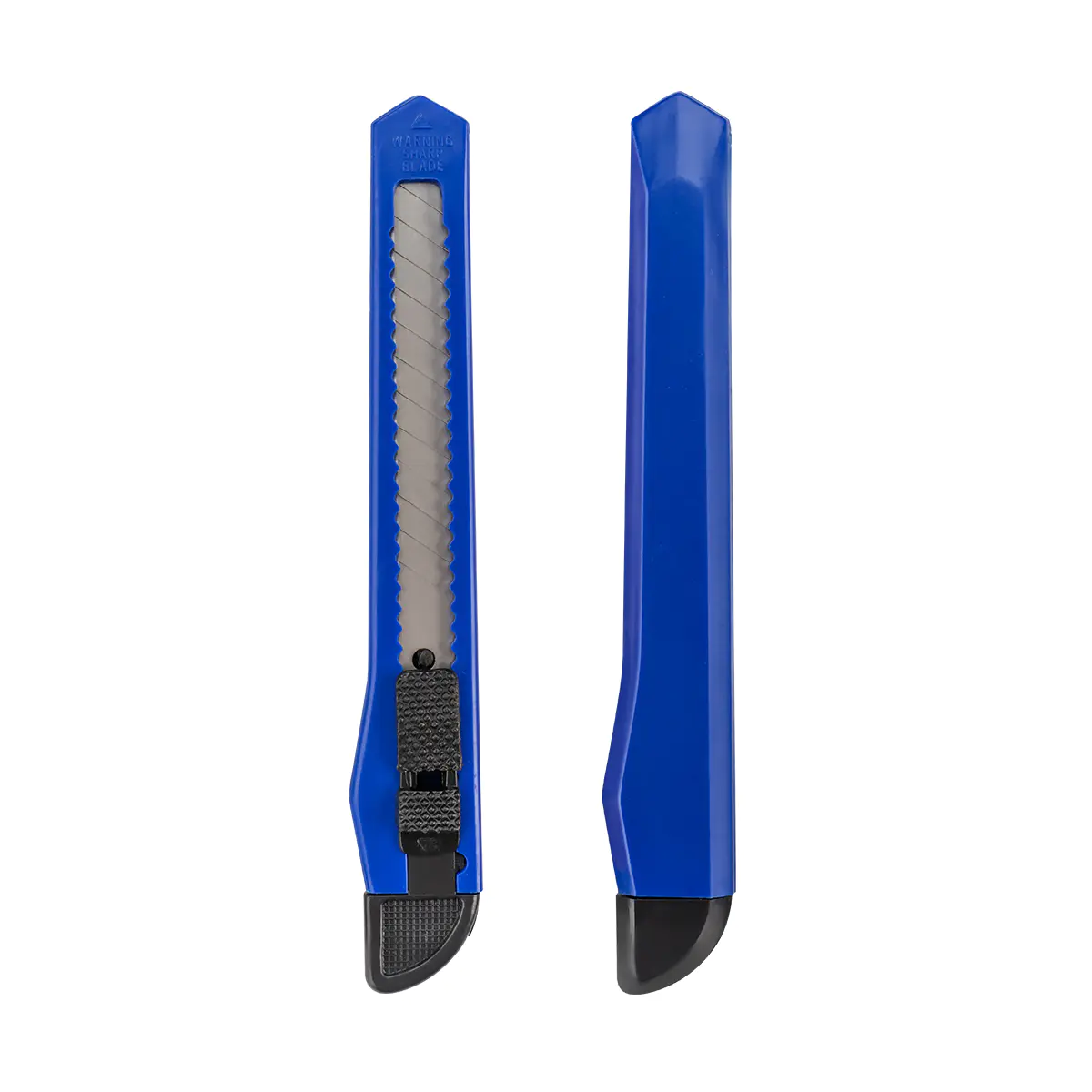
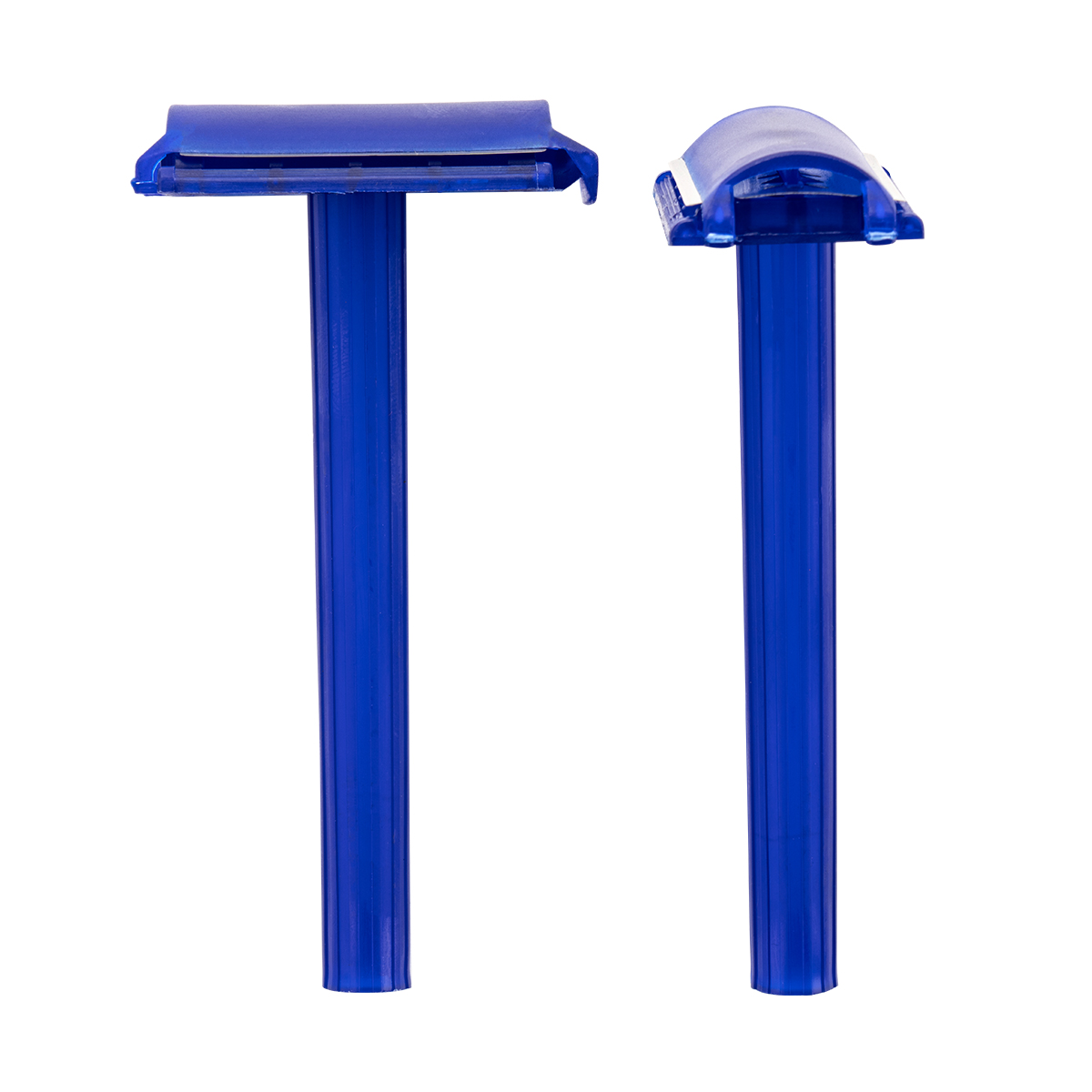

We are an industry and trade enterprise
specializing in the production of disposable razors and utility knives for more than 30 years.
How do the scraping effects of a utility knife scraper differ on surfaces made of different materials
Content
- 1 Characteristics of Scraping on Glass Surfaces
- 2 Characteristics of Scraping on Wood Surfaces
- 3 Characteristics of Scraping on Metal Surfaces
- 4 Characteristics of Scraping on Plastic Surfaces
- 5 Characteristics of Scraping on Tile and Stone Surfaces
- 6 Performance Differences Across Surface Hardness Levels
- 7 Blade Material Interaction with Surface Types
- 8 Influence of Surface Texture on Scraping Results
- 9 Application Value in Professional Industries
Characteristics of Scraping on Glass Surfaces
Glass surfaces are smooth, rigid, and highly sensitive to scratches. Scraping performance on glass depends heavily on blade sharpness, edge consistency, and angle control. A shallow scraping angle allows the blade edge to glide across the surface while removing adhesive residues, paint overspray, or labels without damaging the glass. Excessive pressure or steep angles increase the risk of micro-scratches and blade chatter.
Utility Knife Scrapers used on glass commonly feature high-hardness steel blades with uniform edges. These blades maintain stability during contact and reduce vibration. Consistent blade contact improves removal efficiency while preserving surface clarity, making glass one of the most precision-dependent scraping applications.
Characteristics of Scraping on Wood Surfaces
Wood surfaces vary widely in density, grain structure, and surface finish. Scraping performance changes depending on fiber direction and coating thickness. Medium scraping angles work well for removing paint, varnish, glue, or surface contaminants. Blade movement aligned with the wood grain produces smoother results and minimizes tear-out.
Sharper blades deliver cleaner cuts, while dull blades compress fibers and create rough textures. Handle stability and grip control play an important role, especially during prolonged use. Utility Knife Scrapers designed for wood applications often balance blade sharpness with edge durability to maintain consistent performance across softwoods and hardwoods.
Characteristics of Scraping on Metal Surfaces
Metal surfaces present higher hardness and abrasion resistance. Scraping tasks usually involve removing rust spots, oxidation layers, adhesives, or industrial residues rather than cutting into the base material. Steeper scraping angles increase cutting force and improve effectiveness against hardened deposits.
Blade material selection becomes critical on metal. High-carbon steel or hardened stainless steel blades provide improved wear resistance and longer service life. Increased resistance during scraping requires controlled force application and stable hand positioning. Blade deflection and rebound risks are higher on metal, making tool rigidity and handle ergonomics essential for safe operation.
Characteristics of Scraping on Plastic Surfaces
Plastic surfaces are softer and more susceptible to gouging and deformation. Scraping performance depends on precise angle control and moderate pressure. Shallow to medium angles allow effective residue removal while preserving surface integrity. Excessively sharp blades or steep angles may dig into the plastic, leaving visible marks or permanent damage.
Different plastics respond differently to scraping. PVC, acrylic, and polycarbonate vary in hardness and brittleness. Blade sharpness must be balanced to avoid melting, dragging, or surface distortion. Utility Knife Scrapers used on plastics often benefit from thinner blades and smooth edge finishes that reduce friction and heat buildup.
Characteristics of Scraping on Tile and Stone Surfaces
Tile and stone surfaces are hard, brittle, and resistant to deformation. Scraping tasks typically involve removing cement residue, grout, cured adhesives, or construction debris. Larger scraping angles generate sufficient cutting force to break stubborn materials from the surface.
Uniform pressure distribution is essential to prevent tile edge chipping or stone surface damage. Blades must offer high hardness and abrasion resistance to withstand contact with mineral surfaces. Straight blades perform well on flat areas, while angled or contoured blades improve access to edges and corners. Tool stability directly influences efficiency and surface protection in these applications.
Performance Differences Across Surface Hardness Levels
Surface hardness significantly influences scraping effectiveness. Softer surfaces such as plastic and wood favor controlled angles and moderate blade sharpness. Harder surfaces like metal, tile, and stone require steeper angles and tougher blade materials. Smooth surfaces emphasize precision, while textured surfaces demand cutting force and durability.
Matching the scraper configuration to surface hardness improves removal speed and reduces blade wear. Improper matching leads to inefficient scraping, surface damage, and shortened tool lifespan.
Blade Material Interaction with Surface Types
Blade material determines edge retention, wear resistance, and cutting stability across surfaces. High-hardness blades perform well on glass and metal. Tough, wear-resistant blades suit tile and stone. Balanced steel compositions provide versatility for wood and plastic.
Blade thickness also affects performance. Thicker blades increase rigidity for hard surfaces. Thinner blades improve precision on delicate materials. Proper blade selection enhances scraping consistency and overall safety.
Influence of Surface Texture on Scraping Results
Surface texture alters blade contact behavior. Smooth surfaces allow continuous edge contact, resulting in predictable scraping performance. Rough or uneven surfaces introduce resistance fluctuations, increasing vibration and blade wear.
Utility Knife Scrapers designed for professional use accommodate texture variations through blade geometry and handle stability. Effective force transfer improves control and reduces user fatigue, particularly on irregular surfaces.
Application Value in Professional Industries
Construction, renovation, manufacturing, maintenance, and cleaning industries rely on Utility Knife Scrapers for material removal tasks across diverse surfaces. Understanding performance differences enables professionals to select appropriate tools for specific materials. Proper tool selection improves efficiency, reduces rework, and enhances workplace safety.
Material-specific scraping performance directly impacts project timelines, surface quality, and operational reliability. Professional-grade scrapers support consistent results in demanding environments.
Recommended Product
Recommended News

Keep In Touch
 No. 2-2, Oufu Road, Zhangting Town, Yuyao City, Ningbo City, Zhejiang, China.
 +86-574-87560886/87560055
 +86-574-87560885
Copyright © Ningbo Chuangxin Cutting-Tool Manufacture Co., Ltd.
