

 English
 中文简体
 русский
 Español


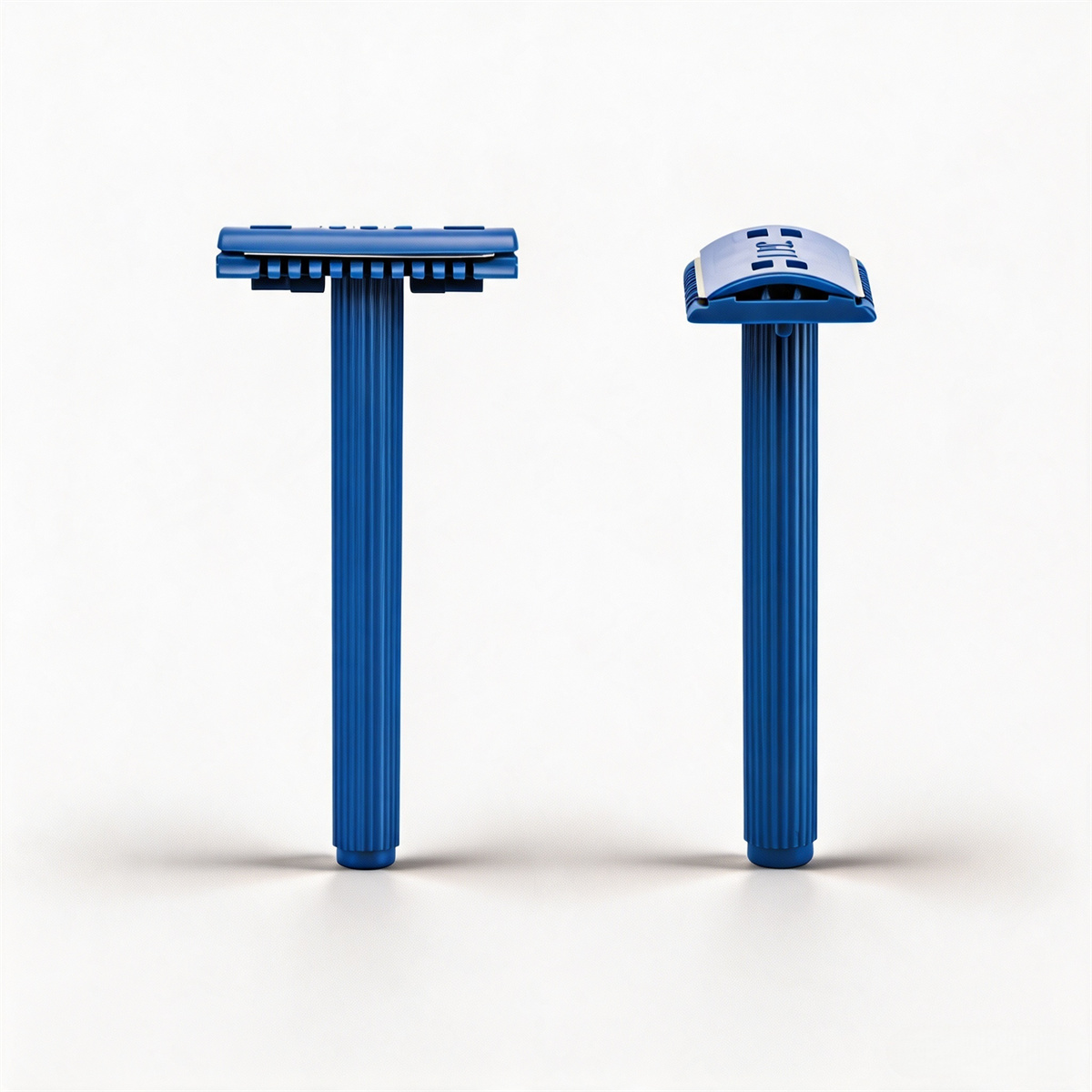
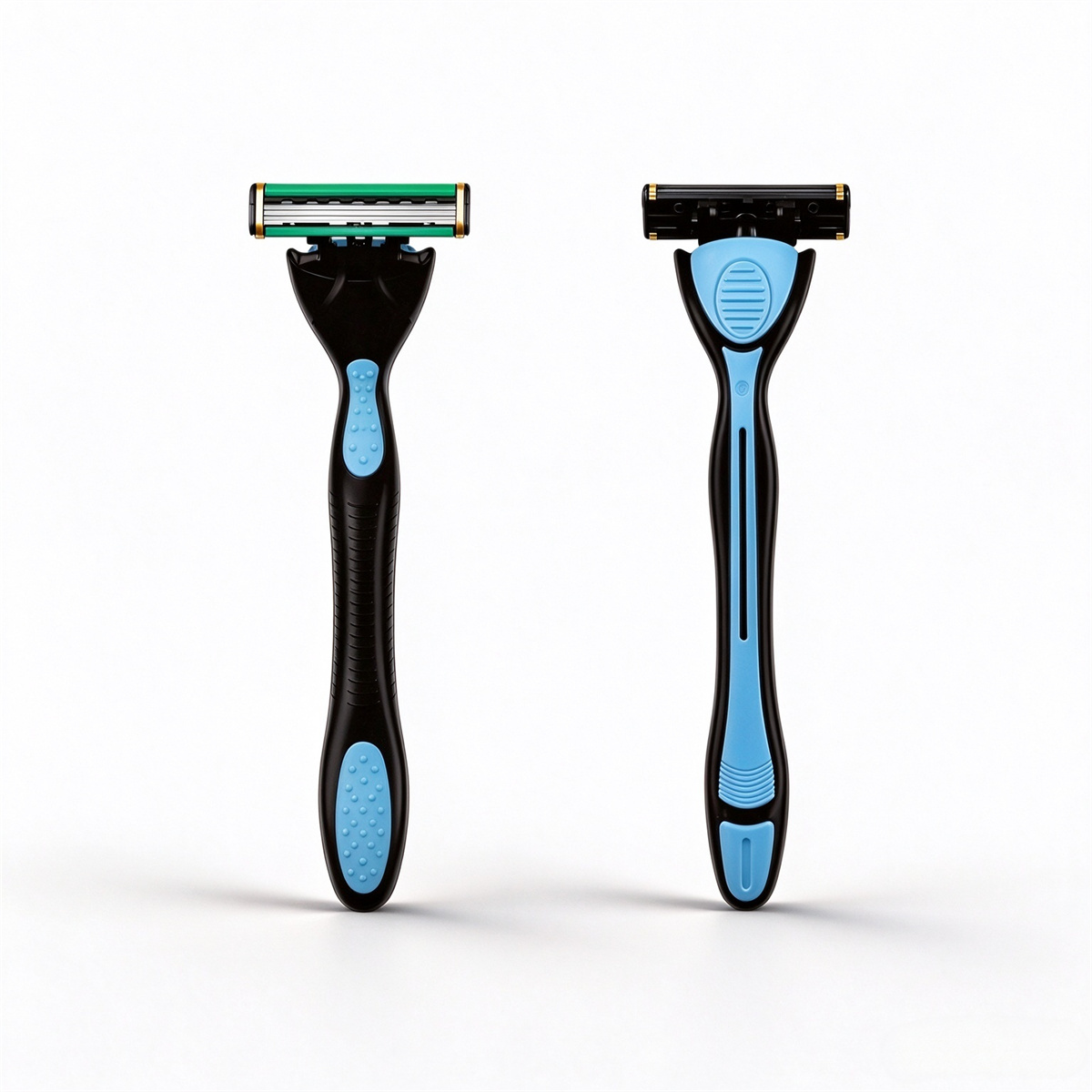
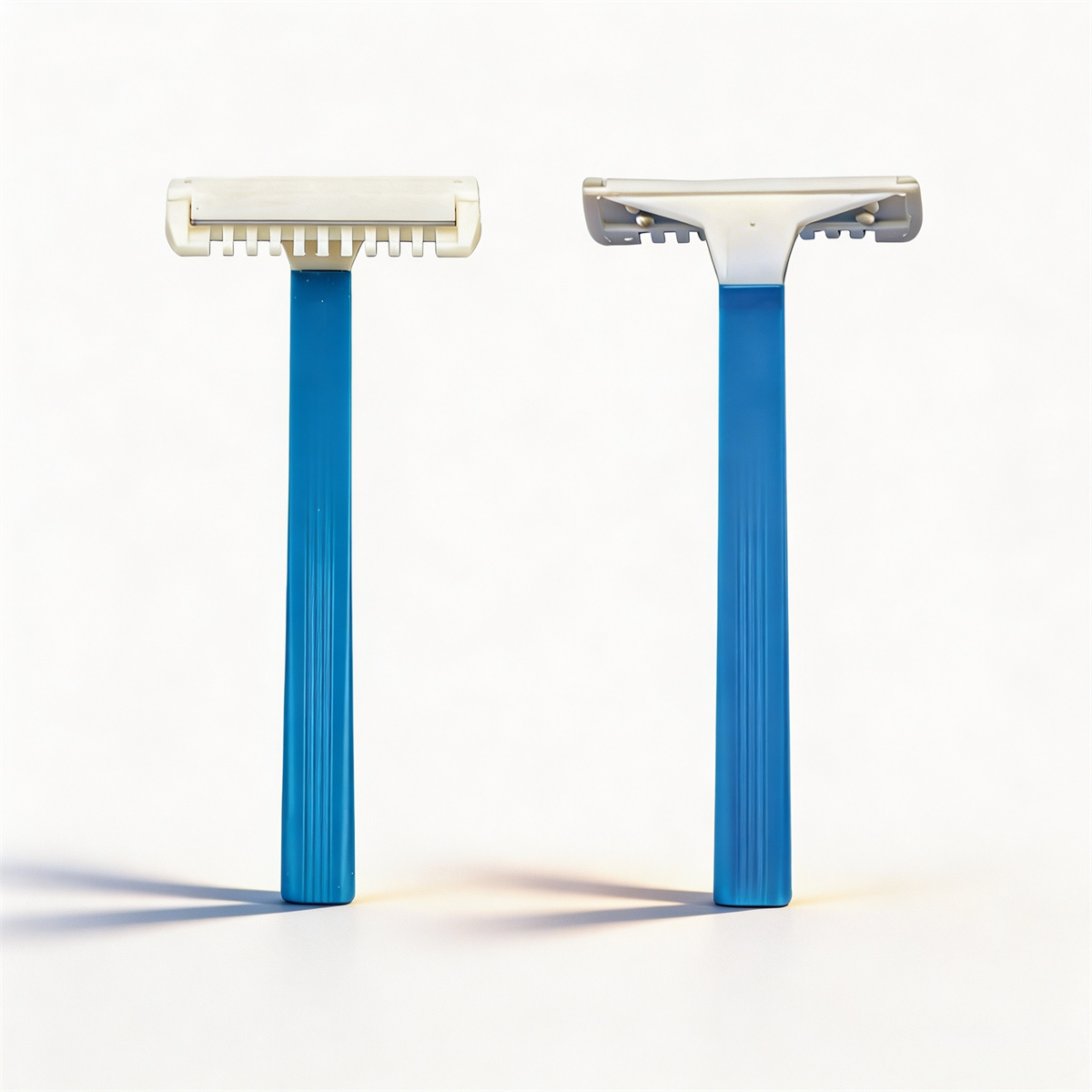
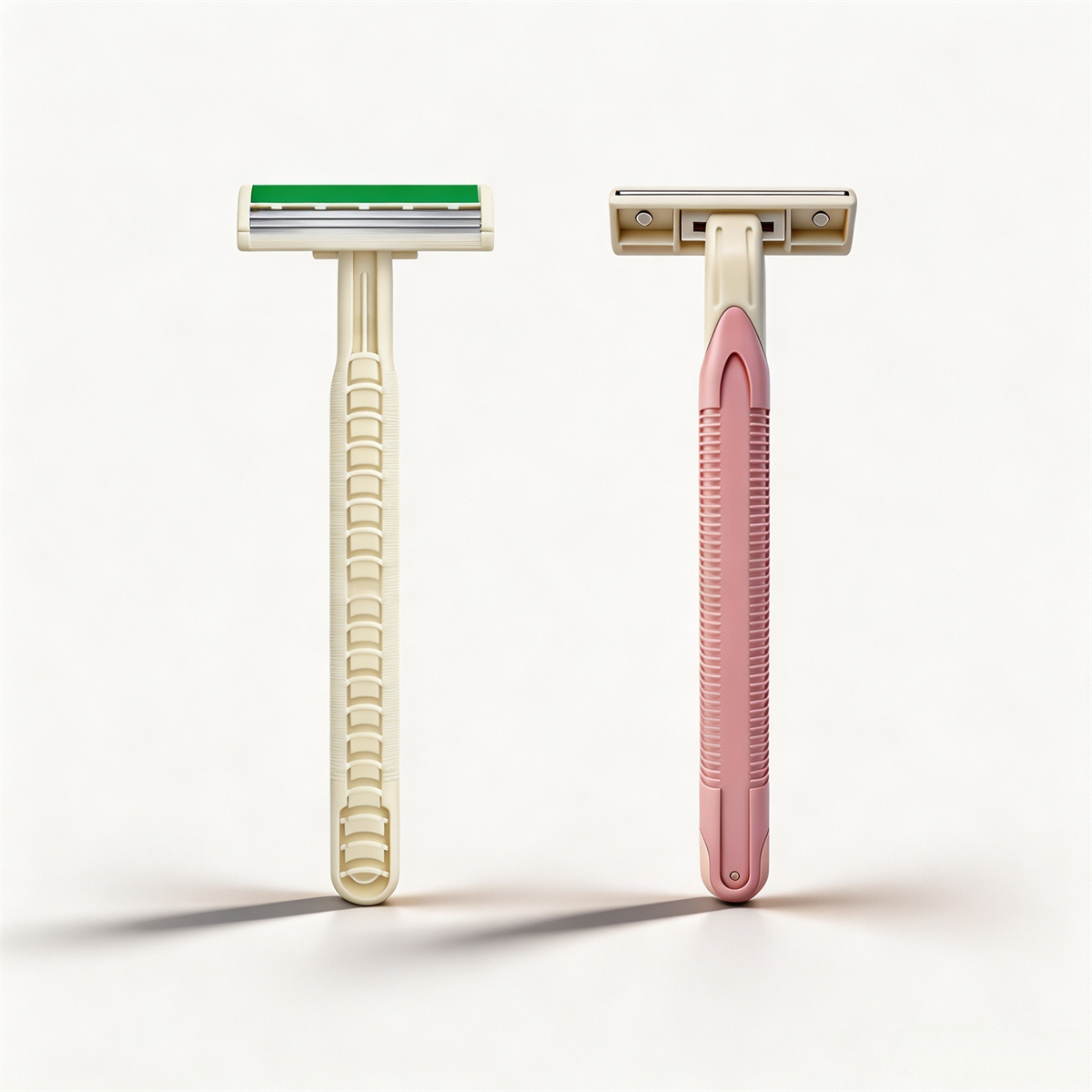
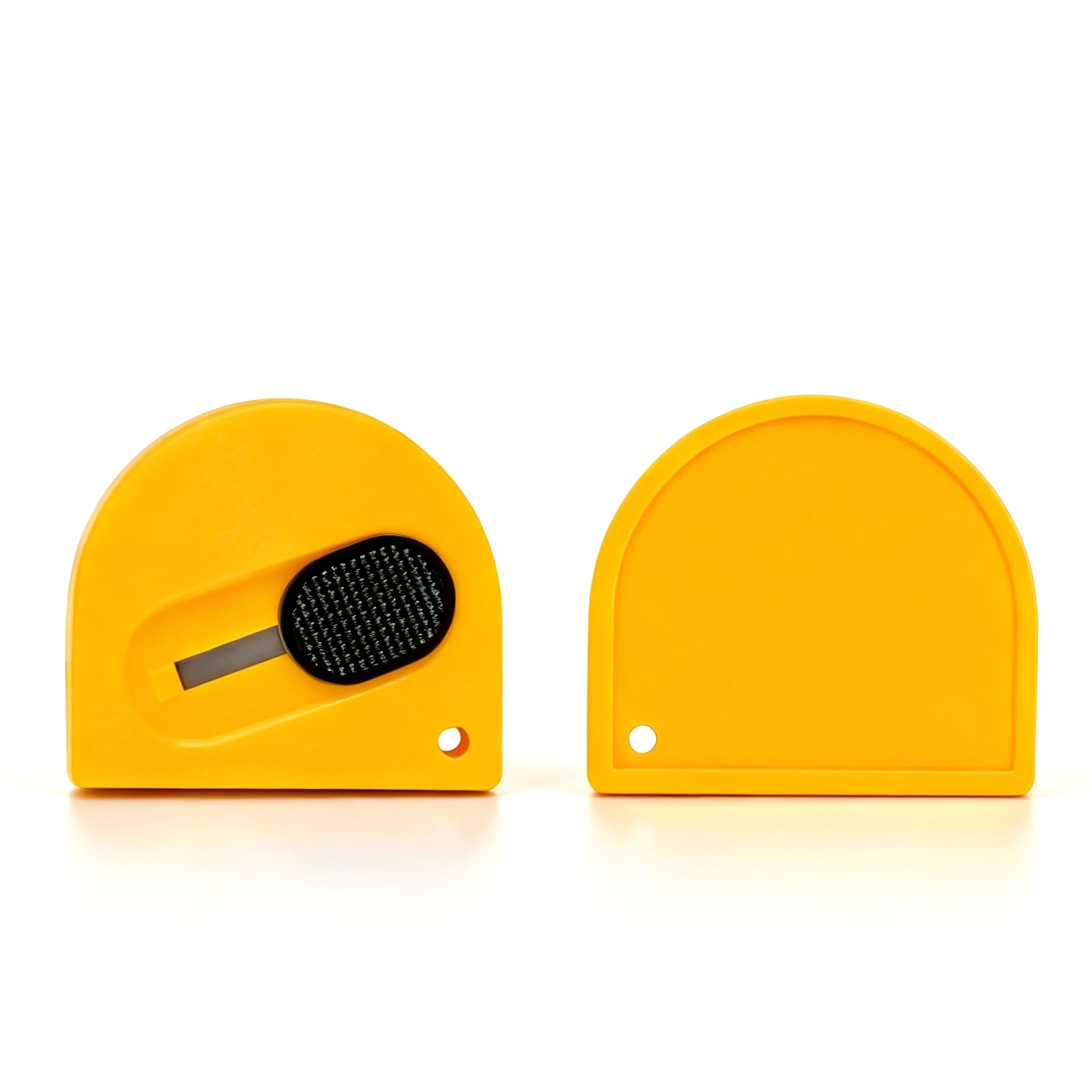
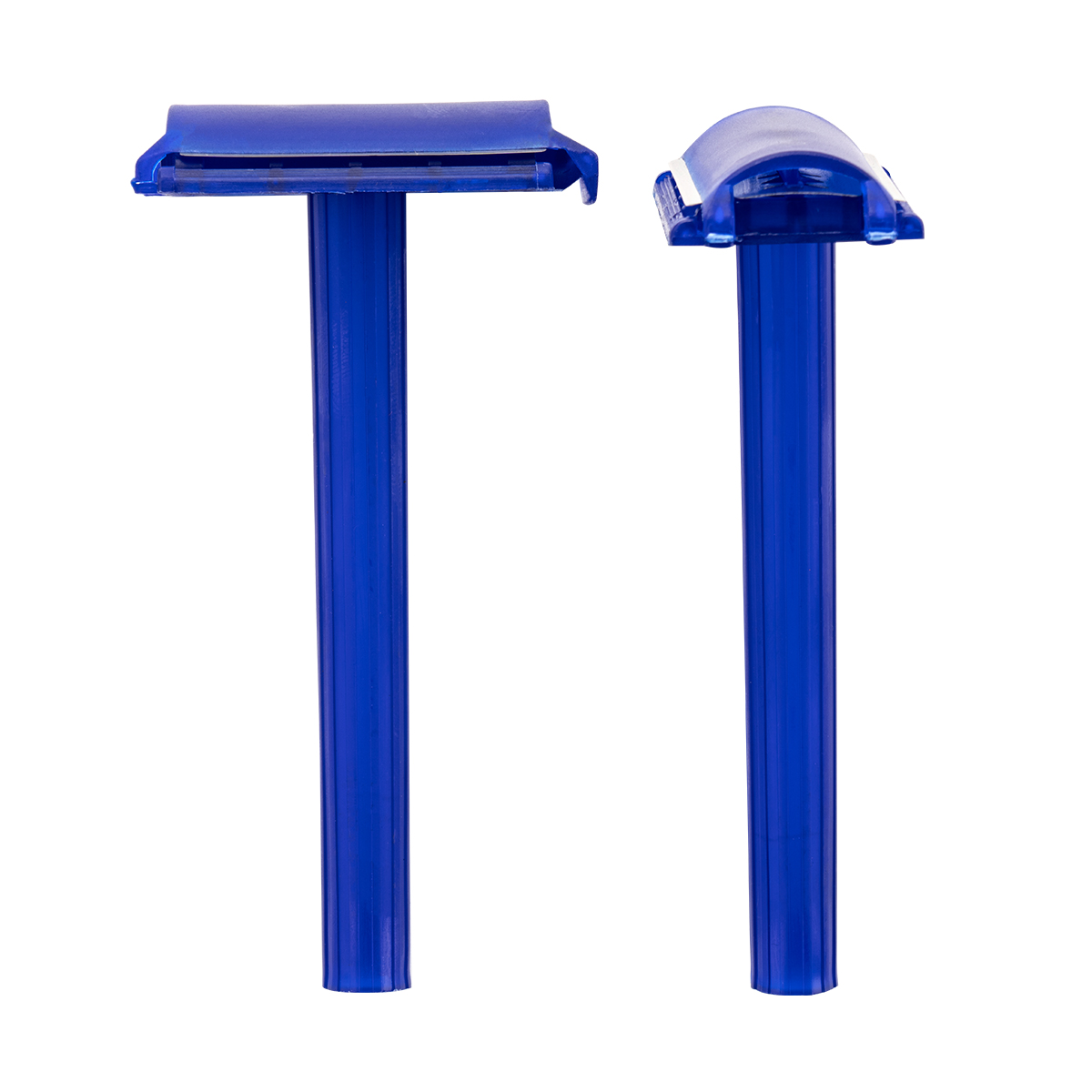
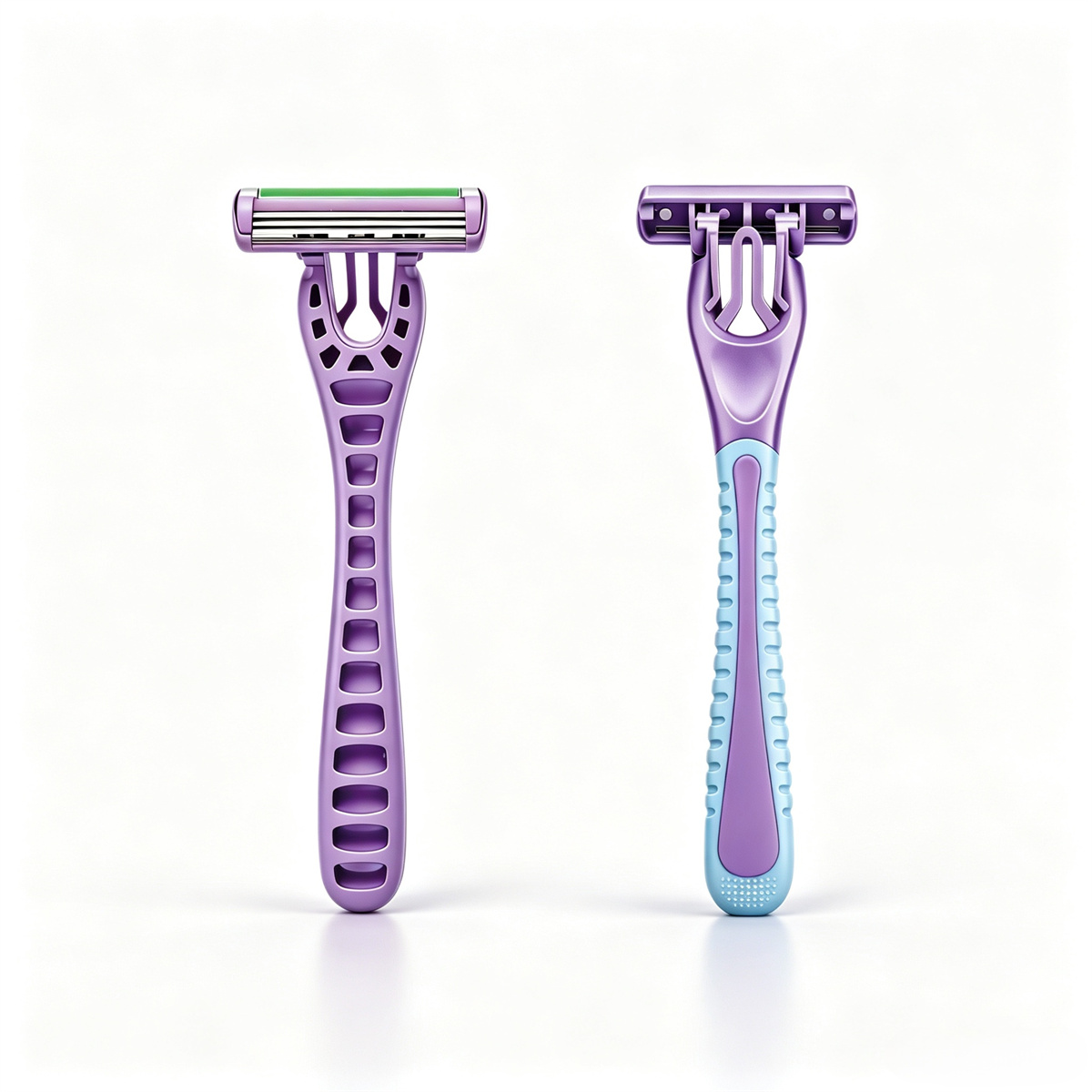
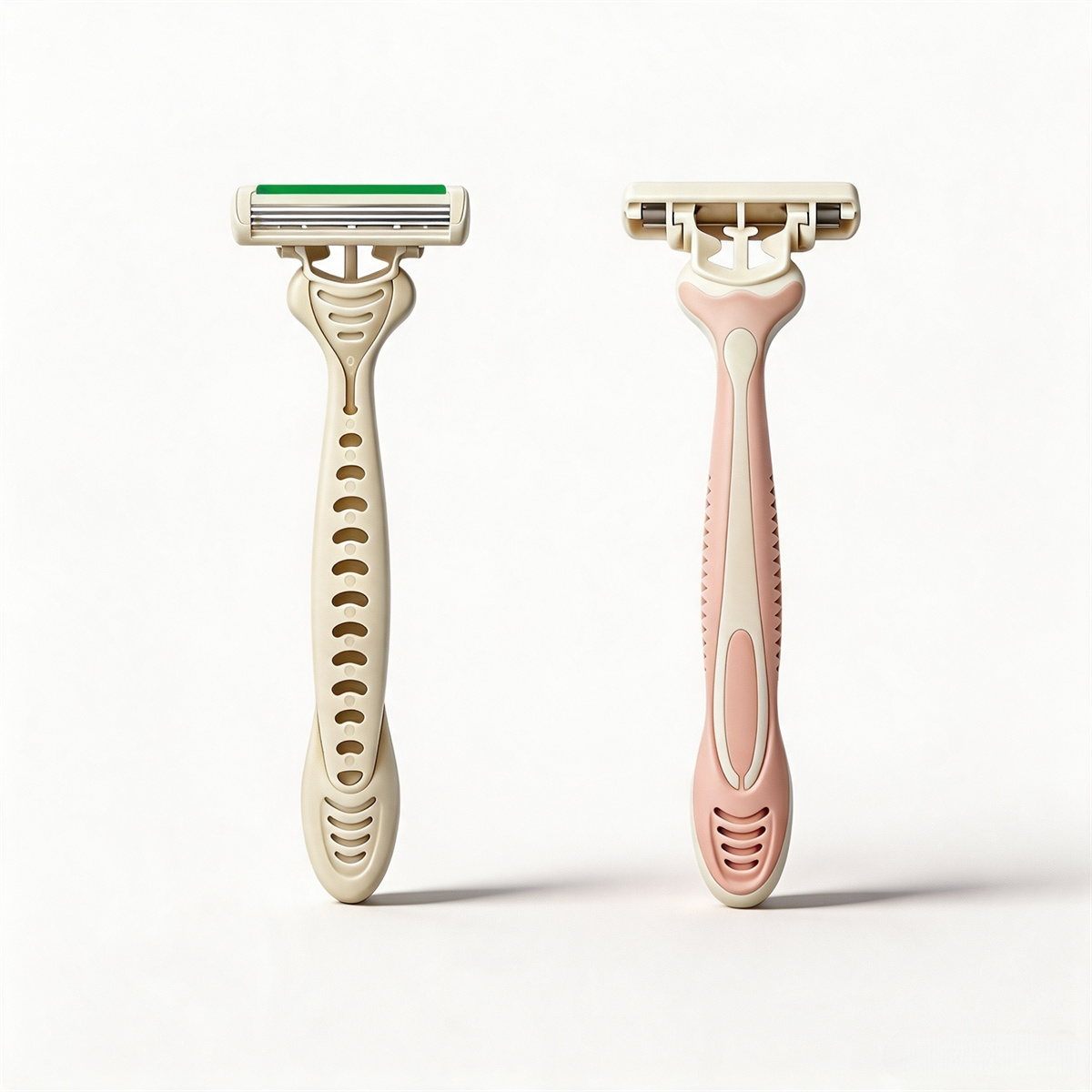
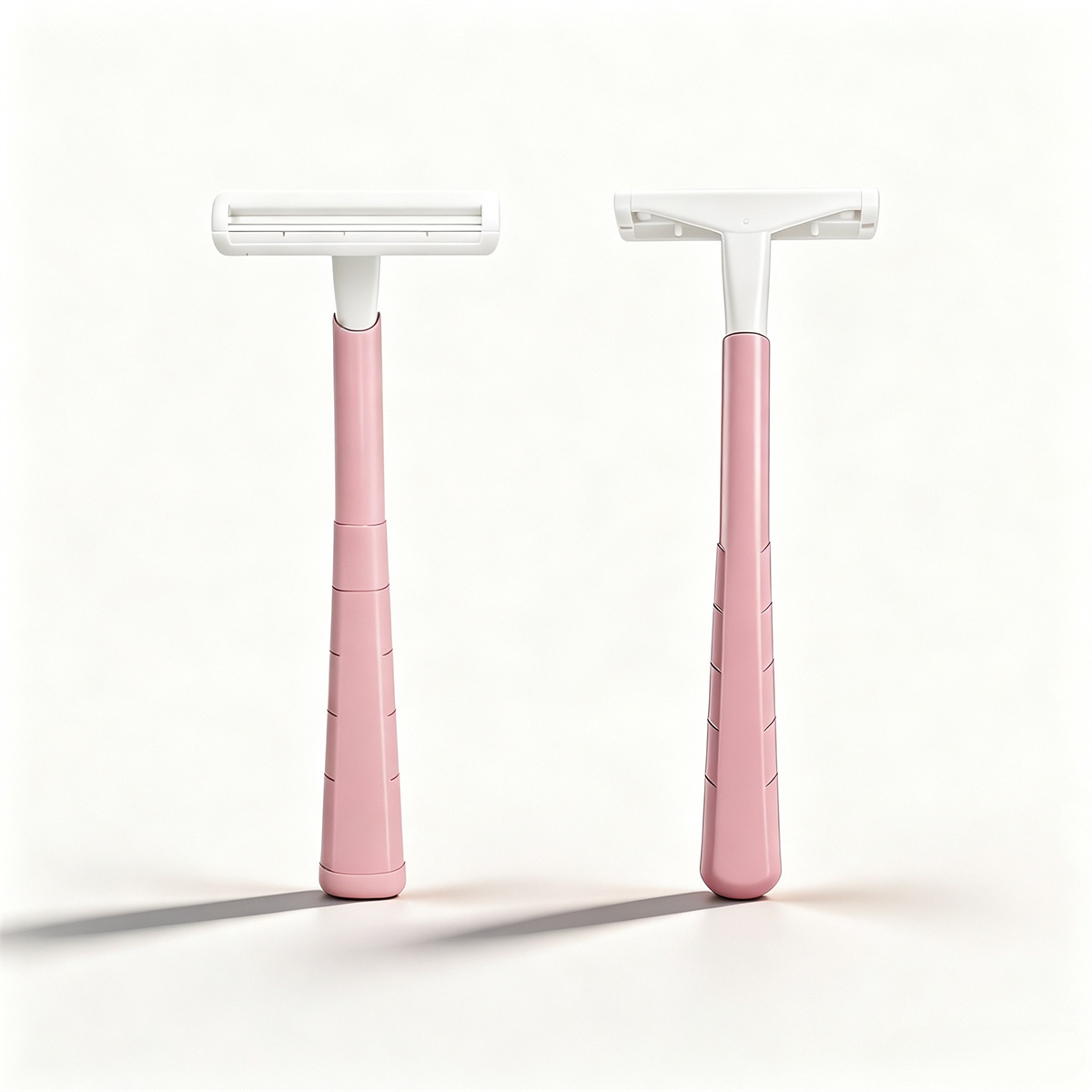
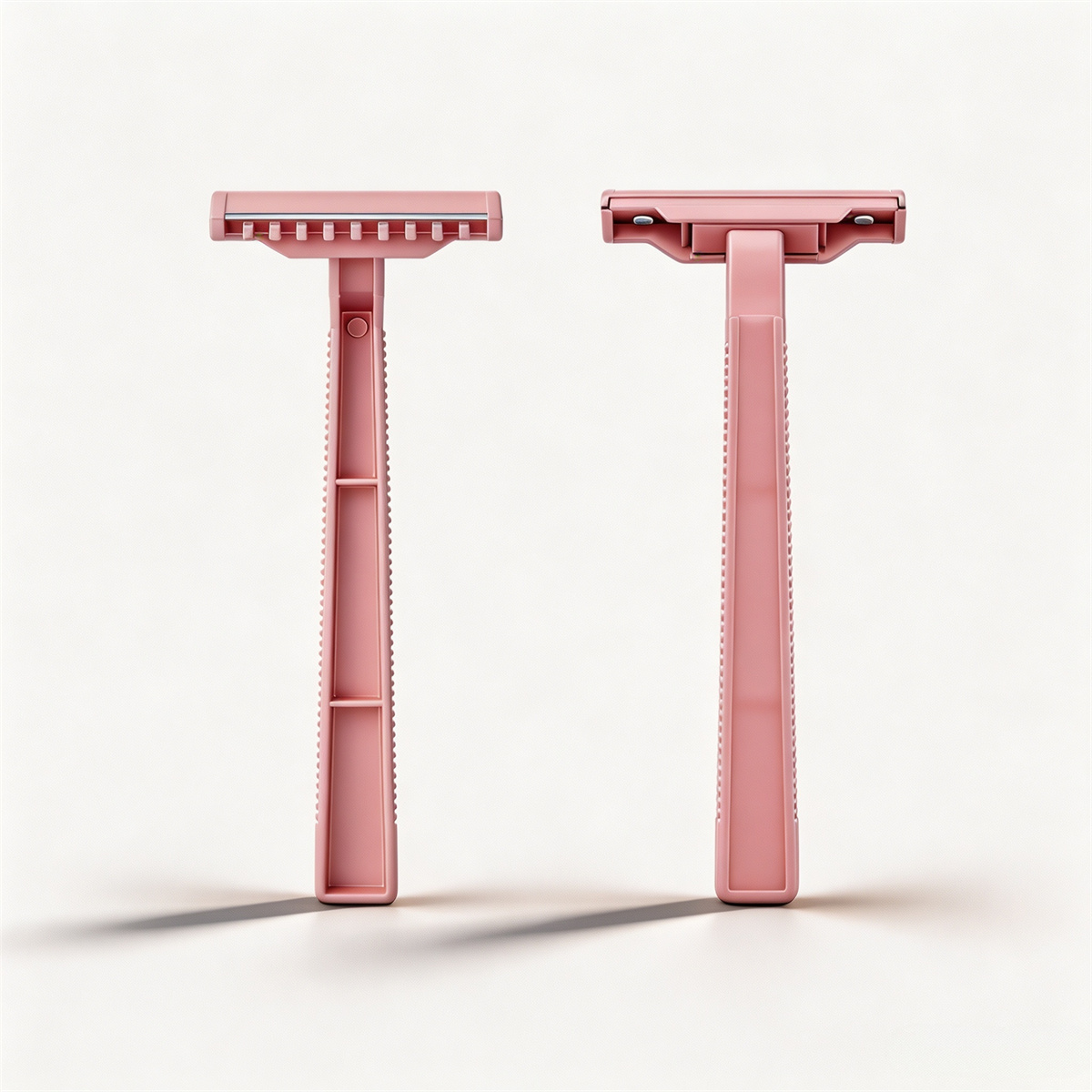
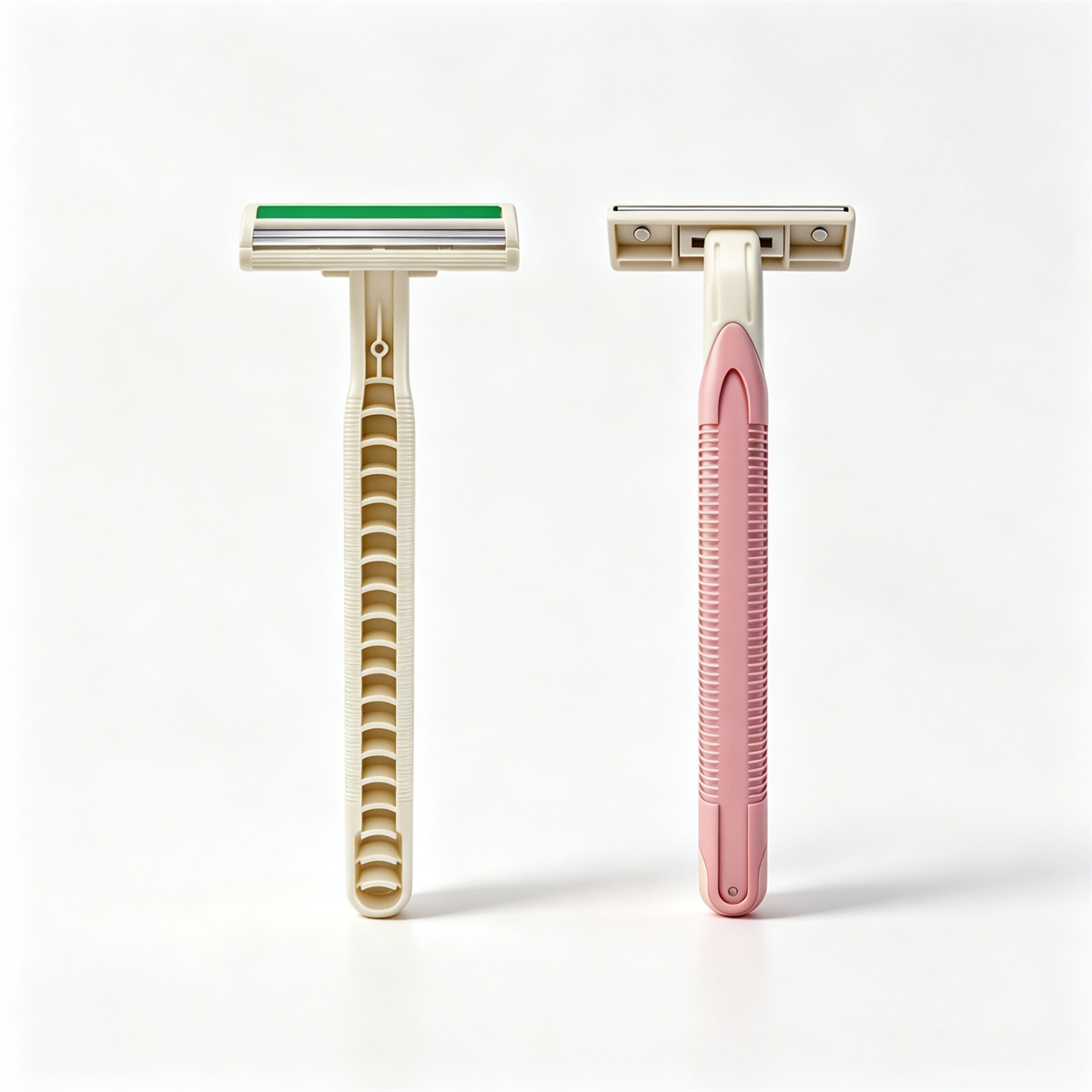
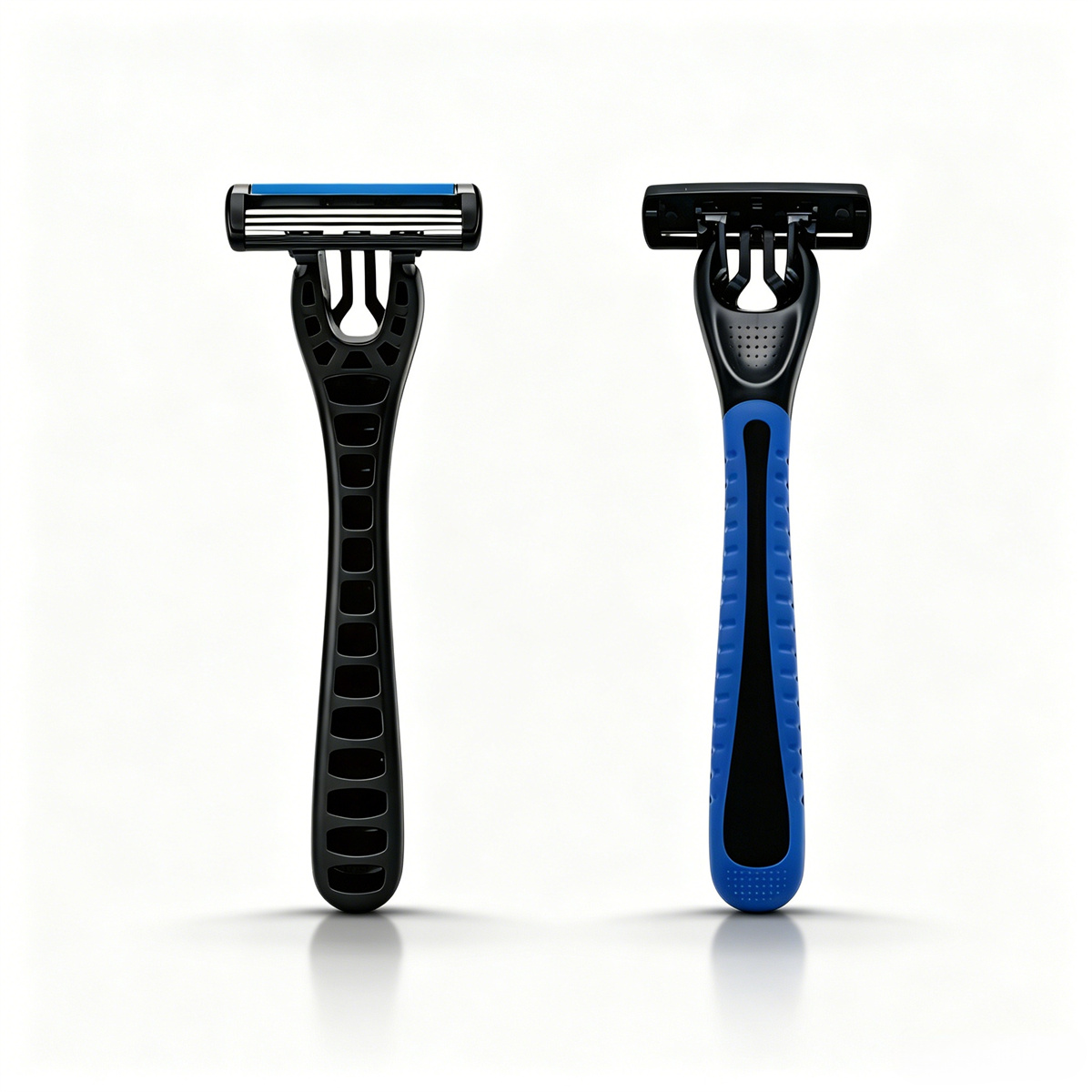
Ningbo Chuangxin Cutting-Tool Manufacture Co., Ltd. was established in 1993. It's an industry and trade enterprise specializing in producing disposable razors and utility knives for more than 30 years. The company covers an area of more than 20 acres, with a plant area of 20,000 square meters. The company has more than 100 employees and an experienced professional and technical team that integrates R&D, design, manufacturing, production, sales, and service.
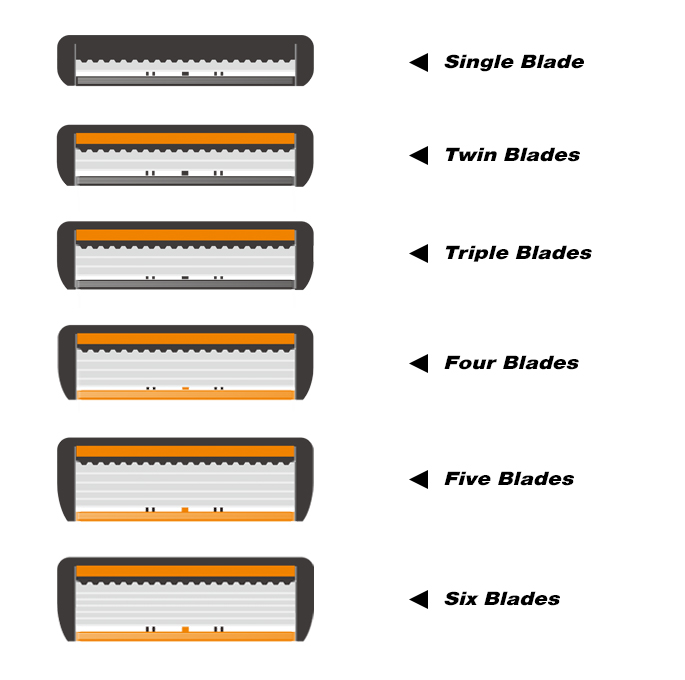
Ningbo Chuangxin Cutting-Tool Manufacture Co., Ltd. is well-known is China Safe Glide Medical Skin Shaver Manufacturers and Custom Safe Glide Medical Skin Shaver Factory. We have been committed to the research development, and production of razor products for many years. "VIVAC" is our brand in the field of razors. In addition, we provide more than 300 types of razor products, including single-layer, two-layer, three-layer, four-layer, five-layer, and six-layer blades. Multi-purpose utility knives, including the field of office stationery and hardware tools, have made us active in the international market. So far, our products have been exported to about 100 countries around the world, and our market share has continued to expand. With the support of stable quality and a good service team, we also maintain a stable partnership with major supermarkets.
In addition, the company has a professional R&D team with strong development capabilities. We have a complete quality inspection team to make the quality more stable. We have never stopped developing new technologies for the convenience of our customers and continue to work hard to develop environmentally sustainable products.
Safe Glide Medical Skin Shaver
A caregiver-friendly skin shaver with a wide, rounded guard, a long handle for one-handed use at the bedside, and a gentle low-exposure blade, designed for patient grooming, electrode-site preparation and long-term care, rather than for the operating theatre.
Related Products
Explore our sustainable product range
Product Introduction
Redefining personal care with circular economy principles
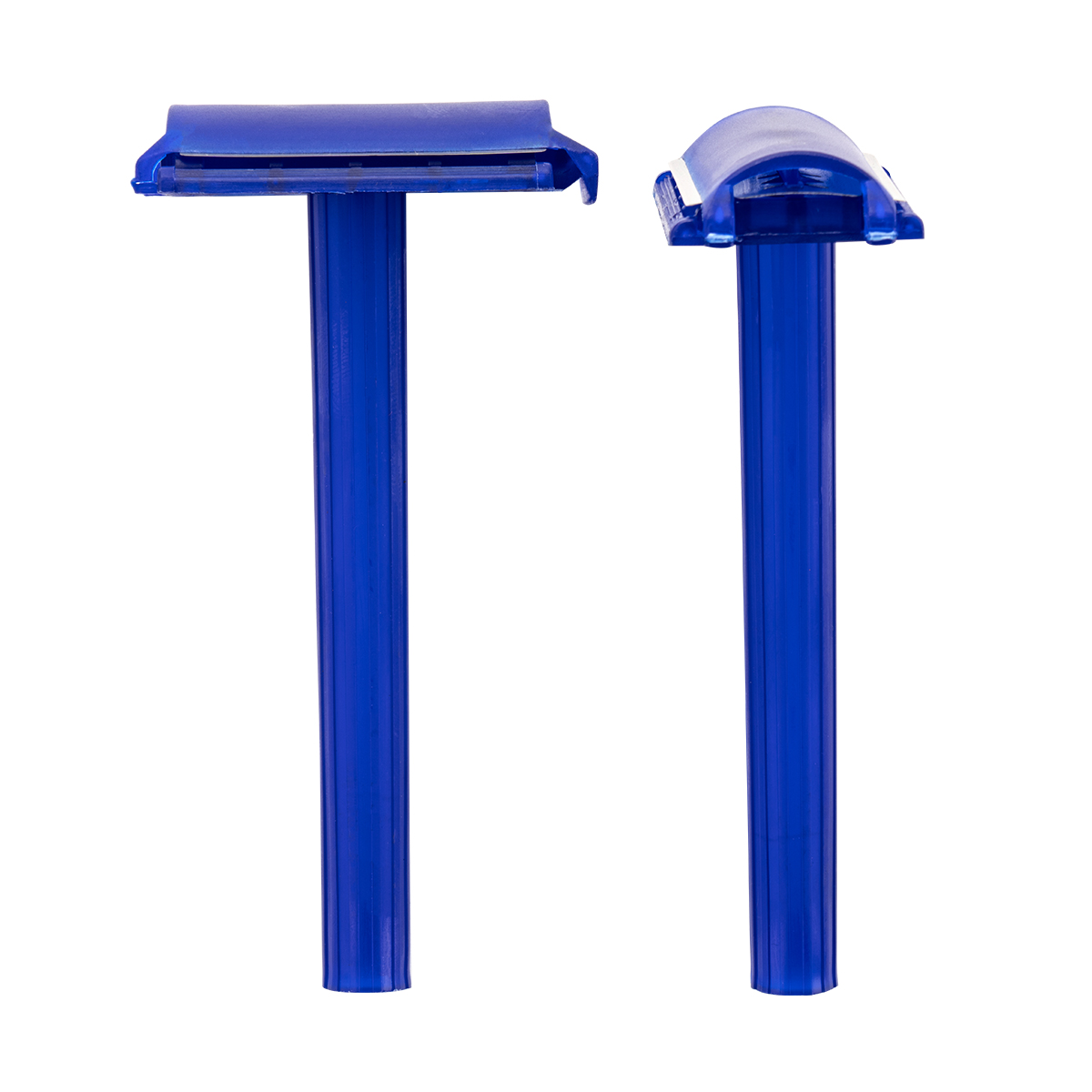
The Safe Glide Medical Skin Shaver is aimed at a different part of healthcare from a surgical prep razor. In care homes, rehabilitation units, home nursing and general wards, the person using the razor is typically a caregiver working on someone else, often at an awkward angle, sometimes on skin that is thinner, drier or more fragile than average. The tasks are routine rather than procedural: helping a patient with grooming, clearing small areas of hair so that an ECG electrode or a dressing will adhere, or maintaining hygiene for people who cannot shave themselves. At Ningbo Chuangxin Cutting-Tool Manufacture Co., Ltd., we designed this shaver for that caregiver and that skin.
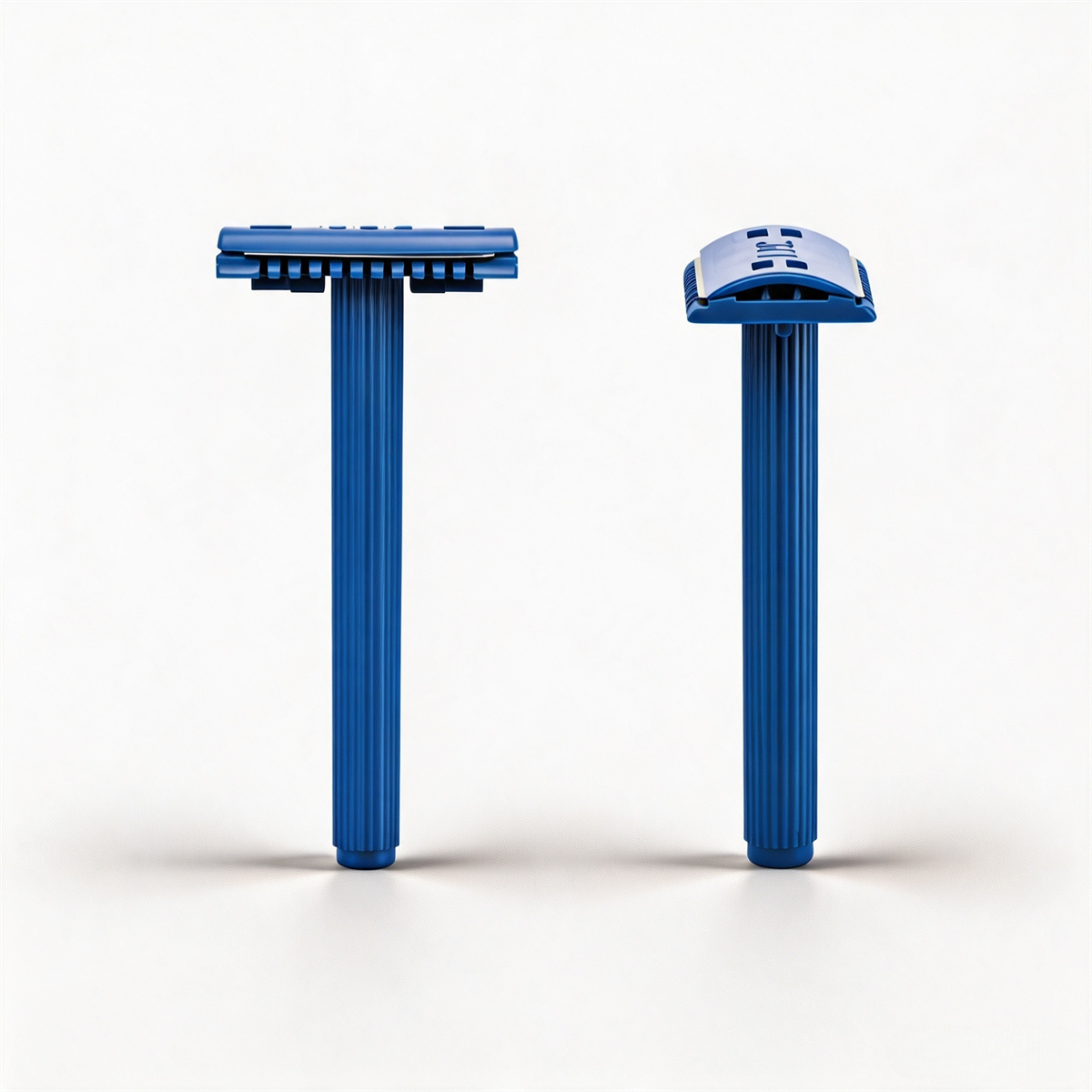
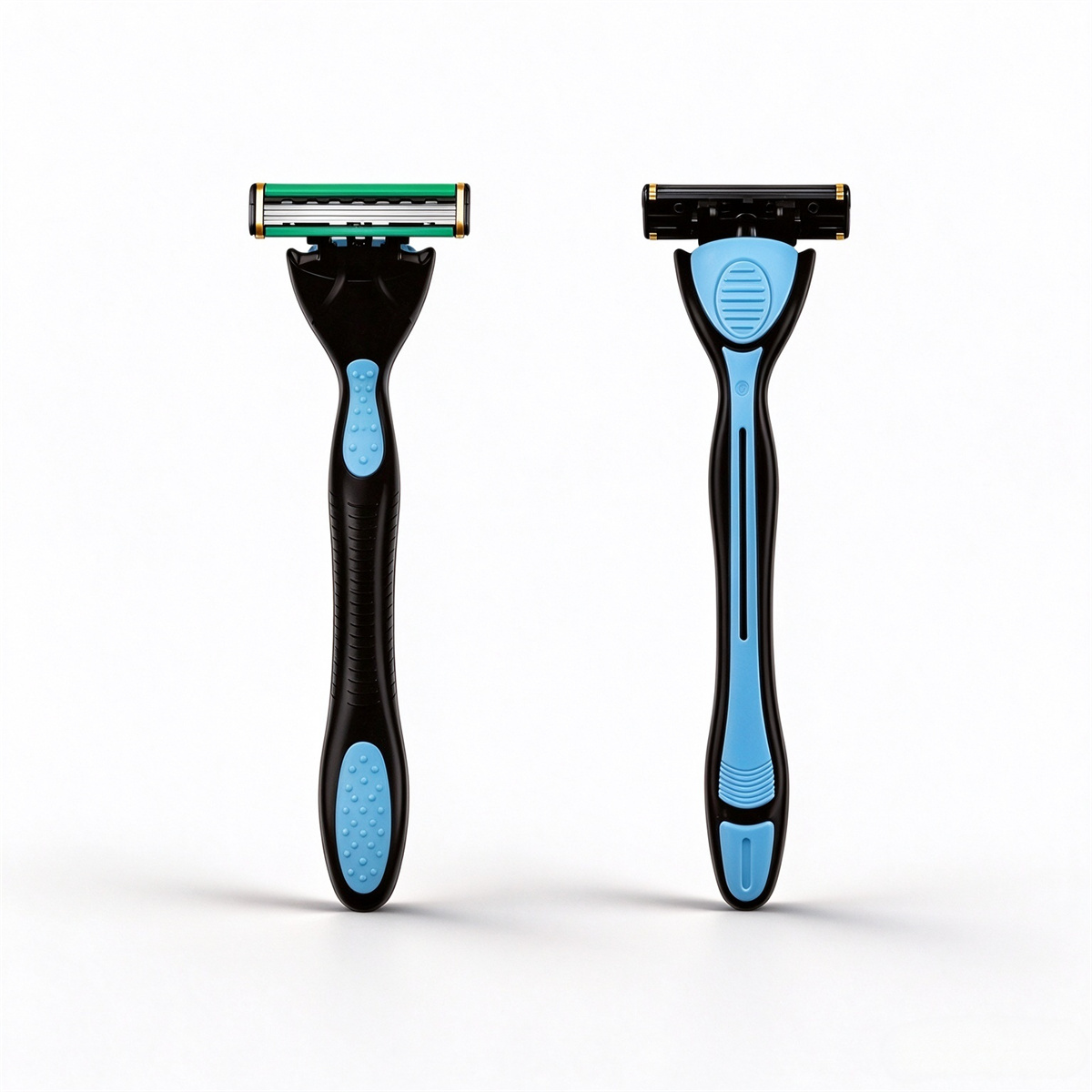
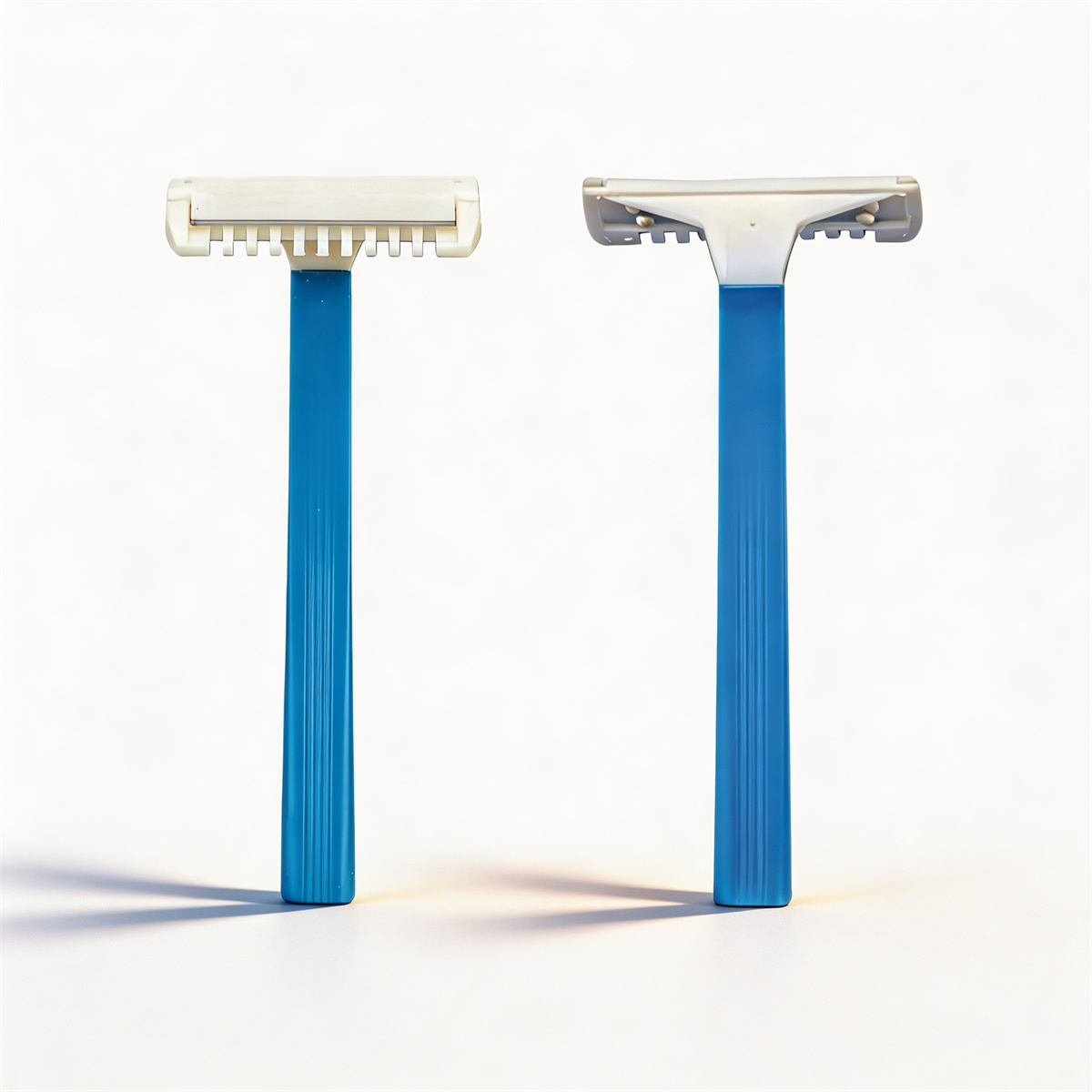
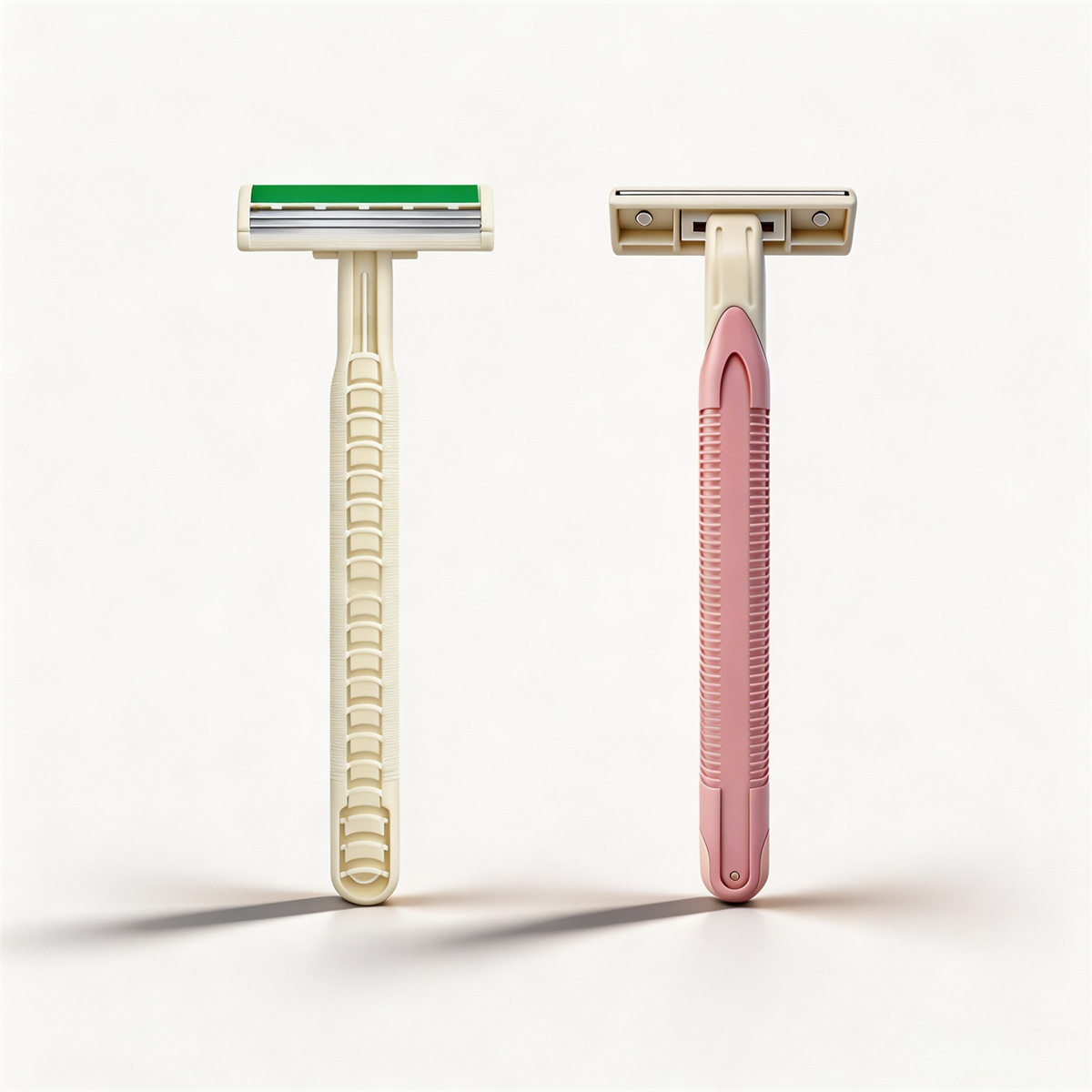
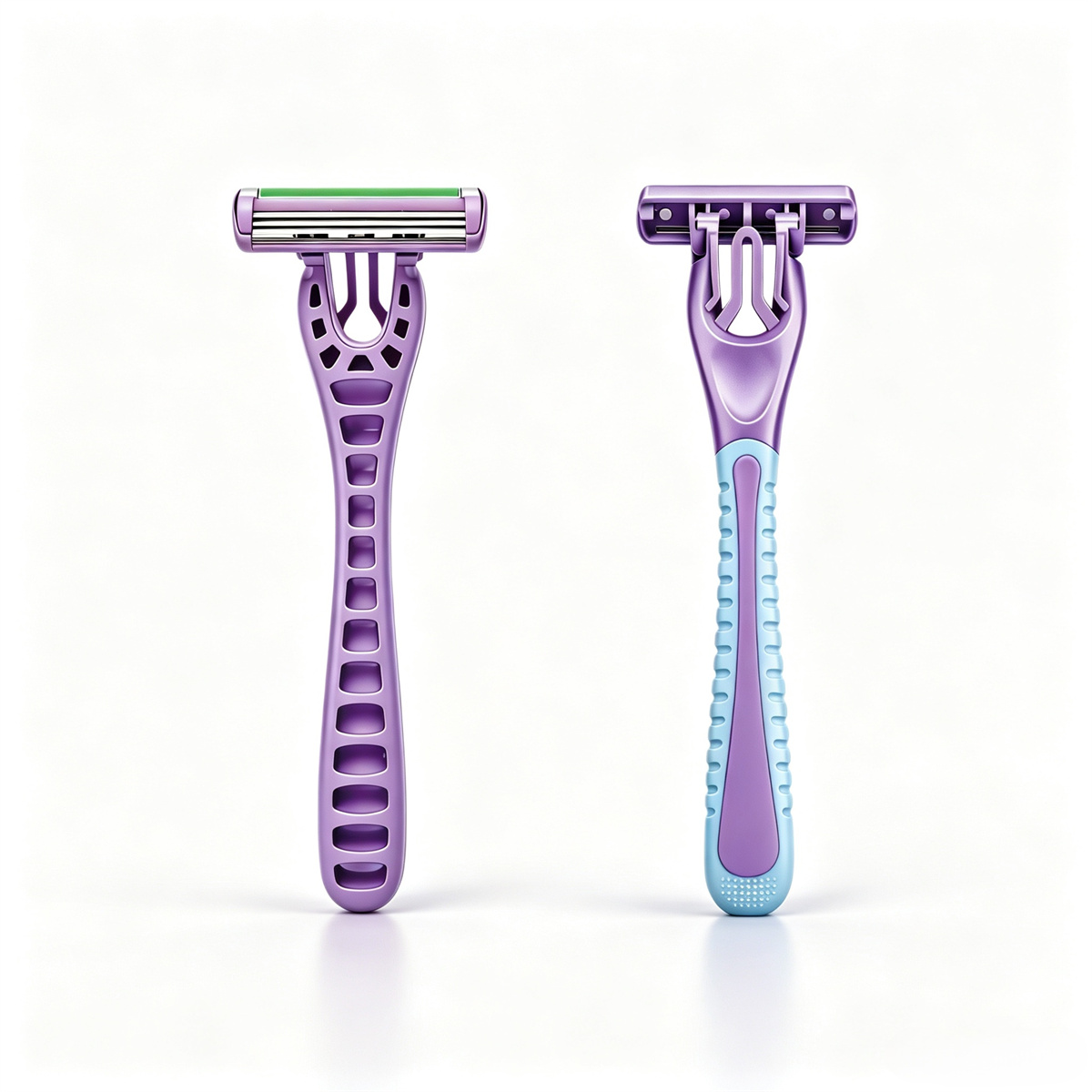
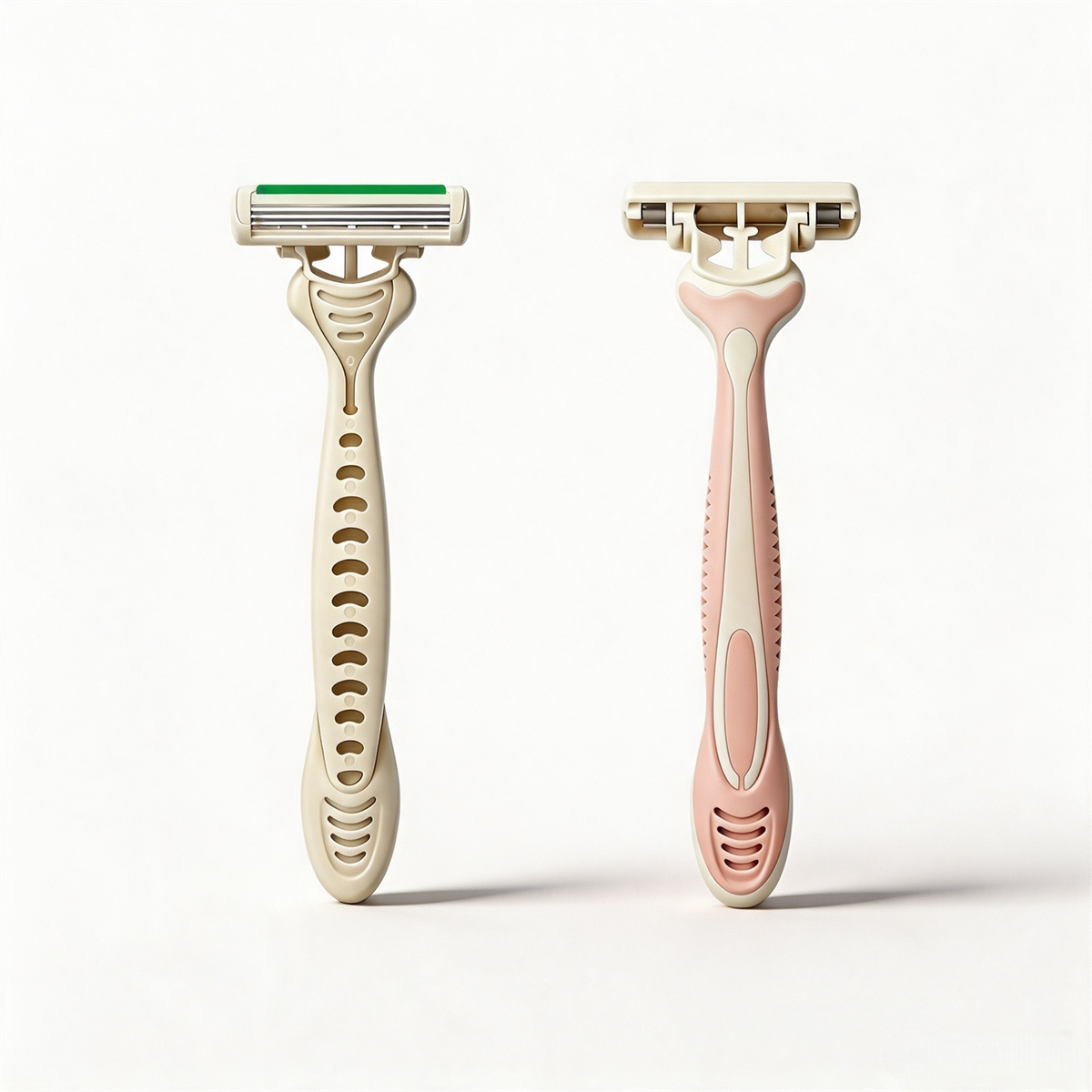
The head is wide and rounded, with a broad guard bar that spreads pressure and holds the skin in position, and a gentle, low-exposure blade that cuts without being aggressive. The handle is longer than a standard razor handle, which lets the caregiver reach across a patient without bending awkwardly and hold the razor with a relaxed grip, and the handle has a broad, ribbed surface that is secure in gloved hands. A lubricating strip with aloe provides glide, and the head is open so it can be rinsed easily between strokes. Unlike a prep razor, the shaver is designed to be used with ordinary water and soap or shaving foam in a care setting.
For B2B partners, this product suits medical suppliers, care-home procurement groups and home healthcare brands. It can be packed individually or in boxes of 25 or 50 for institutional supply, and it can be sold in a retail form for family caregivers. Colors can be chosen to signal single-patient use, and we recommend the product be positioned as a single-patient personal shaver, to be discarded when it dulls or when the patient is discharged, to support hygiene.
"A wide rounded guard. A long, one-handed handle. A gentle low-exposure blade. Designed for caregivers working on someone else, for fragile skin and for routine grooming and electrode-site preparation."
Ergonomic Design & Natural Texture
Specifications & Quick Facts
| Blade | Twin Stainless Steel Blades, Low Exposure |
| Guard | Wide Rounded Guard Bar |
| Head Design | Open Head, Easy Rinse |
| Handle | Long Handle for One-Handed Bedside Use |
| Grip | Broad Ribbed Surface, Secure in Gloved Hands |
| Lubrication | Aloe Strip |
| Intended Use | Patient Grooming, Electrode-Site Clearing, Hygiene |
| Use Model | Single-Patient Personal Shaver |
| MOQ | 60,000 PCS |
| Lead Time | 30–40 Days |
Handle
Long, One-HandedGuard
Wide, RoundedUse
Single-PatientOur Customization Services
Comprehensive solutions tailored to your brand requirements
RAZOR CUSTOMIZATION
UTILITY KNIFE CUSTOMIZATION

Need more customization options? Contact our engineering team for specialized solutions.
Message Feedback
Why Choose Our Razor?
Key benefits for your business and customers
Wide Rounded Guard
A broad guard bar spreads pressure and holds the skin steady, which helps on skin that is thinner or less firm.
Long Handle for Bedside Use
A longer handle lets the caregiver reach across a patient and hold the razor with a relaxed wrist, reducing strain and unintended pressure.
Gentle Low-Exposure Blades
Twin blades at low exposure cut without being aggressive, suiting routine grooming of fragile or dry skin.
Gloved-Hand Grip
A broad ribbed surface remains secure in gloved hands, including when wet with water or foam.
Open Head for Easy Rinsing
An open head rinses clear with water between strokes, supporting a smooth shave and a cleaner razor.
Single-Patient Hygiene Model
The product is meant to be used by one patient and then discarded, which supports good infection-control practice.
Application Scenarios
- Care Home and Long-Term Care Supply
- Rehabilitation and General Ward Consumables
- Home Healthcare and Family Caregiver Retail
- ECG and Monitoring Electrode-Site Preparation
- Medical Distributor and Hospital Group Ranges
- Hospice and Palliative Care Hygiene Kits
- Patient Admission and Comfort Kits
- Government and Institutional Care Programs
Care Setting Supply & Retail Program
We support institutional supply in individual pouches or boxes of 25 or 50, as well as a retail pack for family caregivers with clear guidance on single-patient use. Handle colors, box labels and instructions can be customized, and we can provide samples to a clinical or procurement team for evaluation by caregivers before a program begins.
Technical Details & Safety
Caregiver-Centered Ergonomics & Low-Exposure Design
Shaving someone else is a different physical task from shaving yourself. The caregiver cannot feel what the skin feels, has to work at distance and at unusual angles, and may be wearing gloves. The razor therefore has to be forgiving in how it cuts and easy to hold, and it has to reduce the chance of pressing too hard, which is why the geometry focuses on exposure, guard width and handle length.
- Wide Guard and Pressure Spread: A wide, rounded guard bar spreads the contact force over a larger area, which helps keep pressure low and the skin stable under the head.
- Handle Length and Posture: A longer handle allows the caregiver to maintain a more neutral wrist and shoulder position, which improves control and reduces fatigue when working across a bed or chair.
- Exposure Setting: Blade exposure is kept low and consistent, so the razor is forgiving in the hands of a caregiver who is not shaving their own skin, and who therefore lacks direct feedback.
Caregiver Shaving Guide
- Explain what you are doing, position the person comfortably, check the skin and avoid any area with wounds, rashes, bruises, lesions or swelling.
- Soften the hair with warm water and apply foam or gel, then use short, light strokes in the direction of hair growth with the skin gently held taut.
- Rinse the razor often, pat the skin dry and apply a gentle moisturizer, then discard the razor safely after use or when it dulls.
- Follow your facility's policy on anticoagulant use, skin fragility and sharps disposal, and seek clinical advice for people at higher risk of bleeding.
Frequently Asked Questions
How does this differ from a surgical prep razor?
A surgical prep razor is designed for single-use hair removal in a clinical area before a procedure, with a single blade, bulk packaging and colors for departments. This shaver is designed for routine grooming and electrode-site clearing in care settings, with a longer handle, a wider guard and a more gentle twin-blade design. They are separate products for different environments.
Is it suitable for people on blood thinners or with fragile skin?
The low-exposure blades and wide guard are designed to be forgiving, but any razor carries a risk of cuts, and people who bruise or bleed easily need extra caution. Caregivers should follow their facility's policy and clinical advice, and consider an electric shaver or clippers where bleeding risk is significant.
Can it be used to clear hair for ECG electrodes?
Yes. Small areas of hair can be cleared with the shaver to help electrodes adhere better to the skin. Policies on how and whether to remove hair differ between facilities, so users should follow local protocols, and some will prefer clippers for this task.
Why a single-patient model?
Sharing razors between people can spread infection, so the shaver is meant for one person and then discarded. Packaging and labeling can reinforce this message, and we can supply color options to help staff identify razors assigned to a single patient during their stay.
Is it sold as a medical device?
The regulatory status of a skin shaver differs by country and by the claims made for the product, and some markets treat such razors as general consumer or hygiene products while others have specific rules. We recommend that you review the intended use and claims with your regulatory team, and we can provide the technical information that you need.
Related Tags
Explore more insights and resources


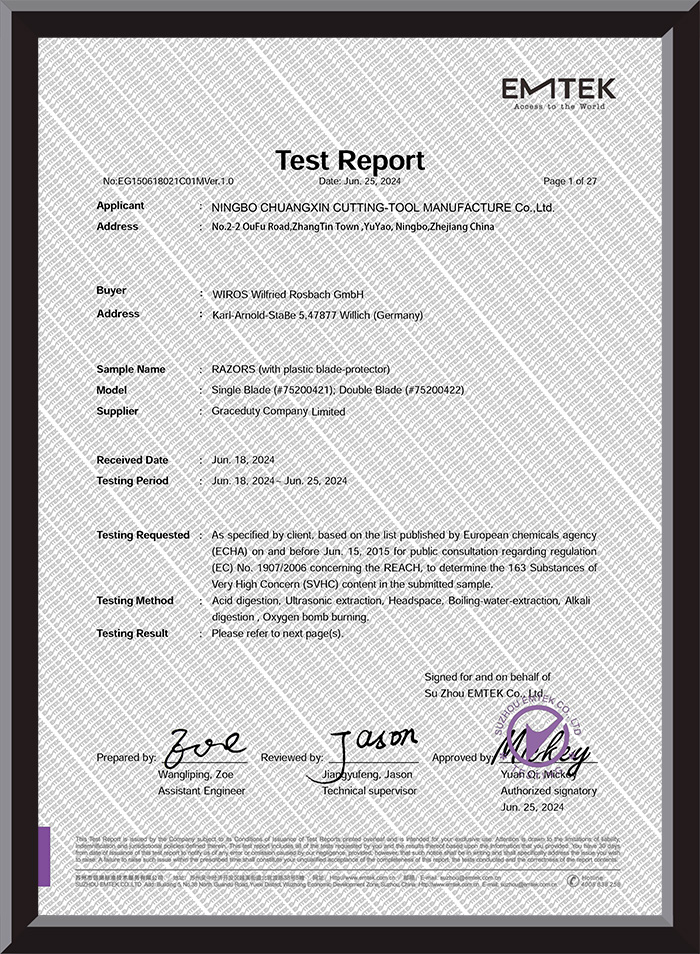
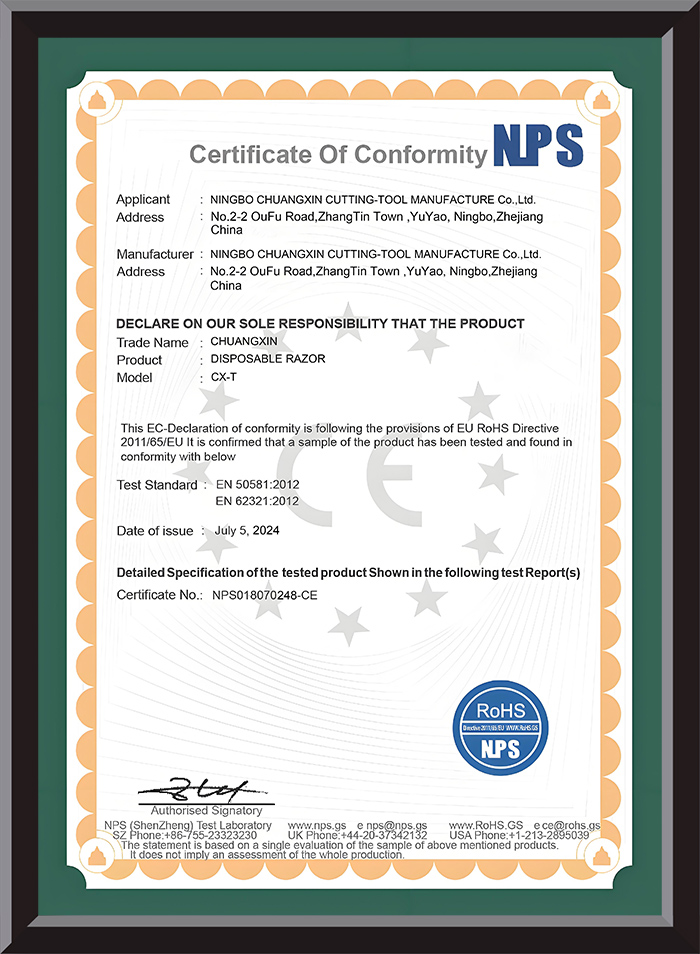



 No. 2-2, Oufu Road, Zhangting Town, Yuyao City, Ningbo City, Zhejiang, China.

 +86-574-87560886/87560055
 +86-574-87560885
