

 English
 中文简体
中文简体 русский
 Español



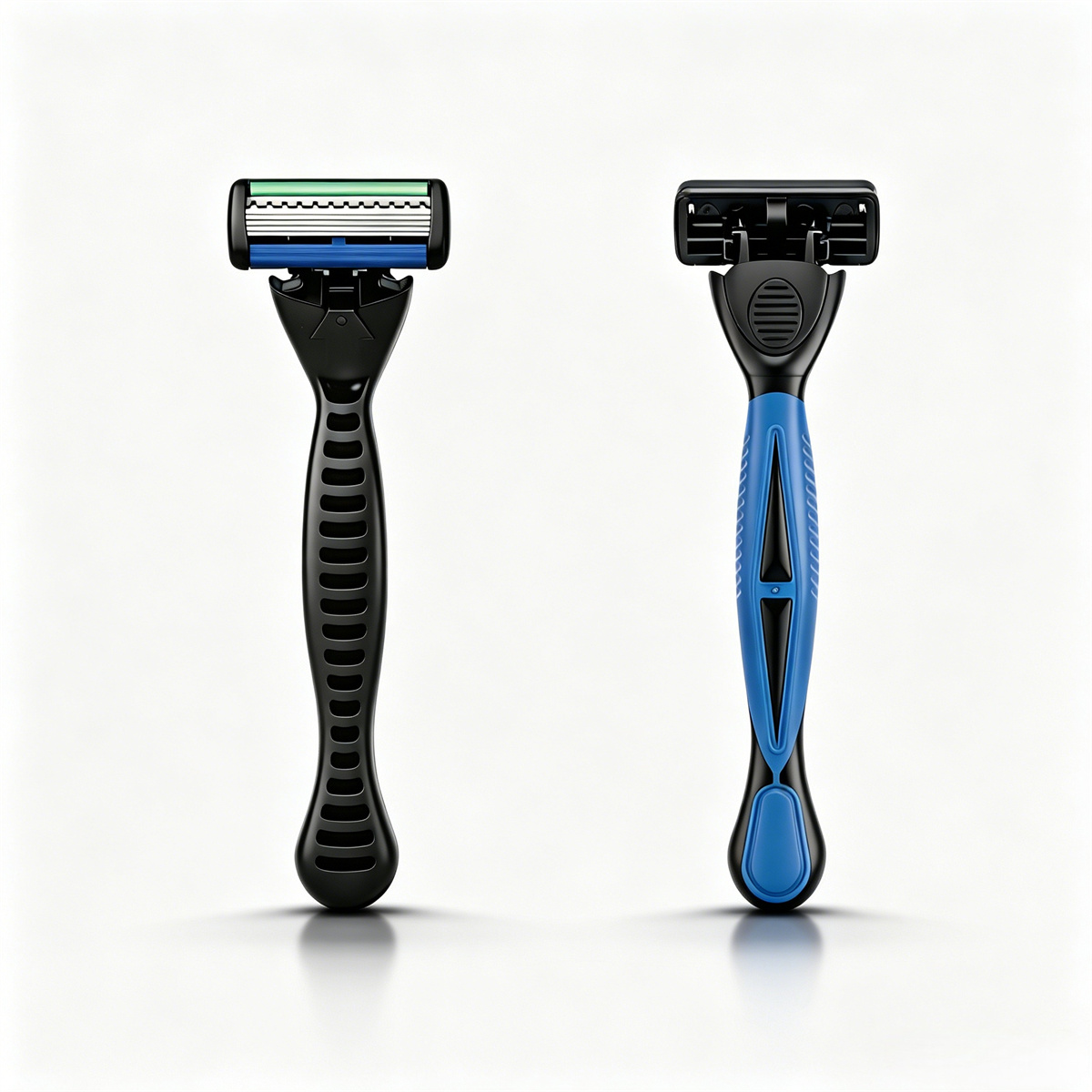
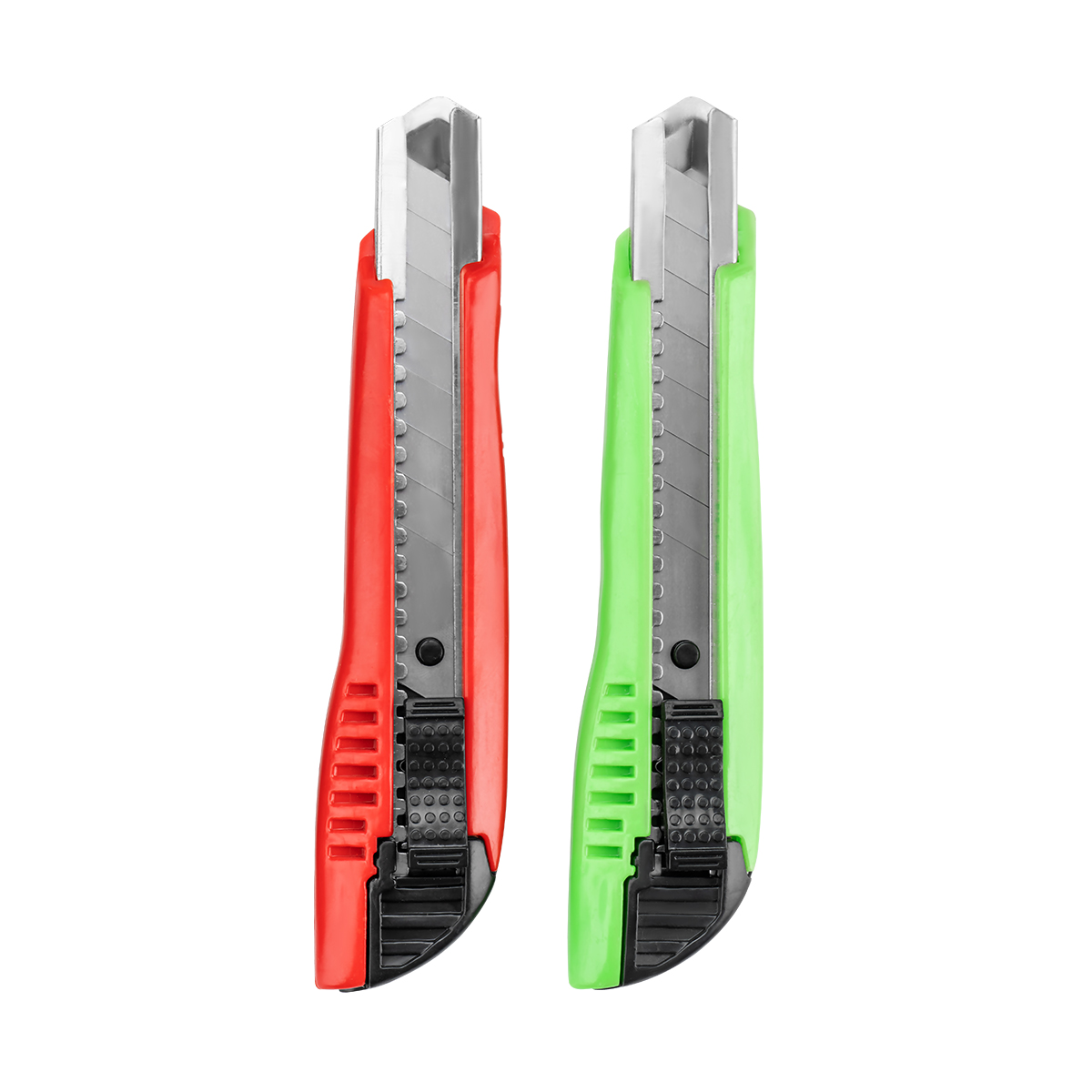
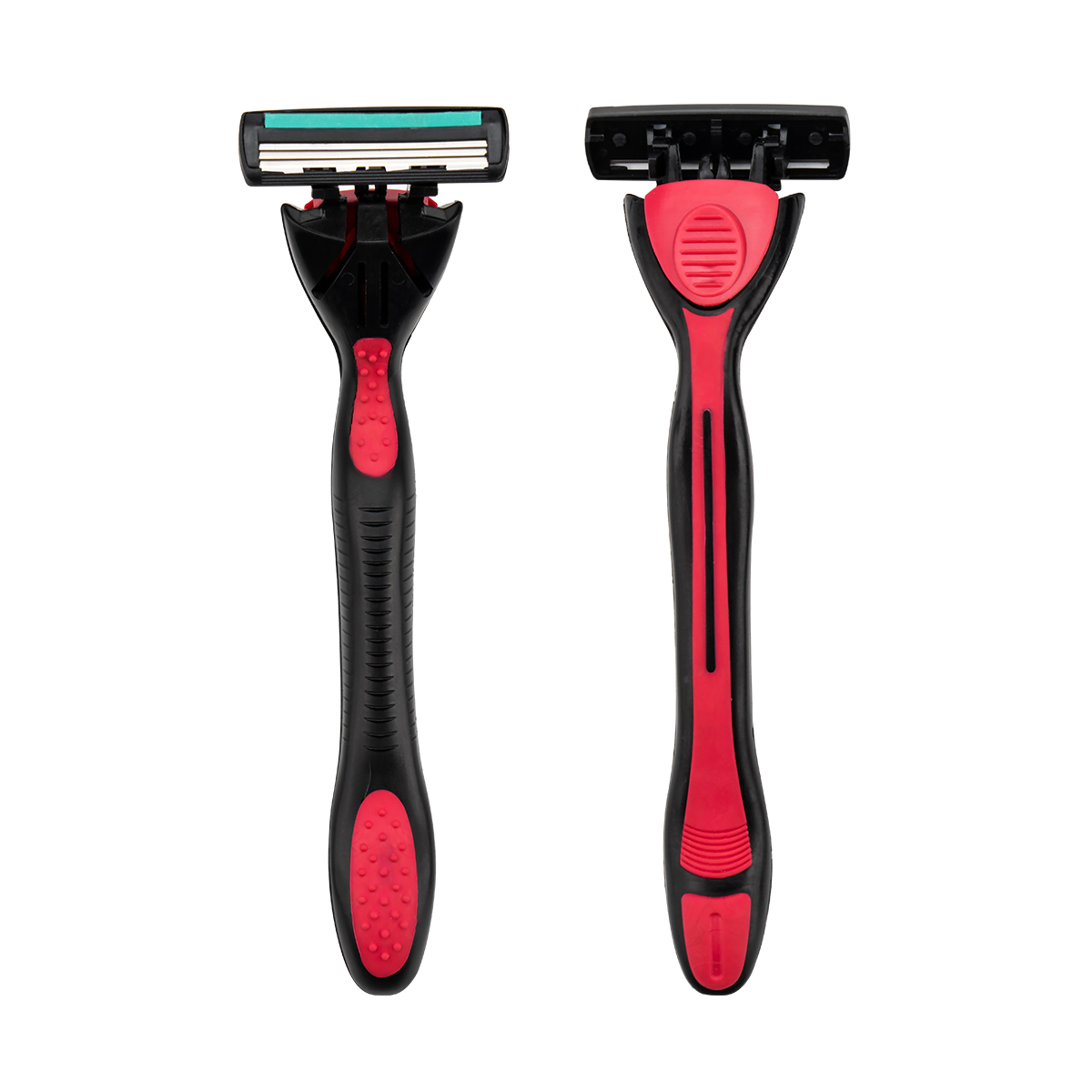
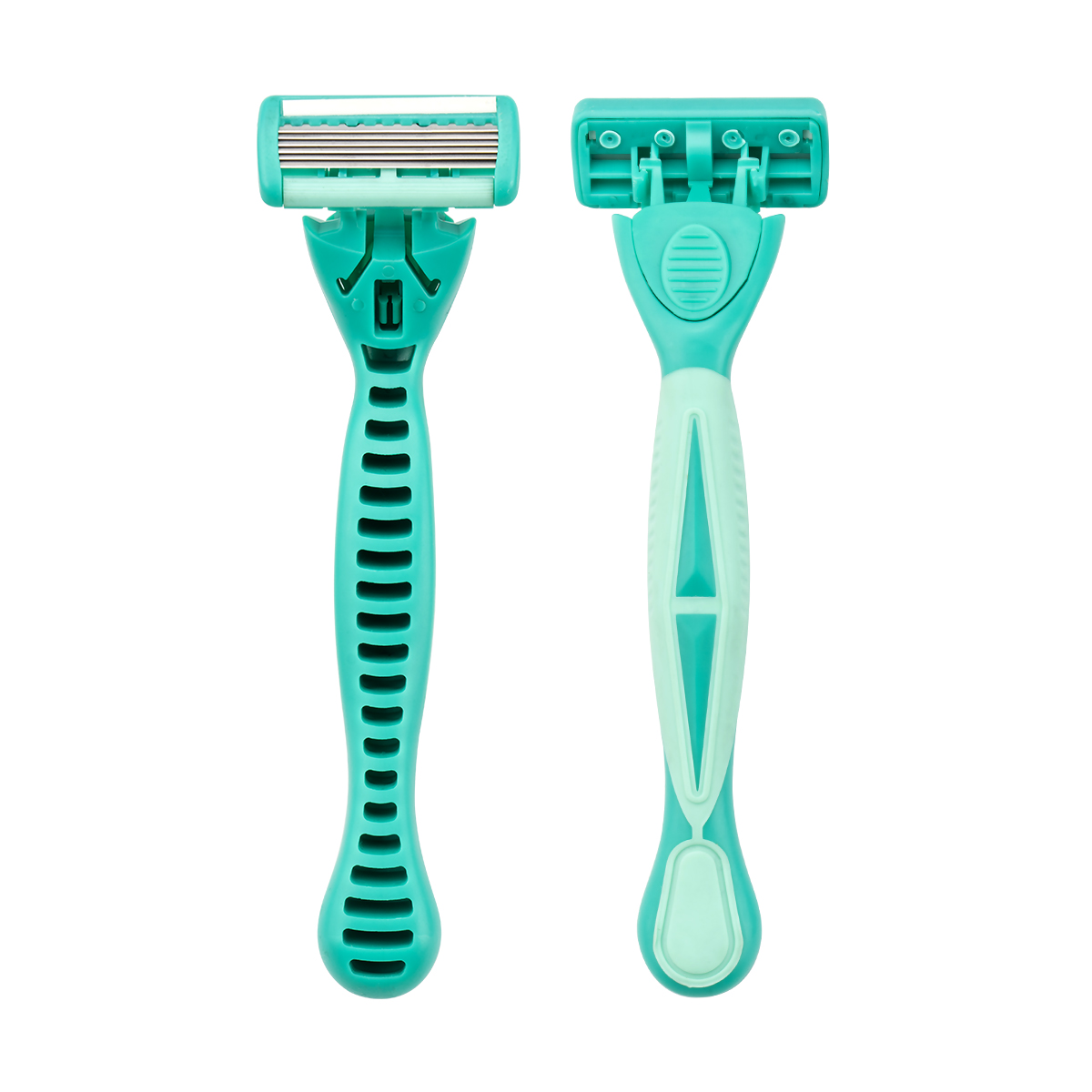
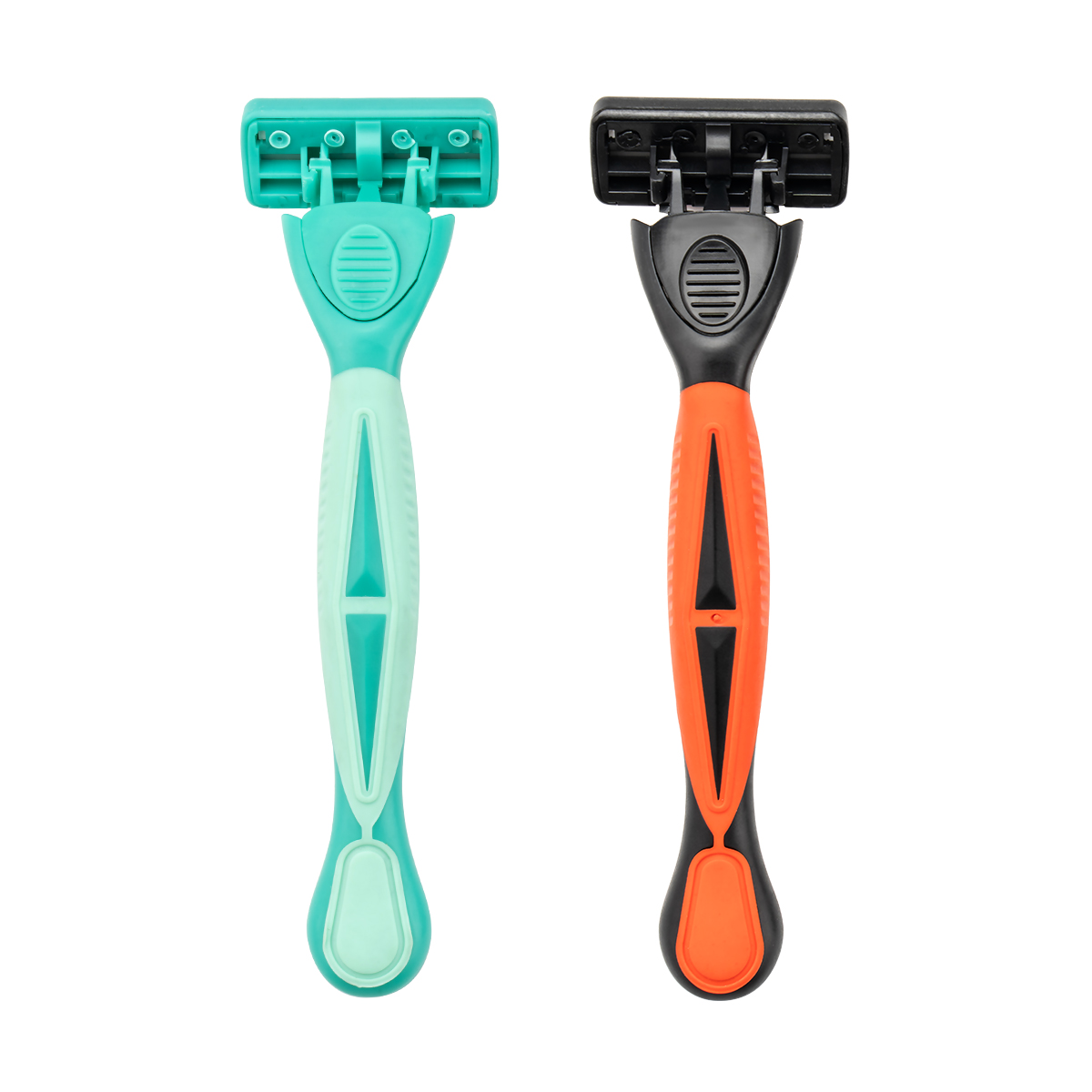
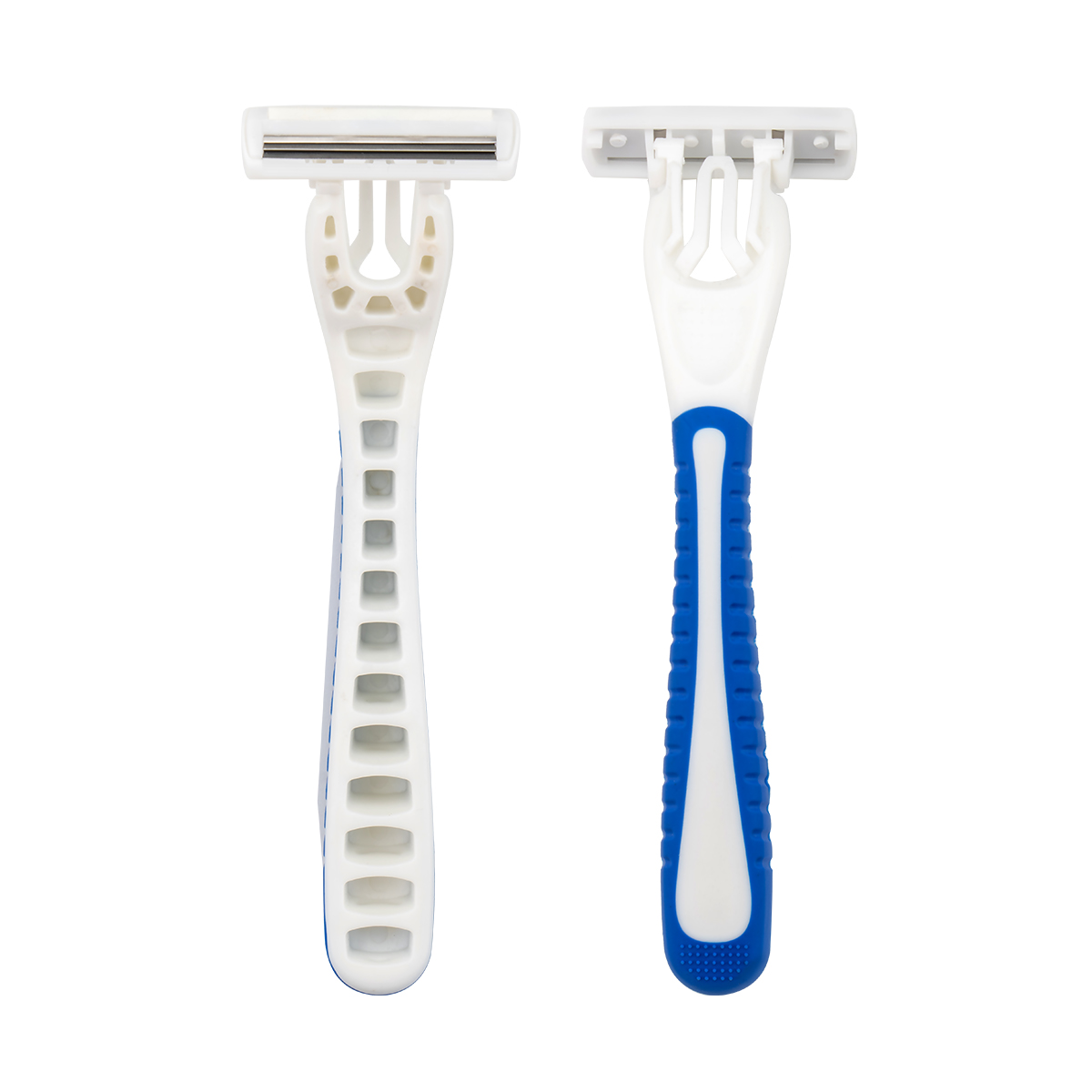
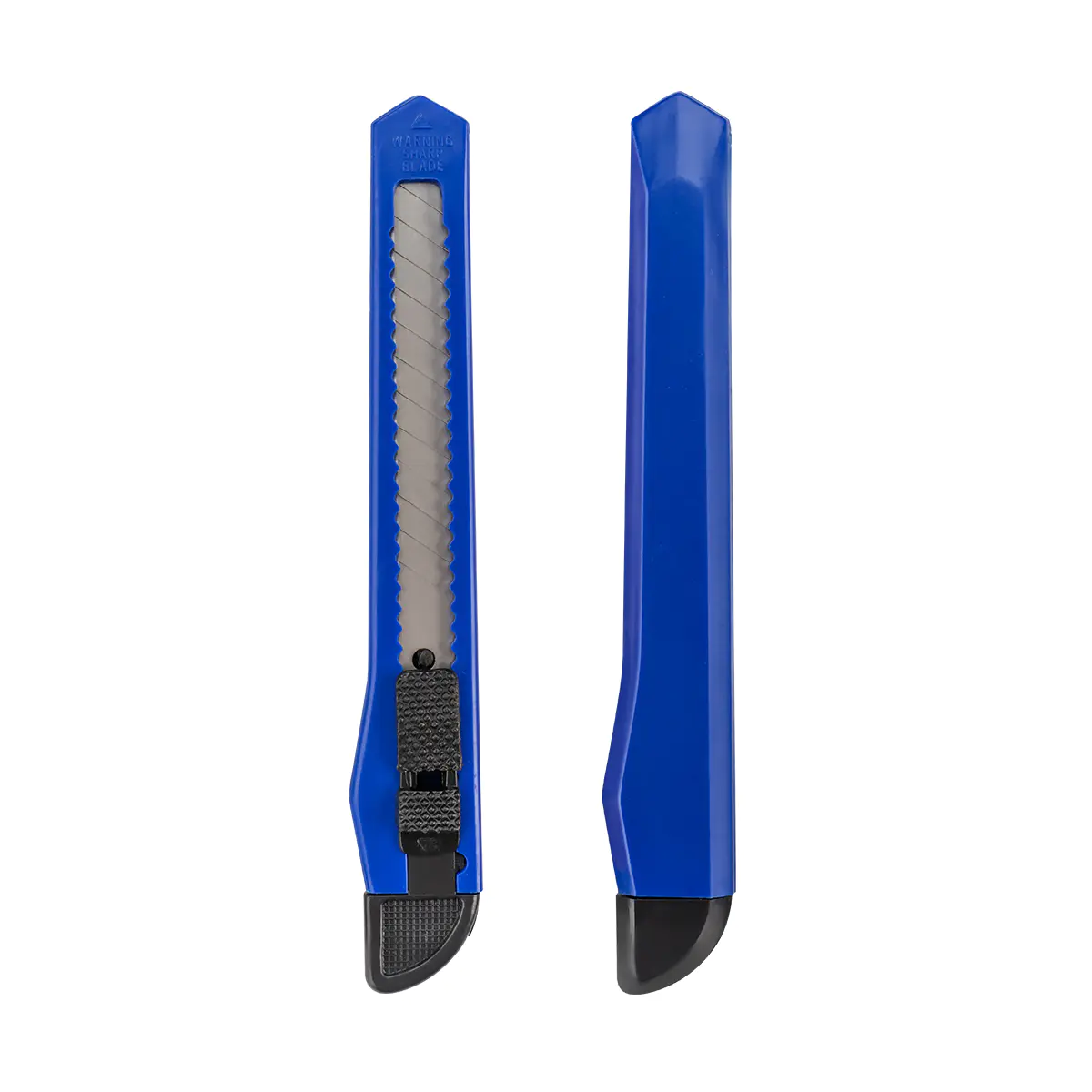
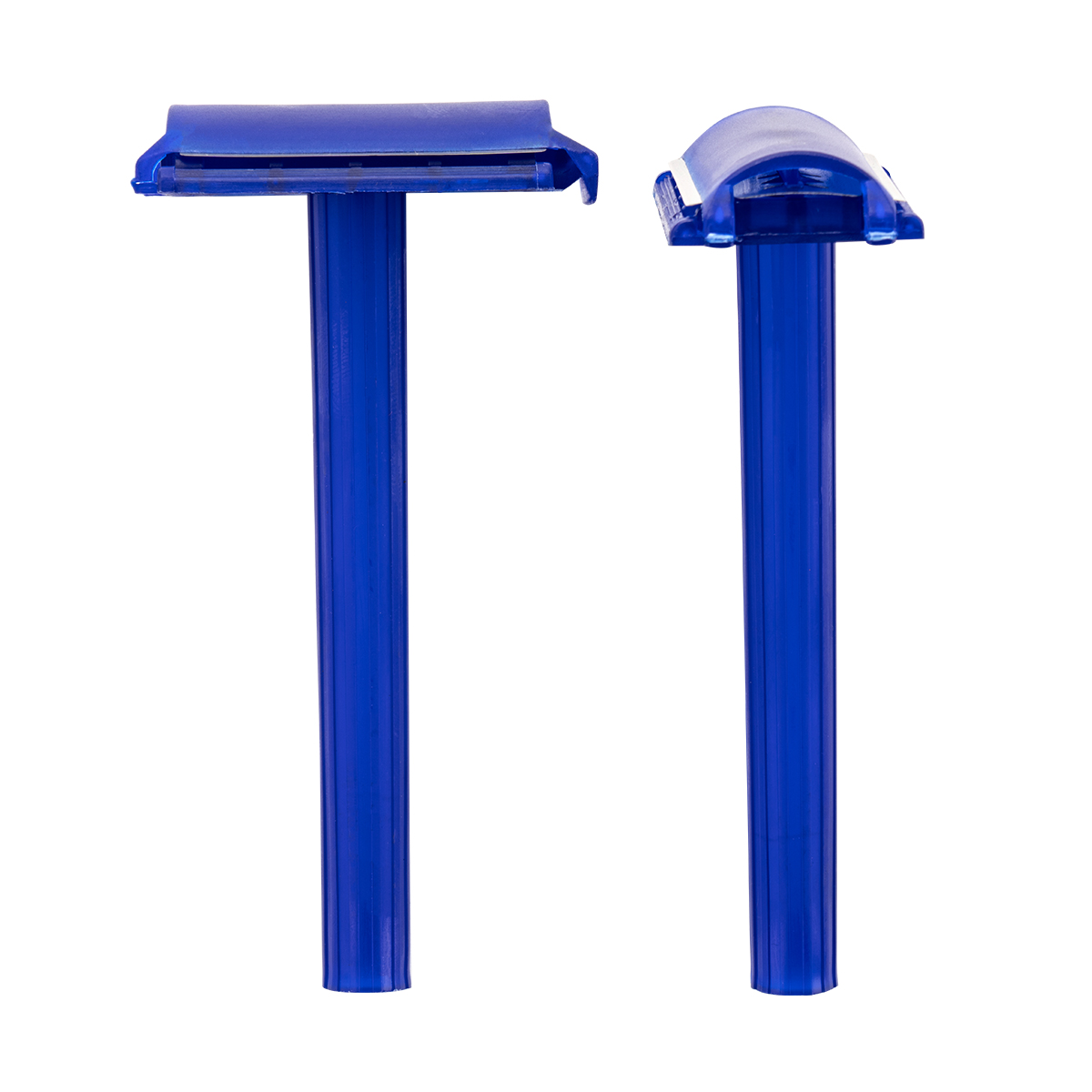

We are an industry and trade enterprise
specializing in the production of disposable razors and utility knives for more than 30 years.
Why Is the Medical Razor Still Essential for Surgical Site Preparation
Content
- 1 Medical Razor: Its Core Role in Modern Healthcare
- 2 Structural Design and Classification Parameters of the Medical Razor
- 3 Pre-Shave Protocol: Patient and Site Assessment
- 4 Operating Guide: Correct Steps for Using a Medical Razor
- 5 Clinical Decision Parameters: Dry Shave vs. Wet Shave
- 6 Risk Management: Avoiding Razor-Induced Injury
- 7 Specialized Site Prep Techniques
- 8 Post-Prep Care and Verification
- 9 Waste Management and Infection Control
- 10 Key Technical Parameters: Cutting Mechanics of a Medical Razor
- 11 Clinical Decision: Medical Razor vs. Surgical Clippers
- 12 FAQ:
- 12.1 Q1: Why can't I use my own razor at home before surgery?
- 12.2 Q2: What if the Medical Razor causes a "red rash" (razor burn)?
- 12.3 Q3: Will surgery be canceled if the skin is accidentally nicked?
- 12.4 Q4: Can these razors be used for shaving beards or armpits?
- 12.5 Q5: Why do some Medical Razors have only one blade?
- 13 Science: The "Two-Hour Rule" of the Skin Micro-environment
Medical Razor: Its Core Role in Modern Healthcare
In modern clinical environments, particularly in surgical procedures, the correct use of a Medical Razor is a central component of perioperative skin preparation. Although modern guidelines from organizations like the WHO or CDC favor the use of surgical clippers for most general surgeries, the Medical Razor remains irreplaceable in specific surgical scenarios—such as neurosurgery, urology, and skin grafting—where extreme skin smoothness is required.
Scientific Basis for Clinical Preparation
The primary purposes of using a Medical Razor for skin preparation are:
- Elimination of Foreign Contamination: Hair can harbor significant amounts of pathogens like Staphylococcus aureus. Clearing hair via a Medical Razor is the first step in reducing Surgical Site Infections (SSI).
- Optimization of Surgical Maneuvers: In delicate surgeries, even a single strand of hair can interfere with the suturing process or obstruct surgical instruments.
- Enhancement of Adhesion: Surgical incisions must be covered with sterile dressings. The smooth skin surface provided by a Medical Razor ensures a tight seal at the dressing edges.
2026 Clinical Standards Overview
According to the latest global surgical guidelines, the use of a Medical Razor must follow the principle of "immediacy." Research indicates that if a Medical Razor is used several hours in advance, microscopic nicks in the skin can become breeding grounds for bacterial colonization; therefore, the optimal window is typically limited to within 2 hours before the surgery begins.
Structural Design and Classification Parameters of the Medical Razor
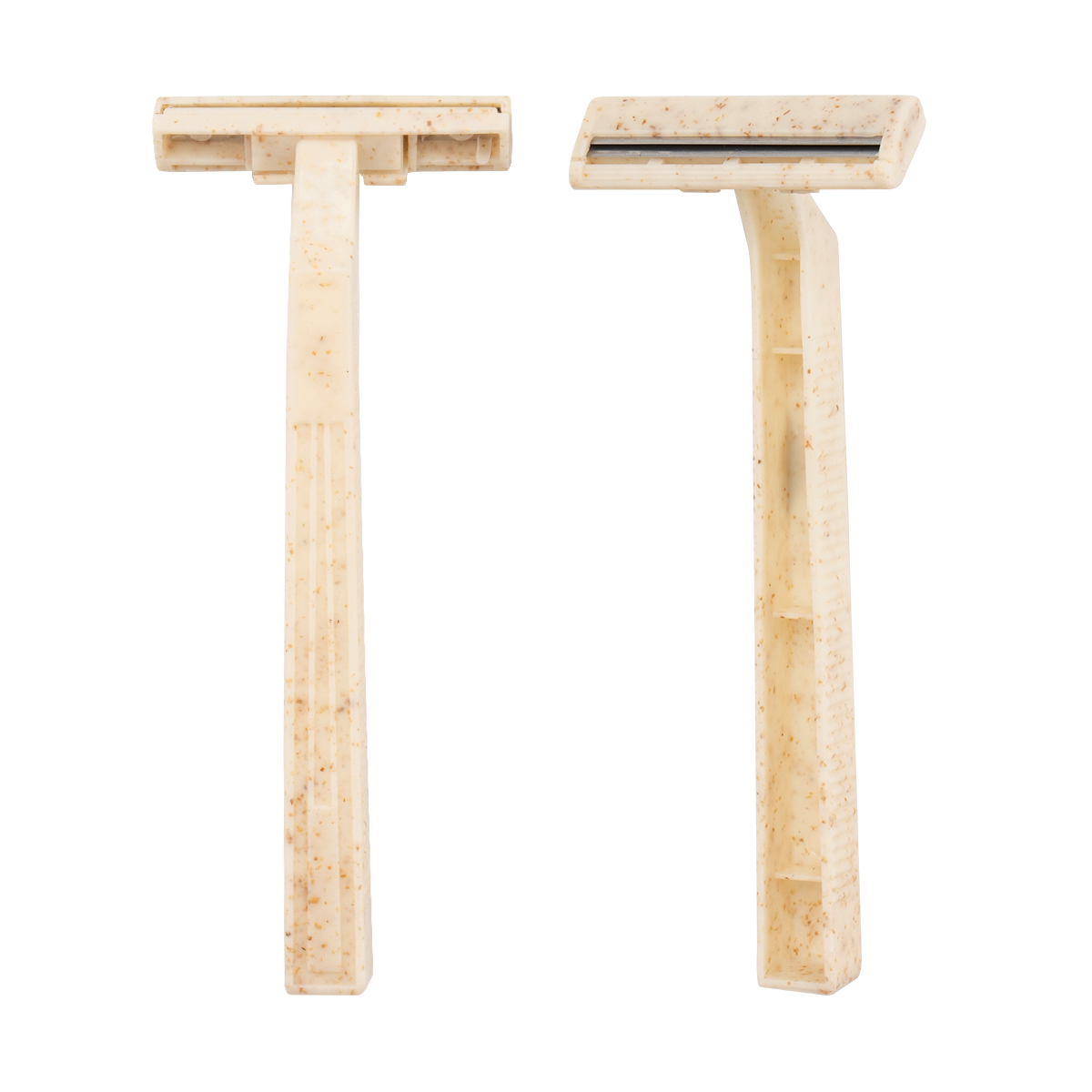
To meet the needs of different anatomical sites and clinical requirements, the design of a Medical Razor differs fundamentally from consumer razors. Its core goal is to achieve a flush cut at the hair root without damaging the epidermal barrier.
Core Design Elements
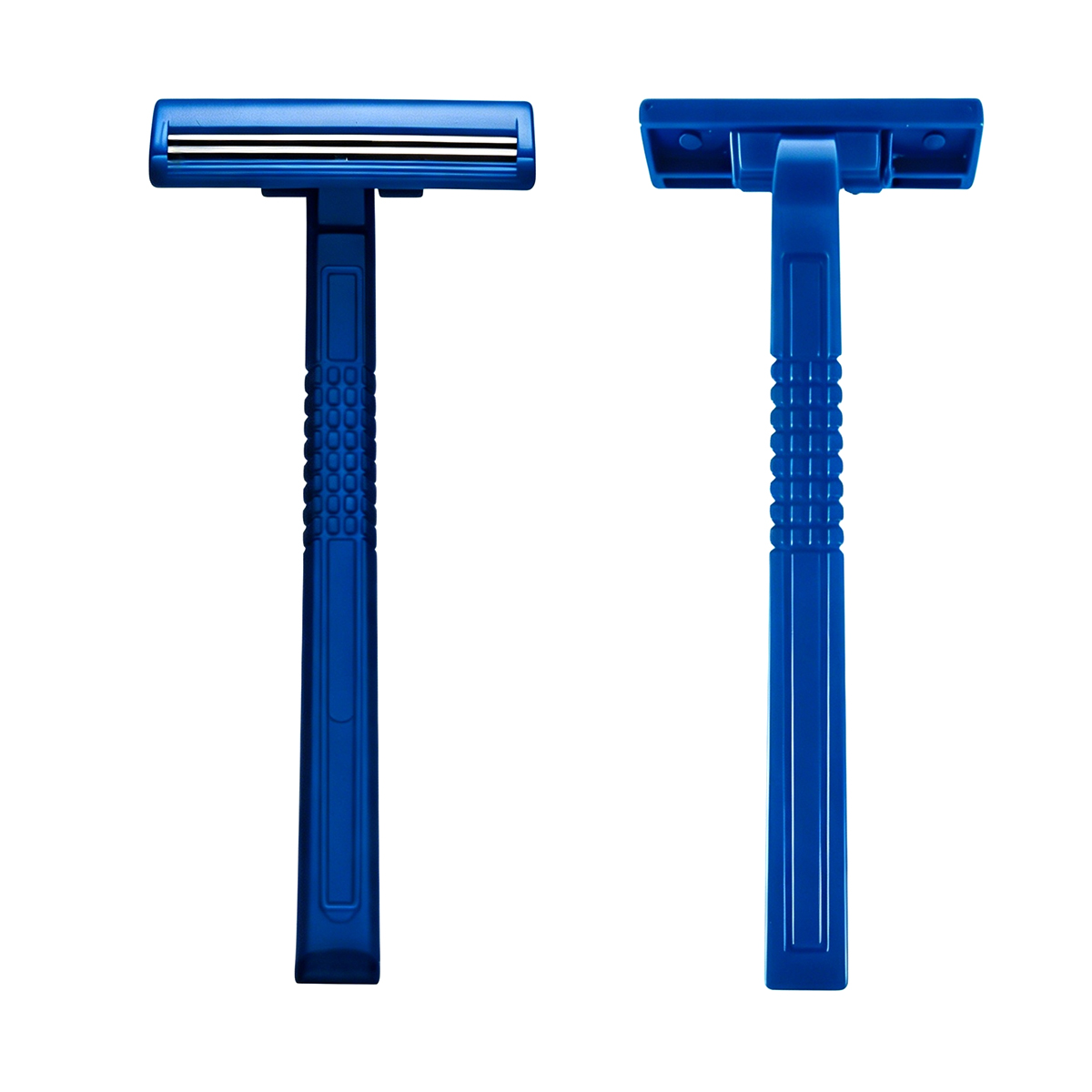
- Blade Coating: Most high-quality Medical Razor products use stainless steel blades coated with platinum or Teflon. This significantly reduces friction between the blade and the skin, minimizing the "tugging" sensation.
- Fixed Angle Technology: Medical-grade products usually fix the blade angle between 30 and 35 degrees. This is the optimal geometric angle for balancing cutting efficiency with skin safety.
- Non-slip Handle: Operating rooms often involve saline or disinfectant solutions. Therefore, the Medical Razor handle features an ergonomic, non-slip texture to ensure a steady grip even when the operator is wearing latex gloves.
Parameter Comparison: Medical Razor vs. Consumer Razor
In hospital procurement and clinical evaluation, the following parameters define the professionalism of a Medical Razor:
| Evaluation Dimension | Professional Medical Razor | Consumer Household Razor | Clinical Significance |
| Blade Layers | Single or Twin Blade | 3 to 5 layers | Reduces repetitive scraping of the epidermis, lowering micro-trauma risk. |
| Blade Cleanliness | Open-comb structure | Closed structure | Facilitates rinsing of thick hair, preventing bacterial buildup. |
| Blade Material | Medical grade 440C or 316L Stainless Steel | Ordinary carbon/stainless steel | Ensures corrosion resistance and stability in sterile environments. |
| Blade Gap | Wider (> 1.2mm) | Narrower (< 0.8mm) | Wide gaps prevent clogging from long hair, improving efficiency. |
| Sterility Status | Sterile packaging options available | Always non-sterile | Meets high cleanliness requirements of the operating room. |
Common Types of Medical Razor
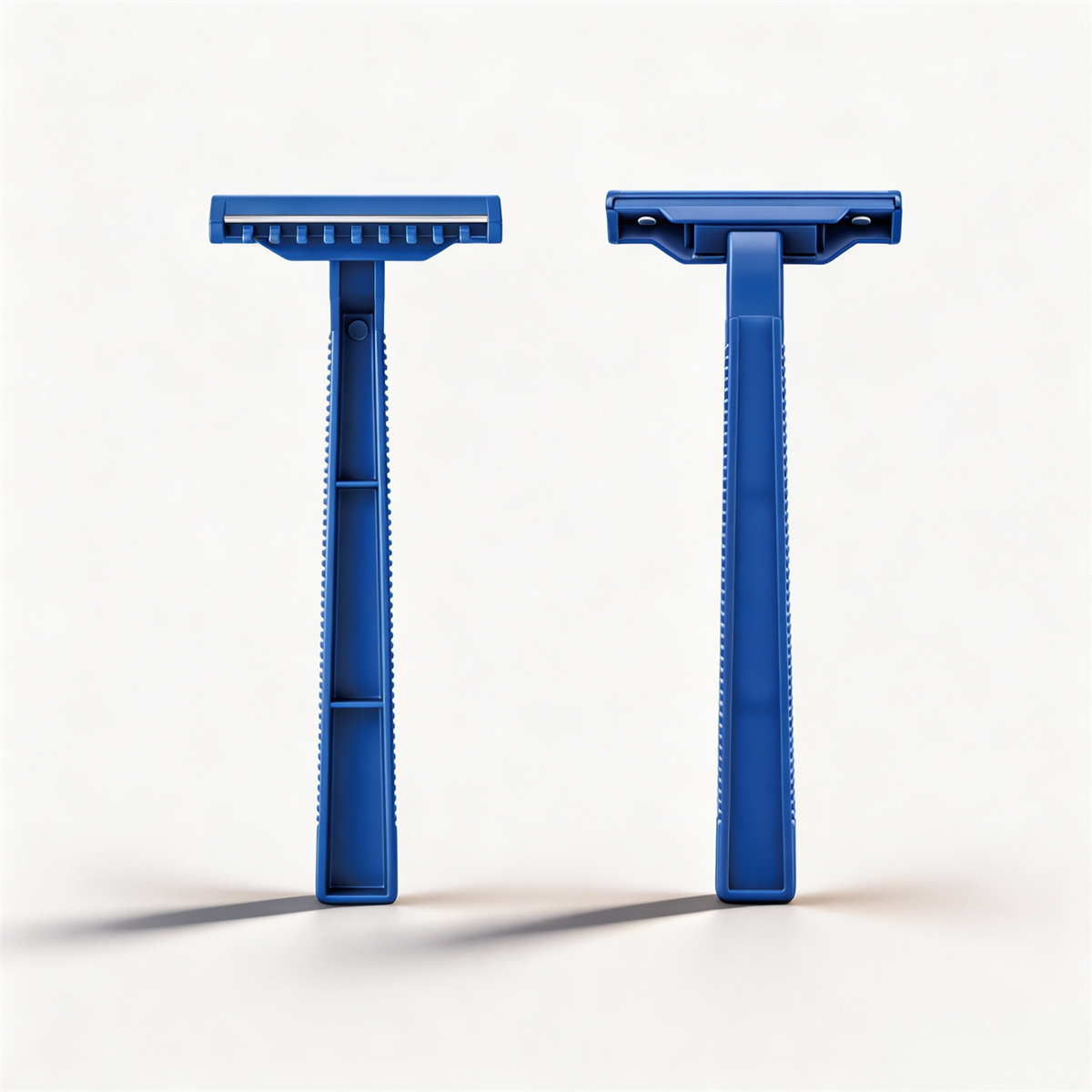
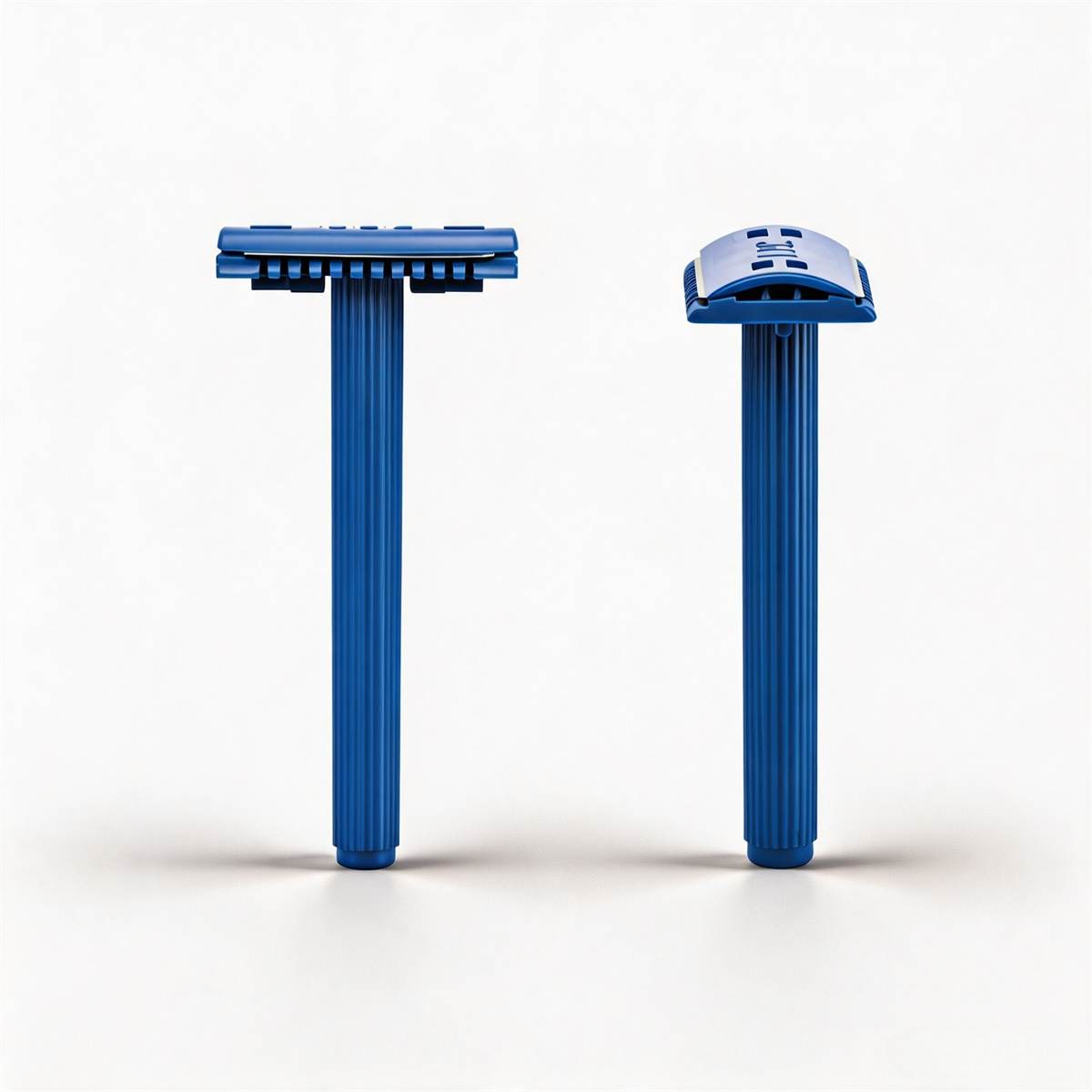
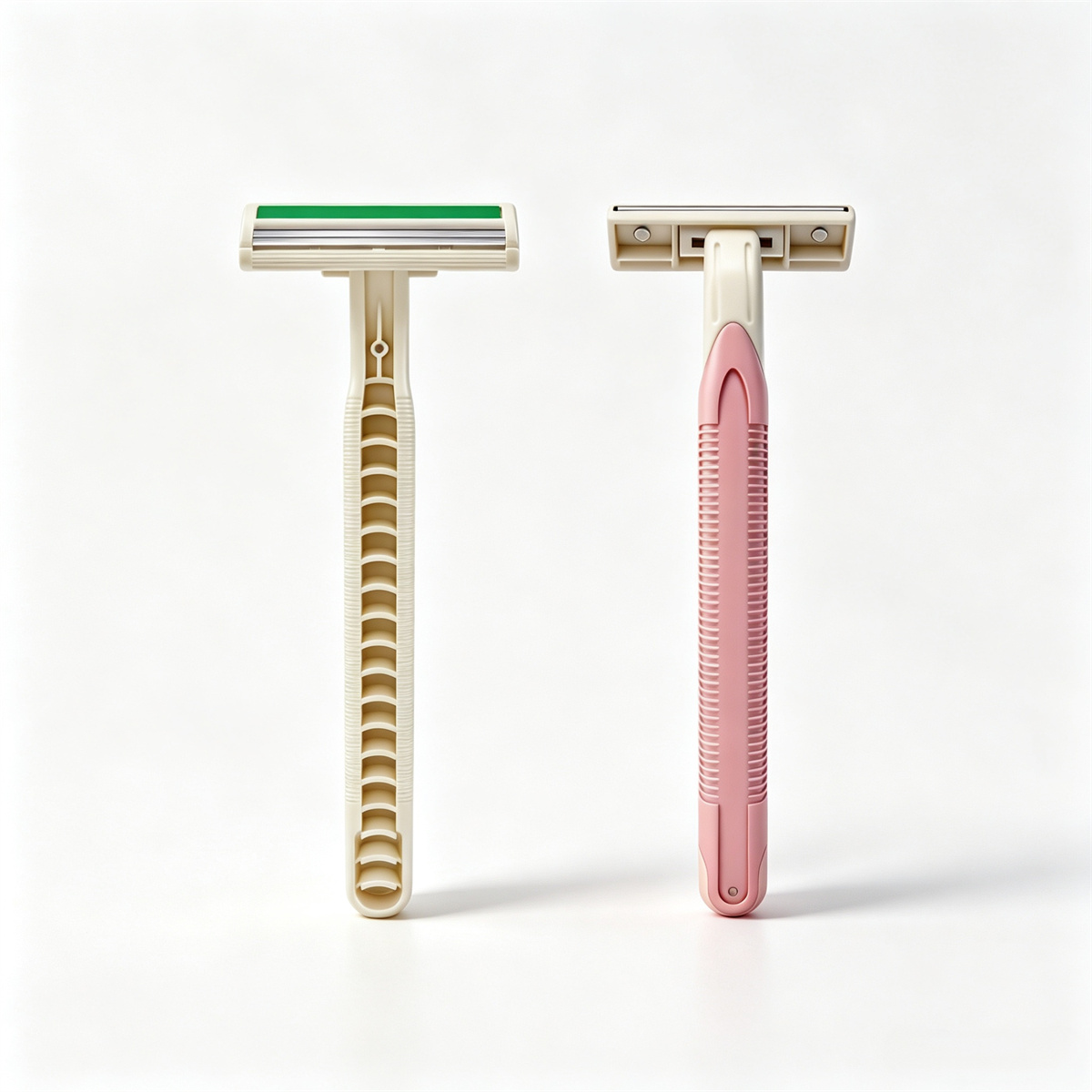
- Fixed Single-Sided Razor: Simplest structure, suitable for large flat areas like the back or abdomen.
- Swivel Double-Sided Razor: The head fluctuates with body contours, making it the preferred Medical Razor for joints like knees and shoulders.
- Specialized Guarded Razor: Features special protective grids for extremely sensitive skin or dry-shave scenarios.
Pre-Shave Protocol: Patient and Site Assessment
Before a Medical Razor touches the patient's skin, a rigorous clinical assessment must be performed. Negligence at this stage is a major trigger for postoperative skin infections.
Skin Integrity Check
Before the procedure, medical staff must observe the intended preparation area:
- Abnormality Identification: Document any rashes, eczema, active acne, or existing wounds. If open skin lesions are found in the surgical path, report to the surgeon immediately, as operating a Medical Razor in such areas exponentially increases the risk of bacteremia.
- Anatomical Landmark Localization: Confirm the surgical incision markers and ensure the Medical Razor coverage area exceeds the incision edge by at least 15 to 20 centimeters.
Environment and Lighting
- Lighting Intensity: Shadowless operating lamps or high-intensity portable cold light sources are mandatory. Insufficient light leads to repetitive stroking, the primary cause of skin micro-trauma.
- Patient Positioning: The patient should be in the most comfortable position that fully exposes the preparation site.
Operating Guide: Correct Steps for Using a Medical Razor
The following is the standard surgical skin preparation procedure, emphasizing the physical logic of the Medical Razor contact.
Step 1: Softening and Lubrication (Wet Prep Method)
While dry shaving is used in rare emergencies, clinical practice recommends sterile lubrication.
- Use sterile saline at approximately 40 degrees Celsius or specialized sterile prep foam to soak the hair.
- Wait for 2 to 3 minutes to soften the hair cuticle. This reduces the cutting force required by the Medical Razor, protecting the dermis.
Step 2: Tensioning
- The operator's non-dominant hand should pull the skin taut in the opposite direction of the shaving stroke.
- Key Technique: Ensure the skin surface is as flat as a mirror, eliminating folds. This is the core of preventing linear scratches by the Medical Razor.
Step 3: Precise Angle and Force
- Entry Angle: Maintain the Medical Razor at a 30-degree angle to the skin.
- Directional Cutting: The initial movement must be "with the grain" (in the direction of hair growth). Reverse stroking is only considered for extreme smoothness in neurosurgery under very gentle conditions.
- Short Stroke Principle: Use stable, short movements of 2 to 5 centimeters to avoid uneven force caused by long-distance dragging.
Step 4: Cleaning and Verification
- Every 2 to 3 strokes, rinse the Medical Razor in a sterile water container to remove hair residue and prevent clogging.
- After shaving, do not rub the skin vigorously with a towel. Use sterile gauze soaked in saline to gently dab and remove hair debris.
Clinical Decision Parameters: Dry Shave vs. Wet Shave
Different surgical departments have varying preferences for Medical Razor use:
| Indicator | Dry Prep | Wet Prep | Clinical Recommendation |
| Micro-trauma Rate | Higher (high friction) | Extremely low (lubricated) | Wet prep is the gold standard. |
| Hair Collection | Prone to airborne debris | Wet hair clumps for easy collection | Wet is friendlier to laminar flow ORs. |
| Operating Speed | Fast (no wait for lubrication) | Slower (requires lubrication/cleanup) | Dry prep for emergency trauma. |
| Visibility | High | May be temporarily obscured by foam | Transparent lubricant gels recommended. |
| Bacterial Migration | Low (due to dry skin) | Slightly higher (moisture aids movement) | Must be paired with strict disinfection. |
Risk Management: Avoiding Razor-Induced Injury
Misuse of a Medical Razor can cause "epidermal stripping" invisible to the naked eye.
- Prohibit Excessive Pressure: The weight of the Medical Razor itself is sufficient for cutting. Downward pressure forces the blade into skin furrows, cutting off sweat gland duct openings.
- Single-Use Principle: Strictly prohibit any form of reuse of a Medical Razor, even for different parts of the same patient. The microscopic edge of the blade curls after cutting coarse hair, creating a "sawtooth effect."
- Time Window: If the time from prep completion to incision exceeds 6 hours, bacterial colonization at the hair follicle roots increases significantly.
Specialized Site Prep Techniques
Different areas of human skin vary in thickness, elasticity, and hair density. Techniques must be adjusted accordingly when using a Medical Razor.
Scalp (Neurosurgery)
The scalp is highly vascular and under high tension, making it the most challenging area for Medical Razor application.
- Pre-cutting: For long-haired patients, never use a Medical Razor directly. Hair must first be trimmed to under 0.5 cm with surgical scissors.
- Zonal Operation: Divide the scalp into 4 to 6 zones and shave in a single direction from the crown to the occiput.
- Ear Protection: Skin behind the ear is thin and folded; an assistant should pull the pinna outward to ensure the Medical Razor head slides smoothly.
Male Genitalia and Inguinal Region (Urology/General Surgery)
This area has loose, folded skin and is extremely sensitive to bacteria.
- Asymmetric Tension: The operator should use the thumb and index finger in a "V" shape to stretch out skin folds.
- Parameter Advantage: Clinical studies show that on irregular surfaces like the scrotum, the single-blade design of a Medical Razor produces fewer micro-traumas than multi-blade razors because the pressure is easier to control.
Joints and Bony Prominences (Orthopedics)
Areas like the knee, elbow, and ankle lack fat cushioning.
- Postural Adjustment: Use the Medical Razor while the joint is in a semi-flexed state to keep the skin naturally taut, preventing missed patches in deep skin folds.
Post-Prep Care and Verification
Skin preparation does not end when the Medical Razor is set down.
- Debris Removal: Use specialized adhesive tape or sterile gauze soaked in saline to lift micro-hair fragments. Avoid rubbing with dry towels to prevent folliculitis.
- Skin Integrity Review: The circulator or operator must re-inspect for visible bleeding points or scratches. If bleeding occurs, use a sterile cotton ball for pressure and document the injury in the surgical report as a baseline for SSI monitoring.
Waste Management and Infection Control
A Medical Razor is a high-risk sharp, and its disposal must meet bio-safety standards.
Sharps Disposal Protocol
- Immediate Disposal: Follow the "Point-of-use" principle. Within 30 seconds of leaving the patient's skin, the Medical Razor should be dropped directly into the nearest sharps container.
- No Re-sterilization: Never attempt to autoclave or soak a disposable Medical Razor in alcohol for reuse.
Environmental Parameter Comparison: Waste Management
| Step | Standard Operating Procedure (SOP) | Incorrect Example | Potential Risk |
| Disposal Container | Rigid, puncture-proof box with biohazard symbol | Ordinary medical waste bag | Needle sticks for staff; bloodborne disease. |
| Fill Limit | Seal and replace when 3/4 (75%) full | Forceful packing or overfilling | Sharps "spring-back" injuries. |
| Transfer Process | Barcode tracking for incineration | Landfill disposal | Environmental and pathogen spread. |
Key Technical Parameters: Cutting Mechanics of a Medical Razor
Understanding the physical parameters of a Medical Razor helps improve precision:
- Initial Cut Force: The edge radius of high-quality medical blades is typically less than 50 nanometers, allowing the blade to cut keratinized hair with minimal pressure.
- Coefficient of Friction (CoF): A Medical Razor coated with PTFE has a CoF of approximately 0.05 to 0.1 on wet skin. This means the operator should feel "sliding" rather than "scraping."
Clinical Decision: Medical Razor vs. Surgical Clippers
The choice depends on the specific surgical needs and risk assessment.
| Parameter | Medical Razor | Surgical Clippers | Clinical Recommendation |
| Cutting Height | 0 mm (Flush) | 0.1 mm - 0.5 mm (Stubble) | Medical Razor for skin grafts/films. |
| Skin Integrity | Potential micro-abrasions | Minimal injury | Clippers for general SSI risk reduction. |
| Infection Correlation | Slightly higher if done too early | Lower | Medical Razor must be used "just-in-time." |
| Terrain Adaptability | Excellent (folds/scrotum) | Poor (large head) | Medical Razor for complex anatomy. |
| Unit Cost | Extremely low | Higher | Based on department budget. |
FAQ:
Q1: Why can't I use my own razor at home before surgery?
A: This is a common patient error. Household razors are often reused, and the blades may be dull or colonized with household bacteria. Furthermore, prep done 12 to 24 hours in advance allows bacteria to bloom in the microscopic nicks. Clinical requirements dictate the use of a sterile Medical Razor immediately before the procedure.
Q2: What if the Medical Razor causes a "red rash" (razor burn)?
A: This is known as a follicular reaction. If redness appears, it is usually because the blade angle exceeded 45 degrees or too much pressure was applied. Treatment involves cold compresses with sterile saline; it typically subsides within 24 hours.
Q3: Will surgery be canceled if the skin is accidentally nicked?
A: This depends on the surgery type. For implant surgeries (e.g., joint replacement), a significant scratch from a Medical Razor may increase infection risks, and a surgeon might postpone. Precision is more important than speed.
Q4: Can these razors be used for shaving beards or armpits?
A: Theoretically yes, as their sharpness is superior. However, the Medical Razor is designed for single-use. The blade material is optimized for initial sharpness rather than durability, and it dulls rapidly. Always follow medical waste protocols.
Q5: Why do some Medical Razors have only one blade?
A: This is a safety design. Multi-blade razors (like 5-blade consumer versions) essentially strip the skin five times in one stroke, greatly increasing the chance of micro-trauma. Clinical Medical Razor designs use one or two blades to complete hair removal with minimal physical contact.
Science: The "Two-Hour Rule" of the Skin Micro-environment
The barrier function of the skin temporarily decreases after using a Medical Razor.
- Data Support: Clinical studies show that if prep is done 24 hours before surgery, the SSI rate can be as high as 20%. If a Medical Razor is used immediately (within 2 hours), the rate drops to below 1%.
- Core Knowledge: "Clean" does not mean "sterile." The task of the Medical Razor is physical clearance; the subsequent application of antiseptics is what ultimately kills bacteria. They are complementary steps.
Recommended Product
Recommended News

Keep In Touch
 No. 2-2, Oufu Road, Zhangting Town, Yuyao City, Ningbo City, Zhejiang, China.
 +86-574-87560886/87560055
 +86-574-87560885
Copyright © Ningbo Chuangxin Cutting-Tool Manufacture Co., Ltd.
