

 English
 中文简体
中文简体 русский
 Español


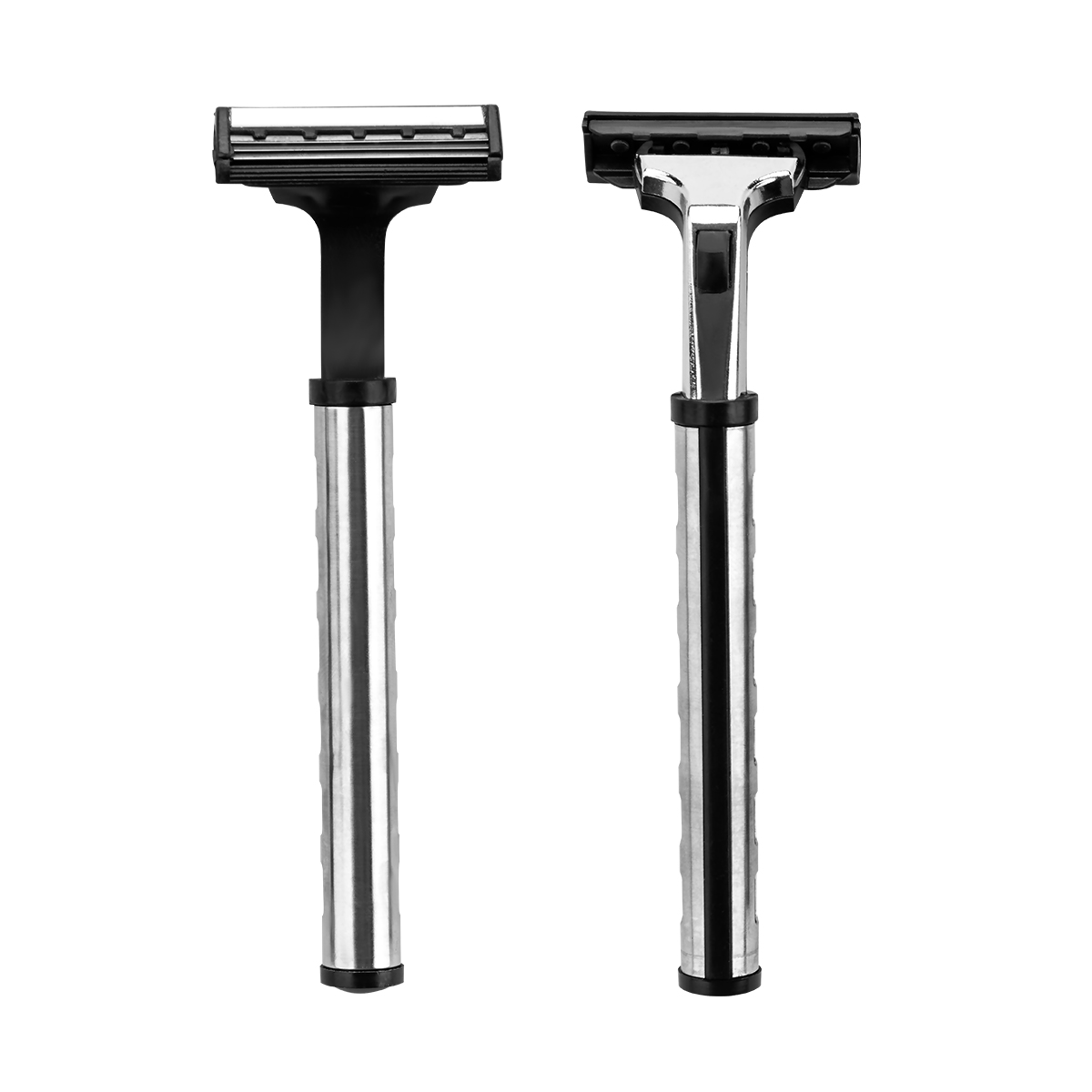
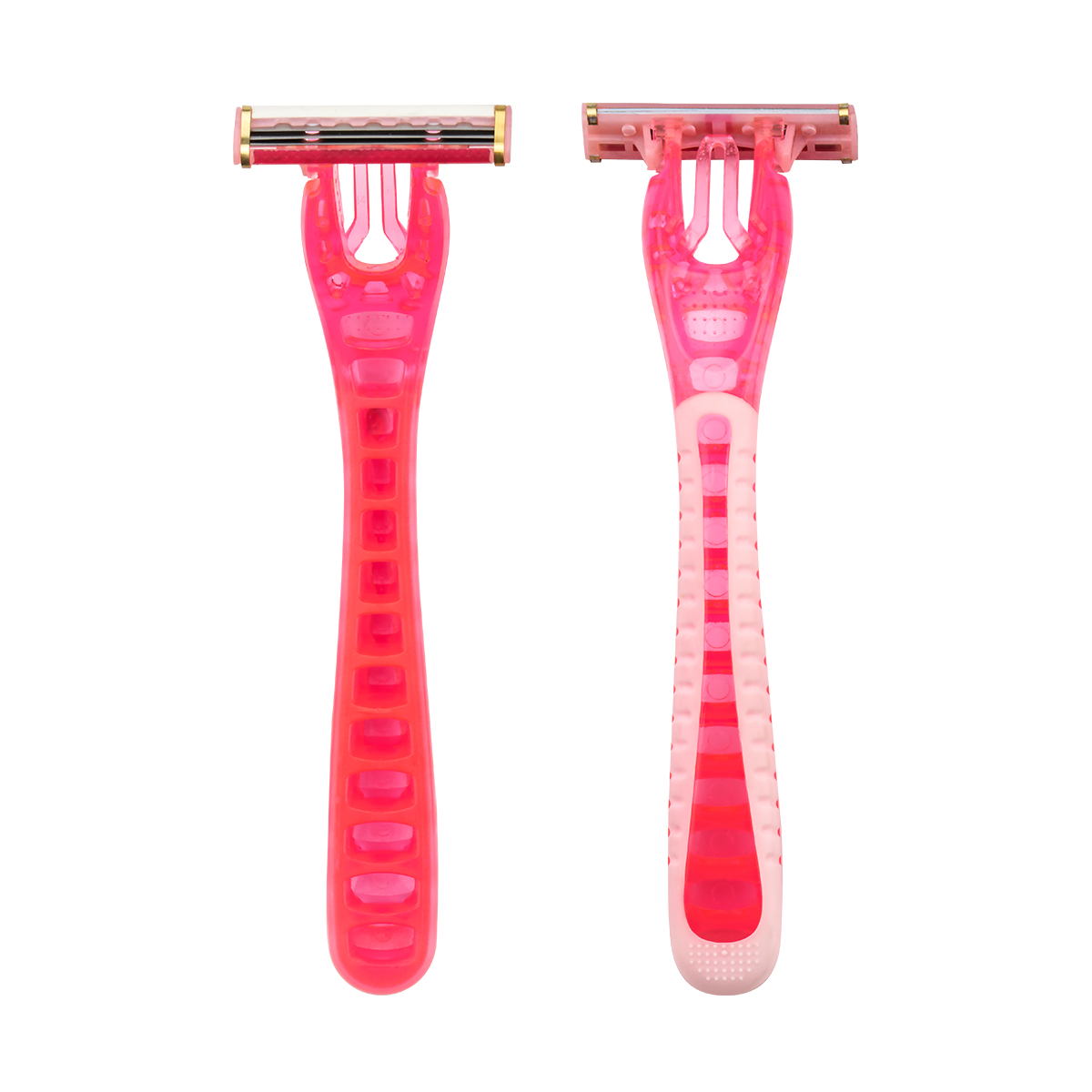
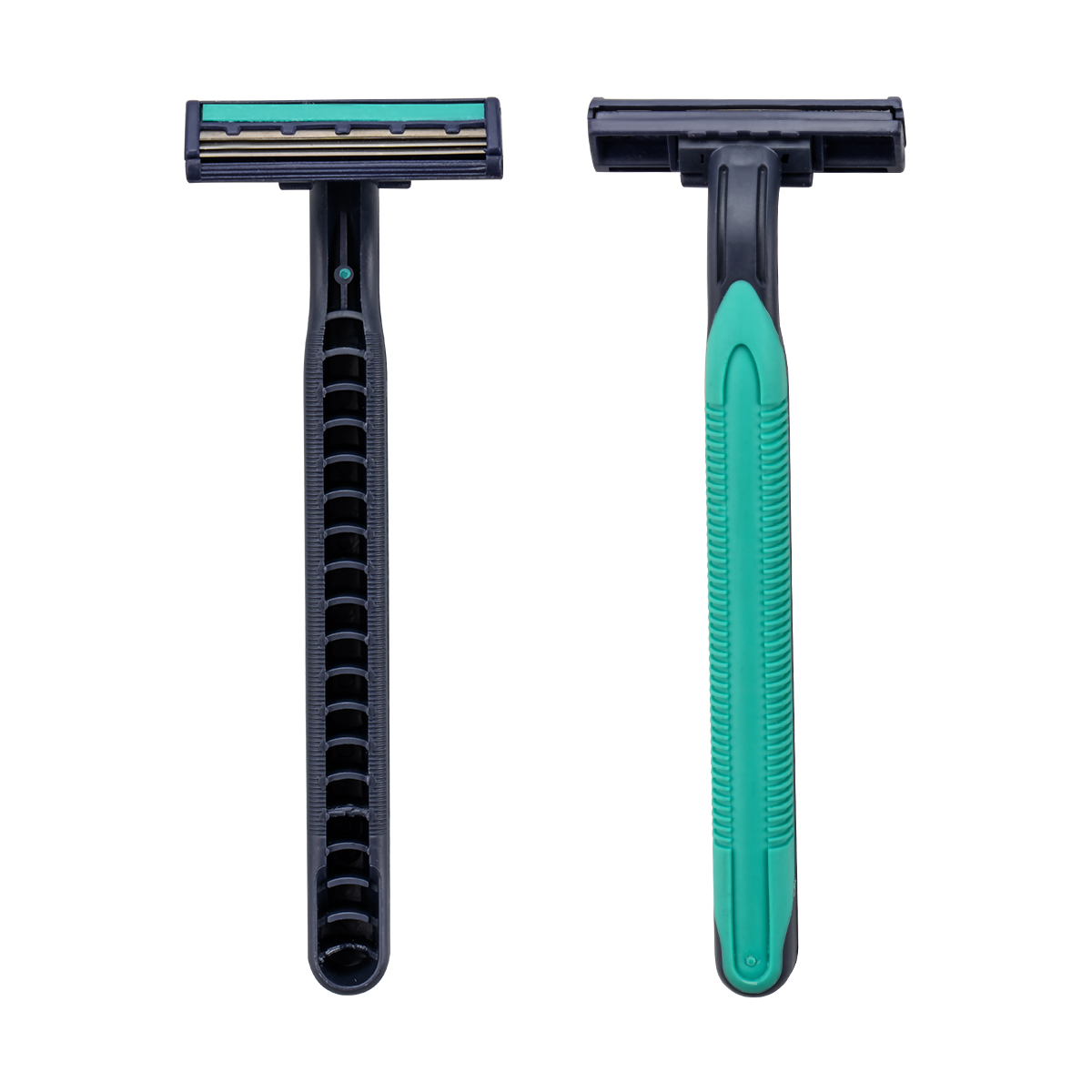
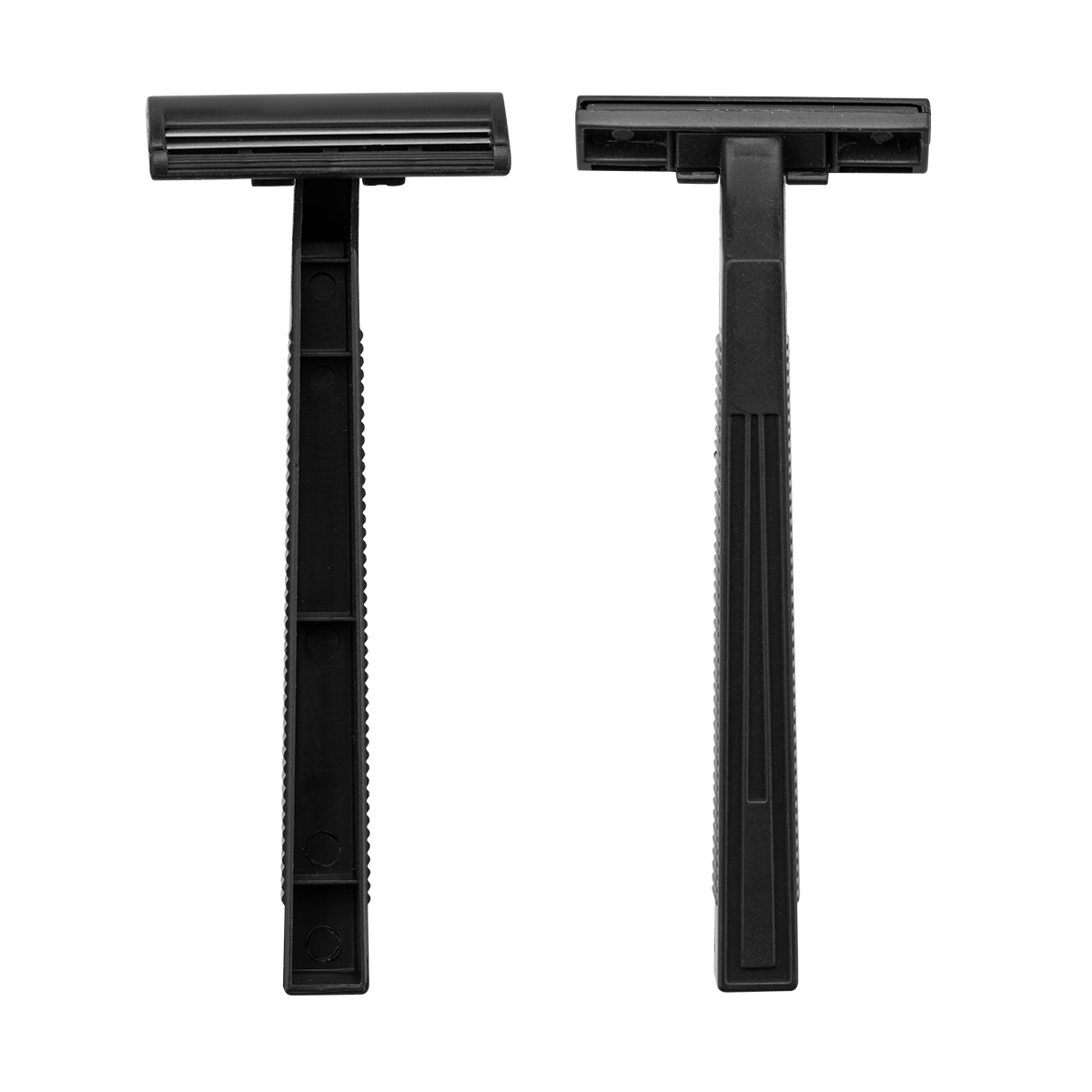
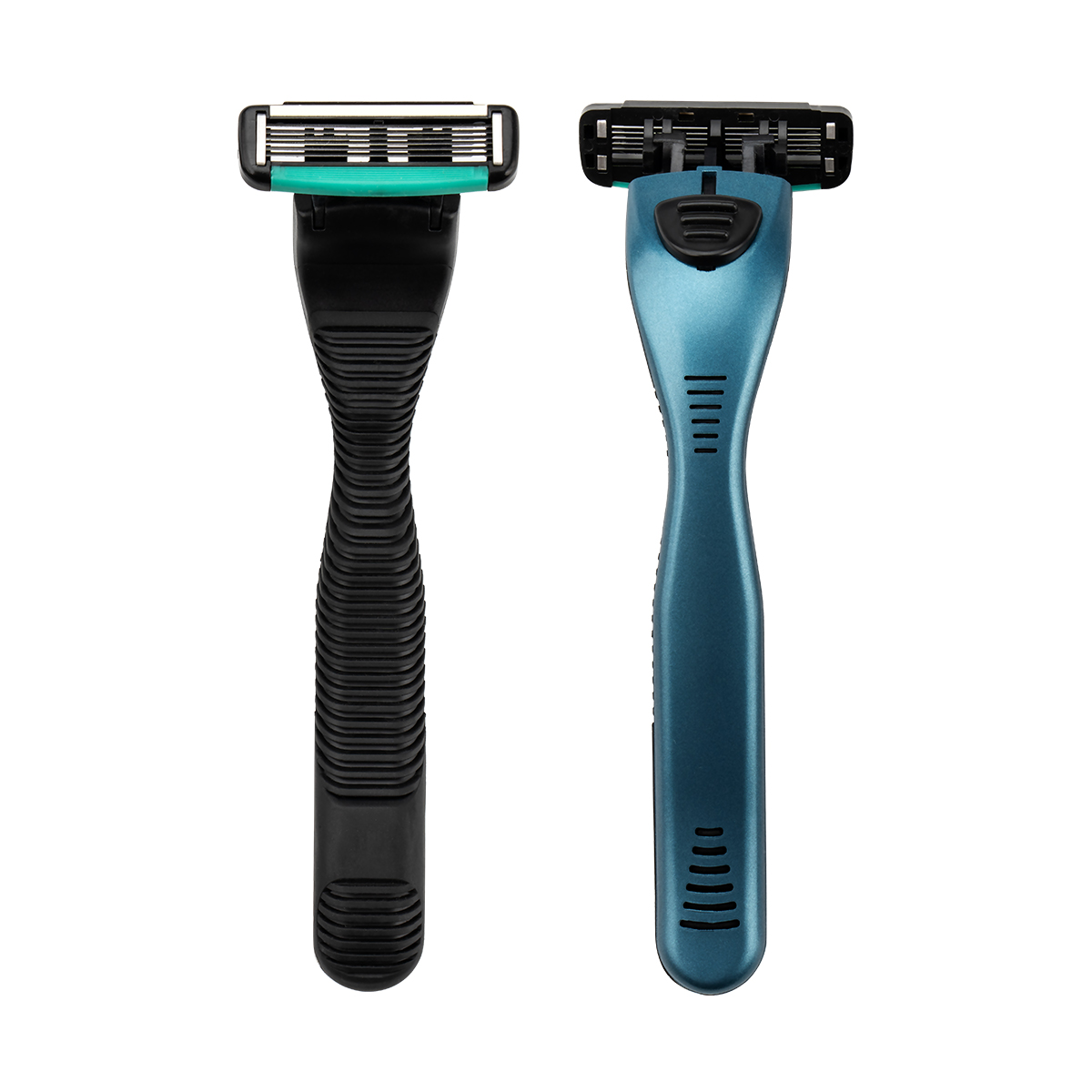
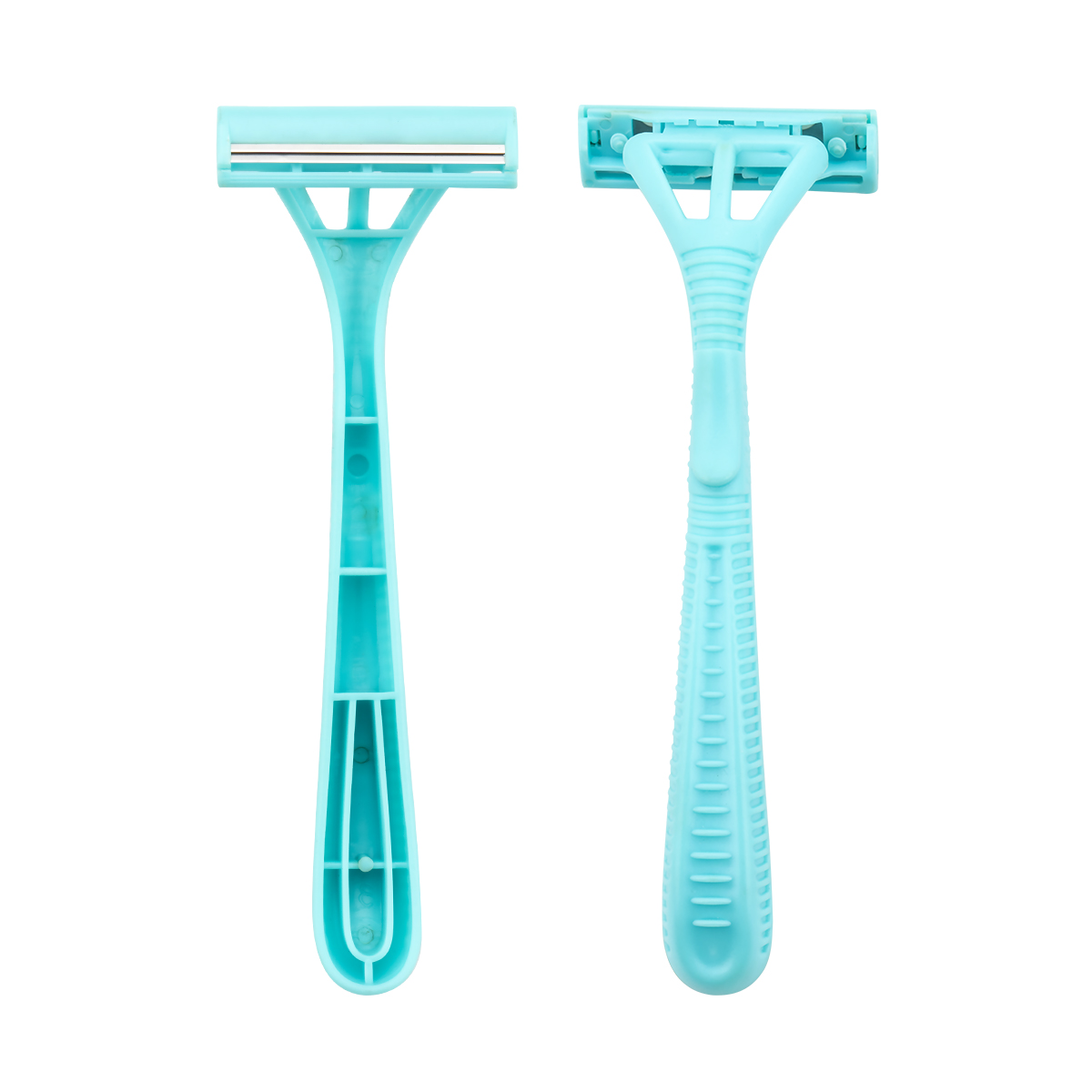
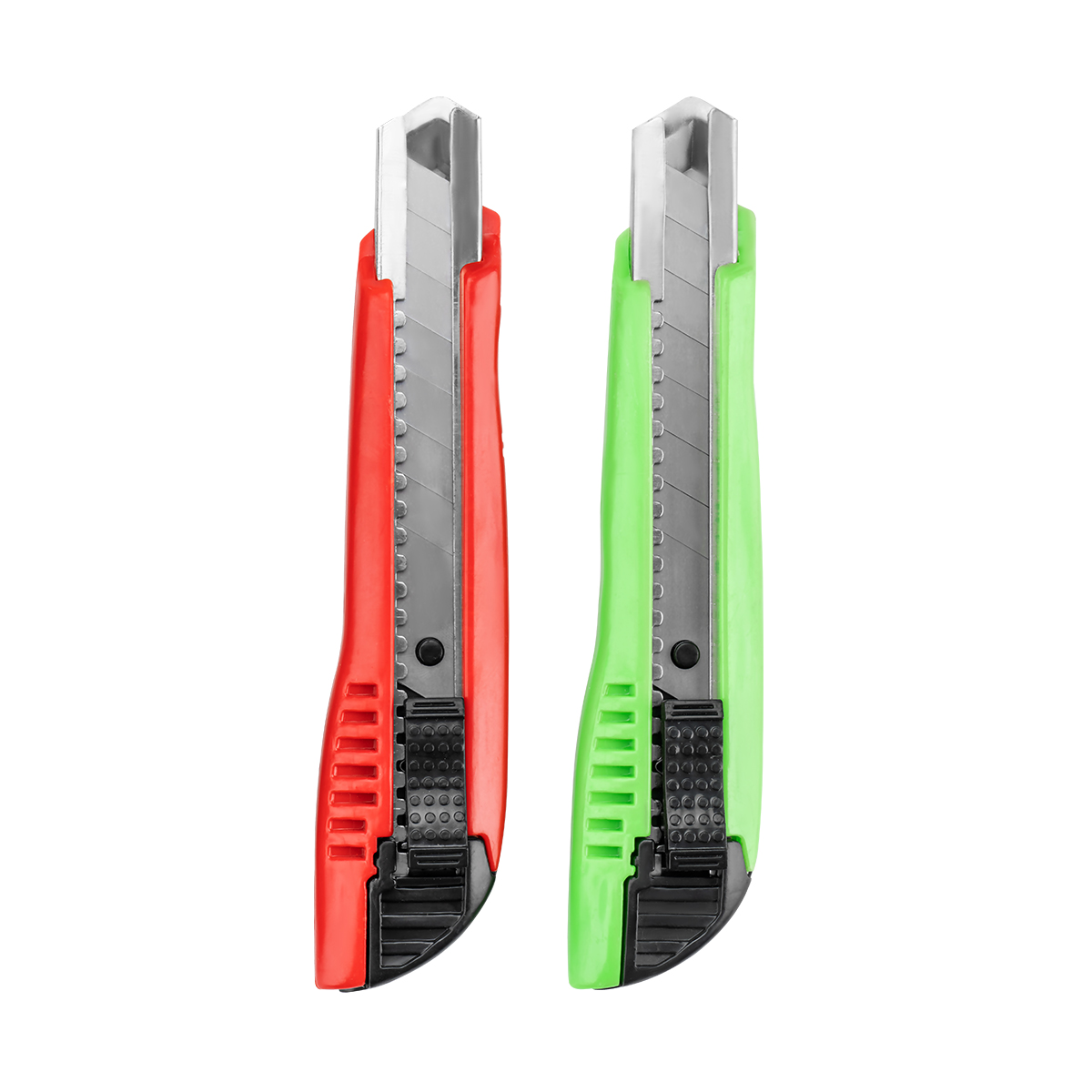
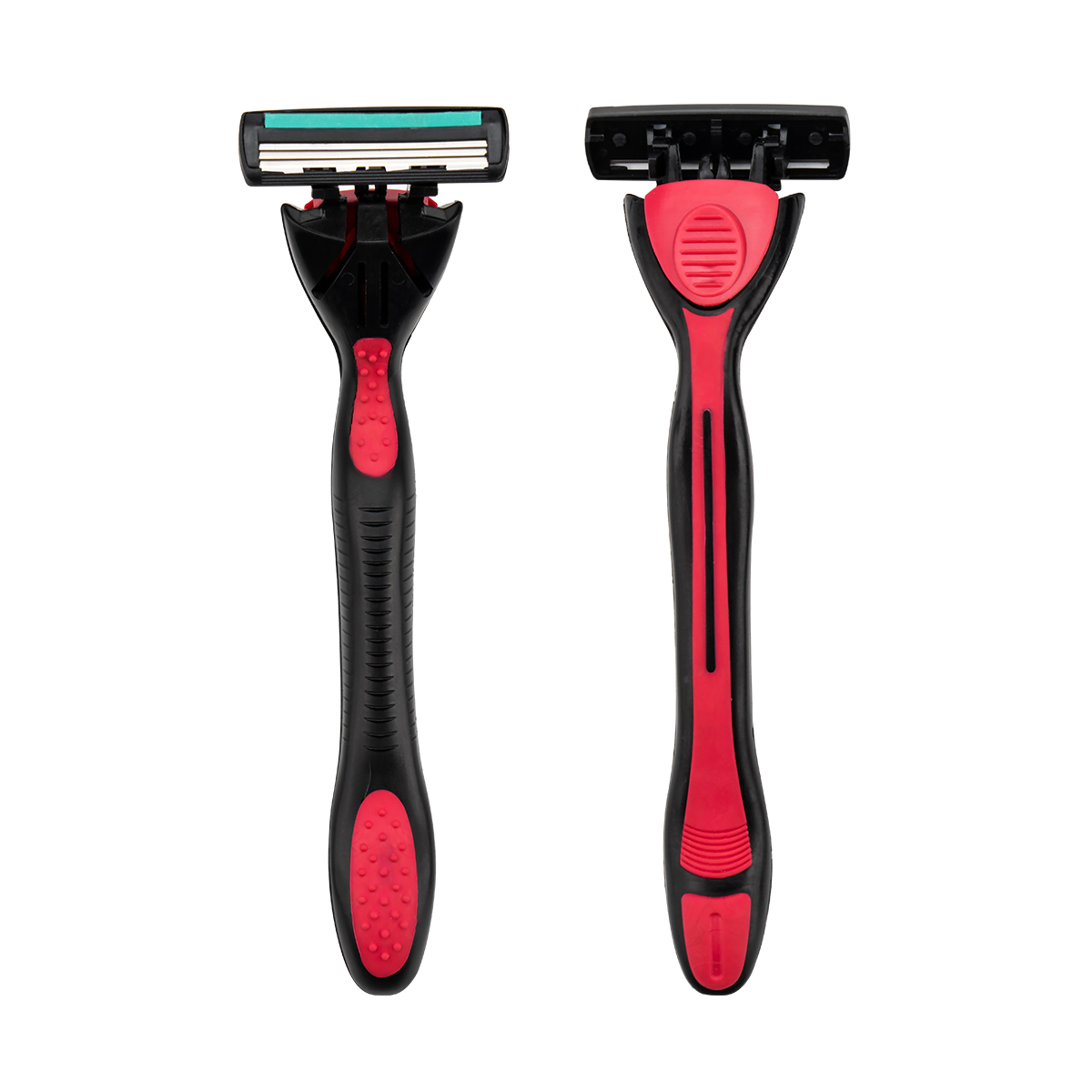

We are an industry and trade enterprise
specializing in the production of disposable razors and utility knives for more than 30 years.
Dry Shaving vs. Wet Shaving — A Professional Analysis of Skin Barrier Protection and Cutting Efficiency
Content
In the realm of female personal care, the debate between Dry Shaving and Wet Shaving remains a central topic. This is not merely a choice of convenience, but a technical decision involving Skin Barrier integrity, hair dynamics, and Razor Longevity. Understanding the core differences between these methods is essential for providing scientific hair removal solutions tailored to different skin types.
Physical Mechanisms: Hair Hydration and Cutting Stress
The core advantage of Wet Shaving lies in using water to fundamentally alter the physical properties of the hair.
Hydration and Cutting Force
When hair is soaked in warm water for approximately three minutes, its hardness decreases by 30% to 60%. Water molecules penetrate the hair fiber, transforming a rigid keratin structure into one that is soft and pliable. When utilizing Shaving Gel or Foam, the Cutting Force required by the blade to shear the hair is significantly reduced. This results in a smoother glide and minimizes the mechanical tugging on the hair follicle.
The Tearing Effect of Dry Conditions
In contrast, Dry Shaving is typically performed on hair in its original, hardened state. The blade encounters much higher resistance, often leading to "tearing" rather than a clean, transverse cut. This mechanical stress is transmitted directly to the follicle root, substantially increasing the risk of Folliculitis compared to wet methods.
Skin Barrier Protection: Managing Friction and Micro-tears
Shaving is more than just hair removal; it is an intrinsic process of physical exfoliation. The environment in which this occurs determines the health of the epidermis.
The Protective Role of Lubricants
During Wet Shaving, a lubricating medium creates a high-molecular-weight film over the skin. This layer effectively reduces the Friction Coefficient, allowing Stainless Steel Blades to glide over the microscopic irregularities of the skin rather than scraping the surface. This mechanism preserves the Stratum Corneum (the outermost layer of skin) and prevents the formation of painful Micro-tears.
Dry Shaving and Trans-epidermal Water Loss
Dry Shaving lacks an intermediate lubricating layer, placing the blade in direct contact with dry corneocytes. This high-friction interaction strips away natural lipids and oils. Frequent or improper dry shaving can lead to a compromised skin barrier, inducing Chronic Dryness and visible Razor Burn.
Performance Comparison: Closeness and Smoothness Duration
For users seeking a "baby-smooth" result, the performance gap between the two methods is measurable and significant.
Expansion Effect for Deeper Cleaning
Wet Shaving is usually performed with warm water, which causes the skin to relax and expand slightly, allowing more of the hair shaft to be exposed. Additionally, multi-blade systems function better in wet environments to facilitate the "Hysteresis" effect—where the first blade pulls the hair and subsequent blades cut it below the skin surface. The result is superior Closeness and a longer-lasting smooth sensation.
Surface-level Results in Dry Environments
Without the softening and expansion provided by water, Dry Shaving can generally only cut hair at or slightly above the skin's surface. For areas with coarse hair, a noticeable Stubble or "sandpaper" feel typically reappears much faster than it would following a proper wet shave.
Economic Factors: Impact on Razor Longevity
From the perspective of consumable costs, the shaving environment dictates the rate of blade degradation.
Rate of Mechanical Wear
Cutting hard, dry hair accelerates Micro-chipping at the blade's edge. This causes the blade to dull much faster than it would under wet conditions. While Dry Shaving avoids the immediate Blade Oxidation (rust) associated with water, the structural damage to the edge is often more severe.
Maintenance and Hygiene
Wet Shaving requires diligent Blade Maintenance. If a razor is not rinsed and dried properly, moisture can lead to bacterial growth and oxidation. However, when maintained correctly, a blade used for wet shaving generally provides a higher number of comfortable shaves than one used exclusively for dry shaving.
Technical Best Practices for Scene Selection
While Wet Shaving offers overwhelming advantages for skin health, Dry Shaving retains value in specific professional and lifestyle scenarios.
Emergency Scenarios
When time is limited or water is inaccessible, dry shaving serves as a rapid solution for localized touch-ups. In these cases, using a razor with a specialized Protective Guard is recommended to mitigate friction.
Optimal Practice
The most professional recommendation is to perform Wet Shaving at the end of a shower when hair hydration is at its peak. Combining this with products containing Moisturizing Agents ensures the optimal balance between Sensitive Skin protection and maximum Closeness.
Recommended Product
Recommended News

Keep In Touch
 No. 2-2, Oufu Road, Zhangting Town, Yuyao City, Ningbo City, Zhejiang, China.
 +86-574-87560886/87560055
 +86-574-87560885
Copyright © Ningbo Chuangxin Cutting-Tool Manufacture Co., Ltd.
