

 English
 中文简体
中文简体 русский
 Español


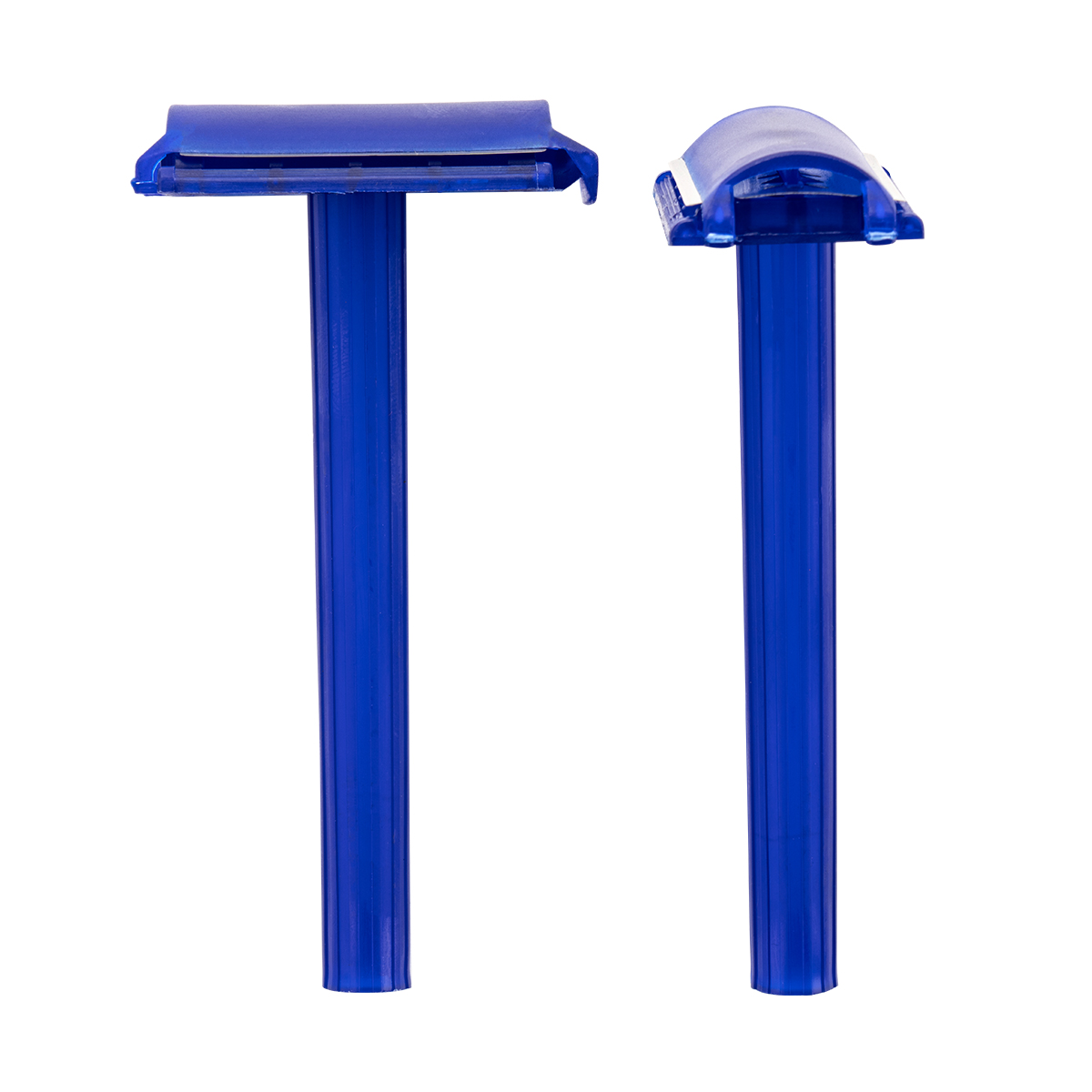
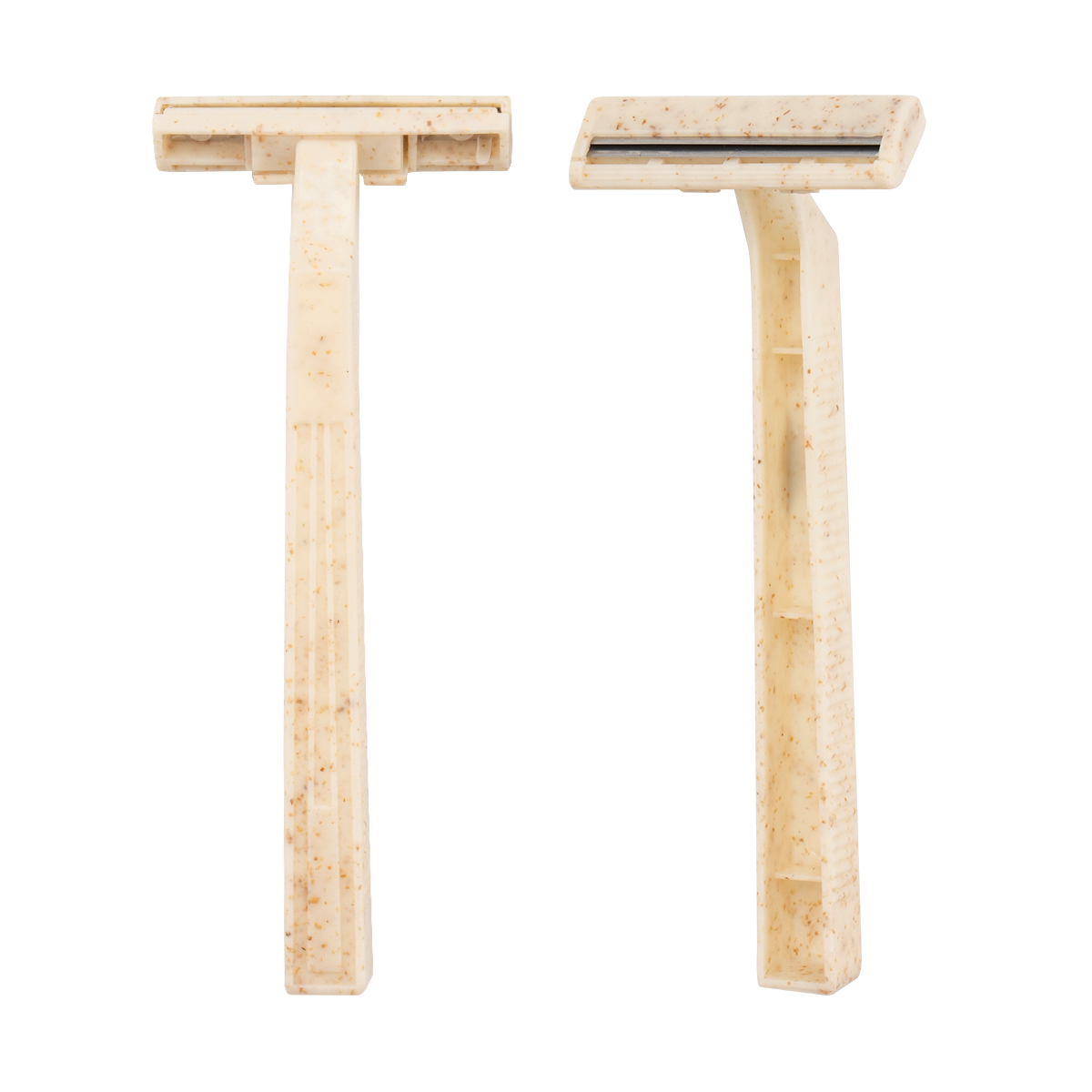

We are an industry and trade enterprise
specializing in the production of disposable razors and utility knives for more than 30 years.
What Kind Of Razor Can I Bring On A Plane Without Airport Trouble
Content
- 1 Airport Security Standards and What Kind Of Razor Can I Bring On A Plane
- 2 Structural Anatomy of a Travel Disposable Manual Shaver
- 3 Dimension Specifications for Carry-On Compatibility
- 4 Blade Technology and Shaving Performance
- 5 Material Composition and Skin Compatibility
- 6 Comparative Overview of Common Shaving Formats
- 7 Manufacturing Standards and Quality Control
- 8 Color Options and Custom Printing on the Handle
- 9 Everyday Use Cases Beyond Air Travel
- 10 Packaging Formats and Order Planning
- 11 Maintenance Tips While Traveling
- 12 Frequently Asked Questions About Carrying a Razor on a Flight
- 13 Product Reference: CX-T22 Travel Disposable Razor
Anyone preparing a carry-on bag for a flight eventually runs into the same question: what kind of razor can I bring on a plane without triggering a second look at the security checkpoint? For frequent flyers, hotel staff, gym-goers, and outdoor travelers, a travel disposable razor answers that question directly. Because the blade sits inside a sealed plastic head rather than an exposed metal edge, this category of product is generally treated as a standard personal-care item rather than a restricted sharp object. This section breaks down the engineering, materials, dimensions, and manufacturing detail behind travel disposable manual shaver razors, so buyers understand exactly what they are sourcing before placing a production order.
Airport Security Standards and What Kind Of Razor Can I Bring On A Plane
Airport security screening rules differ slightly by country and by carrier, but the underlying logic is consistent across most checkpoints. Items with an exposed, removable, or replaceable blade attract additional scrutiny because the metal edge can be separated from its housing. A travel disposable razor is built the opposite way: the twin stainless steel blades are permanently sealed inside a molded plastic guard, with only a narrow shaving slot exposed. There is no cartridge to pop out, no screw to loosen, and no blade to slide free. That single structural difference is why disposable razors are almost always accepted in carry-on luggage where cartridge razors with detachable heads sometimes are not.
Typically Accepted
Sealed-head disposable razors with fixed twin blades, plastic safety guards, and no removable cartridge component.
Often Flagged
Straight razors, open metal blades, and multi-blade cartridge systems where the head detaches freely from the handle.
Best Practice
Keep the razor in its original packaging or a clear pouch so screening staff can visually confirm the sealed-head design in seconds.
Beyond the legal side of screening, there is also a practical packing argument for choosing a travel disposable razor over a full shaving kit. A traditional safety razor requires a protective case, spare blades, and often a small drop of oil to prevent rust during transit. A disposable unit needs none of that. It goes in, gets used, and gets discarded at the destination, which is exactly why hotel amenity programs and short-haul business travelers have leaned toward this format for decades.
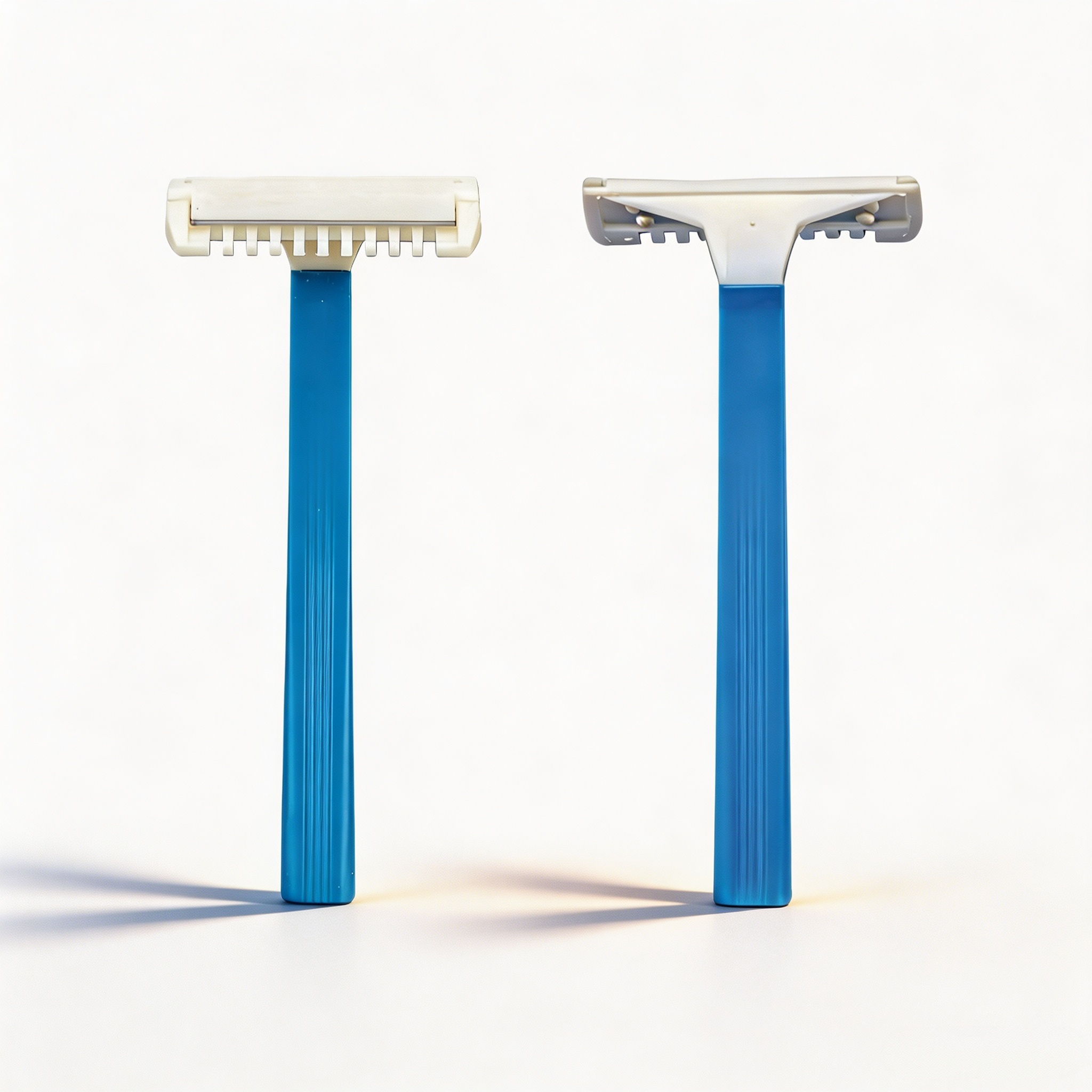
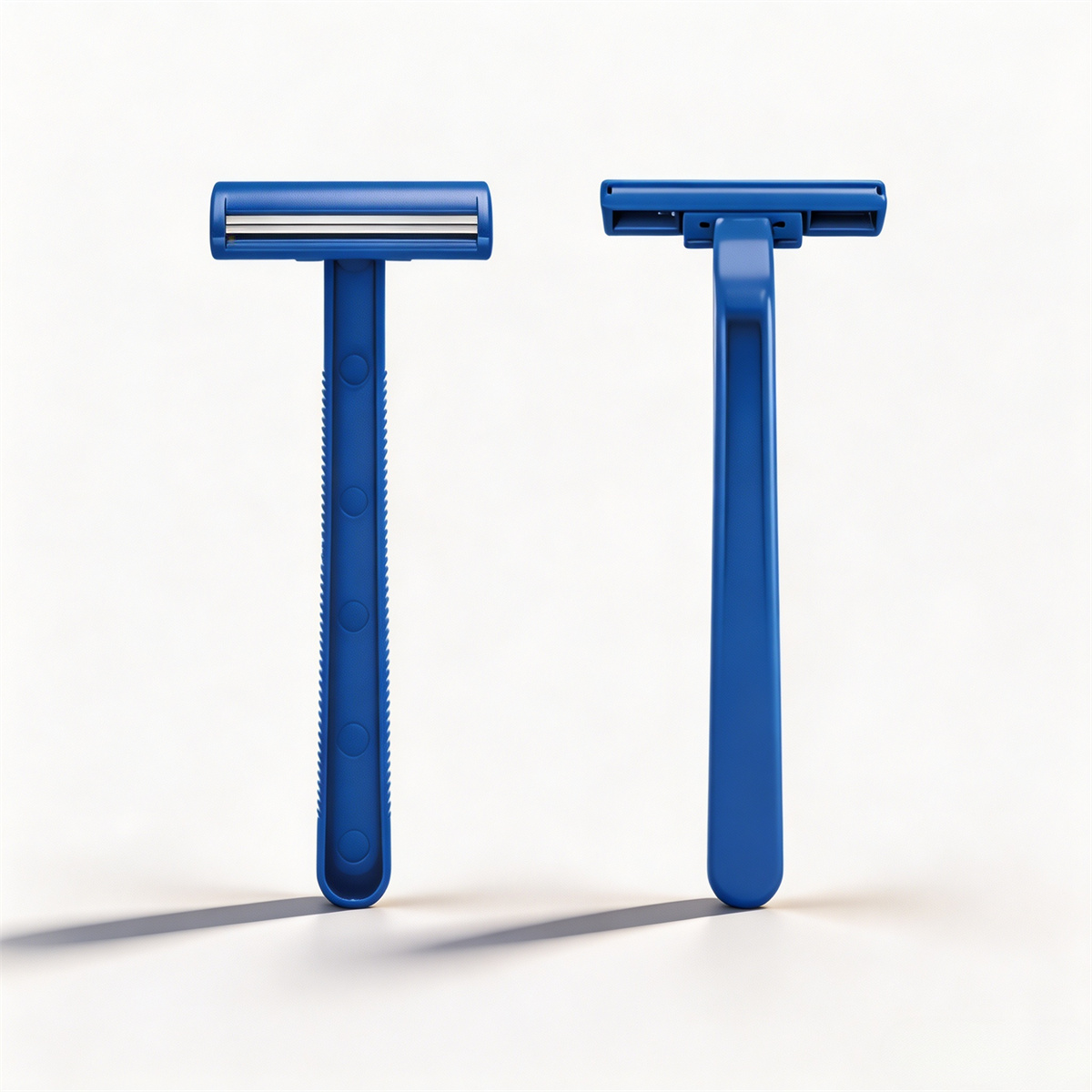
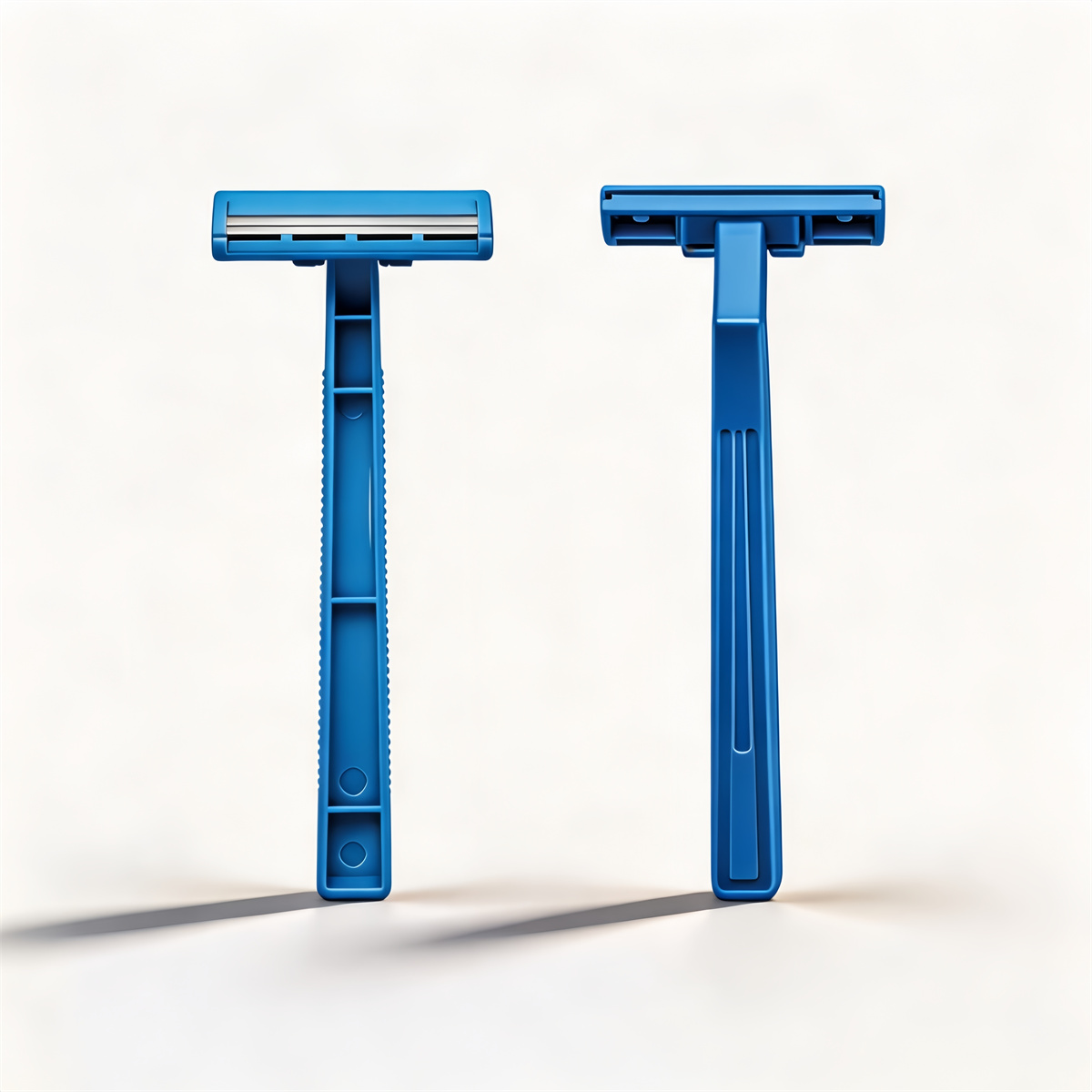
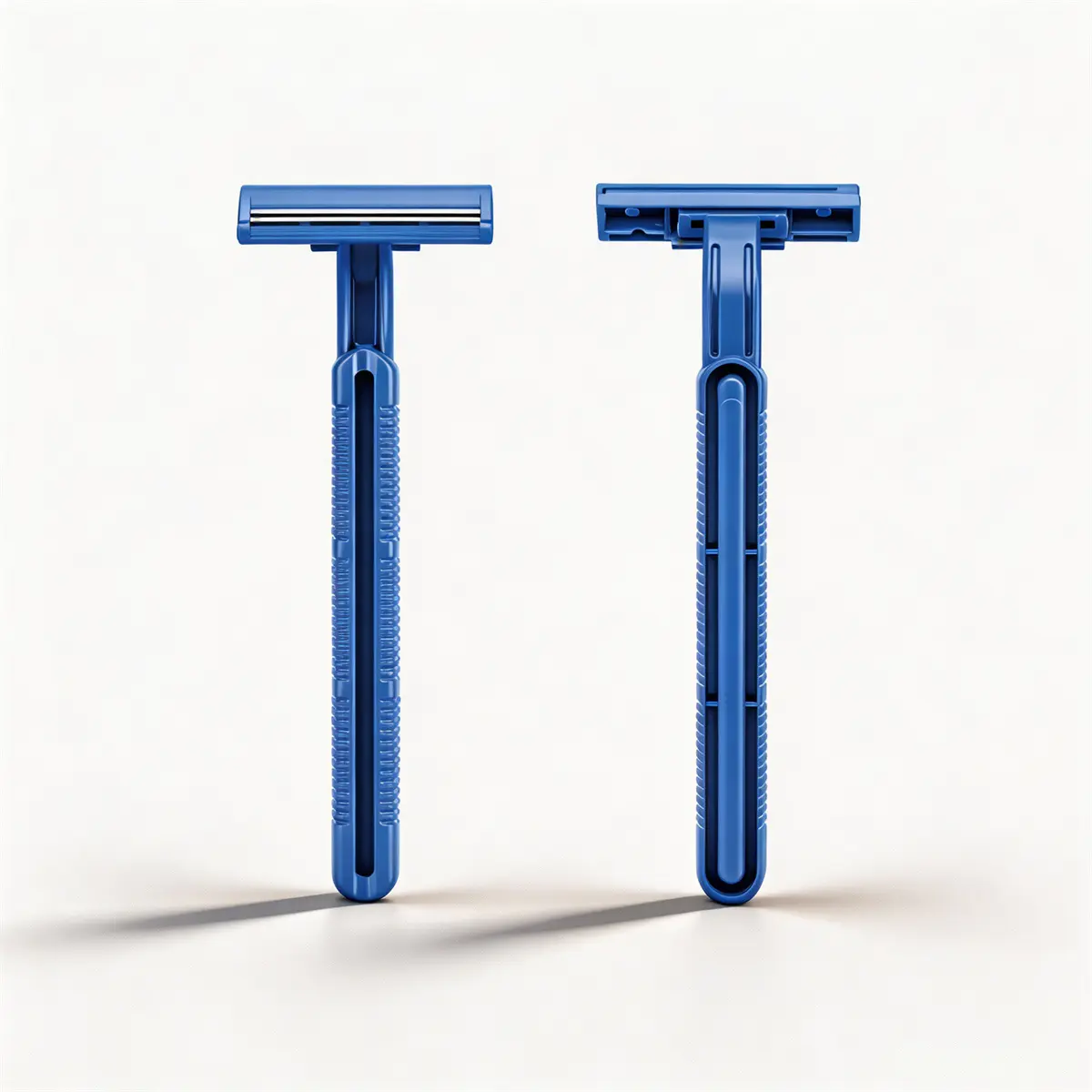
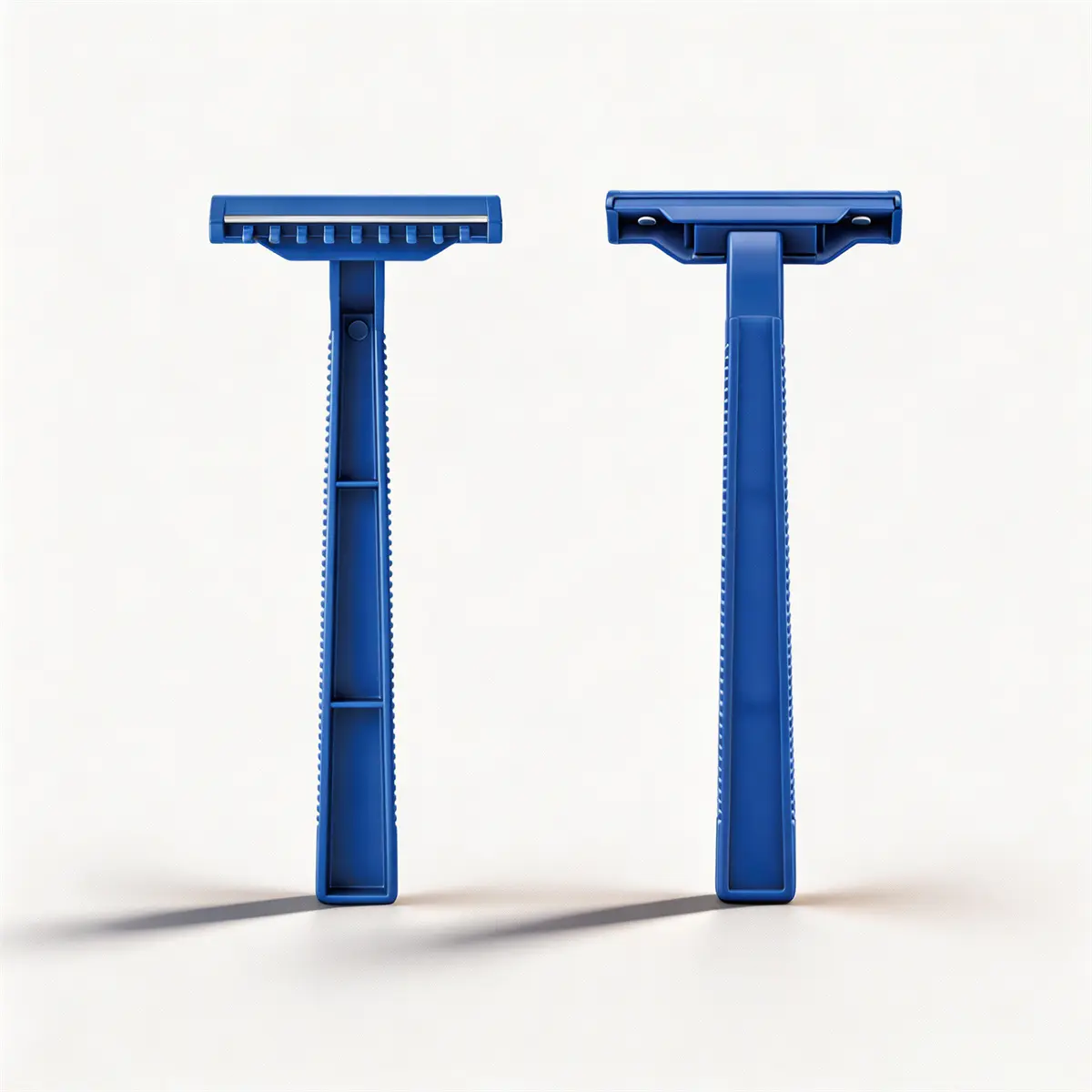
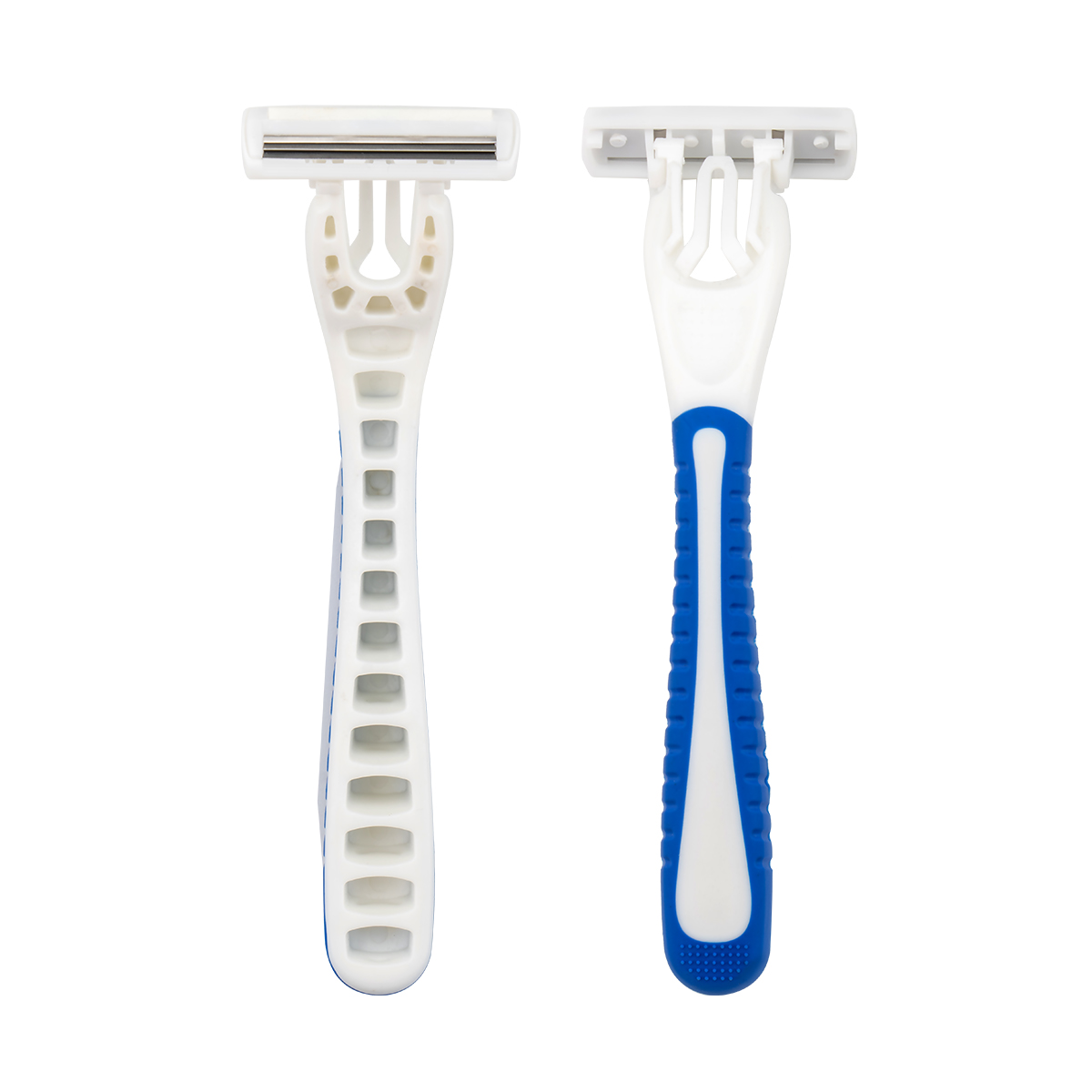
Two production samples of a travel disposable razor, showing the sealed twin-blade head and tapered handle used across the CX-T22 line.
Structural Anatomy of a Travel Disposable Manual Shaver
Understanding the anatomy of the product helps buyers evaluate quality before a single unit reaches a customer's hand. Four components make up nearly every unit in this category, and each one has a direct impact on shaving comfort, safety, and shelf presentation.
Fixed Head
Injection-molded polypropylene housing that permanently locks the blade assembly in place, preventing separation during handling or transit.
Twin Blade Set
Two stainless steel blades mounted at a slight offset so the first blade lifts the hair and the second completes a closer pass in one stroke.
Guard Comb Teeth
Small comb-like ridges along the head guide hair into the cutting slot and reduce direct skin contact with the blade edge.
Anti-Slip Handle
A tapered, ribbed handle shaped for a stable grip even when wet, minimizing the chance of the razor slipping during use.
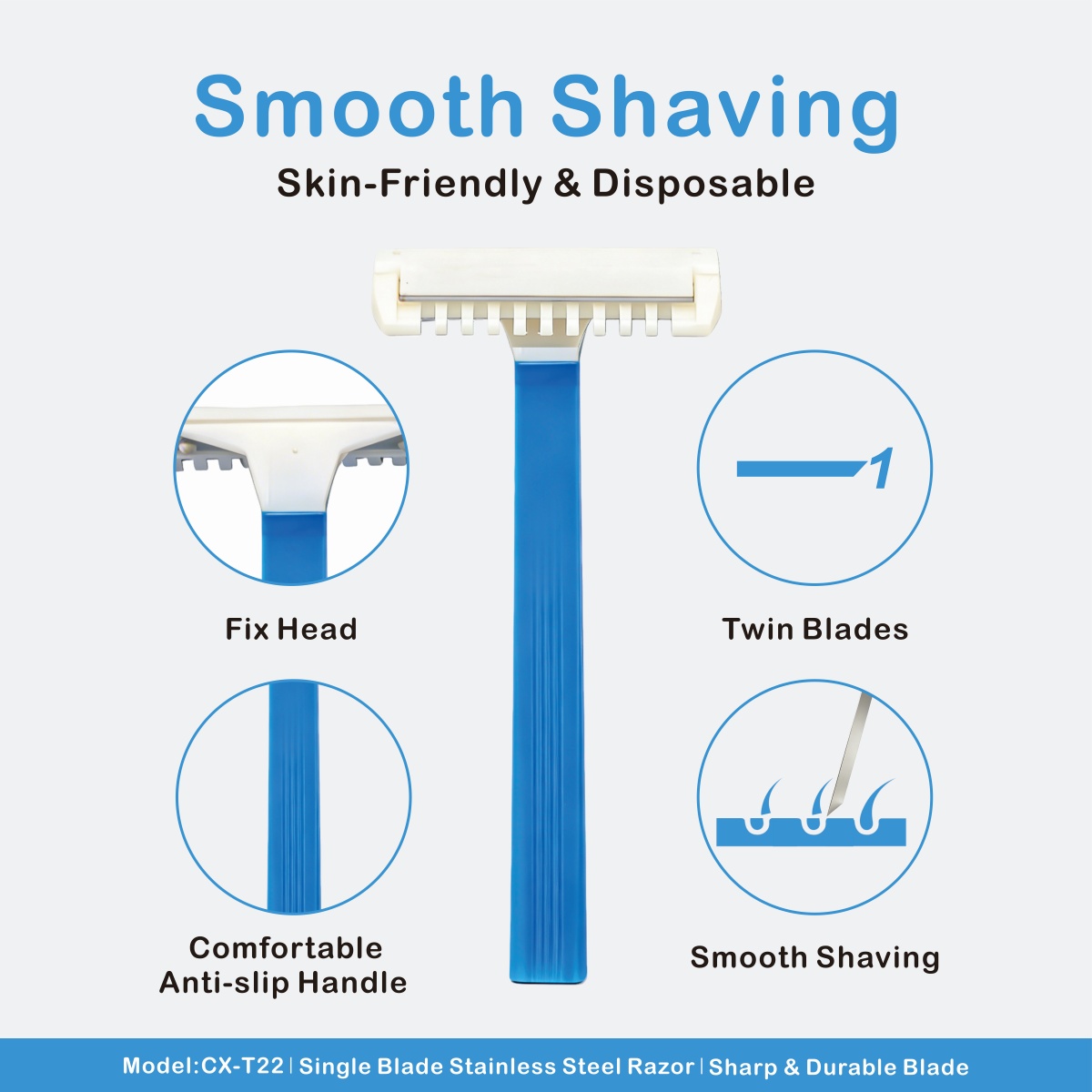
Component labeling for the CX-T22 single blade stainless steel razor: fix head, twin blades, anti-slip handle, and smooth-shaving guard teeth.
The interaction between these four parts is what determines whether a shave feels smooth or leaves irritation behind. A poorly aligned blade offset causes tugging rather than cutting, while an oversized comb gap lets hair slip past uncut. Reputable production lines test blade offset tolerance and comb spacing on every mold cycle, not only on the first sample approval, because injection molds can drift slightly after tens of thousands of shots.
Dimension Specifications for Carry-On Compatibility
Size matters as much as blade quality when a razor is meant to travel. A unit that is too long will not sit flat in a toiletry pouch, and a head that is too wide will not fit into narrow packaging trays used for hotel amenity kits. The standard body length for this product line measures 10cm, with a head width of 4.7cm, dimensions chosen specifically to slide into standard 20cm and 23cm toiletry bags without bending or catching on a zipper.
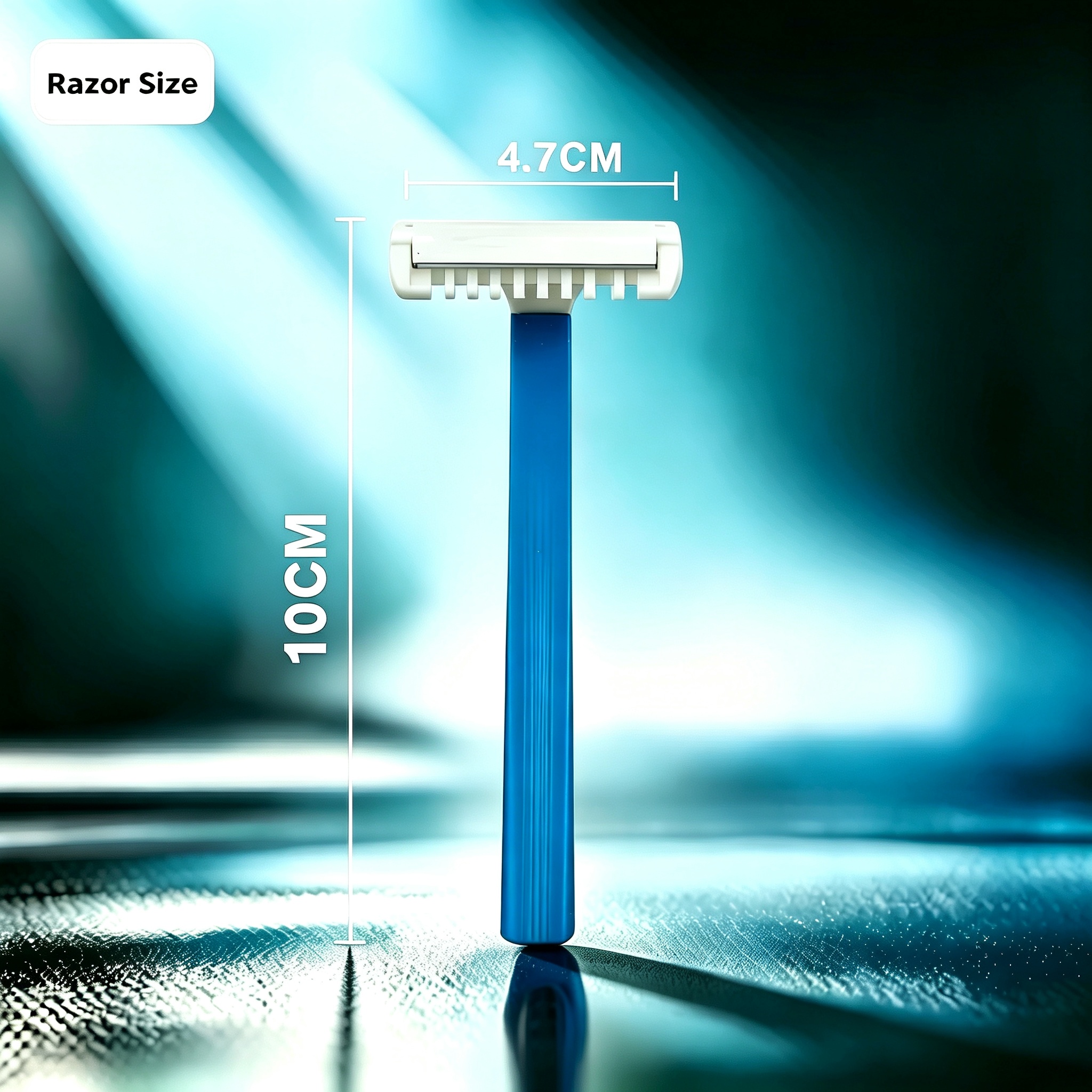
Measured dimensions of the travel disposable razor: 10cm overall length and 4.7cm head width.
Dimension Comparison Across Common Razor Formats (cm)
Values are approximate averages used for packaging and carry-on space planning, not a guarantee of any single retail unit.
This compact footprint is one of the strongest selling points of a travel disposable razor program. Because the handle tapers rather than staying uniform width, several units can be packed side by side in a shipping tray without wasted air space, which also lowers freight volume for large production runs.
Blade Technology and Shaving Performance
The twin-blade layout is the core performance feature of this product family. The leading blade catches hair that stands away from the skin, while the trailing blade shaves it closer to the follicle before it has a chance to retract. This two-stage cutting action is why twin-blade disposables typically outperform single-blade designs on smoothness while remaining far gentler on skin than four- or five-blade cartridge systems, which can increase the risk of ingrown hairs on sensitive areas.
Illustrative Shaving Comfort Curve Across a Single Blade Lifecycle
First Use Mid Cycle Recommended Replacement
General comfort trend for a single disposable head across repeated shaves, illustrating why a fixed, non-reusable head design suits short-term or travel use rather than extended daily rotation.
Because the blade head on a disposable unit is sealed rather than replaceable, the product is intentionally designed around a single-use or short-trip lifecycle. This is precisely what makes it suitable for a weekend trip, a hotel stay, or a gym bag, where the razor is expected to deliver a clean shave a handful of times rather than serve as a long-term daily tool.
Material Composition and Skin Compatibility
Material selection directly affects both shaving comfort and manufacturing cost control. The blade set is produced from cold-rolled stainless steel, chosen for corrosion resistance during storage and shipping, and ground to a fine edge angle that balances sharpness with durability. The head housing and handle are molded from food-grade polypropylene, a material that resists cracking under repeated flexing and does not leach coloring agents when exposed to water and shaving foam.
Stainless Steel Blades
Resistant to surface rust during transit and warehouse storage, holding edge sharpness through a typical multi-use cycle.
Polypropylene Head Guard
Smooth, rounded edges around the cutting slot reduce direct skin friction and lower the chance of nicks on curved areas.
Colorant-Safe Handle
Pigments used in the blue and gold handle finishes are sealed within the plastic resin rather than surface-coated, preventing color transfer to skin.
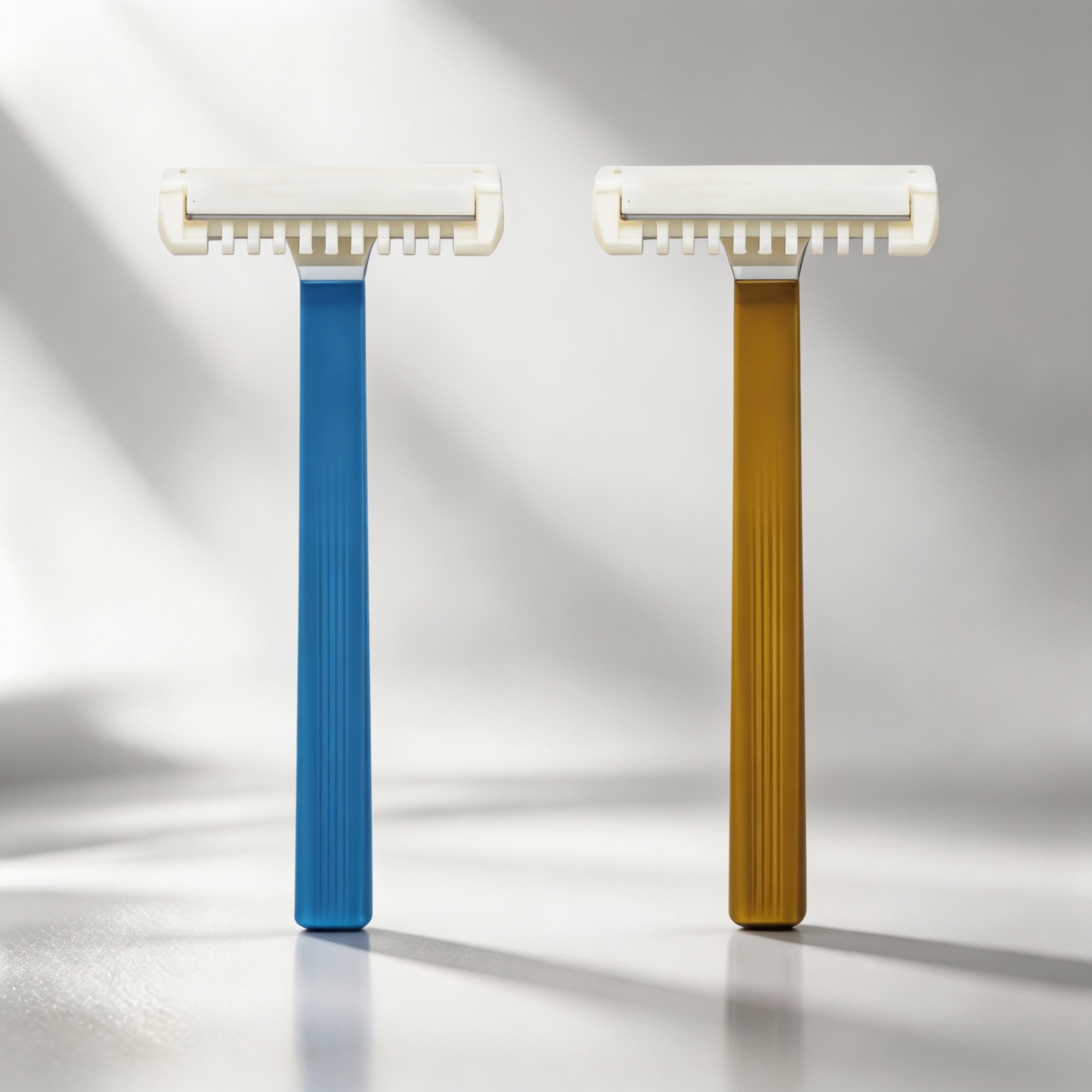
Standard handle color options for the travel disposable razor line, shown side by side in blue and gold finishes.
Comparative Overview of Common Shaving Formats
| Attribute | Travel Disposable Razor | Cartridge Razor | Electric Shaver |
| Head Structure | Fixed, sealed, non-removable | Detachable, interchangeable | Rotary or foil, fixed unit |
| Carry-On Acceptance | Generally accepted | Usually accepted, occasional review | Accepted, requires charging cable |
| Maintenance Needed | None, single or short-cycle use | Regular blade replacement | Periodic cleaning and charging |
| Water Dependency | Requires water and lather | Requires water and lather | Can be used dry |
| Typical Weight | Lightweight, single piece | Moderate, metal handle common | Heavier, battery included |
| Storage Footprint | Minimal, no case required | Requires blade guard or case | Requires charging dock or cable pouch |
Manufacturing Standards and Quality Control
Consistency across large production volumes is where a dedicated manufacturing line separates reliable supply from unpredictable supply. Blade grinding, plastic molding, and final assembly are three separate stages that each require independent quality checks. Blade sharpness is measured on sample batches using cutting-force testing rather than visual inspection alone, since edge angle deviations of even a few degrees are not visible to the naked eye but noticeably change shaving feel.
Blade Grinding Control
Edge angle and burr height are checked at set sampling intervals during continuous grinding runs to catch drift before it reaches finished stock.
Mold Cavity Monitoring
Injection mold cavities are inspected on a rotation schedule to confirm the guard teeth spacing and handle taper stay within tolerance across long runs.
Assembly Line Checks
Blade-to-guard alignment is verified on the assembly line so the cutting slot exposure remains uniform from the first unit to the last unit in a batch.
Finished Goods Sampling
Random units are pulled from packaged cartons for a final functional pass before goods are released to the warehouse for outbound shipment.
Color Options and Custom Printing on the Handle
Beyond functional performance, handle presentation matters for hospitality programs, promotional giveaways, and travel kit branding. The handle surface can carry printed text or logos along the flat section below the head, giving buyers a way to add a name mark without altering the mold tooling used for the blade housing itself.
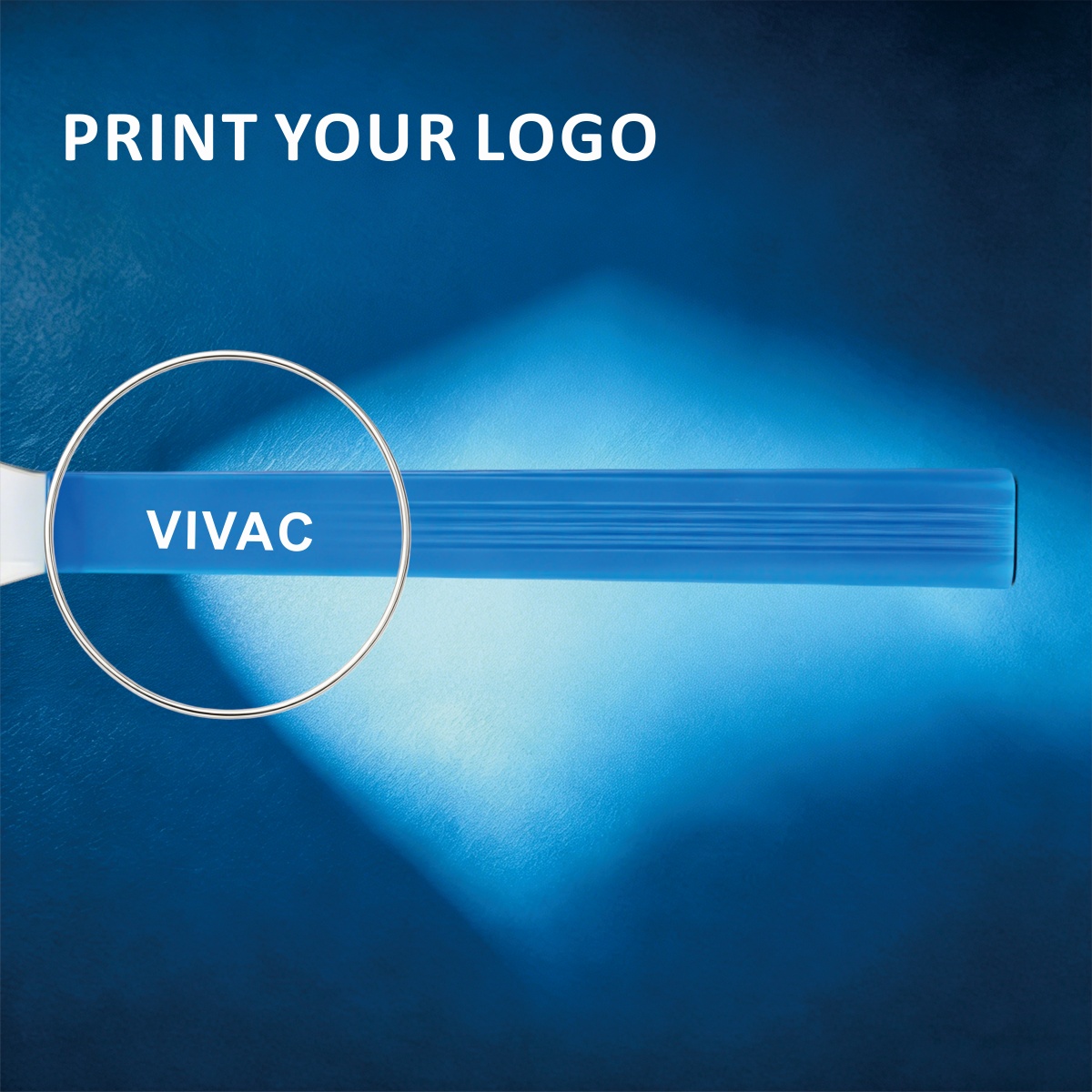
Handle printing example showing custom text applied to the flat panel of the razor grip.
Standard Handle Colors
Blue and gold are the most requested finishes, chosen for strong contrast against the white blade head under retail lighting.
Custom Text Printing
Text or short marks can be applied along the handle without changing the razor's structural mold, keeping production timelines short.
Packaging Coordination
Printed handles can be matched to coordinated carton or blister packaging for a consistent presentation across a full travel kit.
Everyday Use Cases Beyond Air Travel
While the flight-friendly design is the most searched-for benefit of this product, the same qualities that make it easy to carry through security also make it useful in a wider range of daily situations.
Hotel Amenity Programs
Single-use packaging fits guest bathroom trays and eliminates the need for guests to bring their own shaving tools.
Gym and Locker Room Use
Compact size fits gym bags for a quick shave before or after a workout without carrying a full shaving kit.
Outdoor and Camping Trips
No charging requirement and no rust-prone exposed blade make it practical for multi-day outdoor use away from power outlets.
Short Business Trips
Fits into a carry-on toiletry pouch alongside other short-trip essentials without adding case weight or bulk.
Packaging Formats and Order Planning
Packaging choice affects both shelf presentation and shipping efficiency. Bulk carton packing suits hospitality and hotel supply programs where units are distributed individually to guests, while blister card packaging suits retail-facing display. Bagged multi-packs work well for travel kit assembly, where several units are bundled with other short-trip personal care items. Choosing the right format early in production planning reduces repackaging steps later and keeps freight volume calculations accurate.
Bulk Carton Packing
Efficient for hospitality distribution where individual units are handed out separately per guest room or stay.
Blister Card Packaging
Suited to retail shelf display with printed branding visible through the clear card front.
Multi-Pack Travel Bags
Useful for bundling several razors with other short-trip personal care items into one combined travel set.
Maintenance Tips While Traveling
Even though a travel disposable razor is not designed for indefinite reuse, a few habits extend comfortable performance across a short trip. Rinsing the head thoroughly after each shave prevents dried lather buildup between the guard teeth, which can dull cutting performance on the next use. Storing the razor in a dry section of a toiletry pouch, rather than a damp pocket next to a wet towel, reduces the chance of premature blade dulling from trapped moisture. Avoiding pressure on the head when packing prevents the guard teeth from bending, which can change how hair is guided into the cutting slot.
Frequently Asked Questions About Carrying a Razor on a Flight
What Kind Of Razor Can I Bring On A Plane in a carry-on bag?
A sealed-head disposable razor with fixed twin blades is the format most consistently accepted in carry-on luggage across major airports.
Is a travel disposable razor allowed in checked luggage as well?
Yes, sealed-head disposable razors are typically permitted in both carry-on and checked bags without additional restriction.
Can a cartridge razor head be removed before a flight to avoid issues?
Removing the head does not resolve the concern, since a loose blade cartridge is generally treated as an exposed blade rather than a sealed unit.
How many uses does one disposable head typically support?
Comfort gradually decreases over repeated shaves, which is why the format is best suited to a single trip rather than long-term daily use.
Product Reference: CX-T22 Travel Disposable Razor
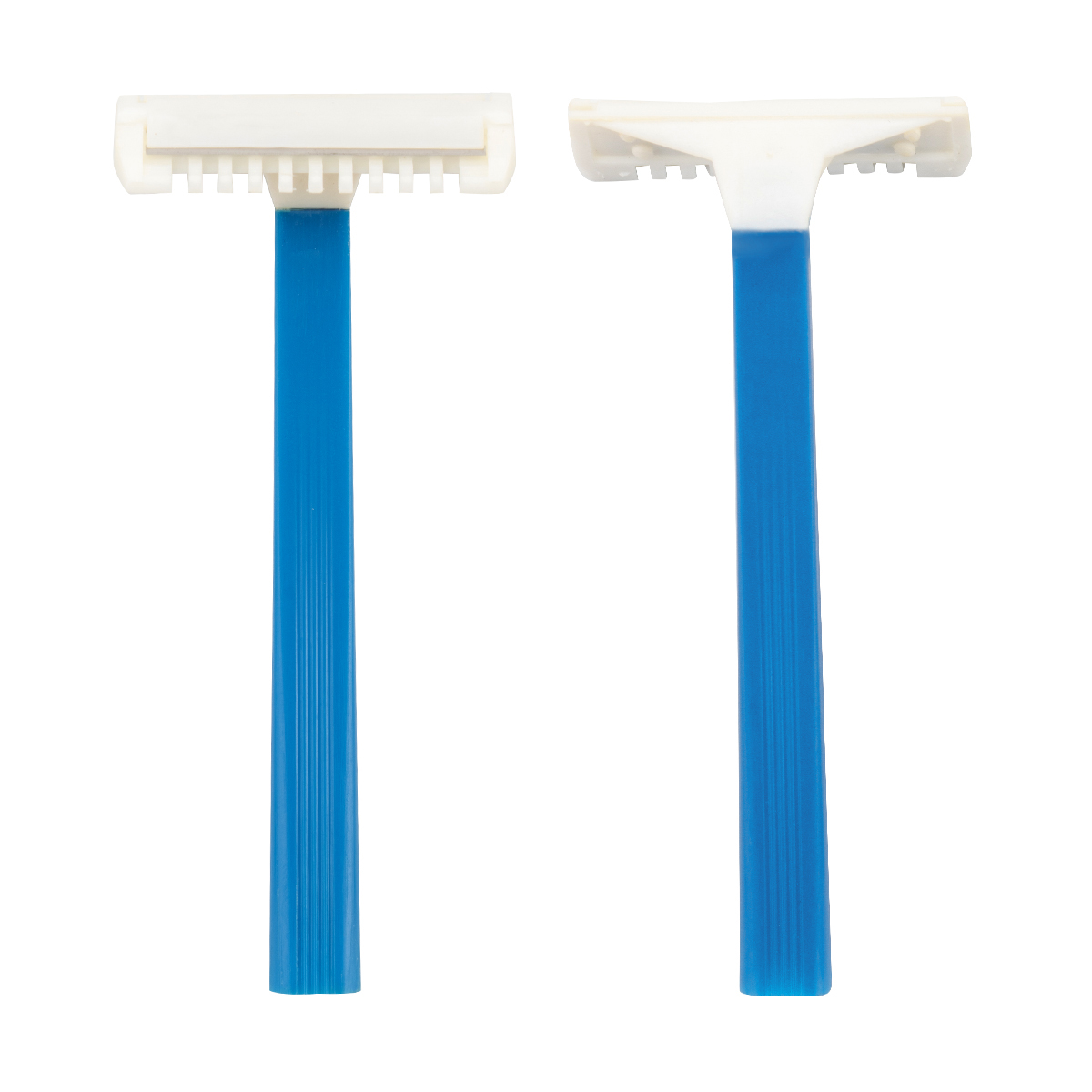
CX-T22 Single Blade Stainless Steel Razor
- Overall length: 10cm
- Head width: 4.7cm
- Blade type: Twin stainless steel blades
- Handle finish: Blue or gold anti-slip grip
- Printing option: Custom handle text available
- Format: Fixed head, non-removable, sealed guard
Recommended Product
Recommended News

Keep In Touch
 No. 2-2, Oufu Road, Zhangting Town, Yuyao City, Ningbo City, Zhejiang, China.
 +86-574-87560886/87560055
 +86-574-87560885
Copyright © Ningbo Chuangxin Cutting-Tool Manufacture Co., Ltd.
