

 English
 中文简体
 русский
 Español


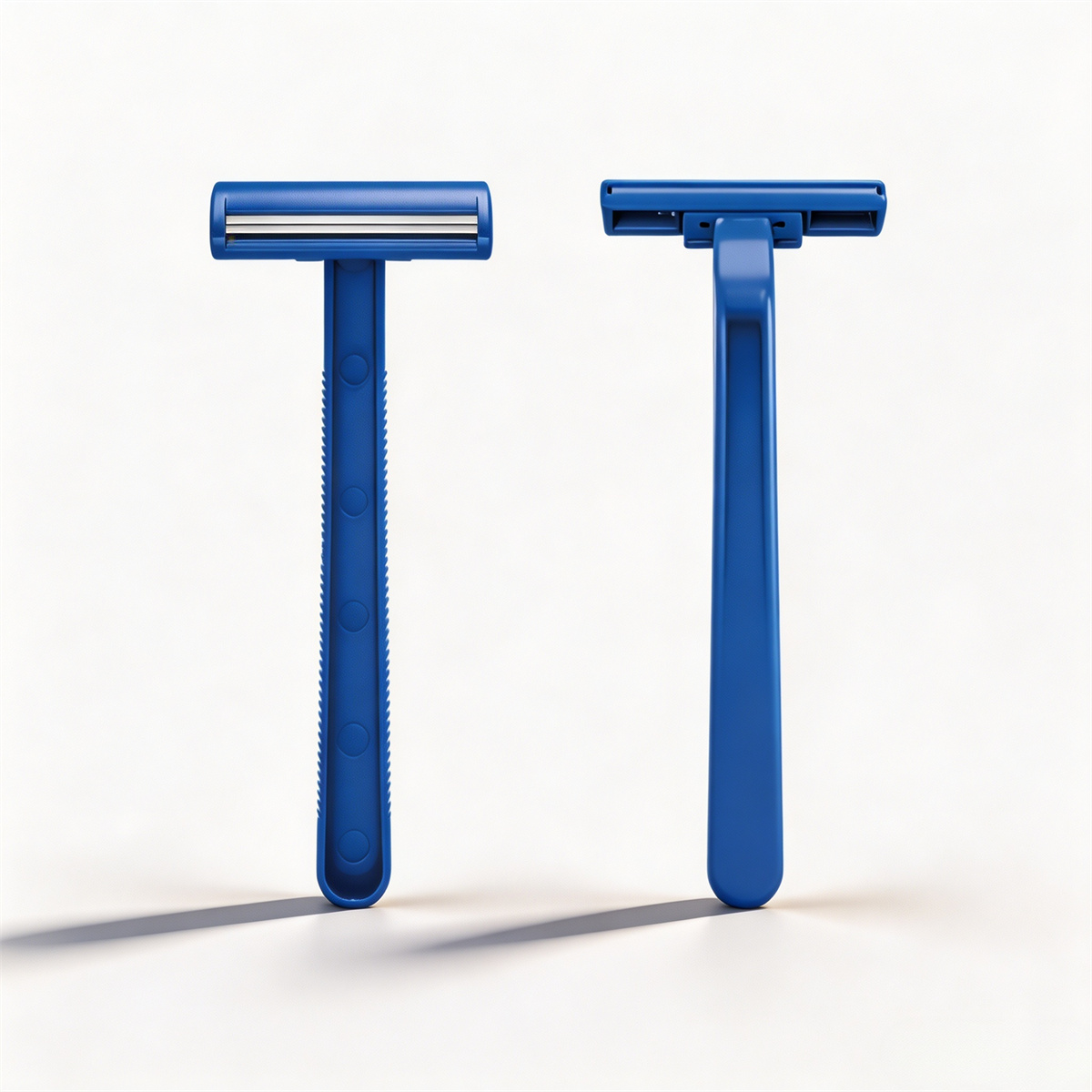
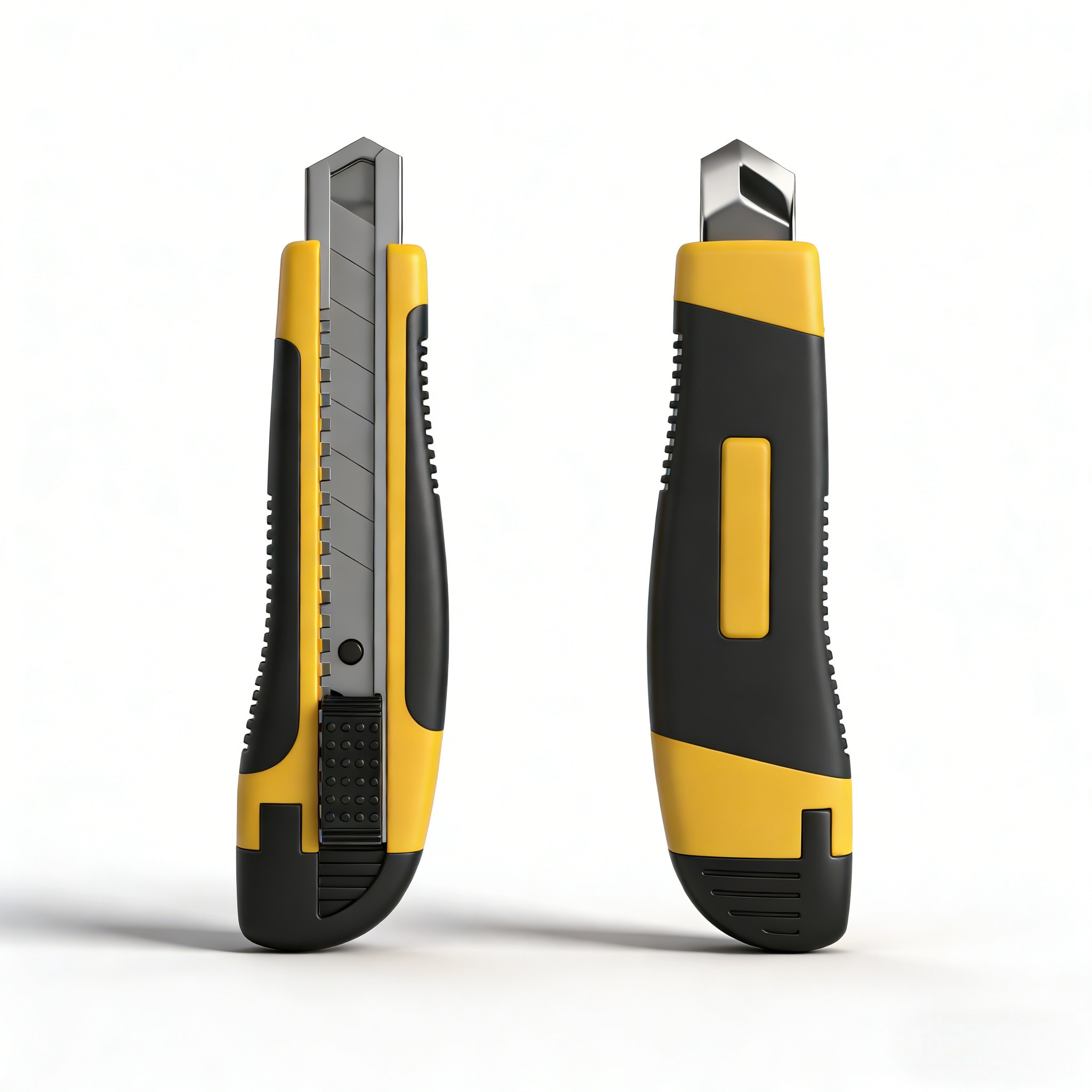
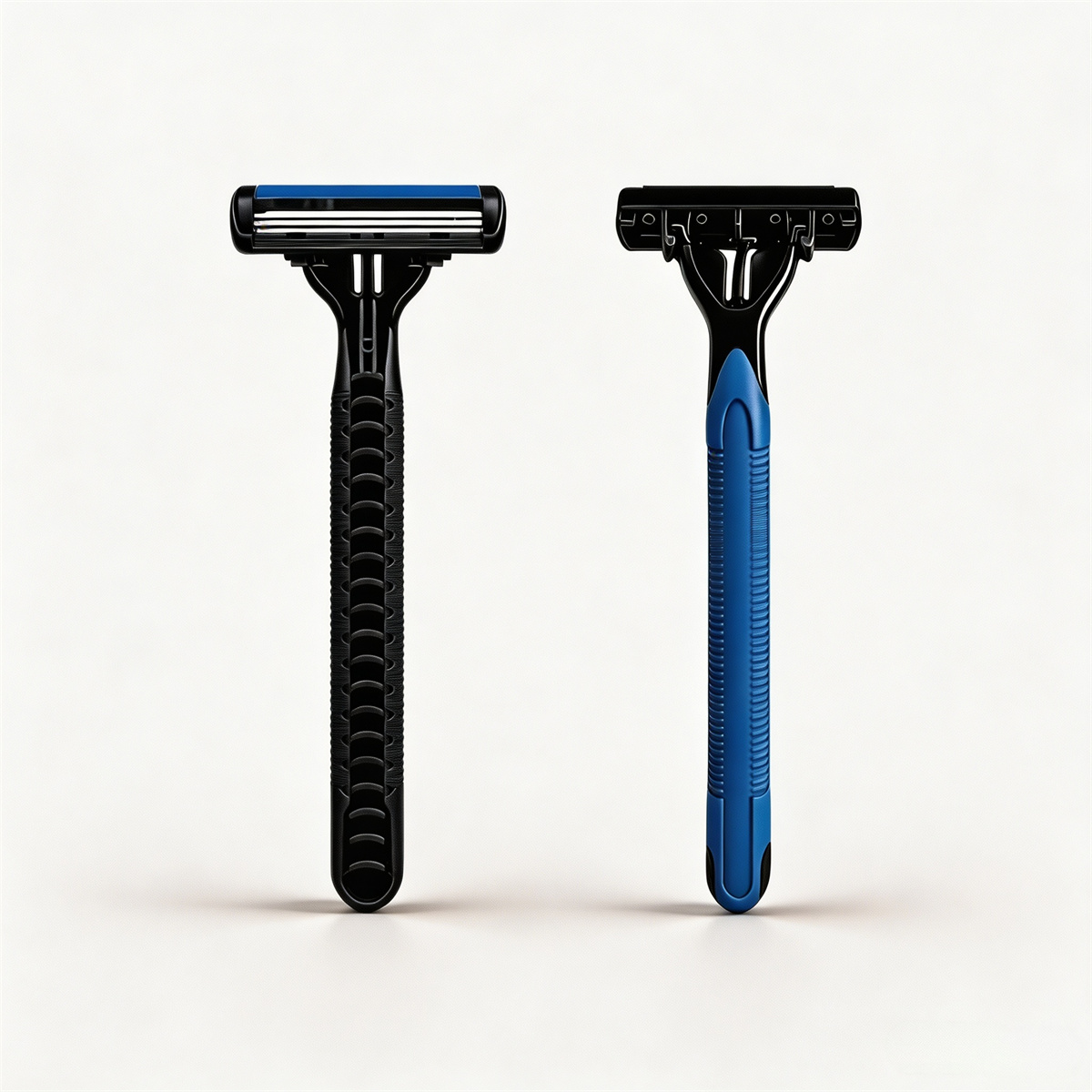
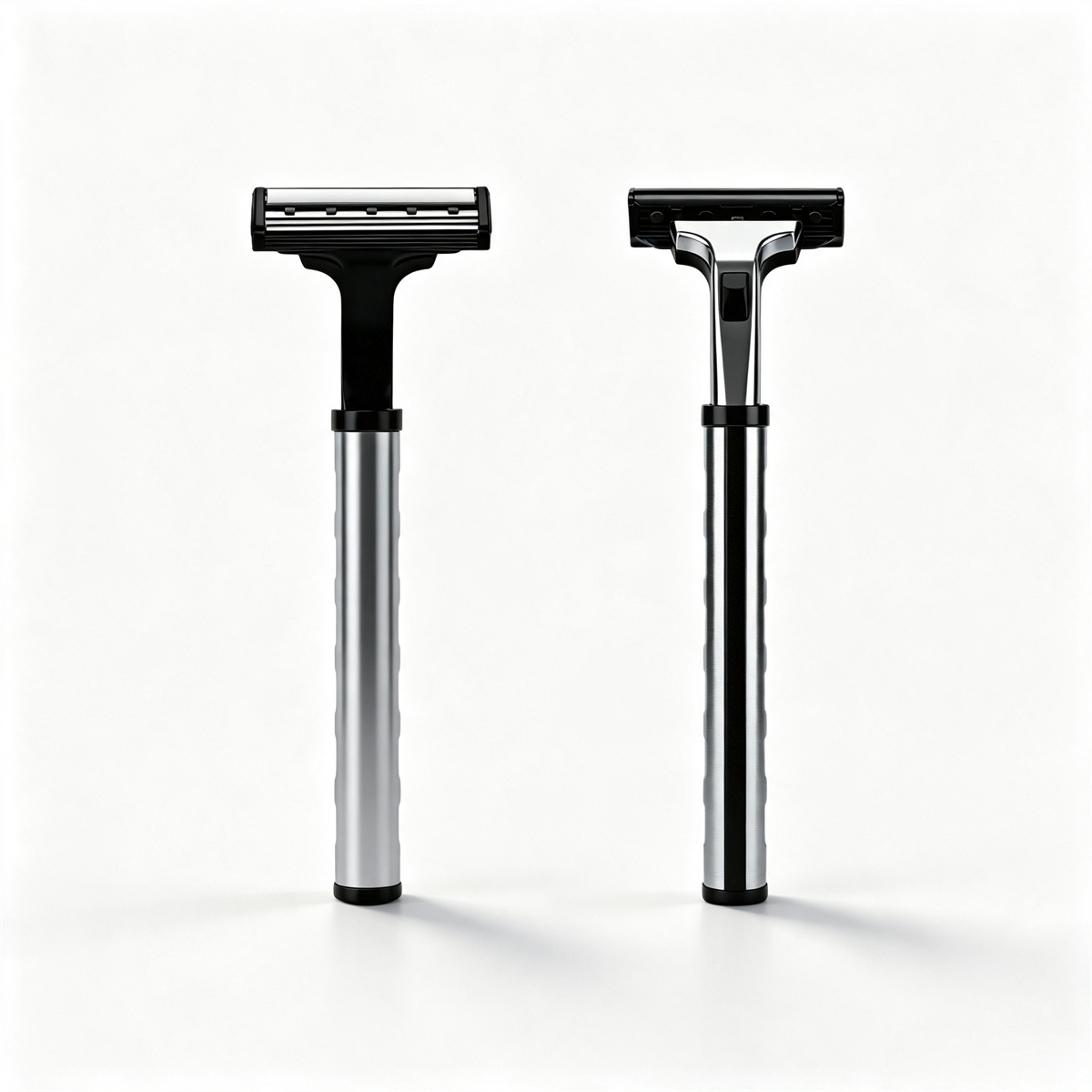
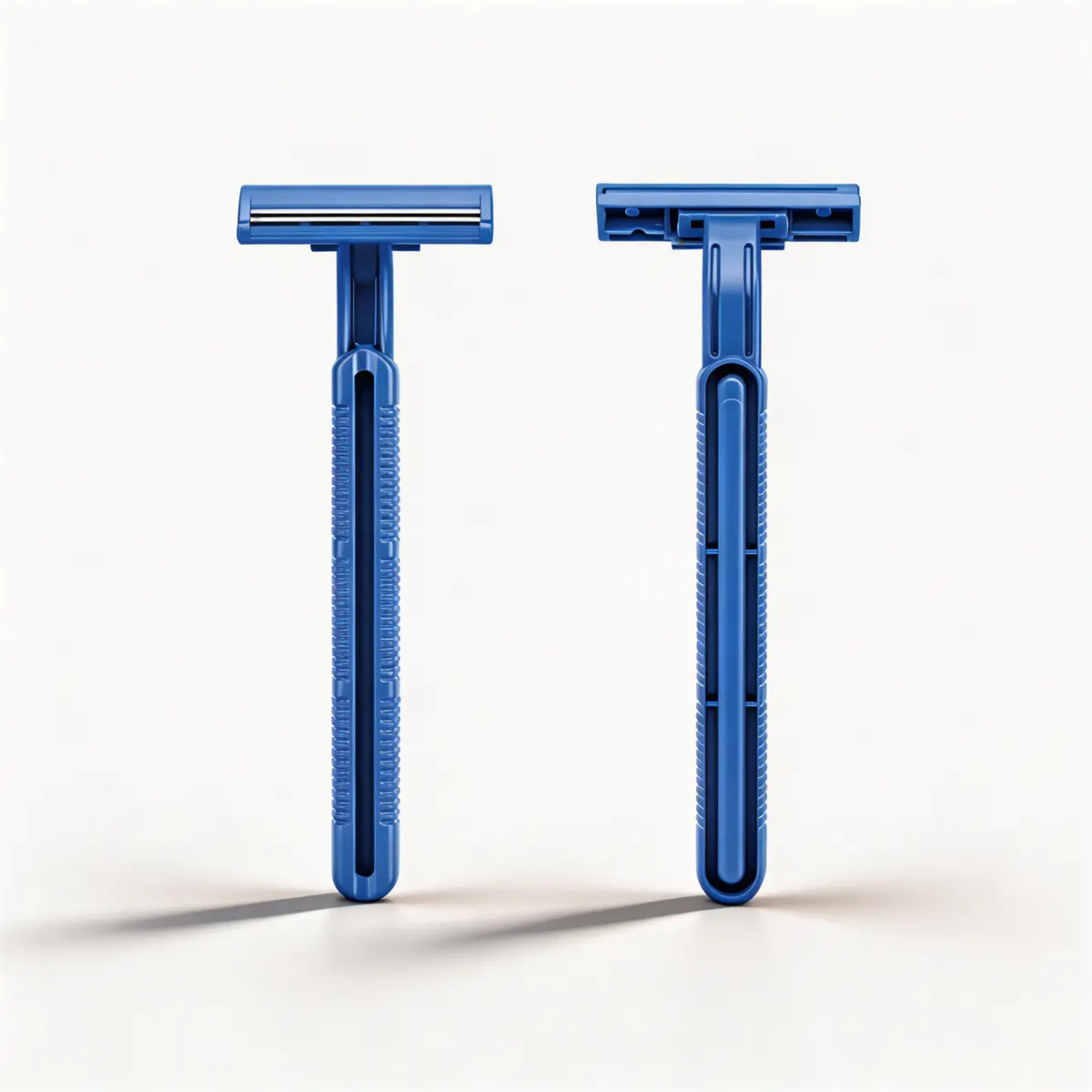
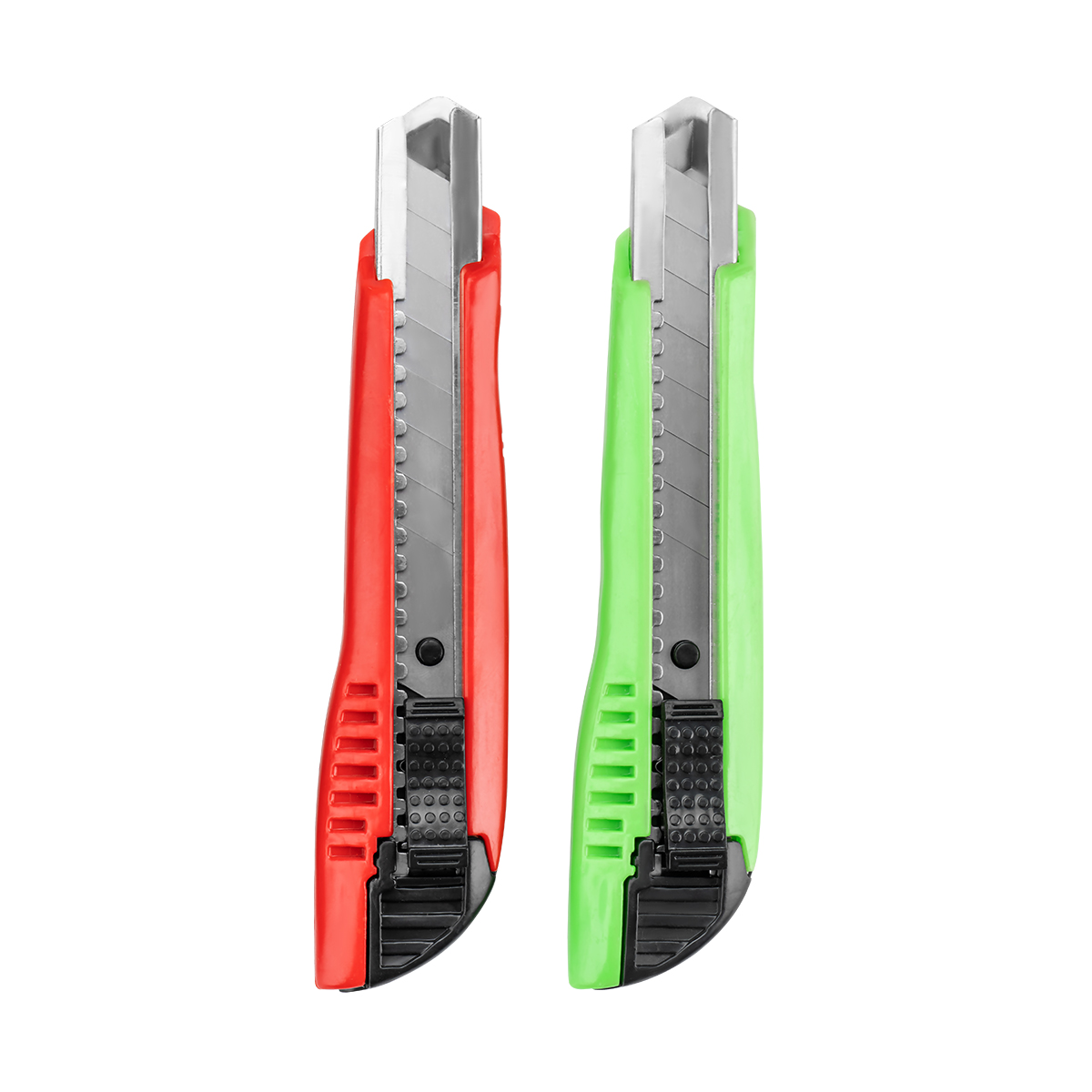
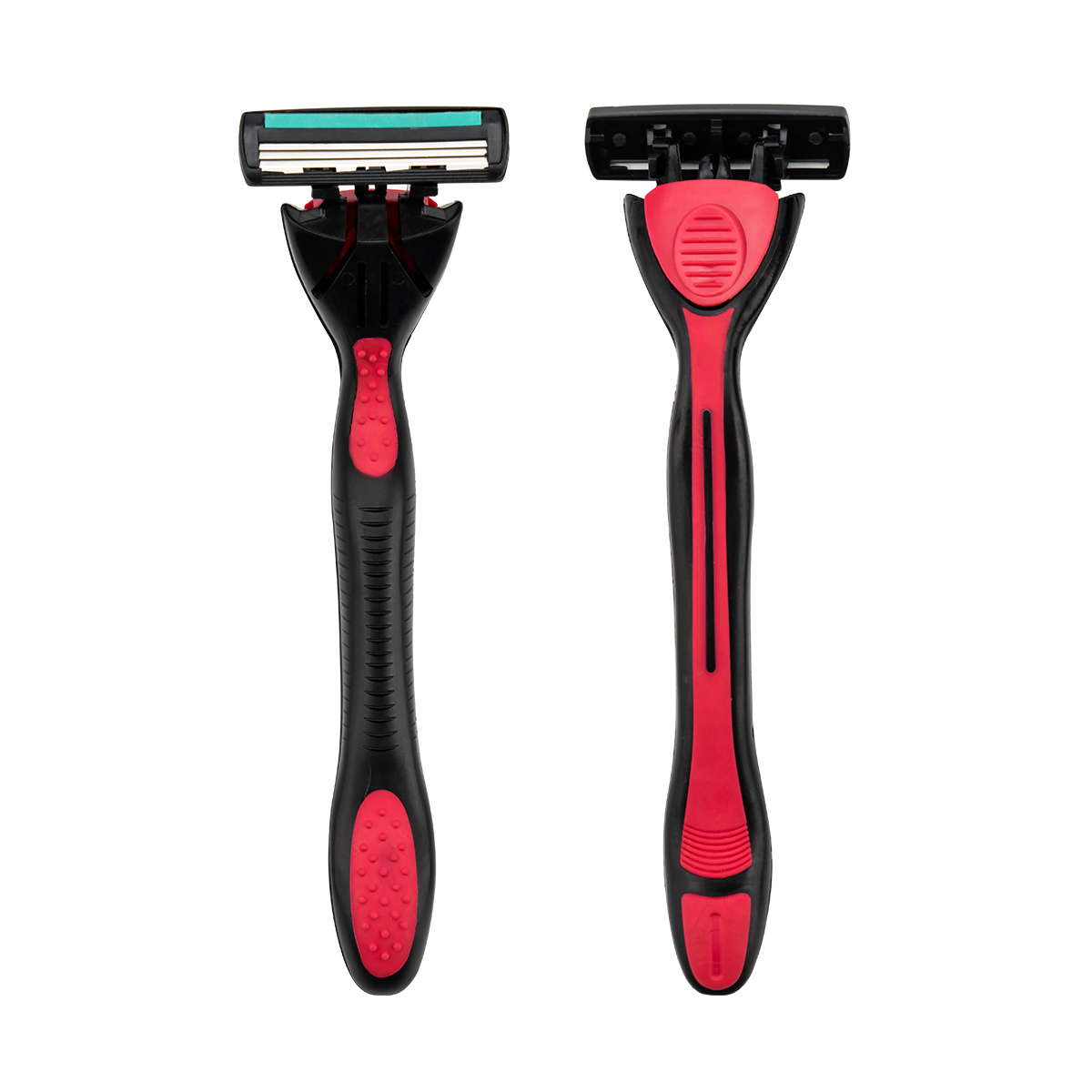
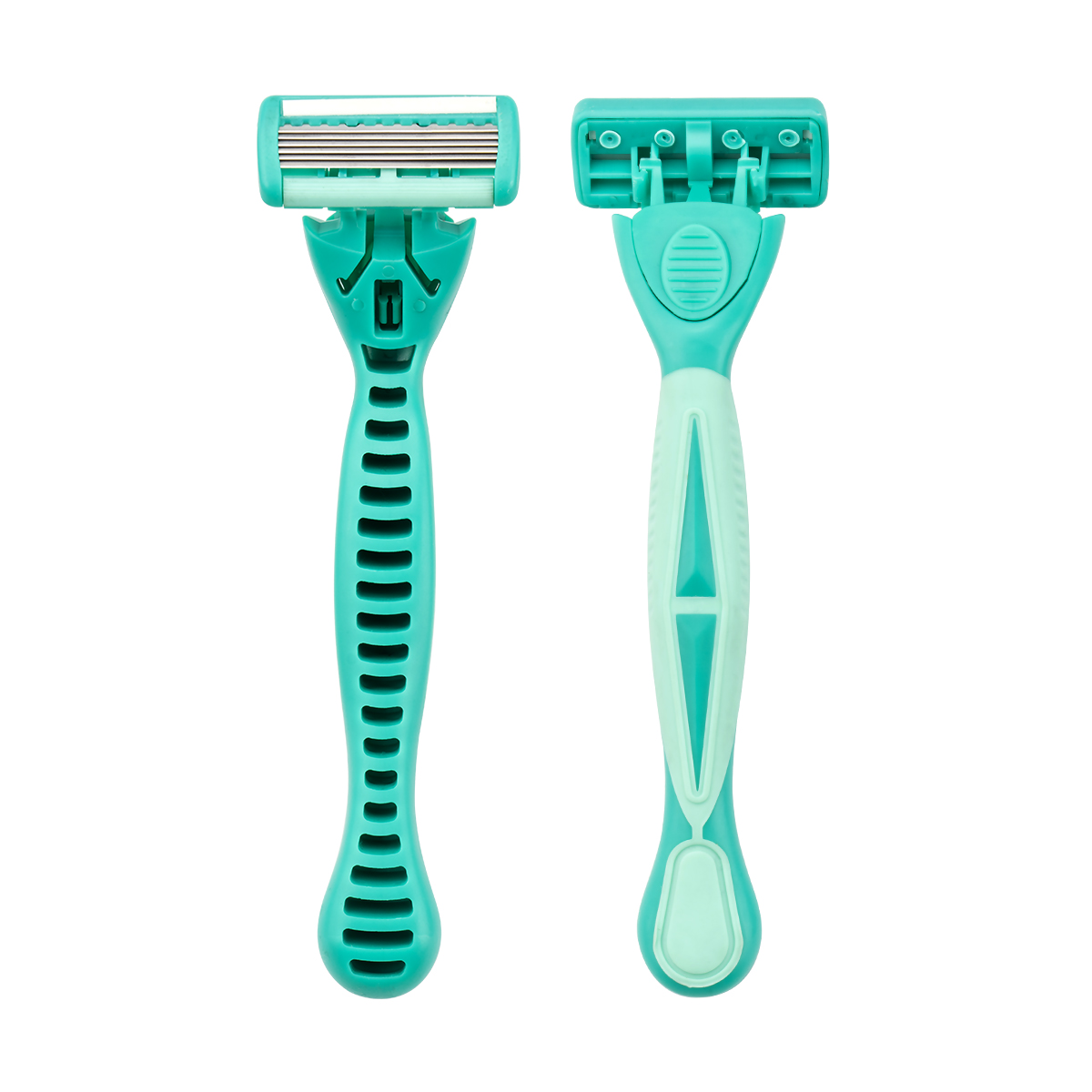
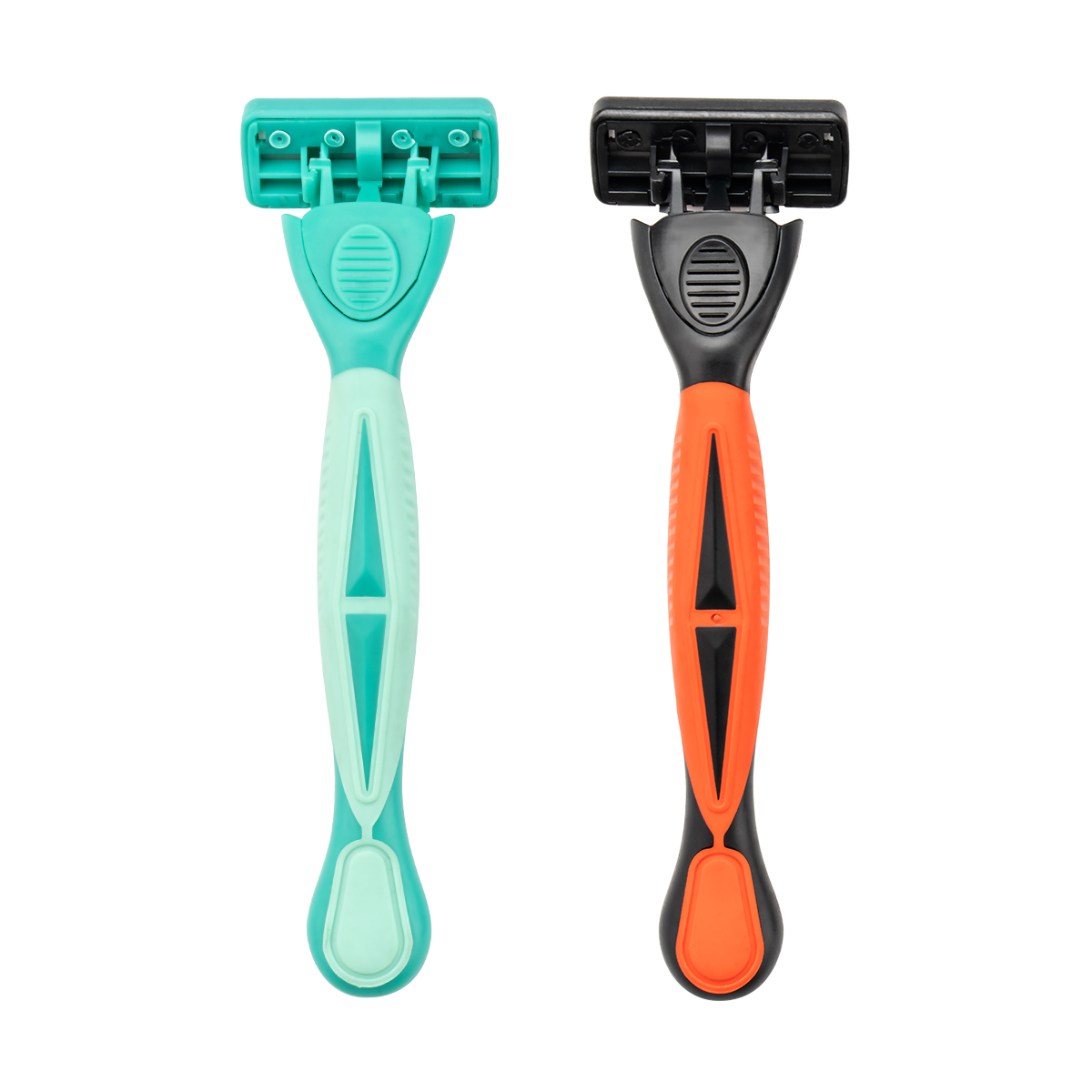
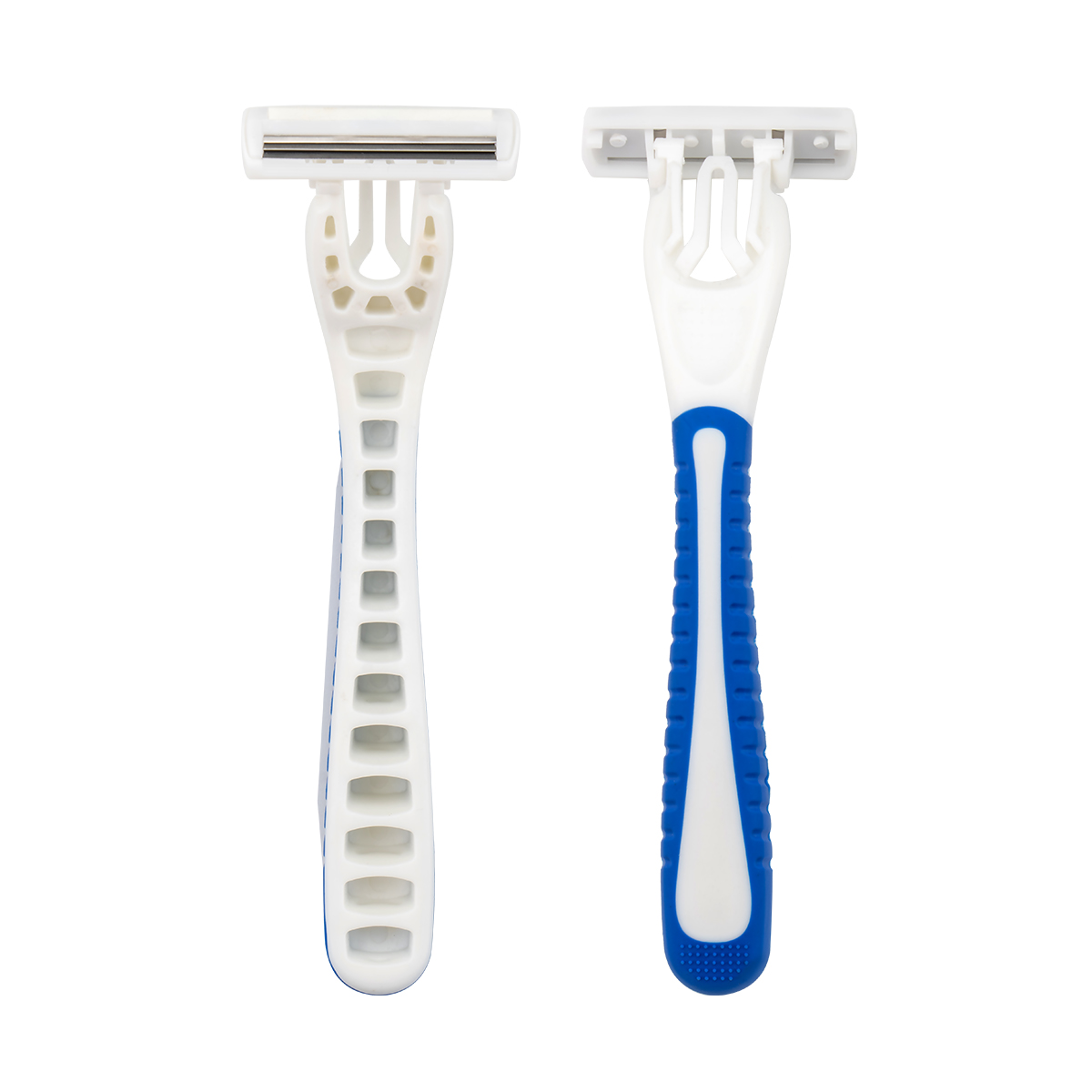
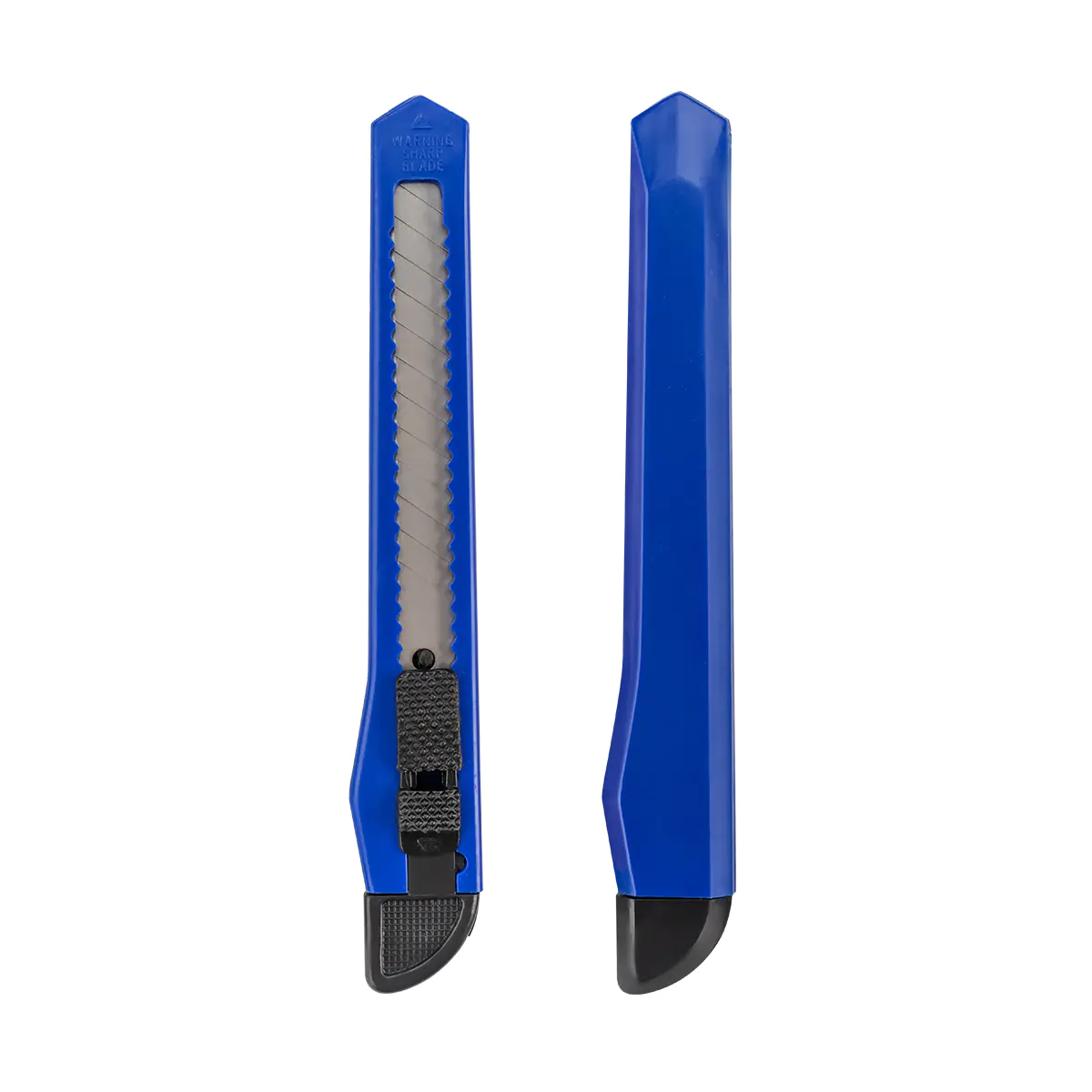
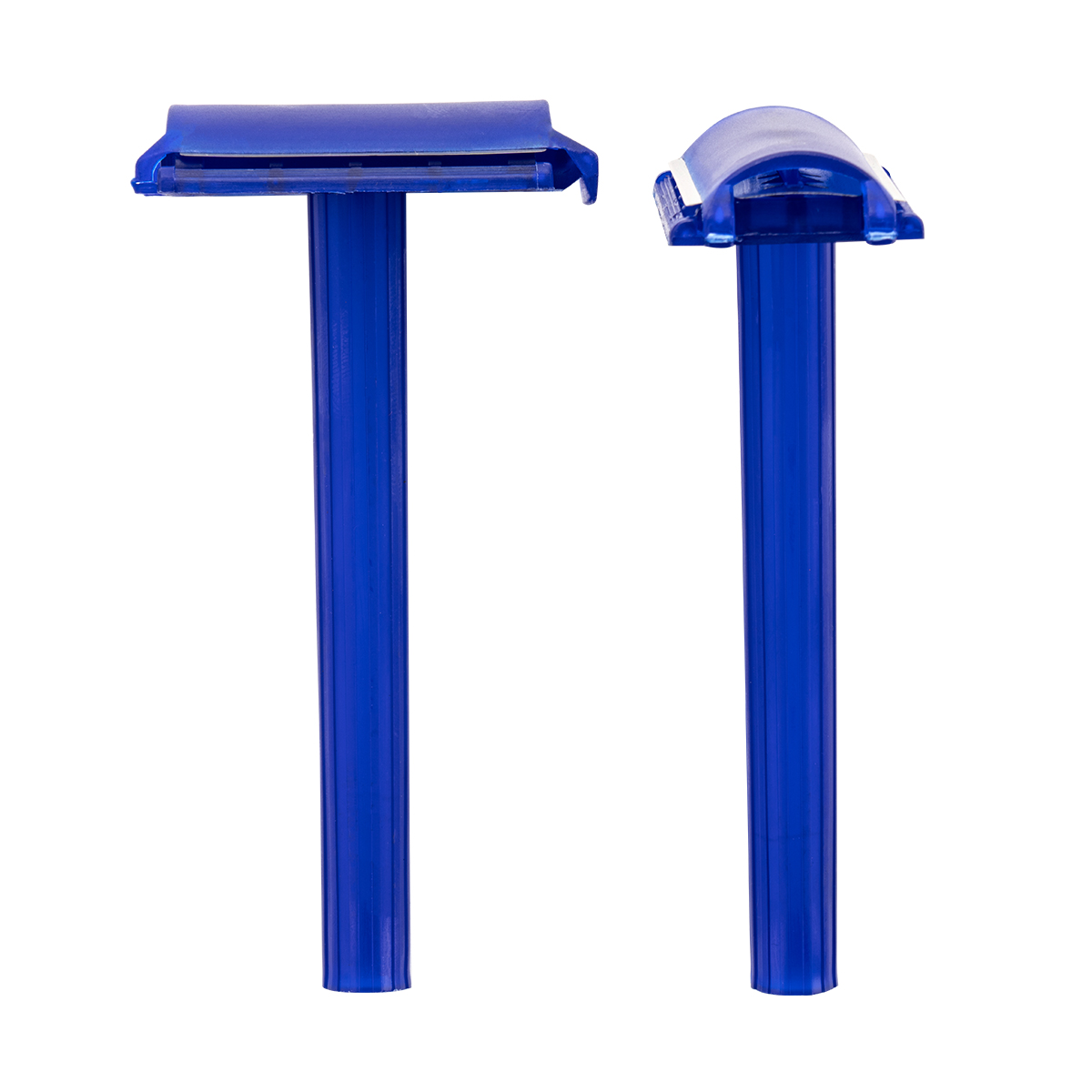

We are an industry and trade enterprise
specializing in the production of disposable razors and utility knives for more than 30 years.
Is It Good to Use an Eyebrow Trimmer? A Practical Guide to the Disposable Eyebrow Razor
Content
- 1 Quick Answer: Is it good to use an eyebrow trimmer?
- 2 Why a Disposable Eyebrow Razor Has Become a Daily Grooming Staple
- 3 What an Eyebrow Trimmer Actually Does to Hair and Skin
- 4 Advantages and Limits of Using an Eyebrow Trimmer
- 5 Eyebrow Trimmer vs. Other Hair Removal Methods
- 6 How Quickly Does Hair Return After Each Method?
- 7 Inside the CX-E01 Eyebrow Trimmer Face Shaver For Women
- 8 Choosing a Brow Shape Before the First Stroke
- 9 Area-by-Area Technique Guide
- 10 Step-by-Step Routine for a Clean, Comfortable Result
- 11 Matching the Technique to Your Skin Type
- 12 Brow Grooming Frequency Guide
- 13 Common Problems and How to Fix Them
- 14 Myths and Facts About Facial Shaving
- 15 Pink, Blue, or Yellow: How the Colors Fit Into Daily Life
- 16 Everyday Situations Where the CX-E01 Fits
- 17 How a Factory Builds a Precision Facial Razor
- 18 Recycled Plastic Handles and Packaging Choices
- 19 Care, Storage, and When to Replace
- 20 Who Should Be Careful or Wait
- 21 Frequently Asked Questions
- 21.1 Is it good to use an eyebrow trimmer?
- 21.2 What is the difference between a Disposable Eyebrow Trimmer and a Disposable Eyebrow Razor?
- 21.3 Can the CX-E01 be used on the whole face?
- 21.4 How long does the result last?
- 21.5 Will it hurt?
- 21.6 Is shaving the brows the same as threading or waxing?
- 21.7 Can beginners use it safely?
- 21.8 What colors and pack sizes are available?
- 21.9 Is the handle environmentally considerate?
- 21.10 Can I use makeup right after trimming?
- 22 Grooming Glossary
A Disposable Eyebrow Trimmer is one of the smallest tools in a grooming routine, yet it solves some of the most visible problems: stray hairs around the brow line, fine facial fuzz that catches foundation, and an uneven forehead edge that makes makeup look patchy. The CX-E01 Eyebrow Trimmer Face Shaver For Women is a Disposable Eyebrow Razor built for exactly these jobs. This page explains how the tool works, where it fits, how to use it with confidence, and how to answer the question many people type into a search box: Is it good to use an eyebrow trimmer?
Quick Answer: Is it good to use an eyebrow trimmer?
Yes, for most healthy skin. A well-made Eyebrow Trimmer removes surface hair with a light, controlled stroke, causes less sting than pulling hairs out, needs no heat, no cream, and no appointment, and takes only a few minutes. It works best as a maintenance tool: it tidies the outline of the brow, clears peach fuzz, and gives the skin a smoother surface before skincare or makeup. It is not a tool for redrawing a brow from scratch, and it should not be used on irritated, broken, or inflamed skin.
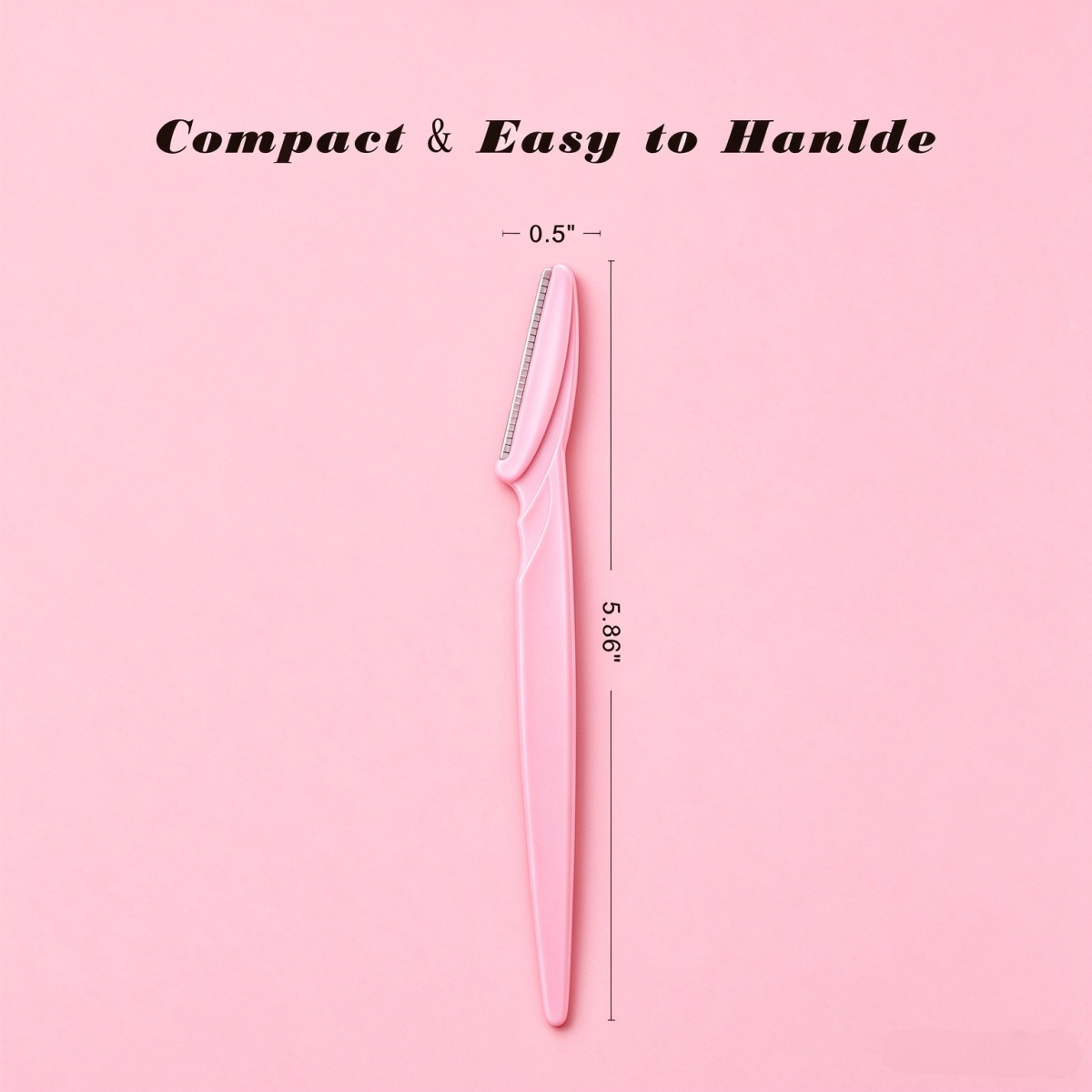
5.86"
Overall length of the CX-E01, long enough for a steady, controlled grip.
0.5"
Compact head width that reaches the inner corner of the brow and the sides of the nose.
3
Handle colors in the range: pink, blue, and yellow.
1
Hand needed. Light enough for precise work with the other hand free to hold the skin taut.
Why a Disposable Eyebrow Razor Has Become a Daily Grooming Staple
Grooming habits have moved toward quick, low-effort routines that fit between morning skincare and makeup. A Disposable Eyebrow Razor suits that rhythm. There is no battery to charge, no attachment to rinse and dry, and no learning curve beyond a few practice strokes. The tool is picked up, used, and put away in under five minutes.
The design also keeps hygiene simple. Each handle is intended for personal use, and when the blade starts to feel dull or the handle looks worn, the tool is replaced rather than repaired. That single-purpose, replace-when-tired approach removes the maintenance that makes reusable devices easy to neglect.
What an Eyebrow Trimmer Actually Does to Hair and Skin
Understanding the mechanism clears up most of the myths. An Eyebrow Trimmer cuts hair at the level of the skin surface. It does not reach the follicle, does not pull the root, and does not change the way hair grows. What it does change is the outline of the brow and the texture of the surface skin.
Cuts at the surface
The blade glides across the skin and trims hair at its base. Because the root stays in place, the sensation is a light scrape rather than a pinch.
Lifts fine fuzz
Peach fuzz on the cheeks, forehead, and upper lip is cleared along with a thin layer of loose surface cells, which leaves skin feeling smoother to the touch.
Defines the edge
Removing stray hairs above and below the natural line makes the brow look sharper, even without any pencil or powder.
Advantages and Limits of Using an Eyebrow Trimmer
A fair answer to Is it good to use an eyebrow trimmer? includes both sides. The tool is excellent at some tasks and unsuited to others. The comparison below keeps expectations realistic.
Where it performs well
- Quick clean-up of the brow outline between longer grooming sessions
- Gentle removal of fine facial hair on cheeks, forehead, and temples
- Low-discomfort grooming for people who dislike tweezing
- Smooth skin surface before moisturizer, sunscreen, or foundation
- Easy to learn, with no cords, charging, or settings
- Compact enough for a makeup pouch, gym bag, or travel kit
Where it has limits
- Stubble returns sooner than after pulling methods, so touch-ups are regular
- It cannot add density or fix gaps in a sparse brow
- It is not suited to skin that is sunburned, cut, or inflamed
- Very thick or long hairs may need trimming first for a clean pass
- Accuracy depends on a steady hand and good lighting
Eyebrow Trimmer vs. Other Hair Removal Methods
Every method trades speed, comfort, and longevity. The table lists how the common home options compare for brow and face work. Ratings reflect general user experience and are a guide rather than a measurement.
| Method | Comfort | Speed | Typical Regrowth Feel | Best Use |
|---|---|---|---|---|
| Eyebrow Trimmer (Disposable Eyebrow Razor) | High | Very fast | Short stubble in a few days | Outline tidying and peach fuzz |
| Tweezers | Moderate | Slow | Gradual, softer regrowth | Isolated stray hairs |
| Threading | Moderate | Moderate | Gradual | Clean lines on a prepared brow |
| Waxing | Lower | Moderate | Gradual | Larger areas, longer gaps between sessions |
| Small electric trimmer | High | Fast | Short stubble | Length control on thick brows |
Relative Comfort During Use (Illustrative Scale, Higher Is Gentler)
Scores are a simplified illustration of common user experience, intended to show relative differences between methods.
How Quickly Does Hair Return After Each Method?
Regrowth speed is the single biggest reason people switch methods. A surface-cutting tool leaves the root intact, so hair appears again sooner. Pulling methods remove the hair from the follicle, so the next hair needs time to grow back through the skin. The line chart shows the general pattern across a typical week.
Illustrative Regrowth Visibility Over 7 Days
Trimmer / razor Tweezers Waxing
Day 0Day 1Day 2Day 3Day 4Day 5Day 6Day 7
The vertical direction shows how noticeable regrowth is on a relative scale. Individual hair density, color, and growth cycle change the exact timing.
For most people the practical meaning is simple. A trimmer session keeps the brow outline neat for several days, and a light weekly touch-up is enough to maintain the look without building a heavy routine.
Inside the CX-E01 Eyebrow Trimmer Face Shaver For Women
The CX-E01 Eyebrow Trimmer Face Shaver For Women is shaped around three working parts: a precision metal blade, a rounded guard head, and a slim handle with a molded curve. Each part exists for a reason tied to everyday use.
Precision blade
The metal blade sits along the edge of the head and is sized for small facial areas. A narrow cutting edge lets the user work around the arch and tail of the brow without touching hairs that should stay.
Rounded head
The head is smooth and slightly curved so it rests flat on the skin. The rounded shape helps the blade travel at a consistent angle, which matters on the uneven surface around the brow bone.
Slim handle
The handle is long enough to hold like a pencil. A shallow contour near the neck gives the fingers a natural resting place, so the wrist stays relaxed and the stroke stays short.
CX-E01 Specification Table
| Item | Detail |
|---|---|
| Model | CX-E01 |
| Product Type | Disposable Eyebrow Trimmer / Disposable Eyebrow Razor |
| Intended Users | Women, for facial grooming |
| Overall Length | 5.86 inches |
| Head Width | 0.5 inches |
| Blade | Metal precision blade |
| Handle | Recycled plastic |
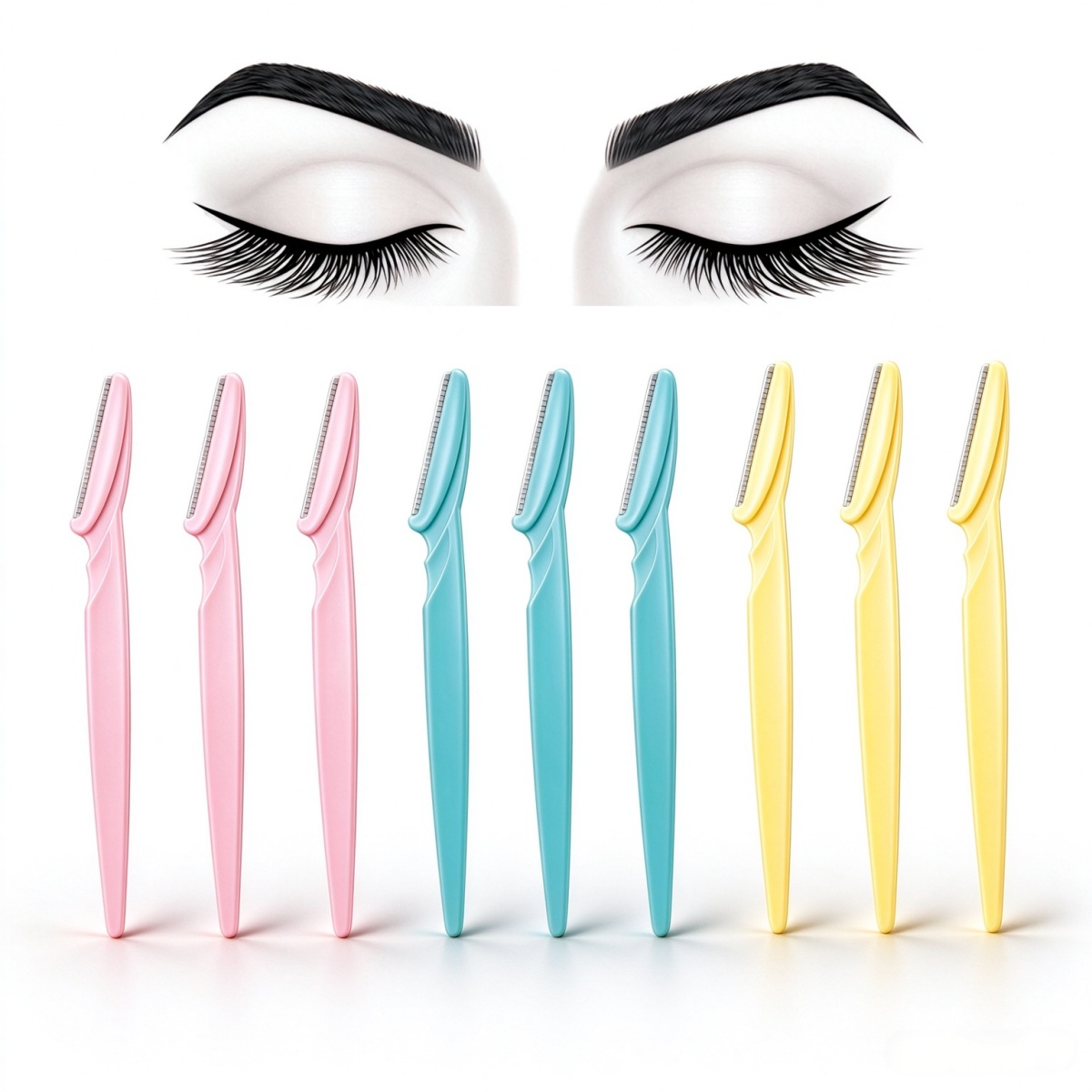
| Colors | Pink, blue, yellow |
| Pack Style | Multi-piece sets, including 6-piece and 12-piece formats |
| Suitable Areas | Eyebrows, cheeks, forehead, temples, upper lip, hairline edges |
| Power Source | None required |
Choosing a Brow Shape Before the First Stroke
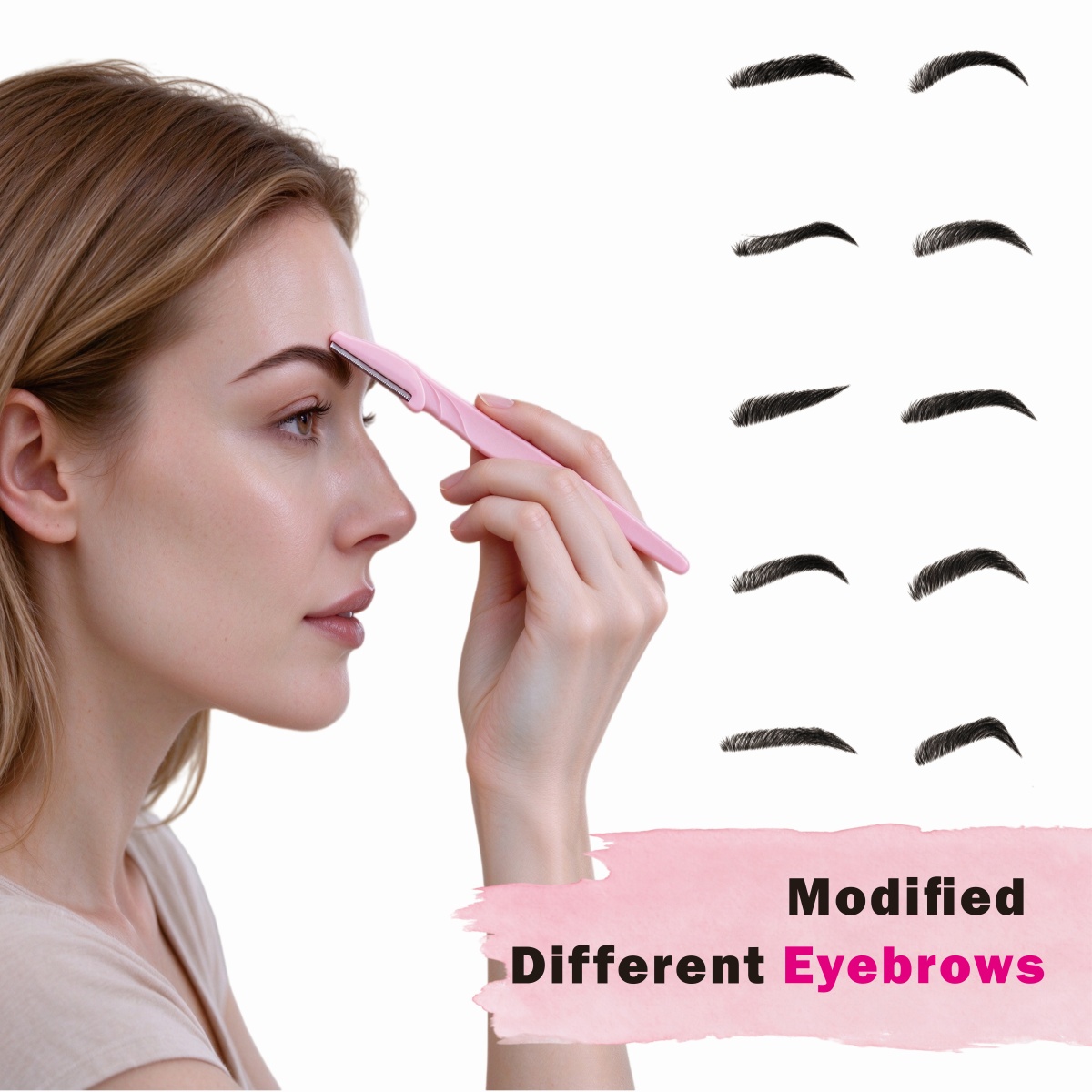
A trimmer does its best work when the target shape is clear. Brow shape is a personal decision, but a few general guidelines help. The aim is to follow the natural growth pattern and remove only what falls outside it. The cards below show how common shape preferences translate into trimming decisions.

Soft, straight brow
Keep the line level and clear only the hairs beneath the lower edge and above the upper edge. Avoid creating a sharp peak, since the style relies on a calm, flat look from head to tail.
Gently arched brow
Locate the highest natural point, usually about two thirds of the way along the brow. Clean below the arch to lift the eye area and leave the top line mostly untouched.
Full, natural brow
Limit trimming to a few stray hairs on the outer edges. Brush the brow upward first so the true outline is visible, then clear only the obvious strays.
Angled, defined brow
Use a brow pencil to sketch the angle, then trim along the outside of the drawn line. Short strokes and steady skin tension keep the edge crisp.
Three Landmarks for a Balanced Outline
- Start point: the brow begins roughly above the inner edge of the nostril. Hairs that fall between the brows and beyond this line are the usual candidates for clean-up.
- Peak point: a straight line from the nostril past the center of the pupil points toward the highest part of the arch.
- End point: a line from the nostril past the outer corner of the eye shows where the tail should finish. Hairs extending beyond it can be tidied for a neater finish.
Area-by-Area Technique Guide
The same tool behaves differently depending on where it is used. Skin thickness, hair direction, and available space all change. The table below lists the technique that suits each zone.
| Area | Hair Direction | Skin Tension Tip | Stroke Length |
|---|---|---|---|
| Brow lower edge | Mostly downward and outward | Pull the lid skin gently upward with two fingers | Very short, about the width of a fingernail |
| Brow upper edge | Upward and outward | Stretch the forehead skin toward the hairline | Short |
| Between the brows | Mixed | Pinch the skin lightly flat | Very short |
| Cheeks | Downward | Pull the cheek skin slightly toward the ear | Medium, light pressure |
| Forehead | Upward | Hold the skin flat with the free hand | Medium |
| Temples and sideburn area | Downward | Pull the skin back toward the ear | Short |
| Upper lip | Downward | Tighten the lip with the tongue pressed behind it | Very short |
Typical Time Spent Per Area in a Weekly Routine (Minutes)
Times are an approximate guide for an experienced user. Beginners may need longer and should work slowly.
Step-by-Step Routine for a Clean, Comfortable Result
The routine below is organized as stages. Each stage has a purpose, and skipping one is the usual reason for redness or an uneven edge.
01
Prepare the skin
Wash the face with a gentle cleanser and pat it dry. Clean skin lets the blade travel without catching on oil or makeup residue. Tie back any loose hair so the hairline stays visible.
02
Set up good light
Stand near a window or under a bright lamp with a mirror at eye level. Poor lighting is the most common cause of removing a hair that was meant to stay.
03
Mark the outline
Brush the brow upward, then sketch the planned edge with a pencil. The drawn line becomes a visual boundary, which removes guesswork during the pass.
04
Hold the skin taut
Use the free hand to flatten and stretch the skin around the working area. A flat surface lets the blade cut cleanly and reduces the chance of a nick.
05
Use short, light strokes
Keep the head at a shallow angle to the skin, about 45 degrees, and glide in short strokes following the direction of hair growth. Let the blade do the work instead of pressing down.
06
Check and compare
Pause after each side and look at the pair. Matching both brows takes small adjustments, and stopping early is always safer than correcting an overdone side.
07
Calm the skin
Rinse with cool water, pat dry, and apply a soothing, fragrance-free moisturizer. Skip strong exfoliating acids on the same day.
Matching the Technique to Your Skin Type
Skin condition changes how a Disposable Eyebrow Razor feels. These guidelines help adapt the routine so the result stays comfortable.
Dry skin
Dry skin flakes and tightens easily, so friction is more noticeable. Apply a thin layer of light moisturizer before a pass, use very light pressure, and finish with a richer cream after cleaning the area.
Oily skin
Oil can make the blade slip. Cleanse thoroughly, dry the skin completely, and avoid working over active breakouts. A mattifying, non-comedogenic lotion afterward keeps the area balanced.
Sensitive skin
Test a small patch on the cheek before working near the eyes. Keep sessions short, avoid repeated passes over the same spot, and wait a full day between sessions if any pinkness remains.
Combination skin
Treat each zone on its own terms. The forehead and nose may need a clean, dry surface, while the cheeks may benefit from a light layer of moisturizer before the stroke.
Brow Grooming Frequency Guide
How often to use the tool depends on hair growth speed and the desired look. A steady schedule prevents both overgrown strays and over-trimmed edges.
| Goal | Suggested Frequency | Focus |
|---|---|---|
| Maintain a natural brow | Once every 7 to 10 days | Remove only obvious strays |
| Keep a sharp outline | Once or twice a week | Clean the lower and upper edges |
| Smooth face for makeup | Once every 2 to 3 weeks | Cheeks, forehead, and hairline |
| Special occasion prep | One to two days before the event | Allows any pinkness to settle |
Common Problems and How to Fix Them
Most issues come from a few repeatable habits. The table pairs each problem with its usual cause and a simple correction.
| Problem | Likely Cause | Correction |
|---|---|---|
| Redness after use | Too much pressure or too many passes | Lighten the stroke, limit each area to one or two passes, and apply a soothing moisturizer |
| Tiny nicks | Loose skin or a steep blade angle | Stretch the skin flat and lower the angle of the head |
| Uneven brows | Working one side to completion first | Alternate sides and compare often under the same light |
| Tugging sensation | A dull blade or dry skin | Replace the tool and add a light layer of moisturizer |
| Small bumps after shaving | Hair turning back into the skin | Shave with the direction of growth, avoid pressing hard, and keep the area clean |
| Edges look blunt | No planned outline | Draw the target line first and trim outside it |
Myths and Facts About Facial Shaving
Myth: Brows grow back thicker after shaving
Fact: Cutting hair at the surface does not change the follicle. The blunt tip of new stubble can feel coarser for a short time, but color, thickness, and growth rate stay the same.
Myth: A trimmer can remove an entire brow shape in one go
Fact: The tool is built for outlining and light tidying. Sudden large changes are hard to reverse because hair needs weeks to grow back to full length.
Myth: Facial shaving is only for people with dark hair
Fact: Light, fine hair on the cheeks and forehead is exactly what the tool is good at. Removing it makes the skin look more even under makeup and light.
Myth: A razor is unsafe near the eyes
Fact: The compact head, light weight, and short strokes are designed for small, careful work. Safety depends on technique: stay on the brow bone, never cross into the eyelid, and keep the skin taut.
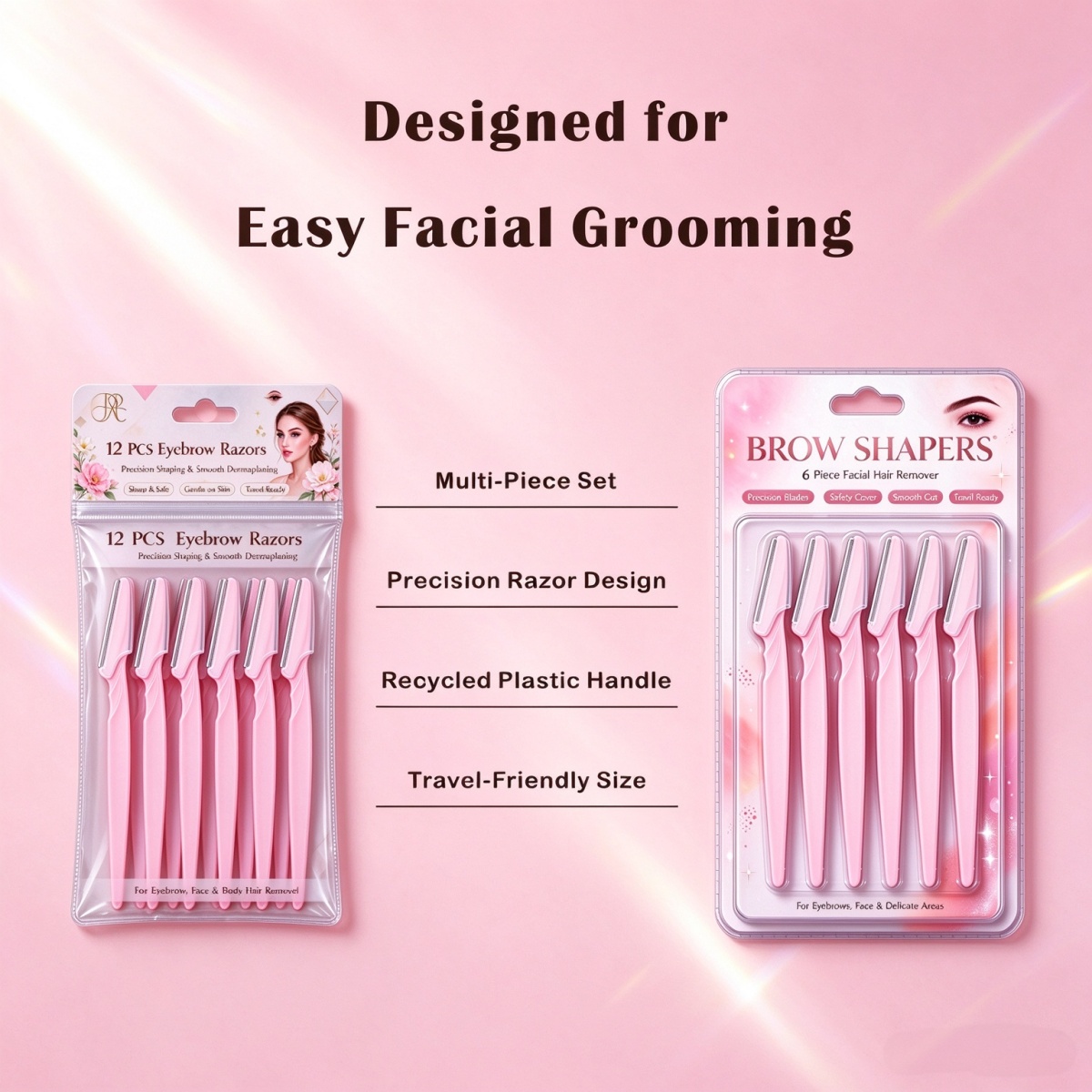
Pink, Blue, or Yellow: How the Colors Fit Into Daily Life
The CX-E01 Eyebrow Trimmer Face Shaver For Women comes in three soft colors. The palette is more than decoration. When a household or a travel kit holds several tools, color makes it easy to keep each one personal and separate.
Pink
A familiar choice for a dressing table. It is easy to spot in a drawer and pairs well with most makeup bags.
Blue
A cool, clean tone that stands out against light pouches. A good choice for anyone who prefers a neutral, modern look.
Yellow
A bright color that is hard to lose in a travel kit or gym bag, and one that brightens a bathroom shelf.
Everyday Situations Where the CX-E01 Fits
Morning routine
Slip a quick pass over the brow edge and cheeks after cleansing and before moisturizer. The whole task fits into the time it takes for a coffee to cool.
Travel kit
The slim shape lies flat in a pouch and needs no charger or adapter, so it works the same in a hotel bathroom as at home.
Before an event
A clean outline and smooth cheeks help foundation sit evenly in photos and under bright light. Plan the session a day early so skin has time to settle.
Gifting
Multi-piece sets in assorted colors make a practical, low-cost present for friends and family who enjoy beauty routines.
How a Factory Builds a Precision Facial Razor
Quality in a small grooming tool comes from a chain of controlled steps. Ningbo Chuangxin Cutting-Tool Manufacture Co., Ltd. makes the CX-E01 as a Disposable Eyebrow Trimmer from raw material to finished set, and each stage is checked before the next begins.
A
Blade strip preparation
Metal strip is cut, ground, and finished so the edge is consistent from one piece to the next. A steady edge angle is what makes the stroke feel smooth instead of scratchy.
B
Handle molding
Handles are molded from recycled plastic and inspected for surface finish, wall thickness, and contour. A clean mold line matters, because rough seams can irritate the fingers during use.
C
Blade assembly
The blade is seated in the head at a controlled position and angle. Consistent placement keeps every tool in a pack performing the same way.
D
Inspection
Finished pieces are checked visually for blade alignment, handle defects, and color consistency. Items that fall outside tolerance are removed before packing.
E
Pack-out
Tools are sorted by color and packed into sets, such as 6-piece blister cards and 12-piece pouches, with clear labeling so the product is easy to identify.
Quality Checkpoints at a Glance
| Checkpoint | What Is Examined | Why It Matters to the User |
|---|---|---|
| Edge finish | Smoothness and uniformity of the blade | Reduces tugging and skin irritation |
| Blade seating | Position and angle in the head | Keeps the cutting action even and controlled |
| Handle surface | Seams, burrs, and contour | Gives a comfortable, secure grip |
| Color match | Tone consistency across each set | Makes sets look uniform and tidy |
| Packaging seal | Closure strength and label clarity | Protects the blade until first use |
Recycled Plastic Handles and Packaging Choices
The CX-E01 handle is made from recycled plastic. Reusing material in a handle keeps the tool lightweight and rigid without changing how it feels in the hand. The blade stays the performance-critical part, so it is made from metal and kept separate from the handle in design and inspection.
Sets come in two common formats. A 6-piece blister card shows every tool at a glance and keeps the blades covered until opening. A 12-piece resealable pouch gives a larger supply in a lighter pack and is easy to carry. Both formats include clear labeling for the intended uses: eyebrow shaping, facial hair removal, and delicate areas.
6-piece blister card
A rigid card keeps the tools aligned and protects the blades. The display shows the contents clearly and the pack stands up well on a shelf or in a drawer.
12-piece pouch
A flexible pouch holds more pieces in less space and suits households that share a bathroom, with one tool for each person.
Care, Storage, and When to Replace
A Disposable Eyebrow Razor needs very little care, but a few habits extend its useful life and keep each session hygienic.
- Rinse the head under warm water after each use and tap gently to remove hair and residue.
- Dry the blade with a soft cloth and let it air dry before storing. Moisture is the main enemy of any metal edge.
- Store the tool in a clean, dry place with the head facing away from other items in the pouch.
- Keep it away from children and never share it, so each person uses only their own tool.
- Replace the razor when the stroke begins to tug, the edge looks marked, or the head shows visible residue that will not rinse away.
Suggested Replacement Timing Based on Use (Sessions)
These ranges are rough guidance. The most reliable signal is the feel of the stroke: any tugging or scraping means a fresh tool is due.
Who Should Be Careful or Wait
Hold off on facial shaving when the skin is sunburned, freshly peeled, cut, or inflamed. Avoid active acne, cold sores, and any area with a mole, wart, or raised lesion. People who use strong topical treatments, such as prescription retinoids, often have more fragile skin and should check with a dermatologist before adding a blade to the routine. Anyone with a skin condition that causes frequent irritation should seek professional guidance first.
Frequently Asked Questions
Is it good to use an eyebrow trimmer?
For healthy skin, yes. An Eyebrow Trimmer is a gentle, quick, and low-cost way to keep the brow outline neat and the face smooth. Success depends on a planned shape, light strokes, and a sharp, clean blade.
What is the difference between a Disposable Eyebrow Trimmer and a Disposable Eyebrow Razor?
The two names describe the same type of tool. Both use a small blade on a slim handle for brow and facial hair. The CX-E01 is sold under both descriptions.
Can the CX-E01 be used on the whole face?
Yes. It is meant for the brows, cheeks, forehead, temples, upper lip, and hairline edges. Work gently and treat each region with the technique listed in the area guide.
How long does the result last?
A trimmer cuts at the surface, so short stubble can appear within a few days. Many people prefer a light touch-up once a week for brows and every two to three weeks for the face.
Will it hurt?
Most users feel little more than a light brush. Discomfort usually means too much pressure, a dull blade, or loose skin. Lighten the stroke and stretch the skin flat.
Is shaving the brows the same as threading or waxing?
No. Threading and waxing pull hair from the follicle, which leads to a slower return. A razor trims at the surface and is faster and gentler, but needs more frequent touch-ups.
Can beginners use it safely?
Yes. The small head and light weight make it approachable. Beginners should draw the outline first, begin with the lower edge, and keep strokes very short until the motion feels natural.
What colors and pack sizes are available?
The CX-E01 comes in pink, blue, and yellow. Sets are offered in multi-piece formats, including 6-piece blister cards and 12-piece pouches.
Is the handle environmentally considerate?
The handle is made from recycled plastic, which reduces the use of new material while maintaining the strength and light weight needed for a grooming tool.
Can I use makeup right after trimming?
Yes. A smooth surface helps products sit evenly. Apply a soothing moisturizer first, wait a minute for it to settle, and then continue with sunscreen or foundation.
Grooming Glossary
Peach fuzz
The fine, pale, short hair that grows across the cheeks, forehead, and jaw. It is soft and light in color but can trap powder and cause patchy makeup.
Brow bone
The ridge of bone beneath the eyebrow. It is the safest surface for working with a razor, since the skin is firm and supported.
Dermaplaning
A facial grooming technique that uses a blade at a shallow angle to remove fine hair and loose surface cells from the face.
Stubble
Short hair that appears after surface cutting. It has a blunt tip, which gives the feeling of coarseness without changing the actual hair.
Recommended Product
Recommended News

Keep In Touch
 No. 2-2, Oufu Road, Zhangting Town, Yuyao City, Ningbo City, Zhejiang, China.
 +86-574-87560886/87560055
 +86-574-87560885
Copyright © Ningbo Chuangxin Cutting-Tool Manufacture Co., Ltd.
