

 English
 中文简体
中文简体 русский
 Español

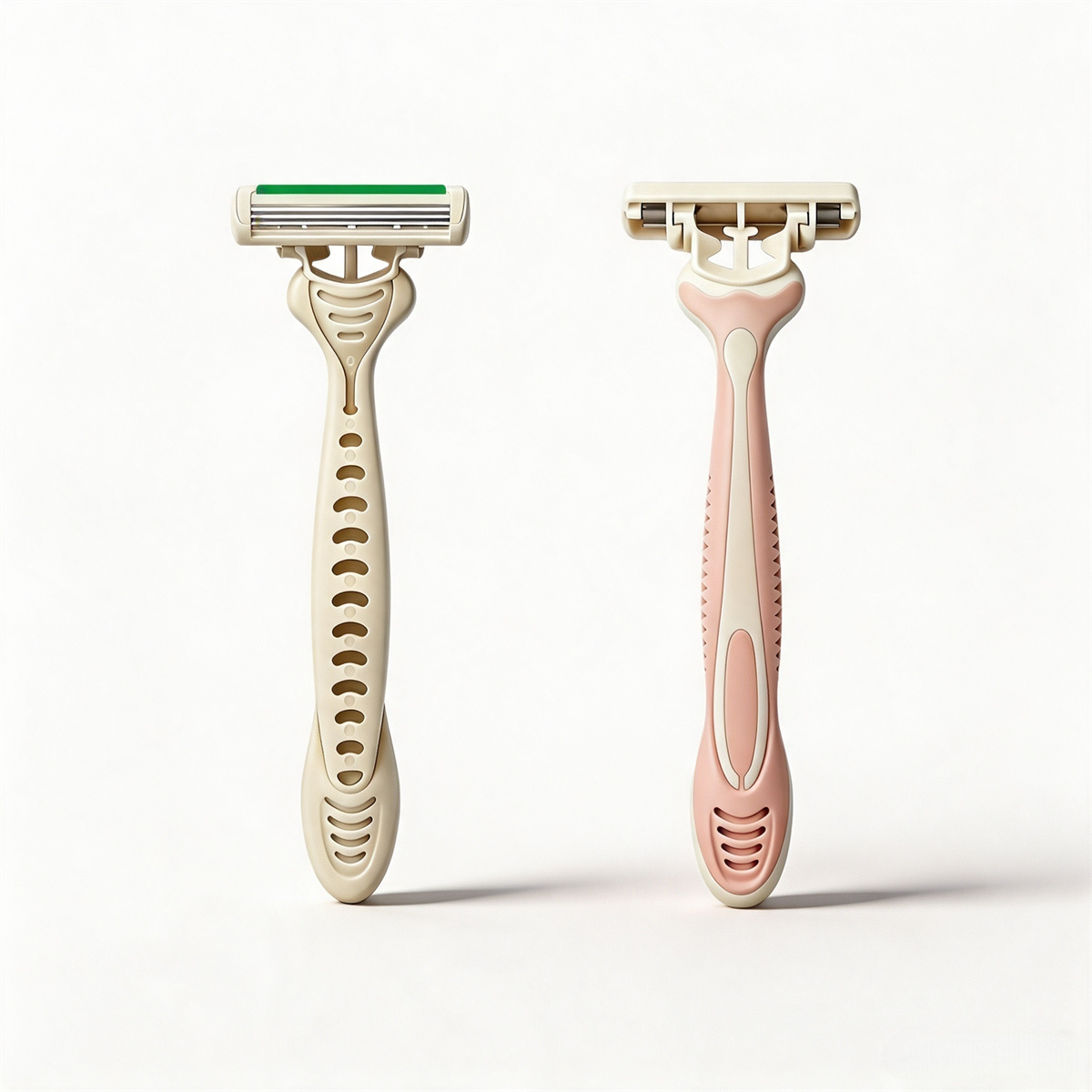
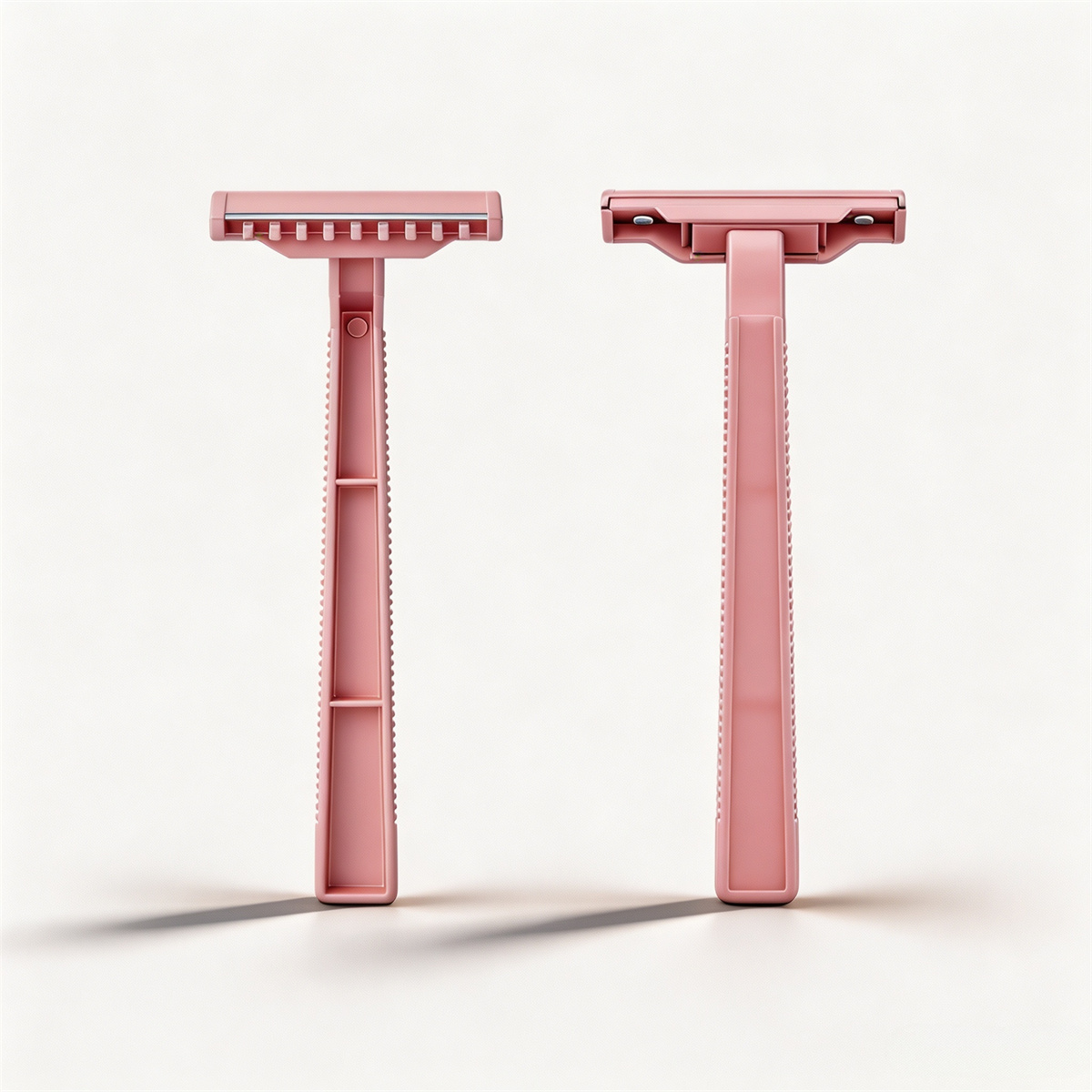
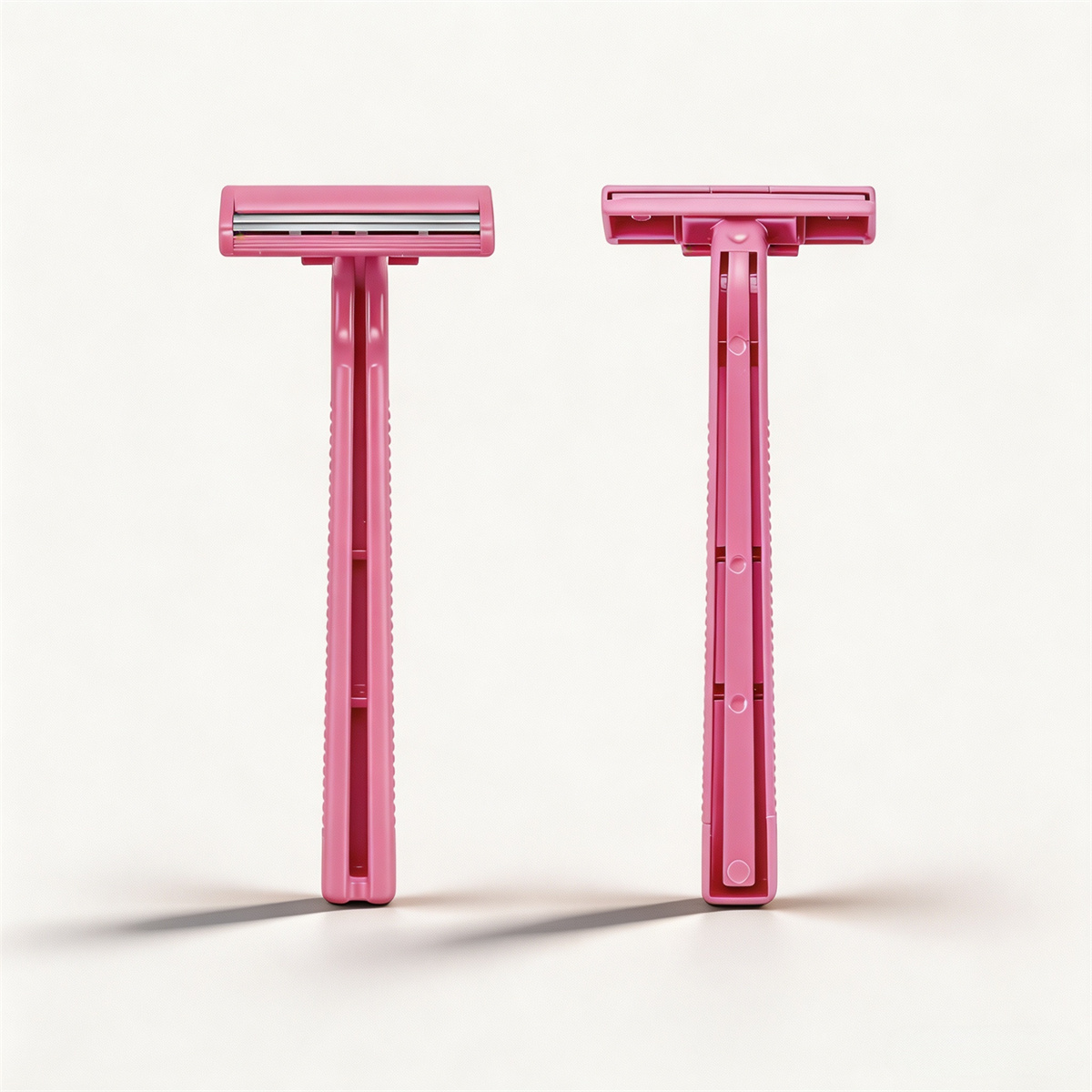
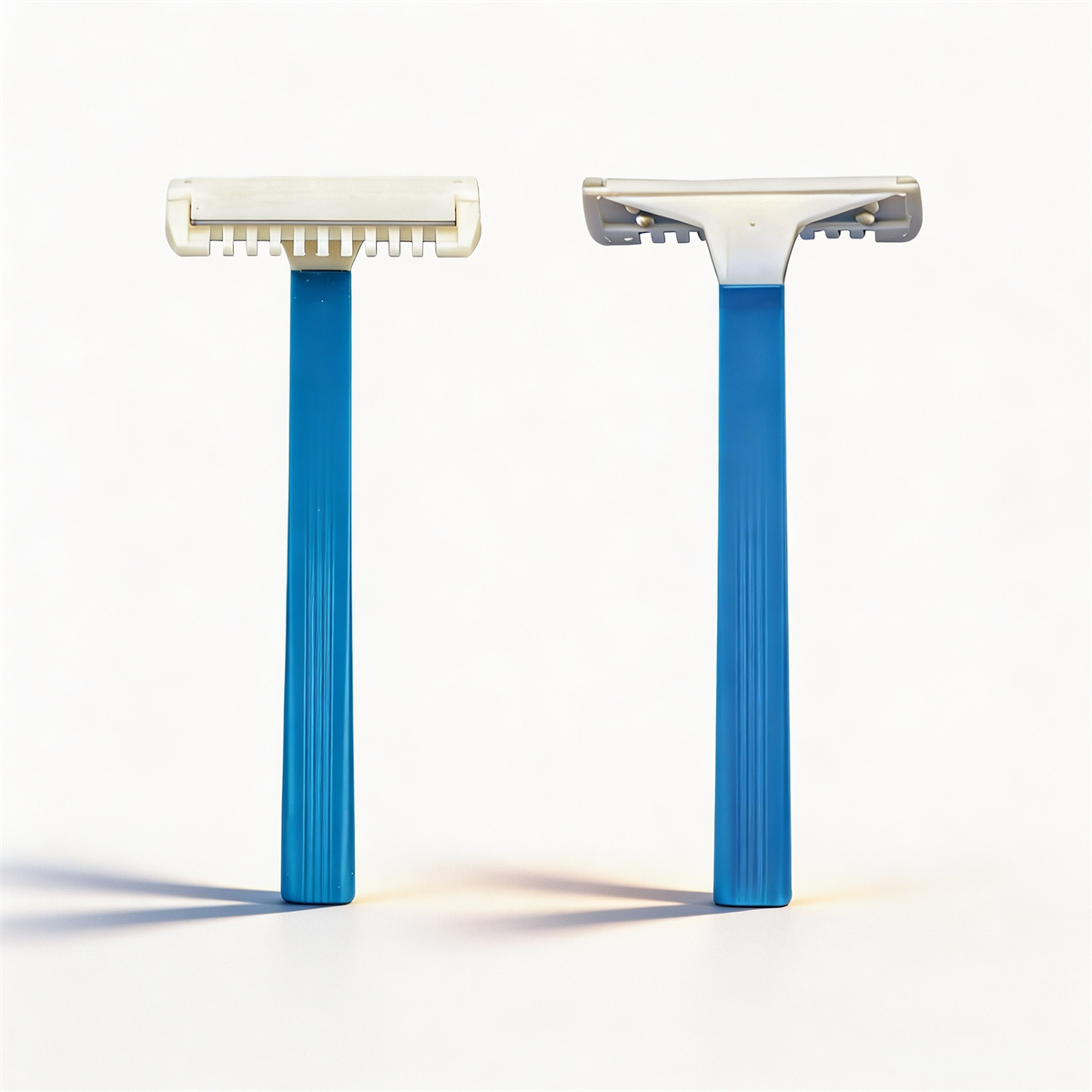
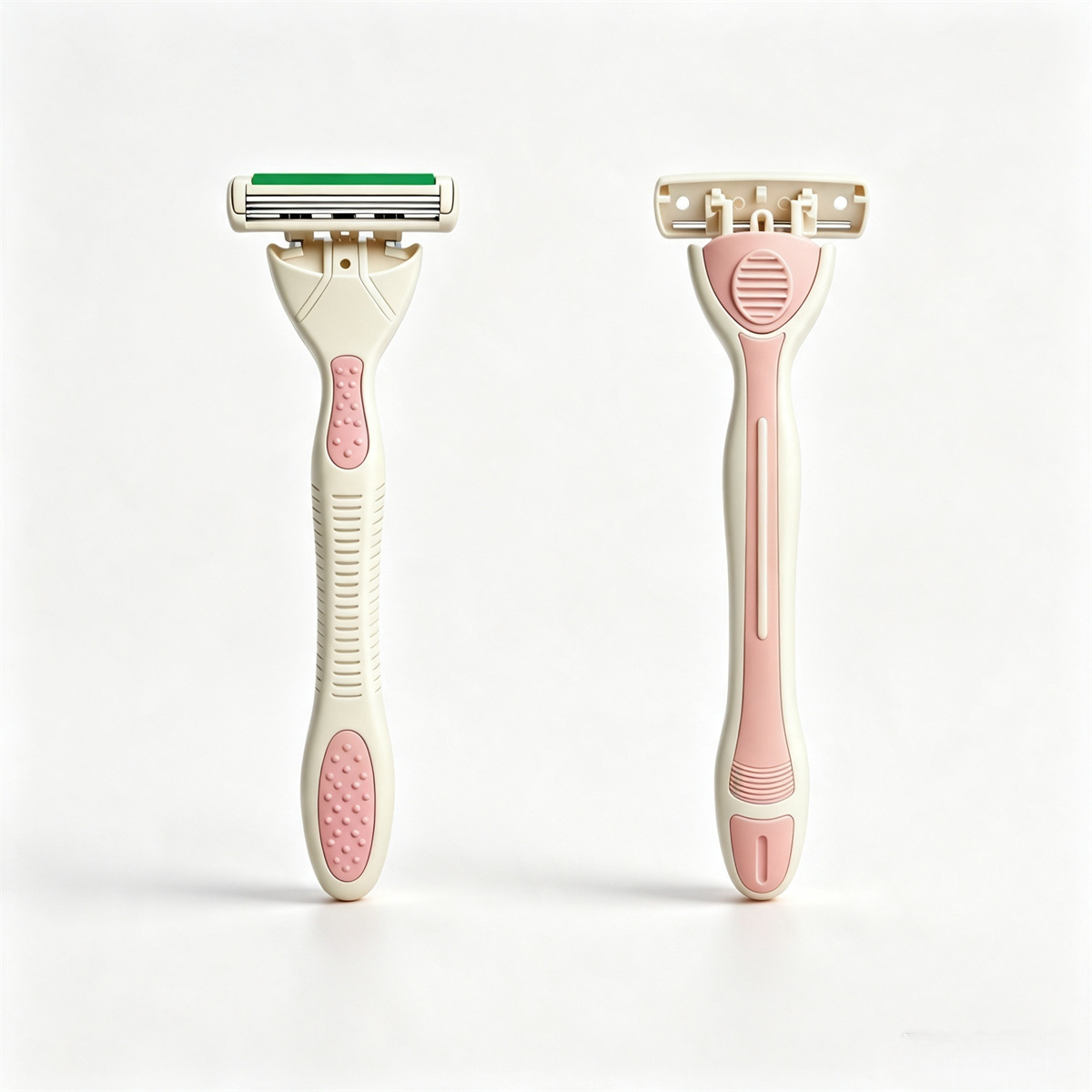
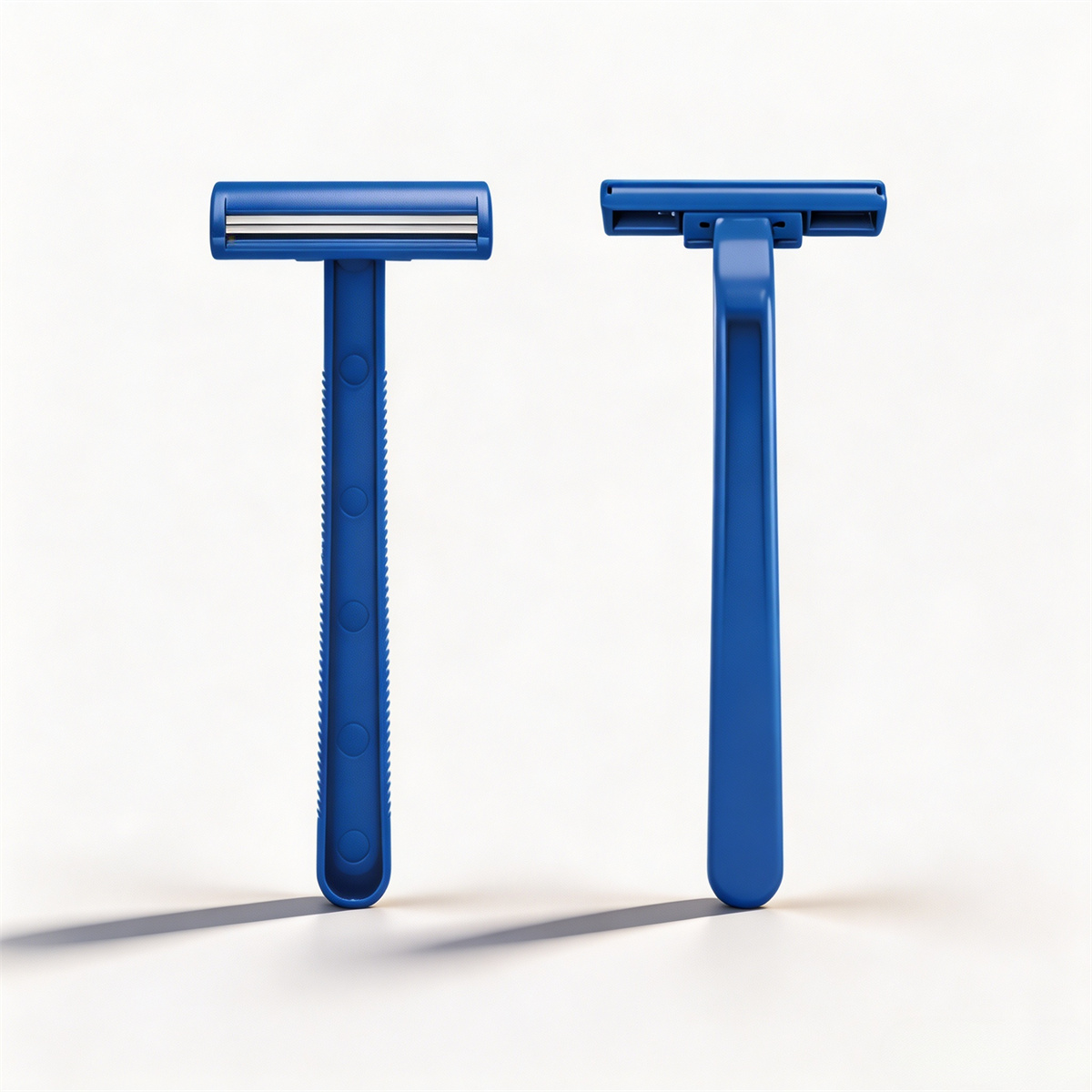
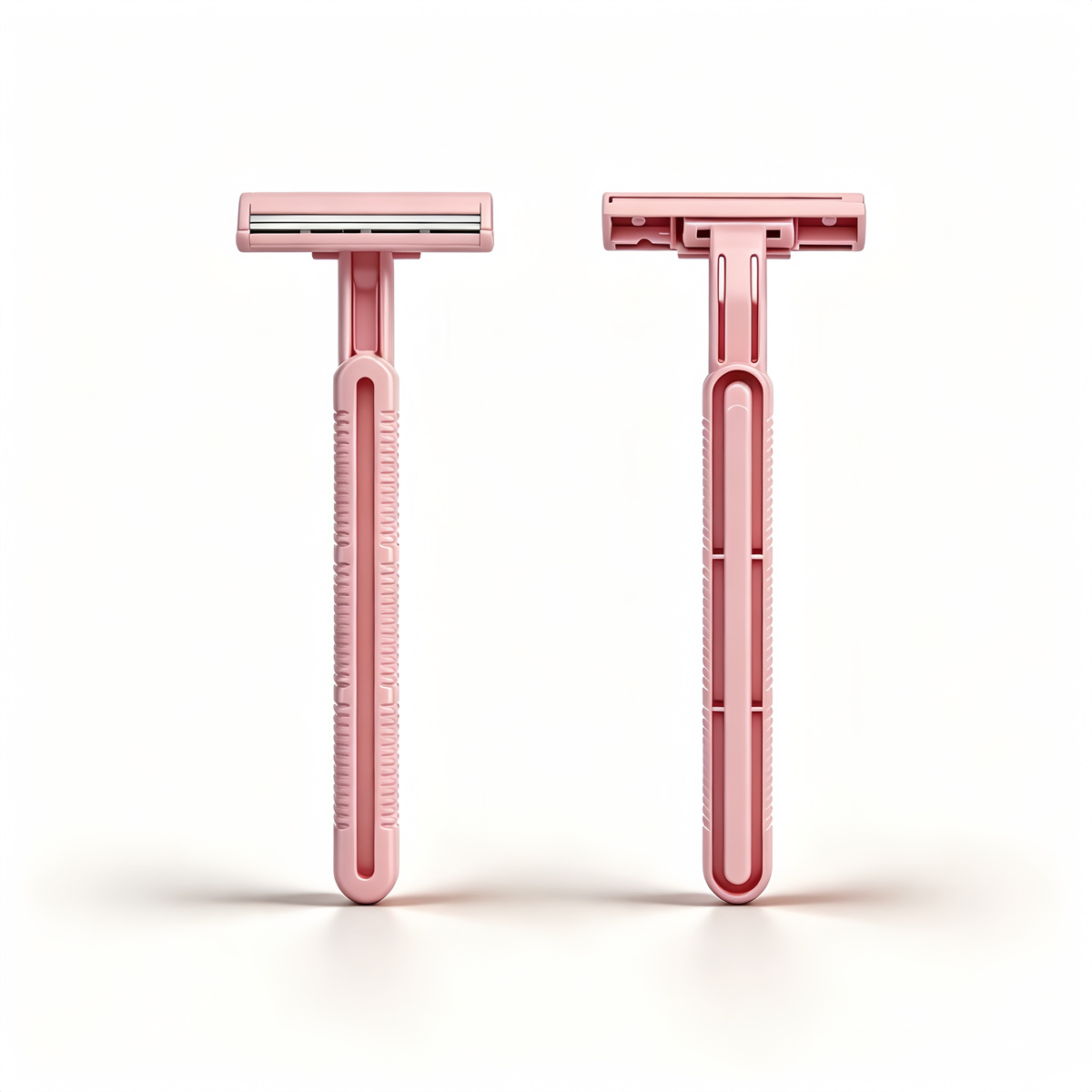
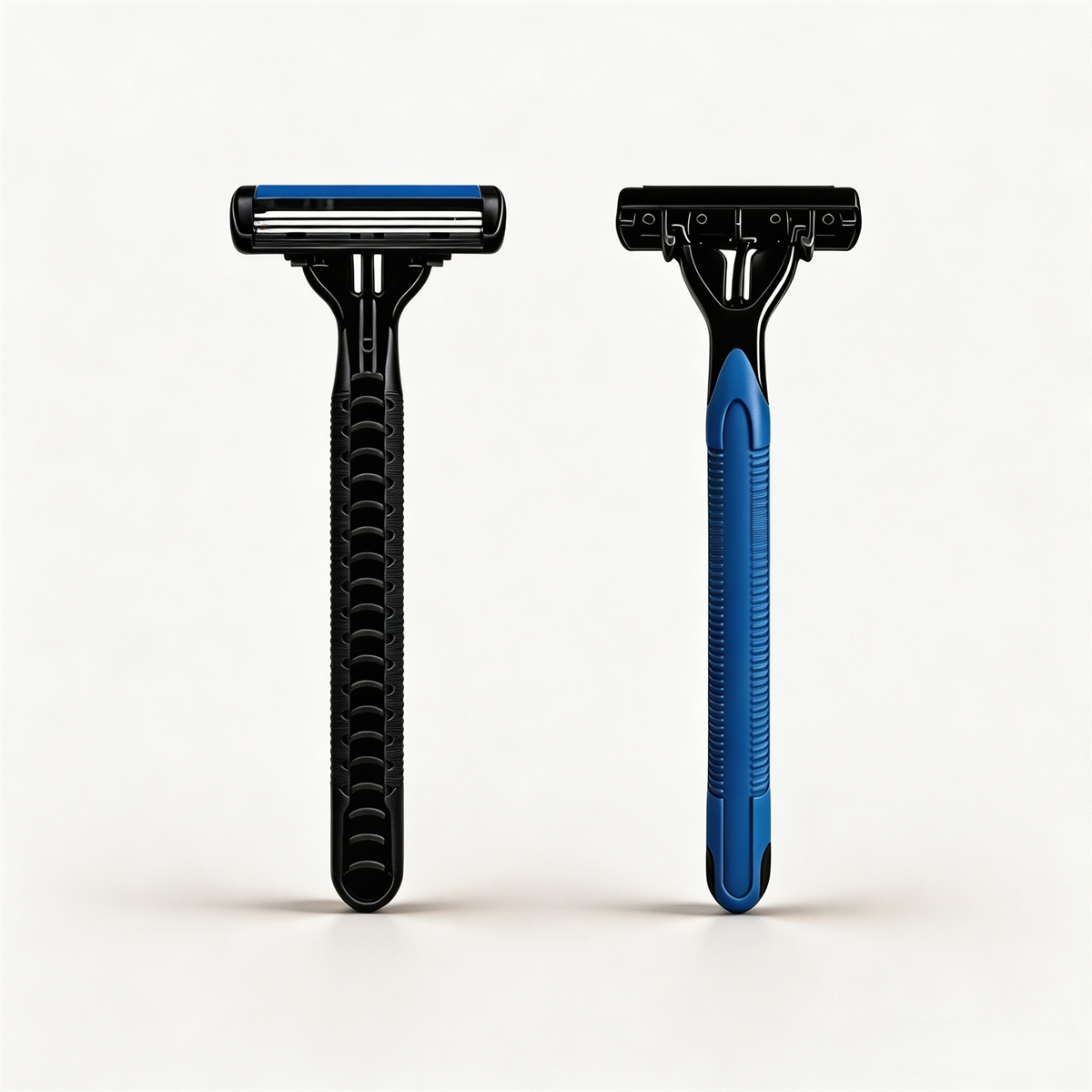


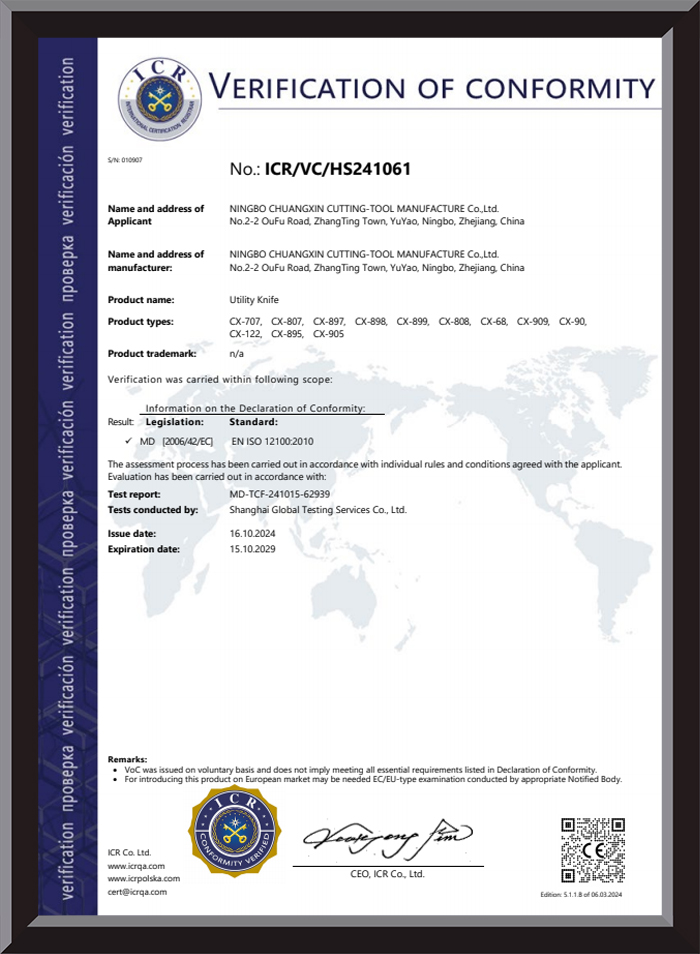
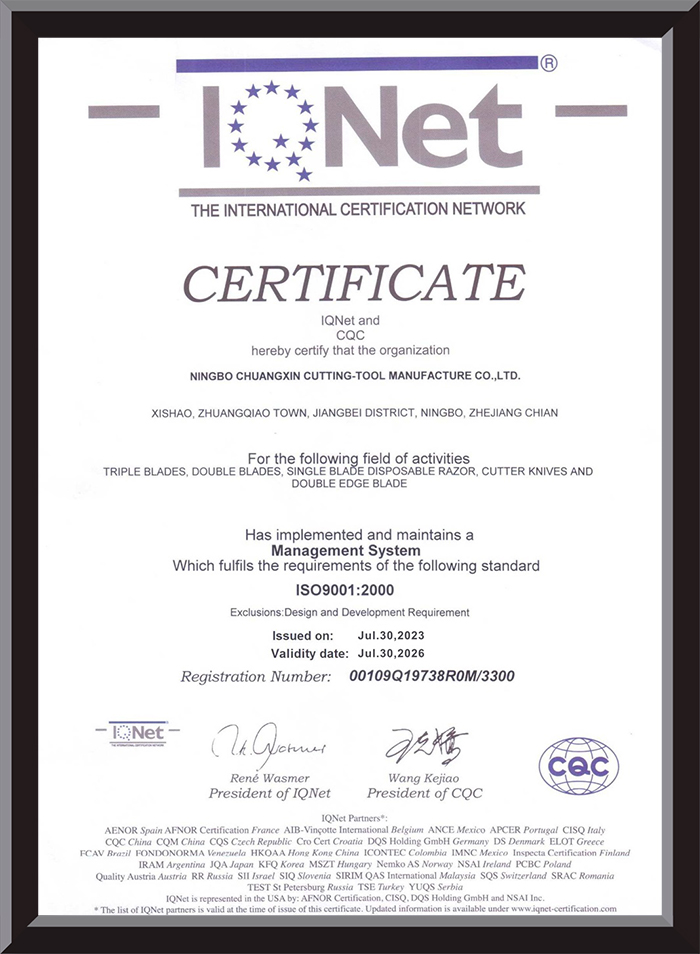
Ningbo Chuangxin Cutting-Tool Manufacture Co., Ltd. was established in 1993. It's an industry and trade enterprise specializing in producing disposable razors and utility knives for more than 30 years. The company covers an area of more than 20 acres, with a plant area of 20,000 square meters. The company has more than 100 employees and an experienced professional and technical team that integrates R&D, design, manufacturing, production, sales, and service.
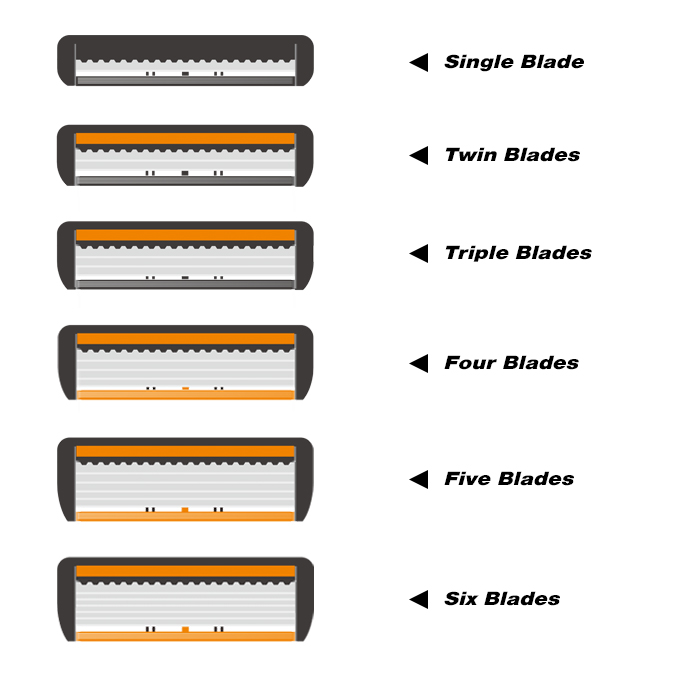
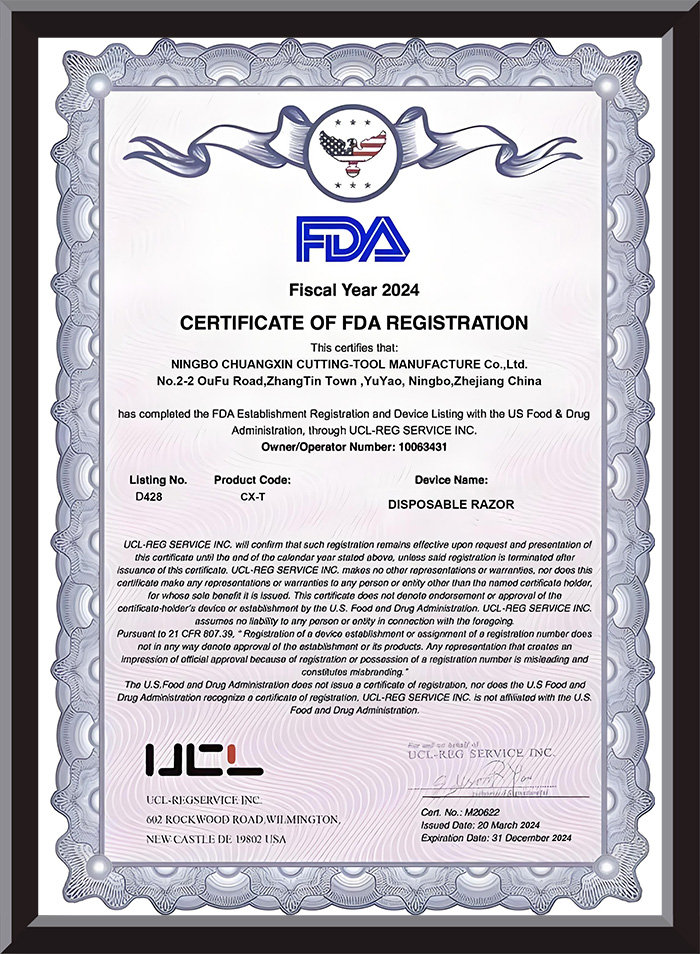
Ningbo Chuangxin Cutting-Tool Manufacture Co., Ltd. is well-known is China Plant Based Handle Disposable Shaver Manufacturers and Custom Plant Based Handle Disposable Shaver Factory. We have been committed to the research development, and production of razor products for many years. "VIVAC" is our brand in the field of razors. In addition, we provide more than 300 types of razor products, including single-layer, two-layer, three-layer, four-layer, five-layer, and six-layer blades. Multi-purpose utility knives, including the field of office stationery and hardware tools, have made us active in the international market. So far, our products have been exported to about 100 countries around the world, and our market share has continued to expand. With the support of stable quality and a good service team, we also maintain a stable partnership with major supermarkets.
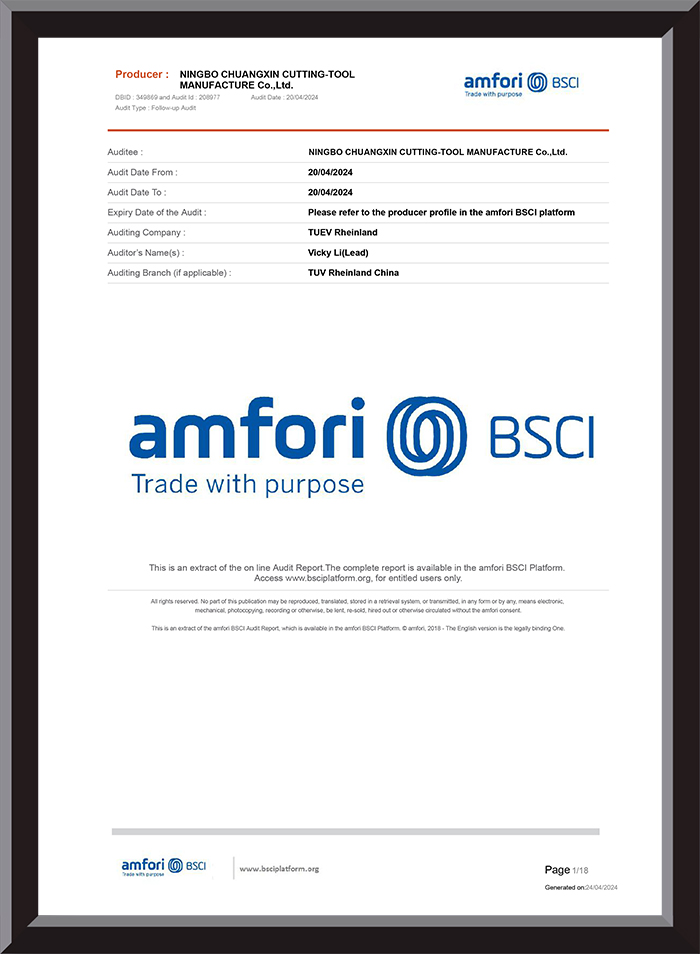
In addition, the company has a professional R&D team with strong development capabilities. We have a complete quality inspection team to make the quality more stable. We have never stopped developing new technologies for the convenience of our customers and continue to work hard to develop environmentally sustainable products.
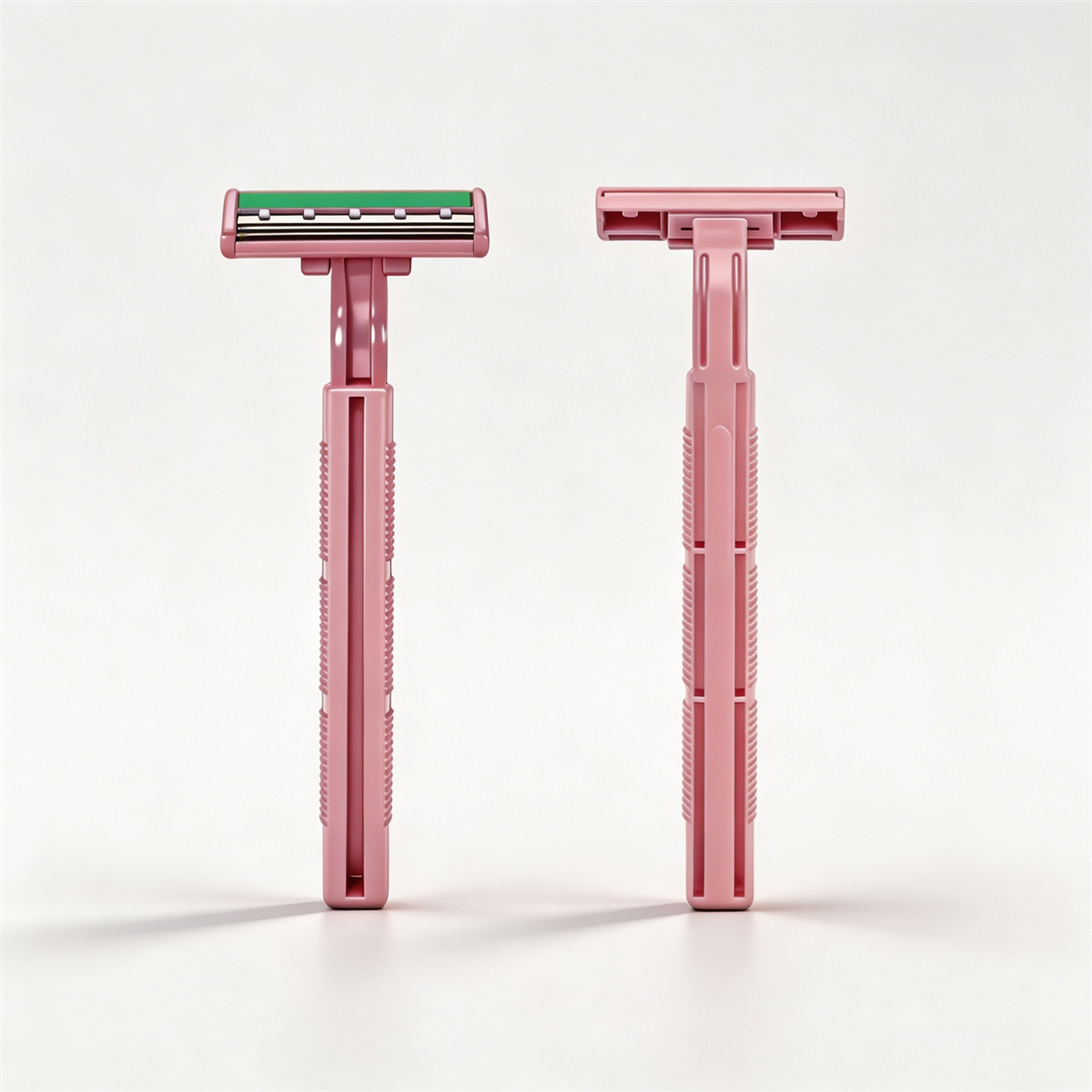
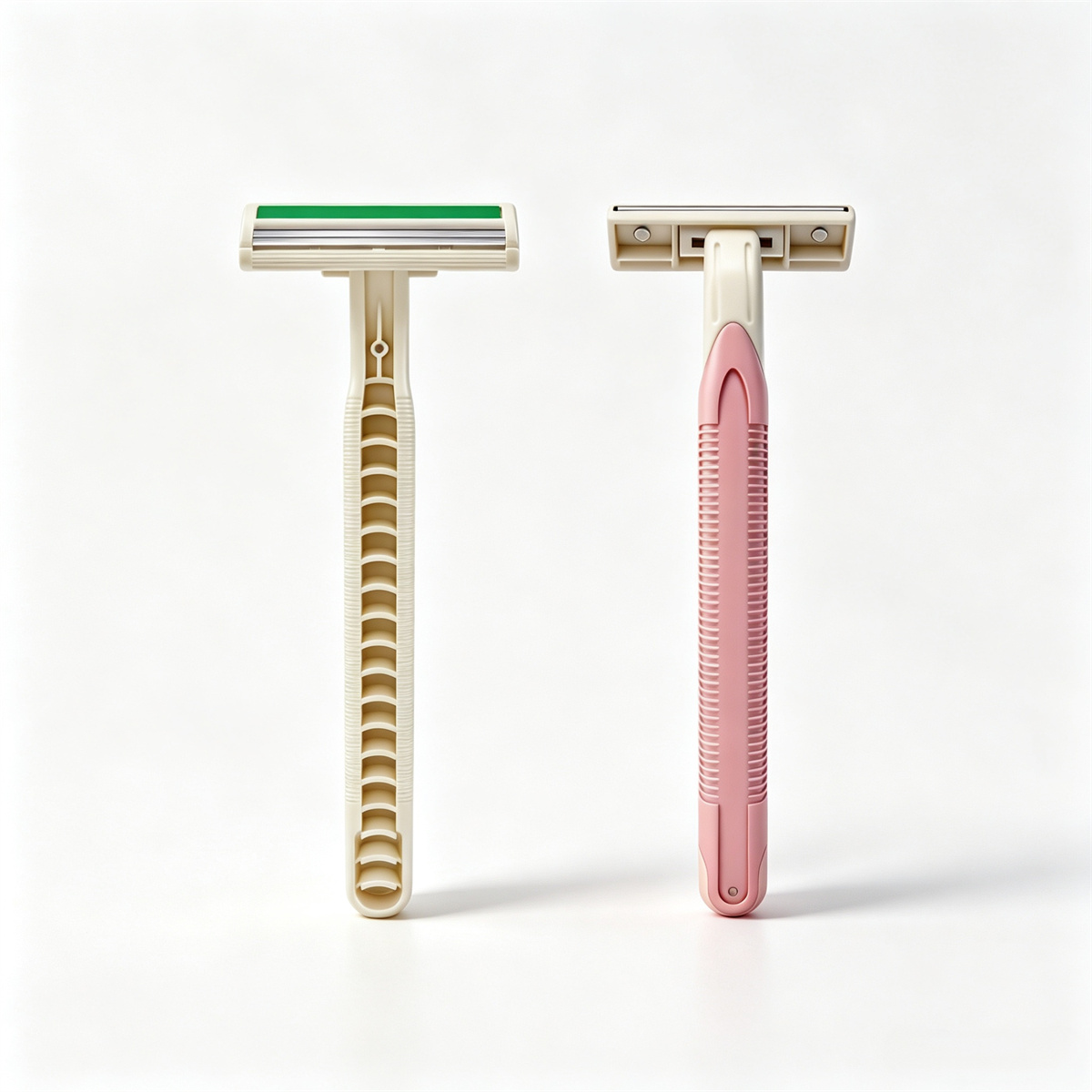
Plant Based Handle Disposable Shaver
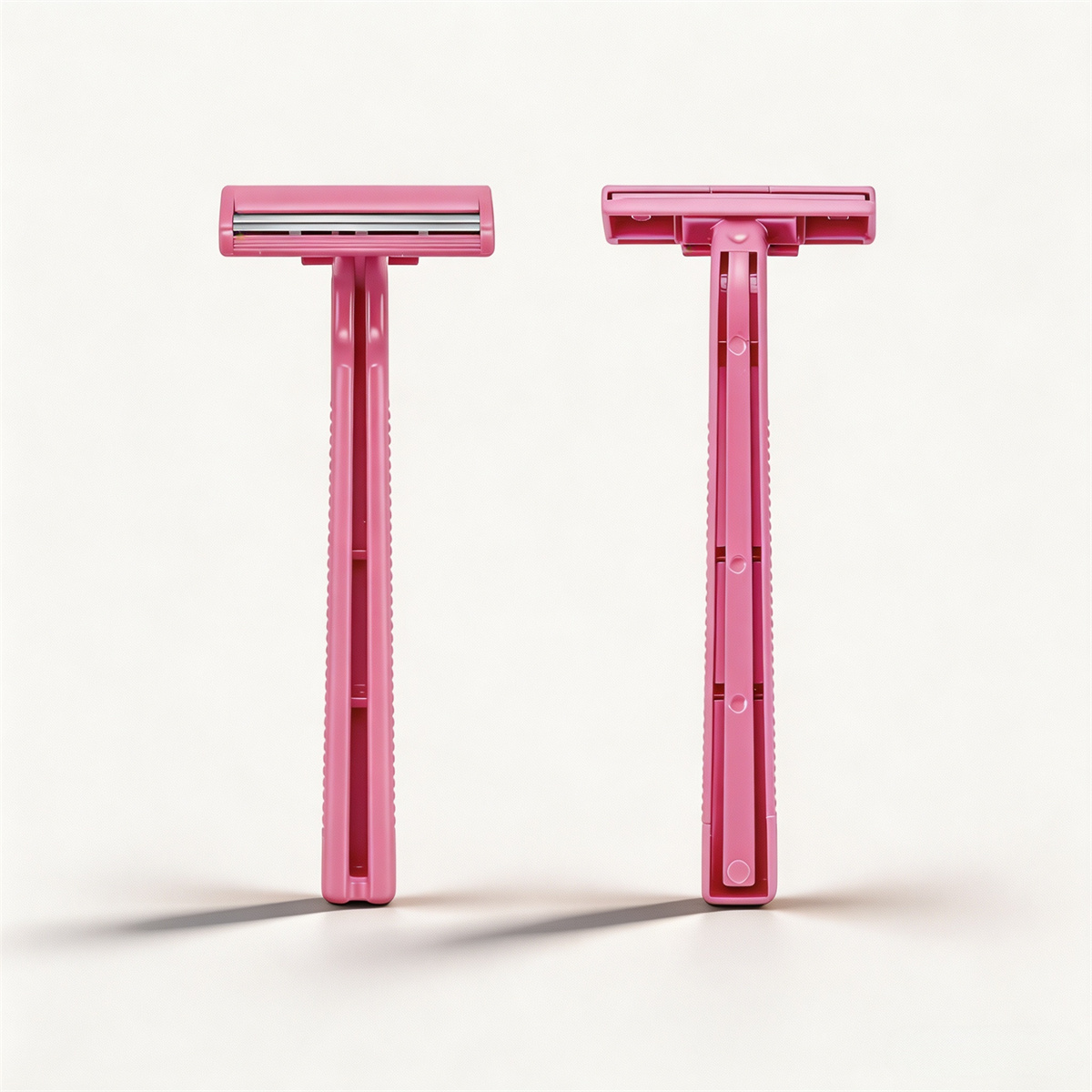
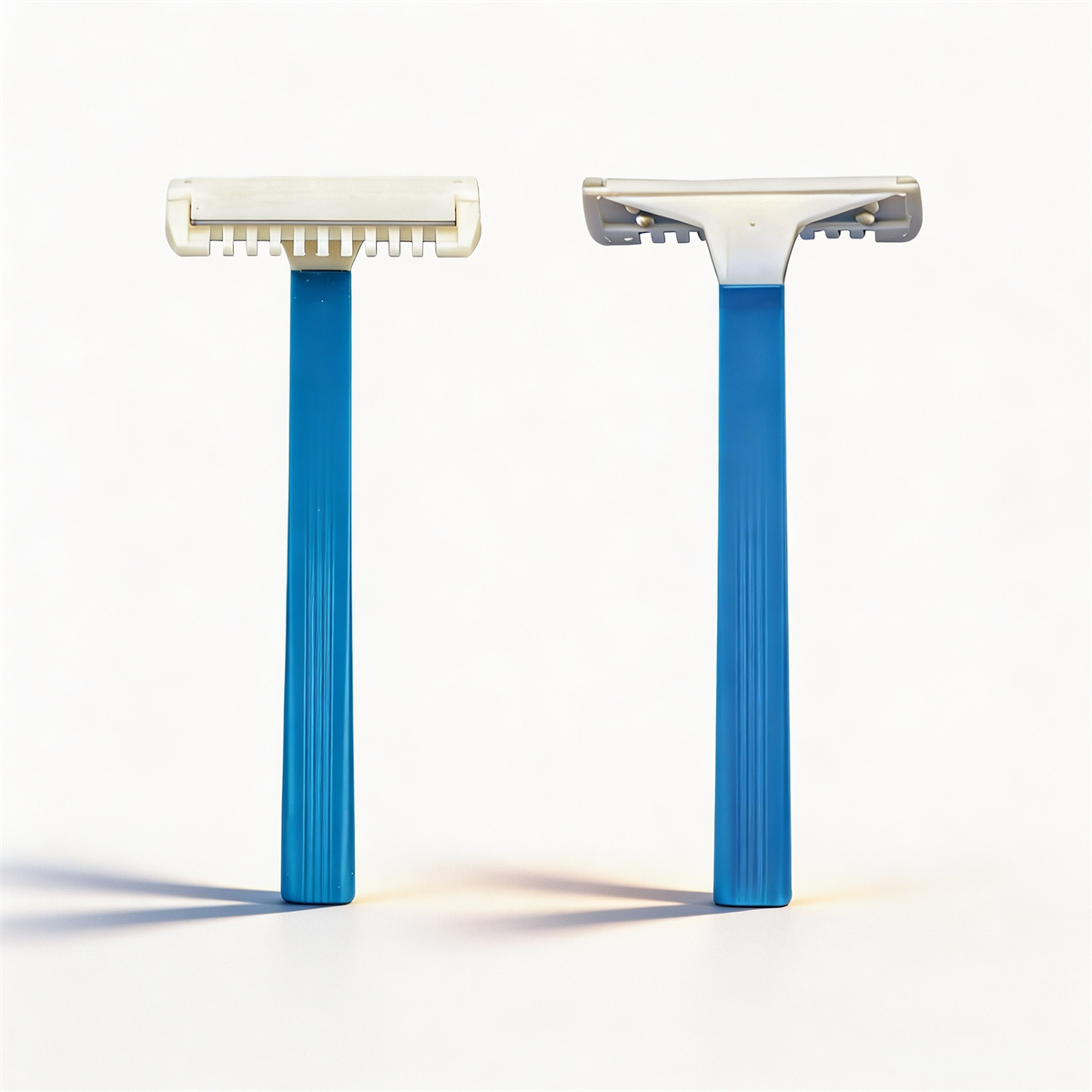
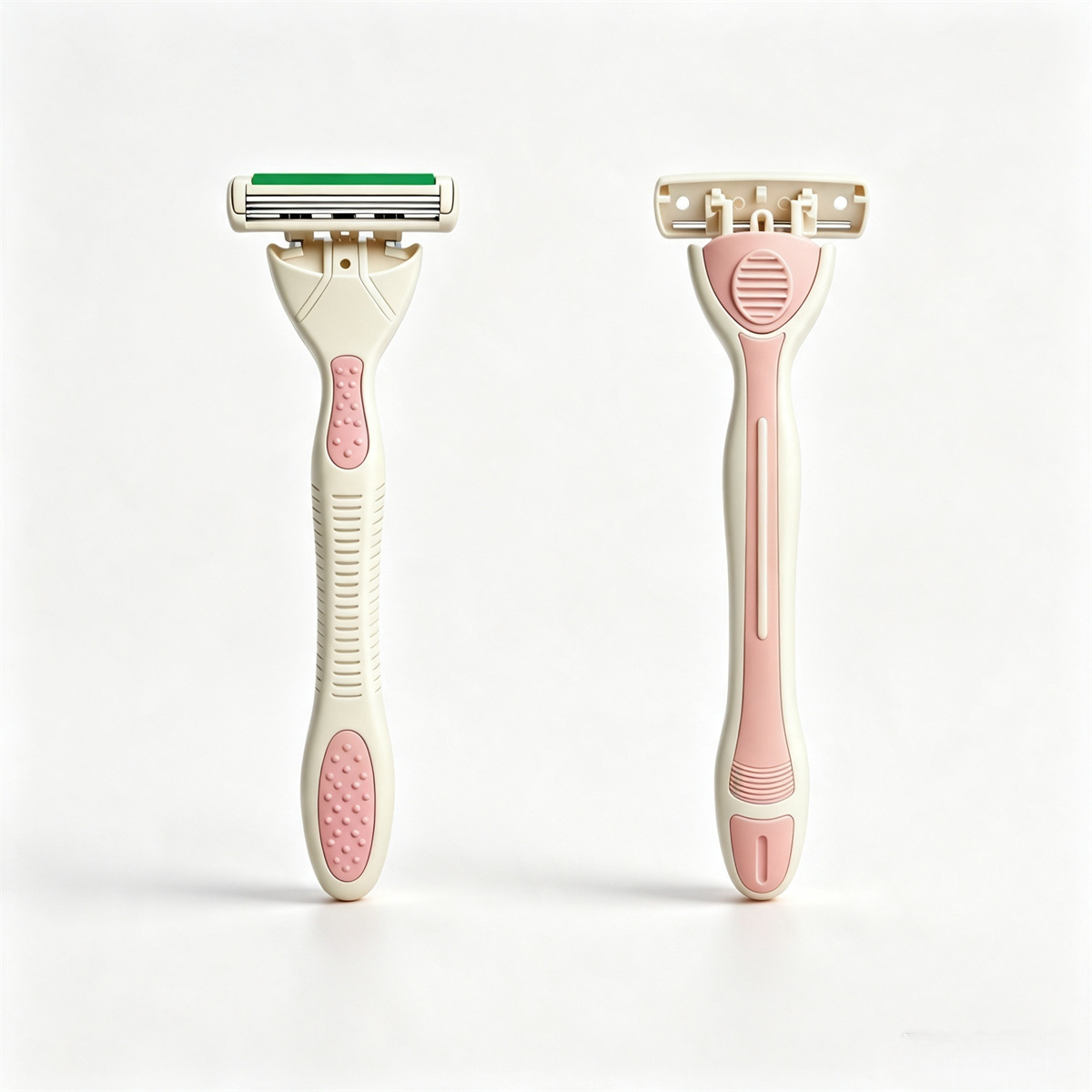
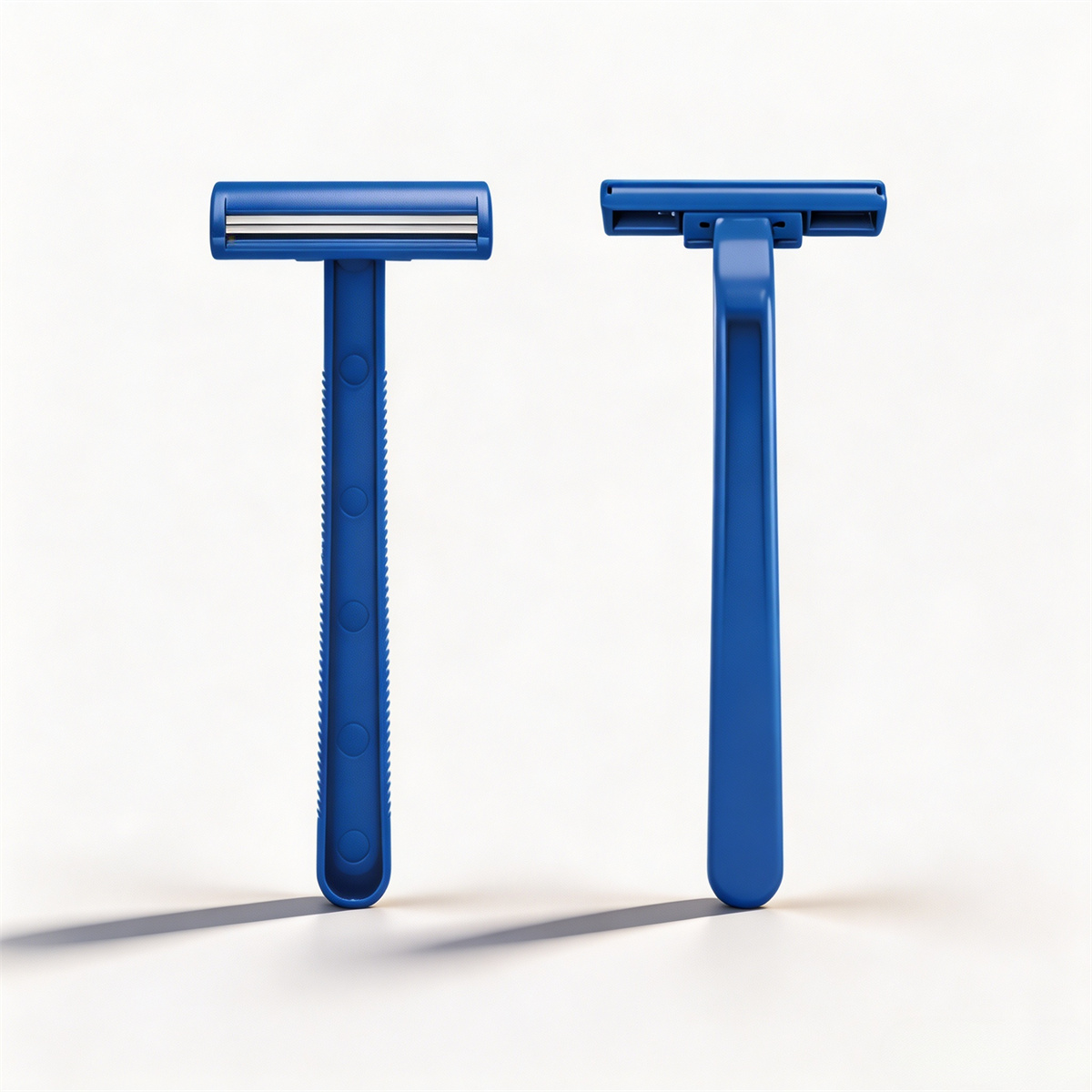
A single-use disposable shaver built entirely around a plant-derived handle resin — bio-based content sourced from renewable feedstocks, molded on standard injection tooling, and performance-matched to conventional petroleum plastic disposables.
Related Products
Explore our sustainable product range
Product Introduction
Redefining personal care with circular economy principles
The Plant Based Handle Disposable Shaver is designed for the largest and most price-sensitive segment of the razor market — the single-use disposable — without defaulting to virgin petroleum plastic as the only option. At Ningbo Chuangxin Cutting-Tool Manufacture Co., Ltd., our plant-based disposable platform replaces the standard polystyrene or polypropylene handle resin with a bio-based polymer derived from renewable agricultural feedstock, primarily corn starch and sugarcane-derived bio-PE, while preserving the exact molding process, cycle time, and unit economics that make disposable razors viable at scale.
Unlike biodegradable or compostable claims, which describe what happens to a material at end of life, "plant based" describes where the carbon in the material came from. Our bio-PE handle resin is chemically near-identical to conventional polyethylene — it is not a different, more brittle material that compromises snap-fit tolerances or wall thickness — because it is polymerized from bio-based ethylene rather than petroleum-based ethylene. This is what allows the plant-based handle to be a true drop-in replacement: the same injection molds, the same cycle times, and the same finished-part strength and clarity as a standard disposable, with a bio-based content rating that can be verified through radiocarbon (ASTM D6866) testing.
For B2B partners, this drop-in compatibility is the commercial advantage: brands can migrate an existing disposable razor SKU to a plant-based handle without re-tooling, re-testing fit and function, or absorbing the cost and lead time of a new mold. We support bio-based content ratings from 30% up to 90%, allowing brands to select the carbon-reduction level that fits their cost target and sustainability positioning.
"Bio-based PE from sugarcane and corn feedstock. Radiocarbon-verifiable bio-content. Drop-in compatible with existing disposable tooling. The disposable razor that changes where its plastic comes from."
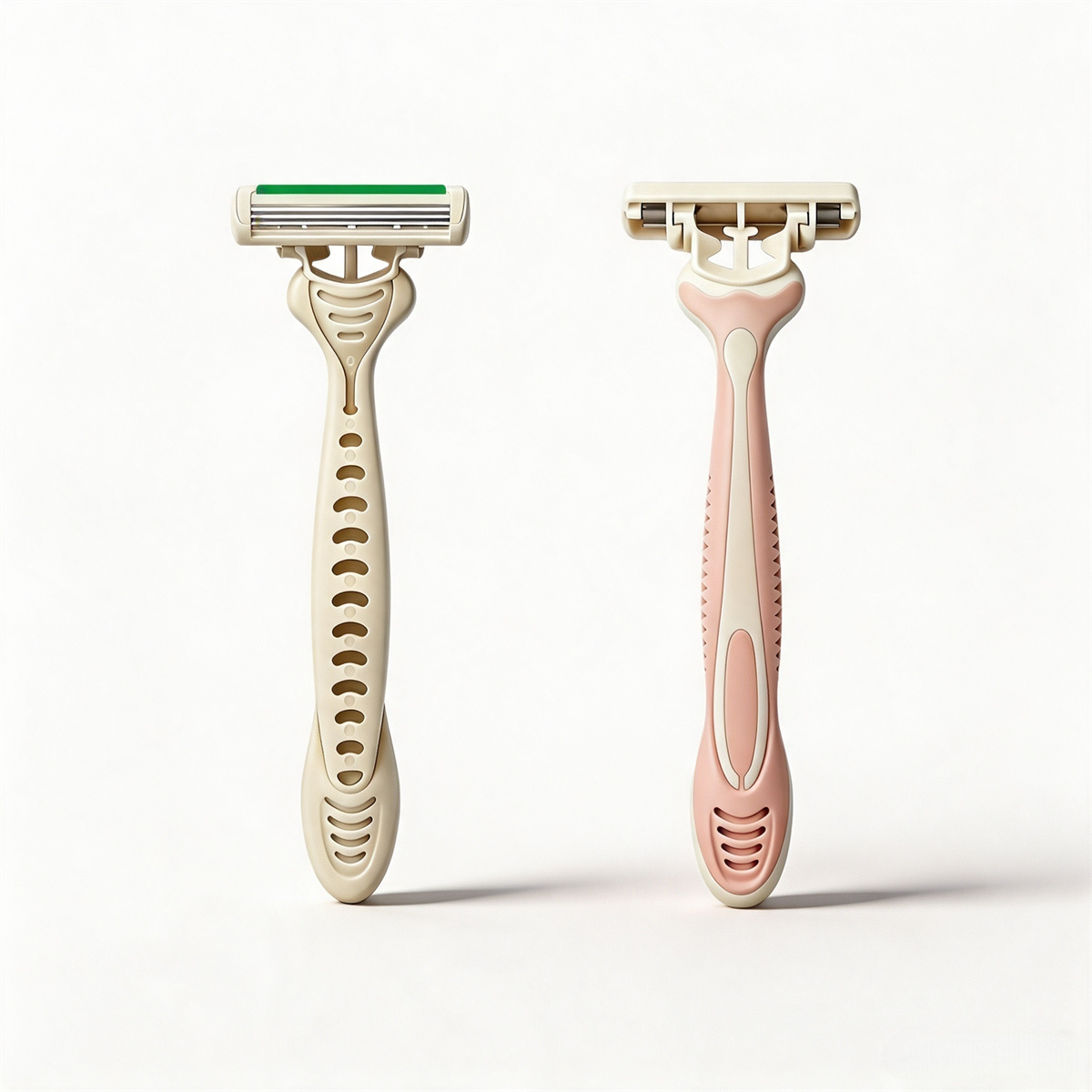
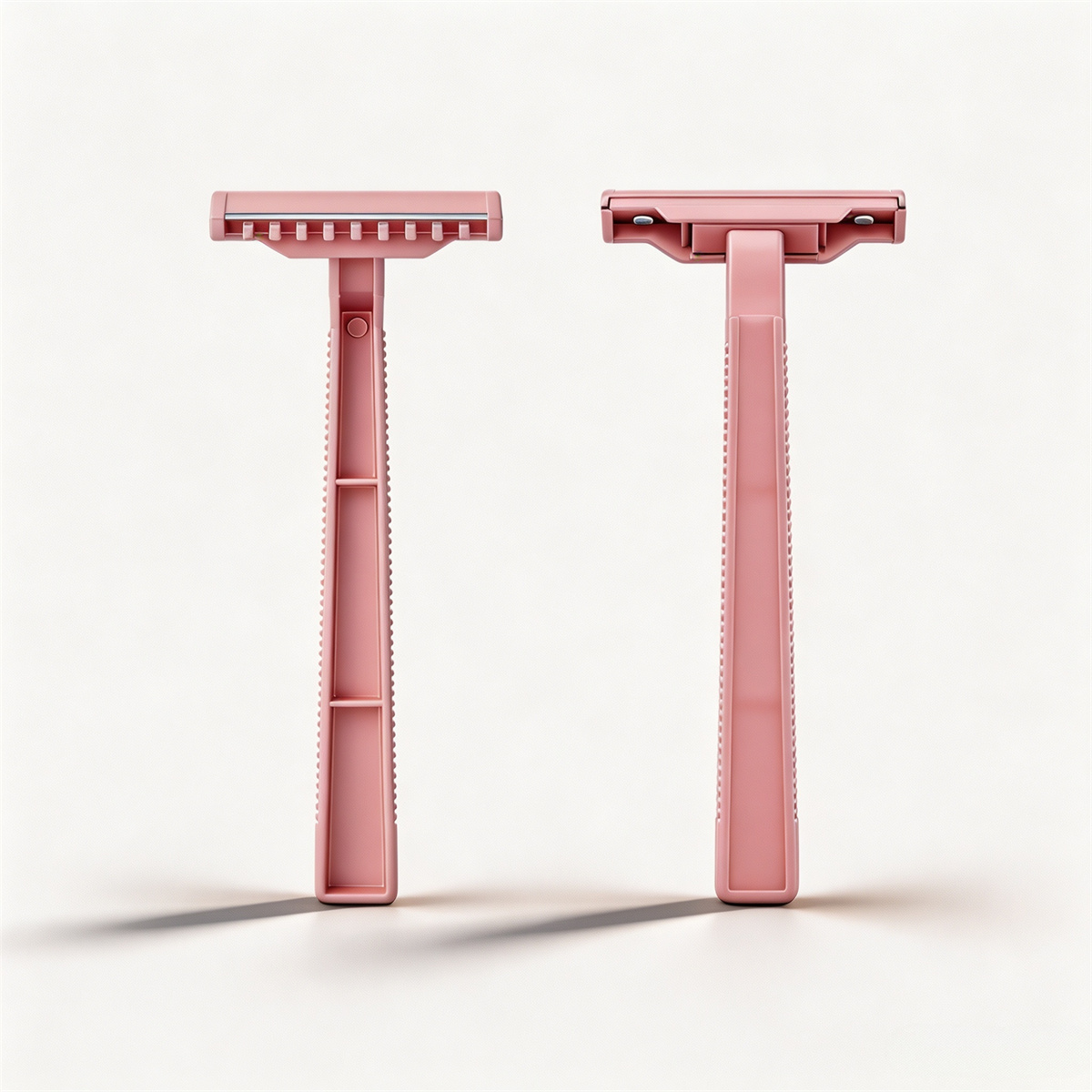
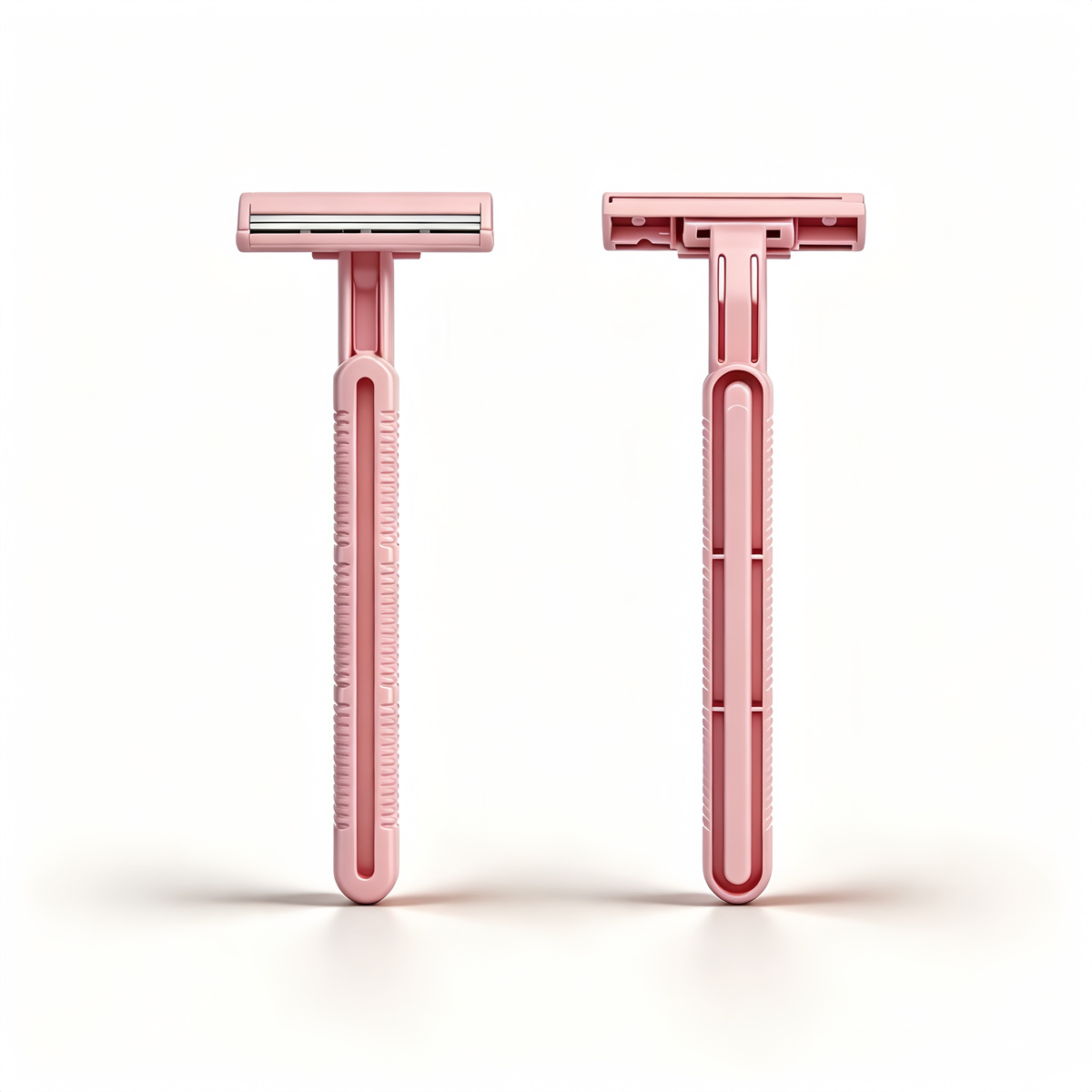
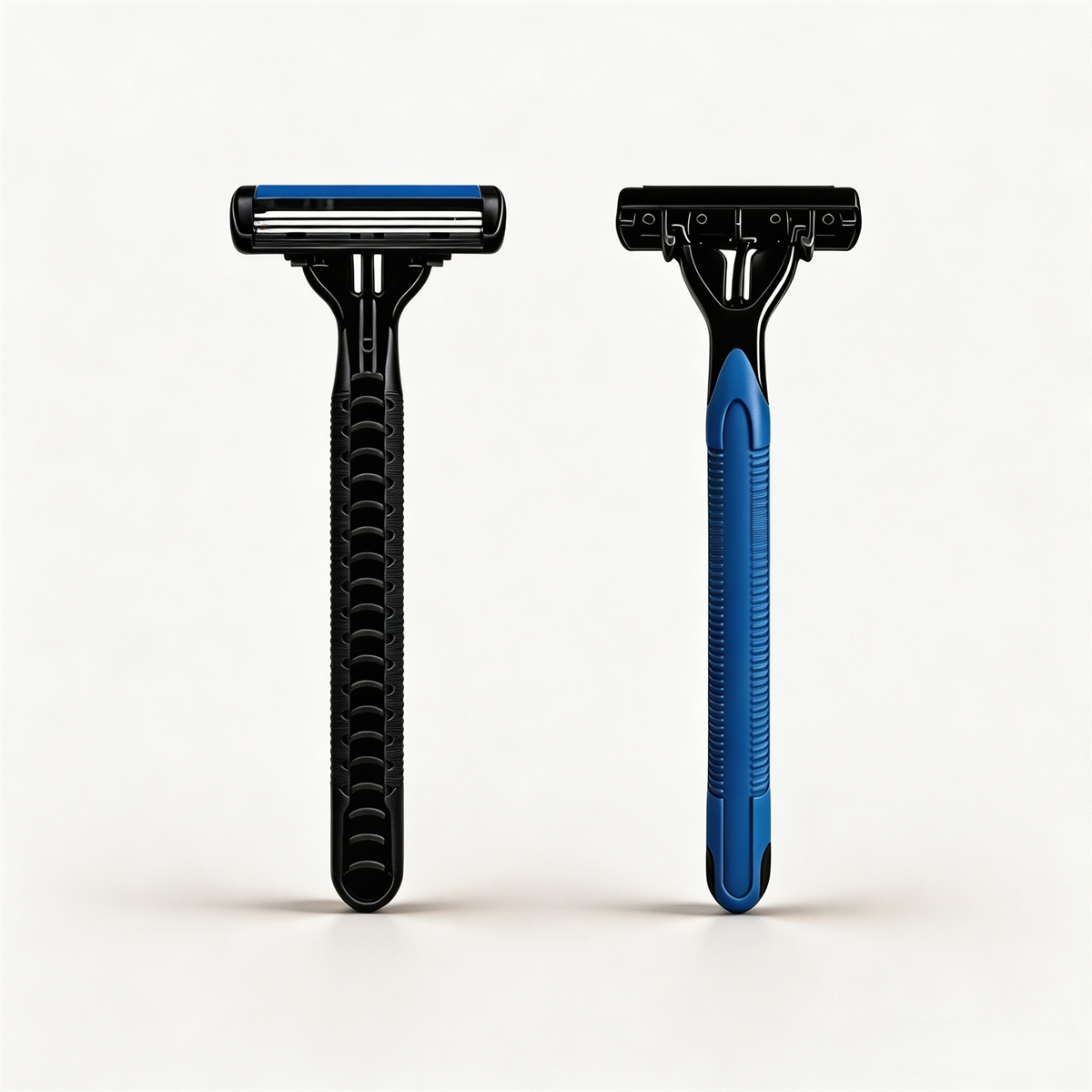
Ergonomic Design & Natural Texture
Specifications & Quick Facts
| Handle Material | Bio-Based PE (Sugarcane/Corn Feedstock) |
| Bio-Based Content Options | 30% / 60% / 90% |
| Verification Standard | ASTM D6866 Radiocarbon Testing |
| Format | Fixed-Head Single-Use Disposable |
| Blade Count | 2 or 3 Blades |
| Tooling Compatibility | Drop-In Replacement for Standard PE/PP Molds |
| Lubricating Strip | Aloe / Vitamin E Options |
| Handle Colors | Full Standard Colorway Range |
| MOQ | 50,000 PCS |
| Lead Time | 20–30 Days |
Bio-Based Content
Up to 90%Tooling Change
None RequiredFeedstock
Sugarcane / CornOur Customization Services
Comprehensive solutions tailored to your brand requirements
RAZOR CUSTOMIZATION
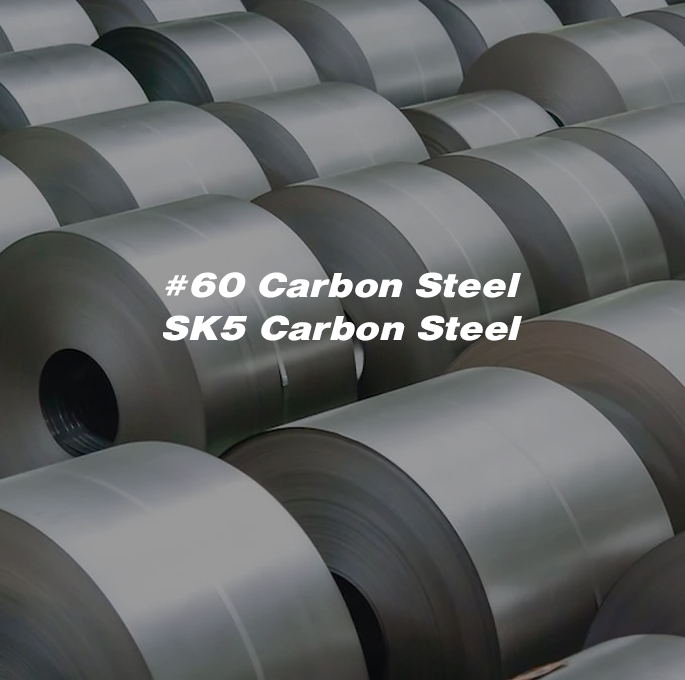
UTILITY KNIFE CUSTOMIZATION
Need more customization options? Contact our engineering team for specialized solutions.
Message Feedback
Why Choose Our Razor?
Key benefits for your business and customers
True Drop-In Bio Resin
Bio-based PE is chemically equivalent to conventional PE, so it runs on the same injection molds and cycle times as a standard disposable handle — no re-tooling investment required to switch.
Verifiable Bio-Based Content
Bio-based carbon content is verifiable through ASTM D6866 radiocarbon testing, giving brands a defensible, third-party-testable number rather than a self-declared claim.
Renewable Feedstock Sourcing
Resin is polymerized from sugarcane ethanol or corn-derived feedstock — renewable agricultural inputs in place of petroleum, reducing the fossil carbon footprint of the handle.
Performance-Matched to Standard PE
Identical wall thickness tolerances, snap-fit strength, and surface finish to conventional disposable handles — no compromise in fit, function, or shelf appearance.
Full Colorway Compatibility
Standard pigment systems are compatible with bio-based PE, so the full existing colorway range can be reproduced without new color-matching work.
Scalable Bio-Content Tiers
30%, 60%, or 90% bio-based content options let brands choose the carbon-reduction level that matches their cost target and sustainability messaging.
Application Scenarios
- Hotel and Resort Amenity Kit Programs
- Airline and Travel Amenity Kits
- Drugstore and Pharmacy Private-Label Disposables
- Subscription Grooming and Beauty Box Core SKUs
- Beauty and Personal Care E-Commerce Brand Lines
- Gym and Fitness Club Amenity Dispensers
- Event and Festival Grooming Kit Giveaways
- Corporate Sustainability-Branded Promotional Items
Bio-Based Content Verification Program
Every plant-based handle batch we produce can be paired with ASTM D6866 radiocarbon testing from an accredited third-party lab, confirming the actual percentage of bio-based carbon in the finished resin. We provide these test reports directly to B2B partners so that on-pack bio-based content claims can be substantiated rather than estimated, and we can advise on how bio-based content claims are typically worded to stay compliant across different retail markets.
Technical Details & Safety
Bio-Based Polyethylene Chemistry
Bio-based PE is manufactured by first fermenting sugarcane or corn feedstock into bio-ethanol, then dehydrating that bio-ethanol into bio-ethylene, which is polymerized using the same industrial process used for conventional petroleum-derived polyethylene. The resulting polymer is molecularly equivalent to standard PE — this is the key distinction from a biodegradable or compostable resin, which is typically a different polymer chemistry (such as PLA) with different mechanical properties.
- Feedstock-to-Resin Pathway: Agricultural sugar or starch is fermented to ethanol, dehydrated to ethylene, and polymerized to bio-PE — a process that substitutes the carbon source without changing the final polymer's molecular structure.
- Mechanical Equivalence: Because bio-PE and petroleum PE are the same polymer, tensile strength, impact resistance, and flexibility are effectively identical, which is why existing mold tooling and part designs transfer without modification.
- Radiocarbon Verification Basis: ASTM D6866 measures the ratio of carbon-14 (present in recently grown plant matter) to carbon-12 in the resin, distinguishing bio-based carbon from fossil-based carbon — a test petroleum-derived plastic cannot pass.
End-of-Life Guidance
- This is a bio-based, not necessarily biodegradable, material — dispose of the used razor in standard household waste or plastics recycling per local guidance, not in home compost.
- If your municipal program accepts PE in curbside recycling, the handle can typically be included, though blade removal guidance still applies.
- Do not attempt to compost the fixed-head unit at home; bio-PE requires the same waste stream as conventional PE despite its renewable origin.
- Store in a dry environment prior to use; bio-PE has the same moisture resistance as standard PE and requires no special handling.
Frequently Asked Questions
Is a plant-based handle the same as a biodegradable handle?
No, and this is an important distinction. "Plant based" describes the origin of the carbon used to make the plastic — in this case, renewable sugarcane or corn feedstock instead of petroleum. It does not mean the material breaks down differently at end of life. Bio-based PE has the same durability and the same disposal requirements as conventional PE plastic. If biodegradability at end of life is the priority, our biodegradable resin handle razor uses a different polymer chemistry (PHA-based) specifically engineered for that purpose.
Does switching to a plant-based handle require new injection molds?
In most cases, no. Bio-based PE is designed to be a drop-in substitute for conventional PE with matching melt flow characteristics, so existing mold tooling, cycle times, and part designs typically transfer without modification. We recommend a short qualification run when migrating an existing SKU to confirm dimensional consistency before full production, but this does not usually require new tooling investment.
How is the bio-based content percentage actually verified?
Through ASTM D6866 radiocarbon testing performed by an accredited third-party laboratory. This method measures the ratio of carbon-14, which is present in recently grown plant matter but absent in fossil-derived carbon, allowing an accurate measurement of what percentage of the resin's carbon content is genuinely plant-derived rather than self-declared by the manufacturer.
Will the bio-based resin affect the color or clarity of the handle?
Standard pigment and colorant systems used for conventional PE are compatible with bio-based PE, so existing colorways can generally be reproduced without new color-matching development work. Minor batch-to-batch variation can occur with feedstock-derived resins, which is standard practice to account for in color tolerance specifications.
What bio-based content percentage should we choose?
This depends on your cost target and sustainability messaging goals. Lower tiers (30%) offer a meaningful carbon reduction at a smaller cost premium over virgin petroleum PE, while higher tiers (90%) maximize the renewable-content claim at a correspondingly higher resin cost. We can provide cost and lead time comparisons across tiers to help determine the right balance for your specific program.
Related Tags
Explore more insights and resources


 No. 2-2, Oufu Road, Zhangting Town, Yuyao City, Ningbo City, Zhejiang, China.
 +86-574-87560886/87560055
 +86-574-87560885