

 English
 中文简体
中文简体 русский
 Español


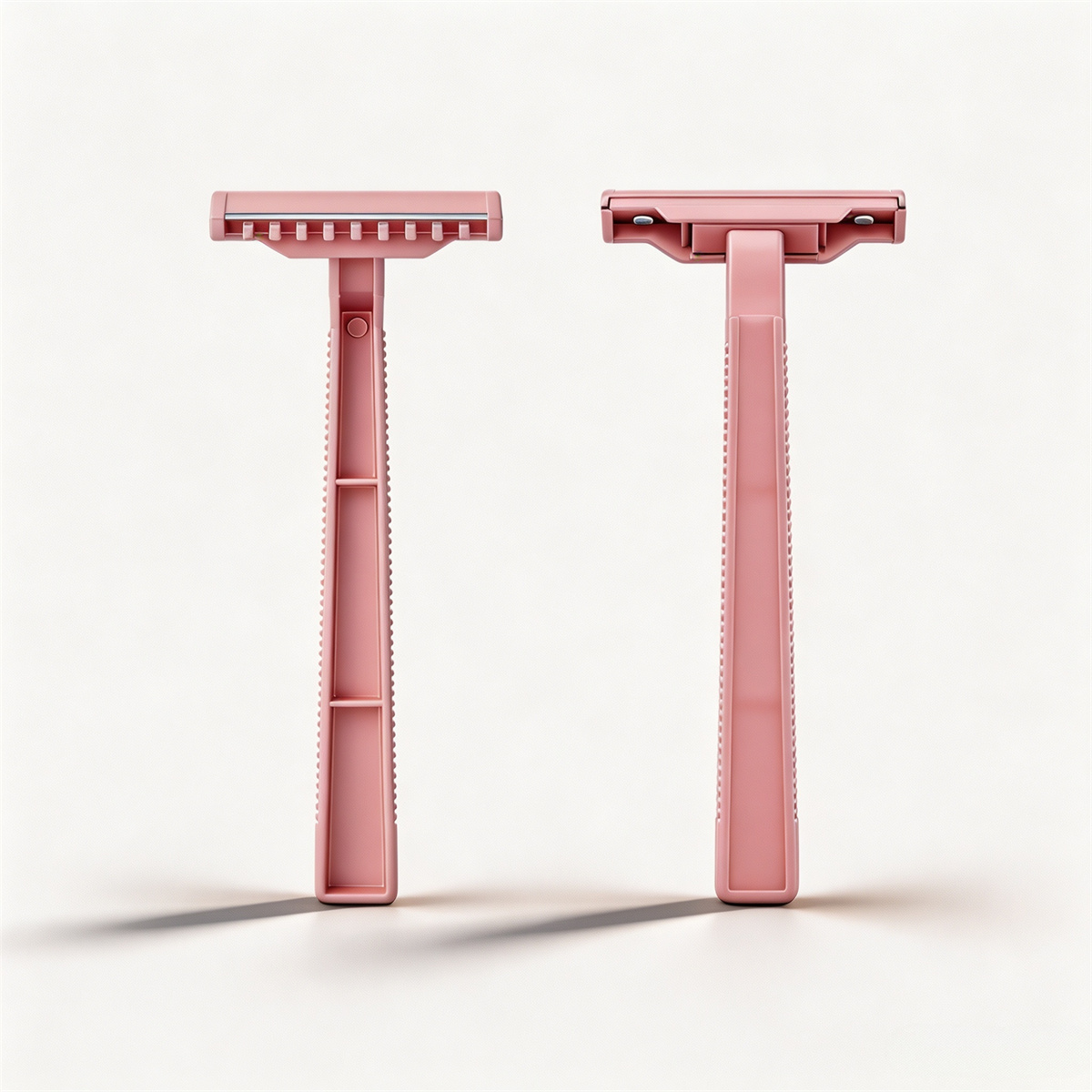
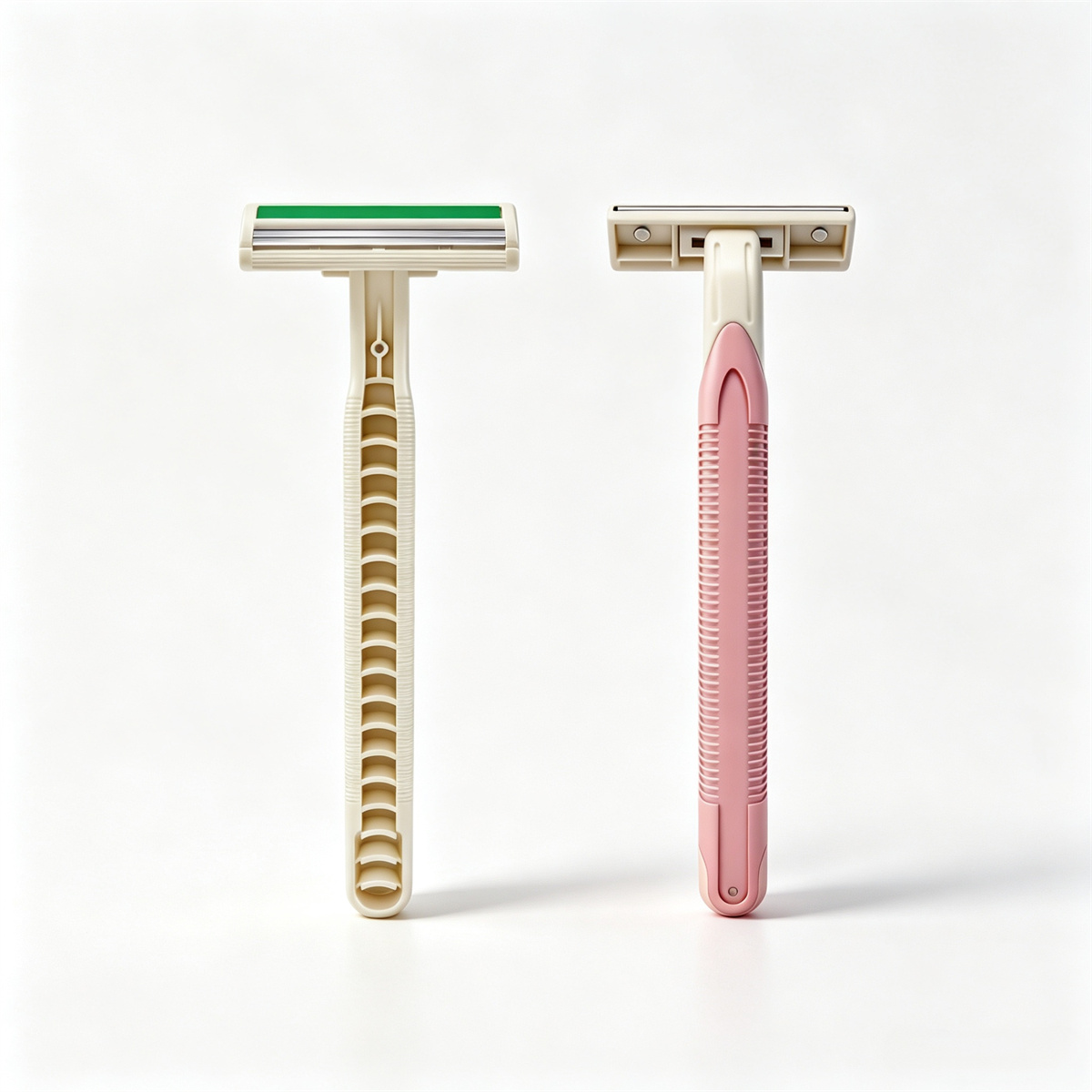
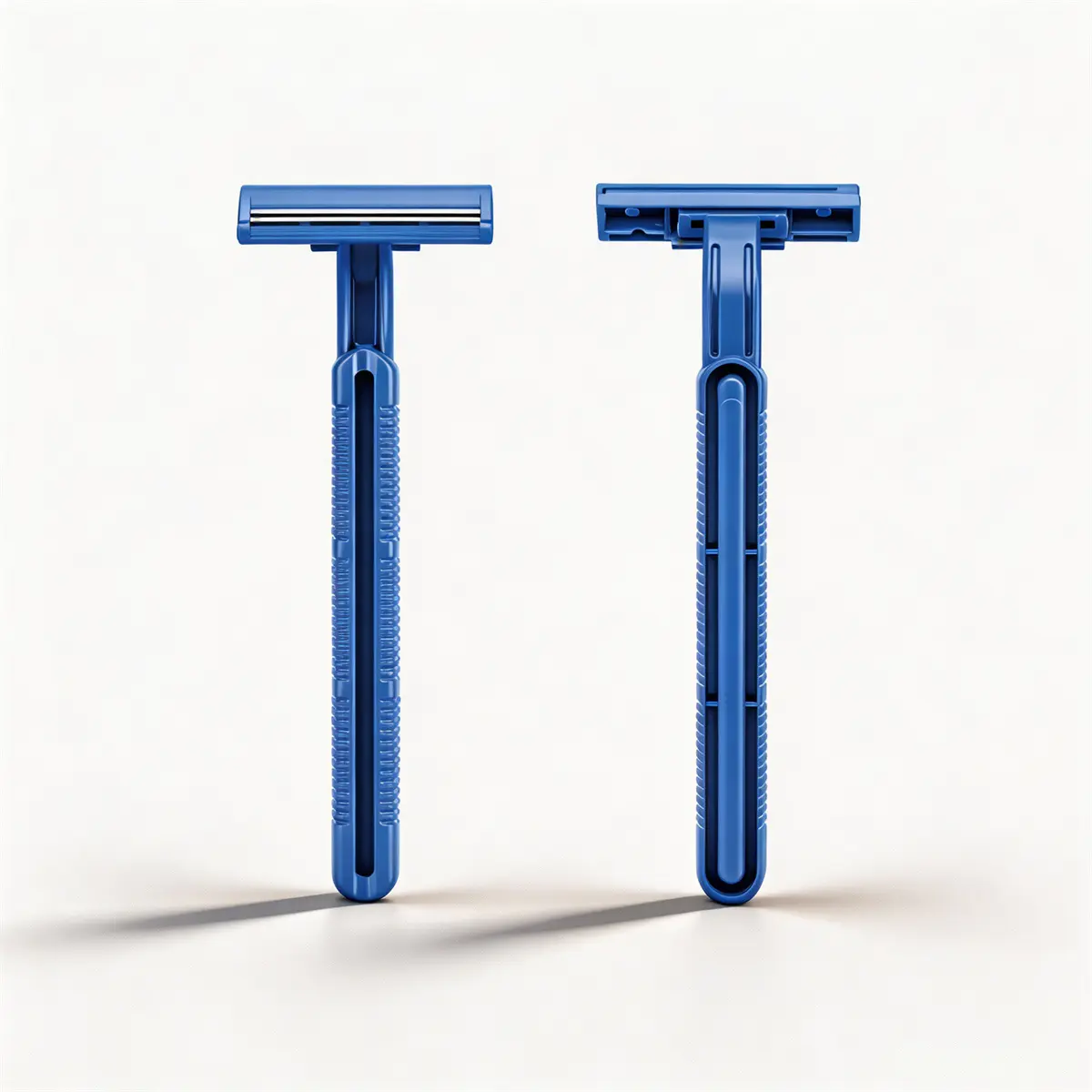
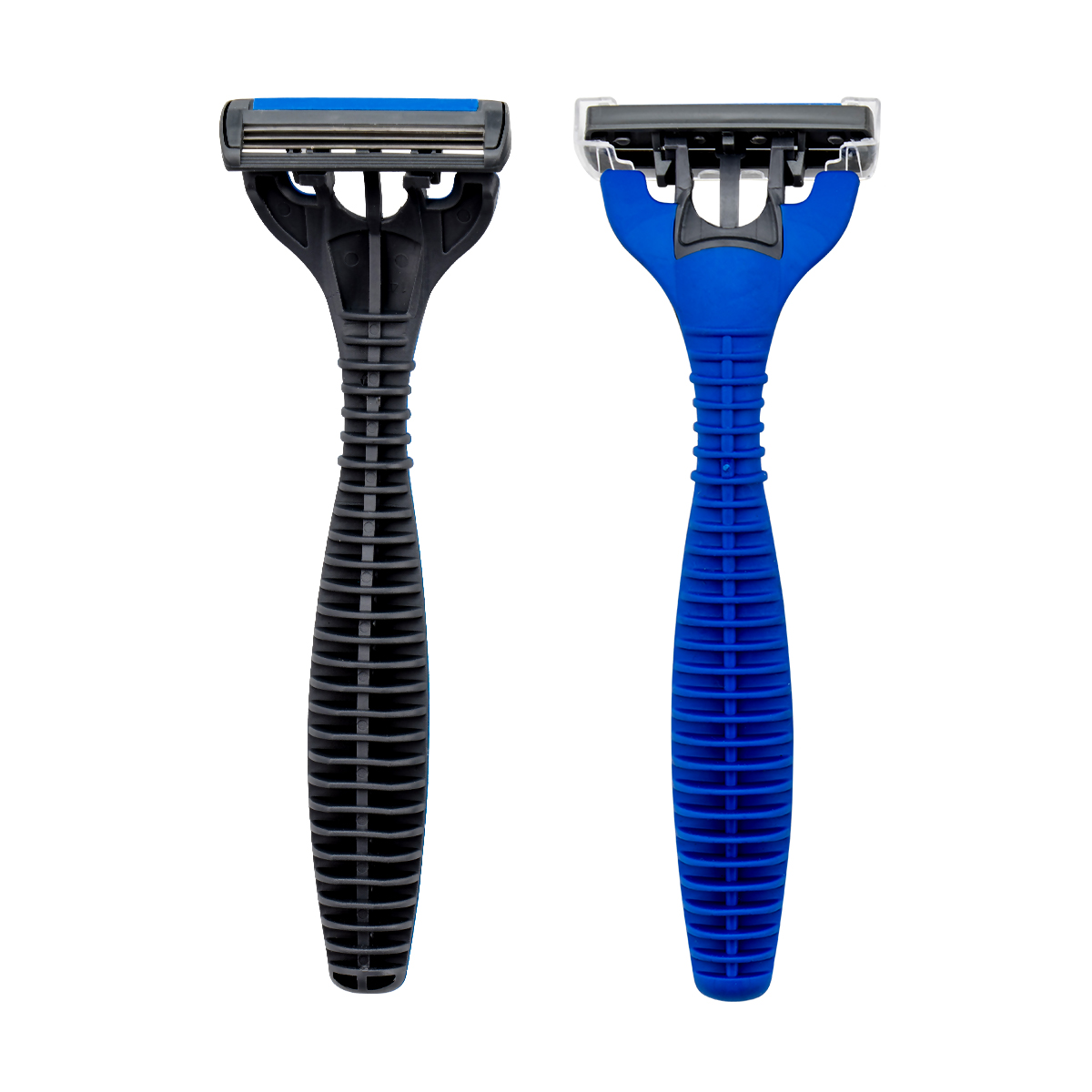
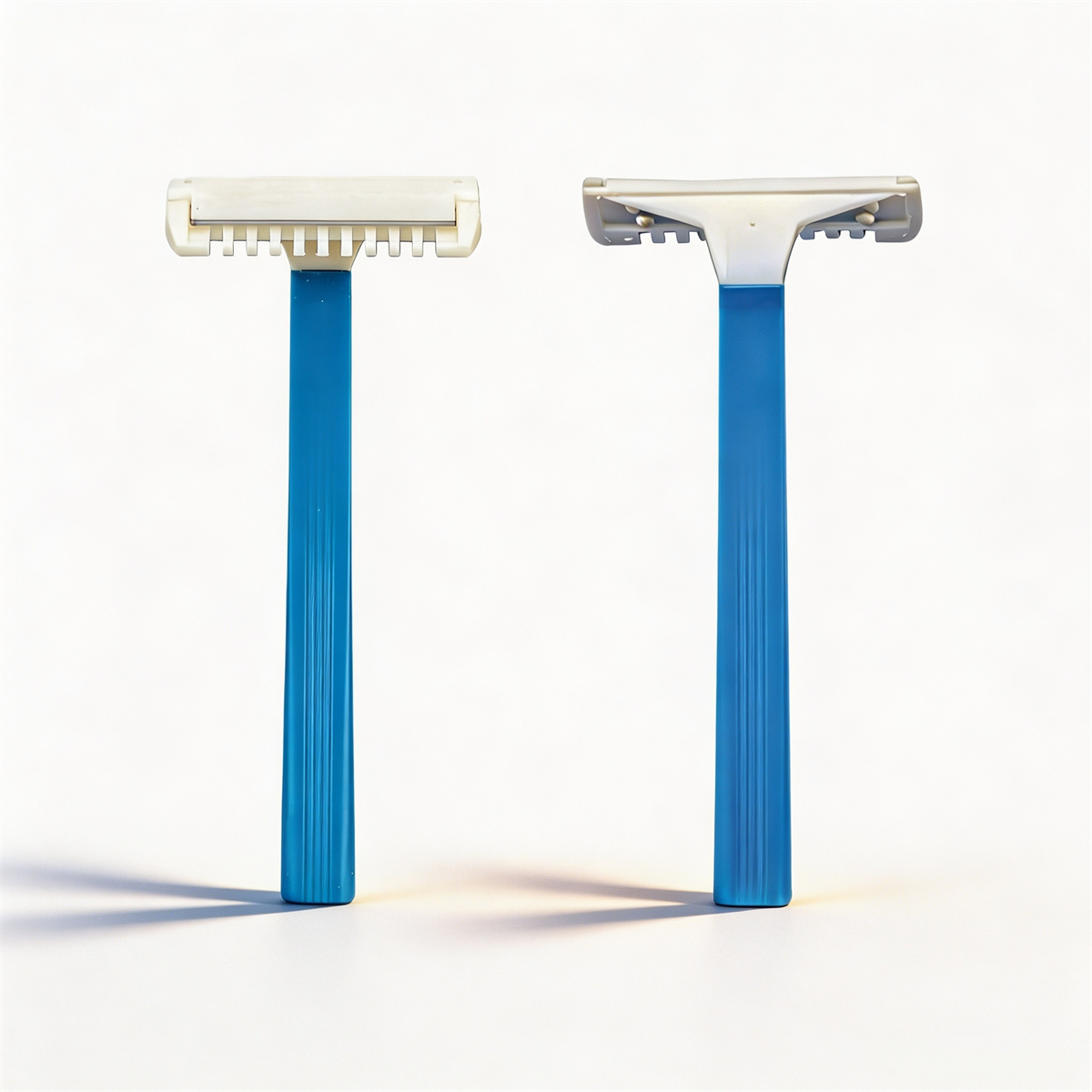

We are an industry and trade enterprise
specializing in the production of disposable razors and utility knives for more than 30 years.
What are the differences in shaving performance between razors marketed for men and those designed for women
Content
In the personal care market, razors marketed for men and women, while seemingly similar, have distinct differences in design and shaving performance. These differences stem from varying skin structures, shaving habits, and comfort requirements between the genders. This article explores the key differences in shaving performance between razors designed for men and those designed for women, helping consumers make an informed choice when selecting a razor.
Blade Number and Arrangement
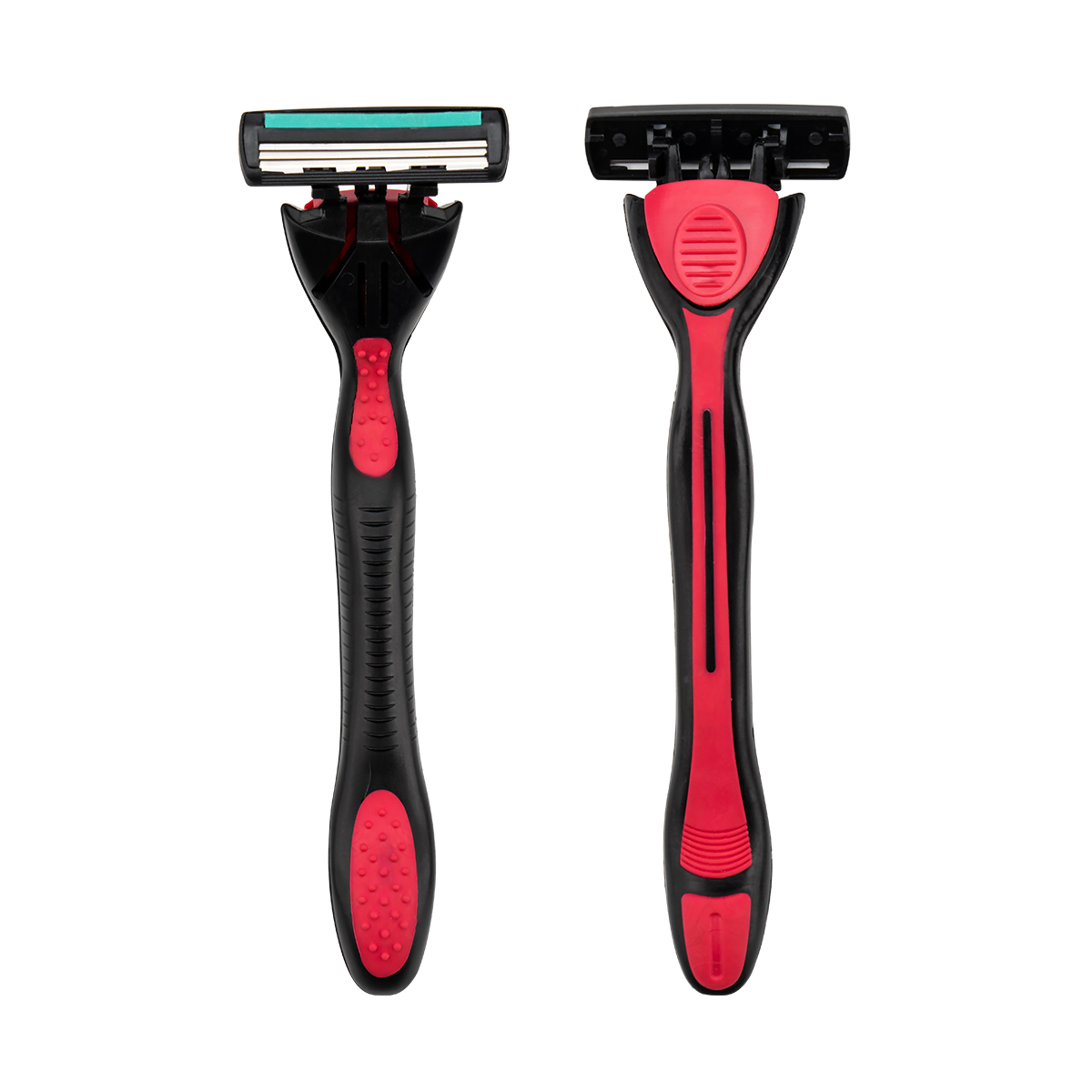
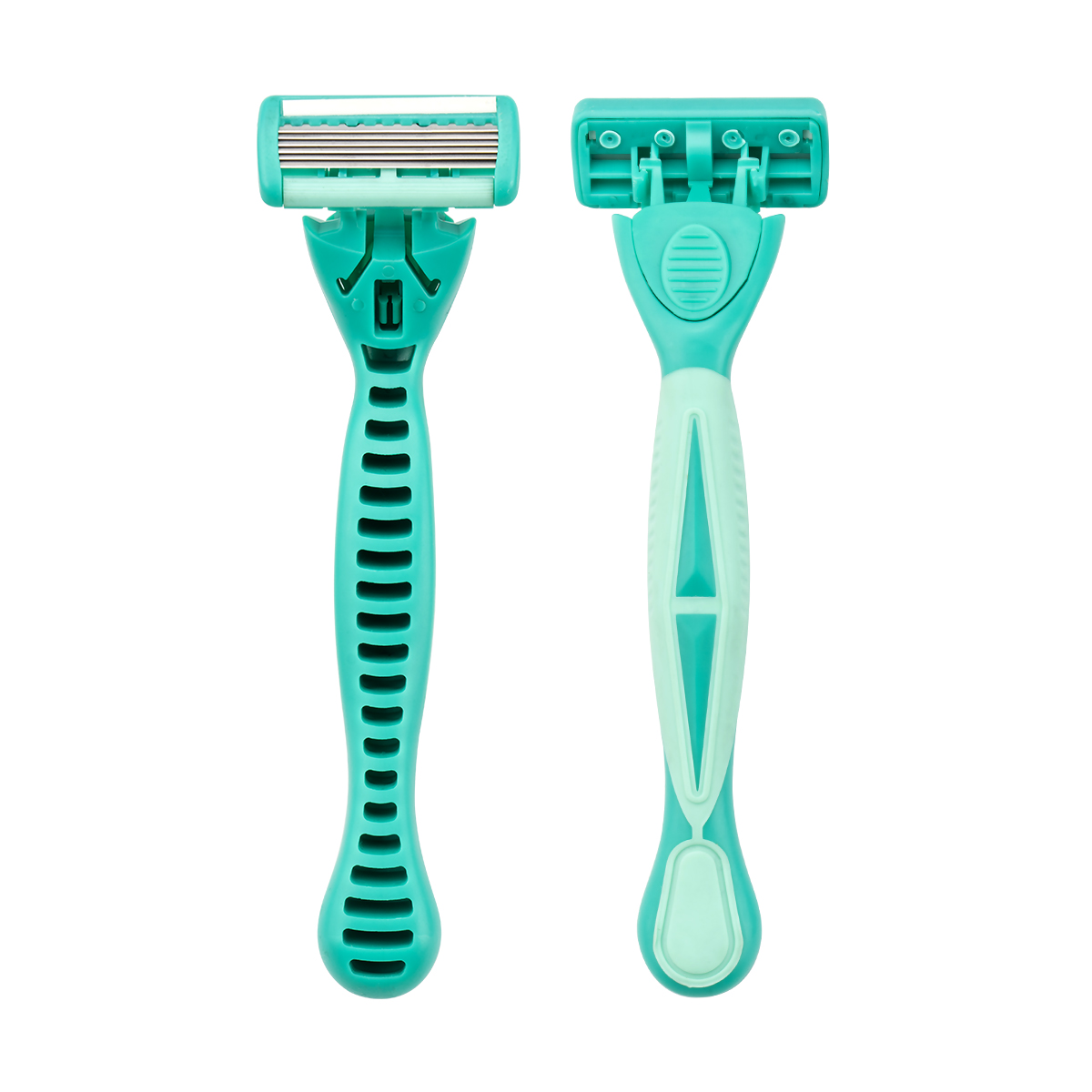
Men's razors typically feature fewer blades, usually two or three. On the other hand, women's razors often have three or more blades. The increased number of blades in women’s razors is designed to provide better shaving efficiency and comfort. Multiple blades work together to lift and cut the hair more effectively, providing a smoother shave. This is particularly important for women, as areas like the legs, underarms, and bikini line have more complex curves that require more precision.
Men’s razors usually have blades arranged in a straight line, designed primarily for shaving the relatively flat surface of the face. Women's razors, however, often feature blades arranged in a curved or flexible pattern to accommodate the body’s different contours. The curved blade design is especially helpful for areas like the underarms, legs, and bikini line, where the skin is more sensitive and requires a more delicate touch.
Shaving Head Flexibility and Adaptability
Men’s razors generally have a fixed shaving head, which is sufficient for shaving the relatively flat facial skin. Since men's shaving needs are more straightforward, a fixed head design works well for daily grooming. However, women’s razors typically feature pivoting heads or flexible shaving heads, which adjust according to the skin's curves. This added flexibility allows women to shave areas like the legs, underarms, and bikini line more easily and safely, ensuring a smoother and more even shave.
Additionally, women’s razors often include anti-nick designs around the shaving head to prevent skin cuts, especially for sensitive skin. The ability of the shaving head to adapt to the skin’s contours not only provides a more precise shave but also reduces irritation and the risk of cuts.
Handle Design and Comfort
The handle design of men’s razors is usually simple and straight, suited to the larger hands and stronger grip of most men. In contrast, women’s razors are designed with ergonomics and comfort in mind, often featuring a more curved, lightweight handle that fits comfortably in smaller hands. Many women’s razors also include rubberized coatings or non-slip materials to improve grip, ensuring safety and control even when the razor is wet.
The handles of women’s razors are typically slimmer and designed with aesthetics in mind, offering both a comfortable grip and a pleasing visual appeal. The added length and flexible structure of the handle also help women reach hard-to-shave areas like the back of the legs and underarms, making the shaving process more efficient and less awkward.
Post-Shave Skin Care Features
Women’s razors often place a strong emphasis on post-shave skin care. Many feature lubrication strips near the blades, infused with soothing ingredients like aloe vera, vitamin E, and glycerin. These ingredients help reduce friction during shaving, minimizing irritation and leaving the skin feeling soft and moisturized. The lubrication strips release moisturizing agents that prevent dryness and keep the skin hydrated after shaving, which is particularly important for women who may have more sensitive skin.
While men's razors also feature lubrication strips, they typically focus more on providing a smooth shaving experience for the face and less on moisturizing or soothing. The ingredients in the strips of men’s razors are often aimed at improving glide and minimizing shaving discomfort, rather than focusing on skin care and hydration.
Razor Versatility and Multi-Functionality
Men’s razors are generally designed for use on the face and offer precise shaving for areas like the chin and jawline. The design is relatively straightforward and does not necessarily cater to other parts of the body. Women’s razors, however, are often marketed as more versatile, designed for multiple areas such as the legs, underarms, and bikini line. The blade arrangement and design features of women’s razors are tailored to address the different needs of various body parts, particularly areas with sensitive skin.
Many women’s razors are not just for hair removal; they are also designed to ensure a comfortable shaving experience on sensitive skin. This multi-functional approach is key in addressing the diverse shaving needs of women, ensuring smooth and safe results on delicate areas like the bikini line, which requires extra care during shaving.
Blade Sharpness and Longevity
Men’s razors typically feature sharper blades to tackle the thicker facial hair that is characteristic of male shaving needs. However, this sharpness can sometimes cause irritation on women’s more sensitive skin, especially in areas like the underarms or legs. Women's razors, therefore, are designed with slightly less sharp blades, offering a smoother shave that reduces the risk of skin irritation.
The blade sharpness in women’s razors is often maintained by including coatings like chrome or titanium that enhance durability and extend the razor's life. Women’s razors are also engineered to remain effective over multiple uses, ensuring consistent shaving performance without causing excessive friction or discomfort.
Razor Aesthetics and Personalization
Women’s razors tend to focus more on aesthetic appeal and personalization. Many women’s razors feature sleek, elegant designs with vibrant colors and patterns that appeal to a more style-conscious market. Packaging is often more elaborate and visually attractive, emphasizing femininity and design. This aesthetic focus enhances the emotional value of the product for female consumers, making the shaving experience feel more personalized and luxurious.
In contrast, men’s razors are generally simpler in design, often featuring more neutral colors like black, silver, or blue. The focus is on functionality and practicality, with less emphasis on visual appeal. The masculine aesthetic is typically minimalistic, emphasizing durability and performance over aesthetics.
Recommended Product
Recommended News

Keep In Touch
 No. 2-2, Oufu Road, Zhangting Town, Yuyao City, Ningbo City, Zhejiang, China.
 +86-574-87560886/87560055
 +86-574-87560885
Copyright © Ningbo Chuangxin Cutting-Tool Manufacture Co., Ltd.
